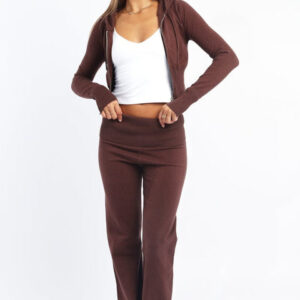
Office dress codes have changed considerably in recent years. Many workplaces have moved away from formal suits and rigid corporate clothing in favour of a more relaxed approach. Casual office wear can be comfortable, modern and stylish, but it still needs to look appropriate for a professional environment.
The challenge is finding the right balance. Clothing that feels perfect for the weekend may appear too relaxed for a meeting, while an outfit that is overly formal can feel out of place in a casual workplace. The best office outfits combine comfort with structure, polish and good judgement.
Writeups and reviews are our personal opinions. Follow through to the merchants site for more details.
What Does Casual Office Wear Mean?
Casual office wear is more relaxed than traditional business clothing, but it is not the same as dressing for home, the beach or the gym. It usually includes comfortable wardrobe staples styled in a clean and professional way.
Depending on the workplace, casual office clothing may include:
The exact dress code will depend on your industry, position and company culture. A creative studio may allow much more freedom than a legal office, financial company or client-facing workplace.
Understand Your Workplace Dress Code
Before introducing more casual pieces into your office wardrobe, observe what other employees wear. Pay particular attention to managers, senior staff and people who hold positions similar to yours.
Some workplaces use terms such as business casual, smart casual or relaxed professional. These descriptions can be interpreted differently, so it is important to understand what they mean within your organisation.
Even in a relaxed workplace, expectations may change depending on the day. A casual outfit may be suitable for routine office work but not for a presentation, client appointment or important meeting.
Start with Polished Basics
A successful casual office wardrobe begins with simple, versatile clothing that fits well. Well-chosen basics can be mixed and matched to create a wide range of outfits without requiring an enormous wardrobe.
Neutral colours are easy to coordinate, but they do not need to make your wardrobe boring. Add personality with prints, colour, jewellery, scarves or textured fabrics.
Choose Jeans Carefully
Jeans are acceptable in many modern offices, but the style and condition of the denim are important.
Dark-wash, black and clean mid-blue jeans usually look more professional than heavily faded, distressed or ripped styles. Straight-leg, slim, bootcut and wide-leg jeans can all work when they fit properly and are styled with polished pieces.
Pair jeans with a blouse, knit top, button-up shirt or blazer. Add loafers, ankle boots or sleek sneakers to complete the outfit.
Avoid jeans with large holes, excessive distressing, very low waistlines or a fit that appears too tight or overly casual.
Writeups and reviews are our personal opinions. Follow through to the merchants site for more details.
Wear T-Shirts in a Refined Way
A simple T-shirt can work well in a casual office, particularly when it is made from good-quality fabric and styled thoughtfully.
Choose T-shirts that are opaque, well fitted and free from wrinkles. Plain colours, subtle stripes and understated designs are generally the most professional choices.
Wear a T-shirt with tailored trousers and a blazer, or tuck it into a midi skirt and add a belt. The contrast between a relaxed top and structured clothing creates a balanced modern outfit.
Graphic T-shirts may be suitable in some creative workplaces, but slogans, controversial messages and oversized logos are best avoided.
Add Structure to Casual Clothing
One of the easiest ways to make casual clothing appropriate for work is to add a structured piece.
A blazer can instantly elevate jeans, a T-shirt or a simple dress. A fitted cardigan, tailored coat or structured handbag can have a similar effect.
Structure creates clean lines and gives the outfit a more deliberate appearance. Even a very relaxed base outfit can look office-ready when combined with one polished outer layer.
Choose Dresses with the Right Balance
Dresses are an easy option for casual office dressing because they require little coordination while still looking complete.
Shirt dresses, wrap dresses, knitted dresses and midi dresses are especially suitable. They offer comfort while maintaining a neat silhouette.
Look for dresses with secure necklines, appropriate lengths and fabrics that are not overly thin or clingy. Add a belt for definition, a cardigan for warmth or a blazer for a more formal finish.
Very short dresses, sheer fabrics, deep cut-outs and extremely body-hugging styles may be better reserved for social occasions.
Style Casual Trousers for Work
Tailored trousers are one of the most versatile pieces in a professional wardrobe. They can be worn with formal shirts, casual knits, T-shirts and even sneakers.
Wide-leg trousers can look sophisticated with a fitted top, while cropped trousers work well with loafers or ankle boots. Relaxed pull-on trousers may also be appropriate when they are made from a quality fabric and have a clean shape.
Avoid trousers that resemble sleepwear, tracksuit pants or gym clothing unless your workplace specifically allows activewear.
Use Knitwear to Create Comfortable Outfits
Knitwear is ideal for casual office dressing because it is comfortable, practical and easy to layer.
Fine-knit sweaters, knitted polo tops, cardigans and fitted turtlenecks can be paired with trousers, skirts or jeans. Choose knits that hold their shape and do not appear stretched, pilled or overly oversized.
A tucked or partially tucked sweater can create a more defined silhouette. Adding a necklace, belt or structured bag can also make a simple knit outfit feel more polished.
Can You Wear Sneakers to the Office?
Clean sneakers are accepted in many casual workplaces, particularly when they have a simple, streamlined design.
White leather sneakers, neutral low-profile styles and minimalist trainers usually look more professional than brightly coloured athletic shoes.
Wear sneakers with tailored trousers, midi dresses, skirts or dark jeans. The rest of the outfit should be neat enough to balance the casual footwear.
Running shoes, worn-out trainers and shoes designed specifically for sport may appear too informal unless your workplace has a very relaxed dress code.
Select Office-Appropriate Footwear
Footwear has a major influence on whether a casual outfit looks professional. Even a simple outfit can appear polished when paired with the right shoes.
Choose shoes that are clean, comfortable and in good condition. Very worn footwear, beach thongs and overly casual slides are generally unsuitable for the office.
Pay Attention to Fabric
Fabric quality can determine whether a garment appears polished or overly casual.
Linen, cotton, denim, wool blends, crepe and structured knit fabrics can all work well. Thin jersey, transparent materials and fabric that wrinkles excessively may look less professional.
You do not need to buy expensive clothing, but garments should maintain their shape, sit properly on the body and look neat throughout the day.
Worth a look
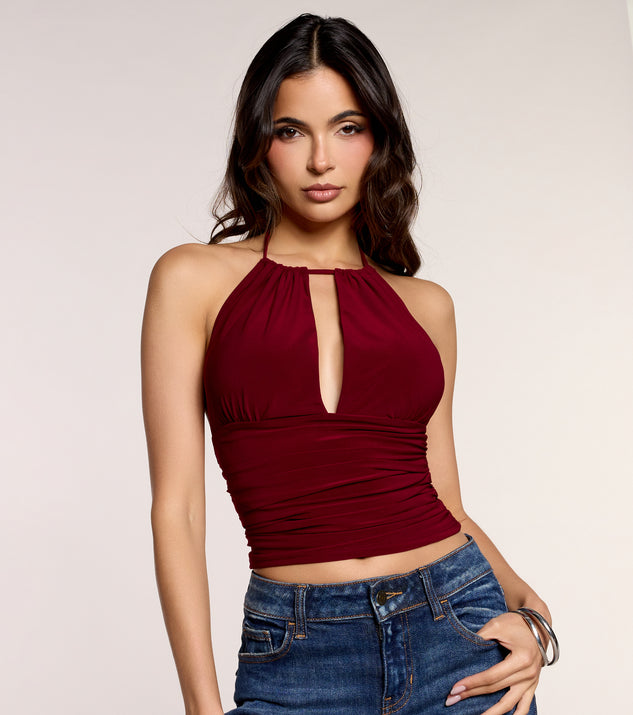
Windsor Worth A Look Halter Crop Top Now on sale Windsor Worth A Look Halter Crop Top. Found on the secure and trusted website windsorstore.com. A little cutout goes a long way. This halter crop top trend right with a keyhole bust detail and open back, finished with ruched sides that shape just right.Fit & FeaturesSlinky knit stretchy fabricHalter neckline, tie strapsOpen backKeyhole bust cutoutRuched side seamsCrop-length…
Writeups and reviews are our personal opinions. Follow through to the merchants site for more details.
Fit Is More Important Than Price
Casual office clothing looks most professional when it fits correctly. Clothing that is too tight, too loose or awkwardly proportioned can appear untidy, regardless of how much it cost.
Trousers should sit comfortably at the waist, shirts should not pull across the buttons and sleeves should not overwhelm the hands. Jeans should hold their shape without appearing restrictive.
Simple alterations can make an affordable garment look more refined. Adjusting a hem, waist or sleeve length can dramatically improve the overall appearance of an outfit.
Keep Your Clothing in Good Condition
Casual clothing still needs to be clean and well maintained. Wrinkles, stains, loose threads, fading and pilling can make an otherwise suitable outfit look careless.
Check your clothing before leaving for work. Steam or iron wrinkled garments, clean your shoes and replace damaged buttons when necessary.
Professional style is often less about the type of clothing you wear and more about how well you care for it.
Use Accessories to Complete the Outfit
Accessories can make casual clothing feel more intentional and office-appropriate.
A leather belt, structured handbag, watch, scarf or simple jewellery can add polish without making the outfit overly formal.
Choose accessories that complement the outfit rather than dominate it. In most workplaces, one or two distinctive details are enough.
A bold necklace can elevate a plain knit, while a quality belt can give shape to a loose dress or oversized shirt.
Casual Office Outfit Ideas
Jeans and a Blazer
Wear dark straight-leg jeans with a plain T-shirt, tailored blazer and loafers. This is one of the easiest ways to combine comfort with professionalism.
Midi Skirt and Knit Top
Pair a flowing or pleated midi skirt with a fitted knit top and ankle boots. Add a belt if you want to define the waist.
Tailored Trousers and Sneakers
Combine wide-leg or cropped trousers with a tucked-in shirt and clean leather sneakers. This creates a modern outfit that remains polished.
Shirt Dress and Flats
A shirt dress worn with ballet flats, loafers or low boots is comfortable and suitable for a wide range of workplaces.
Cardigan and Dark Denim
Style a fitted cardigan as a top with dark jeans and pointed flats. Add a structured bag for a refined finish.
Simple Dress and Blazer
Wear a plain midi dress with a blazer and ankle boots. The dress provides comfort, while the blazer adds authority and structure.
Casual Clothing for Meetings and Client Appointments
Even in a relaxed office, it is wise to dress slightly more formally when meeting clients, giving presentations or attending important discussions.
You do not necessarily need a full suit. A blazer, smart dress, tailored trousers or polished shoes may be enough to elevate your normal office style.
Consider how you want to be perceived. Your clothing should support your credibility and allow the focus to remain on your work.
What to Avoid in a Casual Office
Every workplace is different, but some items are commonly considered too casual or distracting for professional environments.
Clothing that is stained, torn or heavily wrinkled
The aim is not to remove individuality from office dressing. It is to make sure your clothing does not distract from your professionalism or create discomfort for others.
Casual Friday Without Looking Too Casual
Casual Friday is an opportunity to dress more comfortably, but it is still a working day.
Jeans, sneakers and relaxed tops may be acceptable, but they should remain clean, coordinated and appropriate for the office. A neat knit, dark denim and polished sneakers will usually look better than an old T-shirt and worn jeans.
It is also important to remember that unexpected meetings can occur. Dressing slightly better than the minimum requirement helps you remain prepared.
Expressing Personal Style at Work
Casual dress codes provide more freedom to express your personality. You can introduce favourite colours, prints, accessories and silhouettes while still maintaining a professional image.
A colourful blouse, patterned skirt, distinctive pair of shoes or statement earrings can make a simple outfit feel personal.
Choose one focal point and keep the rest of the outfit balanced. This allows your individuality to be visible without making the overall look feel distracting.
The best casual office outfits feel comfortable enough for a full working day while still looking polished enough for an unexpected meeting.
Final Thoughts
Wearing casual clothing to the office does not mean abandoning professional standards. The most successful outfits combine relaxed garments with clean lines, good fit and thoughtful styling.
Start with polished basics, choose quality fabrics and use structured pieces to elevate casual clothing. Keep your footwear clean, your accessories considered and your garments in good condition.
When done well, casual office dressing can help you feel comfortable, confident and authentic without reducing your professional credibility. The goal is to look relaxed, but never careless.
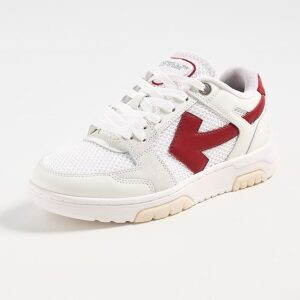
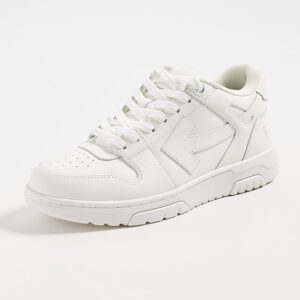
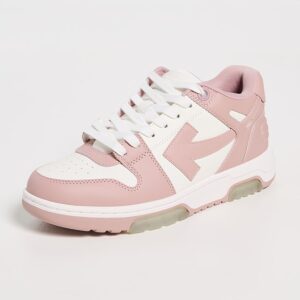
Off-White Out of Office Sneakers Now on sale Off-White Out of Office Sneakers. Found on the secure and trusted website shopbop.com.
Off-White Out of Office Sneakers Off-White Out of Office SneakersOff-White Out of Office Sneakers is a versatile fashion piece designed for everyday and occasion wear.
Off-White Out of Office Sneakers Off-White Out of Office SneakersOff-White Out of Office Sneakers is a versatile fashion piece designed for everyday and occasion wear.
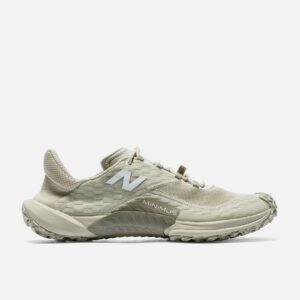
New Balance Minimus Trail: A Lightweight Trail Shoe… New Balance Minimus Trail Review | HBX Fit, Features, Delivery & FAQ New Balance Minimus Trail at HBX: A Lightweight Trail Shoe with a Clean Look and Grip-Focused Build If you like footwear that feels practical without looking overly bulky, the New Balance Minimus Trail at HBX is an interesting option. HBX lists it at A$184 and describes it as…
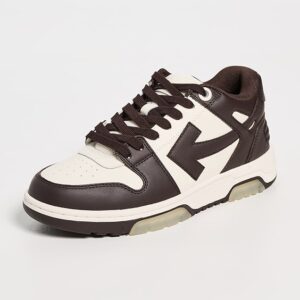
Off-White Out of Office Sneakers Now on sale Off-White Out of Office Sneakers. Found on the secure and trusted website shopbop.com.
Off-White Out of Office Sneakers Off-White Out of Office SneakersOff-White Out of Office Sneakers is a versatile fashion piece designed for everyday and occasion wear.
Off-White Out of Office Sneakers Off-White Out of Office SneakersOff-White Out of Office Sneakers is a versatile fashion piece designed for everyday and occasion wear.
New Balance Minimus Trail: A Lightweight Trail Shoe… New Balance Minimus Trail Review | HBX Fit, Features, Delivery & FAQ New Balance Minimus Trail at HBX: A Lightweight Trail Shoe with a Clean Look and Grip-Focused Build If you like footwear that feels practical without looking overly bulky, the New Balance Minimus Trail at HBX is an interesting option. HBX lists it at A$184 and describes it as…
Writeups and reviews are our personal opinions. Follow through to the merchants site for more details.
Popular Styles
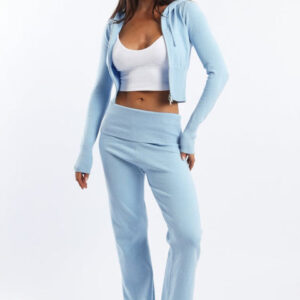
YIZHIYUAN CLOTHING CO., LTD. Blue Wide Leg Pants Knit Now on sale YIZHIYUAN CLOTHING CO., LTD. Blue Wide Leg Pants Knit. Found on the secure and trusted website allyfashion.com. Fabric: StretchGender: WomenAge: AdultBody Length: Full LengthSeason: AutumnStyle: CasualWaistline: High RiseFit: Regular FitMaterial: Knit Acrylic/PolyLabel: Ally FashionMaterial Group: KnitSub-Category: BTGStyle Code: BT4608X-40PB
YIZHIYUAN CLOTHING CO., LTD. Brown Wide Leg Pants Knit Now on sale YIZHIYUAN CLOTHING CO., LTD. Brown Wide Leg Pants Knit. Found on the secure and trusted website allyfashion.com. Fabric: StretchGender: WomenAge: AdultBody Length: Full LengthSeason: AutumnStyle: CasualWaistline: High RiseFit: Regular FitMaterial: Knit Acrylic/PolyLabel: Ally FashionMaterial Group: KnitSub-Category: BTGStyle Code: BT4608X-40PB