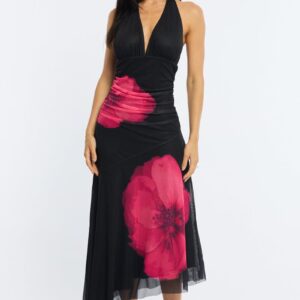
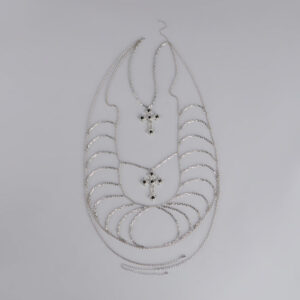
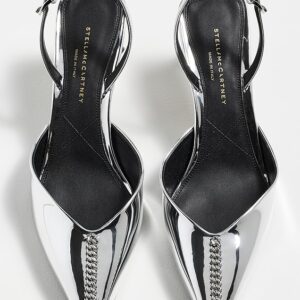
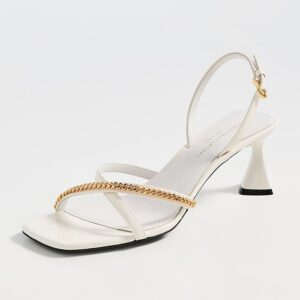
How to Build Stylish Summer Outfits

Stylish summer dressing begins with comfort, but it should not end there. Lightweight fabrics, breathable silhouettes and practical footwear can keep you cool while thoughtful colour, proportion and accessories make the outfit feel polished.

The best summer outfits are simple enough for warm weather but still look intentional. A linen shirt can elevate denim shorts, a flowing dress can be sharpened with a structured handbag and wide-leg trousers can create an elegant alternative to fitted jeans.

You do not need an entirely separate wardrobe for summer. Many successful outfits can be created by combining a small number of versatile tops, bottoms, dresses, shoes and accessories in different ways.

Begin with the Weather and Occasion

Not every summer day requires the same clothing. Dry heat, humidity, strong sun, evening breezes and air-conditioned interiors all affect what feels comfortable.

Before choosing an outfit, consider:

  • The expected temperature
  • The humidity level
  • How much time you will spend outdoors
  • Whether you will be walking
  • The likelihood of rain
  • The dress code
  • How strong the indoor air conditioning may be

A relaxed outfit for the beach will not necessarily work for an office, wedding or city sightseeing day.

Build Around Breathable Fabrics

Fabric has a major influence on summer comfort.

Useful warm-weather fabrics include:

  • Linen
  • Lightweight cotton
  • Viscose
  • Chambray
  • Seersucker
  • Fine jersey
  • Lightweight crepe
  • Breathable technical fabrics

Fabric construction matters as much as fibre content. A loosely woven linen shirt may feel cooler than a heavily lined cotton dress, while a lightweight technical fabric may dry faster than thick natural fibres.

Choose Clothing That Allows Airflow

Summer clothing should sit comfortably around the body rather than trapping heat.

Look for:

  • Open necklines
  • Relaxed sleeves
  • Wide-leg trousers
  • A-line dresses
  • Side splits
  • Loose shirts
  • Minimal lining
  • Room around the waist and underarms

Clothing does not need to be extremely oversized. A semi-fitted garment with enough room for movement can be both flattering and breathable.

Use Proportion to Keep Outfits Polished

Many summer garments have relaxed silhouettes. When every piece is equally loose, the outfit may lose definition.

Create balance by pairing:

  • Wide-leg trousers with a fitted tank
  • A loose shirt with tailored shorts
  • A flowing maxi skirt with a tucked top
  • An oversized T-shirt with straight shorts
  • A relaxed dress with a structured handbag

You do not need a tightly defined waist. A clear neckline, neat shoulder line or visible waistband may provide enough structure.

Create a Summer Colour Palette

A connected colour palette makes summer outfits easier to coordinate.

Useful neutral shades include:

  • White
  • Cream
  • Beige
  • Tan
  • Navy
  • Black
  • Olive
  • Soft grey

Add one or two brighter colours such as:

  • Coral
  • Cobalt blue
  • Green
  • Yellow
  • Pink
  • Turquoise
  • Red
  • Lavender

A summer wardrobe does not need to be entirely pale. Dark colours can look elegant when the fabric is lightweight and the silhouette allows airflow.

Use White as a Fresh Foundation

White clothing creates a clean summer look and coordinates easily with colour, denim and natural textures.

Try:

  • White trousers with a coloured tank
  • A white shirt with denim shorts
  • A white dress with tan sandals
  • A white skirt with a printed blouse
  • White jeans with a striped top

Check pale fabrics for transparency in natural light and choose undergarments close to your skin tone.

Wear Black in Summer

Black can still work in warm weather when the fabric is light and the fit is comfortable.

Try:

  • A black linen shift dress
  • Black wide-leg trousers with a sleeveless top
  • A black camisole with a printed skirt
  • A black romper with metallic sandals
  • A black maxi dress with an open neckline

Use woven accessories, bare skin and light footwear to prevent the outfit from feeling heavy.

Add Prints for Interest

Prints can make simple summer outfits feel complete without requiring many accessories.

Useful summer prints include:

  • Florals
  • Stripes
  • Checks
  • Tropical prints
  • Polka dots
  • Abstract patterns
  • Animal prints

Choose one printed focal piece and keep the remaining garments relatively simple.

Build Around Reliable Summer Tops

A small selection of versatile tops can create many outfits.

Useful options include:

  • Plain T-shirts
  • Ribbed tanks
  • Linen shirts
  • Sleeveless blouses
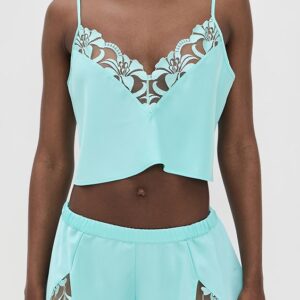
  • Camisoles
  • Short-sleeved shirts
  • Lightweight bodysuits
  • Off-the-shoulder tops

Choose necklines and strap widths that work with your preferred undergarments.

How to Style a Plain T-Shirt

A plain T-shirt is one of the easiest summer foundations.

Wear it with:

  • Tailored shorts
  • Wide-leg trousers
  • A satin midi skirt
  • Denim shorts
  • A printed maxi skirt
  • Lightweight jeans

Tuck it fully, use a front tuck or knot it loosely at the waist depending on the fabric and silhouette.

How to Style a Tank Top

A fitted or semi-fitted tank balances relaxed summer bottoms.

Pair it with:

  • Palazzo trousers
  • Linen shorts
  • A full midi skirt
  • Wide-leg jeans
  • A lightweight blazer
  • An open linen shirt

Choose armholes that provide comfortable movement and suitable bra coverage.

How to Style a Linen Shirt

A linen shirt can be worn buttoned, open, tucked or tied.

Try:

  • A white linen shirt with denim shorts
  • A coloured linen shirt with cream trousers
  • An oversized shirt over a fitted dress
  • A linen shirt worn open over a tank
  • A matching shirt-and-shorts set

Roll the sleeves and open the neckline to create a lighter, more relaxed look.

How to Style a Sleeveless Blouse

A sleeveless blouse can move easily between casual and professional outfits.

Wear it with:

  • Tailored trousers
  • A midi skirt
  • Wide-leg pants
  • High-waisted shorts
  • Light denim

A structured handbag and polished sandals can make the outfit suitable for work or lunch.

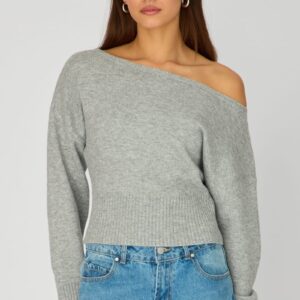
How to Style an Off-the-Shoulder Top

An off-the-shoulder top creates an open neckline and works well for dates, holidays and summer evenings.

Pair it with:

  • High-waisted trousers
  • Denim shorts
  • A flowing skirt
  • White jeans
  • Tailored shorts

Keep the necklace simple or wear statement earrings instead.

Build Around Versatile Summer Bottoms

Useful summer bottoms should provide airflow, comfort and several styling options.

Consider:

  • Tailored shorts
  • Denim shorts
  • Wide-leg trousers
  • Linen pants
  • Cropped trousers
  • Midi skirts
  • Maxi skirts
  • Lightweight jeans

How to Style Tailored Shorts

Tailored shorts look polished while remaining practical in hot weather.

Wear them with:

  • A fitted T-shirt
  • A sleeveless blouse
  • A linen shirt
  • A lightweight blazer
  • A simple camisole

Complete the outfit with loafers, leather sandals, minimal sneakers or low heels.

How to Style Denim Shorts

Denim shorts work best when balanced with a more polished or lightweight top.

Try:

  • A linen shirt
  • A romantic blouse
  • A fitted tank
  • A striped T-shirt
  • A lightweight blazer

Choose a length and rise that remain comfortable while sitting and walking.

How to Style Wide-Leg Trousers

Wide-leg trousers create airflow and an elegant silhouette.

Pair them with:

  • A fitted tank
  • A tucked blouse
  • A cropped shirt
  • A simple bodysuit
  • A sleeveless knit

Make sure the hem remains clear of the ground and works with your chosen shoes.

How to Style Cropped Trousers

Cropped trousers expose the ankle and suit casual, work and travel outfits.

Wear them with:

  • Loafers
  • Flat sandals
  • Minimal sneakers
  • Espadrilles
  • Low block heels

A straight or gently tapered silhouette usually looks more polished than a very tight fit in hot weather.

How to Style a Midi Skirt

A midi skirt provides coverage while remaining easy to style.

Try:

  • A satin midi with a plain T-shirt
  • An A-line skirt with a sleeveless blouse
  • A floral midi with a fitted tank
  • A pleated skirt with a cropped cardigan
  • A denim midi with a linen shirt

Define the waist with a tuck, cropped top or waistband detail.

How to Style a Maxi Skirt

A maxi skirt can look relaxed, romantic or polished depending on the fabric.

Pair it with:

  • A fitted tank
  • A cropped shirt
  • A tucked T-shirt
  • A lightweight blouse
  • A simple bodysuit

Choose a hem that remains clear of dusty streets, wet paths and stairs.

Can You Wear Jeans in Summer?

Jeans can be worn in summer when the denim is light enough and the fit allows movement.

More comfortable options include:

  • Lightweight straight-leg jeans
  • Wide-leg jeans
  • Cropped denim
  • White jeans
  • Relaxed pale-wash denim

Pair them with sleeveless tops, lightweight shirts and open footwear.

Use Dresses for Easy Summer Outfits

Dresses create complete outfits with fewer layers and waistbands.

Useful summer styles include:

  • Shift dresses
  • Shirt dresses
  • Wrap dresses
  • Slip dresses
  • Tiered dresses
  • Mini dresses
  • Midi dresses
  • Maxi dresses

How to Style a Summer Mini Dress

A mini dress is practical during very warm weather because it exposes more of the legs.

Wear it with:

  • Flat sandals
  • Minimal sneakers
  • Espadrilles
  • Light ankle boots for festivals
  • A compact shoulder bag

Add an oversized shirt or lightweight blazer when more coverage is needed.

How to Style a Summer Midi Dress

A midi dress can work for casual days, work, dinners and events.

Try:

  • Sneakers and a denim jacket
  • Flat sandals and a woven bag
  • Block heels and a structured handbag
  • Espadrilles and a lightweight cardigan

Side splits and open necklines can make the length feel cooler.

How to Style a Summer Maxi Dress

A maxi dress offers coverage and movement while still feeling relaxed.

Look for:

  • Lightweight fabric
  • Side splits
  • Adjustable straps
  • Open necklines
  • Minimal lining
  • A hem that clears the ground

Wear with sandals, wedges or sneakers depending on the occasion.

How to Style a Shirt Dress

A shirt dress offers structure while remaining breathable.

Wear it:

  • Loose with flat sandals
  • Belted with block heels
  • Open over a tank and shorts
  • Over swimwear
  • With sneakers for travel

Roll the sleeves and leave the neckline slightly open for a relaxed effect.

How to Style a Wrap Dress

A wrap dress creates waist definition while allowing some adjustability.

Pair it with:

  • Low block heels
  • Leather sandals
  • Espadrilles
  • A structured handbag
  • A lightweight jacket for evening

Check that the neckline and skirt overlap remain secure.

How to Style a Slip Dress

A slip dress is light, versatile and easy to dress up or down.

Wear it with:

  • Flat sandals and a woven bag
  • Sneakers and an oversized shirt
  • Block heels and statement earrings
  • A lightweight blazer
  • A fitted T-shirt underneath

A slip dress should skim rather than cling and may require seamless undergarments.

How to Style a Tiered Dress

A tiered dress creates movement and airflow, but excessive volume can overwhelm the silhouette.

Balance it with:

  • Simple sandals
  • A structured bag
  • Minimal jewellery
  • A fitted upper section
  • A cropped jacket if needed

Try Jumpsuits and Rompers

Jumpsuits and rompers provide an easy one-piece alternative to dresses.

Look for:

  • Wide legs
  • Adjustable straps
  • Breathable fabric
  • Comfortable waistbands
  • Easy fastenings
  • Room through the torso

Add sandals and a compact bag for daytime or heels and statement jewellery for evening.

Use Matching Sets

Matching sets create an instant coordinated outfit while allowing the pieces to be worn separately.

Summer sets may include:

  • Shirt and shorts
  • Tank and trousers
  • Crop top and skirt
  • Vest and wide-leg pants
  • Blouse and tailored shorts

Choose clean accessories to prevent a loose set from looking like sleepwear.

Add a Lightweight Layer

Even hot-weather outfits may need a removable layer for evening, wind or air conditioning.

Useful options include:

  • A linen shirt
  • A fine cardigan
  • A lightweight blazer
  • A denim jacket
  • A cotton overshirt
  • A thin wrap

The layer should fit easily into a bag or be comfortable to carry.

How to Wear a Summer Blazer

A summer blazer adds polish without requiring heavy tailoring.

Choose an unlined or partially lined style in linen, cotton or a lightweight blend.

Wear it with:

  • Tailored shorts and a tank
  • Wide-leg trousers and a camisole
  • A slip dress
  • Jeans and a T-shirt
  • A midi skirt and sleeveless top

How to Use an Oversized Shirt as a Layer

An oversized shirt can function as a light jacket.

Wear it open over:

  • A fitted tank
  • A dress
  • A bodysuit
  • Swimwear
  • A romper

Roll the sleeves and choose a fabric that remains breathable.

Best Summer Footwear

Summer footwear should combine ventilation, support and suitability for the activity.

Useful options include:

  • Flat sandals
  • Supportive walking sandals
  • Espadrilles
  • Minimal sneakers
  • Loafers
  • Slides
  • Low block heels
  • Strappy evening shoes

How to Choose Summer Sandals

Choose sandals with:

  • Comfortable straps
  • A supportive footbed
  • Secure soles
  • Enough room for mild swelling
  • Materials that do not rub when damp

Very thin soles may become uncomfortable during long walks on hot pavements.

How to Wear Sneakers in Summer

Sneakers work well with dresses, skirts, trousers and shorts.

Choose lightweight or breathable styles and wear moisture-wicking socks.

Minimal white, cream, grey or pastel sneakers are particularly versatile.

How to Wear Espadrilles

Espadrilles complement linen, florals, denim and flowing dresses.

Flat versions suit walking and casual outfits, while wedges work well for lunches, parties and summer events.

How to Wear Loafers in Summer

Loafers provide a polished alternative to sandals, particularly for work.

Pair them with:

  • Cropped trousers
  • Tailored shorts
  • Shirt dresses
  • Midi skirts
  • White jeans

Use no-show or lightweight socks if needed for comfort.

Choose the Right Summer Handbag

A summer handbag should be practical without adding unnecessary weight.

Good options include:

  • A woven tote
  • A basket bag
  • A compact crossbody
  • A small shoulder bag
  • A canvas tote
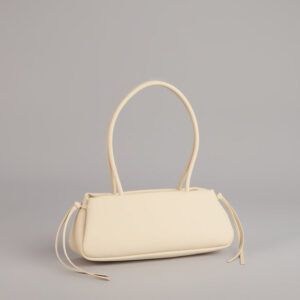
  • A structured top-handle bag

Woven bags feel relaxed, while structured leather bags make casual summer clothing look more polished.

Use Accessories Carefully

Accessories can transform a simple summer outfit, but heavy pieces may feel uncomfortable in heat.

Useful options include:

One strong accessory is often enough.

Use Belts to Create Shape

A belt can add definition to loose dresses, oversized shirts and jumpsuits.

Choose:

  • A narrow leather belt
  • A woven belt
  • A fabric tie
  • A tonal belt

Avoid pulling the belt so tightly that the fabric bunches or becomes uncomfortable.

Choose a Practical Summer Hat

A hat can provide shade and complete the outfit.

Look for:

  • Breathable woven construction
  • A secure fit
  • A comfortable internal band
  • A brim suited to the activity
  • A colour that coordinates easily

Wide-brim hats suit holidays and outdoor events, while caps and smaller-brim styles work well for casual days.

Choose Suitable Undergarments

Summer undergarments should feel breathable, smooth and comfortable.

Consider:

  • Seamless underwear
  • Skin-toned shades beneath pale clothing
  • Breathable cotton gussets
  • Lightweight bras
  • Strapless or convertible bras
  • Anti-chafing shorts beneath dresses

Avoid unnecessarily heavy shapewear during intense heat unless it is genuinely required.

Check Clothing for Transparency

Pale and lightweight summer fabrics may become transparent in bright light or when damp.

Check garments:

  • In natural daylight
  • While sitting
  • With light behind you
  • With your intended undergarments

A lightweight slip or partial lining can improve coverage without adding excessive warmth.

Create Casual Summer Outfits

Casual summer outfits should be comfortable, washable and easy to move in.

Try:

  • Denim shorts, a linen shirt and sandals
  • A cotton midi dress with sneakers
  • Wide-leg trousers with a fitted tank
  • A maxi skirt with a plain T-shirt
  • A matching shorts set with slides

Create Polished Casual Outfits

Polished casual style combines relaxed pieces with one or two refined elements.

Try:

  • Tailored shorts with a sleeveless blouse
  • White jeans with a linen shirt
  • A midi dress with a structured handbag
  • Wide-leg trousers with leather sandals
  • A skirt and T-shirt with a lightweight blazer

Create Summer Work Outfits

Work outfits should remain professional while allowing airflow.

Useful combinations include:

  • Cropped tailored trousers with a sleeveless blouse
  • A shirt dress with loafers
  • Wide-leg trousers with a lightweight blazer
  • A midi skirt with a tucked short-sleeved top
  • A linen-blend suit with a camisole

Keep a cardigan or blazer at work if air conditioning is strong.

Create Summer Date Outfits

A summer date outfit should feel attractive without requiring constant adjustment.

Try:

  • A wrap dress with block heels
  • A slip dress with a lightweight blazer
  • White jeans with an off-the-shoulder top
  • A satin-look skirt with a camisole
  • Tailored shorts with a romantic blouse

Choose footwear according to the venue and amount of walking.

Create Summer Evening Outfits

Evening outfits can use shine, deeper colour and stronger accessories without adding heavy layers.

Try:

  • A black maxi dress with metallic sandals
  • Wide-leg trousers with a satin camisole
  • A fitted midi dress with block heels
  • A tailored jumpsuit with statement earrings
  • A slip dress with a structured clutch

Create Summer Party Outfits

For parties, choose one feature such as colour, cut-out detail, shine or an interesting neckline.

Try:

  • A bright mini dress
  • A metallic skirt with a simple tank
  • A floral jumpsuit
  • A satin midi dress
  • Tailored trousers with a corset-inspired top

Keep the remaining accessories controlled.

Create Summer Wedding Guest Outfits

Summer weddings require breathable fabric, suitable coverage and shoes appropriate for the venue.

Consider:

  • A chiffon midi dress
  • A flowing wrap dress
  • A tailored jumpsuit
  • A floral maxi dress
  • A lightweight A-line dress

Choose block heels, wedges or elegant flats for grass and outdoor settings.

Avoid white, ivory or bridal-looking shades unless the dress code permits them.

Create Summer Brunch Outfits

For brunch, combine relaxed clothing with one polished detail.

Try:

  • A floral midi with white sneakers
  • Tailored shorts with a striped shirt
  • White jeans with a sleeveless blouse
  • A linen jumpsuit with flat sandals
  • A midi skirt with a fitted T-shirt

Create Summer Travel Outfits

Travel outfits should remain comfortable while adapting to air conditioning and temperature changes.

A useful outfit may include:

  • Relaxed trousers
  • A breathable T-shirt
  • A fine cardigan
  • Supportive sneakers
  • A practical crossbody bag

Choose fabrics that resist severe creasing and shoes that can handle prolonged walking.

Create Summer Holiday Outfits

A small holiday wardrobe can create many combinations when the colours coordinate.

Useful pieces include:

  • A white linen shirt
  • Two breathable dresses
  • Wide-leg trousers
  • Tailored or relaxed shorts
  • Several lightweight tops
  • Sandals
  • Supportive sneakers
  • A light evening layer

Create Summer Festival Outfits

Festival outfits should provide comfort, sun protection and secure footwear.

Try:

  • Denim shorts with a breathable tank
  • A cotton mini dress with boots
  • A lightweight romper
  • A printed skirt with a graphic T-shirt
  • A matching shorts set with sneakers

Carry a secure crossbody bag and avoid footwear that is not already broken in.

Create Rainy Summer Outfits

Warm summer rain requires lightweight protection rather than heavy outerwear.

Try:

  • Cropped trousers with a sleeveless top and packable rain jacket
  • A short dress with waterproof sandals
  • Quick-drying shorts with a breathable raincoat
  • A midi dress with waterproof sneakers

Avoid long hems, untreated suede and open bags when heavy rain is expected.

Create Outfits for Humid Summer Weather

In humidity, focus on airflow and quick-drying fabrics.

Choose:

  • Loose dresses
  • Wide-leg trousers
  • Open-neck tops
  • Minimal lining
  • Supportive sandals
  • Lightweight accessories

Prints and darker shades can help disguise perspiration marks if that concerns you.

Create Outfits for Dry Heat

Dry heat may require more sun coverage even when the temperature is high.

Useful options include:

  • Long-sleeved linen shirts
  • Loose trousers
  • Maxi dresses
  • Breathable hats
  • Lightweight scarves

Choose loose, light-coloured fabrics for extended time outdoors.

Use Monochrome Summer Styling

Monochrome outfits can look refined while using very simple garments.

Try:

  • White trousers with an ivory tank
  • Black shorts with a black blouse
  • Navy trousers with a pale blue shirt
  • Olive separates with tan sandals
  • Beige linen pieces in related tones

Mix textures to add depth.

Use Tonal Summer Styling

Tonal dressing combines related shades rather than exact matches.

Examples include:

  • Cream, tan and chocolate
  • Blue, navy and denim
  • Pink, coral and burgundy
  • Olive, sage and khaki
  • White, ivory and stone

This creates coordination without making the outfit appear overly matched.

Summer Outfits for Minimalist Style

Minimalist summer dressing uses clean lines, lightweight fabric and restrained accessories.

Try:

  • A linen shift dress with flat sandals
  • Wide-leg trousers with a fitted tank
  • A monochrome matching set
  • A sleeveless jumpsuit with a structured bag
  • A white shirt with tailored shorts

Summer Outfits for Romantic Style

Romantic summer outfits may include soft florals, flowing skirts and delicate details.

Try:

  • A floral wrap dress
  • A satin midi skirt with a camisole
  • A puff-sleeve blouse with white trousers
  • A tiered dress with strappy sandals
  • A lace-trim top with tailored shorts

Use one or two romantic details rather than combining excessive ruffles, lace and florals.

Summer Outfits for Edgy Style

Edgy summer outfits can rely on silhouette, contrast and accessories rather than heavy leather.

Try:

  • A black mini dress with chunky sandals
  • Tailored shorts with an asymmetric top
  • A slip dress with combat boots
  • A graphic T-shirt with a satin skirt
  • Black wide-leg trousers with silver jewellery

Summer Outfits for Bohemian Style

Bohemian summer dressing often uses flowing shapes, prints and natural textures.

Try:

  • A printed maxi dress
  • Wide-leg patterned trousers
  • An embroidered blouse with shorts
  • A tiered skirt with a fitted tank
  • A woven bag and leather sandals

Avoid excessive fringe, jewellery and competing prints.

Summer Outfits for Classic Style

Classic summer outfits rely on timeless shapes and controlled colour.

Try:

  • A white shirt with navy shorts
  • A shirt dress with loafers
  • White jeans with a striped top
  • A sleeveless blouse with tailored trousers
  • A simple midi dress with block heels

Summer Style at Any Age

Stylish summer clothing can be worn at every age.

There is no age at which you must stop wearing:

  • Shorts
  • Sleeveless tops
  • Mini dresses
  • Bright colours
  • Cut-out details
  • Crop tops
  • Open sandals

Choose coverage and proportions according to your comfort, lifestyle and the occasion.

Summer Outfits for Petite Figures

Petite wearers may prefer precise hems and controlled volume.

Useful options include:

  • High-waisted shorts
  • Cropped trousers
  • Shorter dresses
  • Defined shoulder lines
  • Monochrome outfits
  • Smaller handbags

Maxi dresses and wide-leg trousers can also work when the length is correct.

Summer Outfits for Curvy Figures

Choose fabrics that skim the body without pulling or clinging.

Useful styles include:

  • Wrap dresses
  • Wide-leg trousers
  • V-neck tops
  • A-line skirts
  • Structured shirt dresses
  • Elastic-back waistbands

Make sure armholes, waistbands and thigh areas allow comfortable movement.

Summer Outfits for Pear-Shaped Figures

Choose bottoms that fit smoothly through the waist and hips.

Interesting necklines, sleeves and accessories can create balance through the upper body.

Summer Outfits for Apple-Shaped Figures

Open necklines, flowing dresses and straight trousers can create comfortable vertical lines.

Choose soft waist definition rather than restrictive belts when comfort is the priority.

Summer Outfits for Straight Figures

Wrap shapes, waist ties, pleats and cropped tops can create definition.

You can also embrace clean column silhouettes through shift dresses and jumpsuits.

How to Make Summer Outfits Look More Expensive

  • Choose fabric with a clean drape.
  • Check seams, buttons and zips.
  • Steam or press garments properly.
  • Keep footwear clean.
  • Use a controlled colour palette.
  • Choose structured accessories.
  • Wear suitable undergarments.
  • Adjust trouser and skirt hems.
  • Limit unnecessary decoration.

How to Avoid Looking Too Casual

Summer clothing can quickly look beach-like or unfinished.

Add polish through:

  • A structured handbag
  • Tailored shorts
  • A clean belt
  • Leather sandals
  • Simple jewellery
  • A lightweight blazer
  • A pressed shirt

How to Avoid Looking Overdressed

Avoid combining too many formal elements during casual summer occasions.

For example, a satin dress, statement jewellery, high heels and an embellished bag may feel excessive for a relaxed lunch.

Balance one elevated garment with simpler accessories or footwear.

How to Repeat Summer Outfits

A successful summer outfit deserves to be worn again.

Change its mood by switching:

  • The shoes
  • The handbag
  • The jewellery
  • The outer layer
  • The belt
  • The hairstyle

A midi dress may look casual with sneakers and more polished with block heels.

Build a Small Summer Capsule

A practical summer capsule might include:

  • Three or four breathable tops
  • One linen shirt
  • Two pairs of shorts
  • Two pairs of lightweight trousers
  • One midi or maxi skirt
  • Three versatile dresses
  • One lightweight layer
  • Two or three pairs of shoes
  • One everyday bag
  • One evening bag

Choose pieces that share a connected colour palette and work across several occasions.

Common Summer Styling Mistakes

  • Choosing tight clothing that traps heat
  • Wearing heavy synthetic lining
  • Combining several oversized garments without structure
  • Ignoring transparency in pale fabrics
  • Wearing uncomfortable sandals for long walks
  • Allowing wide trouser hems to drag
  • Carrying an unnecessarily heavy bag
  • Using too many accessories in hot weather
  • Choosing clothing that requires complicated underwear
  • Forgetting a layer for air-conditioned interiors
  • Wearing delicate fabrics during active outdoor days
  • Assuming every summer outfit must be white or pastel

Stylish Summer Outfit Ideas

Casual Summer Outfit

Wear denim shorts with a white linen shirt, flat sandals and a tan crossbody bag.

Polished Casual Outfit

Pair wide-leg cream trousers with a fitted tank, leather sandals and a structured handbag.

Summer Work Outfit

Wear cropped navy trousers with a sleeveless blouse, loafers and a lightweight blazer.

Romantic Summer Outfit

Choose a soft floral midi dress with strappy sandals, delicate earrings and a small shoulder bag.

Minimalist Summer Outfit

Wear a black sleeveless shift dress with clean sandals, a sculptural cuff and a structured handbag.

Edgy Summer Outfit

Pair tailored black shorts with an asymmetric tank, chunky sandals and silver jewellery.

Bohemian Summer Outfit

Wear a flowing printed maxi skirt with a fitted tank, flat leather sandals and one woven bag.

Summer Date Outfit

Style a linen wrap dress with block heels, statement earrings and a compact handbag.

Summer Evening Outfit

Wear wide-leg trousers with a satin camisole, heeled sandals and a structured clutch.

Summer Travel Outfit

Choose relaxed trousers, a breathable T-shirt, supportive sneakers and a fine cardigan for air conditioning.

A Simple Summer Styling Formula

Use this method to build a stylish and comfortable summer outfit:

  • Choose one breathable foundation piece.
  • Balance loose volume with a cleaner silhouette.
  • Add one colour, print or texture feature.
  • Select footwear suited to the activity.
  • Carry a practical lightweight bag.
  • Add one simple accessory.
  • Check transparency, fit and comfort.
  • Carry one removable layer if needed.

A stylish summer outfit should feel light without looking unfinished. Comfort comes from fabric and fit, while polish comes from proportion, coordination and a few deliberate details.

Final Thoughts

Building stylish summer outfits begins with breathable fabrics, comfortable silhouettes and realistic planning for the weather and occasion.

Use linen shirts, lightweight tops, tailored shorts, wide-leg trousers, flowing skirts and easy dresses as practical foundations. Balance loose clothing with fitted or structured elements so the outfit retains shape.

Footwear and accessories should support the day rather than make it more difficult. Choose comfortable sandals, breathable sneakers, lightweight handbags and jewellery that does not feel heavy against the skin.

Colour, prints and texture can make simple summer clothing feel distinctive. You do not need many layers or complicated combinations to create an interesting outfit.

The most successful summer wardrobe is one where every piece feels comfortable in the heat, coordinates easily and can move between casual days, work, holidays and evening occasions with only small styling changes.

Layering Ideas for Autumn

Autumn is one of the best seasons for creative dressing. Temperatures are usually cool enough for jackets, knitwear and boots, but mild enough to avoid the heavy layers required in winter.

The challenge is that autumn weather can change quickly. A cold morning may become warm by lunchtime, while wind, rain and cooler evenings can make a simple outfit feel inadequate. Successful autumn layering allows you to adjust throughout the day without losing the shape or style of the outfit.

The most useful approach is to begin with a breathable base, add one insulating middle layer and finish with an outer layer suited to the weather. Each piece should work independently so the outfit still looks complete when a jacket, cardigan or scarf is removed.

Why Layering Matters in Autumn

Autumn sits between the extremes of summer and winter, which makes dressing less predictable.

Layering helps you manage:

  • Cold mornings
  • Warmer afternoons
  • Cool evenings
  • Strong wind
  • Light rain
  • Changing indoor temperatures
  • Seasonal travel

It also allows summer clothing to remain useful for longer and introduces winter pieces gradually.

Use a Three-Layer Formula

A practical autumn outfit often includes three levels of clothing.

  • A lightweight base layer
  • A warm or structured middle layer
  • A weather-protective outer layer

For example, wear a cotton T-shirt beneath a cardigan and trench coat. As the day warms, remove the coat, and later remove the cardigan if necessary.

The base outfit should look intentional even when the outer layers are removed.

Begin with a Breathable Base

The first layer should be comfortable during the warmest part of the day.

Useful autumn base layers include:

  • Plain T-shirts
  • Long-sleeved jersey tops
  • Fine turtlenecks
  • Button-down shirts
  • Lightweight blouses
  • Fitted tanks
  • Fine knit tops
  • Simple dresses

Avoid beginning with a very heavy sweater unless the day is expected to remain cold.

Choose Fine Knitwear for Flexible Warmth

Fine knitwear is easier to layer than a heavy chunky sweater. It can sit beneath blazers, coats and jackets without creating excessive bulk.

Useful styles include:

  • Crew-neck sweaters
  • V-neck knits
  • Fine cardigans
  • Ribbed tops
  • Light turtlenecks
  • Sleeveless knit vests

Fine knitwear can also be tied around the shoulders or carried in a bag when it is no longer needed.

Layer a Shirt Under a Sweater

A collared shirt beneath a sweater creates a polished autumn outfit and adds warmth without relying on a heavy coat.

Allow the collar, cuffs or a small section of the shirt hem to show.

This combination works with:

  • Jeans
  • Tailored trousers
  • Midi skirts
  • Mini skirts
  • Ponte pants

Choose a lightweight shirt so the fabric does not bunch beneath the sweater.

Layer a Turtleneck Under a Shirt

A fine turtleneck worn beneath a shirt creates warmth and a modern layered effect.

Try:

  • A black turtleneck beneath a white shirt
  • A cream turtleneck beneath a denim shirt
  • A burgundy turtleneck beneath a striped shirt
  • A grey turtleneck beneath an oversized blue shirt

Wear the shirt open or partially buttoned to reveal the contrasting neckline.

Layer a Turtleneck Under a Dress

A fitted turtleneck can extend the use of sleeveless and short-sleeved dresses into autumn.

This works well beneath:

  • Slip dresses
  • Pinafore dresses
  • Square-neck dresses
  • Denim dresses
  • Sleeveless midi dresses

Choose a smooth, fitted knit so the dress continues to fall correctly.

Wear Knitwear Over a Dress

A sweater worn over a dress can make the dress appear like a skirt.

This works particularly well with:

  • Floral midi dresses
  • Slip dresses
  • Shirt dresses
  • Satin dresses
  • Tiered dresses

Use a cropped knit or fold the hem inward to preserve waist definition.

Use a Cardigan as a Flexible Layer

Cardigans are practical because they can be worn open, buttoned or removed easily.

Useful autumn cardigan styles include:

  • Cropped cardigans
  • Long open cardigans
  • Fine ribbed cardigans
  • Chunky buttoned cardigans
  • Belted cardigans

A cropped cardigan works well with high-waisted trousers and dresses, while a longer cardigan suits straight jeans and fitted base layers.

Wear a Cardigan as a Top

A fitted or semi-fitted cardigan can be buttoned and worn as the main top.

Pair it with:

  • Wide-leg trousers
  • Straight-leg jeans
  • A satin midi skirt
  • Tailored shorts
  • A denim skirt

Add a trench or blazer when more warmth is required.

Layer a Knit Vest Over a Shirt

A knit vest warms the torso while allowing greater movement through the arms.

Wear one over:

  • A white shirt
  • A striped blouse
  • A long-sleeved T-shirt
  • A simple dress
  • A lightweight turtleneck

Pair with loafers, ankle boots or sneakers for a polished autumn look.

Use an Overshirt as a Light Jacket

An overshirt sits between a shirt and a jacket, making it ideal for mild autumn days.

It can be worn over:

  • A tank
  • A T-shirt
  • A fitted knit
  • A casual dress
  • A bodysuit

Cotton, denim, corduroy and brushed fabrics all work well.

Layer with a Denim Jacket

A denim jacket is one of the easiest autumn layers because it works with both light and warm clothing.

Wear it over:

  • Floral dresses
  • Knit dresses
  • T-shirts and trousers
  • Fine knitwear
  • Midi skirts
  • Jumpsuits

A cropped denim jacket creates waist definition, while an oversized version allows room for thicker layers.

Layer with a Leather Jacket

A leather or leather-look jacket adds warmth and structure without the weight of a winter coat.

It works especially well with:

  • Floral dresses
  • Satin skirts
  • Jeans
  • Fine knitwear
  • Tailored trousers
  • Romantic blouses

Black creates strong contrast, while brown, tan, burgundy and cream produce a softer autumn effect.

Layer with a Blazer

A blazer adds polish and can be worn casually, professionally or for evening.

Layer one over:

A relaxed blazer provides room for layers, while a fitted blazer suits thinner tops and dresses.

Use an Oversized Blazer

An oversized blazer creates a modern silhouette and works well over fitted or streamlined clothing.

Pair it with:

  • A fitted knit dress
  • Straight-leg jeans
  • Leather-look trousers
  • A satin slip dress
  • A mini skirt and tights

Push up the sleeves or add a belt when you want more definition.

Layer with a Trench Coat

A trench coat protects against wind and light rain while remaining lighter than most winter coats.

It can be worn over:

  • A blazer
  • A cardigan
  • A fine sweater
  • A dress
  • A shirt and trousers
  • A denim jacket if the fit allows

Choose a trench with enough room through the shoulders and sleeves for the layers underneath.

Layer with a Utility Jacket

Utility jackets create a practical, casual autumn look.

Olive, khaki, navy and beige styles work well with denim, dresses and neutral knitwear.

Wear one over a striped top, floral dress or fine sweater.

Use a Shacket for Colder Days

A shacket is thicker than an ordinary overshirt but lighter than a winter coat.

It works well with:

  • Jeans
  • Leggings
  • Knit dresses
  • Mini skirts
  • Casual trousers

Balance a bulky shacket with a fitted or streamlined base layer.

Layer a Light Coat Over Knitwear

As temperatures fall, a light wool-blend or tailored coat can replace the trench.

Make sure it allows enough room for the knitwear beneath it.

A coat that is too tight across the shoulders may cause bunching and restrict movement.

Layer Dresses for Autumn

Dresses are easy to adapt because you can change their warmth through base layers, knitwear, tights and footwear.

Useful autumn dresses include:

  • Floral midi dresses
  • Shirt dresses
  • Knit dresses
  • Wrap dresses
  • Slip dresses
  • Tiered dresses
  • Denim dresses

Layer a Floral Dress

A floral dress can move from summer into autumn with darker and heavier layers.

Add:

  • A leather jacket
  • Ankle boots
  • A cardigan
  • A fitted turtleneck
  • A trench coat
  • Sheer or opaque tights

Dark accessories can ground a pale floral print.

Layer a Slip Dress

A slip dress is particularly versatile for autumn.

Wear it:

  • Over a fitted T-shirt
  • Over a turtleneck
  • Under a chunky sweater
  • With an oversized blazer
  • With a leather jacket
  • With ankle boots

The contrast between satin-like fabric and textured knitwear creates a strong seasonal outfit.

Layer a Shirt Dress

A shirt dress can be layered over a turtleneck, leggings or fitted trousers.

It can also be worn open like a long overshirt.

Add a belt, cardigan, blazer or trench according to the temperature.

Layer a Knit Dress

A knit dress already provides warmth, so the outer layers should add structure rather than unnecessary bulk.

Wear it with:

  • A leather jacket
  • A long tailored coat
  • An oversized blazer
  • Knee-high boots
  • A belt

Layer a Mini Dress

A mini dress can remain practical in autumn when paired with tights and boots.

Add:

  • A long cardigan
  • A blazer
  • A trench coat
  • A fitted turtleneck underneath
  • Knee-high boots

A long outer layer balances the shorter hem.

Layer a Midi Dress

Midi dresses work well with ankle boots, knee-high boots, cardigans and jackets.

A cropped layer can preserve waist definition, while a long coat creates a continuous vertical line.

Layer Skirts for Autumn

Skirts can be adapted with tights, knitwear and closed footwear.

Useful autumn options include:

  • Satin midi skirts
  • Denim skirts
  • Pleated skirts
  • Leather-look skirts
  • Knit skirts
  • A-line minis

Layer a Satin Skirt

A satin skirt provides contrast against warm autumn textures.

Pair it with:

  • A fine knit
  • A chunky sweater
  • A leather jacket
  • An oversized blazer
  • Ankle boots
  • Sneakers

Use a front tuck or cropped knit to maintain waist definition.

Layer a Mini Skirt

A mini skirt can be worn with:

  • Sheer tights
  • Opaque tights
  • Knee-high boots
  • Loafers and socks
  • A fine knit
  • A long coat

Balance the shorter hem with a higher neckline or longer outer layer if desired.

Layer a Maxi Skirt

A flowing maxi skirt works well with a fitted knit, denim jacket or cropped cardigan.

Choose a hem that stays clear of rain and damp pavements.

Layer Jeans for Autumn

Jeans provide a reliable base for autumn layers.

Try:

  • Jeans, T-shirt, cardigan and trench
  • Jeans, shirt, knit vest and loafers
  • Jeans, turtleneck, blazer and ankle boots
  • Jeans, sweater and leather jacket

Straight-leg and cropped jeans are particularly versatile with autumn footwear.

Layer White Jeans for Autumn

White jeans can remain useful after summer.

Pair them with:

  • Camel knitwear
  • Burgundy tops
  • Olive jackets
  • Tan boots
  • Chocolate accessories

Deeper colours make white denim feel more seasonal.

Layer Wide-Leg Trousers

Wide-leg trousers work best with a fitted or tucked base layer.

Add:

  • A cropped cardigan
  • A fitted turtleneck
  • A blazer
  • A short jacket
  • A trench coat

Avoid combining extremely wide trousers with several oversized upper layers unless a deliberately voluminous silhouette is intended.

Layer Tailored Trousers

Tailored trousers can be dressed up or down through autumn layers.

Wear them with:

  • A T-shirt and blazer
  • A fine knit and trench
  • A shirt and cardigan
  • A turtleneck and leather jacket
  • A vest and loafers

Layer Shorts into Autumn

Shorts can remain useful during mild autumn weather.

Pair tailored or denim shorts with:

  • A long-sleeved shirt
  • A lightweight knit
  • A blazer
  • Ankle boots
  • Loafers
  • Sheer tights

This combination works particularly well when mornings are cool but afternoons remain warm.

Add Tights Gradually

Tights extend the seasonal life of dresses and skirts.

Begin with:

  • Sheer tights
  • Fine patterned tights
  • Lightly textured tights

As temperatures fall, move to:

  • Opaque tights
  • Ribbed tights
  • Thermal tights

Use Socks as Part of the Layering

Visible socks can add warmth and style.

Try:

  • Fine socks with loafers
  • Ribbed socks above ankle boots
  • Sport socks with sneakers
  • Sheer socks with ballet flats

Repeat a colour from the outfit so the socks look intentional.

Best Autumn Footwear

Footwear should provide enough coverage for cool conditions without feeling as heavy as winter boots.

Useful options include:

  • Ankle boots
  • Chelsea boots
  • Loafers
  • Leather sneakers
  • Ballet flats
  • Mary Janes
  • Knee-high boots
  • Closed-toe block heels

Wear Ankle Boots with Autumn Layers

Ankle boots work with jeans, dresses, skirts and trousers.

Choose:

  • Pointed boots for a polished look
  • Chunky boots for an edgy outfit
  • Chelsea boots for everyday wear
  • Heeled boots for evening

Wear Knee-High Boots

Knee-high boots provide more warmth and work well with mini and midi dresses.

They also pair with:

  • Short skirts
  • Skinny trousers
  • Knit dresses
  • Shirt dresses

Wear Loafers with Autumn Outfits

Loafers are ideal when sandals feel too summery but boots feel too heavy.

Wear them with:

  • Cropped trousers
  • Jeans
  • Midi skirts
  • Mini dresses
  • Tailored shorts

Add fine socks or tights when temperatures drop.

Use Scarves as Lightweight Layers

A scarf can provide warmth without requiring another jacket.

Useful autumn scarves include:

  • Silk scarves
  • Light wool blends
  • Fine knitted scarves
  • Printed cotton scarves

Wear a scarf around the neck, over the shoulders or tied to a handbag.

Choose Autumn Colours

Traditional autumn colours work well because they coordinate naturally with denim, leather and knitwear.

Popular shades include:

  • Camel
  • Chocolate brown
  • Burgundy
  • Rust
  • Olive
  • Mustard
  • Navy
  • Charcoal
  • Cream
  • Deep green

You do not need to abandon bright colours. A cobalt knit, pink coat or red handbag can add energy to an autumn outfit.

Create Tonal Autumn Layers

Tonal dressing combines several shades from the same colour family.

Try:

  • Cream, camel and chocolate
  • Grey, silver and charcoal
  • Navy, denim and pale blue
  • Burgundy, plum and blush
  • Olive, khaki and sage

Tonal outfits make multiple layers appear more cohesive.

Use Monochrome Layering

A monochrome outfit creates a long, uninterrupted line and can make layers look less bulky.

Examples include:

  • Black dress, tights, boots and coat
  • Cream trousers, knit and blazer
  • Grey skirt, sweater and coat
  • Navy jeans, top and trench

Mix textures to prevent the outfit from looking flat.

Mix Textures

Autumn layering becomes more interesting when smooth and textured materials are combined.

Try:

  • Satin with knitwear
  • Leather with cotton
  • Denim with silk-like fabric
  • Velvet with tailoring
  • Corduroy with fine knitwear
  • Linen with a blazer

Limit very heavy textures to one or two areas so the outfit does not become visually dense.

How to Layer Without Looking Bulky

Several layers can add unnecessary volume if each one is loose or thick.

Reduce bulk by:

  • Using fitted base layers
  • Choosing one main area of volume
  • Keeping inner sleeves slim
  • Using fine knitwear beneath jackets
  • Showing the waist or wrist
  • Choosing outerwear with enough room
  • Using vertical lines

Make Sure Every Layer Works Independently

The outfit should remain complete when the outer coat or cardigan is removed.

Check that the base combination has:

  • A suitable neckline
  • Balanced proportions
  • Appropriate coverage
  • Coordinated colours
  • Complete footwear and accessories

Avoid Tight Outerwear over Thick Layers

A jacket or coat that is too small may pull across the shoulders, compress sleeves and create visible bunching.

Try outerwear on over the layers you plan to wear regularly.

Keep Removable Layers Easy to Carry

Autumn layers should be practical when removed.

You can:

  • Fold a cardigan into a tote
  • Drape a blazer over the shoulders
  • Tie a fine knit around the shoulders
  • Carry a lightweight jacket over the arm

Avoid choosing several bulky pieces that are difficult to carry as the day warms.

Autumn Layering for Work

Professional layers should be polished and easy to remove indoors.

Try:

  • Tailored trousers, blouse, cardigan and trench
  • A midi dress, blazer and ankle boots
  • A fine turtleneck, wide-leg trousers and long coat
  • A shirt dress with a knit vest and loafers
  • A skirt, fitted knit and structured jacket

Autumn Layering for Casual Days

Casual outfits can rely on comfortable basics and practical jackets.

Try:

  • Jeans, T-shirt, cardigan and sneakers
  • A floral dress, denim jacket and ankle boots
  • Leggings, oversized shirt and trench
  • A satin skirt, sweater and leather jacket
  • Cropped trousers, knit vest and loafers

Autumn Layering for Weekends

Weekend layers should adapt easily to walking, shopping, lunches and changing temperatures.

Try:

  • White jeans, striped shirt, blazer and sneakers
  • A midi dress, utility jacket and boots
  • Wide-leg trousers, fitted tank and cardigan
  • Denim shorts, fine knit and ankle boots

Autumn Layering for Date Nights

A date outfit can remain elegant while including practical warmth.

Try:

  • A slip dress, blazer and ankle boots
  • Dark jeans, satin blouse and leather jacket
  • A floral midi, trench coat and heeled boots
  • A knit dress, long coat and knee-high boots
  • A mini skirt, fitted sweater and tights

Autumn Layering for Evening

Evenings often become colder quickly, so bring a warm outer layer even when the afternoon is mild.

Suitable options include:

  • A velvet top with tailored trousers and blazer
  • A satin dress with a leather jacket
  • A jumpsuit with a trench coat
  • A midi skirt with a fine knit and long coat

Autumn Layering for Travel

Travel outfits should handle different indoor and outdoor temperatures.

A useful combination includes:

  • Comfortable trousers
  • A breathable T-shirt
  • A fine cardigan
  • A lightweight jacket
  • Supportive sneakers or boots
  • A scarf

Choose layers that pack easily and coordinate with the rest of the travel wardrobe.

Autumn Layering in Mild Climates

In mild climates, autumn may require only one removable layer.

Useful pieces include:

  • Light cardigans
  • Linen-blend blazers
  • Denim jackets
  • Fine knitwear
  • Light trench coats

Avoid buying heavy coats that will rarely be worn.

Autumn Layering in Cold Climates

In colder regions, autumn may already require substantial warmth.

Use:

  • Thermal base layers
  • Fine wool knits
  • Light wool coats
  • Warm tights
  • Weather-resistant boots
  • Scarves and gloves

Several thin layers often work better than one extremely bulky sweater.

Autumn Layering for Rain

Rain requires careful attention to outerwear, hems and footwear.

Choose:

  • A waterproof or water-resistant coat
  • Cropped trousers
  • Midi or shorter dresses
  • Water-resistant boots
  • A secure handbag
  • A compact umbrella

Avoid trailing hems, untreated suede and slippery soles.

Use Summer Clothes in Autumn

Do not store summer clothing immediately when autumn begins.

Extend its use by combining:

  • Summer dresses with jackets and boots
  • Tank tops with cardigans
  • Shorts with knitwear
  • Light skirts with tights
  • Linen trousers with blazers

Introduce Winter Clothing Gradually

Autumn does not require a full winter wardrobe immediately.

Begin by adding:

  • Ankle boots
  • Fine knitwear
  • Light coats
  • Scarves
  • Sheer tights

Move to heavy coats, thermal layers and insulated footwear only when the weather requires them.

Autumn Layering for Minimalist Style

Minimalist layering relies on clean lines and a controlled colour palette.

Try:

  • A black turtleneck, trousers and long coat
  • A cream knit, matching pants and camel trench
  • A column dress with a structured blazer
  • Dark denim with a white shirt and simple cardigan

Autumn Layering for Romantic Style

Romantic autumn outfits can combine florals, soft knitwear and refined accessories.

Try:

  • A floral midi with a cropped cardigan
  • A satin skirt with a soft V-neck sweater
  • A puff-sleeve blouse beneath a blazer
  • A wrap dress with knee-high boots

Autumn Layering for Edgy Style

Create edge through strong contrast and structured layers.

Try:

  • A floral dress with combat boots and a leather jacket
  • A satin slip dress over a black turtleneck
  • Leather-look trousers with an oversized knit
  • A mini skirt with tights and a long blazer

Autumn Layering for Bohemian Style

Bohemian autumn layering can include flowing dresses, earthy colours and natural textures.

Try:

  • A printed maxi with a suede-look jacket
  • A tiered skirt with a fitted knit
  • An embroidered blouse with a long cardigan
  • A floral dress with ankle boots and a woven bag

Use one or two bohemian elements rather than layering every expected detail.

Autumn Layering for Classic Style

Classic layering relies on timeless shapes and polished combinations.

Try:

  • A white shirt, crew-neck knit and tailored trousers
  • A shirt dress with a trench coat
  • Dark jeans with a blazer and loafers
  • A fine turtleneck with an A-line skirt

Autumn Layering at Any Age

Layering can be stylish and practical at every age.

There is no age at which you must stop wearing:

  • Mini skirts
  • Leather jackets
  • Bright knitwear
  • Combat boots
  • Floral dresses
  • Oversized blazers

Choose proportions, warmth and coverage according to your comfort and lifestyle.

Autumn Layering for Petite Figures

Petite wearers may prefer layers with controlled volume and precise lengths.

Useful options include:

  • Cropped jackets
  • Shorter cardigans
  • High-waisted trousers
  • Monochrome foundations
  • Coats ending near the dress hem

Oversized layers can still work when sleeves and hems are adjusted carefully.

Autumn Layering for Curvy Figures

Choose layers that fit comfortably through the bust, waist and hips.

Useful options include:

  • Open blazers
  • Wrap dresses
  • V-neck knitwear
  • Long open cardigans
  • Wide-leg trousers
  • Soft trench coats

Avoid stacking several tight layers that restrict movement.

Common Autumn Layering Mistakes

  • Wearing several bulky layers at once
  • Dressing only for the morning temperature
  • Choosing outerwear that is too tight
  • Using base layers that bunch beneath clothing
  • Combining too many oversized pieces
  • Carrying layers that are difficult to remove
  • Ignoring rain and wind
  • Wearing summer shoes in cold, wet conditions
  • Putting summer clothing away too early
  • Adding scarves, cardigans and coats without considering proportion
  • Allowing long hems to drag through wet streets
  • Making the base outfit dependent on the outer coat

Autumn Layering Outfit Ideas

Casual Autumn Outfit

Wear straight-leg jeans with a white T-shirt, fine cardigan, trench coat and leather sneakers.

Polished Work Outfit

Pair tailored trousers with a fitted turtleneck, relaxed blazer, loafers and a structured tote.

Romantic Autumn Outfit

Style a floral midi dress with a cropped cardigan, ankle boots and a camel coat.

Edgy Autumn Outfit

Wear a satin slip dress over a black turtleneck with combat boots and a leather jacket.

Minimalist Autumn Outfit

Choose black trousers, a black fine-knit top, a charcoal coat and streamlined ankle boots.

Bohemian Autumn Outfit

Wear a printed maxi dress with a suede-look jacket, ankle boots and a woven shoulder bag.

Weekend Autumn Outfit

Pair white jeans with a striped shirt, navy blazer, loafers and a tan crossbody bag.

Rainy Autumn Outfit

Wear cropped trousers with a fine knit, waterproof trench, Chelsea boots and a secure shoulder bag.

Warm Autumn Day Outfit

Style tailored shorts with a long-sleeved blouse, lightweight blazer and loafers.

Cold Autumn Day Outfit

Layer a thermal top beneath a knit dress, then add opaque tights, knee-high boots and a long coat.

A Simple Autumn Layering Formula

Use this method to build an adaptable autumn outfit:

  • Choose a breathable base layer.
  • Add one fine knit, cardigan or shirt.
  • Select a jacket or coat suited to the weather.
  • Make sure every layer works independently.
  • Balance oversized pieces with cleaner silhouettes.
  • Choose footwear suitable for temperature and rain.
  • Add a scarf only when it provides practical warmth.
  • Keep removable layers easy to carry.

Autumn layering works best when every piece has a purpose. The outfit should become warmer or lighter as layers are added and removed without ever feeling incomplete.

Final Thoughts

Layering ideas for autumn should focus on flexibility, comfort and proportion. The weather may change throughout the day, so the most useful outfits include pieces that can be added, removed and restyled easily.

Begin with breathable tops, dresses or shirts, then add fine knitwear, cardigans, blazers, denim jackets or leather jackets. Finish with a trench, utility jacket or light coat according to the conditions.

Extend the use of summer dresses, skirts and shorts by adding tights, knitwear and boots. Introduce heavier winter clothing gradually rather than replacing the entire wardrobe at once.

Use colour and texture to make autumn layers feel deliberate. Knitwear, denim, satin, leather and tailoring can all work together when the overall silhouette remains balanced.

The best autumn outfits do not rely on the maximum number of layers. They use a small number of well-chosen pieces that keep you comfortable while allowing your personal style to remain visible.

How to Wear Dresses in Winter

Dresses do not need to disappear from your wardrobe when the temperature drops. With suitable fabrics, thoughtful layers and weather-appropriate footwear, dresses can remain practical throughout winter.

A lightweight dress can be worn over a fine thermal top, a sleeveless style can be layered beneath a cardigan and coat, and a midi dress can be paired with tights and knee-high boots. Even summer dresses can work when they are combined with warmer textures and sufficient protection from wind and rain.

The key is to create warmth without overwhelming the dress. Rather than covering it beneath several bulky garments, use fitted base layers, suitable hosiery, insulating footwear and outerwear that complements the dress’s length and shape.

Can You Wear Dresses in Winter?

Dresses can be worn comfortably in winter when the outfit protects the areas most affected by cold.

This usually means adding:

  • A warm base layer
  • Tights or leggings
  • Appropriate boots
  • A cardigan, knit or jacket
  • A coat suited to the conditions
  • Winter accessories when needed

The level of insulation should reflect the climate, wind, rain and amount of time you will spend outdoors.

A winter outfit for a short journey between heated buildings will be different from one intended for prolonged outdoor activity.

Begin with the Right Dress

Some dresses are naturally easier to wear in cold weather than others.

Useful winter styles include:

  • Knit dresses
  • Long-sleeved dresses
  • Midi dresses
  • Maxi dresses
  • Shirt dresses
  • Wrap dresses
  • Velvet dresses
  • Denim dresses
  • Jersey dresses
  • Layer-friendly slip dresses

However, nearly any dress can be adapted if it has enough room for layering and works with winter footwear.

Choose Winter-Friendly Fabrics

Fabric has a strong influence on warmth, comfort and appearance.

Suitable winter dress fabrics include:

  • Wool and wool blends
  • Merino knit
  • Dense jersey
  • Ponte
  • Velvet
  • Corduroy
  • Denim
  • Heavy crepe
  • Brushed cotton
  • Thicker ribbed knit

A fabric does not need to be extremely heavy. A medium-weight dress combined with a thermal layer may be warmer and easier to style than one very bulky garment.

Lightweight Dresses Can Still Work

Chiffon, satin, viscose and lightweight cotton dresses can be worn in winter when layered correctly.

Use:

  • A fitted thermal top underneath
  • A warm cardigan or knit over the dress
  • Opaque tights
  • Knee-high boots
  • A long coat

The contrast between a light dress and heavier winter textures can create a more interesting outfit than using only thick fabrics.

Use Thermal Base Layers

Thermal tops and leggings provide warmth without adding excessive visible bulk.

Wear a fitted thermal top beneath:

  • Sleeveless dresses
  • Slip dresses
  • Short-sleeved dresses
  • Shirt dresses
  • Pinafore dresses

Choose a neckline that remains hidden or deliberately complements the dress.

A black thermal turtleneck beneath a sleeveless floral or slip dress can look like an intentional part of the outfit.

Choose Base Layers That Fit Smoothly

A base layer should sit close to the body without bunching around the shoulders, waist or sleeves.

Useful options include:

  • Fine merino tops
  • Stretch thermal tops
  • Fitted long-sleeved T-shirts
  • Lightweight turtlenecks
  • Seamless bodysuits

A bulky base may distort the dress, especially around fitted sleeves or a close waistline.

Wear Tights for Warmth

Tights are one of the easiest ways to make dresses practical in winter.

Options include:

  • Sheer tights
  • Opaque tights
  • Thermal tights
  • Fleece-lined tights
  • Wool-blend tights
  • Textured tights
  • Coloured tights

Choose the weight according to the temperature and formality of the outfit.

Black Tights Are Versatile

Black tights work with most winter dresses and footwear.

They pair particularly well with:

  • Floral dresses
  • Mini dresses
  • Velvet dresses
  • Black boots
  • Loafers
  • Pointed heels

Matching black tights with black shoes or boots can create a long, uninterrupted leg line.

Try Coloured or Textured Tights

Tights can become a deliberate styling feature rather than purely practical insulation.

Consider:

  • Burgundy tights with a navy dress
  • Charcoal tights with a grey outfit
  • Chocolate tights with cream or camel
  • Patterned tights with a simple black dress
  • Ribbed tights with a knit mini dress

Keep the dress and accessories relatively simple when the hosiery is highly decorative.

Can You Wear Leggings Under a Dress?

Leggings can provide more warmth than ordinary tights, especially with casual dresses.

They work well beneath:

  • Shirt dresses
  • Sweater dresses
  • Tunic dresses
  • Casual mini dresses
  • Denim dresses

Choose opaque leggings with a smooth waistband and pair them with boots or supportive sneakers.

For formal outfits, tights usually create a more polished finish.

Add a Slip for Extra Warmth

A slip creates an additional layer between the dress and skin.

It can also:

  • Reduce static
  • Prevent fabric from clinging to tights
  • Improve coverage
  • Help the dress fall smoothly
  • Protect delicate fabric from perspiration

Choose a lightweight slip that remains hidden beneath the neckline and hem.

Layer a Turtleneck Under a Dress

A fine turtleneck is one of the most effective winter layering pieces.

Wear one under:

  • A slip dress
  • A sleeveless midi
  • A pinafore dress
  • A short-sleeved dress
  • A square-neck dress

Black creates a strong graphic contrast, while cream, grey, burgundy and navy can produce a softer effect.

Layer a Shirt Under a Dress

A collared shirt can add warmth and structure beneath a sleeveless dress.

This works particularly well with:

  • Pinafore dresses
  • Simple A-line dresses
  • Shift dresses
  • Knitted sleeveless dresses

Choose a fitted shirt so the sleeves and torso do not bunch beneath the dress.

Layer Knitwear Over a Dress

Wearing a sweater over a dress can make the lower section appear like a skirt.

This works well with:

  • Slip dresses
  • Floral midis
  • Satin dresses
  • Tiered dresses
  • Shirt dresses

Choose a cropped sweater or create a shorter shape by folding the hem inward.

Use a Cropped Sweater

A cropped sweater allows the waistline of the dress to remain visible.

It works especially well over:

  • Fit-and-flare dresses
  • Wrap dresses
  • High-waisted skirt sections
  • Slip dresses

The shorter knit helps preserve leg length and prevents the outfit from appearing overly layered.

Wear an Oversized Sweater Over a Dress

An oversized sweater can create a relaxed winter outfit, particularly when worn over a fitted or flowing midi dress.

Balance the volume with:

Avoid adding an equally bulky coat unless the weather requires it.

Layer a Cardigan Over a Dress

Cardigans provide warmth without completely hiding the dress.

Useful styles include:

  • Cropped cardigans
  • Fine fitted cardigans
  • Long open cardigans
  • Belted cardigans
  • Chunky buttoned cardigans

A cropped cardigan suits dresses with defined waists, while a long open cardigan creates vertical lines over straighter silhouettes.

Button a Cardigan Over the Dress

A buttoned cardigan can function as part of the dress rather than simply an outer layer.

Choose a cardigan ending close to the natural waist or upper hip.

Add a belt if the combined outfit needs more definition.

Use a Belt Over Knitwear

A belt can restore shape when a cardigan or sweater is worn over a dress.

Choose:

  • A slim leather belt
  • A medium-width waist belt
  • A tonal belt
  • A simple buckle

A very wide belt may cause thick knitwear to bunch around the waist.

Wear a Blazer with a Winter Dress

A blazer adds structure and works well for offices, dinners and smart-casual events.

Wear one over:

  • A knit midi dress
  • A floral dress
  • A slip dress
  • A fitted mini dress
  • A shirt dress

An oversized blazer creates contrast with a fitted dress, while a tailored blazer works well with flowing or softly shaped styles.

Wear a Leather Jacket with a Dress

A leather or leather-look jacket adds warmth and gives feminine dresses a stronger finish.

Try:

Black creates the strongest contrast, while tan, burgundy or cream feels softer.

Wear a Denim Jacket in Mild Winter Weather

A denim jacket may be sufficient in mild climates or during warmer winter afternoons.

Layer it over knitwear or a thermal base when more warmth is needed.

A cropped denim jacket works well with fit-and-flare dresses, while an oversized version suits fitted and slip dresses.

Choose the Right Winter Coat

The coat should provide adequate warmth while working with the dress’s length and silhouette.

Useful options include:

  • A long tailored coat
  • A belted wrap coat
  • A wool-blend coat
  • A trench with warm layers underneath
  • A puffer coat
  • A faux-fur coat
  • A structured pea coat

Long Coats with Dresses

A long coat provides excellent coverage and works particularly well with midi and maxi dresses.

Choose a coat that:

  • Ends near or below the dress hem
  • Closes comfortably over layers
  • Allows free movement
  • Has sufficient sleeve room
  • Provides protection from wind

A coat ending close to the dress length creates a clean, cohesive line.

Short Coats with Dresses

Shorter coats work well with mini dresses and high-waisted silhouettes.

Try:

  • A cropped puffer with a knit mini
  • A pea coat with a shirt dress
  • A short faux-fur jacket with an evening dress
  • A leather jacket with a floral midi

Make sure the jacket does not end at an awkward point where it interrupts the dress’s shape.

Can You Wear a Puffer Coat with a Dress?

A puffer coat can be worn with dresses, particularly when warmth and weather protection are priorities.

Choose:

  • A longline puffer over midi and maxi dresses
  • A cropped puffer over mini or fitted dresses
  • A belted puffer for greater waist definition
  • A streamlined design for polished outfits

Keep the boots and handbag relatively clean in shape if the coat is very voluminous.

Choose Winter Boots Carefully

Boots provide warmth, grip and visual balance for winter dresses.

Useful options include:

  • Ankle boots
  • Knee-high boots
  • Over-the-knee boots
  • Chelsea boots
  • Combat boots
  • Heeled boots
  • Weather-resistant boots

Ankle Boots with Dresses

Ankle boots work with mini, midi and maxi dresses.

Choose a streamlined boot for polished outfits or a chunkier design for casual and edgy looks.

A small gap between a midi hem and ankle boot can interrupt the leg line. This can be reduced by wearing tights in a similar colour to the boots.

Knee-High Boots with Dresses

Knee-high boots provide additional warmth and work particularly well with:

  • Mini dresses
  • Midi dresses
  • Knit dresses
  • Shirt dresses
  • Wrap dresses

With midi dresses, the boot shaft can disappear beneath the hem, reducing exposed skin and creating a continuous line.

Over-the-Knee Boots with Dresses

Over-the-knee boots add warmth and drama to short dresses.

Pair them with:

Balance fitted boots with a slightly looser or more covered upper half.

Combat Boots with Dresses

Combat boots create a strong contrast with romantic and feminine dresses.

Try them with:

  • Floral dresses
  • Lace dresses
  • Tiered midis
  • Slip dresses
  • Knit minis

Add a leather jacket, oversized blazer or long coat depending on the weather.

Can You Wear Sneakers with Winter Dresses?

Sneakers can work during dry, mild winter weather or for indoor-focused days.

Choose leather or coated sneakers rather than thin canvas when rain is likely.

Wear them with:

  • Knit midi dresses
  • Shirt dresses
  • Casual maxis
  • Sweater dresses

Add warm socks, tights and a long coat.

Wear Loafers with Tights

Loafers can be worn with winter dresses when temperatures are moderate.

Pair them with opaque tights, ribbed socks or thermal hosiery.

This combination works particularly well with:

  • Shirt dresses
  • Pinafore dresses
  • Mini dresses
  • Knitted A-line dresses

How to Wear a Knit Dress in Winter

Knit dresses are natural winter staples because they provide warmth while creating a complete outfit.

Style them with:

  • Knee-high boots
  • Ankle boots
  • A long coat
  • A structured blazer
  • A belt
  • Opaque tights

Choose a knit weight that provides warmth without clinging or losing shape.

Fitted Knit Dresses

A fitted knit dress creates a streamlined foundation for oversized or structured outerwear.

Add:

  • An oversized blazer
  • A long open coat
  • Knee-high boots
  • A structured handbag
  • A long scarf

Choose seamless undergarments if the ribbing reveals lines.

Relaxed Knit Dresses

A loose sweater dress can be worn as a simple column or shaped with a belt.

Pair it with fitted boots and a structured coat to balance the relaxed silhouette.

How to Wear a Mini Dress in Winter

A mini dress can remain practical when the legs and upper body are adequately protected.

Add:

  • Opaque or thermal tights
  • Knee-high or over-the-knee boots
  • A long coat
  • A fitted turtleneck underneath
  • A cardigan or blazer

The contrast between a short dress and long outerwear can create a balanced silhouette.

How to Wear a Midi Dress in Winter

Midi dresses are particularly versatile because they provide coverage without dragging near wet ground.

Wear them with:

  • Knee-high boots beneath the hem
  • Ankle boots and matching tights
  • A fitted thermal underneath
  • A long tailored coat
  • A cardigan or cropped knit

A side split may require thicker tights or taller boots during very cold weather.

How to Wear a Maxi Dress in Winter

A maxi dress can provide substantial coverage but needs a practical hem.

Choose a length that remains clear of:

  • Wet pavements
  • Mud
  • Snow
  • Boot heels
  • Stairs

Wear it with a fitted base layer, boots and a long coat.

Avoid very full, absorbent hems during persistent rain.

How to Wear a Shirt Dress in Winter

A shirt dress can be layered in several ways.

Try:

  • A turtleneck underneath
  • A fine cardigan over the top
  • A knit vest
  • A blazer
  • Leggings and boots
  • A belt and long coat

Choose a fabric with enough weight to sit smoothly over base layers.

How to Wear a Wrap Dress in Winter

A wrap dress offers adjustable waist definition and works well with tights and boots.

Add:

  • A thermal camisole
  • A fitted turtleneck underneath
  • A cardigan
  • A long coat
  • Knee-high boots

Use a camisole or fashion tape where appropriate if the neckline opens in wind.

How to Wear a Slip Dress in Winter

A slip dress is one of the most adaptable pieces for winter layering.

Wear it:

  • Over a fitted turtleneck
  • Over a long-sleeved T-shirt
  • Under a chunky sweater
  • With an oversized blazer
  • With a leather jacket
  • With tights and boots

Satin creates an attractive contrast with knitwear, wool-like coats and leather.

How to Wear Floral Dresses in Winter

Floral prints can brighten winter wardrobes and create contrast with heavier textures.

Style a floral dress with:

  • A leather jacket
  • A dark cardigan
  • Black tights
  • Knee-high boots
  • A camel or black coat
  • A fitted turtleneck underneath

Dark-background florals naturally suit winter, but pale florals can also work with darker layers.

How to Wear Summer Dresses in Winter

Summer dresses can remain useful if their cut allows layers.

Add:

  • A thermal top underneath
  • A sweater over the dress
  • Opaque tights
  • Boots
  • A cardigan
  • A substantial coat

Thin straps, low backs and open sides may require additional base layers or a cardigan that remains in place.

How to Wear a Sleeveless Dress in Winter

A sleeveless dress can be layered over a:

  • Turtleneck
  • Fitted shirt
  • Fine crew-neck top
  • Thermal bodysuit
  • Long-sleeved blouse

Alternatively, wear a cardigan, blazer or jacket over the dress and keep it on indoors if needed.

How to Wear Short-Sleeved Dresses in Winter

Short-sleeved dresses can be layered over a fitted long-sleeved top or worn beneath a cardigan and coat.

Make sure the underlayer’s sleeves fit smoothly and the neckline looks intentional.

How to Wear Velvet Dresses in Winter

Velvet is naturally suited to winter because of its rich texture and visual warmth.

Wear velvet dresses with:

  • Sheer or opaque tights
  • Pointed ankle boots
  • Heeled knee-high boots
  • A tailored coat
  • Metallic jewellery
  • A compact evening bag

Burgundy, navy, emerald, plum and black are particularly effective winter colours.

How to Wear Denim Dresses in Winter

Denim dresses provide structure and work well with fitted layers.

Try:

  • A turtleneck beneath a denim pinafore
  • A shirt dress with leggings
  • A denim mini with tights and boots
  • A cardigan over a belted denim dress

Dark denim usually creates a more polished winter appearance than heavily faded styles.

Winter Dresses for Work

Professional winter dress outfits should provide warmth without looking excessively layered.

Try:

  • A knit midi dress with a blazer and knee-high boots
  • A shirt dress with opaque tights and loafers
  • A wrap dress with a cardigan and long coat
  • A sleeveless dress over a fine turtleneck
  • A ponte dress with ankle boots

Keep a blazer, cardigan or wrap at work if indoor heating varies.

Winter Dresses for Casual Days

For casual outfits, focus on washable fabrics and comfortable footwear.

Useful combinations include:

  • A sweater dress with leggings and boots
  • A floral midi with a denim jacket and ankle boots
  • A shirt dress with sneakers and a puffer coat
  • A knit mini with tights and combat boots
  • A maxi dress with a cardigan and Chelsea boots

Winter Dresses for Date Nights

A winter date outfit should feel attractive without leaving you uncomfortable in the cold.

Try:

  • A fitted knit midi with knee-high boots
  • A velvet wrap dress with heeled ankle boots
  • A satin slip dress over a turtleneck
  • A mini dress with thermal tights and a long coat
  • An off-the-shoulder knit dress with a warm outer layer

Choose footwear suitable for the route and weather conditions.

Winter Dresses for Parties

Winter parties allow richer fabrics, deeper colours and more dramatic accessories.

Consider:

  • A velvet mini dress
  • A long-sleeved sequin dress
  • A satin midi with a faux-fur jacket
  • A fitted knit dress with metallic accessories
  • A black lace dress with opaque tights

Wear weather-appropriate shoes during the journey and change indoors if necessary.

Winter Wedding Guest Dresses

For winter weddings, choose fabrics and layers that look formal while providing adequate warmth.

Suitable options include:

  • Velvet midi or maxi dresses
  • Long-sleeved satin dresses
  • Heavy crepe wrap dresses
  • Jewel-toned gowns
  • Floral dresses with dark backgrounds
  • Structured long-sleeved midis

Add a tailored coat, elegant wrap or faux-fur jacket.

Avoid white, ivory and bridal-looking pale shades unless the dress code permits them.

Winter Evening Dresses

Evening dresses can be winterised through refined outerwear and hosiery.

Try:

  • A long coat over a satin dress
  • A velvet dress with sheer tights
  • A slip dress with an evening jacket
  • A long-sleeved gown with closed-toe heels
  • A midi dress with heeled boots

A compact clutch and statement earrings can provide glamour without requiring several accessories.

Winter Travel Dresses

Dresses can be practical for winter travel when they are comfortable, layerable and easy to wear with supportive footwear.

Choose:

  • Knit midi dresses
  • Jersey dresses
  • Shirt dresses
  • Relaxed sweater dresses
  • Wrinkle-resistant wrap dresses

Add leggings, a cardigan, boots and a packable coat.

Winter Dresses in Mild Climates

In mild winters, heavy coats and thermal tights may be unnecessary.

Use:

  • Light knitwear
  • Denim or leather jackets
  • Sheer tights
  • Ankle boots
  • Loafers
  • Trench coats

Layers should be easy to remove when afternoons become warmer.

Winter Dresses in Very Cold Climates

Severe cold requires practical insulation rather than purely decorative layers.

Use:

  • Thermal tops and leggings
  • Wool-blend or fleece-lined tights
  • Insulated boots
  • A long weatherproof coat
  • Warm socks
  • Gloves, scarves and hats

Choose dresses that allow enough room for these layers without restricting movement.

Winter Dresses in Rainy Weather

Rain requires additional attention to fabric, hem length and footwear.

Choose:

  • Midi or shorter hems
  • Water-resistant boots
  • A raincoat or waterproof outer layer
  • A secure handbag
  • Quick-drying tights

Avoid long absorbent hems, delicate suede and shoes with slippery soles.

Winter Dresses in Snow

For snow, prioritise insulation and grip.

Wear:

  • A warm base layer
  • Thermal tights or leggings
  • Insulated waterproof boots
  • A long puffer or weatherproof coat
  • Warm socks
  • A scarf, gloves and hat

A shorter or midi dress is generally easier to manage than a floor-length hem.

Use Winter Colours

Winter dresses often look effective in rich, deep shades.

Consider:

  • Burgundy
  • Emerald
  • Navy
  • Charcoal
  • Chocolate brown
  • Plum
  • Black
  • Rust
  • Deep red

These colours work naturally with boots, coats and textured accessories.

Light Colours Can Work in Winter

Winter dressing does not require a completely dark wardrobe.

Try:

  • A cream knit dress with tan boots
  • A pale blue dress with a grey coat
  • A blush dress with burgundy accessories
  • A white shirt dress with black tights
  • A soft floral dress with a dark leather jacket

Use deeper footwear or outerwear to ground very light dresses.

Monochrome Winter Dress Outfits

A monochrome outfit can make multiple winter layers feel streamlined.

Try:

  • A black dress, tights, boots and coat
  • A cream knit dress with ivory outerwear
  • A burgundy dress with plum accessories
  • A grey dress with charcoal boots and coat
  • A chocolate dress with brown leather accessories

Mix textures to prevent the outfit from appearing flat.

Use Scarves Without Overwhelming the Dress

A scarf provides warmth and can connect the coat to the dress.

Choose:

  • A fine wool scarf
  • A cashmere-like wrap
  • A lightweight printed scarf
  • A narrow knitted scarf
  • A large blanket scarf for outdoor use

If the dress has a high or detailed neckline, keep the scarf simple or remove it indoors.

Choose the Right Winter Handbag

A structured or weather-resistant bag can add polish to layered dress outfits.

Useful options include:

  • A leather shoulder bag
  • A structured tote
  • A compact crossbody
  • A top-handle bag
  • A secure nylon bag for rain

Very small bags may be impractical if you need to carry gloves, a scarf or spare hosiery.

Choose Jewellery That Works with Layers

Winter necklines and coats can hide delicate jewellery, so consider pieces with enough presence to remain visible.

Try:

  • Statement earrings
  • A pendant over a plain knit dress
  • A sculptural ring
  • A brooch on a coat or blazer
  • A simple cuff

Avoid necklaces that become tangled in scarves or textured knitwear.

How to Keep Winter Dress Outfits from Looking Bulky

Use several thin, effective layers rather than stacking several oversized pieces.

Helpful techniques include:

  • Choosing fitted thermal layers
  • Using one main area of volume
  • Wearing streamlined boots
  • Keeping the waist visible where appropriate
  • Using long vertical lines
  • Selecting a coat with enough room
  • Limiting bulky scarves and bags

How to Prevent Static

Dry winter air, synthetic linings and tights can cause dresses to cling.

Reduce static by:

  • Wearing a slip
  • Using suitable anti-static spray
  • Moisturising dry skin
  • Choosing breathable linings
  • Using a humidifier at home
  • Avoiding excessive synthetic layering

Always test products on an inconspicuous area of the fabric first.

How to Keep Feet Warm in Boots

Cold feet can make an otherwise suitable outfit uncomfortable.

Choose:

  • Wool-blend socks
  • Thermal socks
  • Insulating insoles
  • Boots with sufficient toe room
  • Weatherproof footwear

Do not wear socks so thick that they restrict circulation or make the boots painfully tight.

How to Make Summer Dresses Look More Wintery

Add visual weight through:

  • Dark tights
  • Leather boots
  • Chunky knitwear
  • A long coat
  • Deeper-coloured accessories
  • A fitted turtleneck

One or two winter elements may be sufficient. The dress does not need to be hidden completely.

How to Keep Winter Dresses Looking Modern

Use contemporary proportions and restrained accessories.

Try:

  • An oversized blazer with a fitted dress
  • Combat boots with a floral midi
  • A long puffer over a knit dress
  • White boots with a dark mini dress
  • A structured handbag with relaxed knitwear

Avoid combining every traditional winter accessory in one outfit unless the conditions require it.

Winter Dress Styling at Any Age

Dresses can be worn in winter at every age.

There is no age at which you must stop wearing:

  • Mini dresses
  • Knee-high boots
  • Bright colours
  • Fitted knit dresses
  • Floral prints
  • Leather jackets
  • Statement tights

Choose warmth, fit and coverage according to your comfort rather than restrictive age rules.

Winter Dresses for Petite Figures

Petite wearers may prefer controlled layering and precise coat lengths.

Useful approaches include:

  • Cropped jackets
  • High waistlines
  • Monochrome tights and boots
  • Shorter sweaters
  • Midi dresses with vertical lines
  • Coats ending near the dress hem

Oversized outerwear can still work when the shoulders, sleeves and overall length are proportioned carefully.

Winter Dresses for Curvy Figures

Choose dresses and layers that fit comfortably through the bust, waist and hips.

Useful options include:

  • Wrap dresses
  • Ribbed knit dresses
  • A-line midis
  • Open coats
  • V-neck knitwear
  • Boots with adjustable calf widths

Avoid base layers that create pulling or restrict movement.

Winter Dresses for Pear-Shaped Figures

Defined shoulders, open necklines and cropped jackets can create balance.

A-line and fit-and-flare dresses work naturally with tights and boots.

Winter Dresses for Apple-Shaped Figures

Open coats, V-neck dresses and long vertical layers can create structure.

Choose soft waist definition rather than restrictive belts when comfort is the priority.

Winter Dresses for Straight Figures

Belts, ribbing, layered textures and cropped jackets can add dimension.

You can also embrace a long column silhouette through a knit midi and open coat.

Common Winter Dress Styling Mistakes

  • Wearing a thin dress without an insulating base
  • Using several bulky layers at once
  • Choosing a coat that is too tight over knitwear
  • Wearing boots with poor grip in wet conditions
  • Allowing maxi hems to drag through rain or snow
  • Choosing tights that are too light for the temperature
  • Ignoring static and fabric cling
  • Wearing thick socks that make boots too tight
  • Leaving large gaps of exposed skin in severe cold
  • Using a bulky sweater that hides the dress completely
  • Choosing impractical evening shoes for the journey
  • Assuming summer dresses cannot be layered

Winter Dress Outfit Ideas

Casual Winter Outfit

Wear a relaxed knit midi dress with opaque tights, Chelsea boots, a long coat and a crossbody bag.

Polished Work Outfit

Pair a ribbed dress with a blazer, knee-high boots and a structured tote.

Romantic Winter Outfit

Style a floral midi dress with a cream cardigan, black tights, ankle boots and a camel coat.

Edgy Winter Outfit

Wear a satin slip dress over a black turtleneck with combat boots, a leather jacket and silver jewellery.

Minimalist Winter Outfit

Choose a black column dress with black tights, streamlined boots and a long charcoal coat.

Bohemian Winter Outfit

Wear a printed maxi dress with a fitted thermal underneath, ankle boots, a suede-look jacket and a long coat.

Winter Date Outfit

Style a fitted burgundy knit dress with knee-high boots, a tailored coat and statement earrings.

Winter Party Outfit

Wear a velvet mini dress with sheer tights, heeled ankle boots and a faux-fur jacket.

Rainy Winter Outfit

Choose a jersey midi dress with thermal tights, waterproof Chelsea boots and a long raincoat.

Very Cold Winter Outfit

Layer a thermal top and leggings beneath a wool-blend dress, then add insulated boots, a long puffer, scarf and gloves.

A Simple Winter Dress Styling Formula

Use this method to create a warm and balanced outfit:

  • Choose a dress suitable for layering.
  • Add a fitted thermal base if needed.
  • Select tights or leggings appropriate for the temperature.
  • Wear boots or closed shoes with sufficient grip.
  • Add one cardigan, knit, blazer or jacket.
  • Finish with a coat suited to the weather.
  • Use a scarf, gloves and hat when necessary.
  • Make sure each layer allows comfortable movement.

Winter dress styling works best when warmth is built from fitted, practical layers rather than hiding the dress beneath excessive bulk.

Final Thoughts

Wearing dresses in winter is entirely practical when the outfit is adapted to the temperature and weather conditions.

Begin with a suitable dress or add warmth to a lighter style using fitted thermal tops, slips, tights and leggings. Knitwear, blazers, leather jackets and cardigans can create additional insulation without overwhelming the silhouette.

Choose boots that provide warmth and grip, and select a coat that closes comfortably over every layer. Long coats work particularly well with midi and maxi dresses, while cropped jackets can complement shorter hems and high waistlines.

Do not limit yourself to dark knit dresses. Floral prints, slip dresses, shirt dresses, velvet styles and summer dresses can all become part of a winter wardrobe through thoughtful layering.

The best winter dress outfit should look intentional while keeping you genuinely comfortable. When fabric, hosiery, footwear and outerwear work together, dresses can remain some of the most versatile pieces in your wardrobe throughout the coldest months.

Spring Outfit Ideas Using Soft Florals

Soft floral prints are a natural choice for spring. They reflect the season’s lighter colours, fresh growth and relaxed mood while bringing femininity and movement to everyday outfits.

However, floral clothing does not need to look overly sweet, old-fashioned or formal. A delicate floral dress can be modernised with sneakers, a blazer or ankle boots. A floral blouse can be worn with denim, tailored trousers or leather-look pants, while a printed skirt can become the focal point of an otherwise minimalist outfit.

The key to styling soft florals is balance. Use clean shapes, practical footwear and simple accessories so the print feels intentional rather than overly decorative.

What Are Soft Floral Prints?

Soft florals usually feature gentle colours, delicate outlines or loosely painted flowers rather than bold, graphic blooms.

Common soft floral colour combinations include:

  • Blush pink and cream
  • Lavender and pale blue
  • Soft yellow and white
  • Sage green and ivory
  • Dusty rose and beige
  • Muted coral and peach
  • Pale blue and grey
  • Soft florals on a dark background

The print may be small and scattered, large and watercolour-like, vintage-inspired or abstract.

Why Soft Florals Work So Well in Spring

Spring weather often moves between cool mornings, warm afternoons and occasional rain. Floral clothing works well during this transitional period because it can be layered easily.

Soft florals can be combined with:

  • Light knitwear
  • Denim jackets
  • Blazers
  • Trench coats
  • Ankle boots
  • Sneakers
  • Loafers
  • Lightweight scarves

The same floral dress can be worn with boots and a jacket early in the season, then restyled with sandals as the weather becomes warmer.

Choose a Floral Print That Suits Your Style

Not every floral print feels traditionally romantic.

Choose according to the mood you prefer.

Small Floral Prints

Small florals feel delicate and often have a vintage or feminine quality.

They work well on:

  • Blouses
  • Mini dresses
  • Midi dresses
  • Tiered skirts
  • Wrap tops

Large Floral Prints

Large blooms create more visual impact and often feel more modern.

Use them on one main garment and keep the rest of the outfit simple.

Watercolour Florals

Watercolour prints create a soft, artistic effect and work particularly well on chiffon, satin and flowing fabrics.

Abstract Florals

Abstract prints are useful when you like the idea of florals but prefer a less literal look.

Dark-Background Florals

Florals placed on black, navy, burgundy or deep green backgrounds create a stronger, less delicate effect.

They are useful during early spring when the weather still feels cool.

Build the Outfit Around One Floral Piece

The easiest way to wear soft florals is to choose one printed focal point.

This may be:

  • A floral dress
  • A printed blouse
  • A floral skirt
  • A patterned cardigan
  • A floral blazer
  • A printed handbag

Keep the remaining pieces relatively plain so the floral print has room to stand out.

Use Colours Already Found in the Print

One of the simplest ways to coordinate a floral garment is to repeat one or two colours from the pattern.

For example, a cream dress with pink and green flowers could be styled with:

  • A cream cardigan
  • Sage sandals
  • A blush handbag
  • Gold jewellery

The colours do not need to match exactly. Related shades often look more natural than perfect matching.

Wear Soft Florals with White

White creates a clean, fresh background for spring florals.

Try:

  • A floral blouse with white jeans
  • A floral skirt with a white T-shirt
  • A printed dress with white sneakers
  • A floral camisole with white trousers
  • A white blazer over a floral mini dress

Ivory and cream can create a softer alternative when bright white feels too harsh.

Wear Soft Florals with Denim

Denim makes floral clothing feel casual and modern.

Useful combinations include:

  • A floral blouse with straight-leg jeans
  • A floral dress with a denim jacket
  • A printed skirt with a chambray shirt
  • A floral camisole with wide-leg denim
  • A tiered floral dress with a cropped denim jacket

Light denim creates a fresh spring look, while dark denim adds polish.

Wear Soft Florals with Tailoring

Tailoring balances the softness of florals and can make them suitable for work or smart-casual events.

Try:

  • A floral blouse with tailored trousers
  • A floral midi dress with a blazer
  • A printed skirt with a fitted waistcoat
  • A floral camisole beneath a trouser suit
  • A printed mini dress with an oversized blazer

Choose simple tailoring in black, navy, cream, beige, grey or a colour taken from the print.

Wear Soft Florals with Leather

Leather and leather-look pieces create contrast and prevent floral outfits from feeling overly delicate.

Try:

  • A floral dress with a leather jacket
  • A floral blouse with leather-look trousers
  • A printed skirt with a fitted black top and ankle boots
  • A floral mini with a structured leather handbag

Use one main leather element rather than making the entire outfit heavy.

Soft Floral Dress Ideas

A floral dress is one of the easiest spring outfits because it creates a complete look with minimal styling.

Popular options include:

  • Wrap dresses
  • Shirt dresses
  • Tiered dresses
  • Slip dresses
  • Fit-and-flare dresses
  • Puff-sleeve dresses
  • Floral mini dresses
  • Flowing maxi dresses

How to Style a Floral Mini Dress

A floral mini dress creates a youthful and energetic spring outfit.

Pair it with:

  • White sneakers
  • Ankle boots
  • Knee-high boots
  • Ballet flats
  • A cropped cardigan
  • A long trench coat

Balance a shorter hem with long sleeves, a higher neckline or a structured jacket when desired.

How to Style a Floral Midi Dress

A floral midi is versatile enough for work, weekends, dates and spring events.

For a casual outfit, add sneakers and a denim jacket.

For a polished look, wear it with block heels, a blazer and a structured handbag.

For cooler weather, add ankle boots and a fine cardigan.

How to Style a Floral Maxi Dress

A floral maxi dress creates movement and works well for holidays, lunches and outdoor events.

Choose lightweight fabric and a hem that remains clear of the ground.

Wear it with:

How to Style a Floral Wrap Dress

A wrap dress creates a V-neckline and adjustable waist definition.

Wear it with:

  • Low block heels
  • Pointed flats
  • White sneakers
  • A light trench
  • A structured shoulder bag

Check that the neckline and skirt overlap remain secure while sitting and walking.

How to Style a Floral Shirt Dress

A floral shirt dress combines structure with softness.

It can be worn loose, belted or partially unbuttoned over a fitted base layer.

Add:

  • Loafers for work
  • Sneakers for weekends
  • Sandals for warmer days
  • Ankle boots for early spring

How to Style a Floral Slip Dress

A floral slip dress has a soft, fluid silhouette and can be layered easily.

Wear it with:

  • A fitted T-shirt underneath
  • An oversized blazer
  • A cropped cardigan
  • Combat boots
  • Minimal sneakers
  • Strappy sandals

The contrast between the delicate dress and stronger outerwear creates a contemporary outfit.

Soft Floral Blouse Ideas

A floral blouse is easy to combine with existing wardrobe basics.

Wear it with:

  • Straight-leg jeans
  • White trousers
  • A pencil skirt
  • Wide-leg pants
  • Tailored shorts
  • Leather-look trousers

Tuck it fully or partially to define the waist and control volume.

Floral Blouse with Jeans

A floral blouse with jeans is one of the simplest spring outfits.

Choose light or mid-wash denim for a relaxed look and dark denim for a more polished result.

Add loafers, ankle boots, sneakers or ballet flats.

Floral Blouse with Tailored Trousers

This combination works well for offices, lunches and smart-casual occasions.

Choose trousers in:

  • Navy
  • Cream
  • Black
  • Soft grey
  • Olive
  • Camel

Add a blazer or fine cardigan if needed.

Floral Blouse with a Skirt

When pairing a floral blouse with a skirt, choose a plain skirt in a colour found within the print.

Suitable options include:

  • A denim skirt
  • A satin midi
  • An A-line skirt
  • A pencil skirt
  • A leather-look mini

Soft Floral Skirt Ideas

A floral skirt can become the central feature of a spring outfit.

Pair it with:

  • A plain T-shirt
  • A fine knit
  • A fitted tank
  • A denim shirt
  • A cropped cardigan
  • A simple bodysuit

A clean top allows the print and movement of the skirt to remain the focus.

How to Style a Floral Midi Skirt

A floral midi skirt works with both fitted and relaxed tops.

Try:

  • A white T-shirt and sneakers
  • A fine knit and ankle boots
  • A sleeveless blouse and loafers
  • A fitted cardigan and ballet flats
  • A denim jacket and sandals

How to Style a Floral Mini Skirt

A floral mini skirt looks balanced with a simple top and structured outer layer.

Wear it with:

  • A fitted knit
  • A plain shirt
  • A blazer
  • A cropped cardigan
  • Ankle boots
  • Loafers

Add sheer tights during cooler early-spring weather.

How to Style a Floral Maxi Skirt

A floral maxi skirt creates a bohemian or romantic effect depending on the styling.

Pair it with a fitted tank, tucked T-shirt or short cardigan.

A denim or leather jacket can add structure.

Floral Trousers and Wide-Leg Pants

Floral trousers make a stronger statement than a blouse or dress.

Keep the upper half simple with:

  • A plain tank
  • A fitted T-shirt
  • A white shirt
  • A fine knit
  • A solid-colour blazer

Choose shoes in a neutral shade or a colour already present in the print.

Floral Jumpsuits and Rompers

A floral jumpsuit or romper creates a coordinated outfit without the need to combine separates.

Add:

  • A belt for definition
  • A denim jacket
  • Minimal sneakers
  • Block heels
  • A structured handbag

Make sure the garment allows comfortable movement through the torso and hips.

Layer Soft Florals for Cool Spring Mornings

Spring temperatures can change throughout the day, so light layers are useful.

Suitable layers include:

  • Fine cardigans
  • Denim jackets
  • Light blazers
  • Trench coats
  • Leather jackets
  • Lightweight overshirts

Choose layers that can be removed easily without making the base outfit feel incomplete.

Wear a Cardigan with Florals

A cardigan reinforces the soft mood of floral clothing.

To prevent the outfit from becoming overly sweet, choose:

  • A clean cropped cardigan
  • A fine ribbed knit
  • A neutral colour
  • A streamlined silhouette

A floral dress with a cream, navy or sage cardigan creates a practical spring outfit.

Wear a Blazer with Florals

A blazer adds structure and makes florals feel more polished.

Wear one over:

  • A floral mini dress
  • A printed blouse and jeans
  • A floral slip dress
  • A patterned skirt and fitted top

An oversized blazer creates a modern contrast, while a fitted blazer feels more classic.

Wear a Trench Coat with Florals

A trench coat is useful during cool, windy or rainy spring weather.

Camel, beige, navy and olive trenches work well with soft floral prints.

Choose a coat long enough to cover most of the outfit during light rain.

Wear a Denim Jacket with Florals

A denim jacket makes floral pieces more casual and practical.

A cropped style works well with defined waists and fit-and-flare dresses, while an oversized jacket suits slip dresses and fitted skirts.

Wear a Leather Jacket with Florals

A leather jacket creates a feminine-and-edgy balance.

Try a black jacket with pale florals or a tan jacket with cream, peach and green prints.

Add ankle boots or loafers to complete the look.

Best Shoes for Soft Floral Outfits

The footwear determines whether the floral outfit feels casual, polished, romantic or edgy.

White Sneakers

White sneakers make floral dresses and skirts feel relaxed and contemporary.

Ballet Flats

Ballet flats complement the feminine quality of soft florals.

Choose a simple design to avoid making the outfit overly decorative.

Loafers

Loafers add structure and work especially well with floral blouses, skirts and shirt dresses.

Ankle Boots

Ankle boots provide warmth during early spring and create contrast with delicate prints.

Knee-High Boots

Knee-high boots work well with floral mini dresses and skirts during cooler weather.

Strappy Sandals

Strappy sandals suit warmer spring days, weddings and evening events.

Block Heels

Block heels provide stability for outdoor lunches, garden parties and weddings.

Espadrilles

Espadrilles complement flowing floral dresses and holiday-inspired spring outfits.

How to Style Soft Florals Casually

For casual days, combine floral clothing with simple, practical pieces.

Try:

  • A floral midi dress with sneakers
  • A floral blouse with jeans
  • A printed skirt with a T-shirt
  • A floral mini with a denim jacket
  • A floral romper with flat sandals

Keep jewellery light and carry a crossbody or shoulder bag.

How to Wear Soft Florals to Work

Soft florals can be suitable for work when the print, coverage and styling remain polished.

Choose:

  • A floral blouse with tailored trousers
  • A printed midi dress with a blazer
  • A floral skirt with a fine knit
  • A subtle floral shirt dress
  • A floral camisole beneath a suit

Avoid excessive ruffles, very low necklines and transparent fabrics in professional settings.

How to Wear Soft Florals on a Date

Soft florals naturally suit romantic date outfits, but they can be styled in several ways.

Try:

  • A floral wrap dress with block heels
  • A printed mini with ankle boots
  • A floral blouse with dark jeans
  • A slip dress with an oversized blazer
  • A floral skirt with an off-the-shoulder top

Choose an outfit that remains comfortable for the venue and amount of walking.

How to Wear Soft Florals to a Wedding

Floral dresses are a popular spring wedding choice.

Suitable options include:

  • Chiffon midi dresses
  • Floral wrap dresses
  • Flowing maxi dresses
  • Structured floral A-line dresses
  • Satin floral dresses

Add block heels, an elegant clutch and restrained jewellery.

Avoid white or ivory backgrounds that may appear bridal unless the dress code permits them.

How to Wear Soft Florals to Brunch

For brunch, choose a polished but relaxed outfit.

Try a floral midi dress with sneakers and a denim jacket, or a floral blouse with white jeans and loafers.

Add a compact handbag and simple earrings.

How to Wear Soft Florals for Spring Parties

For parties, choose a slightly stronger silhouette or fabric.

Consider:

  • A satin floral mini dress
  • A fitted floral midi
  • A printed jumpsuit
  • A floral skirt with a corset-inspired top
  • A dark floral dress with metallic shoes

Keep accessories controlled so the print remains the focal point.

How to Wear Soft Florals on Holiday

Floral dresses, skirts and tops work naturally for spring holidays.

Pack pieces that coordinate with:

  • White sneakers
  • Flat sandals
  • A denim jacket
  • A neutral cardigan
  • A woven bag

Choose wrinkle-resistant fabrics where possible and avoid garments requiring complicated undergarments.

Soft Florals for Rainy Spring Days

A floral outfit can brighten a grey spring day.

Wear:

  • A floral midi with a trench coat
  • A printed blouse with cropped trousers
  • A floral mini with tights and ankle boots
  • A dark floral dress with waterproof Chelsea boots

Choose hems that remain clear of wet pavements and carry a secure weather-resistant handbag.

Soft Florals in Early Spring

Early spring may still feel cold, so combine florals with deeper colours and warmer textures.

Try:

  • A floral dress with a leather jacket
  • A printed skirt with a fine turtleneck
  • A floral blouse with dark denim
  • A floral mini with tights and boots
  • A dark floral midi with a long coat

Soft Florals in Late Spring

As temperatures rise, reduce layers and choose lighter fabrics.

Try:

  • A sleeveless floral dress with sandals
  • A floral skirt with a cotton tank
  • A printed blouse with linen trousers
  • A floral romper with sneakers
  • A lightweight maxi dress with espadrilles

How to Keep Soft Florals Looking Modern

Modernise floral clothing by adding clean, contemporary elements.

Use:

  • Minimal sneakers
  • An oversized blazer
  • A structured handbag
  • Simple metallic jewellery
  • Leather jackets
  • Loafers
  • Monochrome layering pieces

Avoid matching every floral colour through shoes, bag and jewellery at the same time.

How to Avoid Looking Overly Sweet

If the outfit feels too delicate, add one stronger element.

Try:

  • Black ankle boots
  • A leather jacket
  • A structured blazer
  • Dark denim
  • A geometric handbag
  • Chunky loafers

One strong contrast is usually enough.

How to Avoid Looking Old-Fashioned

Vintage-inspired florals can look stylish when paired with modern proportions and accessories.

Avoid combining too many period-inspired details, such as:

  • A high-neck floral dress
  • Pearl gloves
  • A vintage hat
  • A beaded handbag
  • Decorative shoes

Instead, style the floral garment with contemporary footwear, a clean handbag and simple hair.

How to Mix Floral Prints

Mixing prints can work when the colours or scale connect.

Try:

  • A small floral blouse with a wider striped skirt
  • A floral dress with a subtle checked blazer
  • Two florals in the same colour family
  • A large floral with a very small floral accessory

Keep one print dominant and the other secondary.

Floral Accessories for a Subtle Look

You do not need to wear a full floral garment.

Introduce the print through:

  • A scarf
  • A handbag
  • Shoes
  • A headband
  • Earrings
  • A belt

A floral scarf tied to a neutral handbag can add a small spring detail without changing the entire outfit.

Choosing Jewellery for Floral Outfits

Soft floral clothing often looks best with simple jewellery.

Choose:

Highly decorative floral jewellery may compete with a busy print.

Choosing a Handbag for Soft Florals

Good handbag options include:

  • A structured shoulder bag
  • A compact crossbody
  • A woven handbag
  • A simple tote
  • A small top-handle bag

Choose a neutral shade or one colour found within the floral print.

Soft Florals and Minimalist Style

Minimalist styling allows one floral garment to stand out.

Try:

  • A floral skirt with a plain white top
  • A printed dress with simple black sandals
  • A floral blouse with monochrome trousers
  • A floral slip dress with a clean blazer

Limit accessories and keep the silhouette clear.

Soft Florals and Romantic Style

Romantic styling may include:

  • Chiffon
  • Puff sleeves
  • Ruffles
  • Defined waists
  • Delicate jewellery
  • Strappy heels

Use one or two romantic details rather than combining all of them.

Soft Florals and Edgy Style

Create contrast with:

  • Combat boots
  • A leather jacket
  • Dark accessories
  • Silver jewellery
  • Oversized tailoring
  • Leather-look trousers

A pale floral dress with black boots is one of the simplest feminine-edgy combinations.

Soft Florals and Bohemian Style

Bohemian styling works well with flowing floral dresses, maxi skirts and embroidered blouses.

Add:

  • Flat leather sandals
  • A woven bag
  • Ankle boots
  • One artisan jewellery piece
  • A lightweight suede-look jacket

Avoid adding excessive fringe, layered necklaces and multiple prints together.

Soft Florals and Classic Style

Classic pieces give floral clothing a polished foundation.

Try:

  • A floral blouse with navy trousers
  • A floral dress with pointed pumps
  • A printed skirt with a fitted cardigan
  • A floral shirt dress with loafers
  • A floral camisole beneath a blazer

Soft Floral Outfits at Any Age

Floral clothing can be worn at every age.

There is no age at which you must stop wearing:

  • Floral mini dresses
  • Puff sleeves
  • Bright floral colours
  • Romantic skirts
  • Floral jumpsuits
  • Statement prints

Choose the scale, silhouette and coverage that suit your comfort and personal style.

Soft Florals for Petite Figures

Petite wearers may prefer controlled volume and precise hemlines.

Useful options include:

  • Smaller-scale florals
  • High waistlines
  • Cropped jackets
  • Shorter dresses
  • Defined shoulders

Large florals can also work when the garment has a clean silhouette.

Soft Florals for Curvy Figures

Choose prints and garments that fit correctly through the bust, waist and hips.

Useful styles include:

  • Wrap dresses
  • V-neck blouses
  • A-line skirts
  • Wide-leg trousers
  • Fit-and-flare dresses

Soft draping fabric can follow the body without clinging.

Soft Florals for Pear-Shaped Figures

Floral blouses, puff sleeves and open necklines can draw attention upward.

A-line skirts and dresses can create balance through the lower body.

Soft Florals for Apple-Shaped Figures

V-necks, open jackets and flowing dresses can create long vertical lines.

Choose fabric that skims rather than clings and avoid tight waist seams if they feel uncomfortable.

Soft Florals for Straight Figures

Wrap shapes, waist ties, ruffles and tiered skirts can add movement and definition.

You can also embrace a simple column dress with a soft floral print.

How to Make Floral Clothing Look More Expensive

  • Choose prints with a controlled colour palette.
  • Avoid excessive synthetic shine.
  • Check that the print aligns neatly at major seams where possible.
  • Choose clean buttons and fastenings.
  • Use structured accessories.
  • Steam the garment properly.
  • Keep footwear clean.
  • Limit unnecessary embellishment.
  • Make sure the fit is precise.

Common Soft Floral Styling Mistakes

  • Matching every accessory to the print
  • Combining too many romantic details
  • Wearing several competing floral patterns
  • Choosing poor-quality transparent fabric
  • Ignoring the need for appropriate undergarments
  • Pairing delicate florals with equally decorative shoes and bags
  • Wearing a print that does not coordinate with existing clothing
  • Choosing a hem unsuitable for the occasion
  • Assuming florals must always look feminine
  • Using only pastel accessories
  • Recreating an entire vintage-themed outfit
  • Ignoring comfort and weather conditions

Spring Outfit Ideas Using Soft Florals

Casual Floral Dress Outfit

Wear a soft floral midi dress with white sneakers, a denim jacket and a crossbody bag.

Polished Work Outfit

Pair a floral blouse with navy tailored trousers, loafers and a structured handbag.

Romantic Spring Outfit

Style a floral wrap dress with low block heels, delicate earrings and a cream cardigan.

Edgy Floral Outfit

Wear a floral mini dress with black combat boots, a leather jacket and silver jewellery.

Minimalist Floral Outfit

Pair a floral midi skirt with a plain white T-shirt, clean sandals and a structured black bag.

Bohemian Floral Outfit

Wear a flowing floral maxi dress with tan ankle boots and a woven shoulder bag.

Spring Brunch Outfit

Style a floral blouse with white jeans, ballet flats and a pastel handbag.

Rainy Spring Outfit

Wear a dark floral dress with a trench coat, waterproof ankle boots and a secure crossbody bag.

Spring Wedding Outfit

Choose a chiffon floral midi dress with block heels, a clutch and simple jewellery.

Warm Spring Evening Outfit

Wear a floral slip dress with a lightweight blazer, strappy sandals and statement earrings.

A Simple Soft Floral Styling Formula

Use this method to create a balanced spring outfit:

  • Choose one floral focal piece.
  • Select one or two colours from the print.
  • Add a plain garment or structured layer.
  • Choose footwear suited to the weather and occasion.
  • Carry a simple handbag.
  • Add one restrained jewellery feature.
  • Use denim, tailoring or leather if the outfit feels too sweet.
  • Check the fit, lining and transparency before leaving home.

Soft florals look most modern when the print is allowed to provide the romance while the rest of the outfit contributes structure, simplicity and practical spring layering.

Final Thoughts

Soft floral prints are one of the easiest ways to bring colour, movement and femininity into a spring wardrobe.

Wear floral dresses with sneakers, boots, blazers or trench coats. Combine printed blouses with denim and tailoring, or make a floral skirt the focal point of an otherwise simple outfit.

Use colours already present in the print and avoid matching every accessory exactly. Structured handbags, clean footwear and modern outerwear can prevent soft florals from looking overly sweet or old-fashioned.

Adjust the layers according to changing spring weather. Denim jackets, fine cardigans, leather jackets and lightweight coats can extend the usefulness of floral clothing from cool early spring into warmer days.

Whether your style is romantic, minimalist, edgy, classic or bohemian, soft florals can be adapted through proportion, colour and accessories to create spring outfits that feel fresh, practical and personal.

Styling Linen Clothing in Hot Weather

Linen is one of the most practical fabrics for hot weather. It is lightweight, breathable and naturally relaxed, making it suitable for summer days, humid climates, tropical holidays and warm-weather events.

However, wearing linen successfully involves more than choosing a loose white shirt. Fit, fabric weight, colour, undergarments and accessories all influence whether a linen outfit looks polished or unfinished.

Linen can be styled casually with sandals and a woven bag, professionally with tailored trousers and a structured jacket, or elegantly with a flowing dress and refined jewellery. Its characteristic creasing does not need to be eliminated completely. The goal is to make the relaxed texture appear intentional.

Why Linen Works Well in Hot Weather

Linen is made from fibres derived from the flax plant. Its structure allows air to move through the fabric, helping heat escape rather than remaining trapped close to the body.

Linen clothing is useful in hot conditions because it can:

  • Allow greater airflow
  • Absorb moisture
  • Dry more quickly than many heavy fabrics
  • Feel light against the skin
  • Reduce the need for multiple layers
  • Work in loose and tailored silhouettes

Comfort still depends on fabric weight, garment construction and fit. A heavily lined linen blazer may feel warmer than an unlined cotton shirt, while a lightweight linen dress may remain comfortable throughout a humid day.

Not All Linen Clothing Feels the Same

Linen ranges from very light, sheer fabric to dense, structured material.

Lightweight linen works well for:

  • Shirts
  • Blouses
  • Loose dresses
  • Beach cover-ups
  • Summer skirts

Medium-weight linen is useful for:

  • Trousers
  • Tailored shorts
  • Shirt dresses
  • Jumpsuits
  • Light jackets

Heavier linen may be used for blazers, structured skirts and more formal garments. It can hold its shape well but may feel less comfortable during extreme heat.

Pure Linen Versus Linen Blends

Pure linen usually provides excellent airflow and has a distinctive textured finish. It also creases easily and may feel slightly firm when new.

Linen blends can offer different benefits.

Linen and Cotton

A linen-cotton blend is often soft, breathable and easier to care for than pure linen.

Linen and Viscose

Linen-viscose fabric usually has more drape and may wrinkle less. It works well for flowing trousers, skirts and dresses.

Linen and Elastane

A small amount of elastane can provide flexibility in fitted trousers, shorts and dresses.

Linen and Polyester

Polyester may improve durability and reduce creasing, but a high polyester content can reduce breathability.

Check the entire fabric composition rather than relying only on the word “linen” in the product description.

Choose a Relaxed but Intentional Fit

Linen should have enough room to allow airflow, particularly around the waist, underarms, thighs and back.

However, overly large clothing can lose its shape and appear untidy.

Look for garments that:

  • Skim rather than cling
  • Allow comfortable movement
  • Have clearly placed shoulder seams
  • Do not pull across buttons
  • Fall cleanly from the waist or hips
  • Maintain a recognisable silhouette

A relaxed fit should look deliberate rather than simply oversized.

Balance Loose Linen Pieces

Linen often appears in loose silhouettes. When every garment is equally oversized, the outfit may become shapeless.

Create balance by pairing:

  • Wide-leg linen trousers with a fitted tank
  • An oversized linen shirt with tailored shorts
  • A flowing linen skirt with a tucked top
  • A loose linen dress with a structured bag
  • A linen blazer with a streamlined camisole

You do not need to wear tight clothing. A clean neckline, visible waist or defined shoulder may provide enough structure.

How to Style a Linen Shirt

A linen shirt is one of the most versatile warm-weather garments. It can be worn buttoned, open, tucked, tied or layered over swimwear.

Style a linen shirt with:

  • Tailored shorts
  • Wide-leg trousers
  • Straight jeans
  • A midi skirt
  • A slip dress
  • Swimwear
  • A matching linen bottom

Roll the sleeves neatly to expose the forearms and open the top buttons to create ventilation around the neckline.

Wear a Linen Shirt Open

An open linen shirt can function as a lightweight jacket or sun cover.

Layer it over:

  • A fitted tank
  • A camisole
  • A bodysuit
  • A simple dress
  • A swimsuit

Choose an inner layer that fits close enough to balance the relaxed shirt.

Tuck a Linen Shirt Without Creating Bulk

Because linen can be substantial, a full tuck may create excess fabric around the waistband.

Try:

  • A small front tuck
  • A half tuck
  • Tucking into wide-leg trousers with a firm waistband
  • Choosing a shorter shirt
  • Tying the shirt loosely at the waist

Keep the fabric slightly relaxed rather than pulling it tightly around the body.

How to Style Linen Trousers

Linen trousers can look casual, professional or elegant depending on their cut.

Popular styles include:

  • Wide-leg trousers
  • Straight-leg pants
  • Cropped trousers
  • Drawstring pants
  • Palazzo trousers
  • Tailored pleated pants

Pair them with a fitted or semi-fitted top to maintain balance.

Wide-Leg Linen Trousers

Wide-leg linen trousers encourage airflow and create an elegant shape.

Wear them with:

  • A ribbed tank
  • A sleeveless blouse
  • A cropped shirt
  • A tucked camisole
  • A lightweight fitted knit
  • A matching linen vest

Choose a hem that sits just above the ground when wearing your intended shoes. Excessively long linen hems quickly collect dust, moisture and marks.

Drawstring Linen Trousers

Drawstring trousers are comfortable for casual days and travel.

To prevent them from looking like sleepwear, add:

  • A structured handbag
  • A polished tank or blouse
  • Leather sandals
  • A clean belt detail
  • Simple jewellery

A flat-front or concealed drawstring design often looks more refined.

Cropped Linen Trousers

Cropped trousers expose the ankle and work well in hot weather.

Pair them with:

A tapered or straight cropped shape can be suitable for work, while a wider style feels more relaxed.

How to Style Linen Shorts

Linen shorts can look more polished than denim while remaining comfortable in high temperatures.

Options include:

  • Tailored shorts
  • Drawstring shorts
  • Pleated shorts
  • High-waisted shorts
  • Relaxed longline shorts

Wear them with a tucked blouse, sleeveless top, matching shirt or lightweight blazer.

Tailored Linen Shorts

Tailored linen shorts work well for smart-casual dressing.

Style them with:

  • A silk-like camisole
  • A fitted T-shirt
  • A linen blazer
  • A sleeveless shirt
  • Leather sandals
  • Loafers

Choose a waistband that remains comfortable while sitting. High heat can make a very tight waistband feel restrictive.

Relaxed Linen Shorts

Relaxed shorts are ideal for holidays, beach days and casual weekends.

Pair them with a coordinating oversized shirt, simple tank or cotton T-shirt.

Add one structured accessory so the outfit feels intentional rather than overly casual.

How to Style Linen Skirts

Linen skirts provide airflow and can be styled for casual, professional and evening settings.

Useful silhouettes include:

  • A-line skirts
  • Wrap skirts
  • Straight midi skirts
  • Tiered skirts
  • Button-front skirts
  • Maxi skirts

Pair a full skirt with a fitted top or a straighter skirt with a relaxed blouse.

Linen Midi Skirts

A linen midi skirt offers a balance between coverage and ventilation.

Wear it with:

  • A tucked tank
  • A short-sleeved blouse
  • A cropped linen shirt
  • A fitted bodysuit
  • A sleeveless knit

A side or front split can improve movement and airflow.

Linen Maxi Skirts

A lightweight linen maxi can feel cool if it is not excessively lined or gathered.

Choose a hem that clears the ground and a waistband that does not dig into the skin.

Keep the upper half simple with a fitted tank, cropped shirt or tucked camisole.

Linen Wrap Skirts

A wrap skirt allows some adjustment at the waist and creates an attractive diagonal line.

Check that the overlap remains secure while walking and sitting.

Wear it with flat sandals, espadrilles or a low block heel.

How to Style Linen Dresses

A linen dress creates a complete warm-weather outfit without multiple waistbands or layers.

Popular styles include:

  • Shift dresses
  • Shirt dresses
  • Wrap dresses
  • A-line dresses
  • Tiered dresses
  • Column dresses
  • Smocked dresses

The right style depends on the occasion and how much structure you prefer.

Linen Shift Dresses

A shift dress falls away from the body and allows air to circulate.

Keep the look polished with:

  • A structured handbag
  • Simple leather sandals
  • A pendant necklace
  • Statement earrings
  • A clean sun hat

Choose a hem and neckline that suit the occasion.

Linen Shirt Dresses

A shirt dress offers adjustable coverage through its buttons, collar and sleeves.

Wear it:

  • Loose with flat sandals
  • Belted with block heels
  • Open over a tank and shorts
  • Over swimwear
  • With sneakers for travel

Rolling the sleeves and opening the neckline can make the dress feel cooler.

Linen Wrap Dresses

A wrap dress creates a defined waist while allowing some adjustment.

Avoid tying it too tightly in hot weather. The garment should remain comfortable when sitting and after eating.

Choose a secure neckline and sufficient skirt overlap.

Linen Mini Dresses

Mini dresses expose more of the legs and can feel practical during intense heat.

Suitable options include:

  • A-line minis
  • Shirt dresses
  • Sleeveless shifts
  • Tiered styles
  • Simple wrap dresses

Test the dress while sitting and walking to ensure the hem remains comfortable.

Linen Midi Dresses

A linen midi is versatile enough for work, holidays, lunches and casual events.

Look for features such as:

  • Side splits
  • Open necklines
  • Adjustable straps
  • Button fronts
  • Defined but comfortable waists

Pair with sandals for daytime or low heels for evening.

Linen Maxi Dresses

A maxi dress can provide sun coverage while remaining breathable.

Avoid heavy tiers and dense lining if the climate is extremely humid.

Choose a hem that stays clear of dusty streets, wet paths and stairs.

How to Style Linen Jumpsuits

A linen jumpsuit creates a clean, coordinated outfit but needs enough room through the torso and hips.

Look for:

  • Wide legs
  • Adjustable straps
  • An elastic or tie waist
  • Easy fastenings
  • A breathable lining
  • Room to sit comfortably

Add flat sandals and a crossbody bag for daytime or heeled sandals and statement earrings for evening.

How to Style Linen Rompers

Linen rompers are useful for casual days, festivals and holidays.

Choose a design that does not pull through the torso or feel tight around the leg openings.

Style with:

  • Leather sandals
  • Minimal sneakers
  • A woven bag
  • A lightweight overshirt
  • Simple jewellery

How to Style a Linen Blazer

A linen blazer adds structure while remaining lighter than traditional wool tailoring.

Wear it with:

  • A fitted tank and matching trousers
  • A cotton T-shirt and denim
  • A slip dress
  • Tailored shorts
  • A midi skirt
  • A sleeveless jumpsuit

Choose an unlined or partially lined blazer for better airflow.

Prevent a Linen Blazer from Looking Too Formal

Relax the outfit with:

  • Rolled sleeves
  • A plain T-shirt
  • Flat sandals
  • Clean sneakers
  • Relaxed trousers
  • A woven handbag

A slightly oversized blazer can feel modern, provided the shoulders and sleeves remain proportionate.

How to Wear a Linen Suit

A linen suit is a polished alternative to heavy traditional tailoring.

Choose a sleeveless blouse, camisole or lightweight T-shirt underneath.

Suitable shoes include:

  • Loafers
  • Flat sandals
  • Low block heels
  • Minimal sneakers
  • Espadrilles

The jacket and trousers do not need to be worn together every time. Separating them increases their versatility.

Matching Linen Sets

A matching linen set creates an easy, coordinated outfit.

Possible combinations include:

  • Shirt and shorts
  • Vest and trousers
  • Crop top and skirt
  • Blazer and wide-leg pants
  • Tank and drawstring trousers

Matching sets can also be separated and combined with other wardrobe pieces.

How to Stop a Linen Set Looking Like Sleepwear

Loose matching linen pieces may resemble pyjamas when they lack structure.

Add:

  • A polished handbag
  • Leather footwear
  • A defined waistband
  • Structured jewellery
  • A neat sleeve roll
  • A deliberate front tuck

Choose a set with clean seams, strong buttons or a tailored collar.

Choose the Right Linen Colours

Linen is often associated with white, beige and natural tones, but it is available in almost every colour.

Popular warm-weather shades include:

  • White
  • Ivory
  • Sand
  • Camel
  • Olive
  • Terracotta
  • Navy
  • Black
  • Soft blue
  • Pink
  • Green
  • Yellow

Choose colours that coordinate with your existing footwear and accessories rather than buying an entirely separate linen wardrobe.

Styling White Linen

White linen looks fresh and reflects a relaxed summer mood.

Pair it with:

  • Tan leather
  • Black accessories
  • Metallic sandals
  • Denim
  • Bright colours
  • Natural woven textures

White linen may become transparent in strong light, so check the garment carefully and wear suitable undergarments.

Styling Black Linen

Black linen can look sophisticated while retaining the breathable qualities of the fabric.

It works particularly well for:

  • Evening dresses
  • Wide-leg trousers
  • Tailored sets
  • Jumpsuits
  • Minimalist outfits

Although black can absorb more heat in direct sunlight, loose black linen may still feel more comfortable than tight, heavy pale clothing.

Styling Coloured Linen

Colour can prevent linen outfits from looking too neutral or resort-like.

Try:

  • Cobalt linen trousers with a white tank
  • A red linen dress with tan sandals
  • An olive set with metallic jewellery
  • A pink linen shirt with white shorts
  • A yellow skirt with a navy top

Keep the silhouette simple when the colour is bold.

Monochrome Linen Outfits

A monochrome linen outfit can look polished despite the fabric’s relaxed texture.

Try:

  • White trousers with an ivory shirt
  • Black linen separates
  • Olive shorts with a matching blouse
  • Navy trousers with a pale blue shirt
  • Tan linen pieces in several related shades

Use slightly different textures and tones to create depth.

Mix Linen with Other Fabrics

Head-to-toe linen is not the only option. Mixing fabrics can make the outfit more interesting.

Useful combinations include:

  • Linen trousers with a cotton tank
  • A linen shirt with denim shorts
  • A linen skirt with a silk-like camisole
  • A linen blazer with a jersey dress
  • Linen shorts with a lightweight knit
  • A linen dress with leather accessories

Smooth or structured materials can balance linen’s natural texture.

Linen and Denim

Linen and denim create a practical casual combination.

Try:

  • A linen shirt with jeans
  • A linen blouse with denim shorts
  • A denim jacket over a linen dress
  • A linen blazer with dark denim

Use lightweight denim when temperatures are very high.

Linen and Satin

Satin adds shine and contrast to matte linen.

Pair a linen blazer with a satin camisole or a linen skirt with a smooth fitted top.

Choose lightweight satin-look fabric rather than heavy lined satin during intense heat.

Linen and Leather

Leather accessories provide structure and prevent linen from appearing overly casual.

Add:

Avoid heavy leather jackets and boots during extreme heat unless you will spend most of the time indoors.

Best Shoes to Wear with Linen

Linen clothing works with a broad range of warm-weather footwear.

Good options include:

  • Flat leather sandals
  • Espadrilles
  • Minimal sneakers
  • Loafers
  • Slides
  • Low block heels
  • Strappy heels
  • Wedges

The right choice depends on the garment and occasion.

Sandals with Linen

Sandals reinforce linen’s relaxed, warm-weather quality.

Choose:

  • Simple leather slides
  • Supportive walking sandals
  • Strappy flats
  • Minimal heeled sandals
  • Metallic sandals

Clean, streamlined sandals can make relaxed linen trousers or dresses appear more polished.

Sneakers with Linen

Minimal sneakers create a modern casual contrast with linen.

Wear them with:

  • Linen suits
  • Shirt dresses
  • Wide-leg trousers
  • Shorts sets
  • Jumpsuits

White, cream, tan and soft grey sneakers are particularly versatile.

Espadrilles with Linen

Espadrilles complement linen’s natural texture and work well for holidays, lunches and summer events.

Choose flat styles for walking or wedges when you want additional height.

Loafers with Linen

Loafers add polish to linen trousers, shorts and suits.

Choose lightweight leather or soft materials and consider no-show socks to improve comfort.

Can You Wear Boots with Linen?

Boots can work with linen during transitional weather, cool evenings or festivals.

Try:

  • Ankle boots with a linen midi dress
  • Cowboy boots with a linen mini
  • Chelsea boots with cropped linen trousers
  • Light boots with a linen skirt

Keep the upper layers light so the outfit does not feel too wintery.

Choose the Right Handbag

Linen works with both woven and structured bags.

Suitable options include:

  • A woven tote
  • A basket bag
  • A leather crossbody
  • A structured shoulder bag
  • A canvas tote
  • A compact top-handle bag

Woven bags create a relaxed holiday mood, while structured leather bags make linen suitable for work and evening occasions.

Use Jewellery to Refine Linen

Jewellery can prevent a simple linen outfit from looking unfinished.

Consider:

Heavy layered jewellery may feel uncomfortable in humid weather, so choose one focal piece.

Belting Linen Clothing

A belt can provide structure to loose dresses, oversized shirts and jumpsuits.

Choose:

  • A narrow leather belt
  • A woven belt
  • A fabric tie belt
  • A tonal belt

Avoid pulling the belt too tightly, as linen can bunch heavily around the waist.

Choose Undergarments Carefully

Light-coloured linen can reveal seams, colours and patterns beneath it.

Choose:

  • Seamless underwear
  • Skin-toned shades
  • A smooth bra
  • A lightweight slip
  • Breathable anti-chafing shorts

White underwear may remain visible beneath white linen. A shade close to your skin tone is often less noticeable.

Managing Transparency

Before wearing pale linen, check it in:

  • Natural daylight
  • Bright indoor lighting
  • A seated position
  • Direct light from behind

Fabric may become more transparent when stretched or damp.

Choose lined garments, thicker linen or appropriate underlayers when necessary.

Should Linen Clothing Be Lined?

Lining can improve coverage and structure, but it may also trap heat.

Look for:

  • Partial lining
  • Lightweight cotton lining
  • Breathable viscose lining
  • Removable slips

A full polyester lining may make a linen garment feel significantly warmer.

How to Handle Linen Creases

Creasing is a natural characteristic of linen. It does not necessarily mean the outfit looks untidy.

The aim is to distinguish relaxed creasing from deep, neglected wrinkles.

Before wearing linen:

  • Steam or press the garment.
  • Hang it properly.
  • Allow enough room while storing it.
  • Avoid crushing it beneath heavy items.

During wear, natural creases will develop around the waist, elbows and hips. These are part of the fabric’s appearance.

How to Make Wrinkled Linen Look Intentional

Keep the rest of the outfit polished.

Add:

  • Clean shoes
  • A structured handbag
  • Neat jewellery
  • Well-groomed hair
  • A controlled colour palette
  • A clearly defined silhouette

When every other detail appears deliberate, natural linen creasing looks relaxed rather than careless.

Should You Iron Linen?

Linen may be ironed when a crisp finish is preferred, especially for workwear, formal events and tailored garments.

Follow the care label and iron the fabric while slightly damp if permitted.

Casual linen shirts and dresses may only need light steaming rather than a perfectly pressed finish.

How to Prevent Excessive Creasing

You cannot eliminate linen creases completely, but you can reduce severe wrinkling by:

  • Choosing linen blends
  • Wearing a slightly looser fit
  • Hanging clothing after use
  • Avoiding overfilled bags that press against the garment
  • Folding clothing carefully for travel
  • Using a portable steamer

How to Wear Linen to Work

Linen can be professional when the silhouette is controlled and the garment is well maintained.

Try:

  • Wide-leg linen trousers with a sleeveless blouse
  • A linen blazer over a fitted dress
  • A belted shirt dress with loafers
  • A linen midi skirt with a polished top
  • A lightweight linen suit

Choose garments with clean seams and limited transparency. Keep a blazer or cardigan at work for strong air conditioning.

How to Wear Linen Casually

For casual days, combine linen with comfortable basics.

Try:

  • Drawstring trousers with a tank and sandals
  • A linen shirt with denim shorts
  • A shift dress with sneakers
  • Relaxed shorts with a cotton T-shirt
  • A matching shirt-and-shorts set

A compact handbag and simple jewellery can make the outfit feel finished.

How to Wear Linen for Evening

Linen can work after dark when styled with sharper silhouettes and refined accessories.

Choose:

  • A black linen maxi dress
  • A linen jumpsuit
  • Wide-leg trousers with a satin camisole
  • A tailored linen suit
  • A fitted linen midi dress

Add metallic jewellery, heeled sandals and a structured clutch.

How to Wear Linen on a Date

A date outfit should feel relaxed, attractive and comfortable.

Try:

  • A linen wrap dress with block heels
  • Wide-leg trousers with an off-the-shoulder top
  • A fitted linen midi with strappy sandals
  • Tailored shorts with a soft blouse
  • A linen jumpsuit with statement earrings

Avoid clothing that requires constant adjustment or becomes uncomfortable while sitting.

How to Wear Linen to a Wedding

Linen can suit outdoor, coastal, destination and daytime weddings.

Choose more refined linen garments such as:

  • A structured midi dress
  • A linen-blend maxi dress
  • A tailored jumpsuit
  • A linen trouser suit
  • A polished wrap dress

Add elegant shoes, a compact handbag and refined jewellery.

Avoid very casual drawstring pieces, beach cover-ups and heavily creased garments.

How to Wear Linen to a Party

For a party, use bold colour, an interesting neckline or a strong accessory.

Try:

  • A brightly coloured linen mini dress
  • A fitted linen jumpsuit
  • A crop top with a linen maxi skirt
  • A linen vest with wide-leg trousers
  • A black linen dress with metallic sandals

How to Wear Linen on Holiday

Linen is ideal for warm-weather holidays because pieces can be worn casually or dressed up.

Pack items such as:

  • A white linen shirt
  • Wide-leg trousers
  • Relaxed shorts
  • A versatile midi dress
  • A matching set
  • A lightweight overshirt

Choose a coordinated colour palette so each piece works in several outfits.

Linen Beach Outfits

A linen shirt or dress can function as a stylish beach cover-up.

Wear:

  • An oversized shirt over swimwear
  • Drawstring trousers with a bikini top
  • A loose linen dress with slides
  • Shorts and a matching open shirt

Allow damp swimwear to dry before covering it with pale linen when possible, as moisture may increase transparency or leave marks.

Linen Travel Outfits

Linen is breathable for travel but may crease while sitting.

For long journeys, choose:

  • A linen blend
  • Relaxed trousers
  • A darker colour
  • A loose shirt
  • A wrinkle-tolerant dress

Pair with supportive sneakers or sandals and carry a light layer for air-conditioned transport.

Styling Linen in Humid Weather

Linen is particularly useful in humidity because it allows airflow and absorbs moisture.

For maximum comfort:

  • Choose loose silhouettes.
  • Avoid heavy lining.
  • Wear breathable underwear.
  • Keep layers minimal.
  • Choose open footwear.
  • Carry a light layer only for air conditioning.

Linen may feel damp after absorbing perspiration, so choose washable pieces and allow garments to dry fully between wears.

Styling Linen During Dry Heat

In dry heat, linen provides airflow and can also offer sun coverage.

Long-sleeved linen shirts, loose trousers and maxi dresses can protect more of the skin without the heaviness of dense fabric.

Choose light colours and relaxed silhouettes when spending extended time in direct sunlight.

Layering Linen in Hot Weather

Layers should remain light and removable.

Useful options include:

  • An open linen shirt over a tank
  • An unlined blazer over a sleeveless dress
  • A fine cardigan with a linen jumpsuit
  • A lightweight wrap over a linen maxi

Avoid combining several linen garments if each one is thick or heavily structured.

How to Style Linen Without Looking Too Casual

Make linen appear polished through:

  • Tailored silhouettes
  • Structured handbags
  • Leather shoes
  • Controlled colour combinations
  • Simple jewellery
  • Pressed collars and cuffs
  • Correct hems

One structured element can balance several relaxed pieces.

How to Style Linen Without Looking Like Resort Wear

Linen does not have to appear beach-specific.

Avoid combining every resort detail at once, such as:

  • A loose white linen set
  • A large straw hat
  • A basket bag
  • Rope sandals
  • Shell jewellery

Instead, mix linen with urban pieces such as loafers, leather bags, tailored jackets, minimal sneakers or sculptural jewellery.

How to Style Linen Without Looking Shapeless

Create shape through:

  • A visible waistband
  • A partial tuck
  • A belt
  • A cropped shirt
  • A tailored shoulder
  • A defined neckline
  • A structured accessory

Choose one area of looseness rather than adding volume everywhere.

How to Make Linen Look More Expensive

  • Choose fabric with a substantial but breathable feel.
  • Avoid loose threads and uneven seams.
  • Check button and zip quality.
  • Press collars, cuffs and lapels.
  • Use a controlled colour palette.
  • Wear clean, polished footwear.
  • Select appropriate undergarments.
  • Make sure hems are correct.
  • Allow natural creases without severe crushing.

Linen for Petite Figures

Petite wearers may prefer controlled volume and precise lengths.

Useful options include:

  • Cropped linen trousers
  • High-waisted shorts
  • Shorter shirts
  • Defined shoulder seams
  • Monochrome outfits
  • Properly hemmed maxi dresses

Oversized linen can still work when the sleeves, shoulders and hems are proportioned carefully.

Linen for Curvy Figures

Choose linen that skims the body without pulling.

Useful styles include:

  • Wrap dresses
  • Wide-leg trousers
  • V-neck shirts
  • A-line skirts
  • Structured shirt dresses
  • Elastic-back waistbands

Avoid excessively stiff linen around areas where you prefer more drape.

Linen for Pear-Shaped Figures

Choose bottoms that fit smoothly through the waist and hips.

Open necklines, defined shoulders and statement earrings can create balance through the upper body.

Linen for Apple-Shaped Figures

Open shirts, V-neck dresses and straight flowing trousers can create long vertical lines.

Choose soft waist definition rather than restrictive belts when comfort is the priority.

Linen for Straight Figures

Belts, pleats, wrap shapes and cropped garments can create definition.

You can also embrace the natural simplicity of shift dresses, column silhouettes and relaxed suits.

Linen Style at Any Age

Linen clothing can be worn at every age.

There is no age at which you must stop wearing:

  • Linen shorts
  • Sleeveless dresses
  • Bright linen colours
  • Crop tops
  • Wide-leg trousers
  • Mini dresses
  • Relaxed jumpsuits

Choose coverage and proportions that suit your personal comfort and lifestyle.

How to Wash Linen Clothing

Always follow the garment’s care label.

Where machine washing is permitted:

  • Use cool or lukewarm water.
  • Select a gentle cycle.
  • Use a mild detergent.
  • Avoid overloading the machine.
  • Separate light and dark colours.
  • Remove garments promptly after washing.

Some structured or lined linen garments may require professional cleaning.

How to Dry Linen

Air drying can help protect linen fibres and prevent excessive shrinkage.

Reshape the garment while damp and hang or lay it according to the care instructions.

Avoid leaving coloured linen in strong direct sunlight for prolonged periods, as fading may occur.

How to Store Linen

Store linen clean and completely dry.

Use:

  • Wide hangers for shirts and dresses
  • Padded hangers for delicate pieces
  • Neat folds for heavy garments
  • A cool, ventilated cupboard

Avoid tightly compressing linen beneath heavy clothing, as this can create deep wrinkles.

Common Linen Styling Mistakes

  • Wearing several oversized linen pieces without definition
  • Ignoring transparency in pale fabric
  • Choosing heavy synthetic lining
  • Allowing trouser hems to drag
  • Pulling belts too tightly over thick linen
  • Assuming every linen blend is equally breathable
  • Wearing a completely crushed garment to a formal event
  • Combining too many literal resort accessories
  • Choosing an uncomfortable waistband
  • Wearing white underwear beneath white linen
  • Using thick layers during humid weather
  • Rejecting linen because it creases naturally

Stylish Linen Outfit Ideas

Casual Day Outfit

Wear drawstring linen trousers with a fitted cotton tank, flat sandals and a compact crossbody bag.

Polished Casual Outfit

Pair tailored linen shorts with a sleeveless blouse, loafers and a structured handbag.

Work Outfit

Wear wide-leg linen-blend trousers with a tucked blouse, unlined blazer and pointed flats.

Minimalist Outfit

Choose a black linen shift dress with simple sandals, a sculptural cuff and a clean shoulder bag.

Romantic Outfit

Style a soft linen wrap dress with delicate jewellery, strappy sandals and a small handbag.

Bohemian Outfit

Wear a tiered linen maxi skirt with a fitted tank, flat leather sandals and one woven bag.

Edgy Outfit

Pair black linen trousers with an asymmetric top, metallic sandals and silver jewellery.

Holiday Outfit

Wear a white linen shirt over a swimsuit with matching shorts, slides and a woven tote.

Evening Outfit

Choose a dark linen jumpsuit with heeled sandals, statement earrings and a structured clutch.

Monochrome Outfit

Pair ivory wide-leg trousers with a cream linen shirt, tan sandals and a chocolate handbag.

A Simple Linen Styling Formula

Use this method to create a cool and polished linen outfit:

  • Choose one breathable linen foundation piece.
  • Balance loose volume with a cleaner shape.
  • Check the fabric for transparency.
  • Keep layers lightweight and minimal.
  • Add structured shoes or a handbag.
  • Use one jewellery feature.
  • Accept natural creasing while removing severe wrinkles.
  • Make sure the outfit suits the temperature and occasion.

Linen looks most stylish when its natural texture is treated as part of the design. The aim is not to keep it perfectly crease-free, but to balance its relaxed character with clean proportions and deliberate accessories.

Final Thoughts

Styling linen clothing in hot weather begins with choosing the right fabric weight, fit and construction. Lightweight and medium-weight linen garments provide airflow without requiring you to sacrifice structure or personal style.

Use loose shirts, wide-leg trousers, tailored shorts, breathable dresses and unlined blazers as practical foundations. Balance relaxed linen with fitted tops, visible waistlines, clean footwear or structured handbags.

Check pale linen for transparency and choose breathable undergarments. Avoid heavy synthetic linings and excessively tight waistbands, particularly in humid conditions.

Natural creasing is part of linen’s character. Begin with a steamed or pressed garment, then allow the fabric to soften and develop relaxed folds throughout the day.

Whether styled for work, travel, holidays or evening events, linen can look polished, modern and comfortable when its texture, silhouette and accessories are handled with intention.

What to Wear During Humid Weather

Humid weather can make even a moderate temperature feel uncomfortable. Moisture in the air slows the evaporation of perspiration, leaving skin feeling warmer and clothing feeling damp, sticky or heavy.

The best humid-weather outfits allow air to circulate, minimise unnecessary layers and use fabrics that remain comfortable when exposed to moisture. Loose dresses, lightweight trousers, breathable tops and open footwear can all help, but fabric construction and fit matter as much as the fibre listed on the label.

Dressing well in humidity does not mean wearing shapeless clothing or abandoning personal style. By choosing breathable materials, controlled silhouettes and practical accessories, you can create outfits that feel cool while still looking polished.

Why Humidity Makes Dressing Difficult

The body cools itself partly through the evaporation of perspiration. When the surrounding air already contains significant moisture, that evaporation becomes slower.

This can make clothing feel:

  • Sticky against the skin
  • Heavy after absorbing moisture
  • Restrictive around the waist and underarms
  • Slow to dry
  • More transparent than expected
  • Likely to crease or lose shape

Humidity can also increase friction, foot swelling and discomfort beneath tight waistbands, fitted sleeves and enclosed shoes.

Begin with Breathable Clothing

Breathable clothing allows heat and moisture to move away from the body more effectively.

Useful features include:

  • Loose or semi-fitted silhouettes
  • Open necklines
  • Short or sleeveless designs
  • Lightweight fabric
  • Ventilation through buttons, splits or open weaves
  • Minimal lining
  • Room around the underarms and waist

A garment does not need to be oversized to breathe. It simply needs enough space to prevent the fabric from remaining pressed against the skin.

Choose Loose Clothing Without Looking Shapeless

Loose clothing promotes air circulation, but several oversized garments worn together may overwhelm the body.

Create balance by pairing:

  • A loose shirt with straight or tailored shorts
  • Wide-leg trousers with a fitted tank
  • A flowing skirt with a tucked sleeveless top
  • An oversized blouse with a defined waistband
  • A relaxed dress with a structured handbag

You can also choose clothing with shape built into its construction, such as an A-line dress, softly tailored trousers or a shirt dress with an optional waist tie.

Avoid Excessively Tight Clothing

Tight clothing can trap heat, restrict airflow and increase rubbing when the skin becomes damp.

Areas that may become particularly uncomfortable include:

  • Underarms
  • Waistbands
  • Inner thighs
  • Behind the knees
  • Necklines
  • Bra bands
  • Feet and ankles

Choose clothing that follows the body without gripping it. Stretch can improve comfort, but very tight synthetic garments may still feel hot and restrictive.

Natural Fibres and Humid Weather

Natural fibres are often recommended for warm weather because many are breathable and comfortable. However, each behaves differently when exposed to perspiration and humidity.

Cotton

Cotton is soft, breathable and widely available. It works well for shirts, dresses, tops, underwear and lightweight trousers.

However, cotton can absorb moisture and remain damp for some time. Choose lightweight or loosely woven cotton rather than heavy jersey or thick denim.

Linen

Linen is one of the most useful fabrics for hot, humid weather. It allows airflow and usually dries more quickly than heavy cotton.

It works well for:

  • Shirts
  • Wide-leg trousers
  • Shorts
  • Dresses
  • Skirts
  • Light jackets

Linen creases easily, but the relaxed texture is part of its appearance. Linen blends may wrinkle less while remaining breathable.

Silk

Silk can feel light and breathable, but perspiration may leave visible marks or affect delicate fabric.

Silk is often better for short indoor journeys, evenings or air-conditioned venues than prolonged outdoor activity in severe humidity.

Wool

Fine, lightweight wool can manage moisture surprisingly well, but heavy wool is unsuitable for most humid conditions.

Very fine merino may work in travel garments and lightweight tops, provided the fabric is designed for warm-weather use.

Fabric Blends Can Be Practical

A blended fabric may combine the breathability of a natural fibre with improved durability, stretch or drying time.

Useful blends may include:

  • Linen and cotton
  • Linen and viscose
  • Cotton and modal
  • Cotton with a small amount of elastane
  • Viscose and nylon
  • Lightweight technical blends

Do not judge a garment only by the fibre label. Fabric thickness, weave, lining and fit all affect comfort.

Can Synthetic Fabrics Work in Humidity?

Synthetic fabric is not automatically unsuitable. Some technical materials are designed to move perspiration away from the skin and dry quickly.

Useful options include:

  • Moisture-wicking activewear fabric
  • Lightweight nylon
  • Technical polyester
  • Quick-drying travel fabric
  • Breathable mesh panels

Problems are more likely with thick, non-breathable polyester, plastic-like coatings and fabrics that trap heat against the body.

A thin synthetic blouse may still feel uncomfortable if it has a dense weave and full polyester lining.

Look at the Fabric Weave

Fabric construction can be more important than fibre content.

A loosely woven fabric allows more air to pass through than a dense, heavy version of the same material.

Look for:

  • Open weaves
  • Lightweight poplin
  • Gauze
  • Seersucker
  • Chambray
  • Fine jersey
  • Light crepe
  • Broderie anglaise with suitable lining

Hold the garment up to the light to assess its thickness and transparency before buying.

Choose Lightweight Lining

A breathable outer fabric may still feel hot if the garment has a heavy synthetic lining.

Check dresses, skirts, blazers and trousers for lining material and coverage.

Better options include:

  • Partial lining
  • Lightweight cotton lining
  • Breathable viscose lining
  • Unlined construction
  • Removable slips

Unlined clothing should still provide sufficient coverage and structure for the occasion.

Best Tops for Humid Weather

Tops should allow movement and air circulation around the neck, arms and torso.

Useful choices include:

  • Loose cotton T-shirts
  • Linen shirts
  • Sleeveless blouses
  • Relaxed tanks
  • Lightweight camisoles
  • Short-sleeved button-down shirts
  • Open-neck tunics
  • Breathable polo tops

Avoid very tight armholes and thick ribbed fabric if you expect prolonged heat.

Choose Open Necklines

Open necklines expose more skin and can make an outfit feel less enclosed.

Suitable options include:

  • V-necks
  • Scoop necks
  • Square necklines
  • Open collars
  • Boat necks
  • Off-the-shoulder styles

Very high necklines can still work in lightweight sleeveless fabric, but thick collars and close-fitting turtlenecks usually feel uncomfortable in humidity.

Sleeveless Tops in Humid Weather

Sleeveless tops provide ventilation and reduce fabric around the underarms.

Choose armholes that:

  • Do not cut into the skin
  • Provide suitable bra coverage
  • Allow comfortable movement
  • Do not gape excessively

A sleeveless blouse with wide-leg trousers can look polished enough for work, while a simple tank suits casual outfits and holidays.

Short Sleeves and Flutter Sleeves

Short sleeves provide more coverage than sleeveless styles while remaining practical.

Loose flutter, kimono and relaxed short sleeves allow more airflow than tight cap sleeves.

If you prefer arm coverage, look for soft sleeves that do not grip the upper arm.

Long Sleeves Can Still Work

Long sleeves may be useful for sun protection, insects, air conditioning or professional dress codes.

Choose:

  • Loose linen shirts
  • Light cotton blouses
  • Sheer outer layers
  • Roll-tab sleeves
  • Lightweight oversized shirts

Roll the sleeves neatly to the forearm when more ventilation is needed.

Best Trousers for Humid Weather

Humid-weather trousers should provide room through the waist, hips and legs.

Good options include:

  • Linen wide-leg trousers
  • Lightweight straight pants
  • Relaxed pull-on trousers
  • Cropped cotton pants
  • Palazzo pants
  • Loose technical travel trousers

Elastic or drawstring waistbands can be comfortable, but choose a flat-front design if you want a more tailored appearance.

Wide-Leg Trousers

Wide-leg trousers encourage airflow and prevent fabric from clinging to the legs.

Pair them with:

  • A fitted tank
  • A sleeveless blouse
  • A tucked linen shirt
  • A cropped top
  • A lightweight bodysuit

Choose a length that remains clear of wet pavements and does not drag beneath sandals.

Cropped Trousers

Cropped trousers expose the ankle and can feel cooler than full-length pants.

They work well with:

Avoid extremely narrow cropped trousers if they grip behind the knees or calves.

Can You Wear Jeans in Humidity?

Jeans can be uncomfortable when the denim is thick, rigid or heavily fitted.

More suitable options include:

  • Lightweight denim
  • Chambray
  • Loose straight-leg jeans
  • Cropped jeans
  • Wide-leg denim
  • Denim with a small amount of stretch

Dark, heavy skinny jeans may trap heat and become uncomfortable after absorbing perspiration.

For very humid days, lightweight trousers or skirts may be more practical.

Best Shorts for Humid Weather

Shorts provide ventilation and are easy to style casually or neatly.

Useful options include:

  • Linen shorts
  • Tailored shorts
  • Cotton pull-on shorts
  • Lightweight denim shorts
  • Flowing culotte shorts
  • Athletic shorts for active days

Choose a waistband that remains comfortable when sitting and a leg opening that does not cause rubbing.

Tailored Shorts

Tailored shorts can look polished while remaining practical.

Wear them with:

  • A sleeveless blouse
  • A linen shirt
  • A lightweight knit top
  • A relaxed blazer in air-conditioned settings
  • Loafers or leather sandals

Pleats can provide more movement, although excessive fabric around the waist may add unwanted bulk.

Best Skirts for Humidity

Skirts allow air circulation and can feel less restrictive than trousers.

Useful choices include:

  • A-line skirts
  • Lightweight midi skirts
  • Flowing maxis
  • Wrap skirts
  • Tiered cotton skirts
  • Simple mini skirts

Choose fabric that does not become excessively transparent or cling to the legs when damp.

Wrap Skirts

Wrap skirts can be adjusted at the waist and often provide a side opening for airflow.

Make sure the overlap remains secure when sitting or walking in wind.

Pair a printed wrap skirt with a simple tank or a plain skirt with a lightweight blouse.

Midi Skirts

A midi skirt offers coverage while keeping the ankles exposed.

Choose:

  • Lightweight A-line shapes
  • Soft pleats
  • Side splits
  • Breathable linings
  • Elastic-back waists

Avoid heavy satin or dense synthetic pleating when the humidity is severe.

Maxi Skirts in Humid Weather

A maxi skirt can feel comfortable when the fabric is light and the shape allows movement.

Look for:

  • Side splits
  • Light cotton or viscose
  • Tiered construction
  • Minimal lining
  • A hem that clears the ground

Very full synthetic maxis may trap heat around the legs.

Best Dresses for Humid Weather

Dresses are among the easiest humid-weather options because they reduce the number of waistbands and layers required.

Useful styles include:

  • Shift dresses
  • Shirt dresses
  • Wrap dresses
  • A-line dresses
  • Tiered cotton dresses
  • Loose midi dresses
  • Light sundresses
  • Smocked dresses with a comfortable fit

The dress should allow air to circulate without requiring constant adjustment.

Shift Dresses

A shift dress falls away from the body and creates a clean, simple silhouette.

It works well for casual wear, work and holidays depending on the fabric and accessories.

Add sandals, a structured bag and simple jewellery for a polished outfit.

Shirt Dresses

Shirt dresses provide adjustable ventilation through the buttons and can be worn loose or belted.

Choose linen, cotton poplin or a lightweight blend.

Roll the sleeves and leave the collar slightly open to make the dress feel less restrictive.

Wrap Dresses

Wrap dresses create waist definition while allowing some adjustability.

Select a breathable fabric and avoid an overly tight wrap, particularly when the body may swell slightly in heat.

Make sure the neckline and skirt overlap remain secure.

Tiered Dresses

Tiered dresses create movement and airflow, but excessive fabric can become heavy.

Choose lightweight cotton, gauze or viscose and keep accessories simple.

A fitted or defined upper section can prevent the dress from appearing shapeless.

Mini Dresses

Mini dresses expose more of the legs and can feel cooler than longer styles.

Useful options include:

  • Cotton shirt dresses
  • Loose A-line minis
  • Tiered dresses
  • Sleeveless shift dresses
  • Lightweight wrap styles

Test the dress while sitting and walking, particularly if wind or sudden rain is possible.

Midi Dresses

A breathable midi dress offers an effective balance of coverage and airflow.

Side splits, open necklines and sleeveless designs can make the length feel cooler.

Pair with sandals, sneakers or espadrilles.

Maxi Dresses

Maxi dresses can provide sun coverage while remaining cool if the fabric is light and loose.

Avoid dense lining, heavy synthetic fabric and hems that drag across damp surfaces.

A side or front split can improve movement and ventilation.

Jumpsuits and Rompers

Jumpsuits and rompers can be convenient, but they need enough room through the torso, waist and thighs.

Look for:

  • Wide-leg silhouettes
  • Lightweight fabric
  • Sleeveless or short-sleeved designs
  • Adjustable straps
  • Elastic or tie waists
  • Easy fastenings

Remember that jumpsuits may be inconvenient during frequent bathroom visits, especially while travelling.

Choose Light Colours Carefully

Light colours can reflect sunlight and create a fresh warm-weather appearance.

Useful shades include:

  • White
  • Cream
  • Beige
  • Pastel blue
  • Soft pink
  • Light green
  • Stone
  • Pale yellow

However, pale fabrics may become transparent when damp and may show marks more easily. Check the fabric in bright light and wear suitable undergarments.

Dark Colours in Humid Weather

Dark colours can absorb more heat in direct sunlight, but they may conceal perspiration marks more effectively.

Navy, black, burgundy, olive and dark prints can be practical when:

  • You will spend time indoors
  • The fabric is lightweight
  • The garment is loose
  • You prefer to disguise moisture marks

Fabric weight and fit often affect comfort more than colour alone.

Use Prints to Conceal Perspiration Marks

Prints can disguise damp patches, creases and minor marks better than solid colours.

Useful prints include:

  • Florals
  • Abstract patterns
  • Stripes
  • Small geometric designs
  • Dark mixed-colour prints

Very pale solid grey and some bright solid colours may reveal moisture more easily.

Choose Underwear for Humid Weather

Comfortable undergarments are essential because they sit directly against the skin.

Look for:

  • Breathable cotton gussets
  • Lightweight seamless underwear
  • Moisture-wicking fabric
  • Bras with breathable panels
  • Soft, non-restrictive waistbands
  • Proper fit around the band and straps

Very thick padding and tight synthetic shapewear may trap heat.

Shapewear in Humid Conditions

Shapewear is optional and may feel uncomfortable in high humidity.

When needed for a particular garment, choose:

  • Lightweight construction
  • Breathable panels
  • Minimal coverage
  • The correct size
  • Moisture-wicking fabric

Shapewear should not restrict breathing, circulation or movement.

Prevent Thigh Chafing

Heat, perspiration and repeated friction can cause painful inner-thigh irritation.

Possible solutions include:

  • Lightweight anti-chafing shorts
  • Breathable slip shorts
  • Anti-chafing balm
  • Longer shorts
  • Loose trousers
  • Moisture-wicking underwear

Choose products that suit your skin and stop wearing anything that causes irritation.

Prevent Waistband Discomfort

The body may feel slightly swollen during hot, humid weather.

Choose:

  • Elastic-back waistbands
  • Drawstring trousers
  • Wrap skirts
  • Softly tailored pants
  • Dresses without tight waist seams

A waistband should remain comfortable while standing, walking and sitting.

Best Footwear for Humid Weather

Feet may perspire or swell during humid conditions, so footwear should allow space and airflow.

Useful choices include:

  • Leather sandals
  • Supportive walking sandals
  • Espadrilles
  • Breathable sneakers
  • Open-toe block heels
  • Lightweight loafers
  • Slides with secure soles

Choose footwear according to the amount of walking and the likelihood of rain.

Sandals

Sandals provide ventilation, but very thin soles may become uncomfortable on hot pavements or during long walks.

Look for:

  • Supportive footbeds
  • Adjustable straps
  • Secure soles
  • Materials that do not rub when damp
  • Enough room for mild swelling

Test new sandals before wearing them for a full day.

Breathable Sneakers

Sneakers can work when you need support or closed-toe protection.

Choose:

  • Mesh panels
  • Lightweight construction
  • Moisture-wicking lining
  • Breathable socks
  • A roomy toe box

Heavy leather or waterproof sneakers may trap heat unless rain protection is necessary.

Loafers and Flats

Loafers and flats can suit humid workwear, but enclosed designs may become uncomfortable during long outdoor periods.

Choose soft, breathable materials and use lightweight socks or moisture-control insoles where appropriate.

Avoid Heavy Boots

Thick boots, insulated linings and high shafts can trap significant heat.

During mild humidity or evening events, lightweight ankle boots may still work with dresses and cropped trousers.

For severe daytime humidity, sandals or breathable shoes are usually more comfortable.

Wear Breathable Socks

Socks can reduce friction and absorb moisture inside closed shoes.

Choose:

  • Lightweight cotton blends
  • Bamboo blends
  • Technical moisture-wicking fabric
  • Thin merino designed for warm weather
  • Low-cut socks

Carry a spare pair if you expect prolonged walking or sudden rain.

Choose Practical Handbags

A humid-weather bag should be lightweight and comfortable against the body.

Useful options include:

  • Woven handbags
  • Canvas totes
  • Nylon crossbody bags
  • Small leather shoulder bags
  • Lightweight backpacks

A large leather bag can feel heavy and hot against the body. Carry only what you need.

Crossbody Bags and Perspiration

A crossbody strap may trap heat where it crosses the chest or back.

Choose a narrow, smooth strap and adjust it so it does not rub.

For prolonged outdoor activity, a handheld tote or small backpack may feel more comfortable.

Keep Jewellery Light

Heavy necklaces, stacked bracelets and oversized metal jewellery can feel hot or sticky against damp skin.

Choose:

One strong accessory may be enough to make a simple outfit feel complete.

Avoid Accessories That Trap Heat

Thick scarves, tight chokers, wide synthetic belts and heavy hats may increase discomfort.

If sun protection is needed, choose a lightweight breathable hat with ventilation.

Use a Hat for Sun Protection

A hat can protect the face and scalp, but it should not trap excessive heat.

Look for:

  • A breathable woven structure
  • Ventilation holes
  • A comfortable internal band
  • A secure fit
  • A brim suited to the activity

Remove the hat indoors and allow it to dry fully after prolonged wear.

Carry a Lightweight Layer for Air Conditioning

Hot, humid outdoor weather may be followed by very cold indoor air conditioning.

Carry:

  • A fine cardigan
  • A lightweight blazer
  • A cotton overshirt
  • A thin wrap
  • A packable jacket

The layer should fit easily into a bag and work with the base outfit.

Do Not Over-Layer

Multiple fashion layers can quickly become uncomfortable.

A camisole, shirt, knit vest and blazer may look stylish indoors but feel impractical outdoors.

Begin with one complete lightweight outfit and add only one removable layer when necessary.

Humid-Weather Work Outfits

Professional clothing can remain cool when it uses breathable fabric and controlled tailoring.

Try:

  • Wide-leg linen-blend trousers with a sleeveless blouse
  • A cotton shirt dress with loafers
  • Cropped trousers with a lightweight short-sleeved shirt
  • An A-line midi skirt with a tucked tank and light blazer
  • A breathable wrap dress with low block heels

Keep a cardigan or blazer at work rather than wearing it throughout the commute.

Humid-Weather Casual Outfits

For casual days, prioritise washable fabrics and comfortable footwear.

Useful combinations include:

  • Linen shorts with a cotton T-shirt and sandals
  • Wide-leg trousers with a relaxed tank
  • A cotton midi dress with sneakers
  • A tiered mini dress with flat sandals
  • A lightweight skirt with a sleeveless blouse

Humid-Weather Date Outfits

A date outfit should feel attractive without requiring tight, heavy or high-maintenance clothing.

Try:

  • A lightweight wrap dress with block heels
  • A linen-blend jumpsuit with sandals
  • A satin-look camisole with wide-leg trousers
  • A floral midi dress with minimal jewellery
  • Tailored shorts with an off-the-shoulder top

Carry a small bag and choose makeup and hair that can handle humidity.

Humid-Weather Evening Outfits

Evening humidity can remain high even after the temperature falls.

Choose:

  • A loose slip dress
  • A lightweight column dress
  • Wide-leg trousers with a sleeveless top
  • A tailored short jumpsuit
  • A breathable maxi dress with a split

Add statement earrings or a compact clutch rather than heavy layers.

Humid-Weather Wedding Guest Outfits

Outdoor weddings in humid weather require formal clothing that remains breathable.

Suitable options include:

  • A chiffon or lightweight crepe midi dress
  • A flowing wrap dress
  • A sleeveless jumpsuit
  • A lightweight floral maxi
  • A soft A-line dress

Avoid very heavy satin, dense beading, thick shapewear and restrictive sleeves.

Choose block heels, wedges or elegant flats for outdoor venues.

Humid-Weather Party Outfits

For parties, use colour, shape and accessories rather than heavy fabric.

Try:

  • A lightweight mini dress
  • A satin-look skirt with a sleeveless top
  • A tailored romper
  • A cut-out midi dress
  • Flowing trousers with a fitted camisole

Make sure the outfit remains secure while sitting, standing and dancing.

Humid-Weather Holiday Outfits

For tropical and coastal holidays, pack clothing that coordinates easily and dries reasonably quickly.

Useful items include:

  • Two or three breathable dresses
  • Linen-blend trousers
  • Loose shorts
  • Lightweight tops
  • Sandals
  • Breathable sneakers
  • A light evening layer
  • A practical sun hat

Avoid packing too many garments that require dry cleaning, ironing or special undergarments.

Humid-Weather Travel Outfits

Travel may involve walking outdoors and spending time in heavily air-conditioned vehicles or terminals.

A useful outfit may include:

  • Relaxed lightweight trousers
  • A breathable T-shirt
  • A fine cardigan
  • Supportive sneakers
  • A practical crossbody bag

Choose clothing that does not become excessively creased while sitting.

Humid Weather and Rain

Humidity often accompanies showers, storms and wet pavements.

Prepare with:

  • A compact umbrella
  • A packable rain jacket
  • Quick-drying clothing
  • Footwear with grip
  • A secure bag

Avoid long hems and delicate suede when rain is likely.

Warm Rain Outfits

During warm rain, heavy waterproof clothing can trap heat.

Choose a lightweight, ventilated rain layer over a breathable base.

Suitable combinations include:

  • Cropped trousers, a tank and a packable jacket
  • A short cotton dress with waterproof sandals
  • Lightweight shorts with a breathable raincoat
  • A simple midi dress with waterproof sneakers

How to Keep Clothing from Clinging

Perspiration and static can cause clothing to cling to the body.

Reduce this by choosing:

  • Looser silhouettes
  • Fabric with some structure
  • Breathable slips
  • Anti-static products suitable for the garment
  • Lightweight underlayers

Very thin synthetic fabric is often more likely to cling than cotton poplin, linen or lightly structured crepe.

How to Manage Perspiration Marks

Perspiration is a normal response to heat. Clothing choices can make visible marks less noticeable.

Consider:

  • Prints
  • Black or navy fabric
  • Loose armholes
  • Layered sleeveless garments
  • Quick-drying material
  • Washable clothing

Very pale grey and some bright solid colours can show moisture clearly.

Choose Clothing That Is Easy to Wash

Humid-weather clothing may need washing more frequently.

Before buying, check:

  • Care instructions
  • Drying time
  • Colourfastness
  • Whether the garment holds its shape
  • Whether the fabric requires ironing

A beautiful dry-clean-only blouse may be impractical for regular use in high humidity.

Use an Antiperspirant or Deodorant Carefully

Allow products to dry before dressing to reduce transfer onto clothing.

Test new products carefully if you have sensitive skin and follow the label directions.

Some products may leave marks on dark fabric, so dress only after the skin is dry.

Hair in Humid Weather

Humidity can cause frizz, loss of shape or excess volume.

Practical hairstyles include:

  • A low bun
  • A braid
  • A ponytail
  • A claw-clip style
  • Natural curls
  • A short textured style

Choose a hairstyle that works with your natural texture rather than requiring constant correction.

Makeup in Humid Weather

Heavy makeup may feel uncomfortable or move in humidity.

Consider:

  • Lightweight skin tint
  • Water-resistant mascara
  • Cream or liquid blush
  • Long-wearing lip colour
  • Minimal powder where needed
  • Setting products suitable for your skin

Sun protection should remain part of the routine according to your personal needs and local conditions.

How to Look Polished Without Heavy Layers

Polish can come from fit, coordination and accessories rather than jackets or structured layers.

Try:

  • A monochrome outfit
  • A pressed linen shirt
  • Tailored shorts
  • A structured lightweight bag
  • Simple jewellery
  • Clean sandals
  • A defined neckline

One strong detail can make a simple outfit appear complete.

Monochrome Outfits for Humid Weather

A monochrome outfit can look refined while using only lightweight garments.

Try:

  • White linen trousers with an ivory tank
  • Black wide-leg pants with a black sleeveless top
  • Navy shorts with a pale blue shirt
  • Chocolate trousers with a tan camisole
  • Olive separates with neutral sandals

Mix textures to prevent the outfit from looking flat.

Romantic Style in Humid Weather

Romantic fashion can remain practical when decorative details are lightweight.

Choose:

  • Floral cotton dresses
  • Light puff sleeves
  • Wrap dresses
  • Flowing skirts
  • Lace-trim camisoles
  • Delicate jewellery

Avoid heavy lace, dense tulle and several layers of ruffles.

Bohemian Style in Humid Weather

Bohemian clothing often suits humidity because it uses flowing shapes and breathable fabrics.

Try:

  • A cotton maxi dress
  • Wide-leg printed trousers
  • An embroidered blouse
  • A tiered skirt
  • Flat sandals
  • One woven accessory

Avoid excessive layers, heavy fringe and stacks of jewellery.

Minimalist Style in Humid Weather

Minimalist humid-weather outfits rely on clean shapes and lightweight fabric.

Try:

  • A linen shift dress
  • Wide-leg trousers with a fitted tank
  • A sleeveless jumpsuit
  • Cropped trousers with a plain shirt
  • A monochrome skirt and top

Use a structured bag or sculptural earring to add interest.

Edgy Style in Humid Weather

Edgy style does not require heavy leather and boots.

Create edge through:

  • Black lightweight clothing
  • Asymmetric necklines
  • Cut-outs
  • Metallic jewellery
  • Structured sandals
  • Graphic T-shirts
  • Sharp monochrome combinations

Use leather only in small accessories if the weather is extremely humid.

Classic Style in Humid Weather

Classic outfits can remain polished with lightweight tailoring.

Choose:

  • A linen-blend shirt dress
  • Cropped trousers
  • A sleeveless blouse
  • Tailored shorts
  • Loafers or leather sandals
  • A structured handbag

Keep a light blazer indoors rather than wearing it throughout the hottest part of the day.

Humid-Weather Style at Any Age

Comfortable humid-weather clothing can be stylish at every age.

There is no age at which you must stop wearing:

  • Sleeveless tops
  • Shorts
  • Mini dresses
  • Bright colours
  • Open sandals
  • Cut-out details

Choose the coverage and silhouette that make you feel comfortable rather than following restrictive age rules.

Humid-Weather Clothing for Petite Figures

Petite wearers may prefer lightweight garments that do not create unnecessary volume.

Useful options include:

  • Cropped trousers
  • Shorter dresses
  • High-waisted shorts
  • Defined shoulders
  • Monochrome outfits
  • Smaller-scale prints

Flowing maxi dresses can also work when the length is adjusted correctly.

Humid-Weather Clothing for Curvy Figures

Choose fabric that skims the body without clinging.

Useful options include:

  • Wrap dresses
  • Wide-leg trousers
  • V-neck tops
  • A-line skirts
  • Open shirts
  • Stretch fabric with good recovery

Make sure armholes, waistbands and thigh areas allow comfortable movement.

Humid-Weather Clothing for Pear-Shaped Figures

Choose trousers and skirts that fit smoothly through the waist and hips.

Interesting necklines, light sleeves and jewellery can create balance through the upper body.

Humid-Weather Clothing for Apple-Shaped Figures

Open necklines, loose shirt dresses and straight flowing trousers can create comfortable vertical lines.

Avoid waistbands that feel restrictive when sitting or after prolonged heat exposure.

Humid-Weather Clothing for Straight Figures

Waist ties, wrap shapes, pleats and tiered skirts can add definition and movement.

You can also embrace a loose column silhouette through shift dresses and wide-leg jumpsuits.

What to Carry in Humid Weather

A small comfort kit may include:

  • A compact umbrella
  • Tissues
  • A folding fan
  • A hair tie
  • Blotting papers
  • Spare socks
  • Anti-chafing product
  • A lightweight layer for air conditioning
  • A reusable water bottle where practical

Keep the bag light so carrying it does not add to your discomfort.

Common Humid-Weather Styling Mistakes

  • Wearing thick, tight denim
  • Choosing a breathable outer fabric with a heavy synthetic lining
  • Layering several garments unnecessarily
  • Wearing tight sleeves and waistbands
  • Choosing pale fabric without checking transparency
  • Wearing heavy jewellery against damp skin
  • Selecting enclosed shoes without breathable socks
  • Wearing delicate silk for prolonged outdoor activity
  • Choosing dry-clean-only clothing for everyday wear
  • Carrying an unnecessarily heavy bag
  • Assuming every natural fibre will dry quickly
  • Ignoring the possibility of rain and wet surfaces

Stylish Humid-Weather Outfit Ideas

Casual Day Outfit

Wear linen shorts with a loose cotton T-shirt, supportive sandals and a lightweight crossbody bag.

Polished Casual Outfit

Pair wide-leg linen-blend trousers with a sleeveless blouse, leather sandals and a structured handbag.

Work Outfit

Wear cropped tailored trousers with a lightweight short-sleeved shirt, loafers and a simple tote.

Romantic Outfit

Choose a breathable floral midi dress with flat sandals, delicate earrings and a compact shoulder bag.

Minimalist Outfit

Wear a black sleeveless shift dress with structured sandals, a simple cuff and a clean top-handle bag.

Bohemian Outfit

Style a lightweight printed maxi dress with flat leather sandals and one woven handbag.

Edgy Outfit

Pair black tailored shorts with an asymmetric tank, metallic sandals and silver jewellery.

Summer Evening Outfit

Wear flowing trousers with a satin-look camisole, open-toe block heels and statement earrings.

Travel Outfit

Choose lightweight pull-on trousers, a breathable T-shirt, supportive sneakers and a fine cardigan for air conditioning.

Rainy Humid-Day Outfit

Wear cropped quick-drying trousers with a sleeveless top, ventilated rain jacket and waterproof sandals or sneakers.

A Simple Humid-Weather Styling Formula

Use this method to create a comfortable and polished outfit:

  • Choose one breathable base garment.
  • Allow room around the waist, arms and legs.
  • Use lightweight or quick-drying fabric.
  • Keep layers to a minimum.
  • Select supportive, ventilated footwear.
  • Use prints or darker shades if perspiration marks concern you.
  • Carry one light layer for air-conditioned interiors.
  • Keep accessories simple and lightweight.

The best clothing for humid weather does not fight the climate. It allows air to circulate, manages moisture and uses fit, colour and proportion to remain stylish without unnecessary weight.

Final Thoughts

Dressing for humid weather begins with airflow, fabric and fit. Choose clothing that sits away from the skin, allows easy movement and does not rely on several heavy layers.

Linen, lightweight cotton, breathable viscose blends and suitable technical fabrics can all work. Fabric construction and lining matter as much as fibre content, so examine each garment carefully.

Loose dresses, wide-leg trousers, lightweight skirts, tailored shorts and open-neck tops provide practical foundations. Complete the outfit with supportive sandals, breathable sneakers and lightweight accessories.

Plan for perspiration, possible rain and cold air-conditioned interiors. A compact umbrella and fine cardigan may be more useful than a heavy jacket or oversized bag.

Humid-weather style should feel easy rather than restrictive. When the clothing supports airflow and comfort, it becomes much easier to look polished throughout even the warmest, stickiest days.

How to Style Knitwear Without Looking Bulky

Knitwear is comfortable, practical and easy to layer, but it can sometimes make an outfit feel heavier than intended. Thick yarns, oversized cuts, high necklines and multiple layers may add visual volume, especially when they are combined without considering proportion.

The solution is not to avoid chunky sweaters, cardigans or knitted dresses. Well-styled knitwear can look polished, modern and flattering. The key is balancing volume, choosing the right fit and creating enough definition elsewhere in the outfit.

A relaxed sweater can be paired with straight trousers, a cropped cardigan can define the waist and a long knit dress can be shaped with a jacket or strategic accessories. Small details such as sleeve length, neckline, fabric drape and trouser rise can make a significant difference.

Why Knitwear Can Look Bulky

Knitwear may create excess visual volume because of its texture, construction or fit.

Common causes include:

  • Thick, rigid yarn
  • Oversized shoulders
  • Long sleeves gathering at the wrists
  • High necklines
  • Heavy cable-knit patterns
  • Several loose layers worn together
  • Long sweaters covering the waist and hips
  • Bulky garments tucked into narrow waistbands
  • Thick knits worn beneath fitted coats

None of these details is automatically unflattering. Problems arise when every part of the outfit adds volume in the same area.

Begin with Proportion

Proportion is the relationship between the shapes and lengths of the garments in an outfit.

If the knitwear is loose or thick, balance it with a cleaner shape elsewhere.

For example:

  • Wear an oversized sweater with straight-leg jeans.
  • Pair a chunky cardigan with a fitted dress.
  • Style a long knit with slim trousers.
  • Wear a fitted ribbed top with wide-leg pants.
  • Pair a voluminous sleeve with a defined waist.

You do not always need one tight piece and one loose piece, but the overall silhouette should look deliberate.

Choose the Right Knit Weight

Knitwear ranges from fine, lightweight fabric to dense, heavily textured construction.

Fine Knitwear

Fine knits sit close to the body and layer easily beneath blazers, coats and dresses.

They are useful for:

  • Office outfits
  • Transitional weather
  • Layering beneath jackets
  • Tucking into trousers and skirts
  • Creating streamlined silhouettes

Mid-Weight Knitwear

Mid-weight sweaters provide warmth without extreme volume. They are often the easiest to style because they work both tucked and untucked.

Chunky Knitwear

Chunky knits create texture and visual impact. They look best when given enough space and paired with simpler garments.

A thick sweater may need only clean jeans, boots and a structured bag.

Look for Drape Rather Than Stiffness

Fabric drape describes how a garment falls over the body.

A soft knit that follows the body without clinging usually looks less bulky than a stiff sweater that stands away from it.

Look for:

  • Flexible yarn
  • Soft shoulder construction
  • Fabric that moves easily
  • A hem that falls rather than flares outward
  • Ribbing that stretches without pulling

Very rigid cable knits can look beautiful, but they usually require simpler styling and more carefully balanced proportions.

Choose a Flattering Shoulder Shape

Shoulder construction strongly affects how large a sweater appears.

Set-In Shoulders

A set-in shoulder seam sits close to the natural shoulder line. This creates a cleaner, more tailored shape.

Drop Shoulders

Drop shoulders sit lower on the arm and create a relaxed, oversized effect.

They can look stylish, but they also add width through the upper body. Balance them with a defined waist, straight trousers or a shorter hem.

Raglan Sleeves

Raglan sleeves run diagonally from the neckline to the underarm. They create a soft shoulder line and can feel less rigid than structured sleeves.

Puff and Balloon Sleeves

Puff and balloon sleeves add deliberate volume. Keep the torso relatively fitted or the lower half streamlined so the sleeve remains the main feature.

Pay Attention to Sleeve Length

Excess fabric gathering around the wrists can make knitwear look larger and less polished.

Useful sleeve options include:

  • Wrist-length sleeves
  • Bracelet-length sleeves
  • Three-quarter sleeves
  • Neatly folded cuffs
  • Sleeves pushed gently toward the forearm

Showing the wrist creates a break in the fabric and can make an oversized sweater feel lighter.

Choose the Right Neckline

Neckline influences how much visual space the knitwear occupies around the face and upper body.

V-Neck Knitwear

A V-neck creates a vertical line and exposes part of the neckline, which can reduce the heavy appearance of a thick sweater.

Wear it alone, over a camisole or over a shirt with the collar visible.

Scoop Necklines

Scoop necks soften the upper body and allow more skin to show around the neck.

Crew Necks

Crew-neck sweaters are versatile but may appear heavier when they are thick and high-fitting.

Balance them by showing the wrist, choosing a shorter hem or adding a long pendant.

Turtlenecks

Turtlenecks provide warmth and create a strong vertical column when fitted.

Chunky roll-necks can add volume around the face and chest, so keep the remaining outfit streamlined.

Boat Necklines

Boat necks expose the collarbone and can make knitwear feel more elegant and less enclosed.

Off-the-Shoulder Knitwear

Off-the-shoulder styles reveal the shoulders and collarbones, balancing the weight of thicker knit fabric.

Use Vertical Lines

Vertical lines can reduce the visual width of an outfit and create length.

You can introduce them through:

  • Open cardigans
  • Long coats
  • V-necklines
  • Centre seams
  • Ribbed knit patterns
  • Long pendant necklaces
  • Straight trouser creases
  • Monochrome colour combinations

An open cardigan over a fitted top creates two strong vertical lines down the front of the body.

Choose Ribbing Carefully

Ribbed knitwear can create a long, streamlined effect when the fabric sits smoothly.

Fine vertical ribbing is especially useful for:

  • Fitted tops
  • Knit dresses
  • Cardigans
  • Skirts
  • Fine sweaters

Very stretched ribbing may pull across the body and lose its clean line. Choose a size that allows the fabric to sit comfortably.

Limit Heavy Texture to One Garment

Cable knits, bobble textures, brushed yarn and heavy ribbing all add visual volume.

When the sweater is highly textured, keep the rest of the outfit simpler.

Pair textured knitwear with:

  • Plain trousers
  • Clean denim
  • A smooth satin skirt
  • A simple leather bag
  • Minimal footwear

Avoid combining a chunky cable sweater, heavily textured skirt and bulky coat unless you deliberately want a maximal layered look.

Use Smooth Fabrics for Contrast

Smooth fabrics help balance thick or textured knitwear.

Useful combinations include:

  • Chunky knitwear with satin
  • Ribbed sweaters with leather
  • Fine knitwear with denim
  • Soft cardigans with tailored crepe
  • Heavy knits with silk-like skirts

The contrast adds interest while preventing the entire outfit from appearing dense.

Choose the Right Sweater Length

Sweater length affects waist definition and leg proportion.

Cropped Sweaters

Cropped knitwear works well with high-waisted trousers, jeans and skirts.

It shows the waistband and creates a clear break between the upper and lower body.

Waist-Length Sweaters

A sweater ending close to the waistband is easy to style and often creates the cleanest proportion.

Hip-Length Sweaters

Hip-length sweaters can be flattering when the fabric drapes softly rather than gripping the widest part of the body.

Longline Sweaters

Long sweaters provide coverage but may shorten the appearance of the legs.

Wear them with straight or slim trousers, heeled boots or a monochrome colour palette to create length.

Use the Front Tuck

A partial front tuck can create waist definition without forcing a thick sweater completely into the waistband.

To make it look natural:

  • Tuck only a small centre section.
  • Use trousers with a stable waistband.
  • Let the sides and back fall softly.
  • Avoid creating a large lump of fabric.

This technique works best with soft, mid-weight knitwear.

Use a Full Tuck with Fine Knitwear

Fine sweaters, ribbed tops and lightweight cardigans can often be tucked fully into trousers or skirts.

This creates a clean waistline and makes the knitwear feel more like a top than an outer layer.

Choose a smooth waistband and avoid overfilling it with excess fabric.

Try a Bra Tuck or Internal Fold

A long sweater can sometimes be shortened by folding the hem inward beneath a supportive underlayer.

This can create the appearance of cropped knitwear without altering the garment.

Make sure the fold remains secure and does not create visible bulk.

Use Belts Carefully

A belt can define the waist over cardigans, knit dresses and long sweaters.

Choose:

  • A narrow leather belt
  • A medium-width waist belt
  • A tonal belt
  • A simple buckle

A very wide belt over thick knitwear can create bunching. Use the smallest amount of fabric possible beneath the belt.

Wear Knitwear with High-Waisted Bottoms

High-waisted trousers and skirts help define the waist and lengthen the lower body.

They work particularly well with:

  • Cropped sweaters
  • Front-tucked knits
  • Fine ribbed tops
  • Short cardigans
  • Knitted vests

A visible waistband creates structure and prevents the outfit from appearing shapeless.

Style Oversized Sweaters with Straight-Leg Jeans

Straight-leg jeans provide enough structure to balance an oversized knit without creating an extreme contrast.

Complete the outfit with:

  • Ankle boots
  • Loafers
  • Clean sneakers
  • A structured handbag
  • Simple jewellery

Push up the sleeves or add a partial tuck to create more definition.

Style Knitwear with Slim Trousers

Slim or straight trousers create a streamlined base beneath a longer or chunkier sweater.

Choose trousers with enough structure to avoid looking like leggings unless the knit provides suitable coverage.

Pointed flats or ankle boots can extend the leg line.

Style Knitwear with Wide-Leg Pants

Wide-leg trousers can work beautifully with knitwear, but the upper half usually needs some definition.

Try:

  • A fitted ribbed top
  • A cropped sweater
  • A tucked fine knit
  • A short cardigan
  • A sleeveless knitted top

If both the trousers and sweater are oversized, use a visible waist or structured jacket to prevent the outfit from losing shape.

Style Knitwear with Flared Pants

Flared trousers balance fitted and semi-fitted knitwear particularly well.

A fine turtleneck, cropped cardigan or waist-length sweater creates a long, clean silhouette.

Choose shoes with enough height to keep the trouser hem clear of the ground.

Style Knitwear with Leggings

Leggings can balance long, loose sweaters because they create a clean lower line.

Choose opaque, substantial leggings and pair them with:

  • A longline sweater
  • An oversized cardigan
  • A tunic knit
  • A long coat
  • Structured boots

Avoid combining very thin leggings with knitwear that rides up or provides insufficient coverage.

Style Knitwear with Midi Skirts

Midi skirts can create an elegant contrast with knitwear.

Useful combinations include:

  • A chunky sweater with a satin skirt
  • A fine knit with a pleated midi
  • A cropped cardigan with an A-line skirt
  • A fitted turtleneck with a full skirt
  • An oversized sweater with a straight midi skirt

Define the waist through a tuck, cropped hem or belt.

Style Knitwear with Satin Skirts

Satin provides a smooth, fluid contrast to the texture of knitwear.

For a balanced outfit:

  • Use a partial tuck.
  • Choose a cropped sweater.
  • Push up the sleeves.
  • Add streamlined ankle boots or sneakers.
  • Carry a structured handbag.

A monochrome combination can make the outfit appear longer and more polished.

Style Knitwear with Mini Skirts

Mini skirts balance oversized or long-sleeved knitwear by showing more leg.

Try:

  • An oversized sweater with a fitted mini
  • A cropped cardigan with an A-line mini
  • A turtleneck with a leather-look skirt
  • A cable knit with a denim mini

Add ankle boots, knee-high boots or loafers depending on the season.

Style Knitwear with Maxi Skirts

Maxi skirts and knitwear can appear bulky when both pieces are very full.

Choose one of the following approaches:

  • Pair a fitted knit with a flowing maxi.
  • Wear a cropped sweater with a high waist.
  • Choose a straight maxi skirt with an oversized knit.
  • Create a monochrome column.

Keep the hem clear of bulky footwear and avoid excessive layering around the hips.

How to Style Cardigans Without Looking Frumpy

Cardigans are versatile, but overly long hems, loose sleeves and shapeless layering can make them look dated or bulky.

Modernise a cardigan by:

  • Wearing it buttoned as a top
  • Choosing a cropped shape
  • Leaving it open over a fitted base
  • Pushing up the sleeves
  • Pairing it with high-waisted trousers
  • Using a structured handbag
  • Adding contemporary footwear

Wear a Cardigan as a Top

A fitted or semi-fitted cardigan can be buttoned and worn directly as a top.

This creates a cleaner silhouette than layering it over another bulky garment.

Pair it with:

  • Wide-leg trousers
  • Jeans
  • Midi skirts
  • Tailored shorts

Wear Long Cardigans Open

An open long cardigan creates vertical lines and can visually lengthen the body.

Wear it over a fitted or streamlined base, such as:

  • A tank and trousers
  • A fitted dress
  • A T-shirt and straight jeans
  • A bodysuit and skirt

Avoid wearing a long cardigan over several other loose layers.

Choose Shorter Cardigans for Waist Definition

Cropped and waist-length cardigans work well with high-rise bottoms and dresses.

They prevent fabric from gathering around the hips and help maintain leg length.

How to Style Knitted Vests

Knitted vests add texture without covering the arms, making them useful for layering without too much bulk.

Wear them over:

  • A fitted shirt
  • A long-sleeved T-shirt
  • A simple dress
  • A lightweight blouse

Choose a vest with open sides or a shorter hem if you want a lighter silhouette.

How to Style Knit Dresses

Knit dresses can follow the body, skim it softly or create a relaxed column.

To reduce bulk:

  • Choose vertical ribbing.
  • Add a structured jacket.
  • Use a narrow belt if desired.
  • Wear pointed boots or shoes.
  • Select a neckline that opens the upper body.
  • Keep outer layers smooth and streamlined.

How to Style a Fitted Knit Dress

A fitted knit dress already creates a clear silhouette, so avoid overly tight outerwear that causes bunching.

Add:

  • An oversized blazer
  • A long open coat
  • A leather jacket
  • Knee-high boots
  • A structured bag

How to Style a Relaxed Knit Dress

A loose knit dress can be worn as a simple column or given shape with a belt.

Keep the legs and footwear streamlined and avoid adding a very bulky coat unless the weather requires it.

Layer Knitwear Without Adding Too Much Volume

Successful layering depends on keeping the inner layers light.

Use:

  • Fitted camisoles
  • Fine T-shirts
  • Lightweight shirts
  • Thin turtlenecks
  • Soft slips

Avoid placing a chunky sweater over another thick top unless the outer garment has enough room to fall properly.

Layer a Shirt Beneath a Sweater

A shirt collar and cuffs can add structure to knitwear, but excess fabric may create bunching.

Choose a lightweight, fitted shirt and smooth it carefully beneath the sweater.

Allow only a small amount of hem or cuff to show.

Layer a Turtleneck Beneath Knitwear

A fine turtleneck can add warmth beneath a cardigan, vest or V-neck sweater.

Keep the outer knit relatively relaxed so the layers do not pull against each other.

Layer Knitwear Beneath a Blazer

Fine knits work best beneath blazers because they do not distort the shoulders or sleeves.

Choose:

  • A fitted turtleneck
  • A fine crew neck
  • A ribbed top
  • A lightweight cardigan

A thick sweater beneath a fitted blazer may create pulling and restricted movement.

Choose the Right Coat

Outerwear should accommodate the knitwear beneath it.

Good options include:

  • A relaxed wool-like coat
  • An oversized blazer
  • A cocoon coat
  • A trench with generous sleeves
  • A sleeveless long vest

A coat that is too tight across the shoulders can compress the sweater and create visible bulges.

Use Monochrome Dressing

Wearing knitwear and bottoms in similar colours can create a long, uninterrupted line.

Try:

  • Cream knitwear with ivory trousers
  • Black knitwear with black jeans
  • Grey knitwear with charcoal pants
  • Navy knitwear with dark denim
  • Chocolate knitwear with brown skirts

Use different textures to keep the outfit interesting.

Use Tonal Colour Combinations

Tonal dressing combines related shades rather than exact matches.

For example:

  • Camel with cream and chocolate
  • Grey with silver and charcoal
  • Navy with pale blue and denim
  • Burgundy with blush and plum

This creates cohesion without making the outfit appear flat.

Use Darker Colours Strategically

Darker colours can make heavy knitwear feel visually lighter, but black is not the only option.

Try:

  • Navy
  • Charcoal
  • Chocolate brown
  • Burgundy
  • Deep green
  • Plum

Combine dark knitwear with lighter trousers or skirts when you want contrast.

Light Knitwear Can Still Look Streamlined

Cream, white and pastel knitwear may appear larger because light colours reflect more light, but fit and proportion matter more than colour alone.

Choose:

  • Fine or mid-weight yarn
  • Clean shoulder lines
  • Vertical ribbing
  • Simple necklines
  • Defined hems

Pair light knitwear with tonal bottoms for an elegant, lengthened effect.

Use Prints in Moderation

Patterned knitwear can add personality, but large motifs and horizontal stripes may increase visual width.

This does not mean they should be avoided.

Balance patterned knitwear with:

  • Plain trousers
  • Simple skirts
  • Minimal accessories
  • Clean footwear

Vertical, diagonal and smaller-scale patterns often create a lighter effect.

Choose Accessories That Add Structure

Structured accessories help balance soft knitwear.

Useful choices include:

  • A clean leather handbag
  • A geometric shoulder bag
  • A simple belt
  • Pointed footwear
  • Sculptural jewellery
  • A polished watch

A soft, oversized sweater with a slouchy bag and heavy scarf may create more volume than necessary.

Use Long Necklaces to Create Length

A long pendant necklace creates a vertical line over plain knitwear.

This works especially well with:

  • Crew-neck sweaters
  • Simple turtlenecks
  • Fine-knit dresses
  • Long cardigans

Avoid long necklaces over highly textured cable knits, where they may become caught or visually lost.

Keep Scarves Proportional

A thick scarf over chunky knitwear can create excess volume around the neck and chest.

Choose:

  • A lightweight scarf
  • A silk scarf
  • A narrow knitted scarf
  • A scarf worn beneath the coat rather than over the sweater

If the sweater already has a high or dramatic neckline, a scarf may be unnecessary.

Choose Streamlined Footwear

Footwear affects the overall weight of the outfit.

Streamlined options include:

  • Pointed ankle boots
  • Loafers
  • Minimal sneakers
  • Knee-high boots with a close-fitting shaft
  • Pointed flats
  • Low block heels

Chunky boots can still work, especially with fitted bottoms or shorter hems, but they create a heavier overall look.

How to Wear Chunky Boots with Knitwear

If both the boots and sweater are chunky, add balance through:

  • A mini skirt
  • Straight-leg jeans
  • Leggings
  • A fitted knit dress
  • Exposed ankles or legs

Avoid adding a very bulky coat and oversized bag unless the deliberately oversized look is the goal.

Warm-Weather Knitwear Styling

Lightweight knitwear can be worn in warmer weather without feeling heavy.

Choose:

  • Open-weave knits
  • Sleeveless knitted tops
  • Fine cardigans
  • Short-sleeved knits
  • Lightweight knit dresses

Pair them with shorts, skirts, linen trousers and sandals.

Cold-Weather Knitwear Styling

In cold weather, warmth is essential, but layers can still remain streamlined.

Use:

  • A thin thermal base
  • One substantial knit
  • A coat with adequate room
  • Warm but fitted trousers
  • Streamlined boots

Several thin layers often create less bulk than two very thick sweaters.

How to Wear Knitwear to Work

For work, choose fine or mid-weight knitwear with clean construction.

Useful combinations include:

  • A fine turtleneck with tailored trousers
  • A fitted cardigan with an A-line skirt
  • A crew-neck knit beneath a blazer
  • A ribbed top with wide-leg pants
  • A knit dress with a structured coat

Keep pilling, stretched cuffs and loose threads under control, as condition strongly affects how polished knitwear appears.

How to Wear Knitwear Casually

Casual knitwear can remain stylish when the outfit has one or two structured details.

Try:

  • An oversized sweater with straight jeans
  • A cardigan with a fitted tank and trousers
  • A knit vest over a shirt
  • A ribbed dress with sneakers
  • A chunky knit with a satin skirt

How to Wear Knitwear for Evening

For evening, choose refined texture, a clear silhouette and polished accessories.

Try:

  • A fitted off-the-shoulder knit with tailored trousers
  • A fine turtleneck with a metallic skirt
  • A knit dress with heeled boots
  • A cropped cardigan with a satin skirt
  • A ribbed top with a leather-look midi

Add statement earrings or a structured clutch rather than several heavy accessories.

How to Wear Knitwear on a Date

Knitwear can look soft, relaxed and attractive without appearing casual or shapeless.

Good options include:

  • An off-the-shoulder sweater with jeans
  • A fitted ribbed dress with boots
  • A cropped cardigan with a midi skirt
  • A fine knit with leather-look trousers
  • A soft V-neck sweater with tailored pants

How to Wear Knitwear with Romantic Style

Romantic knitwear may include soft colours, pearl buttons, puff sleeves and delicate textures.

Pair it with:

  • Floral skirts
  • Satin midis
  • Wide-leg trousers
  • Simple jeans
  • Ankle boots

Limit the number of ruffles, bows and decorative features so the outfit remains balanced.

How to Wear Knitwear with Edgy Style

Give soft knitwear more edge through:

  • Leather-look trousers
  • Chunky boots
  • A structured black bag
  • Silver jewellery
  • Dark denim
  • A mini skirt

A soft oversized sweater with leather trousers creates a strong contrast between texture and structure.

How to Wear Knitwear with Minimalist Style

Minimalist knitwear relies on clear shapes, restrained colours and good fit.

Choose:

  • Fine crew-neck sweaters
  • Simple ribbed tops
  • Monochrome combinations
  • Clean cardigans
  • Column knit dresses

Use texture rather than excessive decoration to create interest.

How to Wear Knitwear with Bohemian Style

Bohemian knitwear may include crochet, open weaves, fringe and earthy colours.

Pair one textured knit with simple jeans, a flowing skirt or a plain dress.

Avoid combining heavy crochet, fringe, layered jewellery and multiple prints at once.

Knitwear for Petite Figures

Petite wearers may prefer knitwear that does not overwhelm the frame.

Useful options include:

  • Cropped sweaters
  • Waist-length cardigans
  • Fine ribbing
  • Three-quarter sleeves
  • High-waisted bottoms
  • Monochrome outfits

Oversized knitwear can still work when the sleeves and hem are controlled.

Knitwear for Curvy Figures

Choose knitwear that follows the body without pulling or clinging excessively.

Useful features include:

  • V-necklines
  • Open cardigans
  • Soft drape
  • Vertical ribbing
  • Defined hems
  • Stretch that recovers well

Avoid sizing up so far that the shoulders and sleeves lose all shape unless you deliberately want an oversized silhouette.

Knitwear for Pear-Shaped Figures

Interesting necklines, structured shoulders and lighter colours on top can create balance.

Pair sweaters with trousers and skirts that fit smoothly through the waist and hips.

Knitwear for Apple-Shaped Figures

Open cardigans, V-necks and long vertical lines can create structure.

Choose knitwear that skims rather than clings and avoid heavy bunching around the waist.

Knitwear for Straight Figures

Cropped cardigans, belts, puff sleeves and ribbed textures can create shape and dimension.

You can also embrace a long, straight silhouette through a column knit dress or open long cardigan.

Knitwear Styling at Any Age

Knitwear can be styled confidently at any age.

There is no age at which you must stop wearing:

  • Cropped cardigans
  • Off-the-shoulder sweaters
  • Bright colours
  • Chunky knits
  • Fitted knit dresses
  • Oversized sweaters

Choose the cut, neckline and level of coverage that suit your comfort and personal style.

How to Make Knitwear Look More Expensive

  • Remove pilling regularly.
  • Steam or reshape garments carefully.
  • Keep cuffs and necklines clean.
  • Replace loose buttons.
  • Choose a controlled colour palette.
  • Pair knitwear with structured accessories.
  • Avoid stretched hems.
  • Store garments correctly.
  • Make sure the fit looks intentional.

How to Care for Knitwear

Proper care helps knitwear retain its shape and prevents it from looking tired or bulky.

Follow the care label and consider these practices:

  • Fold heavy knits rather than hanging them.
  • Use a fabric comb or suitable shaver for pilling.
  • Wash delicate knits in cool water when permitted.
  • Dry knitwear flat.
  • Avoid wringing or twisting.
  • Store clean garments away from pests.
  • Reshape necklines, cuffs and hems while damp.

Hanging a heavy sweater may stretch the shoulders and lengthen the body unevenly.

Common Knitwear Styling Mistakes

  • Wearing several oversized layers together
  • Tucking a very thick sweater fully into trousers
  • Choosing sleeves that gather heavily at the wrists
  • Wearing a fitted coat over chunky knitwear
  • Combining thick knitwear with bulky trousers and heavy boots
  • Ignoring stretched cuffs or hems
  • Using a thick scarf over a high-neck sweater
  • Choosing a sweater that ends at an awkward point on the hips
  • Wearing ribbing that is stretched too tightly
  • Allowing trousers to bunch around boots
  • Using too many textured pieces in one outfit
  • Assuming oversized automatically means shapeless

Stylish Knitwear Outfit Ideas

Polished Casual Outfit

Wear a cream V-neck sweater with straight-leg jeans, loafers and a structured tan handbag.

Work Outfit

Pair a fine black turtleneck with wide-leg grey trousers, a blazer and pointed flats.

Romantic Outfit

Style a cropped cardigan with a floral midi skirt, ankle boots and delicate earrings.

Edgy Outfit

Wear an oversized grey sweater with leather-look trousers, chunky boots and silver jewellery.

Minimalist Outfit

Pair a fine navy knit with matching tailored trousers, clean sneakers and a simple shoulder bag.

Evening Outfit

Wear a fitted off-the-shoulder knit with a satin skirt, heeled boots and statement earrings.

Weekend Outfit

Style a relaxed cardigan over a fitted tank with cropped jeans and sneakers.

Winter Outfit

Wear a ribbed turtleneck with straight trousers, a long open coat and streamlined ankle boots.

Transitional Outfit

Pair a sleeveless knit with wide-leg trousers, loafers and a lightweight blazer.

Chunky Knit Outfit

Wear a cable-knit sweater with a straight satin midi skirt, ankle boots and a structured crossbody bag.

A Simple Knitwear Styling Formula

Use this method to keep knitwear balanced and polished:

  • Choose one main area of volume.
  • Balance it with a cleaner silhouette elsewhere.
  • Show the waist, wrist, ankle or neckline where appropriate.
  • Use smooth fabrics to contrast heavy texture.
  • Select a sweater length that supports your proportions.
  • Keep outerwear roomy enough for the knit beneath it.
  • Add structured footwear or accessories.
  • Check for pilling, stretching and excess bunching.

Knitwear does not look bulky simply because it is thick or oversized. It looks bulky when volume, length and texture are not balanced across the rest of the outfit.

Final Thoughts

Styling knitwear without looking bulky begins with proportion. A thick or oversized knit can look polished when it is balanced by a defined waist, streamlined trousers, a smooth skirt or structured accessories.

Choose fabrics with good drape, pay attention to shoulder and sleeve placement and use necklines that suit the overall silhouette. Fine knits are ideal for tucking and layering, while chunky knits need more space and simpler surrounding pieces.

Use techniques such as a partial tuck, open cardigan, cropped hem or monochrome palette to create shape and vertical lines. Showing the wrist, ankle or neckline can also make heavy knitwear feel lighter.

Knitwear should provide comfort without forcing you into shapeless outfits. Whether you prefer fitted ribbed tops, relaxed cardigans, chunky sweaters or knitted dresses, thoughtful styling can make every option feel balanced, modern and intentional.

Transitional Outfits Between Seasons

Transitional dressing is the art of creating outfits for the weeks when one season is ending and another has not fully arrived. Mornings may be cold, afternoons may become warm and sudden rain or wind can make the weather difficult to predict.

The best transitional outfits are flexible. They use lightweight layers, adaptable footwear and fabrics that remain comfortable across changing temperatures. Instead of dressing entirely for summer or winter, the outfit combines elements from both seasons.

A floral dress can be worn with ankle boots and a light jacket. Tailored trousers can be paired with a sleeveless top and cardigan. A blazer, trench coat or fine knit can be added or removed as the temperature changes.

Transitional style is less about buying a separate wardrobe and more about extending the use of clothing you already own.

What Is Transitional Dressing?

Transitional dressing refers to outfits designed for the period between two main seasons.

This may include:

  • Late summer moving into autumn
  • Winter moving into spring
  • Cool mornings followed by warm afternoons
  • Periods of changing rain, wind and humidity
  • Travel between different climates

The aim is to remain comfortable without carrying an unnecessarily heavy coat or feeling underdressed when temperatures fall.

Why Transitional Weather Is Difficult to Dress For

Changing weather often creates several styling problems at once.

You may need to manage:

  • Cold early mornings
  • Warm midday temperatures
  • Sudden rain
  • Strong wind
  • Cool indoor air conditioning
  • Unexpected evening temperature drops

An outfit that feels comfortable at breakfast may become too warm by lunchtime. A light summer dress may work during the day but feel inadequate after sunset.

Flexible layers solve these problems more effectively than one heavy garment.

Check the Full-Day Forecast

Do not look only at the temperature when you leave home. Check the predicted high, low, rain, wind and humidity for the entire day.

Consider:

  • The lowest morning temperature
  • The warmest afternoon temperature
  • The time of any expected rain
  • Wind strength
  • How long you will be outdoors
  • Whether you will return home before evening

This helps you choose layers that can be removed, carried and added again later.

Begin with a Comfortable Base Layer

The base layer should feel appropriate during the warmest part of the day.

Useful options include:

  • A plain T-shirt
  • A fitted tank
  • A lightweight blouse
  • A sleeveless knit
  • A cotton shirt
  • A simple dress
  • A long-sleeved jersey top

Add warmth through outer layers rather than beginning with clothing that is already too heavy.

Use Three-Part Layering

A practical transitional outfit often contains three elements:

  • A breathable base
  • A light middle layer
  • A protective outer layer

For example, wear a T-shirt beneath a cardigan and trench coat. As the temperature rises, remove the trench and later the cardigan.

The layers should work independently so the outfit still looks complete when one or two pieces are removed.

Choose Lightweight Layers

Transitional layers should provide warmth without excessive bulk.

Useful options include:

  • Fine cardigans
  • Lightweight blazers
  • Denim jackets
  • Leather jackets
  • Utility jackets
  • Overshirts
  • Thin trench coats
  • Lightweight knitwear

Choose pieces that are easy to carry, fold or place over the shoulders when they are not needed.

The Transitional Blazer

A blazer is one of the most useful pieces for changing seasons because it adds warmth, structure and polish without the weight of a winter coat.

Wear it with:

  • Jeans and a T-shirt
  • Tailored trousers and a tank
  • A floral dress
  • A satin skirt
  • Shorts and a blouse
  • A lightweight knit dress

A relaxed blazer is easy to layer, while a more fitted style creates a sharper workwear look.

The Transitional Trench Coat

A trench coat provides protection from wind and light rain while remaining lighter than most winter coats.

It works with:

  • Denim
  • Dresses
  • Tailored trousers
  • Skirts
  • Sneakers
  • Loafers
  • Ankle boots

Choose a trench with enough room for a cardigan or fine knit underneath.

Traditional trench coats are not always fully waterproof, so check the fabric if reliable rain protection is important.

The Denim Jacket

A denim jacket suits casual transitional outfits and can be worn over dresses, shirts, knitwear and T-shirts.

Blue denim works with most colours, while black, white and cream denim can create a more distinctive look.

A cropped jacket works well with high-waisted bottoms and dresses, while an oversized design allows more room for layering.

The Leather Jacket

A leather or leather-look jacket adds warmth and structure without appearing too heavy.

It works especially well with:

  • Floral dresses
  • Satin skirts
  • Tailored trousers
  • Jeans
  • Lightweight knitwear
  • Romantic blouses

Black leather creates strong contrast, while tan, burgundy and cream produce a softer transitional effect.

The Utility Jacket

Utility jackets are practical for casual days because they provide lightweight coverage and useful pockets.

Olive, khaki, navy and beige styles work well with denim, dresses and relaxed trousers.

Choose a streamlined design if you want to avoid an overly bulky or outdoors-focused appearance.

The Overshirt

An overshirt sits between a shirt and a jacket. It can be worn buttoned, open or tied around the waist.

Wear it over:

  • A tank
  • A fitted T-shirt
  • A simple dress
  • A bodysuit
  • A lightweight knit

Cotton, denim, linen blends and brushed fabrics can all work depending on the temperature.

Use Fine Knitwear

Fine knitwear provides warmth without the bulk of heavy winter sweaters.

Useful choices include:

  • Crew-neck knits
  • V-neck sweaters
  • Light cardigans
  • Thin turtlenecks
  • Ribbed tops
  • Sleeveless knitted vests

Fine knits can be layered beneath jackets or tied over the shoulders when not in use.

Wear a Knit Vest

A knit vest adds warmth to the torso while leaving the arms free.

Wear it over:

  • A button-down shirt
  • A long-sleeved T-shirt
  • A simple dress
  • A blouse

It can create a polished preppy look or a relaxed layered outfit depending on the styling.

Choose Transitional Fabrics

The best transitional fabrics provide moderate warmth and remain breathable.

Useful options include:

  • Cotton
  • Denim
  • Linen blends
  • Lightweight wool blends
  • Viscose
  • Ponte
  • Crepe
  • Fine knit blends
  • Leather and leather alternatives

Avoid fabrics that trap excessive heat unless the day is expected to remain cold.

Mix Seasonal Textures

Combining warm and light textures makes an outfit feel appropriate between seasons.

Try:

  • A satin skirt with a fine knit
  • A cotton dress with leather boots
  • Denim with a silk-like blouse
  • Linen trousers with a blazer
  • A floral dress with a suede-look jacket
  • Light tailoring with ankle boots

The contrast prevents the outfit from appearing entirely summery or wintery.

Use Transitional Colours

Colour can help clothing move between seasons.

Versatile transitional shades include:

  • Navy
  • Cream
  • Olive
  • Burgundy
  • Camel
  • Grey
  • Rust
  • Soft blue
  • Chocolate brown
  • Dusty pink

These colours can be mixed with brighter summer shades or deeper winter tones.

Transition Summer Colours into Autumn

You do not need to stop wearing light or bright colours when summer ends.

Pair summer shades with deeper neutrals.

Examples include:

  • White with camel
  • Pink with burgundy
  • Light blue with navy
  • Yellow with olive
  • Lavender with charcoal
  • Coral with chocolate brown

A light dress can feel more autumnal when worn with boots and a darker jacket.

Transition Winter Colours into Spring

Dark winter clothing can remain useful in spring when combined with lighter shades.

Try:

  • Black trousers with a white blouse
  • A navy blazer with pale denim
  • A burgundy knit with cream trousers
  • A charcoal skirt with a pastel top
  • A dark dress with light sneakers

Lighter accessories and exposed ankles can make the outfit feel less heavy.

Transitional Denim Outfits

Denim works across most seasons and provides an easy foundation for changing weather.

Wear jeans with:

  • A T-shirt and blazer
  • A blouse and cardigan
  • A fine knit and trench coat
  • A tank and leather jacket
  • A lightweight shirt and ankle boots

Straight-leg and cropped jeans work particularly well because they can be worn with sneakers, loafers, flats and boots.

How to Wear White Jeans Between Seasons

White jeans are not limited to summer.

For autumn, wear them with:

  • A camel blazer
  • A burgundy knit
  • Tan boots
  • An olive utility jacket

For spring, pair them with:

  • A striped shirt
  • A light denim jacket
  • Pastel knitwear
  • White sneakers

How to Wear Dark Denim into Spring

Dark jeans can feel lighter when combined with pale tops and footwear.

Try a white shirt, cream cardigan, light blazer or colourful blouse.

Rolling or cropping the hem slightly can also reveal the ankle and make the outfit feel less winter-heavy.

Transitional Trouser Outfits

Tailored trousers are useful during changing weather because they can be worn with both summer and winter layers.

Try:

  • Wide-leg trousers with a fitted tank and blazer
  • Cropped pants with a blouse and trench coat
  • Ponte flares with a T-shirt and cardigan
  • Straight trousers with a sleeveless knit and loafers

Choose fabrics with enough structure to look polished but enough breathability for warmer afternoons.

Transitional Wide-Leg Pants

Wide-leg trousers work well between seasons when paired with a lighter top.

Wear them with:

  • A fitted T-shirt
  • A sleeveless blouse
  • A cropped knit
  • A tucked shirt
  • A lightweight blazer

Choose footwear that sits cleanly beneath the hem, such as loafers, sneakers, pointed flats or streamlined ankle boots.

Transitional Skirt Outfits

Skirts can be adapted through footwear, tights and layering.

Useful options include:

  • Satin midi skirts
  • Denim skirts
  • Pleated skirts
  • A-line skirts
  • Knit skirts
  • Lightweight maxi skirts

Pair lighter skirts with fine knits, jackets and boots when temperatures fall.

How to Wear a Satin Skirt Between Seasons

A satin skirt is one of the most adaptable transitional pieces.

In warmer weather, wear it with:

As temperatures cool, add:

  • A fine knit
  • An oversized blazer
  • Ankle boots
  • A leather jacket

How to Wear Mini Skirts Between Seasons

Mini skirts can remain useful when paired with adjustable layers.

Try:

  • Bare legs and ankle boots on mild days
  • Sheer tights and loafers in cooler weather
  • Opaque tights and knee-high boots when temperatures drop
  • A light knit and blazer
  • A fitted top and long trench

The coat or jacket should balance the shorter hem without overwhelming it.

How to Wear Maxi Skirts Between Seasons

A lightweight maxi skirt can be worn with sandals during warm afternoons and ankle boots during cooler periods.

Add a fitted knit, denim jacket or blazer as needed.

Choose a hem that remains clear of wet ground during unpredictable weather.

Transitional Dress Outfits

Dresses are easy to adapt because layers and footwear can change their seasonal character.

Useful transitional dresses include:

  • Shirt dresses
  • Wrap dresses
  • Knit dresses
  • Floral midis
  • Slip dresses
  • Tiered dresses
  • Simple mini dresses

Add or remove jackets, knitwear, tights and boots according to the temperature.

How to Wear Summer Dresses into Autumn

Extend the life of a summer dress by adding:

  • Ankle boots
  • A leather jacket
  • A blazer
  • A fine cardigan
  • A long-sleeved top underneath
  • Sheer or opaque tights

A floral or light-coloured dress can feel more autumnal with tan, burgundy, black or olive accessories.

How to Wear Winter Dresses into Spring

A dark knit or long-sleeved dress can move into spring with lighter styling.

Try:

  • White sneakers
  • Bare legs
  • A light trench
  • A pastel handbag
  • Delicate jewellery
  • A denim jacket

Remove heavy tights and dark winter boots when the weather allows.

Layer a Shirt Under a Dress

A fitted shirt or long-sleeved top can add warmth beneath a sleeveless dress.

This works particularly well with:

  • Slip dresses
  • Pinafore dresses
  • Simple column dresses
  • Sleeveless knit dresses

Choose a smooth underlayer to avoid unnecessary bulk.

Layer Knitwear Over a Dress

Wearing a sweater over a dress can make the dress appear like a skirt.

Choose a cropped knit or use a belt beneath the sweater to create waist definition.

This technique works well with midi, slip and floral dresses.

Transitional Slip Dress Outfits

A slip dress can move easily between seasons.

For warmer weather, wear it alone with sandals or sneakers.

For cooler weather, add:

  • A fitted T-shirt underneath
  • A fine knit underneath
  • An oversized blazer
  • A leather jacket
  • Ankle boots

The contrast between the soft satin fabric and structured layers creates a modern outfit.

Transitional Floral Dress Outfits

Floral dresses can work throughout much of the year.

For spring, combine them with:

  • White sneakers
  • Light cardigans
  • Denim jackets
  • Pastel accessories

For autumn, add:

  • Ankle boots
  • A leather jacket
  • A darker handbag
  • A fine knit
  • Tights

Transitional Shorts Outfits

Shorts can remain useful beyond the hottest months.

Pair denim or tailored shorts with:

  • A long-sleeved shirt
  • A lightweight knit
  • A blazer
  • Ankle boots
  • Loafers
  • A trench coat

Balancing shorter bottoms with more coverage on top creates a practical transitional look.

Tailored Shorts Between Seasons

Tailored shorts look polished with fine knits, blouses and blazers.

Add loafers, ankle boots or sleek sneakers.

In cooler weather, sheer tights may provide additional warmth while keeping the outfit refined.

Use Tights to Extend Seasonal Clothing

Tights allow dresses and skirts to remain useful as temperatures fall.

Options include:

  • Sheer tights
  • Opaque tights
  • Textured tights
  • Thermal tights
  • Coloured tights

Begin with sheer tights during mild weather and move to heavier styles when necessary.

Use Socks as a Transitional Detail

Visible socks can add warmth and personality.

Try:

  • Fine socks with loafers
  • Ribbed socks above ankle boots
  • Sheer socks with flats
  • Sport socks with sneakers

Choose sock colours that connect with the rest of the outfit so the detail looks intentional.

Best Transitional Footwear

Footwear should cope with changing temperatures and possible rain.

Useful options include:

  • Ankle boots
  • Loafers
  • Leather sneakers
  • Ballet flats
  • Mary Jane shoes
  • Pointed flats
  • Knee-high boots
  • Closed-toe block heels

Choose styles that work with both bare ankles and socks or tights.

Ankle Boots Between Seasons

Ankle boots are among the most versatile transitional shoes.

Wear them with:

  • Jeans
  • Tailored trousers
  • Midi dresses
  • Mini skirts
  • Shorts
  • Maxi skirts

Black, brown, tan, cream and burgundy boots can all work across several seasons.

Loafers Between Seasons

Loafers provide more coverage than sandals while feeling lighter than boots.

They work with trousers, jeans, dresses, skirts and shorts.

Wear them with bare ankles during warmer weather and socks or tights as temperatures cool.

Sneakers Between Seasons

Clean sneakers are practical for unpredictable weather and long days.

They work with:

  • Dresses
  • Tailored trousers
  • Jeans
  • Skirts
  • Shorts

Leather or coated designs are often easier to clean than canvas during wet transitional periods.

Ballet Flats and Mary Janes

Flats provide a light, polished option when sandals feel too summery and boots feel too heavy.

Wear them with cropped trousers, midi skirts, dresses and jeans.

Add fine socks or tights when the weather cools.

Choose a Transitional Handbag

A handbag can help connect the colours and textures of different seasons.

Useful options include:

Tan, burgundy, cream, black, olive and navy work well during transitional periods.

Use Scarves Strategically

A lightweight scarf provides warmth without the bulk of heavy knitwear.

Wear it:

  • Around the neck
  • Over the shoulders
  • Tied to a handbag
  • As a headscarf
  • Inside a trench collar

Silk, cotton and lightweight wool blends are suitable for changing temperatures.

Use Accessories to Change the Season

Accessories can alter the mood of familiar clothing.

Make summer outfits feel more autumnal with:

  • Leather belts
  • Darker handbags
  • Boots
  • Gold jewellery
  • Textured scarves

Make winter outfits feel more spring-like with:

  • Pastel accessories
  • Lighter bags
  • Colourful jewellery
  • White sneakers
  • Silk scarves

Transitional Work Outfits

Work outfits should remain polished while adapting to temperature changes.

Try:

  • Tailored trousers, sleeveless blouse, blazer and loafers
  • A midi dress, trench coat and ankle boots
  • A pencil skirt, fine knit and lightweight coat
  • Wide-leg trousers, fitted T-shirt and structured jacket
  • A shirt dress with a cardigan and pointed flats

Keep a light layer at work if air conditioning makes indoor temperatures cooler than outside.

Transitional Casual Outfits

Casual outfits can be built around simple layers.

Examples include:

  • Jeans, T-shirt, cardigan and sneakers
  • A floral dress with a denim jacket and ankle boots
  • Leggings, oversized shirt and trench coat
  • Cropped trousers, a knit vest and loafers
  • A satin skirt, T-shirt and leather jacket

Transitional Weekend Outfits

Weekend outfits should be comfortable enough for changing plans and temperatures.

Try:

  • White jeans, striped top, blazer and sneakers
  • Denim shorts, lightweight knit and ankle boots
  • A midi dress with a utility jacket
  • Wide-leg trousers with a tank and cardigan

Carry a crossbody bag and a lightweight layer that is easy to remove.

Transitional Date-Night Outfits

For a date, choose one elegant foundation and add a practical layer.

Try:

  • A slip dress with a blazer and ankle boots
  • Dark jeans with a satin blouse and leather jacket
  • A floral midi with heeled boots and a trench
  • Tailored trousers with a fitted top and long coat
  • A mini dress with knee-high boots and a cardigan

Transitional Evening Outfits

Evening temperatures often drop quickly, so bring an extra layer even when the day feels warm.

Suitable options include:

  • A satin dress with a tailored blazer
  • A jumpsuit with a trench coat
  • A velvet top with lightweight trousers
  • A midi skirt with a fine knit and heels
  • A simple dress with a leather jacket

Transitional Wedding Guest Outfits

Choose an outfit that can accommodate changing weather without losing formality.

Useful options include:

  • A floral midi dress with a blazer
  • A satin dress with a tailored coat
  • A jumpsuit with a lightweight wrap
  • A long-sleeved dress with block heels
  • A trouser suit with a silk-like camisole

Bring a compact umbrella or suitable coat for outdoor ceremonies.

Transitional Travel Outfits

Travel often involves moving between air-conditioned interiors, warm streets and cooler destinations.

A practical travel outfit may include:

  • Comfortable trousers
  • A breathable T-shirt
  • A fine cardigan
  • A lightweight jacket
  • Supportive sneakers
  • A scarf

Choose layers that pack easily and work with several other outfits.

Transitional Outfits for Warm Climates

In warm climates, transitional dressing may involve subtle temperature changes rather than true cold weather.

Useful pieces include:

  • Lightweight cardigans
  • Linen blazers
  • Fine knitwear
  • Breathable trousers
  • Light rain jackets
  • Closed-toe shoes

Avoid heavy coats and thick layers that are unlikely to be worn.

Transitional Outfits for Cold Climates

In colder regions, the transition between seasons may still require substantial warmth.

Use:

  • Thermal base layers
  • Fine knits
  • Light wool coats
  • Water-resistant boots
  • Tights
  • Scarves

Remove one heavy winter element at a time rather than switching immediately to summer clothing.

Spring Transitional Outfits

Spring outfits should feel lighter while remaining prepared for cool or wet weather.

Try:

  • Light denim with a colourful knit and trench
  • A floral dress with ankle boots and a cardigan
  • White trousers with a striped shirt and blazer
  • A midi skirt with a fine knit and loafers
  • A shirt dress with sneakers and a denim jacket

Autumn Transitional Outfits

Autumn styling introduces richer colours and stronger textures without relying immediately on heavy winter clothing.

Try:

  • A summer dress with a leather jacket and boots
  • Jeans with a lightweight turtleneck and blazer
  • A satin skirt with an oversized knit
  • Tailored shorts with tights and loafers
  • A floral midi with a trench and ankle boots

How to Transition a Summer Wardrobe into Autumn

Begin by adding one cooler-weather element at a time.

For example:

  • Replace sandals with ankle boots.
  • Add a blazer over a summer dress.
  • Wear a fine knit with shorts.
  • Add tights beneath skirts.
  • Use darker handbags and belts.
  • Layer shirts beneath sleeveless dresses.

This extends the use of summer clothing without making the outfit feel forced.

How to Transition a Winter Wardrobe into Spring

Remove the heaviest elements gradually.

Try:

  • Replacing a heavy coat with a trench
  • Changing boots to loafers or sneakers
  • Wearing lighter knitwear
  • Replacing opaque tights with sheer tights
  • Adding pastel or bright colours
  • Showing the ankle or wrist

The outfit will feel lighter without becoming impractical.

Use Proportion to Balance Layers

Several layers can create bulk, so consider how the lengths and shapes work together.

Try:

  • A cropped jacket with high-waisted trousers
  • A long coat over a shorter dress
  • An oversized blazer with fitted bottoms
  • A slim cardigan with a full skirt
  • A fitted knit beneath wide-leg trousers

Not every layer needs to be fitted, but the overall silhouette should look deliberate.

Do Not Wear Every Layer at Full Volume

An oversized shirt, wide-leg trousers, bulky cardigan and long coat can create more volume than necessary.

Balance relaxed pieces with something cleaner or closer to the body.

For example, wear wide trousers with a fitted top and streamlined blazer.

Keep Layers Easy to Remove

Choose jackets, cardigans and scarves that can be removed without disturbing the entire outfit.

A complicated layer involving multiple belts, buttons or tight sleeves may become inconvenient when temperatures change frequently.

Make Sure Each Layer Looks Complete

The outfit should still look intentional when the outer layer is removed.

A beautiful coat cannot compensate for an unfinished combination underneath.

Check that the base outfit has suitable proportions, coverage and accessories on its own.

Carry Layers Without Looking Untidy

When a jacket or cardigan is removed, you can:

  • Drape it over the shoulders
  • Fold it neatly over the arm
  • Tie a lightweight knit around the shoulders
  • Place it in a large tote

Avoid tying heavy jackets around the waist if they become bulky or distort the outfit.

Transitional Style at Any Age

Transitional dressing works at every age because it is based on flexibility and comfort.

You can continue wearing:

  • Mini skirts
  • Bright colours
  • Sneakers
  • Leather jackets
  • Floral dresses
  • Modern boots
  • Statement jewellery

Choose layers and footwear that suit your personal comfort rather than following age-based rules.

Transitional Style for Petite Figures

Petite wearers may prefer layers that do not overwhelm the frame.

Useful approaches include:

  • Cropped jackets
  • High-waisted trousers
  • Shorter cardigans
  • Monochrome foundations
  • Precise coat lengths

Oversized layers can still work when the sleeves, shoulders and hems are proportioned carefully.

Transitional Style for Curvy Figures

Choose layers that fit comfortably through the bust, waist and hips without pulling.

Useful options include:

  • Open blazers
  • Wrap dresses
  • Soft trench coats
  • Wide-leg trousers
  • Fine V-neck knits
  • Structured jackets with stretch

Avoid layering several tight garments if they restrict movement.

Transitional Style for Pear-Shaped Figures

Structured shoulders, open necklines and shorter jackets can create balance.

Choose trousers and skirts that fit smoothly through the waist and hips.

Transitional Style for Apple-Shaped Figures

Open layers, V-necklines and long vertical lines can create structure without requiring tight waist definition.

Choose lightweight fabrics that skim rather than cling.

Transitional Style for Straight Figures

Belts, cropped jackets, layered textures and pleated skirts can create shape.

You can also embrace long, straight silhouettes through column dresses and open coats.

Build a Small Transitional Wardrobe

A practical transitional wardrobe may include:

  • Two lightweight jackets
  • One blazer
  • One trench coat
  • Two fine knits
  • Several breathable tops
  • Jeans and tailored trousers
  • One or two versatile dresses
  • A midi skirt
  • Ankle boots
  • Loafers or sneakers

The exact number depends on your climate, lifestyle and laundry routine.

Shop Your Existing Wardrobe

Most transitional outfits can be created from seasonal pieces you already own.

Try combining:

  • A summer dress with a winter jacket
  • Winter trousers with a sleeveless top
  • Shorts with a fine knit
  • A satin skirt with ankle boots
  • A dark coat with light denim

Experiment before buying new clothing.

Buy Transitional Pieces Carefully

When shopping, choose items that work across several months.

Before buying, ask:

  • Can I layer it?
  • Can it be worn open and closed?
  • Does it work with both boots and lighter shoes?
  • Is the fabric breathable?
  • Can I create at least three outfits with it?
  • Does it suit my climate?

A versatile trench or blazer may be more useful than a highly seasonal statement jacket.

Common Transitional Styling Mistakes

  • Wearing a heavy winter coat too early
  • Dressing only for the morning temperature
  • Choosing layers that are difficult to carry
  • Wearing several bulky pieces together
  • Ignoring rain or wind
  • Using footwear that does not suit changing conditions
  • Putting away summer clothing too quickly
  • Wearing long hems during wet weather
  • Choosing fabrics that trap heat
  • Failing to make the base outfit look complete
  • Carrying no extra layer for the evening
  • Buying a separate wardrobe for a short transitional period

Transitional Outfit Ideas

Classic Transitional Outfit

Wear straight-leg jeans with a white shirt, camel trench, loafers and a structured handbag.

Casual Transitional Outfit

Pair a plain T-shirt with wide-leg trousers, a denim jacket and clean sneakers.

Romantic Transitional Outfit

Style a floral midi dress with ankle boots, a fine cardigan and a leather shoulder bag.

Edgy Transitional Outfit

Wear a satin skirt with a fitted T-shirt, leather jacket, chunky ankle boots and silver jewellery.

Minimalist Transitional Outfit

Pair black cropped trousers with a cream knit, long lightweight coat and streamlined loafers.

Bohemian Transitional Outfit

Wear a printed maxi dress with a suede-look jacket, ankle boots and a simple woven bag.

Work Transitional Outfit

Style tailored navy trousers with a sleeveless blouse, relaxed blazer and pointed flats.

Weekend Transitional Outfit

Wear white jeans with a striped top, lightweight trench, sneakers and a tan crossbody bag.

Warm-to-Cool Day Outfit

Pair a sleeveless dress with a cardigan, trench coat and ankle boots. Remove the outer layers as the day warms.

Cool-to-Warm Day Outfit

Wear cropped trousers with a T-shirt, blazer and loafers. Carry a fine knit for the cooler evening.

A Simple Transitional Styling Formula

Use this method to build an adaptable outfit:

  • Check the full-day weather forecast.
  • Choose a base suitable for the warmest temperature.
  • Add one lightweight middle layer.
  • Add a windproof or rain-resistant outer layer if needed.
  • Choose footwear suitable for both temperature and weather.
  • Make sure every layer works independently.
  • Use colour or accessories to connect the seasons.
  • Carry only layers that are easy to remove and transport.

The best transitional outfit is not dressed for one season or the other. It is designed to change with the day while still looking complete at every stage.

Final Thoughts

Transitional outfits are built around flexibility. The weather may change several times during the day, so clothing should be easy to layer, remove and restyle.

Begin with a breathable base and add fine knitwear, blazers, denim jackets, leather jackets or trench coats according to the conditions. Choose footwear that works with both warmer and cooler temperatures.

Extend the life of seasonal clothing by mixing summer dresses with boots, winter trousers with light tops and skirts with adjustable layers. Colour, texture and accessories can help clothing move naturally between seasons.

Avoid buying an entirely separate transitional wardrobe. Most useful combinations can be created by styling existing summer and winter pieces together.

When each layer looks intentional and serves a practical purpose, transitional dressing becomes one of the easiest ways to make your wardrobe more versatile throughout the year.

How to Wear Boots in Warmer Weather

Boots are often associated with autumn and winter, but they can be worn successfully during warmer weather. The key is choosing breathable clothing, suitable boot materials and proportions that do not make the outfit feel heavy.

Ankle boots can add structure to a floral dress, cowboy boots can give a summer outfit character and lightweight knee-high boots can create a striking contrast with shorter hemlines. Even chunky boots can work when balanced with airy fabrics and exposed skin.

Warm-weather boot styling is not about ignoring the temperature. It is about selecting the right boot for the conditions and building the rest of the outfit around comfort, balance and practicality.

Can You Wear Boots in Warm Weather?

Boots can be worn in spring, summer and warm climates, provided they suit the temperature and activity.

They are particularly useful for:

  • Cool mornings and evenings
  • Outdoor concerts and festivals
  • Travel
  • Dry, dusty environments
  • Casual dinners
  • City walking
  • Changeable weather
  • Air-conditioned indoor venues

Heavy insulated boots may be uncomfortable during hot or humid conditions, but lightweight leather, suede-look, canvas and cut-out styles can be much easier to wear.

Choose the Right Boots for the Temperature

Not every boot works equally well in warm weather.

Look for boots with:

  • Lightweight construction
  • Breathable lining
  • A lower shaft
  • Room around the ankle
  • Cut-out or perforated details
  • A comfortable sole
  • Minimal insulation
  • Soft, flexible materials

Boots designed for snow, extreme rain or cold climates are usually too warm for summer styling.

Best Types of Boots for Warmer Weather

Ankle Boots

Ankle boots are among the easiest boots to wear in warm weather because they cover less of the leg.

They work with:

  • Mini dresses
  • Midi skirts
  • Denim shorts
  • Cropped trousers
  • Lightweight jeans
  • Summer jumpsuits

Choose a streamlined shape for polished outfits or a chunkier design for an edgier look.

Western and Cowboy Boots

Cowboy boots work naturally with summer dresses, skirts and denim.

They add personality to simple outfits and can replace sandals when you want more coverage or structure.

Wear them with:

  • White cotton dresses
  • Floral mini dresses
  • Denim shorts
  • Tiered skirts
  • Simple slip dresses
  • Relaxed rompers

Avoid combining every western element at once unless a full western look is intentional.

Chelsea Boots

Chelsea boots have a clean shape and can be worn with casual or smart-casual outfits.

Choose a low-profile sole and lighter material for warmer conditions.

They work particularly well with cropped jeans, shirt dresses, tailored shorts and simple skirts.

Cut-Out Boots

Cut-out boots expose part of the foot or ankle, providing more ventilation than fully enclosed styles.

They can look modern with:

  • Mini skirts
  • Short dresses
  • Cropped trousers
  • Tailored shorts
  • Denim

Wear invisible or low-cut socks if the design allows them.

Peep-Toe Boots

Peep-toe boots combine the structure of a boot with some of the openness of a sandal.

They work best for evenings, parties and dry weather.

Pair them with midi dresses, jumpsuits, cropped trousers or fitted skirts.

Canvas Boots

Canvas boots can feel lighter than leather and suit casual outfits.

They work well with denim, shorts, T-shirts and relaxed dresses.

They are not ideal for heavy rain because canvas can absorb water quickly.

Lightweight Knee-High Boots

Knee-high boots can still work in warmer weather when made from soft, unlined or lightweight materials.

They look striking with shorter hemlines, particularly mini dresses and skirts.

Choose a relaxed shaft rather than a very tight, heavily lined design.

Combat Boots

Combat boots create strong contrast with feminine summer clothing.

Wear them with floral dresses, lace pieces, denim shorts and relaxed skirts.

Because combat boots can appear visually heavy, keep the rest of the outfit lightweight and relatively simple.

Choose Breathable Materials

Material affects both comfort and appearance.

Warm-weather options may include:

  • Soft leather
  • Unlined leather
  • Perforated leather
  • Canvas
  • Lightweight synthetic materials
  • Woven panels
  • Suede-look fabrics

Avoid thick insulation, heavy faux-fur lining and rigid materials that trap heat.

Natural leather can become more comfortable as it softens, but it still requires suitable socks and proper care.

Choose Lighter Boot Colours

Black boots can work throughout the year, but lighter colours often feel more natural in warm weather.

Consider:

  • Tan
  • Cream
  • White
  • Stone
  • Soft grey
  • Light brown
  • Metallic shades
  • Muted pastels

Tan cowboy boots pair easily with white, denim and floral prints. Cream ankle boots can soften black dresses and colourful outfits.

Black Boots Can Still Work in Summer

Black boots create contrast and can give light clothing an edgier finish.

To prevent them from looking too heavy, pair them with:

  • Bare legs
  • Shorter hemlines
  • White or pastel clothing
  • Lightweight floral dresses
  • Sleeveless tops
  • Flowing skirts

Repeat black elsewhere through a belt, handbag or small print detail to make the boots feel connected to the outfit.

Balance Coverage with Exposed Skin

Boots cover more of the foot and leg than sandals, so the rest of the outfit can provide visual and physical balance.

Try combining boots with:

  • Bare legs
  • Sleeveless tops
  • Short sleeves
  • Open necklines
  • Mini or knee-length hems
  • Lightweight fabrics

This prevents the outfit from appearing overly covered or winter-like.

Use Lightweight Fabrics

Warm-weather boots look most natural with fabrics that move and breathe.

Useful options include:

  • Cotton
  • Linen
  • Viscose
  • Lightweight denim
  • Chiffon
  • Lace
  • Satin
  • Fine knitwear

The contrast between a substantial boot and a flowing fabric can make the outfit more interesting.

How to Wear Ankle Boots with Summer Dresses

Ankle boots can make summer dresses feel less delicate and more versatile.

They work with:

  • Floral dresses
  • Slip dresses
  • Shirt dresses
  • Tiered dresses
  • Wrap dresses
  • Simple knit dresses

Choose a boot that does not cut awkwardly across the widest part of the ankle. A slightly lower shaft or V-shaped opening can create a longer-looking leg line.

Add a light denim jacket or blazer when the temperature drops in the evening.

Boots with Mini Dresses

Mini dresses and boots create a balanced combination because the shorter hem offsets the coverage of the footwear.

Try:

  • A floral mini with cowboy boots
  • A lace mini with combat boots
  • A shirt dress with Chelsea boots
  • A fitted mini with heeled ankle boots
  • A tiered mini with knee-high boots

Choose secure undergarments and make sure the dress remains comfortable while sitting and walking.

Boots with Midi Dresses

Midi dresses create a polished, transitional look with boots.

For warmer weather, choose a dress with:

  • A side split
  • A sleeveless bodice
  • Short sleeves
  • Lightweight fabric
  • An open neckline
  • A flowing skirt

Ankle boots create a clear break between the dress and footwear, while knee-high boots can sit beneath the hem for a more continuous line.

Boots with Maxi Dresses

Maxi dresses can be worn with boots when the fabric remains light and the hem does not drag over the footwear.

Choose:

  • Side splits
  • Sheer overlays
  • Tiered skirts
  • Light florals
  • Breathable fabric

Cowboy boots and ankle boots work particularly well with bohemian maxi dresses.

Boots with Slip Dresses

A slip dress is soft and streamlined, while boots provide contrast and structure.

Pair a slip dress with:

  • Combat boots for an edgy outfit
  • Cowboy boots for a relaxed look
  • Heeled ankle boots for evening
  • White boots for a modern outfit

Add an oversized blazer, light cardigan or denim jacket if a layer is needed.

Boots with Floral Dresses

Floral dresses and boots create a balance between feminine and strong elements.

Choose boots in a colour already present in the print, or use black for contrast.

A delicate floral works well with chunky boots, while a bold floral may suit a simpler ankle boot.

Boots with Denim Shorts

Denim shorts and boots create a casual, festival-inspired combination.

Wear them with:

  • A plain T-shirt
  • An embroidered blouse
  • A fitted tank
  • An oversized shirt
  • A lightweight knit

Cowboy, combat and Chelsea boots all work, depending on the mood of the outfit.

Avoid overly heavy socks or multiple thick layers during hot weather.

Boots with Tailored Shorts

Tailored shorts provide a more polished alternative to denim.

Pair them with:

  • A fitted knit top
  • A sleeveless blouse
  • A relaxed blazer
  • A tucked shirt
  • A simple bodysuit

Choose sleek ankle boots, heeled boots or clean Chelsea boots to maintain the refined effect.

Boots with Skirts

Boots work with mini, midi and maxi skirts.

Useful combinations include:

  • A denim mini with cowboy boots
  • A satin midi with pointed ankle boots
  • A floral maxi with simple leather boots
  • A pleated skirt with Chelsea boots
  • A leather-look skirt with a light blouse and ankle boots

Balance a full skirt with a fitted or tucked top.

Boots with Satin Skirts

A satin skirt creates an elegant contrast with boots.

For daytime, wear it with a plain T-shirt and low ankle boots. For evening, add a fitted camisole and heeled boots.

Combat boots can create a stronger feminine-edgy combination.

Boots with Lightweight Trousers

Cropped linen, cotton and tailored trousers can work well with ankle boots.

Make sure the trouser hem ends clearly above the boot or sits neatly over it.

Avoid excessive bunching around the ankle because it can make the outfit appear heavy.

Boots with Jeans in Warm Weather

Jeans and boots can still be comfortable on mild summer days or cool evenings.

Choose:

  • Lightweight denim
  • Cropped jeans
  • Straight-leg jeans
  • White denim
  • Relaxed wide-leg jeans

Pair them with a sleeveless top, lightweight shirt or fitted T-shirt.

White or pale-wash jeans can make dark boots feel more seasonally balanced.

Boots with Cropped Jeans

Cropped jeans allow the boot shape to remain visible and prevent fabric from bunching around the ankle.

A narrow gap between the jean hem and boot can create a clean line.

Alternatively, choose boots that fit closely beneath the hem.

Boots with Wide-Leg Jeans

Wide-leg jeans can be worn over streamlined boots.

Choose boots with:

  • A pointed or almond toe
  • A stable heel
  • A close-fitting shaft
  • Minimal bulk

Make sure the jeans are hemmed so they do not drag beneath the heel.

Boots with White Jeans

White jeans create a fresh warm-weather foundation for boots.

Pair them with tan, cream, metallic, burgundy or black footwear.

Add a striped top, linen shirt or sleeveless knit for a polished outfit.

Boots with Jumpsuits and Rompers

Jumpsuits and rompers create an easy one-piece foundation.

Wear boots with:

  • Utility jumpsuits
  • Linen-blend jumpsuits
  • Denim rompers
  • Floral playsuits
  • Tailored short jumpsuits

Use a belt if the outfit needs waist definition.

Ankle or cowboy boots usually work better than very heavy knee-high styles in hot weather.

How to Wear Cowboy Boots Without Looking Costume-Like

Cowboy boots become costume-like when combined with too many literal western details.

Avoid wearing all of the following together:

  • Cowboy hat
  • Fringed jacket
  • Western belt
  • Checked shirt
  • Tooled leather bag

Instead, use the boots as the one western element.

Wear them with a plain cotton dress, modern denim, a minimalist slip dress or tailored shorts.

How to Wear Combat Boots Without Looking Too Heavy

Combat boots have visual weight, so balance them with lighter clothing.

Try:

  • A floral mini dress
  • A white cotton dress
  • A satin skirt
  • Denim shorts and a fitted tank
  • A lightweight romper

Keep the colour palette simple and avoid adding a heavy jacket unless the temperature requires it.

How to Wear Knee-High Boots in Warm Weather

Knee-high boots can look stylish with bare legs and shorter hems.

Try them with:

  • Mini dresses
  • Short skirts
  • Tailored shorts
  • Oversized shirts worn as dresses
  • Lightweight knit dresses

Choose boots with an unlined shaft and enough room for air circulation.

Avoid very tight boots in extreme heat, as they may become uncomfortable when feet and legs swell.

How to Wear White Boots

White and cream boots can make an outfit feel lighter and more contemporary.

Wear them with:

  • Pastel dresses
  • Floral prints
  • Denim
  • Monochrome white outfits
  • Bright colours
  • Black clothing for contrast

Keep them clean, as scuffs and dust are more visible on pale footwear.

How to Wear Tan Boots

Tan boots are easy to integrate into warm-weather wardrobes.

They pair naturally with:

  • White
  • Cream
  • Denim blue
  • Olive
  • Rust
  • Florals
  • Soft pink

Tan cowboy or ankle boots work especially well with relaxed bohemian and casual outfits.

How to Wear Metallic Boots

Metallic boots can become the statement feature of a simple summer outfit.

Pair silver or gold boots with:

  • A plain black mini dress
  • White denim
  • A simple slip dress
  • A monochrome outfit
  • Tailored shorts

Keep jewellery relatively restrained so the footwear remains the focus.

Wear the Right Socks

Socks are essential for comfort, even when they are not visible.

Choose:

  • Lightweight cotton blends
  • Moisture-wicking socks
  • Thin bamboo blends
  • Low-cut socks for ankle boots
  • Long breathable socks for taller boots

Avoid thick winter socks unless the weather is cool.

Socks should reduce rubbing and moisture without making the boots too tight.

Prevent Blisters and Overheating

Heat can increase swelling and friction inside footwear.

To improve comfort:

  • Make sure the boots fit correctly.
  • Wear moisture-wicking socks.
  • Use blister protection on known pressure points.
  • Avoid wearing new boots for a full day immediately.
  • Allow boots to dry between wears.
  • Choose cushioned insoles if needed.

Remove the boots if you experience persistent pain, numbness or excessive heat.

Choose Boots for the Occasion

Warm-weather boots should suit both the outfit and activity.

Casual Days

Choose ankle, Chelsea, cowboy or canvas boots with jeans, shorts or casual dresses.

Work

Wear sleek ankle boots with cropped trousers, shirt dresses or midi skirts.

Date Nights

Choose heeled ankle boots, pointed boots or knee-high styles with dresses and tailored separates.

Festivals

Wear sturdy cowboy, combat or ankle boots that protect the feet and remain comfortable for standing.

Parties

Metallic, heeled or peep-toe boots can add drama to mini dresses, jumpsuits and skirts.

Travel

Choose lightweight boots with cushioned soles that are easy to remove when necessary.

Warm-Weather Boots for Festivals

Boots are practical for festivals because they protect the feet from dust, mud and crowded conditions.

Wear them with:

  • Denim shorts and a tank
  • A cotton mini dress
  • A lightweight romper
  • A floral dress
  • A skirt and graphic T-shirt

Choose boots that are already broken in and avoid footwear you need to keep in perfect condition.

Boots for Summer Evenings

Summer evenings are often cooler, making boots more comfortable.

Try:

  • A slip dress with heeled ankle boots
  • White jeans with tan boots and a blouse
  • A floral midi with cowboy boots
  • Tailored shorts with sleek ankle boots
  • A mini dress with knee-high boots

Add a light blazer, denim jacket or cardigan if needed.

Boots for Warm-Weather Work Outfits

For work, select a streamlined style rather than a heavy winter boot.

Suitable combinations include:

  • Cropped trousers, a sleeveless blouse and ankle boots
  • A shirt dress with Chelsea boots
  • A midi skirt, lightweight knit and pointed boots
  • Wide-leg trousers with a fitted top and heeled boots

Keep the colour palette controlled and make sure the boots are clean and polished.

Boots for Warm-Weather Date Outfits

Boots can make date outfits feel more distinctive and less predictable than sandals or heels.

Try:

  • A satin mini dress with ankle boots
  • A floral midi with cowboy boots
  • A fitted dress with knee-high boots
  • White jeans with heeled boots and an off-the-shoulder top
  • A slip dress with pointed boots

Choose a heel height suited to the venue and amount of walking.

Boots for Summer Parties

For parties, boots can add shine, height and edge.

Consider:

  • Metallic boots
  • White heeled boots
  • Peep-toe boots
  • Platform ankle boots
  • Pointed boots

Pair them with mini dresses, jumpsuits, satin skirts or tailored shorts.

Boots in Humid Weather

Humidity can make enclosed footwear uncomfortable even when the temperature is moderate.

Choose:

  • Shorter shafts
  • Breathable linings
  • Moisture-wicking socks
  • Lightweight materials
  • Looser-fitting boots

Avoid wearing the same boots on consecutive humid days if they have not dried fully.

Boots in Dry Heat

Boots may feel more manageable in dry heat than in humidity, but feet can still become hot.

Choose soft materials, breathable socks and lighter colours.

Boots can also protect the feet from hot ground, dust and dry vegetation during outdoor activities.

Boots During Changeable Weather

Boots are particularly useful during transitional weather when mornings are cool but afternoons become warm.

Wear them with clothing that can be adjusted, such as:

  • A dress with a removable jacket
  • Jeans with a sleeveless top and cardigan
  • A skirt with a lightweight knit
  • Tailored shorts with a blazer

Light layers allow the outfit to adapt throughout the day.

How to Keep Warm-Weather Boot Outfits Looking Light

  • Show some leg or ankle.
  • Use breathable fabrics.
  • Choose a sleeveless or short-sleeved top.
  • Wear a lighter boot colour.
  • Limit heavy layers.
  • Use a small or woven handbag.
  • Keep jewellery simple.
  • Avoid thick winter textures.

Choose the Right Handbag

Warm-weather boot outfits often look best with bags that feel lighter than winter accessories.

Try:

A large, heavy dark bag can make the outfit feel more winter-like, although it may still work with a minimalist look.

Use Jewellery to Support the Look

Jewellery can help connect boots with lighter clothing.

Choose:

For western boots, one turquoise or silver accessory may be enough. For black combat boots, clean silver jewellery can reinforce the edgy mood.

Boots with Romantic Clothing

Boots prevent romantic outfits from becoming overly sweet.

Try:

  • A lace dress with combat boots
  • A floral midi with cowboy boots
  • A puff-sleeve mini with ankle boots
  • A satin skirt with pointed boots

The contrast between delicate fabric and structured footwear creates a modern result.

Boots with Bohemian Clothing

Boots work naturally with bohemian dresses, skirts and embroidered tops.

Cowboy, suede-look and relaxed ankle boots are particularly suitable.

Avoid adding too many fringed, western or festival accessories at once.

Boots with Minimalist Clothing

Minimalist outfits benefit from boots with clean lines.

Try:

  • A column dress with ankle boots
  • White jeans with cream boots
  • Black shorts with black Chelsea boots
  • A simple shirt dress with pointed boots

Keep the colour palette controlled and let the silhouette provide interest.

Boots with Edgy Clothing

Combat, platform and buckle boots naturally suit edgy outfits.

In warm weather, balance them with:

Avoid combining too many heavy leather pieces in high temperatures.

Boots with Classic Clothing

Sleek ankle boots can be integrated into classic wardrobes.

Wear them with:

  • Cropped tailored trousers
  • Shirt dresses
  • A-line skirts
  • White jeans
  • Simple blazers

Choose polished leather or a clean matte finish and keep hardware minimal.

Warm-Weather Boot Styling at Any Age

Boots can be worn in warm weather at any age.

There is no age at which you must stop wearing:

  • Cowboy boots
  • Combat boots
  • Knee-high boots
  • White boots
  • Boots with mini dresses
  • Platform boots

Choose a heel height, shaft fit and outfit combination that support your comfort and lifestyle.

Boots for Petite Figures

Petite wearers may prefer boots that do not create an abrupt horizontal line across the leg.

Useful approaches include:

  • Matching boots to the skin tone or clothing
  • Choosing pointed toes
  • Wearing lower ankle shafts
  • Using V-shaped boot openings
  • Pairing knee-high boots with shorter hems

These are optional styling tools rather than fixed rules.

Boots for Curvy Figures

Look for boots that fit comfortably around the ankle and calf without digging in.

Stretch panels, adjustable buckles and wide-calf styles may improve comfort.

Pair boots with wrap dresses, A-line skirts, fitted jeans or flowing midis according to your preferred silhouette.

Boots for Wide Calves

Measure the calf at its widest point before buying tall boots.

Look for:

  • Wide-calf sizing
  • Elastic back panels
  • Adjustable buckles
  • Lace-up designs
  • Soft slouchy shafts

A comfortable boot should not restrict circulation or create painful pressure.

How to Care for Boots in Hot Weather

Heat, moisture and dust can affect boot materials.

After wearing:

  • Allow boots to air fully.
  • Remove insoles if appropriate.
  • Wipe away dust and dirt.
  • Use suitable leather conditioner sparingly.
  • Store boots away from direct sunlight.
  • Use boot shapers for taller styles.

Do not place damp boots in a closed cupboard before they have dried.

Common Warm-Weather Boot Styling Mistakes

  • Choosing thick insulated winter boots
  • Wearing heavy socks in hot weather
  • Combining boots with too many thick layers
  • Ignoring humidity and foot swelling
  • Wearing boots that are not broken in
  • Pairing bulky boots with long, heavy fabrics
  • Allowing jeans to bunch excessively around the ankle
  • Combining every western detail with cowboy boots
  • Wearing suede in unexpected rain
  • Choosing uncomfortable boots for all-day walking
  • Failing to let boots dry between wears
  • Assuming black boots cannot work in summer

Warm-Weather Boot Outfit Ideas

Casual Summer Outfit

Wear denim shorts with a white T-shirt, tan ankle boots and a lightweight crossbody bag.

Romantic Outfit

Pair a floral mini dress with cream cowboy boots, delicate earrings and a simple shoulder bag.

Edgy Outfit

Style a white cotton dress with black combat boots, silver jewellery and a structured handbag.

Bohemian Outfit

Wear a flowing printed midi dress with tan western boots and one woven bag.

Minimalist Outfit

Pair a black sleeveless mini dress with sleek black ankle boots and a compact leather bag.

Work Outfit

Wear cropped tailored trousers with a sleeveless blouse, pointed ankle boots and a lightweight blazer.

Date-Night Outfit

Style a satin slip dress with heeled ankle boots, a small shoulder bag and statement earrings.

Festival Outfit

Pair a lightweight romper with cowboy boots, a secure crossbody bag and a denim jacket for the evening.

Summer Evening Outfit

Wear white jeans with a soft blouse, tan heeled boots and a lightweight neutral blazer.

Bold Outfit

Choose a bright mini dress with white knee-high boots and restrained jewellery.

A Simple Warm-Weather Boot Formula

Use this method to create a balanced outfit:

  • Choose lightweight, uninsulated boots.
  • Wear breathable clothing.
  • Balance boot coverage with exposed skin.
  • Keep hems clear of bulky footwear.
  • Use lighter colours or fabrics where appropriate.
  • Wear moisture-wicking socks.
  • Select a practical boot for the occasion.
  • Remove heavy layers that make the outfit feel winter-like.

Boots can work in warmer weather when they are treated as a deliberate part of the outfit rather than a winter item worn out of season.

Final Thoughts

Wearing boots in warmer weather is largely a matter of choosing the right construction, material and styling balance.

Lightweight ankle boots, cowboy boots, Chelsea boots and cut-out designs are easier to wear than thick insulated winter footwear. Breathable socks and a comfortable fit are essential, particularly in hot or humid conditions.

Pair boots with airy dresses, skirts, shorts, cropped trousers and lightweight denim. Use shorter sleeves, open necklines and exposed legs to balance the additional coverage.

Black boots can create sharp contrast, while tan, cream, white and metallic designs can make an outfit feel lighter. The best choice depends on your personal style and the occasion.

Whether worn with a romantic floral dress, tailored shorts or a minimalist slip dress, boots can add structure, character and individuality to warm-weather outfits without making them look seasonally confused.

Creating Stylish Rainy-Day Outfits

Rainy weather can make dressing feel difficult. You need clothing that protects you from water, keeps you comfortable and still looks polished when you arrive at your destination.

A successful rainy-day outfit balances practicality with personal style. Waterproof footwear, sensible hemlines and reliable outerwear matter, but functional clothing does not need to look dull or purely utilitarian.

A trench coat can sharpen a casual outfit, a colourful raincoat can become the main feature and ankle boots can work with dresses, jeans and tailored trousers. The key is preparing for actual conditions rather than building an outfit that only looks good while standing indoors.

Start by Checking the Weather Properly

Not every rainy day requires the same outfit. Light showers, heavy rain, wind, humidity and cold temperatures create different clothing needs.

Before dressing, consider:

  • How heavy the rain is expected to be
  • How long you will be outdoors
  • Whether strong wind is forecast
  • The temperature
  • The humidity level
  • Whether you will be walking through puddles or wet grass
  • Whether you need to travel on public transport

A short walk through light rain may only require a compact umbrella and water-resistant jacket. A day involving prolonged outdoor activity may require fully waterproof outerwear, secure footwear and quick-drying clothing.

Waterproof and Water-Resistant Are Not the Same

Water-resistant clothing can handle light moisture and short showers. Waterproof clothing is designed to prevent water from passing through during heavier or prolonged rain.

When shopping for rainy-day clothing, look for:

  • Sealed or taped seams
  • Waterproof zips
  • Adjustable cuffs
  • A protective hood
  • A longer back hem
  • Breathable lining
  • Covered pockets

A fashionable coat may resist a brief shower but become soaked during heavy rain. Choose protection according to how much time you realistically spend outside.

Choose the Right Raincoat

Your coat is usually the most visible part of a rainy-day outfit, so it can provide both protection and style.

Classic Trench Coats

A trench coat creates a polished silhouette and works well for offices, dinners, travel and smart-casual outfits.

Traditional trench coats are not always fully waterproof, so check the fabric and construction rather than assuming they will handle heavy rain.

Wear a trench with:

  • Tailored trousers
  • Straight-leg jeans
  • Midi dresses
  • Knitwear
  • Loafers or ankle boots

Modern Waterproof Parkas

A lightweight waterproof parka is practical for heavy rain and active days.

Choose a streamlined design with limited bulky pockets if you want a more polished appearance.

Black, navy, olive, cream and charcoal are versatile, while bright colours can make the coat the central feature.

Long Raincoats

A longer coat protects more of the outfit and is particularly useful with skirts, dresses and wide-leg trousers.

Make sure the hem does not restrict walking or become caught around the legs in strong wind.

Cropped Rain Jackets

Cropped jackets work well with high-waisted jeans, trousers and skirts.

They create a modern proportion but provide less protection to the lower half, so they are better for light rain or shorter outdoor periods.

Transparent Raincoats

A clear raincoat allows the outfit underneath to remain visible.

This can look modern and playful, although transparent plastic may trap heat and condensation. Choose a design with ventilation if possible.

Use Colour to Brighten Grey Weather

Rainy days often make people reach automatically for black, navy and grey. These colours are practical, but brighter shades can make the outfit feel more energetic.

Consider:

  • A red raincoat
  • Yellow waterproof boots
  • A cobalt umbrella
  • A green crossbody bag
  • A pink knit beneath a neutral coat
  • A patterned scarf

One bright piece is often enough. It can provide contrast without making the outfit difficult to coordinate.

Monochrome Rainy-Day Outfits

A monochrome outfit can look especially polished in wet weather because it creates a clean, uninterrupted line.

Try:

  • Black trousers, black boots and a black raincoat
  • Navy jeans, navy knitwear and a dark blue trench
  • Cream trousers, an ivory top and a camel waterproof coat
  • Grey tailoring with charcoal ankle boots

Use different textures to prevent the outfit from looking flat. Combine knitwear, coated fabric, leather and structured cotton.

Choose Fabrics That Handle Moisture

Fabric choice matters because some materials absorb water, become heavy or take a long time to dry.

Useful rainy-day fabrics include:

  • Technical waterproof fabric
  • Water-resistant nylon
  • Polyester blends
  • Ponte
  • Dense jersey
  • Quick-drying activewear fabrics
  • Coated cotton
  • Leather or suitable leather alternatives

Be cautious with:

  • Long absorbent wool hems
  • Delicate silk
  • Suede
  • Thin white fabric
  • Heavy denim that becomes saturated
  • Very long flowing skirts

These fabrics are not forbidden, but they may be inconvenient during prolonged rain.

Avoid Clothing That Becomes Transparent When Wet

Light-coloured cotton, linen and thin jersey may become more transparent after contact with water.

Check pale clothing before wearing it in wet weather and use:

  • Nude undergarments
  • A slip
  • A lined coat
  • A longer jacket
  • Thicker fabric

Rain can also reveal underwear lines and seams more clearly, so smooth underlayers may be useful.

Choose Practical Hemlines

Very long trousers, skirts and dresses can absorb water from pavements and puddles.

Better options include:

  • Ankle-length trousers
  • Cropped jeans
  • Midi skirts that clear the ground
  • Mini dresses with tights
  • Shorter wide-leg trousers
  • Properly hemmed straight-leg pants

If you wear full-length trousers, make sure they do not drag behind the shoe.

How to Wear Jeans in the Rain

Jeans are easy to style but can become heavy and uncomfortable when soaked.

Choose:

  • Cropped jeans
  • Straight-leg denim
  • Dark washes
  • Jeans that sit neatly above boots
  • Styles with some stretch

Dark denim hides splash marks more effectively than pale washes.

Avoid very wide jeans that sweep the pavement unless the rain is light and you will spend little time outdoors.

How to Wear Tailored Trousers in the Rain

Tailored trousers can work well when the fabric resists creasing and dries reasonably quickly.

Wear them with:

  • Waterproof ankle boots
  • A trench coat
  • A fitted knit
  • A blouse beneath a weatherproof layer
  • A structured waterproof bag

Cropped or ankle-length trousers prevent the hems from becoming wet.

How to Wear Wide-Leg Pants in Wet Weather

Wide-leg trousers create a strong silhouette, but long hems can become impractical in heavy rain.

Choose a slightly cropped version or have the trousers hemmed for the footwear you intend to wear.

Pair them with fitted ankle boots or streamlined waterproof sneakers so the fabric does not sit beneath the shoe.

How to Wear Dresses on Rainy Days

Dresses can be easier than trousers in wet weather because there are no long hems around the ankles.

Useful rainy-day dress styles include:

  • Knit midi dresses
  • Shirt dresses
  • Short dresses with tights
  • Wrap dresses
  • Simple A-line dresses
  • Jersey dresses

Add ankle boots, knee-high boots or waterproof sneakers and layer with a trench, parka or long raincoat.

Rainy-Day Mini Dress Outfits

A mini dress can be practical because the hem stays well above wet pavements.

Balance the shorter length with:

  • Opaque tights
  • Knee-high boots
  • A long raincoat
  • A fitted knit underneath
  • A structured waterproof jacket

Choose a secure dress that will not lift easily in strong wind.

Rainy-Day Midi Dress Outfits

A midi dress provides coverage without reaching the ground.

Pair it with:

  • Waterproof ankle boots
  • A long trench
  • A fitted cardigan
  • A cropped rain jacket
  • Opaque tights in cooler weather

Keep flowing skirts controlled in windy conditions by choosing slightly heavier fabric or a straighter silhouette.

Rainy-Day Maxi Dress Outfits

Maxi dresses can work in light rain but require careful length management.

Choose a dress that finishes above the ground and avoid very full fabric that may brush against wet surfaces.

A side split can improve movement, while ankle boots and a longer coat provide additional protection.

How to Wear Skirts in the Rain

Skirts can be practical when the hem stays clear of puddles.

Good options include:

  • A-line midi skirts
  • Short denim skirts
  • Ponte pencil skirts
  • Leather-look skirts
  • Knit skirts

Wear them with tights, boots and a protective coat.

Avoid delicate pleats and highly absorbent full skirts during heavy rain unless they will remain covered.

Wear Tights for Warmth and Protection

Tights provide warmth, reduce exposed skin and make dresses and skirts easier to wear in cool rain.

Options include:

  • Sheer black tights
  • Opaque tights
  • Thermal tights
  • Textured tights
  • Water-resistant leggings beneath longer garments

Carry a spare pair if you expect a long day, as rain and wet footwear can cause damage or discomfort.

Choose the Right Rainy-Day Footwear

Footwear has the greatest influence on comfort during wet weather.

The best shoes should provide:

  • Water resistance
  • Secure grip
  • Comfortable support
  • Enough coverage
  • A sole suitable for slippery surfaces

Waterproof Ankle Boots

Waterproof ankle boots are among the most versatile rainy-day choices.

They work with jeans, tailored trousers, skirts and dresses.

Choose a lug sole or textured sole for additional grip.

Chelsea Rain Boots

Chelsea-style rain boots offer the protection of rubber boots in a compact, easy-to-style shape.

Black, navy, olive and cream versions can look polished enough for casual offices and city wear.

Knee-High Rain Boots

Knee-high rubber boots are useful for heavy rain, wet grass, outdoor events and flood-prone streets.

Wear them with leggings, skinny trousers, tights or short dresses.

Waterproof Sneakers

Waterproof sneakers are practical for walking and travel.

Choose streamlined styles when wearing them with tailored or smart-casual clothing.

Leather Boots

Properly treated leather boots may handle moderate rain, but not all leather footwear is waterproof.

Use a suitable protective product and allow boots to dry naturally after wear.

Avoid Suede in Heavy Rain

Suede can stain, darken and lose its texture when wet.

Protective sprays may help with light moisture, but they do not make suede ideal for heavy rain.

Save suede shoes, bags and jackets for dry days unless you can keep them fully covered.

Be Careful with Smooth Soles

Some fashion shoes have smooth soles that become slippery on wet tiles, polished floors and painted crossings.

Choose footwear with:

  • Rubber soles
  • Textured tread
  • Low or stable heels
  • Secure ankle support

Grip is more important than appearance when surfaces are hazardous.

Can You Wear Heels in the Rain?

Heels can be worn in light rain if the route is short and surfaces are safe.

Choose:

  • Block heels
  • Low heels
  • Heeled waterproof boots
  • Rubber-soled pumps

Avoid delicate stilettos on slippery ground, wet grass and uneven pavements.

You may prefer to travel in waterproof flats or boots and change into formal shoes indoors.

Choose a Weather-Resistant Handbag

A rainy-day handbag should protect its contents and remain easy to carry with an umbrella.

Good options include:

  • A coated canvas tote
  • A nylon crossbody bag
  • A treated leather shoulder bag
  • A waterproof backpack
  • A structured synthetic bag

Look for secure zips, covered openings and straps that leave your hands free.

Avoid Open-Top Bags in Heavy Rain

Open totes may allow water to reach phones, wallets, documents and makeup.

Use an internal zipped pouch if you must carry an open bag.

A crossbody or backpack can be easier to manage while holding an umbrella.

Protect Important Items Inside Your Bag

For heavy rain, store valuable items in waterproof pouches or zip-lock bags.

Protect:

  • Phones
  • Documents
  • Medication
  • Chargers
  • Wallets
  • Cosmetics

Even a weather-resistant handbag can allow moisture inside through the zip or seams.

Choose the Right Umbrella

An umbrella becomes part of the outfit, particularly in city and work settings.

Consider:

  • A compact folding umbrella for bags
  • A strong wind-resistant frame
  • A large canopy for heavy rain
  • A curved handle for carrying
  • A bright colour or print

A plain black umbrella is versatile, while a colourful or transparent style can add personality.

Strong wind may make umbrellas unsafe or ineffective, so a secure hood is still important.

Use Hoods Without Losing Your Style

A hood provides better protection than an umbrella in strong wind.

Look for an adjustable hood that stays close to the face without blocking vision.

Some raincoats have detachable hoods, allowing the coat to appear more tailored in dry conditions.

Layer Without Becoming Overheated

Rain does not always mean cold weather. Warm, humid rain can make heavy layers uncomfortable.

Use breathable layers such as:

  • A cotton T-shirt
  • A sleeveless top
  • A fine knit
  • A lightweight blouse
  • A thin cardigan

Place the waterproof layer on top and avoid thick insulation unless temperatures require it.

Layering for Cold Rain

Cold rain requires warmth as well as water protection.

A practical order is:

  • A breathable base layer
  • A knit or insulating middle layer
  • A waterproof outer layer
  • Warm socks
  • Waterproof boots

Choose layers thin enough to fit comfortably beneath the coat without restricting movement.

Layering for Warm Rain

In warm climates, choose:

  • Lightweight sleeveless tops
  • Breathable dresses
  • Loose trousers
  • Unlined waterproof jackets
  • Sandals designed for wet conditions

Ventilation is essential because waterproof fabrics can trap heat.

Rainy-Day Outfits for Work

Professional rainy-day outfits should remain polished while protecting clothing during the commute.

Try:

  • Cropped tailored trousers, a blouse, trench coat and waterproof ankle boots
  • A knit midi dress, long raincoat and knee-high boots
  • Dark jeans, a shirt, blazer and waterproof Chelsea boots for a casual office
  • A pencil skirt, opaque tights, fitted knit and structured raincoat

Carry work shoes in a protective bag if necessary and change after arriving.

Rainy-Day Outfits for Casual Wear

Casual wet-weather clothing should prioritise movement and easy care.

Useful combinations include:

  • Straight jeans, a knit, parka and waterproof sneakers
  • Leggings, an oversized shirt, raincoat and Chelsea boots
  • A casual mini dress, tights, denim jacket and waterproof boots
  • Cropped trousers, a T-shirt and lightweight rain jacket

Rainy-Day Outfits for Brunch

For brunch, choose a polished but comfortable outfit.

Try a knit midi dress with ankle boots and a trench coat, or straight jeans with loafers, a blouse and a compact raincoat.

A bright umbrella or scarf can add personality.

Rainy-Day Date Outfits

A rainy date outfit should feel attractive without creating unnecessary difficulty.

Good options include:

  • A fitted knit dress with knee-high waterproof boots
  • Dark jeans, a satin blouse and heeled ankle boots
  • A mini dress with tights, a trench and Chelsea boots
  • Tailored trousers with a fitted top and long coat

Choose shoes suited to the route and venue rather than wearing delicate footwear that may become damaged.

Rainy-Day Evening Outfits

For dinner or an event, protect formal clothing with a long waterproof coat.

Wear:

  • A midi dress with block-heeled boots
  • A jumpsuit with a trench coat
  • Tailored trousers with a silk-like blouse
  • A satin skirt with a fitted knit and waterproof ankle boots

Carry formal shoes separately if the event requires delicate footwear.

Rainy-Day Festival Outfits

Festivals often involve mud, grass, crowds and prolonged outdoor exposure.

Choose:

  • Waterproof boots
  • A lightweight poncho
  • Quick-drying layers
  • A secure crossbody bag
  • Clothing that can be washed easily
  • A hat or hood

Avoid trailing hems, suede, delicate fabrics and handbags that need to remain pristine.

Rainy-Day Travel Outfits

Travel clothing should be comfortable, layerable and easy to dry.

Try:

  • Stretch trousers
  • A breathable top
  • A fine knit
  • A packable waterproof jacket
  • Waterproof sneakers
  • A secure backpack or crossbody bag

Carry spare socks, a compact umbrella and a lightweight scarf.

Rainy-Day Outfits with Leggings

Leggings are practical because they do not hold wide, wet hems around the ankles.

Wear them with:

  • An oversized shirt
  • A long knit
  • A tunic
  • A parka
  • Knee-high rain boots
  • Waterproof sneakers

Choose opaque, substantial fabric for everyday wear.

Rainy-Day Outfits with Sneakers

Waterproof sneakers create a casual, modern look and are useful for walking.

Pair them with:

  • Cropped jeans
  • Tailored trousers
  • Casual dresses
  • Midi skirts
  • Leggings

Avoid canvas sneakers in heavy rain because they absorb water quickly and may remain damp for hours.

Rainy-Day Outfits with Boots

Boots create the strongest combination of style and protection.

Choose ankle boots for city wear, knee-high rubber boots for heavy rain and sleek waterproof boots for work or evening outfits.

Make sure trouser hems sit above or inside the boots without bunching excessively.

How to Style a Bright Raincoat

A colourful raincoat can become the statement piece of the outfit.

Keep the clothing underneath simple.

Try:

  • A red coat with black trousers and boots
  • A yellow coat with navy jeans and white sneakers
  • A green coat with cream knitwear and dark denim
  • A cobalt coat with a grey monochrome outfit

Repeat the coat colour subtly through an accessory if desired, but exact matching is unnecessary.

How to Style a Neutral Raincoat

Neutral raincoats provide a calm background for prints and colour.

Black, navy, camel, olive and cream work with most wardrobes.

Add interest through:

  • A striped top
  • A colourful scarf
  • A printed dress
  • A bright handbag
  • Metallic jewellery

Hair for Rainy Weather

Humidity and rain can affect hair even when an umbrella is used.

Practical styles include:

  • A low bun
  • A ponytail
  • A braid
  • A clipped-up style
  • Natural curls with anti-humidity product

A hood may flatten elaborate hairstyles, so choose a style that can be adjusted easily after arrival.

Makeup for Rainy Days

Rainy-day makeup does not need to be completely waterproof, but long-wearing products may be helpful.

Consider:

  • Water-resistant mascara
  • Long-wearing eyeliner
  • Cream blush
  • Tinted moisturiser
  • A reliable lip stain

Carry a small mirror and minimal touch-up products rather than a large cosmetic bag.

What to Carry on a Rainy Day

A small rainy-day kit may include:

  • A compact umbrella
  • Spare socks
  • A waterproof phone pouch
  • Tissues
  • A small towel or cloth
  • A foldable shopping bag
  • A hair tie
  • Blister protection

Keep the kit compact so the bag remains easy to carry.

How to Care for Wet Clothing

Wet clothing should be dried properly to prevent odour, mould and fabric damage.

After returning home:

  • Hang coats in a ventilated area.
  • Remove insoles from wet shoes if appropriate.
  • Stuff shoes with plain paper to absorb moisture.
  • Wipe mud from boots before it dries.
  • Allow umbrellas to dry open.
  • Follow care labels before washing.

Do not place leather footwear directly beside strong heat, as this may cause cracking or distortion.

How to Maintain Waterproof Clothing

Waterproof garments can lose effectiveness over time as coatings wear down.

Follow the manufacturer’s care instructions and consider suitable reproofing treatments when water stops beading on the surface.

Avoid ordinary fabric softener unless the label permits it, as it may affect technical performance.

Common Rainy-Day Styling Mistakes

  • Wearing trousers that drag on wet pavements
  • Choosing shoes with slippery soles
  • Assuming every trench coat is waterproof
  • Carrying an open handbag in heavy rain
  • Wearing suede without protection
  • Using too many heavy layers in humid weather
  • Choosing a coat without a secure hood
  • Wearing pale fabric that becomes transparent when wet
  • Ignoring the possibility of strong wind
  • Wearing delicate formal shoes during the commute
  • Failing to dry wet boots and coats properly
  • Choosing fashion over safe footing

Stylish Rainy-Day Outfit Ideas

Classic City Outfit

Wear dark straight-leg jeans with a striped top, camel trench coat, black waterproof ankle boots and a structured crossbody bag.

Polished Work Outfit

Pair cropped navy trousers with a cream blouse, long waterproof coat, Chelsea boots and a leather tote with a secure zip.

Casual Weekend Outfit

Wear leggings with an oversized knit, olive parka, waterproof sneakers and a nylon crossbody bag.

Rainy-Day Dress Outfit

Style a knit midi dress with knee-high waterproof boots, a belted trench and simple hoop earrings.

Colourful Outfit

Wear black jeans and boots with a bright red or yellow raincoat and a matching umbrella.

Minimalist Outfit

Choose black cropped trousers, a black knit, a black waterproof coat and streamlined ankle boots.

Romantic Rainy-Day Outfit

Wear a dark floral midi dress with tights, ankle boots, a long trench and a compact shoulder bag.

Edgy Rainy-Day Outfit

Pair leather-look trousers with a fitted knit, oversized waterproof jacket, chunky boots and silver jewellery.

Warm-Weather Rain Outfit

Wear lightweight cropped trousers with a sleeveless top, breathable rain jacket, waterproof sandals and a secure crossbody bag.

Cold-Weather Rain Outfit

Layer a turtleneck beneath a wool-like blazer and waterproof coat, then add dark trousers, warm socks and lug-sole boots.

A Simple Rainy-Day Styling Formula

Use this approach for a practical, polished wet-weather outfit:

  • Check the rain, wind and temperature.
  • Choose a waterproof or water-resistant outer layer.
  • Wear a hemline that stays clear of puddles.
  • Select footwear with grip and water protection.
  • Carry a secure weather-resistant bag.
  • Add one colour, print or accessory for personality.
  • Use breathable layers suited to the temperature.
  • Carry an umbrella or use a secure hood.

The best rainy-day outfit does not force you to choose between looking stylish and staying dry. It uses practical pieces in deliberate colours, proportions and textures so both needs are met.

Final Thoughts

Creating stylish rainy-day outfits begins with understanding the actual conditions. Light showers, heavy rain, wind, humidity and cold temperatures all require different solutions.

Choose outerwear that provides the level of protection you need, footwear with reliable grip and hemlines that remain clear of wet ground.

Use trenches, streamlined parkas, waterproof boots and secure bags as part of the outfit rather than treating them as inconvenient additions. Colour, texture and carefully chosen accessories can make functional clothing feel personal and polished.

Avoid delicate fabrics, trailing hems and unsafe shoes when the weather is severe. Comfort and safety should remain part of good style.

With practical preparation, a rainy day can become an opportunity to wear strong outerwear, polished boots and thoughtfully layered outfits rather than a reason to abandon personal style.

What Minimalist Fashion Really Means

Minimalist fashion is often reduced to an image of beige clothing, empty wardrobes and people wearing the same black outfit every day. In reality, minimalism is much broader and more personal than that.

At its core, minimalist fashion means dressing with intention. It involves choosing clothing that serves a clear purpose, works with the rest of your wardrobe and reflects your lifestyle without unnecessary clutter or complication.

A minimalist wardrobe can be colourful, feminine, edgy, casual or highly polished. It may contain prints, jewellery and statement pieces. What makes it minimalist is not the absence of personality, but the absence of excess that adds no real value.

What Is Minimalist Fashion?

Minimalist fashion is an approach to clothing based on simplicity, usefulness and thoughtful selection.

It often includes:

  • Clean silhouettes
  • Coordinated colours
  • Versatile garments
  • Limited unnecessary decoration
  • Good fit
  • Repeatable outfit formulas
  • Careful shopping
  • Clothing suited to real life

The goal is not necessarily to own very little. It is to avoid owning large amounts of clothing that do not fit, coordinate or get worn.

Minimalist Fashion Is a Method, Not One Particular Look

Minimalism is often treated as a single visual style, but it is better understood as a way of making wardrobe decisions.

Two people may both dress minimally while looking completely different.

One may favour:

  • Black trousers
  • White shirts
  • Simple sneakers
  • Structured coats

Another may prefer:

  • Colourful dresses
  • Soft knitwear
  • Printed scarves
  • Statement earrings

If both wardrobes are carefully chosen, frequently worn and easy to coordinate, both can be minimalist.

Minimalist Fashion Does Not Mean Wearing Only Neutrals

Black, white, grey, cream, navy and camel are common in minimalist wardrobes because they coordinate easily. However, they are not compulsory.

A minimalist colour palette can also include:

  • Red
  • Emerald
  • Cobalt blue
  • Burgundy
  • Pink
  • Olive
  • Mustard
  • Purple

The key is choosing colours you genuinely wear and repeating them throughout the wardrobe.

A red blazer can be a minimalist piece if it works with several trousers, skirts and dresses. A beige top is not useful simply because it appears minimalist if you never enjoy wearing it.

Minimalism Does Not Require an Empty Wardrobe

There is no correct number of garments for a minimalist wardrobe.

The amount you need depends on:

  • Your climate
  • Your occupation
  • Your social life
  • Your laundry routine
  • Your hobbies
  • Your travel habits
  • Your storage space
  • Your preference for outfit repetition

Someone who works in an office, exercises regularly and attends formal events may need more clothing than someone with a mostly casual routine.

Minimalism is not a competition to own the fewest items.

Minimalism Is Not the Same as a Capsule Wardrobe

The two ideas overlap, but they are not identical.

A capsule wardrobe is a selected collection of clothing designed to work together. Minimalist fashion is a broader philosophy that influences how clothing is chosen, worn and maintained.

You may have a capsule wardrobe without following a minimalist aesthetic. It can include florals, metallic skirts, bold colours and romantic dresses.

You can also dress in a visually minimalist way while owning too many nearly identical pieces.

Minimalist Fashion Is Not the Same as Quiet Luxury

Quiet luxury often uses refined fabrics, understated tailoring and polished neutral clothing. Minimalist fashion may share these qualities, but it does not require an expensive or luxurious appearance.

Minimalism can include:

  • Affordable basics
  • Second-hand clothing
  • Casual denim
  • Simple activewear
  • Practical shoes
  • Colourful garments

The focus is usefulness and intention rather than status.

Minimalism Is Not About Following a Uniform

Some people enjoy wearing similar outfits every day, but minimalism does not require that approach.

You can create variety through:

  • Different silhouettes
  • Colour combinations
  • Layering
  • Accessories
  • Texture
  • Footwear
  • Seasonal pieces

A wardrobe can remain organised and intentional without making every outfit look identical.

Why Minimalist Fashion Appeals to So Many People

Minimalist fashion can reduce the time and mental energy required to get dressed.

It may help you:

  • Make faster outfit decisions
  • Reduce wardrobe clutter
  • Avoid impulse purchases
  • Wear more of what you own
  • Develop a clearer personal style
  • Pack more efficiently
  • Repeat outfits confidently
  • Spend money more carefully

The value comes from clarity, not deprivation.

Minimalist Fashion Begins with Your Lifestyle

A wardrobe cannot be genuinely useful if it is based on an imagined life.

Consider how much time you spend:

  • At work
  • At home
  • Exercising
  • Travelling
  • Socialising
  • Attending formal events
  • Outdoors
  • Walking or commuting

Your wardrobe should reflect those proportions.

If most of your week is casual, you may need reliable jeans, trousers, tops, sneakers and lightweight layers. If your life includes many formal or professional occasions, you may need more tailoring and occasion clothing.

Minimalism Begins with Removing Friction

The most useful minimalist wardrobe is one that makes daily dressing easier.

Wardrobe friction may come from:

  • Clothes that do not fit
  • Difficult colour combinations
  • Uncomfortable shoes
  • Garments requiring special underwear
  • Excessive dry cleaning
  • Too many similar items
  • Missing basics
  • Clothes suited to an old lifestyle

Removing these problems is often more important than reducing the total number of garments.

Minimalist Fashion Is About Editing

Editing means looking critically at what you own and deciding whether each piece still serves a purpose.

Ask:

  • Does it fit?
  • Do I enjoy wearing it?
  • Does it suit my current life?
  • Can I style it in several ways?
  • Is it comfortable?
  • Is it in good condition?
  • Would I buy it again today?

Minimalism is not about discarding clothing simply to create empty space. It is about removing what no longer contributes.

Do Not Declutter Too Aggressively

A rushed wardrobe clear-out can create regret and unnecessary replacement shopping.

If uncertain about an item, place it in temporary storage and review it later.

Before removing clothing, consider:

  • Whether it is seasonal
  • Whether it needs alteration
  • Whether it serves a rare but necessary occasion
  • Whether it can be styled differently
  • Whether its absence would create a genuine gap

Thoughtful reduction is more useful than dramatic reduction.

Start with the Clothing You Wear Most

Your most-worn pieces reveal the foundation of your minimalist style.

They may include:

  • A favourite pair of jeans
  • A simple blazer
  • A comfortable dress
  • A reliable knit
  • A frequently worn shirt
  • Practical shoes
  • A useful handbag

Look for repeated colours, shapes and fabrics. These patterns show what genuinely works for you.

Identify Your Preferred Silhouettes

Minimalist dressing becomes easier when you know which proportions consistently feel right.

Possible silhouettes include:

  • Straight-leg trousers with a fitted top
  • Wide-leg pants with a tucked shirt
  • A column dress with simple shoes
  • Jeans with an oversized blazer
  • A midi skirt with a fine knit
  • A monochrome outfit with a long coat

You do not need one fixed shape. Two or three dependable silhouettes are usually enough to create consistency.

Fit Is Central to Minimalist Style

Minimalist clothing often has fewer decorative details, so fit becomes more noticeable.

Check:

  • Shoulder placement
  • Sleeve length
  • Trouser hems
  • Waist position
  • Neckline fit
  • Fabric pulling
  • Comfort while sitting
  • Ease of movement

A simple outfit can look polished when the proportions are correct. Expensive clothing cannot compensate for poor fit.

Alterations Can Make Minimalism More Effective

Before replacing a garment, consider whether it can be improved.

Useful alterations include:

  • Shortening sleeves
  • Adjusting trouser hems
  • Taking in a waist
  • Shortening straps
  • Replacing buttons
  • Improving shoulder fit

A well-fitted existing piece is often more valuable than a new purchase.

Choose a Connected Colour Palette

A connected palette allows more clothing to work together.

Begin with two or three base colours, such as:

  • Black
  • Navy
  • Cream
  • Grey
  • White
  • Camel
  • Chocolate brown
  • Olive

Then add accent colours that suit your style.

A minimalist wardrobe does not need every garment to match. It simply needs enough colour repetition to support easy combinations.

Minimalist Dressing with Bright Colour

Bright colour can look highly minimalist when the garment has a clean shape.

Try:

  • A red column dress
  • Cobalt trousers with a white shirt
  • An emerald blazer over black separates
  • A pink knit with grey pants
  • A yellow handbag with a monochrome outfit

Keep the remaining shapes and accessories relatively simple so the colour remains the focal point.

Minimalist Fashion Can Include Prints

Prints are not excluded from minimalist wardrobes.

Useful prints include:

  • Stripes
  • Checks
  • Small florals
  • Geometric patterns
  • Polka dots
  • Animal-print accents

Choose prints containing colours already present in your wardrobe.

One printed garment can add variety without creating coordination problems.

Minimalist Fashion Uses Texture for Interest

When colour and decoration are limited, texture becomes more important.

Combine:

  • Denim with silk-like fabric
  • Leather with knitwear
  • Linen with structured cotton
  • Satin with wool-like fabric
  • Velvet with simple tailoring
  • Suede with crisp shirts

Texture gives a simple outfit depth without making it visually busy.

Minimalist Wardrobe Foundations

There is no universal essentials list, but useful foundation categories may include:

  • Well-fitting tops
  • Reliable trousers or jeans
  • A versatile dress
  • A practical jacket
  • Comfortable footwear
  • A functional handbag
  • Seasonal outerwear

The exact garments depend on your lifestyle.

The Minimalist T-Shirt

A plain T-shirt can provide a clean foundation for many outfits.

Wear it with:

  • Jeans
  • Tailored trousers
  • Midi skirts
  • Blazers
  • Shorts
  • Under slip dresses

Choose a neckline, sleeve length and fabric weight that suit you. White is not compulsory. Black, navy, grey, olive and colour can be equally useful.

The Minimalist Shirt

A clean button-down shirt can work casually or professionally.

Useful colours include:

  • White
  • Cream
  • Pale blue
  • Black
  • Soft stripes

Wear it tucked, untucked, open over a tank or layered beneath knitwear.

Minimalist Knitwear

Fine knits and simple sweaters provide warmth without excessive bulk.

Useful options include:

  • Crew-neck sweaters
  • V-neck knits
  • Turtlenecks
  • Ribbed tops
  • Simple cardigans
  • Polo knits

Choose pieces that hold their shape and work beneath jackets or coats.

Minimalist Trousers

Clean trousers are central to many minimalist wardrobes.

Possible shapes include:

  • Straight-leg trousers
  • Wide-leg pants
  • Cropped tailored trousers
  • Ponte pants
  • Softly flared trousers
  • Relaxed drawstring trousers

Choose the rise, length and fabric that suit your body and regular footwear.

Minimalist Denim

Denim can be minimalist when the wash and shape remain easy to coordinate.

Useful options include:

  • Dark straight-leg jeans
  • Black denim
  • White jeans
  • Wide-leg jeans
  • Clean bootcut denim

Heavy distressing and decorative stitching create a busier look, but they can still be included if they genuinely suit your style.

Minimalist Dresses

Minimalist dresses rely on shape, fabric and fit rather than heavy decoration.

Useful styles include:

  • Column dresses
  • Shirt dresses
  • Knit dresses
  • Wrap dresses
  • Simple A-line dresses
  • Slip dresses
  • Clean midi dresses

A minimalist dress can be black, brightly coloured or printed. The design should remain relatively clear and easy to accessorise.

Minimalist Skirts

Useful skirt options include:

  • Straight midi skirts
  • Satin skirts
  • A-line skirts
  • Simple maxi skirts
  • Clean denim skirts
  • Pleated skirts in solid colours

Pair them with plain tops, knitwear, shirts or structured jackets.

Minimalist Outerwear

Outerwear should suit your climate and daily life.

Possible pieces include:

  • A blazer
  • A trench coat
  • A long tailored coat
  • A denim jacket
  • A leather jacket
  • A lightweight raincoat
  • A cardigan jacket

You do not need every traditional outerwear style. Choose what you will actually wear.

Minimalist Footwear

Minimalist footwear is usually versatile, comfortable and visually clean.

Useful options include:

  • Leather sneakers
  • Loafers
  • Ankle boots
  • Pointed flats
  • Simple sandals
  • Low block heels
  • Knee-high boots

Minimalism does not require plain shoes only. A metallic flat, red boot or platform sneaker may still be useful when it works with the wardrobe.

Minimalist Handbags

A minimalist handbag usually combines function with a clear shape.

Good options include:

  • A structured tote
  • A compact shoulder bag
  • A practical crossbody
  • A simple top-handle bag
  • A clean evening clutch

Look for manageable size, secure closures, comfortable straps and limited unnecessary hardware.

Minimalist Jewellery

Minimalist jewellery does not have to be tiny or invisible.

You may prefer:

  • Small hoops
  • A fine chain
  • A clean cuff
  • A bold sculptural ring
  • A watch
  • Simple drop earrings

One larger statement piece can still look minimalist when the rest of the outfit is clear.

Minimalist Fashion Is Not Anti-Accessory

Accessories can add variety and personality without increasing the number of garments.

Useful accessories include:

  • Scarves
  • Belts
  • Jewellery
  • Sunglasses
  • Handbags
  • Brooches

The key is choosing accessories that are worn regularly rather than collecting many items that serve the same purpose.

Create Simple Outfit Formulas

Outfit formulas reduce decision fatigue.

Examples include:

  • Jeans, T-shirt, blazer and sneakers
  • Tailored trousers, knit top and loafers
  • Midi dress, ankle boots and a crossbody bag
  • Wide-leg pants, tucked shirt and sandals
  • Skirt, fitted top and cardigan
  • Monochrome outfit with a long coat

Repeat the structure while changing colours, fabrics and accessories.

Repeat Outfits Confidently

Minimalist style depends on accepting repetition.

Clothing becomes valuable through use, not through remaining untouched in the wardrobe.

You can alter a repeated outfit by changing:

  • The shoes
  • The jacket
  • The handbag
  • The jewellery
  • The belt
  • The hairstyle

There is no need to create a completely new combination every day.

Buy Less, but Do Not Buy Carelessly

“Buy less” is only useful when the items you do buy genuinely suit your needs.

Before purchasing, ask:

  • Does it fit properly?
  • Does it suit my lifestyle?
  • Can I style it at least three ways?
  • Does the colour work with my wardrobe?
  • Is it comfortable?
  • Can I maintain it easily?
  • Would I wear it next week?

A low number of poor purchases does not create a successful minimalist wardrobe.

Minimalism Does Not Require Expensive Clothing

Price does not guarantee usefulness, fit or quality.

Affordable clothing can support minimalist style when it has:

  • Good construction
  • Clean seams
  • Useful fabric weight
  • Secure fastenings
  • Comfortable proportions
  • Practical care requirements

Second-hand clothing, sales and alterations can all help create a strong wardrobe without a large budget.

Quality Is About Performance

Quality should be judged by how well the garment performs.

Consider:

  • Does it hold its shape?
  • Does it wash well?
  • Does it pill quickly?
  • Do the seams remain secure?
  • Does the colour fade?
  • Is it comfortable?
  • Will it be worn often?

A garment does not need to last forever to be useful, but it should meet reasonable expectations for its price and purpose.

Use Cost per Wear

Cost per wear measures value based on actual use.

A garment worn fifty times may offer more value than a cheaper item worn once.

Consider:

  • Frequency of wear
  • Number of outfit combinations
  • Suitability for multiple occasions
  • Maintenance costs
  • Expected lifespan

Minimalist shopping focuses on usefulness rather than the excitement of acquisition.

Do Not Buy Too Many Basics

Minimalist wardrobes can still become cluttered with repeated basics.

You may not need ten white T-shirts, several nearly identical black trousers or multiple neutral cardigans.

Before buying another basic, ask whether it:

  • Replaces something worn out
  • Offers a different function
  • Fits better
  • Works in another season
  • Fills a real wardrobe gap

Basics can become unnecessary duplicates just as easily as statement pieces.

Minimalism Does Not Reject Trends

Trends can be included selectively.

Choose trends that already connect with your style, such as:

  • A new jean shape
  • A current shoe silhouette
  • A fashionable colour
  • A metallic skirt
  • A modern blazer shape
  • A contemporary handbag

The trend should work with clothing you already own rather than requiring several additional purchases.

Minimalism Can Include Statement Pieces

A statement item may become one of the most useful parts of a wardrobe when it is styled repeatedly.

Possible statement pieces include:

  • A bright coat
  • A metallic skirt
  • A printed dress
  • A bold handbag
  • Platform boots
  • A large ring

The rest of the wardrobe can provide a simple foundation around it.

Minimalist Fashion Can Be Feminine

Feminine minimalist style may include:

  • Clean wrap dresses
  • Satin skirts
  • Fine knitwear
  • Soft blouses
  • Simple ballet flats
  • Delicate jewellery

Use controlled ruffles, lace or florals rather than removing them completely.

Minimalist Fashion Can Be Edgy

Edgy minimalism may rely on black clothing, strong shapes and metal details.

Try:

  • A black column dress with platform boots
  • Leather-look trousers with a plain knit
  • An oversized blazer with a fitted bodysuit
  • A monochrome outfit with sculptural jewellery
  • A simple mini dress with chunky boots

Keep the colour palette and number of details controlled.

Minimalist Fashion Can Be Romantic

Romantic minimalism may use flowing fabric, soft colour and graceful silhouettes without excessive decoration.

Try:

  • A plain satin midi dress
  • A soft blouse with tailored trousers
  • A simple floral dress with clean shoes
  • A knit dress with delicate jewellery
  • An A-line skirt with a fitted top

Minimalist Fashion Can Be Bohemian

Bohemian minimalism focuses on natural texture and relaxed shapes while limiting decorative detail.

Choose:

  • Linen trousers
  • A simple flowing dress
  • A woven bag
  • Leather sandals
  • One artisan necklace
  • An embroidered blouse with plain jeans

Use one or two bohemian features rather than layering every expected detail.

Minimalist Fashion Can Be Colourful

A colourful minimalist wardrobe may use simple silhouettes in strong shades.

For example:

  • Red trousers with a white shirt
  • A cobalt dress with black sandals
  • An emerald blazer with navy jeans
  • A pink knit with grey tailoring
  • A purple skirt with a cream top

Clear shapes and controlled combinations keep colour from becoming visually chaotic.

How to Wear Minimalist Fashion Casually

For everyday wear, focus on comfortable, clean combinations.

Try:

  • Straight-leg jeans with a plain T-shirt and sneakers
  • Wide-leg trousers with a fitted tank
  • A shirt dress with sandals
  • A knit midi with ankle boots
  • Black pants with a soft shirt and loafers

Use one simple handbag and restrained jewellery.

How to Wear Minimalist Fashion to Work

Minimalist workwear suits offices because it relies on clean shapes and repeatable combinations.

Useful outfits include:

  • Tailored trousers with a knit top
  • A midi dress with a blazer
  • A white shirt with dark jeans in a relaxed workplace
  • A suit with minimal sneakers
  • An A-line skirt with a simple blouse

Choose fabrics that remain comfortable and resist excessive creasing.

How to Wear Minimalist Fashion for Evening

Evening minimalism relies on fabric, fit and one strong detail.

Try:

  • A black column dress with statement earrings
  • A satin midi skirt with a fitted top
  • A tailored jumpsuit with a metallic clutch
  • Wide-leg trousers with a silk-like blouse
  • A velvet dress with simple heels

Avoid adding several statement accessories at once.

How to Wear Minimalist Fashion to a Wedding

Choose a clean midi or maxi silhouette in a refined fabric.

Suitable options include:

  • A satin slip dress
  • A crepe wrap dress
  • A tailored jumpsuit
  • A simple jewel-toned gown
  • A refined trouser suit

Add elegant shoes, a compact handbag and one jewellery feature.

Avoid white, ivory and bridal-looking shades unless the dress code allows them.

Minimalist Summer Fashion

Summer minimalism should focus on breathability and uncomplicated layers.

Useful pieces include:

  • Linen-blend trousers
  • Cotton shirts
  • Sleeveless dresses
  • Tailored shorts
  • Simple sandals
  • Lightweight skirts
  • Woven bags

White, tan, navy and colour can all work.

Minimalist Winter Fashion

Winter minimalist outfits use texture and layering.

Try:

  • A turtleneck with tailored trousers
  • A knit dress with boots
  • Dark jeans with a long coat
  • A monochrome outfit with contrasting textures
  • A satin skirt with an oversized knit

Use wool-like fabric, leather, denim, suede and velvet for depth.

Minimalist Fashion in Warm Climates

Minimalist wardrobes in warm climates should not be built around heavy coats and knitwear.

Focus on:

  • Breathable dresses
  • Lightweight trousers
  • Short-sleeved shirts
  • Simple sandals
  • Fine cardigans
  • Light blazers

The wardrobe should suit the weather rather than an imported idea of minimalist fashion.

Minimalist Fashion at Any Age

Minimalist style can be worn at any age because it is based on intention and usefulness rather than restrictive rules.

You can still wear:

  • Bright colours
  • Mini skirts
  • Modern sneakers
  • Leather jackets
  • Statement jewellery
  • Metallic clothing
  • Current trends

Choose garments that suit your comfort, lifestyle and personality.

Minimalist Fashion for Petite Figures

Petite wearers may benefit from precise hemming and deliberate proportions.

Useful options include:

  • High-waisted trousers
  • Cropped jackets
  • Monochrome outfits
  • Controlled oversized pieces
  • Pointed footwear

These are options rather than fixed rules. Fit remains the main priority.

Minimalist Fashion for Curvy Figures

Choose clothing that fits correctly through the bust, waist and hips.

Useful options include:

  • Wrap dresses
  • Wide-leg trousers
  • Structured blazers
  • V-neck tops
  • Column skirts
  • Stretch ponte pieces

Minimalist fashion should not mean hiding the body beneath shapeless clothing.

Minimalist Fashion for Pear-Shaped Figures

Choose trousers and skirts that sit smoothly through the waist and hips.

Structured shoulders, open necklines and simple jewellery can create balance.

Minimalist Fashion for Apple-Shaped Figures

Open jackets, V-necklines and long vertical lines can create structure.

Choose soft fabrics that skim rather than cling if that feels more comfortable.

Minimalist Fashion for Straight Figures

Use belts, seams, pleats and layered textures to add shape if desired.

You can also embrace a long column silhouette without creating an artificial waist.

Wardrobe Maintenance Is Part of Minimalism

A smaller, more intentional wardrobe depends on keeping garments in good condition.

Maintain clothing by:

  • Removing lint
  • Repairing loose hems
  • Replacing missing buttons
  • Removing pilling
  • Polishing shoes
  • Cleaning handbags
  • Following care labels
  • Storing clothing correctly

Repairing a useful item is often more consistent with minimalism than replacing it immediately.

Organise Clothing So You Can See It

A wardrobe cannot function efficiently when clothing is hidden or overcrowded.

Organise by:

  • Category
  • Colour
  • Season
  • Level of formality

Store off-season clothing separately if necessary.

Keep frequently used shoes, bags and accessories visible and accessible.

Minimalism Should Not Become Perfectionism

A wardrobe does not need to be visually perfect or completely coordinated.

Minimalism becomes unhelpful when it creates anxiety about:

  • Owning the wrong number of garments
  • Using too many colours
  • Keeping sentimental clothing
  • Buying an occasional trend
  • Repeating a category
  • Failing to maintain a perfect aesthetic

The system should make life easier, not create another set of rigid rules.

Minimalism Should Not Remove Sentimental Clothing

Clothing can hold emotional value even when it is not worn frequently.

Sentimental garments can be stored separately from the everyday wardrobe.

You do not need to discard a meaningful dress, scarf or jacket simply because it fails a strict cost-per-wear test.

Minimalism Should Not Become Constant Shopping

It is easy to replace ordinary clothing with new items marketed as minimalist essentials.

This can result in more consumption rather than less.

Before buying a supposedly timeless piece, ask whether you already own something that serves the same function.

Common Minimalist Fashion Myths

  • You must wear only black, white and beige.
  • You need exactly thirty-three garments.
  • Prints are not minimalist.
  • Statement jewellery is forbidden.
  • Every garment must be expensive.
  • You must avoid trends completely.
  • You need to own the same basics as everyone else.
  • Minimalism requires a tiny wardrobe.
  • Minimalist outfits cannot be feminine or colourful.
  • You must discard anything you have not worn recently.

Common Minimalist Fashion Mistakes

  • Buying an entirely new neutral wardrobe
  • Removing too much clothing too quickly
  • Ignoring lifestyle and climate
  • Keeping too many duplicate basics
  • Choosing colours you do not enjoy
  • Buying expensive pieces only because they appear timeless
  • Removing all personality
  • Ignoring fit
  • Choosing uncomfortable shoes
  • Using a strict item count that does not suit your life
  • Confusing minimalism with deprivation
  • Following a trend-driven version of minimalism

Minimalist Outfit Ideas

Casual Day Outfit

Wear straight-leg jeans with a plain T-shirt, clean sneakers and a structured crossbody bag.

Polished Casual Outfit

Pair wide-leg trousers with a fitted knit, loafers and a simple shoulder bag.

Work Outfit

Wear tailored black trousers with a pale blue shirt, navy blazer and pointed flats.

Summer Outfit

Style linen-blend trousers with a sleeveless top, flat sandals and a woven bag.

Winter Outfit

Wear dark jeans with a turtleneck, ankle boots and a long tailored coat.

Evening Outfit

Choose a simple black midi dress with statement earrings, sleek heels and a compact clutch.

Colourful Minimalist Outfit

Pair cobalt trousers with a white shirt, black loafers and a structured black handbag.

Romantic Minimalist Outfit

Wear a plain satin midi dress with delicate jewellery, simple heels and a clean shoulder bag.

Edgy Minimalist Outfit

Style leather-look trousers with a black knit, pointed boots and a sculptural ring.

Bohemian Minimalist Outfit

Wear cream wide-leg trousers with an embroidered blouse, flat sandals and one woven bag.

A Simple Minimalist Fashion Formula

Use this method to create a practical minimalist outfit:

  • Choose one reliable foundation piece.
  • Add a second garment with a clean silhouette.
  • Use a connected colour palette.
  • Add one layer if needed.
  • Select comfortable, versatile shoes.
  • Carry a practical handbag.
  • Add one personal accessory.
  • Check the fit and condition of each piece.

Minimalist fashion is not about owning as little as possible. It is about removing what is unnecessary so the clothes you genuinely value become easier to see, wear and enjoy.

Final Thoughts

Minimalist fashion is often misunderstood as a strict aesthetic based on beige clothing, empty wardrobes and identical outfits. Its real meaning is much more useful.

Minimalism is about intention. It involves choosing clothing that fits, suits your lifestyle, coordinates easily and gets worn regularly.

A minimalist wardrobe can contain colour, prints, statement pieces, feminine dresses, edgy footwear and current trends. It does not need to look like anyone else’s wardrobe.

Focus on reducing friction rather than reaching a particular item count. Repair useful garments, repeat successful outfits and shop only when something genuinely improves the wardrobe.

The best minimalist style is not the one with the fewest clothes. It is the one where your clothing supports your life, reflects your personality and makes getting dressed feel simpler.

How to Create a Capsule Wardrobe

A capsule wardrobe is a carefully chosen collection of clothing that works together easily. Instead of owning many unrelated garments, you build around versatile pieces that suit your lifestyle, fit well and can be combined into multiple outfits.

The goal is not to reduce your wardrobe to the smallest possible number of clothes. It is to make dressing simpler, more practical and more consistent.

A successful capsule wardrobe should reflect your climate, work, social life, travel habits and personal style. It may contain mostly casual clothing, polished workwear, feminine dresses, relaxed linen or a mixture of several styles.

There is no universal number of garments and no single list of essentials that suits everyone. The best capsule wardrobe is the one that supports the life you actually live.

What Is a Capsule Wardrobe?

A capsule wardrobe is a limited but flexible selection of clothing designed to create many outfits.

It usually includes:

  • Reliable tops
  • Versatile trousers or jeans
  • A few skirts or dresses
  • Layering pieces
  • Outerwear
  • Practical footwear
  • Coordinated accessories

The pieces should work together in colour, proportion and level of formality.

A capsule wardrobe does not require every item to match every other item. However, most pieces should work in several combinations.

Why Create a Capsule Wardrobe?

A well-planned capsule wardrobe can make everyday dressing faster and more enjoyable.

It can help you:

  • Reduce outfit decision fatigue
  • Avoid unsuitable impulse purchases
  • Build more outfits from fewer clothes
  • Identify genuine wardrobe gaps
  • Spend money more carefully
  • Pack more easily for travel
  • Develop a clearer personal style
  • Reduce clutter
  • Repeat successful outfits confidently

A capsule also makes it easier to see what you own. Clothing is less useful when it is hidden, forgotten or difficult to coordinate.

A Capsule Wardrobe Is Not a Uniform

A capsule wardrobe should provide structure without making every outfit look identical.

You can still include:

  • Bright colours
  • Prints
  • Statement jewellery
  • Metallic pieces
  • Romantic dresses
  • Edgy footwear
  • Vintage clothing
  • Seasonal trends

The wardrobe simply needs enough connection between pieces to make them useful.

There Is No Correct Number of Pieces

Some capsule wardrobe plans recommend a fixed number of garments, but this can be misleading.

The right number depends on:

  • How often you wash clothing
  • Your climate
  • Your work requirements
  • Your social life
  • Your storage space
  • How often you exercise
  • Whether you travel regularly
  • Your preference for outfit repetition

A small travel capsule may contain ten or twelve pieces. A full seasonal wardrobe may contain thirty, forty or more.

The aim is usefulness, not reaching an arbitrary number.

Begin with Your Real Lifestyle

Before removing or buying anything, examine how you spend your week.

Estimate how often you need clothing for:

  • Casual days
  • Work
  • Exercise
  • Social occasions
  • Formal events
  • Travel
  • Outdoor activities
  • Time at home

If most of your life is casual, your capsule should contain more jeans, comfortable trousers, knitwear and practical shoes than formal dresses.

If you attend several professional or social events, you may need more tailoring, polished dresses and evening footwear.

Consider Your Climate

Climate should influence fabric, layering and footwear.

For a warm climate, useful pieces may include:

  • Linen-blend trousers
  • Lightweight shirts
  • Breathable dresses
  • Sandals
  • Fine cardigans
  • Light blazers

For a cold climate, you may need:

  • Knits
  • Long coats
  • Boots
  • Thermal layers
  • Warm trousers
  • Weather-resistant outerwear

A capsule should be practical for local conditions rather than copied from a generic list created for another climate.

Decide Whether You Need a Seasonal or Year-Round Capsule

A year-round capsule includes garments that can be layered and worn across several seasons.

A seasonal capsule focuses on one period, such as summer or winter.

Seasonal capsules can be easier to manage in places with major temperature changes. Clothes that are not currently needed can be stored separately.

In mild climates, a mostly year-round wardrobe with a few seasonal additions may be more practical.

Define Your Personal Style

A capsule wardrobe is easier to build when you understand the image you want to create.

Choose three words that describe your preferred style.

Examples include:

  • Classic
  • Relaxed
  • Modern
  • Romantic
  • Polished
  • Edgy
  • Minimalist
  • Bohemian
  • Feminine
  • Practical

Possible combinations include:

  • Classic, relaxed and modern
  • Feminine, polished and comfortable
  • Minimalist, practical and refined
  • Bohemian, soft and casual
  • Edgy, structured and confident

Use these words to guide your choices.

Audit Your Existing Wardrobe

Do not begin by shopping. Start with what you already own.

Take clothing out in manageable categories and examine each piece.

Ask:

  • Does it fit?
  • Is it comfortable?
  • Does it suit my current lifestyle?
  • Do I wear it regularly?
  • Can I style it with at least three other pieces?
  • Is it in good condition?
  • Does it reflect my personal style?

Separate the clothing into groups such as keep, repair, alter, store and release.

Identify Your Most-Worn Pieces

Your existing favourites reveal what your capsule should contain.

Look for the clothing you wear repeatedly, such as:

  • A favourite pair of jeans
  • A trusted blazer
  • A comfortable dress
  • A reliable knit
  • A frequently worn shirt
  • A practical jacket
  • Comfortable shoes
  • A favourite handbag

Notice what these items have in common. They may share similar colours, fabrics, necklines or silhouettes.

Study What You Do Not Wear

Unused clothing is equally informative.

Common reasons garments remain unworn include:

  • The fit is wrong.
  • The fabric is uncomfortable.
  • The colour is difficult to coordinate.
  • The garment needs special underwear.
  • The care requirements are impractical.
  • The clothing is too formal or too casual.
  • The style no longer feels like you.
  • The shoes required are uncomfortable.

Use this information to avoid similar purchases.

Choose a Core Colour Palette

A connected colour palette makes a capsule wardrobe easier to coordinate.

Begin with two or three base colours.

Common base colours include:

  • Black
  • Navy
  • White
  • Cream
  • Grey
  • Camel
  • Chocolate brown
  • Olive

Then add two or three accent colours that suit your complexion and personality.

Accent colours may include:

  • Burgundy
  • Emerald
  • Red
  • Cobalt blue
  • Pink
  • Lavender
  • Mustard
  • Turquoise

You do not need a neutral-only wardrobe. Colour can be part of the capsule if it repeats across several pieces.

Use Prints Carefully

Prints can add personality and prevent a capsule from feeling plain.

Choose prints containing colours already in your palette.

Useful options include:

  • Stripes
  • Checks
  • Florals
  • Polka dots
  • Animal prints
  • Geometric patterns

A printed blouse, skirt or dress can create several outfits when the surrounding colours are easy to match.

Choose Your Best Silhouettes

A capsule becomes more coherent when the proportions work together.

Identify two or three silhouettes you enjoy wearing.

Examples include:

  • Straight-leg jeans with a blazer
  • Wide-leg trousers with a fitted top
  • A-line skirts with tucked shirts
  • Midi dresses with ankle boots
  • Short dresses with long jackets
  • Monochrome outfits with clean layers

You do not need every garment to have the same shape, but repeated proportions make styling easier.

Build Around Outfit Formulas

An outfit formula is a dependable combination you can repeat with different garments.

Useful formulas include:

A capsule built around several formulas will feel more useful than one based only on a list of separate garments.

Choose Foundation Tops

Tops should work with several bottoms and layering pieces.

Possible foundation tops include:

  • Plain T-shirts
  • Fitted tanks
  • Button-down shirts
  • Fine-knit sweaters
  • Long-sleeved tops
  • Simple blouses
  • Bodysuits
  • Lightweight cardigans

Choose necklines and sleeve lengths that suit your climate and preferred jewellery.

Not every top needs to be plain. Include one or two prints or stronger colours if they work with several bottoms.

Choose Reliable Bottoms

Bottoms usually form the practical foundation of a capsule wardrobe.

Useful options include:

Select shapes that work with your regular shoes and preferred tops.

Correct trouser length is important. A versatile pair should work with at least two footwear options.

Include Dresses That Can Be Restyled

Dresses can make a capsule more efficient because they create a complete outfit.

Useful styles include:

  • Wrap dresses
  • Shirt dresses
  • Knit dresses
  • Simple midi dresses
  • A-line dresses
  • Slip dresses

A versatile dress should work with several layers and shoes.

For example, a midi dress may be worn with sandals, sneakers, boots, a blazer, cardigan or leather jacket.

Choose Flexible Layering Pieces

Layering pieces increase the number of outfits you can create.

Useful options include:

  • A blazer
  • A denim jacket
  • A leather or leather-look jacket
  • A cardigan
  • A trench coat
  • A long coat
  • A lightweight overshirt

Choose layers that fit over several tops and dresses.

The sleeve width and shoulder fit should allow enough room beneath them without creating unnecessary bulk.

Choose Outerwear for Function First

Outerwear should suit your weather and daily routine.

You may need:

  • A raincoat
  • A warm coat
  • A light trench
  • A casual jacket
  • A formal evening layer

Do not buy a classic coat simply because it appears on capsule wardrobe lists. Choose what is genuinely useful.

Limit Footwear to Useful Categories

Shoes take up space and can make a wardrobe difficult to coordinate when every pair serves only one outfit.

A practical capsule may include:

  • Clean sneakers
  • Loafers or flats
  • Ankle boots
  • Sandals
  • Low block heels
  • Knee-high boots
  • Formal evening shoes

The exact selection depends on climate and lifestyle.

Choose footwear that works with several trouser lengths, skirts and dresses.

Use Accessories to Create Variety

Accessories allow repeated clothing to look different.

Useful options include:

  • Scarves
  • Belts
  • Statement earrings
  • Simple necklaces
  • Handbags
  • Brooches
  • Watches
  • Sunglasses

A small number of distinctive accessories can add more variety than several rarely worn garments.

Choose Handbags by Function

A practical capsule may include:

Choose colours that connect with your footwear and clothing, but exact matching is unnecessary.

A structured black, tan, navy, cream or burgundy bag can work across many outfits.

Do Not Forget Underwear and Base Layers

A capsule wardrobe will not work properly if the necessary undergarments are missing.

Consider whether you need:

  • A smooth everyday bra
  • A strapless bra
  • A plunge bra
  • Seamless underwear
  • Slips
  • Camisoles
  • Thermal layers
  • Tights

Choose clothing that works with the undergarments you are comfortable wearing.

Create a Basic Capsule Wardrobe Example

A simple casual-smart capsule might include:

  • Three plain T-shirts
  • Two shirts or blouses
  • Two lightweight knits
  • One cardigan
  • Two pairs of jeans
  • Two pairs of tailored trousers
  • One midi skirt
  • Two dresses
  • One blazer
  • One casual jacket
  • One practical coat
  • Three or four pairs of shoes

This is only an example. Add or remove categories according to your real needs.

How to Create a Casual Capsule Wardrobe

A casual capsule should focus on comfort, washable fabrics and practical shoes.

Useful pieces include:

  • Jeans
  • Relaxed trousers
  • T-shirts
  • Casual shirts
  • Knitwear
  • Simple dresses
  • Sneakers
  • Flat sandals
  • Denim or utility jackets

Use accessories and outerwear to prevent everyday outfits from feeling repetitive.

How to Create a Work Capsule Wardrobe

A work capsule should reflect the dress code and practical demands of the role.

Useful options include:

  • Tailored trousers
  • Blouses
  • Fine-knit tops
  • Blazers
  • Midi dresses
  • Structured skirts
  • Loafers
  • Pointed flats
  • Low heels
  • A professional tote

Choose fabrics that resist excessive wrinkling and remain comfortable through long days.

How to Create a Travel Capsule Wardrobe

A travel capsule should be small, practical and adaptable.

Choose pieces that:

  • Coordinate easily
  • Layer well
  • Dry quickly
  • Resist wrinkles
  • Suit several activities
  • Work with comfortable shoes

A useful travel formula might include:

  • Two bottoms
  • Four tops
  • One dress
  • One jacket
  • One light knit
  • Two pairs of shoes

Wear the bulkiest footwear and outerwear during travel.

How to Create a Summer Capsule

A summer capsule should focus on breathable fabrics and lightweight layers.

Include:

  • Linen-blend trousers
  • Tailored shorts
  • Lightweight shirts
  • Sleeveless tops
  • Simple dresses
  • Flat sandals
  • Espadrilles or sneakers
  • A light cardigan or blazer

Choose colours that work with tan, white, metallic or neutral footwear.

How to Create a Winter Capsule

A winter capsule needs effective layers and reliable footwear.

Include:

  • Warm trousers
  • Jeans
  • Turtlenecks
  • Knitwear
  • Long-sleeved dresses
  • A coat
  • Boots
  • Tights
  • Scarves

Use texture to add interest through wool-like fabric, leather, denim, velvet and knitwear.

How to Create a Capsule Wardrobe in a Warm Climate

Warm-climate wardrobes should not be overloaded with coats and heavy knitwear.

Focus on:

  • Breathable dresses
  • Light trousers
  • Short-sleeved shirts
  • Fine cardigans
  • Sandals
  • Lightweight blazers
  • Natural or blended fabrics

Choose garments that handle humidity and frequent washing.

How to Add Trends to a Capsule Wardrobe

A capsule wardrobe does not need to avoid trends completely.

Add trends through one or two pieces that connect with your existing colours and silhouettes.

Examples include:

  • A new jean shape
  • A metallic skirt
  • Retro sneakers
  • A fashionable handbag
  • A current sleeve shape
  • A bold seasonal colour

The trend should create several outfits rather than requiring an entirely new wardrobe.

How to Include Statement Pieces

Statement clothing can prevent a capsule from feeling too safe.

You might include:

  • A printed dress
  • A bright blazer
  • A metallic skirt
  • An animal-print bag
  • A dramatic coat
  • A bold necklace

A statement piece should still work with several foundation garments.

Use the Three-Outfit Test

Before buying something new, imagine at least three complete outfits using clothing you already own.

If you cannot create three realistic combinations, the garment may not belong in your capsule.

This test is especially useful for:

  • Printed tops
  • Statement skirts
  • Unusual footwear
  • Bright outerwear
  • Trend-driven pieces

Use the One-In, One-Out Rule Carefully

Some people maintain their capsule by removing one garment whenever they add another.

This can help control clutter, but it should not become unnecessarily rigid.

A better question is whether the new item fills a genuine gap, replaces something worn out or creates useful new combinations.

Shop for Gaps, Not Entertainment

Once your wardrobe is organised, write a short list of genuine gaps.

Examples might include:

  • A lightweight jacket
  • Comfortable black trousers
  • A versatile dress
  • Clean everyday sneakers
  • A fine knit

Shop for those items rather than browsing without a plan.

A capsule wardrobe is undermined by frequent purchases that do not fit the existing system.

Buy Slowly

A capsule wardrobe does not need to be completed immediately.

Wear the existing pieces for several weeks and notice what is missing.

You may discover that you need:

  • More layering tops
  • A different trouser shape
  • Better casual shoes
  • A second everyday bag
  • More colour

Slow buying produces a more accurate wardrobe than purchasing an entire capsule at once.

Consider Cost per Wear

Cost per wear measures value based on how often an item is used.

A more expensive blazer worn every week may offer better value than a cheap party top worn once.

Consider:

  • How often you will wear the piece
  • How many outfits it creates
  • How long it is likely to last
  • Whether it suits several occasions
  • How difficult it is to clean

Use Alterations

Tailoring can transform clothing you already own.

Useful alterations include:

  • Shortening sleeves
  • Adjusting hems
  • Taking in a waist
  • Shortening straps
  • Replacing buttons
  • Improving shoulder fit

A well-fitted garment will usually be worn more often and combine more easily with other pieces.

Repair Before Replacing

Before discarding a useful item, consider whether it can be repaired.

Simple improvements may include:

  • Replacing a zip
  • Sewing a loose seam
  • Removing pilling
  • Repairing a hem
  • Polishing shoes
  • Cleaning a handbag

A capsule depends on reliable pieces, so maintenance is essential.

Organise the Wardrobe Clearly

A capsule wardrobe should be easy to see and access.

Organise by:

  • Category
  • Colour
  • Season
  • Level of formality

Store off-season clothing separately if space is limited.

Keep frequently worn accessories visible rather than hidden in overcrowded drawers.

Photograph Successful Outfits

Create a visual record of outfits that work.

Photograph:

  • Casual combinations
  • Work outfits
  • Evening options
  • Travel outfits
  • Layered seasonal looks

This reduces decision fatigue and helps you identify which garments are most useful.

Repeat Outfits Confidently

Repeating outfits is central to capsule dressing.

You can make the same foundation look different by changing:

  • The jacket
  • The shoes
  • The handbag
  • The jewellery
  • The belt
  • The hairstyle

A successful outfit deserves to be worn again.

Do Not Remove Too Much Too Quickly

It is easy to become overly enthusiastic and remove clothing before understanding whether it is still useful.

Use a temporary storage box for uncertain items.

If you do not miss them after a few months, you may feel more confident releasing them.

Keep Occasion Wear Separate

Formal dresses, evening shoes and specialised clothing do not need to fit into your everyday capsule count.

Keep a small occasion section containing pieces you genuinely need.

This may include:

  • A formal dress
  • A cocktail outfit
  • An evening clutch
  • Formal shoes
  • A suitable jacket or wrap

Keep Activewear Separate

Exercise clothing serves a specific purpose and may be easier to manage separately.

The amount you need depends on how often you train and wash clothes.

Choose activewear that performs well rather than forcing it to match the rest of the wardrobe.

A Capsule Wardrobe at Any Age

Capsule wardrobes can work at every age because they are based on lifestyle and personal preference.

There is no requirement to remove:

  • Bright colours
  • Mini skirts
  • Sneakers
  • Metallic clothing
  • Leather jackets
  • Statement jewellery
  • Modern trends

Choose pieces that feel comfortable, useful and expressive rather than following age-based restrictions.

Capsule Wardrobes for Petite Figures

Petite wearers may benefit from precise hemming and clear proportions.

Useful pieces may include:

  • High-waisted trousers
  • Cropped jackets
  • Shorter knitwear
  • Monochrome outfits
  • Pointed footwear

These are options rather than rules. The most important factor is fit.

Capsule Wardrobes for Curvy Figures

Choose clothing that fits the bust, waist and hips without pulling.

Useful options may include:

  • Wrap dresses
  • High-waisted trousers
  • Structured jackets
  • V-neck tops
  • A-line skirts
  • Stretch ponte pieces

Do not fill the capsule with oversized clothing simply because it seems easier. Include silhouettes that make you feel confident.

How to Prevent a Capsule Wardrobe from Looking Boring

Add variation through:

  • Texture
  • Print
  • Colour
  • Jewellery
  • Statement shoes
  • Layering
  • Different proportions

A small wardrobe can still be expressive when each piece contributes something useful.

How to Prevent a Capsule Wardrobe from Feeling Too Minimalist

You do not need to adopt a strict minimalist aesthetic.

Include romantic blouses, bohemian prints, edgy jackets or colourful dresses if they work with the rest of your wardrobe.

A capsule is an organisational method, not a compulsory visual style.

Common Capsule Wardrobe Mistakes

  • Buying an entire new wardrobe at once
  • Following a universal essentials list
  • Choosing only beige, black and white
  • Ignoring climate
  • Ignoring lifestyle
  • Keeping clothes that do not fit
  • Removing statement pieces unnecessarily
  • Buying too many similar basics
  • Choosing uncomfortable shoes
  • Using an arbitrary clothing limit
  • Forgetting occasion wear
  • Refusing to let the capsule evolve

Capsule Wardrobe Outfit Ideas

Casual Day Outfit

Wear straight-leg jeans with a white T-shirt, blazer, sneakers and a crossbody bag.

Polished Casual Outfit

Pair wide-leg trousers with a fitted knit, loafers and a structured handbag.

Work Outfit

Wear tailored black trousers with a pale blue shirt, navy blazer and pointed flats.

Weekend Outfit

Style white jeans with a striped top, denim jacket and tan sandals.

Summer Outfit

Pair linen-blend trousers with a sleeveless top, flat sandals and a woven bag.

Winter Outfit

Wear dark jeans with a turtleneck, long coat, ankle boots and a leather bag.

Evening Outfit

Choose a simple midi dress with heels, statement earrings and a compact clutch.

Travel Outfit

Wear comfortable trousers with a T-shirt, lightweight jacket, sneakers and a crossbody bag.

Romantic Capsule Outfit

Pair a floral midi dress with ankle boots, a cropped cardigan and delicate jewellery.

Edgy Capsule Outfit

Wear black jeans with a satin camisole, leather jacket, pointed boots and a structured bag.

A Simple Capsule Wardrobe Formula

Use this method to build a practical capsule:

  • Analyse your real lifestyle.
  • Choose three style words.
  • Select two or three base colours.
  • Add a few accent colours or prints.
  • Identify your best silhouettes.
  • Create several outfit formulas.
  • Keep the most useful existing pieces.
  • Buy only genuine wardrobe gaps.
  • Photograph successful combinations.
  • Review and adjust the capsule regularly.

A capsule wardrobe should not make your clothing choices smaller. It should make every piece more useful and every outfit easier to create.

Final Thoughts

Creating a capsule wardrobe begins with understanding your lifestyle, climate and personal style.

Start with the clothing you already own. Identify the pieces you wear regularly, the colours that coordinate easily and the silhouettes that make you feel confident.

Build around versatile tops, reliable bottoms, useful dresses, practical layers and comfortable footwear. Add accessories, prints and statement pieces to keep the wardrobe personal.

Do not rush to reach a specific number of garments. A capsule should evolve as your needs become clearer.

The most successful capsule wardrobe is not necessarily the smallest. It is the one where most garments fit well, work together and support the way you genuinely live.