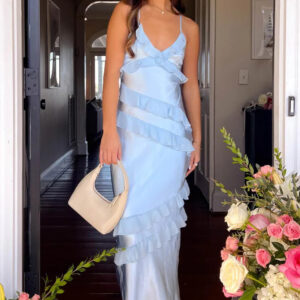
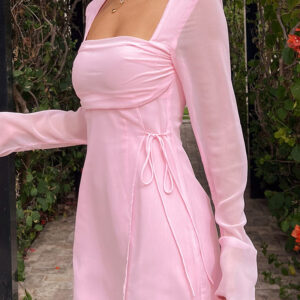
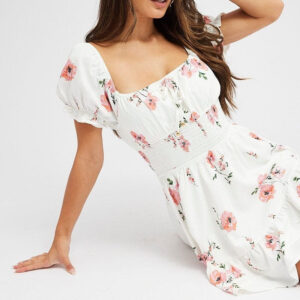
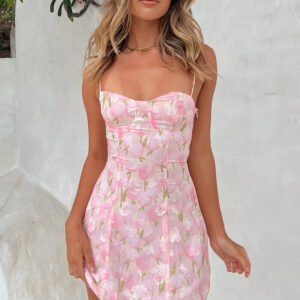
Ball gowns and formal dresses are designed for occasions where ordinary evening wear is not quite enough. They bring elegance, ceremony and drama to events such as black-tie weddings, charity galas, formal dinners, award nights, debutante balls and grand celebrations.
Although the terms are sometimes used interchangeably, a ball gown is generally the most dramatic type of formal dress. It traditionally features a fitted bodice and a full, floor-length skirt. A formal dress can include a wider range of silhouettes, from sleek column gowns and elegant A-line dresses to sophisticated evening dresses with flowing skirts.
Worth a look
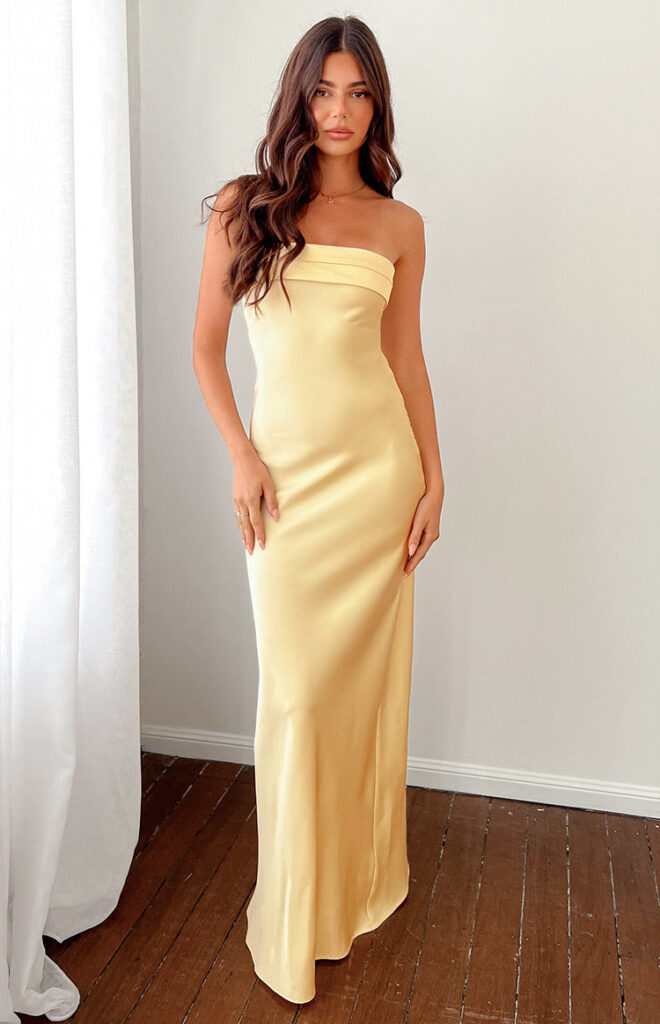
Yellow Prom Dresses 2026 | Lemon & Butter Gowns Yellow Prom Dresses 2026 | Lemon & Butter Gowns: Designed around occasion dressing and statement silhouettes; Check individual dresses for exact length, fabric, lining and fit details; Collection focus: prom and formal-event dresses.
Writeups and reviews are our personal opinions. Follow through to the merchants site for more details.
The right choice depends on the dress code, venue, time of day, season and how comfortable you feel in the design. A beautiful formal dress should not only look impressive. It should also allow you to sit, walk, dine and move with confidence.
What Is a Ball Gown?
A ball gown is a highly formal, floor-length dress traditionally worn to grand evening events.
Typical features include:
A fitted or structured bodice
A defined waist
A full, sweeping skirt
Luxurious fabrics
Formal embellishment
A dramatic silhouette
Floor-length or slightly trailing hems
Ball gowns are often made from satin, silk, tulle, organza, velvet, jacquard or layered chiffon. Some include corsetry, beading, embroidery, lace or sequins.
The volume of the skirt creates a strong sense of occasion, making this style most suitable for events with a very formal dress code.
What Is a Formal Dress?
A formal dress is a refined garment designed for an important event, but it does not necessarily have the full skirt or dramatic structure of a ball gown.
Formal dresses may include:
A-line gowns
Column dresses
Mermaid gowns
Empire-waist dresses
One-shoulder gowns
Long-sleeved evening dresses
Wrap-style formal dresses
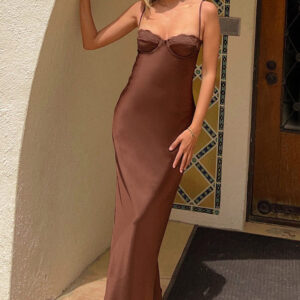
Floor-length slip dresses
Tea-length dresses for selected occasions
The dress may be sleek, softly flowing or highly embellished. What makes it formal is the quality of the fabric, the length, the construction and the way it is styled.
What Is the Difference Between a Ball Gown and an Evening Gown?
A ball gown is a type of evening gown, but not every evening gown is a ball gown.
Ball gowns usually have a fitted upper section and a noticeably full skirt. Evening gowns can be much narrower, softer and less structured.
A satin column dress, for example, is a formal evening gown but would not normally be described as a ball gown. A corseted dress with a layered tulle skirt is much closer to the traditional ball-gown silhouette.
When Should You Wear a Ball Gown?
A ball gown is most appropriate when the dress code and setting are clearly formal.
Suitable occasions may include:
White-tie events
State or ceremonial dinners
Formal charity balls
Debutante balls
Grand evening weddings
Opera galas
Award ceremonies
Formal military balls
Luxury New Year’s Eve events
Very formal cruise evenings
A ball gown may feel excessive at a cocktail party, casual wedding or relaxed restaurant dinner. When uncertain, read the invitation carefully and consider the venue.
When Should You Wear a Formal Dress?
Formal dresses work across a broader range of events.
They may be suitable for:
Black-tie weddings
Gala dinners
Formal birthday celebrations
School formals and proms
Corporate awards nights
Elegant evening receptions
Formal theatre events
Cruise formal nights
Fundraising events
Special anniversary dinners
The level of drama can be adjusted through the fabric, neckline, embellishment and accessories.
Understanding Formal Dress Codes
Dress codes can vary, but they provide important guidance.
White Tie
White tie is the most formal dress code. A full-length ball gown is usually expected. Elegant jewellery, formal shoes and refined evening accessories are appropriate.
Black Tie
Black tie generally calls for a floor-length evening gown or a very refined formal dress. Sleek silhouettes, luxurious fabrics and tasteful embellishment all work well.
Black Tie Optional
A long formal dress is an excellent choice, although a sophisticated midi dress or elegant jumpsuit may also be acceptable.
Formal
Formal usually means a long evening dress, polished midi dress or highly refined occasion outfit. The venue and time of day help determine the best option.
Cocktail
Cocktail events usually call for shorter dresses, typically around knee or midi length. A full ball gown would normally be too formal.
How to Choose the Right Silhouette
The silhouette determines how the dress fits, moves and balances the body.
Ball-Gown Silhouette
The classic ball-gown shape has a fitted bodice and a full skirt. It defines the waist and creates dramatic volume below it.
This style is ideal when you want a traditional, regal or romantic appearance.
A-Line Gown
An A-line dress is fitted through the upper body and gradually widens toward the hem.
It is one of the most versatile and flattering formal silhouettes because it offers movement without excessive volume.
Column Dress
A column dress falls in a long, relatively straight line from the shoulder or hip.
It creates a sleek, elegant appearance and works particularly well in satin, crepe and velvet.
Mermaid Gown
A mermaid dress fits closely through the bodice, waist and hips before flaring around the knee or lower leg.
This silhouette creates drama and emphasises curves, but it may restrict movement more than an A-line or flowing gown.
Trumpet Gown
A trumpet gown is similar to a mermaid style but usually begins widening higher on the leg. It offers slightly more movement while maintaining a fitted shape.
Empire-Waist Dress
An empire-waist dress is fitted beneath the bust and falls softly from that point.
This style can create length and provide a comfortable alternative to tightly defined waistlines.
Fit-and-Flare Dress
A fit-and-flare dress is shaped through the upper body before widening through the skirt. It provides definition without the extreme volume of a traditional ball gown.
Wrap-Style Formal Dress
A wrap-style dress defines the waist and creates a flattering diagonal line across the body.
It can be elegant, comfortable and suitable for many formal settings.
Choosing the Right Neckline
The neckline influences jewellery, undergarments and the overall character of the dress.
Strapless Neckline
A strapless gown creates a clean, open line across the shoulders and upper chest.
It works well with statement necklaces, chandelier earrings and formal wraps. Make sure the bodice is properly fitted and remains secure while moving.
Sweetheart Neckline
A sweetheart neckline creates a curved shape over the bust. It has a romantic quality and is common in ball gowns and bridal-inspired evening dresses.
V-Neckline
A V-neck can lengthen the upper body and works well with pendant necklaces or simple earrings.
One-Shoulder Neckline
A one-shoulder gown creates asymmetry and visual interest. It usually looks best without a necklace, allowing the neckline to remain clear.
Halter Neckline
A halter neckline draws attention to the shoulders and upper back. Statement earrings or a cuff bracelet are often more suitable than a necklace.
High Neckline
A high neckline can look refined and dramatic, especially in lace, satin or embellished fabric. Keep the jewellery simple around the neck.
Off-the-Shoulder Neckline
An off-the-shoulder gown highlights the collarbones and creates a romantic, formal appearance.
Square Neckline
A square neckline gives structure and works well with both traditional and modern formal dresses.
Choosing the Right Fabric
Fabric determines the weight, movement and formality of the dress.
Satin
Satin has a smooth, reflective surface and creates a luxurious evening look. It works beautifully in ball gowns, slip dresses and structured formal designs.
Silk
Silk feels refined and moves elegantly. It is often used for flowing gowns, draped silhouettes and high-end formal dresses.
Tulle
Tulle creates volume and lightness. It is frequently used in layered ball gowns, romantic skirts and embellished formal designs.
Chiffon
Chiffon is lightweight and flowing. It works well for softer gowns, layered skirts and warm-weather formal events.
Velvet
Velvet is rich, warm and particularly effective for autumn and winter occasions.
Crepe
Crepe has a smooth, slightly textured finish and creates clean, elegant lines. It is ideal for column dresses, tailored gowns and minimalist formalwear.
Organza
Organza is light but structured. It creates volume without the heaviness of some traditional fabrics.
Lace
Lace adds texture, romance and intricate detail. It may be used as an overlay, sleeve treatment, bodice feature or full dress fabric.
Jacquard
Jacquard has a woven pattern and often creates a rich, structured finish suitable for dramatic formal gowns.
How Should a Formal Dress Fit?
A formal dress should feel secure and comfortable while maintaining its intended shape.
Check that:
The bodice does not pull or gape
The neckline remains in position
The waist sits correctly
The zip closes smoothly
The skirt allows comfortable movement
The hem works with the chosen shoes
The fabric does not become transparent when stretched
The dress remains comfortable while sitting
A dress that looks beautiful while standing may behave very differently when you walk, sit, dance or climb stairs.
The Importance of Alterations
Formal dresses often benefit from professional alterations.
Common adjustments include:
Shortening the hem
Taking in the waist
Adjusting the bust
Shortening straps
Adding cups or support
Improving the fit of sleeves
Adjusting a train
A properly altered dress will usually look more elegant than an expensive gown that fits poorly.
How Long Should a Ball Gown Be?
A ball gown should usually skim the floor when worn with the intended shoes.
The hem should not drag heavily or become trapped beneath the heel. If the gown has a train, make sure you understand how to lift, bustle or manage it.
Always take the shoes to the fitting or alteration appointment. Changing heel height later may affect the entire length of the dress.
Choosing Formal Dresses for Different Body Shapes
No silhouette is restricted to one body type, but certain design features may create balance or emphasise preferred areas.
Hourglass Figures
Defined waists, wrap dresses, fit-and-flare styles and mermaid silhouettes can highlight balanced proportions.
Pear-Shaped Figures
A-line and ball-gown silhouettes can skim the hips while drawing attention to the neckline, shoulders and waist.
Apple-Shaped Figures
Empire waists, V-necklines and softly structured A-line gowns can create vertical length and comfortable definition.
Straight Figures
Pleats, belts, structured bodices and fuller skirts can create shape and movement.
Petite Figures
Clean lines, high waists and controlled volume can create length. Extremely wide skirts may require careful proportion and precise hemming.
Tall Figures
Taller frames can often carry strong shapes, dramatic skirts, bold necklines and long trains particularly well.
The most important consideration is how the dress fits and how confident you feel wearing it.
Ball Gowns and Formal Dresses for Different Ages
Formal style is not limited by age. Elegant gowns can be worn confidently at every stage of life.
Choose a neckline, sleeve length, fabric and silhouette that suit your comfort and the event.
Long sleeves, capes, wraps, illusion panels and softly structured bodices can provide additional coverage without making the dress look heavy or old-fashioned.
There is no requirement to avoid colour, fitted silhouettes or contemporary designs simply because of age.
What Shoes Should You Wear?
Strappy Heels
Strappy heels work well with lightweight, romantic and modern evening gowns.
Pointed Pumps
Pointed pumps create a classic, polished finish and are practical with many floor-length dresses.
Block Heels
Block heels provide greater stability and are useful for outdoor venues, long events and dancing.
Platform Heels
Platforms provide height and can balance a voluminous skirt. They are particularly useful when the gown requires extra lift.
Worth a look
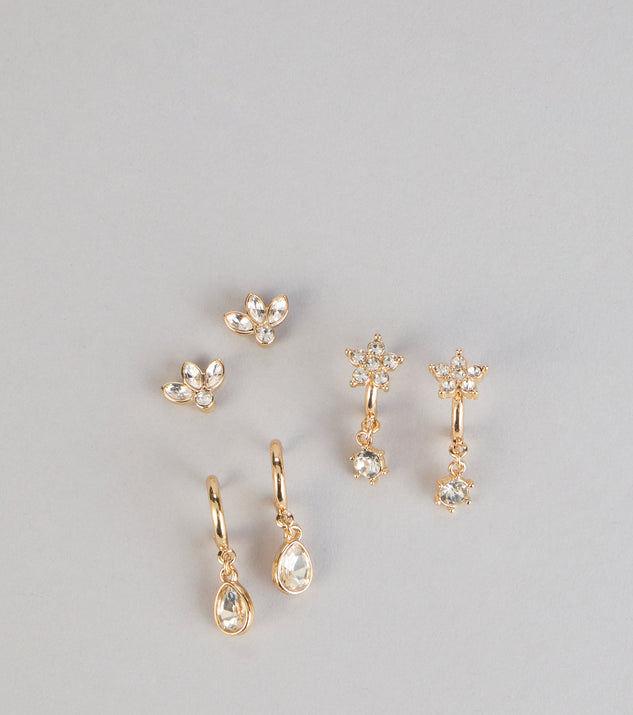
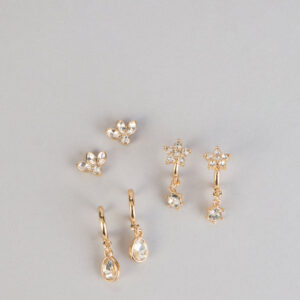
Windsor Too Cute To Choose Earring Three Pack Windsor Too Cute To Choose Earring Three Pack: Post back and hinge closures; Three pair earrings set assorted stud and mini hoop silhouettes; Floral and marquise rhinestone stud designs.
Writeups and reviews are our personal opinions. Follow through to the merchants site for more details.
Elegant Flats
Formal flats can be worn when comfort is a priority. Look for pointed toes, satin, embellishment or refined metallic finishes.
Low Heels
Kitten heels and low block heels can provide elegance without sacrificing stability.
The shoes may be partly hidden beneath a full-length gown, but they still affect posture, comfort and hem length.
Should Your Shoes Match the Dress?
The shoes do not need to match the dress exactly.
Metallic, black, nude and tonal footwear can coordinate with many formal colours.
Gold shoes with red, green, cream or warm neutrals
Nude shoes with blush, champagne and pastel dresses
Black shoes with jewel tones and darker gowns
Choose a shoe that complements the colour temperature and level of formality.
Choosing the Right Handbag
Formal outfits usually work best with small handbags.
Suitable options include:
A clutch
A minaudière
A small chain-strap bag
A wristlet
A compact top-handle bag
The handbag should hold essential items without looking bulky.
Satin, velvet, metallic leather, crystals and subtle embellishment can all work. If the dress is heavily decorated, choose a simpler bag.
What Jewellery Should You Wear?
Jewellery should support the neckline and embellishment of the dress.
Possible combinations include:
Statement earrings with a high or asymmetric neckline
A necklace with a strapless or open neckline
A cocktail ring with a simple gown
A cuff bracelet with a sleeveless dress
Pearls with classic formalwear
Fine diamonds or crystals with embellished gowns
A heavily beaded dress may require very little additional jewellery. A minimalist gown can support one strong statement piece.
Should You Wear a Necklace?
A necklace works best when the neckline leaves enough open space.
Strapless, scoop, sweetheart and V-neck dresses can all support necklaces. High necks, halters, one-shoulder gowns and heavily embellished bodices often look better without one.
When skipping the necklace, use earrings, a bracelet or a statement ring instead.
Choosing a Wrap, Shawl or Cape
Formal events may require an additional layer for warmth, modesty or comfort.
The outer layer should complement the gown without crushing its structure or catching on embellishment.
What Coat Works with a Ball Gown?
A long, elegant coat is usually the best option. It should be roomy enough to sit over the skirt without distorting it.
Tailored wool coats, capes and formal evening coats are more suitable than casual puffer jackets, although practical warmth may still take priority while travelling.
Check that zips, buttons and rough linings will not catch delicate fabric.
Choosing the Right Undergarments
The correct undergarments can improve comfort and help the dress sit properly.
Shapewear is optional. It should never restrict breathing, movement or comfort.
Try the complete undergarment arrangement with the dress well before the event.
Do You Need a Petticoat?
Some traditional ball gowns require a petticoat, crinoline or underskirt to create the intended fullness.
The dress designer or retailer may recommend the correct amount of volume.
Too much underskirt can distort the gown, while too little may cause the skirt to collapse and lose its shape.
Practise sitting, walking and using stairs while wearing the full outfit.
Ball Gowns for Weddings
A ball gown can be suitable for a very formal evening wedding, especially at a ballroom, luxury hotel, historic estate or grand venue.
Choose a colour that respects wedding etiquette and avoid white, ivory or bridal-looking pale champagne unless specifically permitted.
Consider whether the gown’s volume may be difficult in a crowded ceremony, small reception or compact dining area.
Formal Dresses for Wedding Guests
For a black-tie wedding, a floor-length formal dress is usually appropriate.
Jewel tones, navy, black, burgundy, metallic shades and rich seasonal colours are dependable choices.
Avoid dresses that are excessively revealing, bridal in appearance or more dramatic than the event requires.
Formal Dresses for Galas and Charity Balls
Galas and charity balls allow greater drama and glamour.
Ball gowns, sequined evening dresses, satin gowns and embellished silhouettes can all work well.
Consider the venue, event theme and whether there will be seated dining, dancing or presentations.
Formal Dresses for Cruises
Cruise formal nights vary by cruise line. Some passengers wear full evening gowns, while others choose cocktail dresses, elegant jumpsuits or polished separates.
A lightweight formal dress is often practical because it travels more easily than a heavily structured ball gown.
Choose fabric that resists creasing and shoes suitable for walking on board.
Formal Dresses for School Formals and Proms
Proms and school formals allow for personal expression, but comfort and movement are essential.
Ball gowns, A-line dresses, fitted evening gowns and sequined styles can all work.
Make sure the hem is manageable, the bodice stays secure and the shoes allow comfortable dancing.
Formal Dresses for Award Nights
Award nights often call for polished, camera-ready clothing.
Strong colours, clean silhouettes and elegant fabrics tend to photograph well.
Check how the dress looks under flash photography, particularly if it contains reflective sequins, sheer panels or pale fabric.
How to Choose the Right Colour
Colour should suit your complexion, the season and the occasion.
Black
Black is timeless, dramatic and easy to accessorise.
Navy
Navy offers a softer alternative to black and works beautifully for weddings, galas and formal dinners.
Red
Red creates confidence and impact. Keep accessories controlled so the colour remains the focus.
Emerald
Emerald green is rich, elegant and particularly effective for evening events.
Burgundy
Burgundy suits autumn and winter occasions and pairs well with gold, black and nude accessories.
Royal Blue
Royal blue photographs strongly and creates a vivid formal look.
Silver and Gold
Metallic gowns are celebratory and glamorous. Keep the remaining styling relatively simple.
Pastels
Blush, lavender, pale blue and soft green suit daytime and spring formal events.
Jewel Tones
Sapphire, ruby, amethyst and deep teal create richness and depth.
Can You Wear Prints to a Formal Event?
Prints can work when the fabric and silhouette remain formal.
Large florals, watercolour prints, jacquard patterns and elegant abstract designs may all be appropriate.
Keep accessories simple so the pattern remains the main visual feature.
How to Wear Sequins and Embellishment
Sequins, crystals, beading and embroidery add glamour but reduce the need for additional accessories.
If the entire gown is embellished, choose simple shoes, a plain clutch and minimal jewellery.
If the embellishment appears only at the bodice, neckline or waist, repeat one metal tone through earrings or handbag hardware.
How to Wear a Minimalist Formal Dress
A minimalist formal dress relies on shape, fabric and fit rather than decoration.
Column gowns, slip dresses and clean A-line silhouettes can look extremely sophisticated.
Add one strong accessory, such as sculptural earrings, a statement cuff or an elegant metallic clutch.
How to Wear a Romantic Ball Gown
Romantic ball gowns often feature tulle, lace, soft colour, floral embroidery or flowing layers.
Pair them with delicate heels, pearl or crystal jewellery and a compact evening bag.
Keep hair and makeup soft enough to complement the dress without making the outfit feel theatrical.
How to Wear a Dramatic Ball Gown
Dramatic gowns may include bold colour, exaggerated volume, structured shoulders, metallic fabric or strong embellishment.
Let the dress remain the central feature. Use simple footwear, restrained jewellery and a sleek handbag.
Can You Wear Flats with a Ball Gown?
Flats can be worn, especially when comfort, mobility or health requirements make heels impractical.
Choose formal flats in satin, metallic leather, velvet or an embellished finish.
The hem must be altered for the exact shoe height. A gown fitted for heels may drag if worn with flats.
Can You Rewear a Formal Dress?
A formal dress can be reworn and restyled through different accessories, hair, jewellery and outerwear.
A navy gown may look different with silver jewellery at one event and gold accessories at another.
A removable belt, cape, wrap or overskirt can also change the appearance.
Choosing a versatile colour and timeless silhouette makes repeated wear easier.
How to Make a Formal Dress Look Different
Try changing:
The jewellery
The handbag
The shoe colour
The hairstyle
The wrap or cape
The belt
The makeup
The sleeve or shoulder covering
Small changes can create a noticeably different overall effect.
How to Travel with a Formal Dress
Use a breathable garment bag and avoid tightly folding structured bodices or heavily embellished fabric.
Pack tissue paper between delicate layers if necessary. Hang the dress as soon as possible after arrival.
Check whether the accommodation provides a steamer. Never apply direct heat without checking the care label.
Carry essential formalwear in cabin luggage when possible if the event is important and checked baggage delay would cause a problem.
Worth a look
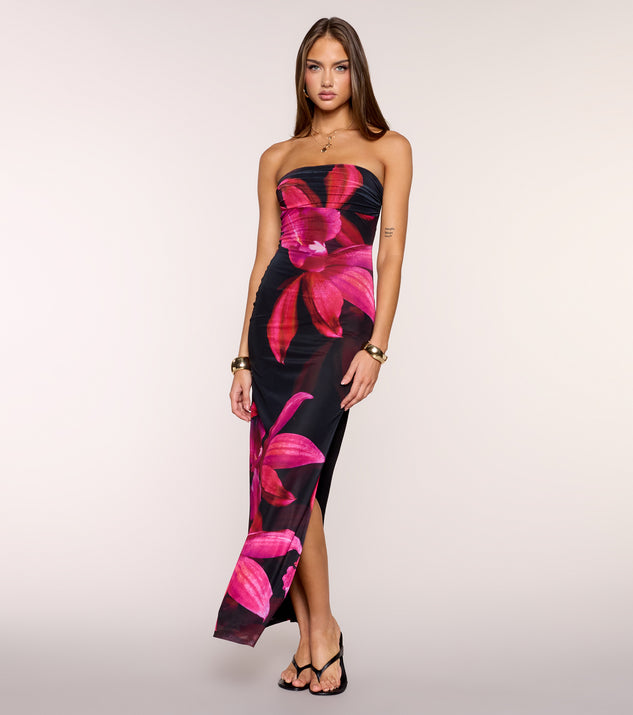
Windsor Make Them Stare Mesh Slit Maxi Dress This is the dress that captures all the attention on vacations and weekend escapes. Featuring a bold floral print, curve-hugging fit, and a leg-baring side slit, it's equal parts sultry and unforgettable.
Writeups and reviews are our personal opinions. Follow through to the merchants site for more details.
How to Sit and Move in a Ball Gown
Practise before the event.
When sitting, gently lift and arrange the skirt rather than dropping directly onto the layers. Keep the fabric clear of chair legs and nearby candles.
On stairs, lift the front hem enough to see your feet. Use a handrail whenever available.
If the dress has a train, learn how to carry or bustle it.
How to Dance in a Formal Dress
Make sure the skirt allows movement and the bodice remains secure.
Very long trains, narrow mermaid skirts and high slits may require extra care.
A bustle, wrist loop or hidden fastening can make dancing easier.
Choose shoes that remain comfortable and secure throughout the event.
Formal Dress Etiquette
Good formalwear etiquette includes respecting the dress code, venue and event host.
Avoid wearing bridal white to a wedding, dressing far beyond the stated formality or choosing a gown that prevents other guests from sitting or moving comfortably.
Formal style should look impressive without becoming impractical or disruptive.
Common Ball Gown and Formal Dress Mistakes
Choosing a gown that does not suit the dress code
Ignoring the hem length until the day of the event
Buying shoes after the dress has been altered
Wearing a bodice that slips or feels insecure
Adding too many statement accessories
Choosing an oversized handbag
Failing to practise sitting and walking
Ignoring visible undergarment lines
Wearing jewellery that catches on delicate fabric
Selecting a dress that looks beautiful but prevents comfortable movement
Leaving alterations until the last moment
Failing to check the venue and weather
Ball Gown and Formal Dress Outfit Ideas
Classic Black-Tie Outfit
Wear a navy A-line gown with silver earrings, a metallic clutch and low strappy heels.
Grand Ball Outfit
Choose a full satin ball gown with a fitted bodice, formal pumps, a small clutch and elegant drop earrings.
Winter Gala Outfit
Wear an emerald velvet gown with gold jewellery, black heels and a tailored evening coat.
Romantic Wedding Guest Outfit
Style a blush chiffon gown with nude block heels, pearl earrings and a cream clutch.
Minimalist Formal Outfit
Wear a black column dress with sculptural earrings, pointed pumps and a sleek metallic bag.
Modern Evening Outfit
Choose a one-shoulder red gown with simple heels, a small black clutch and one statement ring.
Summer Formal Outfit
Wear a flowing blue chiffon dress with silver sandals, a lightweight wrap and delicate jewellery.
Black-Tie Wedding Outfit
Choose a burgundy floor-length dress with a defined waist, gold earrings and a compact evening bag.
Cruise Formal Night Outfit
Wear a wrinkle-resistant A-line gown with low block heels, a shawl and a small shoulder bag.
Award Night Outfit
Choose a jewel-toned fitted gown with a clean neckline, statement earrings and a structured clutch.
A Simple Formal-Dressing Formula
For a polished ball gown or formal dress outfit:
Confirm the dress code.
Choose a silhouette that feels secure and comfortable.
Select the shoes before altering the hem.
Wear suitable undergarments.
Choose one main jewellery feature.
Carry a small formal handbag.
Add a wrap, cape or coat if required.
Practise sitting, walking and using stairs.
Keep the dress as the central focus.
The best formal dress does more than create a dramatic entrance. It allows you to move, sit and celebrate with confidence throughout the entire event.
Final Thoughts
Ball gowns and formal dresses are created for occasions that call for elegance, ceremony and visual impact.
A traditional ball gown offers the greatest drama, with a fitted bodice and full skirt. Other formal dresses provide more streamlined options through A-line, column, mermaid and flowing silhouettes.
Choose a dress that suits the invitation, venue, season and your own comfort. Pay close attention to the fit, hem length, footwear and undergarments before the event.
Simple accessories usually provide the most refined finish. Allow the gown’s fabric, colour and silhouette to remain the focus.
When the dress fits correctly and supports natural movement, formalwear can feel just as confident and enjoyable as it looks impressive.
Worth a look
Yellow Prom Dresses 2026 | Lemon & Butter Gowns Yellow Prom Dresses 2026 | Lemon & Butter Gowns: Designed around occasion dressing and statement silhouettes; Check individual dresses for exact length, fabric, lining and fit details; Collection focus: prom and formal-event dresses.
Blue Prom Dresses | Navy, Royal & Baby Blue Gowns Blue Prom Dresses | Navy, Royal & Baby Blue Gowns: Designed around occasion dressing and statement silhouettes; Check individual dresses for exact length, fabric, lining and fit details; Collection focus: prom and formal-event dresses.
Mini Dresses | Short Dresses & Cute Going-Out Minis Mini Dresses | Short Dresses & Cute Going-Out Minis: May include mini, midi and maxi silhouettes depending on the edit; Check each individual item for exact fabric, lining, fit and care information; Mini length.
New Dresses | Fashion Dresses | New Dress Online |… New Dresses | Fashion Dresses | New Dress Online | Ally Fashion with merchant-derived product information and direct retailer access for current specifications, sizing and availability.
Windsor Too Cute To Choose Earring Three Pack Windsor Too Cute To Choose Earring Three Pack: Post back and hinge closures; Three pair earrings set assorted stud and mini hoop silhouettes; Floral and marquise rhinestone stud designs.
What makes them stand out – Versatile Everyday Style What makes them stand out – Versatile Everyday Style features Color: Multicolor, Price shown: ¥67,160 (taxes included), Vendor code: FW25REG032. See the HBX listing for current sizing, availability, materials and product specifications.
Writeups and reviews are our personal opinions. Follow through to the merchants site for more details.
Yellow Prom Dresses 2026 | Lemon & Butter Gowns Yellow Prom Dresses 2026 | Lemon & Butter Gowns: Designed around occasion dressing and statement silhouettes; Check individual dresses for exact length, fabric, lining and fit details; Collection focus: prom and formal-event dresses.
Blue Prom Dresses | Navy, Royal & Baby Blue Gowns Blue Prom Dresses | Navy, Royal & Baby Blue Gowns: Designed around occasion dressing and statement silhouettes; Check individual dresses for exact length, fabric, lining and fit details; Collection focus: prom and formal-event dresses.
Mini Dresses | Short Dresses & Cute Going-Out Minis Mini Dresses | Short Dresses & Cute Going-Out Minis: May include mini, midi and maxi silhouettes depending on the edit; Check each individual item for exact fabric, lining, fit and care information; Mini length.
New Dresses | Fashion Dresses | New Dress Online |… New Dresses | Fashion Dresses | New Dress Online | Ally Fashion with merchant-derived product information and direct retailer access for current specifications, sizing and availability.
Windsor Too Cute To Choose Earring Three Pack Windsor Too Cute To Choose Earring Three Pack: Post back and hinge closures; Three pair earrings set assorted stud and mini hoop silhouettes; Floral and marquise rhinestone stud designs.
What makes them stand out – Versatile Everyday Style What makes them stand out – Versatile Everyday Style features Color: Multicolor, Price shown: ¥67,160 (taxes included), Vendor code: FW25REG032. See the HBX listing for current sizing, availability, materials and product specifications.
Writeups and reviews are our personal opinions. Follow through to the merchants site for more details.
Popular Styles
Beginning Boutique USA | The Best Dresses | Prom,… Beginning Boutique USA | The Best Dresses | Prom, Homecoming & Formal: Designed around occasion dressing and statement silhouettes; Check individual dresses for exact length, fabric, lining and fit details; Collection focus: prom and...
Dresses | Minis, Midis, Maxis & Every Occasion Style Dresses | Minis, Midis, Maxis & Every Occasion Style: May include mini, midi and maxi silhouettes depending on the edit; Check each individual item for exact fabric, lining, fit and care information; Mini length.
Womens Dresses on Sale | Up to 70% OFF Online | Ally Fashion Now on sale Womens Dresses on Sale | Up to 70% OFF Online | Ally Fashion. Found on the secure and trusted website allyfashion.com. Refresh your frocks with our dress sale range! Our sale dresses like mini, midi & maxi dresses are super cute & stylish. Shop women's dresses with express shipping.
New Arrivals 2026 | The Latest Dresses, Tops &… New Arrivals 2026 | The Latest Dresses, Tops & Styles Just In: May include mini, midi and maxi silhouettes depending on the edit; Check each individual item for exact fabric, lining, fit and care information; Collection focus: dresses...
Sale | Dresses, Tops, Bottoms & More At Sale Prices Sale | Dresses, Tops, Bottoms & More At Sale Prices: May include mini, midi and maxi silhouettes depending on the edit; Check each individual item for exact fabric, lining, fit and care information; Collection focus: dresses and...
Festival Dresses & Playsuits | Rave Rompers & Minis Festival Dresses & Playsuits | Rave Rompers & Minis: May include mini, midi and maxi silhouettes depending on the edit; Check each individual item for exact fabric, lining, fit and care information; Mini length.
Writeups and reviews are our personal opinions. Follow through to the merchants site for more details.