Combining vintage and modern clothing is one of the most effective ways to create a wardrobe that feels personal, distinctive and difficult to copy. Vintage pieces bring history, craftsmanship and character, while modern clothing adds comfort, practicality and a current silhouette.
The aim is not to dress as though you are wearing a costume from another decade. The most successful outfits take selected elements from the past and place them within a contemporary setting.
Writeups and reviews are our personal opinions. Follow through to the merchants site for more details.
A vintage blouse can look fresh with straight-leg jeans. A retro floral dress can be modernised with clean sneakers and a leather jacket. An old tailored blazer may become the strongest piece in an outfit when worn with a fitted T-shirt and contemporary trousers.
The secret is balance. Let one or two vintage pieces provide personality, then use modern clothing, footwear and accessories to keep the outfit relevant to the present.
What Is Vintage Clothing?
Vintage clothing generally refers to garments from an earlier period rather than newly manufactured clothing inspired by the past.
True vintage pieces may include:
Dresses
Blouses
Tailored jackets
Coats
Handbags
Jewellery
Scarves
Skirts
Denim
Footwear
Vintage clothing is valued for its design, fabric, construction, rarity or connection to a particular era.
The term is sometimes used loosely, so it is useful to distinguish between vintage, antique and vintage-inspired clothing.
Vintage, Antique and Vintage-Inspired Clothing
Vintage Clothing
Vintage clothing comes from a previous era and is old enough to have historical or stylistic significance.
Antique Clothing
Antique garments are considerably older and may be too delicate or valuable for ordinary wear.
Vintage-Inspired Clothing
Vintage-inspired clothing is newly made but uses details associated with an earlier period, such as 1950s waists, 1970s prints or 1980s shoulders.
Vintage-inspired garments can be easier to size, wash and wear, but they do not have the history of genuine vintage pieces.
Why Mix Vintage and Modern Clothing?
Wearing only current clothing can sometimes make an outfit feel predictable. Wearing only vintage pieces can create a costume-like effect if every detail belongs to the same era.
Combining the two provides contrast.
Benefits include:
Creating a more individual wardrobe
Making older garments easier to wear
Adding character to simple modern outfits
Reducing dependence on short-lived trends
Reusing well-made clothing
Experimenting with unusual fabrics and shapes
Developing a recognisable personal style
A modern foundation gives vintage clothing a practical setting, while the vintage piece prevents the outfit from feeling generic.
Start with One Vintage Statement Piece
The easiest way to combine eras is to choose one vintage garment or accessory as the focal point.
Keep the rest of the outfit relatively current and simple.
For example, wear a vintage embroidered blouse with modern jeans, ankle boots and a structured shoulder bag. The blouse provides the story, while the newer pieces keep the outfit grounded.
Avoid Recreating an Entire Decade
Wearing a vintage dress, matching hat, period handbag, retro shoes and era-specific hairstyle can make the outfit appear theatrical.
There is nothing wrong with historical dressing when that is the intention, but everyday vintage styling usually works better when different periods are mixed.
The contrast shows that the vintage element has been chosen rather than copied directly from the past.
Build the Outfit Around a Modern Base
Simple modern basics provide the easiest foundation for vintage clothing.
Useful pieces include:
Straight-leg jeans
Plain T-shirts
Tailored trousers
Simple knitwear
Clean sneakers
Minimal ankle boots
Slip dresses
Structured handbags
Modern blazers
Once the foundation is established, add one vintage feature.
A plain black top and tailored trousers can support a vintage necklace. Jeans and a white shirt can be transformed by an old leather bag or patterned scarf.
Choose a Shared Colour Palette
Colour is one of the easiest ways to make clothing from different periods feel connected.
Choose one or two colours from the vintage piece and repeat them in the modern clothing or accessories.
Tucking the blouse into a defined waistband helps control volume and gives the outfit a current shape.
If the blouse is highly decorated, keep jewellery and accessories minimal.
How to Style a Vintage Blazer
A well-made vintage blazer can become one of the most useful pieces in a modern wardrobe.
Wear it with:
A plain T-shirt and jeans
A fitted bodysuit and trousers
A slip dress
A mini skirt and boots
Shorts and loafers
A monochrome outfit
Oversized 1980s blazers can look especially current when worn with streamlined clothing underneath.
If the shoulders feel excessively wide or the sleeves are too long, professional alterations may improve the proportions.
How to Style Vintage Skirts
Vintage skirts may include full 1950s shapes, 1970s maxis, pleated midis or shorter tailored designs.
Balance them with modern tops.
Try:
A full vintage skirt with a fitted T-shirt
A pleated midi with a cropped knit
A retro mini with an oversized blazer
A printed maxi with a plain tank
A pencil skirt with a relaxed modern shirt
Sneakers, contemporary boots and simple sandals help bring the skirt into the present.
How to Style Vintage Trousers
High-waisted, wide-leg and flared vintage trousers can work beautifully in modern outfits.
Pair them with:
A fitted knit top
A bodysuit
A plain cropped shirt
A modern blazer
A simple tank
Hem length is important. Old trousers may have been designed for different footwear or proportions, so alterations can make them much more wearable.
How to Style Vintage Denim
Vintage denim often has a strong shape, substantial fabric and natural wear that can be difficult to reproduce.
Wear vintage jeans with:
A modern fitted top
A crisp white shirt
A cropped blazer
A sleek bodysuit
Contemporary sneakers
Pointed ankle boots
A vintage denim jacket can be worn over satin dresses, tailored trousers, knitwear or modern activewear.
How to Style Vintage Coats
Vintage outerwear can make even the simplest modern outfit look distinctive.
A tailored wool coat, trench, cape or faux-fur jacket can be worn over:
Jeans and a knit
A modern suit
A minimalist dress
Leather-look trousers
A monochrome outfit
A sweatshirt and sneakers
Check the lining, buttons, pockets and shoulder fit before buying. Old outerwear may require repairs, cleaning or minor alterations.
Use Vintage Accessories as an Entry Point
If you are uncertain about vintage clothing, begin with an accessory.
Easy options include:
A silk scarf
A brooch
A leather handbag
A belt
A pair of earrings
A pendant
A watch
Sunglasses
A vintage accessory can add history and individuality without changing the overall silhouette of the outfit.
How to Wear Vintage Jewellery
Vintage jewellery can provide detail and personality to simple modern clothing.
Try:
A brooch on an oversized blazer
Old clip-on earrings with a plain dress
A vintage pendant over a modern knit
A bold cocktail ring with minimalist tailoring
A pearl necklace with a T-shirt and jeans
Do not assume vintage jewellery must be worn formally. The contrast with casual clothing often makes it look more interesting.
How to Wear Vintage Scarves
A vintage scarf can be worn in many ways.
Tie it around the neck.
Attach it to a handbag.
Wear it as a headscarf.
Use it as a narrow belt.
Wrap it around a ponytail.
Layer it beneath a blazer collar.
A scarf is an easy way to introduce colour and print without committing to a full vintage garment.
Mix Old Fabrics with Modern Textures
Texture helps clothing from different periods work together.
Useful combinations include:
Vintage lace with modern leather
Old silk with contemporary denim
Velvet with clean tailoring
Tweed with sneakers
Beading with a plain knit
Suede with a modern cotton shirt
Contrast prevents the outfit from appearing too historically accurate.
Use Tailoring to Improve Vintage Fit
Vintage sizing can differ significantly from modern sizing. The number on the label may not correspond to current measurements.
Focus on the garment’s actual measurements and how it fits your body.
Useful alterations include:
Shortening sleeves
Adjusting hems
Taking in the waist
Replacing buttons
Repairing zips
Reshaping shoulders
Adding lining
Removing damaged embellishment
A modestly priced vintage garment with good alterations may look more impressive than an expensive piece that fits poorly.
Know Which Alterations Are Difficult
Some garments are harder to alter successfully.
Be cautious with:
Heavily beaded fabric
Complex lace
Structured corsetry
Fragile silk
Garments with unusual seam placement
Very small armholes
Shoulders that are much too narrow
Buy for the largest or most difficult area first. Waists and hems are often easier to change than shoulders and armholes.
Check Vintage Clothing Carefully Before Buying
Inspect the garment in good lighting.
Look for:
Stains
Fading
Moth damage
Loose seams
Missing buttons
Broken zips
Dry or cracked leather
Weak elastic
Damaged lining
Persistent odours
Some problems are easy to repair. Others may make the garment impractical or expensive to restore.
Consider Fabric Condition
Age alone does not determine quality. Some old fabrics remain strong, while others become fragile and tear easily.
Gently examine stress points such as:
Underarms
Waistbands
Side seams
Seat seams
Buttonholes
Shoulders
Hems
A beautiful garment is not useful if it cannot withstand ordinary wear.
Cleaning Vintage Clothing
Do not automatically wash vintage clothing in the same way as modern garments.
Old dyes, fibres and embellishments may react badly to water, heat or strong detergent.
Before cleaning:
Read any surviving care labels.
Identify the fabric if possible.
Test colourfastness in a hidden area.
Avoid harsh stain treatments.
Consult a specialist for valuable or delicate pieces.
Silk, velvet, beading, structured jackets and antique lace often require professional care.
How to Keep Vintage Outfits from Looking Like Costumes
Use these principles:
Wear only one or two strongly vintage pieces.
Add current footwear.
Choose modern hair and makeup.
Use a contemporary handbag.
Mix clothing from different decades.
Keep the colour palette controlled.
Avoid recreating every detail of one period.
Make sure the fit feels current.
A vintage garment should appear integrated into your wardrobe rather than separated from it.
Update Vintage Clothing with Modern Hair and Makeup
Hair and makeup can strongly influence whether an outfit looks contemporary or theatrical.
A vintage dress with a historically accurate hairstyle and makeup may appear costume-like. The same dress with natural makeup and a simple modern hairstyle can feel fresh.
Modern options include:
A sleek ponytail
Loose natural waves
A simple bun
Minimal makeup
A contemporary bold lip
Clean, understated nails
Mix Vintage with Minimalist Fashion
Minimalist clothing provides an ideal background for a strong vintage piece.
Try:
A vintage brooch on a plain black blazer
An old printed skirt with a white T-shirt
A beaded handbag with a simple column dress
A vintage coat over monochrome clothing
Retro earrings with a clean suit
The simplicity of the modern outfit allows the craftsmanship of the older piece to stand out.
Mix Vintage with Streetwear
Streetwear creates an unexpected contrast with traditional vintage garments.
Wear a retro floral dress with a leather jacket, chunky boots and a geometric shoulder bag.
Minimalist Outfit
Add a vintage brooch and old leather handbag to a monochrome modern suit.
Weekend Outfit
Pair vintage jeans with a fitted T-shirt, oversized modern blazer and platform sneakers.
Evening Outfit
Wear a vintage beaded top with contemporary wide-leg trousers, minimal heels and a simple clutch.
Summer Outfit
Style a vintage cotton dress with flat leather sandals, a modern woven bag and small hoop earrings.
Winter Outfit
Wear a vintage wool coat over a fitted knit, modern jeans and sleek ankle boots.
Wedding Guest Outfit
Pair a vintage midi dress with contemporary block heels, a clean clutch and understated jewellery.
A Simple Vintage-and-Modern Styling Formula
Use this method to create a balanced outfit:
Choose one vintage focal piece.
Add a simple modern foundation.
Connect the pieces through colour.
Use contemporary shoes or a handbag.
Keep hair and makeup current.
Check the fit and condition carefully.
Avoid recreating one decade from head to toe.
Make sure the outfit suits the occasion.
The best vintage outfits do not look trapped in the past. They use history to give modern clothing more personality, depth and individuality.
Worth a look
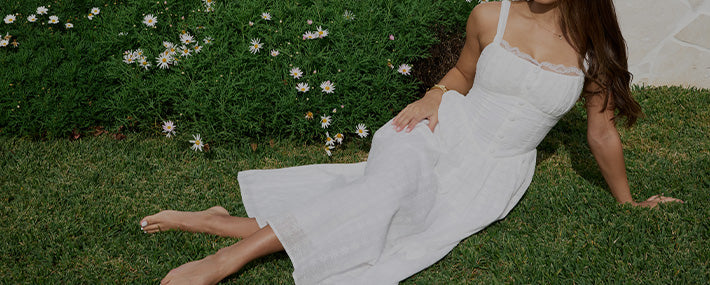
Ally Fashion Spring/Summer 2025 Women's Clothing Collection Ally Fashion Spring/Summer 2025 Women's Clothing Collection features Accessory silhouette, Colour and design as shown in the merchant listing. See the Ally Fashion listing for current sizing, availability, materials and product specifications.
Writeups and reviews are our personal opinions. Follow through to the merchants site for more details.
Final Thoughts
Combining vintage and modern clothing allows you to create outfits that feel personal, expressive and less dependent on temporary trends.
Begin with one vintage garment or accessory and surround it with simple contemporary pieces. Modern footwear, current tailoring and clean accessories will help older clothing feel relevant.
Pay close attention to fit, fabric condition and care. Vintage sizing is inconsistent, and delicate garments may require repairs, alterations or specialist cleaning.
Avoid copying one historical period too precisely unless costume dressing is your intention. Mixing decades, textures and silhouettes creates a more natural and individual result.
Whether you wear a vintage blouse with jeans, an old blazer over a slip dress or a retro handbag with modern tailoring, the strongest outfits respect the past without allowing it to control the present.
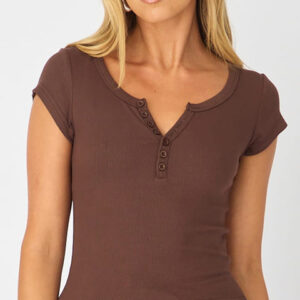
NANCHANG HOLLYWIN CLOTHING CO Brown V-neck Short Sleeve Top NANCHANG HOLLYWIN CLOTHING CO Brown V-neck Short Sleeve Top features Beige and cream for soft neutral styling, White for a fresh contrast, Blue denim for casual everyday outfits. A practical choice for everyday dressing, weekends and outfits that can move from casual to smart-casual; check the merchant page for...
Shopbop - Designer Clothing, Shoes & Accessories Shopbop - Designer Clothing, Shoes & Accessories with merchant-derived product information and direct retailer access for current specifications, sizing and availability.
Shopbop - Designer Clothing, Shoes & Accessories Shopbop - Designer Clothing, Shoes & Accessories with merchant-derived product information and direct retailer access for current specifications, sizing and availability.
Shopbop - Designer Clothing, Shoes & Accessories Shopbop - Designer Clothing, Shoes & Accessories with merchant-derived product information and direct retailer access for current specifications, sizing and availability.
Shopbop - Designer Clothing, Shoes & Accessories Shopbop - Designer Clothing, Shoes & Accessories with merchant-derived product information and direct retailer access for current specifications, sizing and availability.
Writeups and reviews are our personal opinions. Follow through to the merchants site for more details.
NANCHANG HOLLYWIN CLOTHING CO Brown V-neck Short Sleeve Top NANCHANG HOLLYWIN CLOTHING CO Brown V-neck Short Sleeve Top features Beige and cream for soft neutral styling, White for a fresh contrast, Blue denim for casual everyday outfits. A practical choice for everyday dressing, weekends and outfits that can move from casual to smart-casual; check the merchant page for...
Shopbop - Designer Clothing, Shoes & Accessories Shopbop - Designer Clothing, Shoes & Accessories with merchant-derived product information and direct retailer access for current specifications, sizing and availability.
Shopbop - Designer Clothing, Shoes & Accessories Shopbop - Designer Clothing, Shoes & Accessories with merchant-derived product information and direct retailer access for current specifications, sizing and availability.
Shopbop - Designer Clothing, Shoes & Accessories Shopbop - Designer Clothing, Shoes & Accessories with merchant-derived product information and direct retailer access for current specifications, sizing and availability.
Shopbop - Designer Clothing, Shoes & Accessories Shopbop - Designer Clothing, Shoes & Accessories with merchant-derived product information and direct retailer access for current specifications, sizing and availability.
Writeups and reviews are our personal opinions. Follow through to the merchants site for more details.
Popular Styles
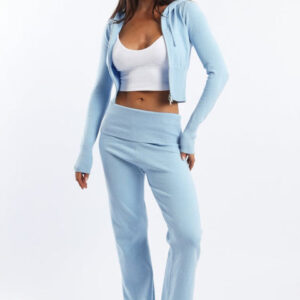
YIZHIYUAN CLOTHING CO., LTD. Blue Wide Leg Pants Knit YIZHIYUAN CLOTHING CO., LTD. Blue Wide Leg Pants Knit: Fabric: StretchGender: WomenAge: Adult; Material: Knit Acrylic/PolyLabel: Ally FashionMaterial Group: KnitSub-Category: BTGStyle Code: BT4608X-40PB; Body Length: Full LengthSeason:...
Whistles AU Limited-Edition Clothing Collection –… Whistles AU Limited-Edition Clothing Collection from Whistles: a general fashion style with practical fit, styling and buying notes. Check the merchant page for current details.
Ally Fashion Spring/Summer 2025 Women's Clothing Collection Ally Fashion Spring/Summer 2025 Women's Clothing Collection features Accessory silhouette, Colour and design as shown in the merchant listing. See the Ally Fashion listing for current sizing, availability, materials and product specifications.
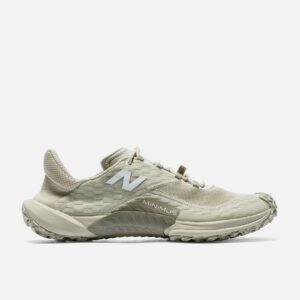
New Balance Minimus Trail: A Lightweight Trail Shoe… New Balance Minimus Trail: A Lightweight Trail Shoe with a Clean Look and Grip-Focused Build: lace-up closure; FuelCell midsole; AT Tread outsole for traction.
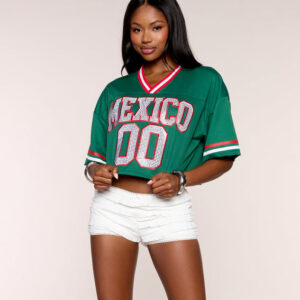
Windsor Winning Look Rhinestone Mexico Crop Top Serving team spirit with a little extra sparkle. This Mexico crop top brings the perfect mix of sporty and statement-making with a relaxed fit that’s ready for watch parties, match day meetups, and every photo op in between.
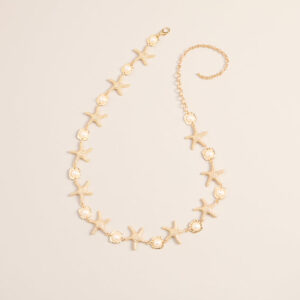
Windsor Vacay Look Pearl Starfish Chain Belt Beach plans just got a little more dressed up. This pearl starfish chain belt adds textured shine, faux pearl detail, and an adjustable fit that makes vacation looks feel instantly styled.
Writeups and reviews are our personal opinions. Follow through to the merchants site for more details.