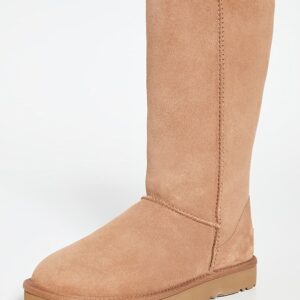
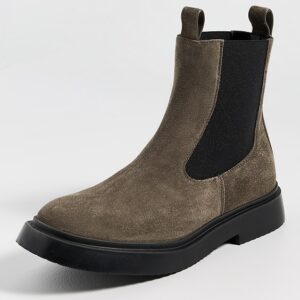
A classic personal style is polished, dependable and designed to last beyond a single fashion season. It is built around well-fitting clothing, balanced proportions, versatile colours and garments that can be worn repeatedly in different combinations.
Classic style does not mean dressing conservatively, wearing only neutral colours or avoiding modern fashion. It means choosing pieces with lasting appeal and styling them in a way that feels refined, practical and recognisably yours.
Writeups and reviews are our personal opinions. Follow through to the merchants site for more details.
The most successful classic wardrobes are not copied directly from a list of supposed essentials. They reflect the wearer’s lifestyle, climate, body proportions and personality. A classic wardrobe for someone working in an office will look different from one designed for travel, retirement, creative work or a warm coastal climate.
What Is Classic Personal Style?
Classic personal style focuses on clothing that remains useful and attractive even when trends change.
It often includes:
Clean silhouettes
Balanced proportions
Quality-looking fabrics
Simple tailoring
Coordinated colours
Limited embellishment
Practical footwear
Refined accessories
A classic outfit may be as simple as straight-leg jeans, a white shirt, loafers and a blazer. It may also include a wrap dress, tailored trousers, a trench coat or a structured handbag.
The pieces themselves are often straightforward, but the fit, fabric and styling make the outfit look intentional.
Classic Style Is Not the Same as Old-Fashioned Style
Classic clothing can appear traditional, but it should not look trapped in another era.
The difference usually comes from proportion and styling. A navy blazer may be timeless, but the cut of the shoulders, sleeve length and trouser shape can make it look either current or dated.
Classic dressers can update their wardrobes through:
The foundation remains dependable while selected details keep the outfit relevant.
Classic Style Is Not the Same as Minimalism
Classic and minimalist fashion share several qualities, including clean lines, versatility and restrained decoration. However, they are not identical.
Minimalist style often reduces clothing to its simplest form. Classic style may include more traditional elements such as:
Pearls
Striped shirts
Trench coats
Tailored jackets
Loafers
Structured dresses
Timeless prints
A classic wardrobe can also include colour, pattern and decorative details, provided they remain balanced and easy to wear.
Begin with Your Real Lifestyle
A classic personal style should work for your daily life rather than an imaginary version of it.
Consider how much time you spend:
At work
At home
Socialising
Travelling
Walking or commuting
Attending formal events
Living in hot, cold or changing weather
If most of your week is casual, you may need more polished jeans, knitwear, sneakers and relaxed jackets than formal suits.
If you regularly attend professional or social events, dresses, tailored trousers and refined footwear may deserve more space in your wardrobe.
Choose Three Classic Style Words
Choose three words that describe how you want your classic style to feel.
Possible words include:
Polished
Relaxed
Elegant
Modern
Feminine
Practical
Refined
Confident
Soft
Structured
Examples might include:
Classic, relaxed and modern
Elegant, feminine and practical
Polished, comfortable and understated
Structured, confident and contemporary
These words help prevent classic style from becoming generic. They also provide direction when shopping or creating outfits.
Build Around Reliable Silhouettes
Classic style becomes easier when you identify the shapes that consistently suit you.
Dependable silhouettes may include:
Straight-leg trousers with a fitted knit
Wide-leg pants with a tucked shirt
A wrap dress with a defined waist
A blazer over jeans and a T-shirt
An A-line skirt with a blouse
A column dress with simple accessories
A trench coat over a monochrome outfit
You do not need to wear the same shape every day. Two or three dependable silhouettes will give the wardrobe consistency while allowing variety.
Fit Is More Important Than Brand or Price
Classic clothing relies heavily on fit because the garments are often simple. There are fewer patterns, ruffles or embellishments to distract from poor proportions.
Check:
Shoulder placement
Sleeve length
Waist position
Trouser rise
Hem length
Button placement
Neckline security
Movement while sitting and walking
An affordable blazer that fits well will usually look better than an expensive one with incorrect shoulders or sleeves.
Professional alterations can make a major difference to trousers, jackets, skirts and dresses.
Choose a Practical Colour Palette
A classic wardrobe usually contains a group of colours that work together easily.
The jacket should sit properly across the shoulders and allow comfortable movement.
Wear it with jeans, dresses, trousers, skirts or shorts. A slightly relaxed blazer often feels more modern than a very stiff corporate shape.
Find Dependable Trousers
Classic trousers should be comfortable, well fitted and easy to coordinate.
Useful shapes include:
Straight-leg trousers
Wide-leg pants
Cigarette pants
Ponte flare pants
Bootcut trousers
Cropped tailored pants
Choose the shape that works best with your proportions and preferred footwear.
Black, navy, camel, grey and brown are versatile, but coloured trousers can also become a signature piece.
Choose Jeans with a Clean Shape
Denim can be part of a classic wardrobe when the wash, fit and styling are carefully considered.
Dependable options include:
Straight-leg jeans
Dark-wash jeans
Bootcut jeans
Wide-leg denim
Clean white jeans
Heavy distressing and extreme washes may feel more trend-driven, although they can still be included if they suit your style.
Wear jeans with shirts, blazers, knitwear, loafers, boots or clean sneakers.
Classic Dresses
Dresses can simplify classic dressing because they create a complete outfit with one garment.
Useful silhouettes include:
Wrap dresses
Shirt dresses
A-line dresses
Fit-and-flare dresses
Column dresses
Knit dresses
Simple midi dresses
A classic dress should feel secure, move comfortably and work with several footwear options.
Choose solid colours, restrained prints or fabrics with lasting appeal.
The Little Black Dress
A black dress remains useful because it can be adapted for work, dinners, parties and formal occasions.
However, it does not need to be your only occasion dress.
Navy, burgundy, emerald, chocolate or deep plum can serve the same purpose.
Choose a shape that suits your lifestyle. A black wrap dress may be more useful than a fitted cocktail mini, while a simple knit midi may work across several seasons.
Classic Skirts
Useful classic skirt shapes include:
A-line skirts
Pencil skirts
Pleated midis
Satin midi skirts
Denim skirts
Straight maxi skirts
Pair them with tucked shirts, fine knits, T-shirts and blazers.
The hem length should feel comfortable and work with your regular footwear.
Classic Knitwear
Knitwear adds softness, warmth and texture to a classic wardrobe.
Useful pieces include:
Crew-neck sweaters
V-neck knits
Turtlenecks
Fine-knit cardigans
Ribbed tops
Lightweight polo knits
Choose fabric that holds its shape and does not pill excessively.
Fine knits work well beneath blazers, while heavier sweaters pair naturally with jeans and tailored trousers.
Choose Classic Outerwear
Outerwear has a strong influence on personal style because it is often the first part of an outfit people see.
Choose fabrics that resist excessive wrinkling and allow comfortable movement throughout the day.
Classic Evening Style
Classic evening outfits rely on elegant fabric, strong silhouettes and restrained accessories.
Try:
A black or jewel-toned midi dress
A satin skirt with a fitted knit
Wide-leg trousers with a silk blouse
A velvet dress with simple heels
A tailored jumpsuit with statement earrings
Carry a compact bag and choose one main jewellery feature.
Classic Summer Style
Warm-weather classic dressing should be light, breathable and practical.
Useful pieces include:
Linen shirts
Tailored shorts
Lightweight trousers
Shirt dresses
Cotton skirts
Simple sandals
Woven handbags
White, navy, tan, pale blue and soft earthy colours create an easy summer palette.
Classic Winter Style
Winter classic style relies on layering and texture.
Combine:
A turtleneck
Tailored trousers
A long coat
Leather boots
A structured handbag
Use wool, leather, velvet, denim and knitwear to create depth.
Classic Style at Any Age
Classic style works at every age because it focuses on fit, quality and proportion rather than youth-specific trends.
There is no need to stop wearing:
Bright colours
Mini skirts
Sneakers
Statement jewellery
Leather jackets
Modern silhouettes
Adjust the styling according to your comfort, lifestyle and occasion rather than following rigid age rules.
Classic Style for Petite Figures
Petite figures may benefit from controlled proportions and precise hemming.
Useful options include:
High-waisted trousers
Cropped jackets
Monochrome outfits
Defined waists
Pointed footwear
Smaller-scale accessories
These are tools rather than rules. A well-fitted oversized blazer or maxi dress can also work beautifully.
Classic Style for Curvy Figures
Wrap dresses, tailored jackets, defined waists and structured fabrics can complement curves.
Choose clothing that skims rather than pulls and pay particular attention to bust, waist and hip fit.
Avoid hiding the body beneath oversized clothing unless that is the silhouette you genuinely enjoy.
Classic Style for Pear-Shaped Figures
A-line skirts, wide-leg trousers and structured shoulders can create balance.
Interesting necklines, scarves and jewellery can draw attention upward.
The most important consideration is a smooth fit through the waist and hips.
Classic Style for Apple-Shaped Figures
V-necklines, open jackets, straight trousers and softly shaped dresses can create long vertical lines.
Choose waist definition only where it feels comfortable. Classic style does not require a tightly belted silhouette.
Classic Style for Straight Figures
Belts, pleats, shaped jackets and fit-and-flare dresses can add definition and movement.
Strong tailoring and monochrome outfits can also complement a straighter frame.
Mix Classic and Modern Pieces
A classic wardrobe should not consist only of traditional clothing.
Modernise it with:
Chunky loafers
Retro sneakers
A relaxed blazer
Wide-leg jeans
A metallic skirt
Sculptural jewellery
A contemporary handbag
Choose one modern element and combine it with dependable classic pieces.
Mix Classic and Vintage Clothing
Vintage clothing can add character to a classic wardrobe.
Try:
A vintage brooch on a blazer
A silk scarf with a modern trench
An old leather handbag with tailored trousers
A vintage blouse with straight-leg jeans
A retro coat over monochrome clothing
Use modern footwear and simple styling to prevent the outfit from feeling costume-like.
Use Trends Selectively
A classic dresser can still enjoy trends.
Choose trends that connect naturally with your existing style.
For example:
Try a new trouser shape in a familiar colour.
Add a fashionable handbag silhouette.
Wear a metallic skirt with a classic knit.
Experiment with updated sneakers.
Choose a modern sleeve or neckline.
The trend should support your wardrobe rather than require an entirely new one.
Quality Does Not Always Mean Expensive
Quality should be judged by how the garment performs, not only by the label or price.
Look for:
Secure seams
Even stitching
Fabric that holds its shape
Functional buttons and zips
Comfortable lining
Good drape
Practical care requirements
An affordable piece worn frequently may be more valuable than an expensive garment that is difficult to style.
Choose Fabrics That Suit Your Life
Classic style often benefits from fabrics that look polished and wear well.
Useful options include:
Cotton
Linen
Wool
Denim
Leather
Silk
Crepe
Ponte
Quality knit blends
Consider care requirements before buying. A wardrobe full of dry-clean-only clothing may be impractical.
Take Care of Your Clothing
Classic style depends on condition as much as design.
Maintain your wardrobe by:
Removing lint
Replacing missing buttons
Repairing hems
Polishing leather shoes
Storing knitwear correctly
Following care labels
Using padded hangers where needed
Rotating footwear
A well-maintained older garment often looks better than a newer piece that has been neglected.
Repeat Outfits
Classic personal style becomes recognisable through repetition.
Do not feel pressured to create a completely different outfit every day.
Repeat dependable combinations and change:
The shoes
The handbag
The jewellery
The outer layer
The colour palette
The scarf or belt
Consistency is one of the foundations of personal style.
Photograph Successful Outfits
Take photographs of outfits that feel comfortable and polished.
Review them to identify:
Your best jacket lengths
Preferred trouser shapes
Useful colour combinations
Successful shoe choices
Accessories you repeatedly enjoy
This creates a personal reference library and makes future dressing easier.
Shop More Selectively
Before buying a garment, ask:
Does it fit properly?
Does it suit my lifestyle?
Can I wear it with at least three existing pieces?
Does it match my style words?
Will I wear it within the next month?
Does the fabric suit my climate?
Is it comfortable while sitting and moving?
A classic wardrobe grows slowly through useful purchases rather than large, rushed shopping trips.
Avoid Buying an Entire “Classic Essentials” List
Many style guides recommend the same pieces for everyone, but no universal list can suit every lifestyle.
You may not need:
A trench coat
High heels
A pencil skirt
A white shirt
A black dress
A formal suit
Choose the version of classic style that supports your actual routine.
How to Add Personality to Classic Style
Without personal details, classic clothing can sometimes feel predictable.
Add individuality through:
A signature colour
Animal-print accessories
Bold jewellery
Metallic shoes
An unusual handbag
Vintage pieces
Bright glasses frames
Distinctive outerwear
One memorable detail can make a simple outfit feel unmistakably yours.
How to Prevent Classic Style from Looking Dull
Use contrast and texture.
Try combining:
Silk with denim
Leather with knitwear
Velvet with tailoring
A metallic skirt with a plain shirt
Sneakers with a suit
A vintage brooch with a modern blazer
A classic wardrobe should feel stable, not lifeless.
Common Classic Style Mistakes
Buying a standard essentials list without considering lifestyle
Assuming classic style requires only neutral colours
Wearing outdated proportions without updating them
Ignoring fit because the garment is expensive
Choosing stiff clothing that feels uncomfortable
Wearing every accessory in a traditional matching set
Avoiding trends completely
Confusing classic with conservative
Keeping worn or damaged basics
Buying formal clothing that is rarely used
Removing all personality from the wardrobe
Following restrictive age rules
Classic Personal Style Outfit Ideas
Polished Casual Outfit
Wear straight-leg jeans with a white or cream shirt, navy blazer, loafers and a structured handbag.
Modern Classic Outfit
Pair wide-leg trousers with a fitted knit, clean leather sneakers and a relaxed blazer.
Classic Office Outfit
Wear tailored trousers with a silk blouse, low block heels and a leather tote.
Classic Dress Outfit
Style a wrap midi dress with pointed flats, a simple pendant and a compact shoulder bag.
Classic Summer Outfit
Pair linen trousers with a sleeveless top, leather sandals and a woven handbag.
Classic Winter Outfit
Wear a turtleneck with dark trousers, ankle boots, a long coat and structured leather bag.
Classic Evening Outfit
Choose a black, navy or burgundy midi dress with elegant heels, statement earrings and a clutch.
Classic Weekend Outfit
Wear white jeans with a striped knit, sneakers and a tan crossbody bag.
Classic with a Bold Accent
Pair black trousers and a cream blouse with a red handbag or leopard-print shoes.
Classic with a Modern Edge
Wear a tailored blazer over a satin slip dress with ankle boots and sculptural jewellery.
A Simple Classic Style Formula
Use this method to build an easy, polished outfit:
Choose one dependable foundation piece.
Add a second garment with a clean silhouette.
Use two or three coordinated colours.
Add one structured element.
Select comfortable, polished footwear.
Carry a practical handbag.
Add one personal accessory.
Check the fit and condition of every piece.
Classic personal style is not created by copying a list of timeless clothes. It develops when dependable pieces, good fit and personal details work together consistently.
Worth a look
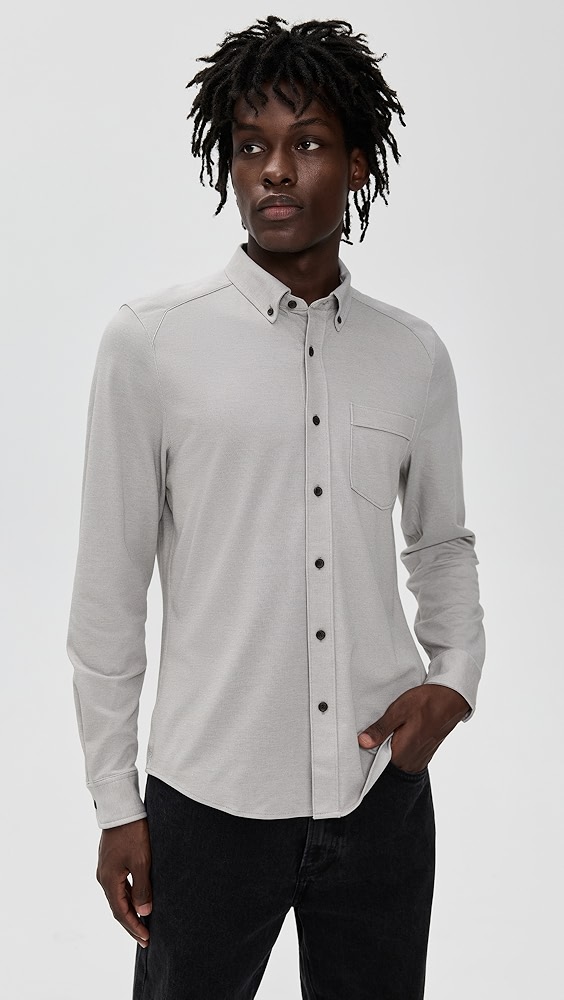
Rhone Effortless Oxford Button-Down Shirt – Classic Smart-Casual Style Rhone Effortless Oxford Button-Down Shirt – Classic Smart-Casual Style features Easy smart casual: Wear with chinos or dark jeans and clean leather sneakers, Relaxed layer: Leave it open over a plain tee with straight-leg trousers, Sharper finish: Tuck it into tailored trousers and add a belt with loafers...
Writeups and reviews are our personal opinions. Follow through to the merchants site for more details.
Final Thoughts
Creating a classic personal style begins with understanding your real lifestyle, preferred silhouettes and most useful colours.
Build around dependable clothing such as well-fitting trousers, shirts, knitwear, dresses, jackets and practical footwear. Choose pieces that can be worn repeatedly and combined easily.
Keep the wardrobe current through modern proportions, updated accessories and carefully selected trends. Add personality through colour, jewellery, vintage details, prints or a signature handbag.
Classic style should never feel like a costume or a strict uniform. It should make dressing easier while still allowing you to look distinctive and contemporary.
The strongest classic wardrobe is not the one with the most traditional pieces. It is the one that feels polished, comfortable and consistently connected to the person wearing it.
Worth a look
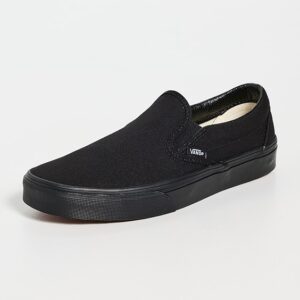
Vans Classic Slip On Sneakers – Classic Everyday Footwear Vans Classic Slip On Sneakers – Classic Everyday Footwear features Clear style identity: The easy slip-on sneaker profile gives an outfit a defined direction without requiring complicated layering, Flexible outfit balance: It can either support simple basics or provide contrast against smarter trousers...
Vans Classic Slip On Sneakers – Classic Everyday Footwear Vans Classic Slip On Sneakers – Classic Everyday Footwear features Clear style identity: The easy slip-on sneaker profile gives an outfit a defined direction without requiring complicated layering, Flexible outfit balance: It can either support simple basics or provide contrast against smarter trousers...
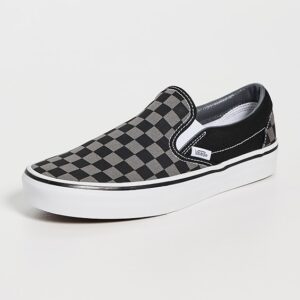
Vans Classic Slip On Unisex Sneakers – Classic… Vans Classic Slip On Unisex Sneakers – Classic Everyday Footwear features Everyday casual: Pair with straight-leg jeans, a quality tee and a lightweight jacket, Sport-inspired: Wear with relaxed track pants or shorts and a clean sweatshirt, Smart-casual contrast: Use tailored trousers and a knit polo or...
Vans Classic Slip On Unisex Sneakers – Classic… Vans Classic Slip On Unisex Sneakers – Classic Everyday Footwear features Everyday casual: Pair with straight-leg jeans, a quality tee and a lightweight jacket, Sport-inspired: Wear with relaxed track pants or shorts and a clean sweatshirt, Smart-casual contrast: Use tailored trousers and a knit polo or...
Vans Classic Slip On Sneakers – Classic Everyday Footwear Vans Classic Slip On Sneakers – Classic Everyday Footwear features Clear style identity: The easy slip-on sneaker profile gives an outfit a defined direction without requiring complicated layering, Flexible outfit balance: It can either support simple basics or provide contrast against smarter trousers...
Vans Classic Slip On Sneakers – Classic Everyday Footwear Vans Classic Slip On Sneakers – Classic Everyday Footwear features Clear style identity: The easy slip-on sneaker profile gives an outfit a defined direction without requiring complicated layering, Flexible outfit balance: It can either support simple basics or provide contrast against smarter trousers...
Vans Classic Slip On Unisex Sneakers – Classic… Vans Classic Slip On Unisex Sneakers – Classic Everyday Footwear features Everyday casual: Pair with straight-leg jeans, a quality tee and a lightweight jacket, Sport-inspired: Wear with relaxed track pants or shorts and a clean sweatshirt, Smart-casual contrast: Use tailored trousers and a knit polo or...
Vans Classic Slip On Unisex Sneakers – Classic… Vans Classic Slip On Unisex Sneakers – Classic Everyday Footwear features Everyday casual: Pair with straight-leg jeans, a quality tee and a lightweight jacket, Sport-inspired: Wear with relaxed track pants or shorts and a clean sweatshirt, Smart-casual contrast: Use tailored trousers and a knit polo or...