Are Cowboy Boots Just a Novelty Item?

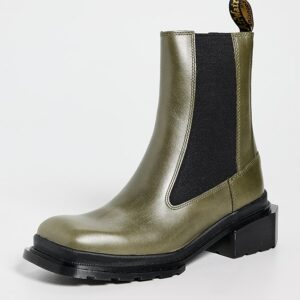
Cowboy boots are sometimes treated as costume footwear, something reserved for country concerts, themed parties or western-style events. However, genuine cowboy boots are far more than a novelty item.

They began as practical working footwear and have since become a lasting part of fashion. Their distinctive shape, durable construction and strong personality have allowed them to move easily between ranch wear, street style, festival dressing and sophisticated modern outfits.

The difference between stylish cowboy boots and novelty footwear usually depends on the quality of the boots and how they are worn.

Cowboy Boots Were Designed for Practical Use

Traditional cowboy boots were created for riding and agricultural work. Their tall shafts helped protect the lower legs, while the angled heel assisted with keeping the foot secure in a stirrup.

The pointed or tapered toe made it easier to slide the foot into the stirrup, and the sturdy construction offered protection during long days outdoors.

Although many modern cowboy boots are designed primarily for fashion, their original purpose was practical rather than decorative.

Why Do Cowboy Boots Sometimes Look Like a Novelty?

Cowboy boots can appear costume-like when every part of an outfit follows an exaggerated western theme.

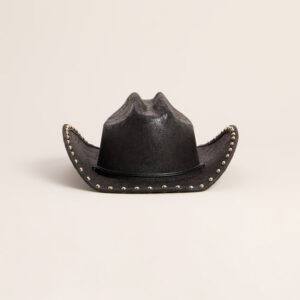
A combination of heavily decorated boots, a large cowboy hat, fringed clothing, a western shirt and an oversized belt buckle can look theatrical outside a country or western setting.

The boots themselves are not necessarily the problem. The novelty effect usually comes from wearing too many strongly themed pieces together.

When cowboy boots are combined with modern, simple clothing, they can look fashionable and surprisingly refined.

Are Cowboy Boots Still Fashionable?

Cowboy boots regularly return to fashion because they offer something different from ordinary ankle boots or knee-high styles. They add texture, shape and personality to an outfit without requiring complicated styling.

Modern versions are available in classic brown and black leather, soft suede, metallic finishes, bright colours and decorative embroidery. Some remain traditional, while others have been redesigned with sleeker toes, shorter shafts and more subtle stitching.

Their versatility has helped them remain relevant well beyond their original western associations.

How to Wear Cowboy Boots Without Looking Like You Are in Costume

The easiest way to wear cowboy boots stylishly is to treat them as the statement piece and keep the rest of the outfit relatively simple.

Pair them with modern basics such as:

  • Straight-leg jeans
  • Simple midi dresses
  • Denim skirts
  • Tailored trousers
  • Plain knitwear
  • Oversized shirts
  • Blazers
  • Leather jackets

A balanced outfit may include one western-inspired element, but it does not need to reproduce the entire cowboy look.

Cowboy Boots with Jeans

Jeans are one of the most natural partners for cowboy boots.

Straight-leg and bootcut jeans can be worn over the shaft of the boots, creating a subtle look where only the toe and heel remain visible.

Skinny or slim jeans can be tucked into taller boots, although this creates a more obviously western appearance.

Cropped jeans can also work, particularly with shorter cowboy boots. The visible space between the hem and boot helps keep the outfit modern.

For a polished finish, add a plain shirt, fitted knit, blazer or structured coat.

Cowboy Boots with Dresses

Cowboy boots can add contrast to soft and feminine dresses. A floral, lace or flowing dress becomes less delicate and more contemporary when paired with structured leather boots.

They work especially well with:

  • Floral midi dresses
  • Relaxed shirt dresses
  • Simple knit dresses
  • Denim dresses
  • Bohemian maxi dresses
  • Plain slip dresses

Avoid overloading the outfit with additional western accessories unless that is the deliberate theme.

A simple handbag, denim jacket or leather belt is usually enough.

Cowboy Boots with Skirts

Mini, midi and maxi skirts can all be worn with cowboy boots.

A denim mini skirt creates a youthful casual outfit, while a flowing midi skirt softens the boots and gives them a more romantic appearance.

Long skirts work best when the fabric has enough movement to reveal part of the boot while walking.

For a modern outfit, pair the skirt with a plain T-shirt, fitted knit or button-up shirt.

Can Cowboy Boots Look Sophisticated?

Cowboy boots can look sophisticated when the design is understated and the rest of the outfit is clean and structured.

Choose boots in black, dark brown, tan or cream with subtle stitching. Pair them with tailored trousers, a fitted midi dress, a long coat or a blazer.

A sleek pointed toe generally appears more refined than a heavily rounded shape, while minimal decoration makes the boots easier to wear in smart-casual settings.

The quality of the leather and condition of the boots also have a major influence on the overall appearance.

Are Cowboy Boots Suitable for Everyday Wear?

Well-made cowboy boots can be practical everyday footwear once they have been broken in properly.

They can be worn for shopping, casual lunches, concerts, travel, weekend outings and relaxed social occasions.

However, traditional cowboy boots may not offer the same cushioning as modern walking shoes. For long periods on hard surfaces, look for a supportive insole and a comfortable heel height.

The boot should fit securely around the instep without crushing the toes or allowing excessive heel movement.

Can You Wear Cowboy Boots to Work?

Cowboy boots may be suitable for workplaces with a casual, creative or rural dress code.

For a professional look, choose a simple pair in a neutral colour and wear them with tailored trousers, dark denim, a midi skirt or a conservative dress.

A blazer or structured coat can help balance the casual character of the boots.

In conservative corporate environments, traditional cowboy boots may appear too informal. A sleek western-inspired ankle boot may be a more appropriate alternative.

Cowboy Boots for Festivals and Concerts

Cowboy boots are particularly popular at music festivals and country concerts because they combine style with more coverage than sandals.

Wear them with denim shorts, relaxed dresses, skirts or lightweight trousers.

Comfort is important. Avoid wearing a brand-new pair for an entire festival day without testing them first.

Consider adding cushioned insoles and wearing suitable socks to reduce rubbing and fatigue.

Short Cowboy Boots Versus Tall Cowboy Boots

Short Cowboy Boots

Short western boots are easier to incorporate into everyday wardrobes. They can be worn beneath jeans, with cropped trousers or with dresses and skirts.

They usually look less dramatic and may be a good choice for someone trying western footwear for the first time.

Traditional Mid-Calf Boots

Traditional cowboy boots usually reach the mid-calf and create a more distinctive western silhouette.

They work well with dresses, tucked jeans and bootcut denim. Because they make a stronger statement, simple clothing often provides the best balance.

Tall Western Boots

Taller western boots can resemble knee-high fashion boots and look striking with shorter dresses, skirts and fitted trousers.

They create a bold look and should usually remain the focal point of the outfit.

Choosing a Colour

The colour of the boots determines how versatile they will be.

  • Black: Modern, polished and easy to wear with dark denim, dresses and tailoring.
  • Brown: Traditional and versatile, particularly with denim and earthy colours.
  • Tan: Relaxed and suitable for lighter casual outfits.
  • Cream or white: Fashion-forward and effective with neutral or pastel clothing.
  • Red or bright colours: Best used as a statement against simple clothing.
  • Metallic: Bold and suitable for concerts, parties and evening styling.

For the greatest versatility, begin with black, brown or tan.

Decoration and Embroidery

Decorative stitching is part of the traditional character of cowboy boots. However, the amount of detail affects how easy they are to style.

Subtle tonal embroidery can add interest while remaining versatile. Contrasting stitching, metallic leather, rhinestones and elaborate patterns create a stronger fashion statement.

If the boots are highly decorated, pair them with plain clothing and limited accessories.

How Should Cowboy Boots Fit?

Cowboy boots fit differently from ordinary fashion boots.

The foot should feel secure across the instep, and there may be a small amount of movement at the heel when the boots are new. This movement often reduces as the sole and leather soften.

The toes should not feel crushed, and the widest part of the foot should sit comfortably within the widest part of the boot.

The shaft should allow enough room for the calf without cutting into the leg.

Because sizing varies between brands and toe shapes, trying the boots on with the socks you plan to wear is important.

Are Cowboy Boots Comfortable?

Cowboy boots can be comfortable when they fit correctly and are suited to the activity.

Leather boots often soften and mould to the shape of the foot over time. However, a boot that is painfully tight is unlikely to become comfortable through wear alone.

For everyday use, look for:

  • A stable heel
  • A cushioned insole
  • Enough toe room
  • A secure instep
  • Flexible leather
  • A non-slip sole

Fashion boots with very high heels or narrow pointed toes may be less practical for extended walking.

Can You Wear Cowboy Boots in Summer?

Cowboy boots can be worn during summer, especially with lightweight dresses, skirts and shorts.

Choose breathable socks and avoid very heavy clothing around the boots.

Lighter colours such as tan, cream and soft brown tend to look more seasonal than very dark, heavy styles.

Because leather boots can become warm, they may be better suited to evenings, indoor events or milder summer days.

Can You Wear Cowboy Boots in Winter?

Cowboy boots can be worn during cooler weather with jeans, knit dresses, long coats and layered outfits.

However, traditional leather soles may become slippery in rain, and not all cowboy boots are waterproof.

Use a suitable leather protector and consider rubber-soled versions for wet conditions.

Warm socks can improve comfort, but the boots still need to fit without becoming too tight.

Cowboy Boots and Bohemian Style

Cowboy boots combine naturally with bohemian clothing. Flowing dresses, floral prints, suede jackets and textured fabrics complement their rustic character.

To avoid looking overly themed, limit the amount of fringe, embroidery and western accessories worn at once.

A floral dress, cowboy boots and a simple denim jacket create a balanced boho-western outfit without looking like a costume.

Cowboy Boots and Minimalist Style

Cowboy boots can also work within a minimalist wardrobe.

Choose a simple pair in black or dark brown and combine them with monochrome clothing, clean tailoring or a plain knit dress.

The boots add character to an otherwise restrained outfit while the simple clothing keeps them looking modern.

Cowboy Boots at Any Age

Cowboy boots are not limited to younger wearers. They can be stylish at any age when the outfit reflects the wearer’s comfort and personal style.

For a refined look, pair neutral boots with dark jeans, a midi dress, a quality knit or a tailored jacket.

The key is proportion and confidence rather than age. A well-chosen pair can add personality without appearing overly youthful or theatrical.

Common Cowboy Boot Styling Mistakes

  • Wearing too many western-themed items together
  • Choosing boots that are painfully tight
  • Tucking bulky trousers into narrow boot shafts
  • Allowing jeans to bunch excessively above the boots
  • Wearing very decorative boots with an equally busy outfit
  • Ignoring the condition of worn heels or damaged leather
  • Using fashion boots for long walks without adequate support
  • Choosing a shaft height that cuts awkwardly across the calf
  • Assuming cowboy boots only work with denim
  • Buying an exaggerated style that does not suit your normal wardrobe

Cowboy Boot Outfit Ideas

Simple Everyday Outfit

Wear brown cowboy boots with straight-leg jeans, a plain T-shirt and a relaxed blazer.

Feminine Outfit

Pair tan cowboy boots with a floral midi dress and a denim jacket.

Modern Monochrome Outfit

Wear black cowboy boots with black jeans, a black knit and a long tailored coat.

Festival Outfit

Combine comfortable cowboy boots with denim shorts, a loose blouse and a crossbody bag.

Smart-Casual Outfit

Style sleek western boots with a knit midi dress, structured handbag and simple jewellery.

Cool-Weather Outfit

Wear cowboy boots beneath bootcut jeans with a turtleneck and wool coat.

Bohemian Outfit

Pair western boots with a flowing maxi skirt, fitted top and simple leather belt.

Cowboy boots only become a novelty when they are treated like part of a costume. Worn with simple, modern clothing, they can be practical, stylish and surprisingly sophisticated.

Final Thoughts

Cowboy boots are not merely a novelty item. They began as functional footwear and have developed into an enduring fashion style with genuine versatility.

They can be worn with jeans, dresses, skirts, tailoring and knitwear. The most successful outfits allow the boots to provide character without surrounding them with too many western references.

Choose a quality pair that fits correctly, suits your lifestyle and coordinates with clothing you already own. When styled with balance and confidence, cowboy boots can become a practical and distinctive part of an everyday wardrobe rather than a once-a-year costume accessory.

How, When and Where to Wear a Knit Dress

A knit dress is one of the most useful pieces you can own. It combines the comfort of a sweater with the simplicity of a one-piece outfit, making it suitable for casual days, office wear, travel, dinners and many special occasions.

The key to wearing a knit dress well is choosing the right fabric weight, fit, length and accessories for the setting. A fine ribbed midi dress can look polished and sophisticated, while a relaxed chunky-knit style creates a comfortable weekend outfit.

With thoughtful styling, a knit dress can be worn through several seasons and adapted to suit almost any wardrobe.

What Is a Knit Dress?

A knit dress is made from knitted rather than woven fabric. This usually gives it stretch, softness and a more flexible fit.

Knit dresses are available in many styles, including:

  • Fitted ribbed dresses
  • Relaxed sweater dresses
  • Knitted midi dresses
  • Bodycon knit dresses
  • A-line knit dresses
  • Knitted shirt dresses
  • Turtleneck dresses
  • Wrap-style knit dresses
  • Sleeveless knitted dresses
  • Chunky cable-knit dresses

The fabric may be made from wool, cotton, cashmere, viscose, acrylic or a blend of fibres. The material and thickness determine when and where the dress is most suitable.

Why Knit Dresses Are So Flattering

Knit fabric naturally follows the shape of the body while allowing movement. A well-made knit dress can skim the figure without feeling restrictive.

Vertical ribbing can create a lengthening effect, while wrap styles and belted knit dresses help define the waist. A-line and softly flared silhouettes provide balance without clinging closely to the hips.

The most flattering knit dress is not necessarily the tightest. A dress that gently follows the body often looks more polished than one that pulls, stretches or reveals every line underneath.

How Should a Knit Dress Fit?

A knit dress should feel comfortable and sit smoothly across the body. The fabric should not pull sharply across the bust, stomach or hips.

Check the dress from the front, side and back. Horizontal stretching, distorted ribbing and raised hems can indicate that the dress is too small.

If you prefer a closer fit, choose a knit with enough thickness and structure to provide support. For a relaxed look, select a sweater dress that falls cleanly without appearing excessively oversized.

The shoulder seams should sit correctly, and the neckline should remain in place as you move.

Choose the Right Underwear

Knit fabric can reveal seams and texture beneath the dress, particularly when it is fine, pale or closely fitted.

Seamless underwear creates the smoothest finish. Choose a bra that sits comfortably beneath the neckline and does not create visible lines.

For fitted dresses, light smoothing shorts or shapewear can be worn if desired, but they are not essential. Comfort should remain the priority.

Nude underwear is usually the best choice beneath cream, white and pale-coloured knit dresses.

How to Wear a Knit Dress Casually

For an easy everyday outfit, pair a relaxed knit dress with sneakers, flat boots or simple sandals.

A denim jacket, crossbody bag and understated jewellery will keep the look comfortable and informal.

Choose soft colours such as beige, grey, navy, olive or cream for versatility, or add personality with stripes and brighter shades.

A loose midi sweater dress can be worn with low-profile sneakers, while a shorter knit dress works well with ankle boots and a lightweight jacket.

How to Wear a Knit Dress to Work

A knit dress can be an excellent office option when the silhouette and fabric are polished.

Choose a midi or knee-length style with a secure neckline and enough structure to hold its shape. Fine-gauge knitwear generally looks more professional than very chunky or oversized styles.

Add a tailored blazer, structured cardigan or longline coat. Finish the outfit with loafers, ankle boots, pointed flats or low block heels.

A belt can define the waist and make a simple knit dress appear more formal.

Neutral colours such as black, charcoal, navy, camel and burgundy are particularly suitable for work.

How to Wear a Knit Dress for an Evening Out

A fitted or softly draped knit dress can look elegant for dinner, drinks or an evening event.

Choose a style with an interesting neckline, asymmetric hem, open back, side slit or subtle metallic thread.

Pair it with heeled ankle boots, pumps or strappy sandals. Add statement earrings, a small handbag and a tailored coat.

Black, chocolate brown, deep red, emerald and navy can create a sophisticated evening look.

A monochrome outfit can be especially effective. Wear the dress, shoes and outer layer in similar shades for a sleek finish.

How to Wear a Knit Dress to a Special Occasion

Knit dresses are not usually the first choice for very formal occasions, but refined knitted styles can work beautifully for birthdays, dinners, cocktail events and modern weddings.

Look for fine fabrics, elegant draping and a well-defined silhouette. Cashmere blends, soft ribbed knits and dresses with metallic or decorative details can feel more elevated.

Choose polished footwear and refined accessories. Avoid overly casual chunky knits, heavy boots and oversized layers when dressing for a special event.

For weddings, consider the venue and dress code. A sleek knitted midi dress may suit a winter ceremony, restaurant wedding or sophisticated daytime celebration.

Where to Wear a Knit Dress

To the Office

Wear a structured midi knit dress with a blazer, loafers or ankle boots. Choose a dress that does not cling excessively and remains comfortable while sitting.

To Lunch or Brunch

Style a relaxed knit dress with sneakers, sandals or ballet flats. Add a denim jacket or lightweight cardigan.

To Dinner

Select a fitted or draped knit dress with heeled boots or sandals. Add jewellery and a small handbag.

While Travelling

A soft knit dress is comfortable for flights, road trips and sightseeing. Pair it with supportive shoes and a cardigan or jacket.

Choose fabric that resists creasing and is not too heavy.

For Shopping and Everyday Errands

Wear a casual sweater dress with sneakers, flat boots and a practical crossbody bag.

To a Family Gathering

A midi knit dress is comfortable, presentable and easy to wear. Add a belt or simple jewellery for a more polished finish.

To a Winter Event

A long-sleeved knit dress works well with tall boots, a wool coat and a scarf. Choose richer colours and thicker fabric for warmth.

On a Date

A fitted ribbed dress can look elegant without appearing overly formal. Wear it with heeled boots, a leather jacket or a tailored coat.

When to Wear a Knit Dress

Knit dresses are often associated with autumn and winter, but lighter versions can be worn during spring and summer.

Spring

Choose lightweight cotton or viscose knit dresses in soft colours. Add a cropped jacket, cardigan or trench coat.

Wear them with sneakers, loafers or ankle boots.

Summer

Look for sleeveless or short-sleeved knit dresses made from breathable, lightweight fabric.

Cotton and open-knit styles can work well, provided the dress is lined or worn with an appropriate slip.

Pair the dress with flat sandals, espadrilles or minimal strappy heels.

Autumn

Autumn is an ideal season for knit dresses. Wear midi and long-sleeved styles with ankle boots, leather jackets and light coats.

Rust, olive, burgundy, camel and chocolate brown suit the season beautifully.

Winter

Choose thicker wool-blend, cashmere or cable-knit dresses. Layer with tights, tall boots, long coats and scarves.

A fitted thermal layer can be worn underneath for additional warmth without adding excessive bulk.

How to Style a Fitted Knit Dress

A fitted knit dress creates a sleek silhouette and works well for evenings, dinners and smart-casual occasions.

Balance the close fit with a structured or relaxed outer layer, such as a blazer, long coat or leather jacket.

Pointed shoes, heeled boots and simple sandals can lengthen the overall line.

If the dress is very fitted, keep the accessories clean and understated. This prevents the outfit from appearing overworked.

How to Style a Sweater Dress

A sweater dress is relaxed, warm and easy to layer. It may be straight, oversized or softly shaped at the waist.

Add a belt if you want more definition. Wear it with knee-high boots, ankle boots or sneakers.

A long coat creates a streamlined winter outfit, while a denim or leather jacket makes the dress feel more casual.

If the sweater dress is short, opaque tights can provide extra coverage and warmth.

How to Style a Ribbed Knit Dress

Ribbed knit dresses are flattering because the vertical lines can make the body appear longer.

They are often fitted, so check that the fabric is thick enough to sit smoothly.

For daytime, wear a ribbed midi dress with sneakers and a cardigan. For evening, add heels, a structured bag and statement jewellery.

A ribbed dress also looks polished beneath an oversized blazer or long tailored coat.

How to Style a Knitted Midi Dress

The midi length is one of the most versatile options. It works for the office, weekends, travel and evening occasions.

Wear it with ankle boots, loafers or sneakers for daytime. Add heeled boots or strappy sandals for a dressier look.

A cropped jacket helps define the waist, while a long coat creates an elegant uninterrupted line.

How to Style a Short Knit Dress

A short knit dress can look youthful and modern when balanced with appropriate footwear and layers.

Wear it with tall boots, ankle boots or opaque tights in cooler weather. Sneakers can create a casual daytime look.

A longer coat or oversized blazer can provide contrast and additional coverage.

Make sure the dress remains comfortable when sitting, bending and walking.

How to Style a Long Knit Dress

A long knit dress can look elegant and dramatic, especially when the fabric drapes well.

Choose a style that does not drag along the ground. A side slit can improve movement and reveal the footwear.

Wear a long knit dress with boots, platform shoes, sneakers or heels depending on the occasion.

A belt, cropped jacket or fitted coat can prevent the outfit from appearing shapeless.

What Shoes to Wear with a Knit Dress

Sneakers

Sneakers make a knit dress feel casual and contemporary. Clean leather or low-profile styles are the easiest to wear.

Ankle Boots

Ankle boots suit short, midi and long knit dresses. Pointed styles create a polished line, while chunky boots add contrast.

Knee-High Boots

Knee-high boots work beautifully with short and midi knit dresses. They provide warmth and create a sophisticated autumn or winter look.

Loafers

Loafers are ideal for office wear and smart-casual outfits. They look particularly effective with midi and straight-cut knit dresses.

Ballet Flats

Ballet flats create a soft, feminine look and work well with lightweight spring knitwear.

Heels

Pumps, block heels and heeled sandals can transform a simple knit dress into an evening outfit.

Flat Sandals

Flat sandals suit lightweight summer knit dresses. Choose a streamlined design to maintain a polished appearance.

What Jacket to Wear with a Knit Dress

Blazer

A blazer adds structure and makes a knit dress suitable for work, meetings and smart-casual occasions.

Denim Jacket

A denim jacket creates an easy daytime outfit and works well with relaxed or fitted knit dresses.

Leather Jacket

A leather jacket adds contrast and prevents a soft knit dress from appearing too delicate.

Trench Coat

A trench coat is ideal for transitional weather and adds a classic finish.

Long Wool Coat

A long coat creates warmth and elegance during winter. Choose a coat that complements the dress length and colour.

Cropped Jacket

A cropped jacket defines the waist and works especially well with high-waisted or fitted knit dresses.

Should You Wear a Belt with a Knit Dress?

A belt can add shape to a loose or straight knit dress. It can also make the outfit look more deliberate and polished.

Use a slim belt for a subtle finish or a wider belt for stronger waist definition.

Leather belts add structure, while fabric or tie belts maintain a softer appearance.

Not every knit dress needs a belt. Fitted, wrap and naturally shaped styles may look better without one.

How to Layer a Knit Dress

Layering allows a knit dress to work across different temperatures and settings.

Possible layers include:

  • A fitted turtleneck beneath a sleeveless knit dress
  • A button-up shirt under a V-neck dress
  • A blazer or cardigan over a fitted style
  • A long coat over a sweater dress
  • A thermal layer beneath a winter knit dress
  • A cropped sweater over a fitted dress to create the appearance of a skirt

Keep the layers relatively smooth so they do not create bulk beneath the knit fabric.

How to Accessorise a Knit Dress

Knit dresses often have a simple silhouette, making them easy to personalise with accessories.

Try adding:

  • A leather belt
  • A structured handbag
  • A long necklace
  • Statement earrings
  • A silk scarf
  • A wide-brimmed hat
  • A crossbody bag
  • A simple watch

Choose accessories according to the texture of the dress. A chunky knit usually needs stronger, simpler accessories, while a fine knit can be paired with more delicate pieces.

Choosing the Right Colour

Neutral knit dresses are easy to wear and can be styled repeatedly.

  • Black: Sleek, versatile and suitable for day or evening.
  • Cream: Soft, elegant and ideal for tonal outfits.
  • Camel: Warm and sophisticated.
  • Grey: Modern and easy to combine with black, burgundy or navy.
  • Navy: A refined alternative to black.
  • Chocolate brown: Rich and flattering for autumn and winter.
  • Burgundy: Adds colour while remaining polished.
  • Green: Works particularly well in olive, forest and emerald shades.

Bright colours can also look stylish when the rest of the outfit is kept simple.

Can You Wear a Knit Dress If You Are Petite?

Knit dresses can be very flattering on petite figures. Choose a style that does not overwhelm your height.

Vertical ribbing, a defined waist and a hem that finishes above the ankle can create length.

Avoid excessive fabric, overly long sleeves and dresses that pool around the feet.

Wearing shoes in a similar colour to the dress can also create a longer visual line.

Can You Wear a Knit Dress with a Curvy Figure?

A knit dress can complement curves when the fabric has enough structure and stretch.

Wrap styles, ribbed midi dresses and designs with a defined waist are often flattering.

Choose fabric that skims rather than clings tightly. Check that the dress does not become transparent when stretched.

A blazer, belt or open coat can create additional vertical lines and provide balance.

Can You Wear a Knit Dress Over 50 or 60?

Knit dresses can look elegant at any age. The most important factors are fit, fabric quality and personal comfort.

Midi lengths, refined necklines and softly structured styles are especially versatile.

Pair the dress with a blazer, long cardigan, polished footwear and understated jewellery.

There is no need to avoid fitted styles completely. A dress that follows the body without pulling can look sophisticated and modern.

Common Knit Dress Styling Mistakes

  • Choosing fabric that becomes transparent when stretched
  • Wearing a dress that pulls tightly across the body
  • Ignoring visible underwear lines
  • Pairing a chunky dress with too many bulky layers
  • Choosing the wrong hem length for the footwear
  • Allowing the dress to lose its shape through poor care
  • Wearing a very casual sweater dress to a formal occasion
  • Using too many oversized pieces in one outfit
  • Failing to check how the dress looks when sitting
  • Wearing damaged or heavily pilled knitwear

How to Care for a Knit Dress

Knit dresses require careful storage and washing to prevent stretching, shrinking and pilling.

Always check the care label. Some styles can be machine washed on a gentle cycle, while wool and cashmere may require hand washing or dry cleaning.

Avoid hanging heavy knit dresses for long periods, as this can stretch the shoulders and length. Fold them neatly instead.

Use a fabric comb or pilling remover to maintain a smooth surface. Allow the dress to dry flat whenever recommended.

Knit Dress Outfit Ideas

Casual Day Outfit

Wear a relaxed midi knit dress with white sneakers, a denim jacket and a crossbody bag.

Office Outfit

Style a ribbed midi dress with a blazer, loafers and a structured handbag.

Winter Outfit

Pair a long-sleeved sweater dress with knee-high boots, opaque tights and a wool coat.

Evening Outfit

Wear a fitted black knit dress with heeled sandals, statement earrings and a small clutch.

Travel Outfit

Choose a soft, wrinkle-resistant knit dress with supportive sneakers, a cardigan and a practical tote.

Spring Outfit

Wear a lightweight knit dress with ballet flats and a trench coat.

Summer Outfit

Style a sleeveless cotton-knit dress with flat sandals, a woven bag and simple jewellery.

Smart-Casual Outfit

Add a belt, ankle boots and a leather jacket to a simple ribbed dress.

A knit dress looks best when the fabric, fit and styling suit the occasion. Comfort may be its greatest advantage, but thoughtful accessories and layers are what make it look polished.

Final Thoughts

A knit dress can be casual, professional, elegant or glamorous depending on how it is styled. It is one of the few garments that can offer warmth, comfort and a polished appearance at the same time.

Choose a fit that skims the body, fabric that holds its shape and a length that suits your proportions. Match the dress with sneakers and denim for casual wear, loafers and a blazer for work or heels and jewellery for an evening occasion.

Whether worn to the office, while travelling, for lunch or on a night out, a well-chosen knit dress can become one of the most versatile and dependable pieces in your wardrobe.

How to Dress Casually and Still Look Respectable

Dressing casually does not mean looking careless. A relaxed outfit can still appear polished, tasteful and appropriate when the clothing fits properly, is well maintained and has been put together with intention.

The goal is to feel comfortable without looking as though you have made no effort. You do not need expensive labels, formal clothing or an uncomfortable outfit. A few well-chosen basics, clean footwear and thoughtful styling can make even jeans and a T-shirt look respectable.

What Does Respectable Casual Style Mean?

Respectable casual style sits between very relaxed clothing and formal dressing. It is comfortable enough for everyday life but polished enough for shopping, casual lunches, appointments, family gatherings and many informal workplaces.

A respectable casual outfit usually includes:

  • Clean, well-fitting clothing
  • Simple colours or coordinated prints
  • Neat shoes in good condition
  • Appropriate coverage for the occasion
  • One or two structured or polished elements
  • Minimal visible wear, stains or excessive creasing

It is less about following strict rules and more about showing care in the way you present yourself.

Start with Clothing That Fits Properly

Fit is one of the biggest differences between looking relaxed and looking untidy. Clothing does not need to be tight, but it should sit well on the body and maintain a clear shape.

Tops should not pull across the chest or hang so loosely that they overwhelm your frame. Trousers should sit comfortably at the waist and fall smoothly through the legs. Sleeves, hems and shoulder seams should appear intentional rather than oversized by accident.

A simple, inexpensive outfit that fits well will usually look more respectable than costly clothing in the wrong size.

Build Your Wardrobe Around Polished Basics

A reliable casual wardrobe begins with versatile pieces that can be worn in several combinations.

Useful basics include:

  • Dark or clean mid-wash jeans
  • Tailored or straight-leg trousers
  • Plain T-shirts in quality fabric
  • Button-up shirts
  • Fine-knit sweaters
  • Simple blouses
  • Midi skirts
  • Shirt dresses and wrap dresses
  • Smart cardigans
  • Blazers and lightweight jackets

Neutral shades such as navy, cream, beige, white, black, olive and grey are easy to coordinate. Colour and prints can then be introduced through tops, scarves, bags and accessories.

Choose Jeans That Look Neat

Jeans are a natural foundation for respectable casual dressing. The key is choosing a pair that looks clean and fits properly.

Straight-leg, slim, bootcut and wide-leg jeans can all look polished. Dark denim often appears slightly smarter, while clean mid-blue denim creates an easy daytime look.

Pair jeans with a blouse, button-up shirt, fitted knit or quality T-shirt. Add loafers, ankle boots, ballet flats or clean sneakers to complete the outfit.

Heavily ripped, extremely faded or badly stretched jeans may look too casual for situations where you want to make a good impression.

Wear T-Shirts with Intention

A T-shirt can look respectable when the fabric is opaque, the neckline holds its shape and the garment is free from wrinkles, stains and fading.

Plain crew-neck, V-neck and scoop-neck T-shirts are easy to style. A subtle stripe can also look polished.

Tuck the shirt fully or partially into jeans, trousers or a skirt to create shape. Add a blazer, structured cardigan or neat jacket to make the outfit feel more complete.

Avoid very thin T-shirts, stretched necklines and oversized slogans when you want a more refined appearance.

Add One Structured Piece

One of the easiest ways to elevate a casual outfit is to add structure.

A blazer can transform jeans and a T-shirt. A fitted denim jacket can give shape to a loose dress, while a structured cardigan can make casual trousers look more polished.

You do not need to wear anything formal. The structured piece simply helps the outfit look deliberate rather than thrown together.

Choose Comfortable but Polished Trousers

Tailored trousers are not only for the office. Relaxed straight-leg, wide-leg and pull-on trousers can be very comfortable while still looking respectable.

Choose fabrics that hold their shape and avoid styles that closely resemble pyjama bottoms or tracksuit pants.

Pair casual trousers with a fitted T-shirt, blouse, knit top or shirt. Add loafers, sandals or clean sneakers depending on the season.

Use Knitwear to Look Relaxed and Refined

Knitwear is ideal for creating a comfortable but presentable outfit. Fine-knit sweaters, cardigans, knitted polo shirts and fitted turtlenecks can all look elegant without feeling formal.

Choose knits that are free from pilling and that maintain their shape. A neat sweater with jeans and loafers is simple, comfortable and respectable.

If the knit is oversized, balance it with straight or slim trousers. If the trousers are wide, choose a more fitted sweater or tuck the front into the waistband.

Try a Simple Dress

A casual dress can create a complete outfit with very little effort. Shirt dresses, wrap dresses, knitted dresses and relaxed midi dresses are especially useful.

Look for a dress with a flattering neckline and enough structure to avoid appearing shapeless. Add a belt if you want more waist definition.

Wear the dress with sneakers, sandals, loafers or ankle boots. A cardigan, denim jacket or blazer can be added when you need another layer.

Wear Skirts in a Relaxed Way

Midi skirts, denim skirts and simple A-line skirts can look polished without feeling overdressed.

Pair a flowing skirt with a fitted T-shirt or knit. Wear a denim skirt with a button-up shirt or blouse. Keeping the top simple allows the skirt to remain the main feature.

Tucking in the top or adding a belt can prevent the outfit from appearing shapeless.

Select Shoes That Look Well Maintained

Footwear can determine whether a casual outfit looks stylish or careless. Your shoes do not need to be formal, but they should be clean and in good condition.

Good casual options include:

  • Clean leather or canvas sneakers
  • Loafers
  • Ballet flats
  • Ankle boots
  • Low block heels
  • Flat leather sandals
  • Simple espadrilles

Worn-out trainers, dirty shoes and beach thongs can make an otherwise attractive outfit look less polished.

Can Sneakers Still Look Respectable?

Sneakers can look smart when they have a streamlined shape and are kept clean. White, navy, black and neutral leather sneakers are particularly versatile.

Wear them with straight-leg jeans, cropped trousers, midi skirts or casual dresses.

Very bulky running shoes are best kept for exercise unless they are deliberately part of a sporty outfit.

Use Colour in a Coordinated Way

You do not need to wear only neutral colours to appear respectable. Colour can make an outfit more interesting and express your personality.

A simple approach is to combine one stronger colour with two neutral shades. For example, wear an emerald blouse with navy trousers and tan shoes, or a coral sweater with cream jeans and beige loafers.

Repeating one colour in a scarf, handbag or shoe detail can make the outfit feel coordinated.

Be Careful with Oversized Clothing

Oversized clothing can look modern and relaxed, but too much volume can appear untidy.

Balance one loose piece with something more fitted. Wear an oversized shirt with straight-leg jeans, or pair wide-leg trousers with a fitted top.

Rolling the sleeves, tucking in part of the shirt or adding a belt can create shape without losing comfort.

Add a Blazer Without Looking Too Formal

A blazer is one of the easiest ways to make casual clothing look respectable. It does not need to be part of a suit.

Wear a relaxed blazer over a T-shirt and jeans, or combine it with a dress and sneakers. Linen and soft-knit blazers are especially suitable for casual outfits.

Leaving the blazer open keeps the look relaxed while creating a clean vertical line through the body.

Choose Understated Accessories

Accessories can make a basic outfit feel complete. A watch, leather belt, scarf, structured handbag or simple piece of jewellery may be all you need.

Avoid adding too many statement accessories at once. One distinctive element usually looks more refined than several competing pieces.

A plain outfit can be lifted with a colourful scarf, elegant earrings or an attractive handbag.

Carry a Neat Bag

Your handbag contributes to the overall appearance of the outfit. A clean tote, crossbody bag or structured shoulder bag can make casual clothing look more polished.

The bag does not need to match your shoes exactly. It should simply complement the colours and level of formality of your clothing.

Avoid carrying a bag that is damaged, badly overfilled or covered in visible stains when you want to look well presented.

Pay Attention to Fabric Quality

Fabric influences how clothing hangs and how well it maintains its shape. Cotton, linen blends, denim, fine knitwear, crepe and soft tailoring fabrics can all work well for respectable casual outfits.

Very thin fabric, excessive stretching and transparency can make clothing appear less polished. Choose garments that provide appropriate coverage and remain comfortable throughout the day.

Keep Your Clothing Well Maintained

Even the best outfit can look careless if the clothing is stained, creased or damaged.

Before wearing an item, check for:

  • Wrinkles
  • Loose threads
  • Missing buttons
  • Faded patches
  • Pilling
  • Stains
  • Damaged hems

Steaming a shirt, cleaning your shoes or removing lint can make an immediate difference.

Show Personality Without Looking Overdone

Respectable style does not require you to lose your individuality. You can still wear prints, bold colours, unusual jewellery and fashionable shoes.

The most balanced approach is to choose one main feature. A floral blouse can be paired with plain trousers, while a brightly coloured jacket can be worn over a neutral outfit.

This allows your personal style to stand out without making the outfit feel chaotic.

Dress for the Occasion

A respectable outfit should suit where you are going. Jeans and sneakers may be ideal for shopping or meeting a friend, while trousers, loafers and a blouse may be more suitable for an appointment or casual workplace.

When uncertain, it is usually better to dress slightly more neatly than necessary. You can still remain comfortable while choosing a polished top, structured layer or better pair of shoes.

Respectable Casual Outfit Ideas

Jeans and a Blouse

Wear dark straight-leg jeans with a soft blouse, loafers and a structured handbag.

T-Shirt and Blazer

Pair a plain T-shirt with clean jeans, a relaxed blazer and leather sneakers.

Wide-Leg Trousers and Knit Top

Combine high-waisted wide-leg trousers with a fitted knit and flat shoes. Tuck in the top to define the waist.

Midi Dress and Denim Jacket

Wear a simple midi dress with a fitted denim jacket and ankle boots or sandals.

Midi Skirt and T-Shirt

Pair a flowing midi skirt with a tucked plain T-shirt, a belt and clean sneakers.

Button-Up Shirt and Jeans

Wear a crisp shirt with straight-leg jeans and loafers. Roll the sleeves for a relaxed finish.

Cardigan and Tailored Trousers

Style a neat cardigan as a top with tailored trousers, ballet flats and simple jewellery.

Casual Clothing to Avoid When You Want to Look Polished

There are no universal rules, but some items can make it more difficult to create a respectable appearance.

  • Clothing with visible stains or damage
  • Very stretched T-shirts
  • Badly creased garments
  • Excessively ripped jeans
  • Transparent clothing without suitable layering
  • Sleepwear worn as everyday clothing
  • Worn-out footwear
  • Gym clothing outside exercise settings
  • Clothing that is extremely tight or revealing for the occasion
  • Too many oversized garments worn together

The aim is not to criticise casual clothing. It is to choose versions that look intentional and appropriate.

Simple Ways to Look More Put Together

  • Tuck in your top or use a partial tuck.
  • Add a belt to define your waist.
  • Wear a blazer, cardigan or structured jacket.
  • Choose clean shoes that complement the outfit.
  • Coordinate two or three colours rather than using many unrelated shades.
  • Steam or iron clothing before wearing it.
  • Add one polished accessory.
  • Make sure your clothing fits correctly.
  • Keep your hair and general grooming neat.
  • Stand confidently and wear clothing in which you feel comfortable.

Looking respectable while dressing casually is not about wearing formal clothes. It is about choosing comfortable pieces that fit well, look cared for and suit the occasion.

Final Thoughts

You can dress casually and still look polished, confident and respectable. The most important elements are fit, cleanliness, coordination and attention to small details.
Begin with simple basics such as neat jeans, tailored trousers, quality T-shirts, knitwear and comfortable dresses. Add one structured layer, well-maintained shoes and a considered accessory.

Your clothing should allow you to move comfortably and feel like yourself. When casual pieces are chosen thoughtfully and worn with confidence, they can look every bit as stylish and respectable as more formal clothing.

Are Wide-Leg Pants Flattering, and What Should You Wear with Them?

Wide-leg pants are one of the most flattering and versatile trouser styles when they are fitted and styled correctly. Their long, flowing shape can create the appearance of longer legs, balance the proportions of the body and provide a polished alternative to tight-fitting trousers.

They are also exceptionally comfortable. Unlike skinny pants, wide-leg styles allow freedom of movement and do not cling to the legs. They can be worn casually with sneakers and a T-shirt, styled professionally with a blouse and blazer or dressed up with heels and an elegant top.

The secret is proportion. Because wide-leg pants add volume below the waist, the upper half of the outfit usually needs definition, structure or a clearly visible waistline.

Are Wide-Leg Pants Flattering?

Wide-leg pants can flatter almost every body shape. The straight or gently flowing line from the hips to the hem creates a smooth silhouette and can make the legs appear longer.

High-waisted styles are particularly flattering because they visually raise the waist and lengthen the lower half of the body. Pants that skim the hips before falling into a wider leg often provide the most balanced and streamlined result.

However, not every pair of wide-leg pants will fit the same way. Fabric, rise, waistband, pleats and leg width can all influence the final appearance.

Why Wide-Leg Pants Can Make You Look Taller

Wide-leg pants create a strong vertical line, particularly when the fabric falls smoothly from the waist to the floor. This uninterrupted line can make the body appear taller and more elongated.

To maximise this effect, choose pants that nearly cover the top of your shoes without dragging on the ground. Pair them with a tucked-in or cropped top so that the waist remains visible.

Wearing the pants and top in similar colours can also create a longer, more continuous silhouette.

The Most Flattering Waist Height

High-rise wide-leg pants are often the easiest style to wear because they define the waist and lengthen the legs. They work particularly well with tucked-in shirts, fitted tops and cropped jackets.

Mid-rise styles can also be flattering, especially if you prefer less emphasis around the waist. They are suitable for relaxed outfits and can be worn with a partially tucked shirt or a shorter top.

Low-rise wide-leg pants create a more casual, early-2000s-inspired look. However, they can visually shorten the legs and may require more careful styling.

Choose the Right Width

Wide-leg pants range from softly relaxed trousers to dramatic palazzo styles. The most flattering width depends on your height, frame and the occasion.

A moderately wide leg is usually the most versatile. It provides movement without overwhelming the body. Very full palazzo pants create a stronger statement and often look best in lightweight fabrics that drape rather than stand away from the body.

Petite women do not need to avoid wide-leg pants, but an extremely oversized leg may dominate a smaller frame. A cleaner, slightly narrower wide leg can create a more balanced result.

Fabric Makes a Significant Difference

The fabric determines whether wide-leg pants look sleek, structured, relaxed or voluminous.

  • Crepe and tailored blends: Create a polished silhouette for work and formal occasions.
  • Linen: Provides a relaxed, breathable look for summer.
  • Denim: Creates a casual and contemporary appearance.
  • Satin: Adds movement and elegance for evening wear.
  • Wool blends: Work well for cooler weather and professional outfits.
  • Soft jersey: Offers comfort but may require careful styling to avoid looking like loungewear.

If you want a slimming effect, choose fabric that falls smoothly without excessive bulk around the hips or waist.

Should Wide-Leg Pants Have Pleats?

Pleats add shape and movement, but they can also create extra volume around the stomach and hips.

Single pleats or softly pressed pleats can look elegant and tailored. Deep pleats, gathered waistbands and multiple folds may add more fullness than desired.

If you prefer a smoother front, choose flat-front wide-leg pants. They create a cleaner line and are easy to pair with fitted tops, blouses and jackets.

How Long Should Wide-Leg Pants Be?

The correct length depends on the type of pants and the shoes you plan to wear.

Full-length wide-leg pants should usually sit close to the floor while leaving enough clearance to walk comfortably. The hem may cover most of the shoe, but it should not drag or bunch excessively.

Cropped wide-leg pants should end at a deliberate point, usually above the ankle or around the lower calf. An awkward length that ends at the widest part of the calf can make the legs appear shorter.

Whenever possible, have wide-leg pants altered to suit the shoes you wear most often.

What Tops Look Best with Wide-Leg Pants?

The best tops usually provide contrast to the volume of the pants. Fitted, tucked, cropped or structured tops help define the waist and prevent the outfit from appearing shapeless.

Fitted T-Shirts

A fitted T-shirt is one of the easiest pieces to wear with wide-leg pants. Tuck it into the waistband to highlight the waist and keep the silhouette balanced.

This combination works particularly well with denim, linen and casual tailored pants. Add sneakers, sandals or loafers depending on the occasion.

Button-Up Shirts

A crisp button-up shirt creates a polished look with wide-leg trousers. Wear it fully tucked for a professional outfit, partially tucked for a relaxed appearance or tied at the waist for casual styling.

Silk, cotton and linen shirts all work well. Avoid leaving an oversized shirt completely untucked unless the outfit is deliberately loose and layered.

Fitted Knitwear

Fine-knit sweaters, ribbed tops and fitted turtlenecks complement the volume of wide-leg pants. They are especially effective during cooler weather.

Tuck the knit into the waistband or choose a style that finishes around the waist. A bulky long sweater can hide the shape of the pants and make the outfit appear heavier.

Cropped Tops

Cropped tops naturally suit high-waisted wide-leg pants because they reveal or meet the waistband without exposing too much skin.

A cropped knit, fitted blouse or structured short jacket can create a modern and balanced silhouette.

Blouses

Soft blouses add elegance to tailored or flowing wide-leg pants. Choose a blouse that can be tucked in or has enough structure to maintain shape.

If the blouse includes puff sleeves, ruffles or a strong print, keep the pants relatively simple.

Tank Tops and Camisoles

Fitted tank tops and camisoles are ideal for warm-weather outfits. They create a clean upper-body line and allow the pants to remain the focal point.

Add a blazer, linen shirt or lightweight cardigan when more coverage is needed.

Can You Wear Oversized Tops with Wide-Leg Pants?

An oversized top can work with wide-leg pants, but the outfit needs some definition. Without it, the combination may hide the body and create excessive volume.

Try tucking part of the top into the waistband, rolling the sleeves or choosing an oversized shirt made from lightweight fabric. A belt can also help restore shape.

Another option is to wear a fitted inner layer beneath an open oversized shirt or jacket. This maintains the relaxed look while preserving a visible vertical line.

What Jackets Look Best?

The length and shape of a jacket can significantly affect the proportions of wide-leg pants.

Cropped Jackets

Cropped jackets work particularly well because they finish near the waist and allow the full length of the pants to remain visible.

Try a cropped denim jacket, short blazer, leather jacket or fitted cardigan.

Tailored Blazers

A structured blazer creates a sophisticated outfit with wide-leg trousers. A blazer that finishes around the hip is generally easy to style.

For a relaxed modern suit, wear a slightly oversized blazer with a fitted top underneath. Leaving the blazer open creates a vertical line through the centre of the body.

Long Coats

Long coats can complement wide-leg pants beautifully, particularly when both pieces have clean, flowing lines.

Choose a coat with some structure and make sure the pants are not so long that they drag beneath it. A fitted knit beneath the coat will help maintain balance.

What Shoes Should You Wear with Wide-Leg Pants?

Wide-leg pants can be worn with many shoe styles. The correct choice depends on the trouser length, fabric and level of formality.

Heels

Heels add height and enhance the leg-lengthening effect of full-length wide-leg pants. Block heels, wedges, pumps and heeled sandals can all work.

The heel does not need to be extremely high. Even a modest heel can improve the way the fabric falls.

Sneakers

Clean sneakers create a modern, casual look. They work particularly well with wide-leg jeans, linen pants and cropped styles.

Make sure the hem does not drag over the shoe. Low-profile sneakers generally create a cleaner line than bulky athletic footwear.

Loafers

Loafers give wide-leg pants a polished and practical finish. They suit work outfits, tailored pants and cropped styles.

Pointed or slightly elongated loafers can help lengthen the appearance of the foot and leg.

Ankle Boots

Ankle boots are ideal for cooler weather. Choose a streamlined style that fits comfortably beneath the pant leg.

Pointed-toe boots can make the legs look longer, while block-heeled boots provide extra stability.

Sandals

Flat leather sandals suit linen and casual wide-leg pants. Heeled strappy sandals work beautifully with satin, crepe and evening styles.

For cropped pants, choose sandals that do not visually cut across the ankle too heavily if you want to maintain a lengthening effect.

Platform Shoes

Platforms can balance the volume of wide-leg pants and provide height with greater stability than narrow heels.

They are especially effective with denim, retro-inspired outfits and full-length trousers.

How to Wear Wide-Leg Pants Casually

For a relaxed everyday outfit, pair wide-leg jeans or linen pants with a fitted T-shirt, tank top or simple knit.

Add sneakers, flat sandals or loafers and complete the look with a crossbody bag or relaxed tote.

A denim jacket, open shirt or lightweight cardigan can be added without making the outfit feel too formal.

How to Wear Wide-Leg Pants to Work

Tailored wide-leg pants are an excellent office option. They provide comfort while maintaining a professional appearance.

Wear them with a tucked-in blouse, fine-knit top or button-up shirt. Add a blazer, loafers, block heels or pointed flats.

Neutral colours such as black, navy, charcoal, camel and cream are easy to coordinate, but deep green, burgundy and soft pastels can also work well.

How to Wear Wide-Leg Pants for Evening

For an evening outfit, choose wide-leg pants in satin, velvet, crepe or another flowing fabric.

Pair them with a silk camisole, fitted bodysuit, off-the-shoulder top or elegant blouse. Add heeled sandals, statement earrings and a small clutch.

A monochrome outfit can look particularly sophisticated. Wearing one colour from top to bottom creates a long, uninterrupted line.

How to Style Wide-Leg Jeans

Wide-leg jeans offer a relaxed alternative to skinny and straight-leg denim. They look particularly stylish with fitted knits, tucked T-shirts, cropped jackets and structured shirts.

Dark denim can be dressed up with a blouse and heels, while faded denim works well with sneakers and casual tops.

Because denim is thicker than many trouser fabrics, avoid excessive gathering or bulky pockets if you want a smoother silhouette around the hips.

How to Style Linen Wide-Leg Pants

Linen wide-leg pants are ideal for warm weather. Their breathable fabric and relaxed shape make them comfortable for holidays, weekends and casual summer occasions.

Wear them with a fitted tank, linen shirt, cropped top or lightweight blouse. Tan sandals, espadrilles and woven accessories complement the natural texture.

Linen creases easily, but this is part of its relaxed character. Choose a linen blend if you prefer a slightly smoother appearance.

How to Style Cropped Wide-Leg Pants

Cropped wide-leg pants can make footwear more visible and are practical in warmer weather.

Pair them with loafers, sandals, sneakers or ankle boots. A tucked top helps prevent the cropped length from shortening the appearance of the legs.

High-waisted cropped pants are generally more lengthening than low-rise styles. Shoes with a low vamp or pointed toe can also help extend the visual line.

Are Wide-Leg Pants Flattering for Petite Women?

Wide-leg pants can be very flattering on petite women. The key is maintaining a long vertical line and avoiding unnecessary bulk.

Choose high-waisted pants with a smooth front and a moderately wide leg. Full-length styles worn with a slight heel can create significant visual length.

Keep the top fitted or tucked and avoid pants that pool excessively around the feet. Monochrome outfits can also make the body appear taller.

Are Wide-Leg Pants Flattering for Curvy Figures?

Wide-leg pants can balance curvier hips and create a smooth line through the legs.

Look for a supportive waistband, fabric with good drape and a style that fits comfortably across the hips before falling straight or wide.

Avoid waistbands that dig into the body or pleats that pull open. Pair the pants with a top that defines the waist and fits properly across the bust.

Are Wide-Leg Pants Flattering for Apple Shapes?

Wide-leg pants can create balance for an apple-shaped figure, particularly when they have a clean waistband and fall smoothly from the hips.

A mid-rise or comfortable high-rise style may work well. Pair the pants with a top that skims the body rather than clinging tightly.

An open blazer, long necklace or V-neckline can create additional vertical lines through the upper body.

Are Wide-Leg Pants Flattering for Pear Shapes?

Wide-leg pants are particularly effective for balancing pear-shaped proportions. A style that fits smoothly through the waist and hips before widening can create a long, even silhouette.

Choose darker colours or simple fabrics for the pants and draw attention upward with an interesting neckline, statement earrings or a brighter top.

Avoid side pockets that gape or add unnecessary volume at the widest point of the hips.

Are Wide-Leg Pants Flattering for Straight Figures?

Wide-leg pants can add movement and shape to a straighter figure. Pleats, belts and defined waistbands can create the appearance of more curves.

Pair them with a fitted top, tucked blouse or cropped jacket to emphasise the waist.

Textured fabrics, bold colours and printed pants can also add visual interest.

Wide-Leg Pants Outfit Ideas

Casual Weekend Outfit

Wear wide-leg jeans with a fitted white T-shirt, sneakers and a cropped denim or leather jacket.

Summer Outfit

Pair cream linen wide-leg pants with a fitted tank top, flat leather sandals and a woven tote.

Office Outfit

Style black tailored wide-leg pants with a tucked blouse, blazer and loafers or block heels.

Evening Outfit

Wear satin wide-leg pants with a fitted camisole, heeled sandals and statement jewellery.

Monochrome Outfit

Combine wide-leg pants with a top in the same or a similar shade. Add contrasting shoes or a handbag for interest.

Cool-Weather Outfit

Pair wool-blend wide-leg pants with a fitted turtleneck, ankle boots and a long tailored coat.

Relaxed Travel Outfit

Wear soft wide-leg pants with a plain T-shirt, cardigan and supportive sneakers. Choose wrinkle-resistant fabric for comfort and practicality.

Common Wide-Leg Pants Styling Mistakes

  • Choosing pants that are too long and drag on the ground
  • Wearing an oversized top without defining the waist
  • Selecting heavy fabric that creates excessive bulk
  • Choosing pleats that pull open across the stomach
  • Allowing the pants to fit too tightly across the hips
  • Wearing cropped pants that end at an unflattering point on the calf
  • Pairing very wide pants with bulky, shapeless layers
  • Ignoring the shoes when deciding on the hem length
  • Choosing a low-rise style when the goal is to lengthen the legs
  • Wearing underwear that creates visible lines beneath lightweight fabric

How to Make Wide-Leg Pants Look More Polished

Small styling details can make wide-leg pants appear more refined.

  • Tuck in the top to define the waist.
  • Add a belt with a clean, simple buckle.
  • Choose pants with a pressed crease for a longer vertical line.
  • Wear shoes that suit the exact hem length.
  • Add a structured blazer or handbag.
  • Keep the fabric steamed and free from deep wrinkles.
  • Choose seamless underwear beneath pale or lightweight pants.

Wide-leg pants are most flattering when they create a long, clean line and are balanced by a clearly defined upper body.

Final Thoughts

Wide-leg pants are a flattering choice for many women because they combine comfort, movement and elegant proportions. They can lengthen the legs, balance the hips and create a polished silhouette when the fit is correct.

For the easiest styling, choose a high- or mid-rise pair that fits smoothly around the waist and hips. Pair them with fitted, tucked or cropped tops and select footwear that complements the length of the pants.

Whether worn with sneakers and a T-shirt, a blouse and blazer or a camisole and heels, wide-leg pants can move easily between casual, professional and formal occasions. The right pair can become one of the most useful and flattering pieces in your wardrobe.

The Correct Way to Wear Strappy Sandals

Strappy sandals are elegant, feminine and surprisingly versatile. They can add a polished finish to an evening dress, make tailored trousers feel lighter or bring effortless style to a relaxed summer outfit.

However, because strappy sandals expose so much of the foot, small details matter. The fit, strap position, heel height and condition of both the shoes and feet can determine whether the result looks refined or uncomfortable.

Wearing strappy sandals correctly is not about following rigid fashion rules. It is about choosing a pair that fits securely, complements the proportions of your outfit and allows you to walk with confidence.

Choose the Correct Size

Proper fit is the most important part of wearing strappy sandals well. Shoes that are too small can cause the toes or heel to extend beyond the sole, while sandals that are too large may allow the foot to slide forward.

Your heel should sit comfortably within the back edge of the sandal, and your toes should remain completely supported by the front of the sole.

When trying on strappy sandals, stand and walk rather than judging the fit while sitting. Your feet naturally spread when you place weight on them, so a sandal that appears suitable while seated may feel too narrow once you begin moving.

Avoid Toe and Heel Overhang

One of the most common mistakes when wearing open sandals is allowing the toes or heel to hang over the edge of the shoe.

The sole should extend slightly beyond the longest toe without leaving an excessive amount of empty space. At the back, the heel should rest securely on the footbed rather than sitting directly on the edge.

If your foot repeatedly slides forward, the sandal may be too large, too wide or insufficiently supportive. A different strap arrangement or a smaller size may provide a better fit.

Make Sure the Straps Sit Comfortably

Straps should hold the foot securely without digging into the skin. A properly fitted sandal will feel stable but should not leave deep marks, pinch the toes or restrict circulation.

Pay particular attention to straps that cross the widest part of the foot. If the material pulls tightly or creates pressure, the sandal may be too narrow.

Adjustable buckle straps are often the most practical choice because they allow you to customise the fit. Elastic panels can also provide flexibility, especially when the feet swell slightly during warm weather.

Check the Ankle Strap Position

Ankle straps can make sandals feel secure and elegant, but their position can affect both comfort and appearance.

The strap should sit firmly around the ankle without rubbing against the ankle bone. It should be tight enough to prevent the foot from lifting out of the shoe, but loose enough to allow natural movement.

You should normally be able to slide one finger beneath the strap. If the strap leaves painful indentations or causes numbness, loosen it or choose a different style.

Consider the Width of Your Feet

Not all strappy sandals suit every foot shape. A style that looks elegant on a narrow foot may feel restrictive on a wider foot, while widely spaced straps may not provide enough support for a slender foot.

People with wider feet may find sandals with broad, softly curved straps more flattering and comfortable than designs with numerous thin straps.

Those with narrow feet may benefit from adjustable styles, crossed straps or sandals with a secure ankle fastening. The aim is to prevent the foot from sliding sideways or moving excessively within the shoe.

Choose Straps That Flatter Your Legs

The position and colour of sandal straps can influence the apparent length and shape of the legs.

Nude, beige and skin-toned sandals can create a continuous visual line, making the legs appear longer. Fine straps also tend to look lighter and less visually restrictive.

Dark, thick ankle straps create a stronger horizontal line and may make the legs appear shorter. This does not mean they should be avoided, but they are often most flattering when balanced with a shorter hemline, a high waist or a pointed toe shape.

Low-cut straps that sit below the ankle bone can also provide security without visually dividing the leg as strongly.

Match the Sandal to the Occasion

Strappy sandals range from casual flat styles to delicate high-heeled designs. Choosing the correct level of formality is essential.

For Casual Daywear

Flat leather sandals, woven straps and low block heels work well with sundresses, denim, linen trousers and relaxed skirts.

For Work

Choose a polished sandal with a secure fit, moderate heel and relatively simple straps. Closed-back styles or sandals with wider straps may look more professional than extremely delicate evening shoes.

For Weddings and Special Events

Metallic, satin or embellished sandals can complement cocktail dresses, formal gowns and elegant jumpsuits. Choose a heel height that you can comfortably wear for several hours.

For Evening Wear

Minimal high-heeled sandals with fine straps create a refined look with dresses, tailored trousers and sleek skirts.

For the Beach or Resort

Flat sandals, rope details, braided leather and simple slides suit lightweight dresses, swimwear cover-ups and relaxed holiday outfits.

Wear the Right Heel Height

The correct heel height is the one that allows you to walk naturally and confidently.

Very high heels may look glamorous, but they can quickly become uncomfortable if the sandal offers little support. A lower heel, kitten heel or block heel can provide elegance with greater stability.

Before wearing high strappy sandals to an event, practise walking in them at home. Check whether the foot slides forward, whether the ankle strap remains secure and whether the heel feels stable.

If your steps become short, awkward or uncertain, the heel is probably too high for comfortable wear.

Use Block Heels for Greater Stability

Block-heeled strappy sandals are a practical alternative to stilettos. They distribute weight more evenly and are easier to wear on grass, uneven pavement and outdoor surfaces.

They work particularly well for weddings, garden parties and daytime events where you may be standing for long periods.

A medium block heel can also be worn with office clothing, midi dresses, wide-leg trousers and tailored separates.

Choose Flats with Support

Flat sandals are not automatically comfortable. Extremely thin soles and loose straps can cause fatigue, especially when walking for extended periods.

Look for a cushioned footbed, flexible sole and straps that hold the heel and forefoot securely. A slight raised heel or moulded arch can also improve comfort.

For sightseeing, shopping or long summer days, prioritise supportive construction rather than selecting sandals based only on appearance.

Match Strappy Sandals with Dresses

Strappy sandals and dresses are a natural combination, but the weight and detail of the footwear should complement the dress.

Fine straps work beautifully with satin slip dresses, fitted cocktail dresses and lightweight floral styles. Wider leather straps suit linen dresses, shirt dresses and relaxed cotton designs.

A flowing maxi dress can be paired with flat sandals for a casual look or heeled sandals for an evening event. With shorter dresses, ankle-strap sandals can add definition and visual interest.

If the dress contains elaborate embellishment, choose simple sandals. If the dress is plain, metallic, colourful or jewelled straps can become the focal point.

Wear Strappy Sandals with Trousers

Strappy sandals can make trousers look lighter and more elegant, especially during warmer weather.

Cropped trousers are ideal because they allow the sandal and ankle strap to remain visible. Wide-leg trousers can also work, provided the hem does not drag beneath the heel.

With tailored trousers, choose a sleek sandal with clean straps and a refined heel. With linen or relaxed trousers, flat leather sandals create an effortless finish.

Avoid trouser hems that repeatedly catch beneath the heel or become tangled around the straps.

Style Them with Jeans

Strappy sandals can instantly elevate denim. Wear heeled sandals with straight-leg, slim or cropped jeans for a polished evening look.

Flat sandals work well with relaxed, wide-leg and boyfriend jeans. Rolling or cropping the hem slightly allows the shoe to remain visible and prevents the denim from overwhelming delicate straps.

For a balanced outfit, pair distressed or casual jeans with simple, elegant sandals and a refined top or blazer.

Wear Them with Skirts

Strappy sandals complement almost every skirt length.

With mini skirts, flat or low-heeled sandals can prevent the outfit from looking excessively dressy. Midi skirts pair beautifully with both delicate heels and block-heeled styles.

Maxi skirts work best with sandals that remain secure beneath the longer hem. Avoid loose slides if there is a risk of the fabric catching beneath your foot.

Matching the sandal colour to the skirt, your skin tone or another element of the outfit can create a more cohesive appearance.

Coordinate the Colour Carefully

Neutral sandals are among the most versatile footwear choices. Black, tan, cream, nude and metallic shades can be worn with a wide range of clothing.

  • Black sandals: Create a sharp, sophisticated finish.
  • Tan sandals: Work beautifully with denim, linen and earthy colours.
  • Nude sandals: Lengthen the visual line of the legs.
  • White sandals: Feel fresh and modern during spring and summer.
  • Metallic sandals: Add elegance without introducing a strong contrasting colour.
  • Bright sandals: Can become the statement piece in a neutral outfit.

The sandals do not have to match your handbag exactly. Coordinating the overall mood, level of formality and colour temperature is usually more stylish than creating an exact match.

Use Metallic Sandals as a Neutral

Gold, silver, bronze and rose-gold sandals can function almost like neutral footwear.

Gold and bronze work especially well with warm colours such as cream, coral, rust, olive and chocolate brown. Silver complements cool shades such as blue, grey, lavender and black.

Metallic sandals are particularly useful for weddings and evening events because they add light and polish without competing with a patterned or colourful dress.

Do Not Overload the Outfit

Highly detailed sandals with crystals, bows, studs, feathers or multiple straps can become the focal point of an outfit.

When the shoes are elaborate, keep the clothing and accessories relatively simple. A plain dress, clean trousers or a minimal jumpsuit allows decorative sandals to stand out.

If the outfit already includes sequins, embroidery or a strong print, understated footwear will usually create better balance.

Choose the Right Pedicure

Because strappy sandals leave the toes exposed, neat grooming helps the shoes look their best.

You do not need an elaborate salon pedicure. Clean nails, moisturised skin and neatly trimmed toenails are sufficient for a polished appearance.

Neutral, red, pink and soft pastel polish can complement many outfits. Bright polish can add personality, particularly when the clothing is simple.

If wearing open-toe sandals, check that chipped polish has been repaired or removed.

Protect Your Feet from Friction

New straps can rub against the skin, particularly around the toes, heel and ankle.

Wear new sandals around the house before committing to a full day or evening in them. This helps identify pressure points and allows the straps to soften slightly.

Gel pads, cushioned inserts and discreet blister patches can reduce friction. Apply them before discomfort begins rather than waiting until the skin has already become irritated.

Prevent the Foot from Sliding Forward

Feet may slide forward in heeled sandals, especially when the footbed is smooth or the straps are too loose.

A non-slip forefoot pad can improve grip and reduce pressure on the toes. Adjusting the ankle strap may also help hold the foot in position.

Avoid applying heavy moisturiser immediately before wearing the shoes, as this can make the footbed slippery.

Be Careful with Tights and Stockings

Strappy open-toe sandals are generally designed to be worn with bare feet. Traditional tights with visible toe seams can appear awkward beneath delicate straps.

For colder weather or formal styling, choose sheer open-toe hosiery or seamless tights specifically designed for sandals.

Opaque tights can sometimes work with substantial platform or block-heeled sandals, but this creates a stronger fashion statement and requires careful coordination.

Adjust the Straps Throughout the Day

Feet can swell in warm weather, after prolonged standing or during travel. A strap that feels comfortable in the morning may become tight later in the day.

If possible, choose adjustable sandals and check the fit periodically. Loosening an ankle strap by one hole can prevent rubbing and discomfort.

Do not continue wearing sandals that cause numbness, sharp pain or significant pressure. These are signs that the fit is unsuitable.

Keep the Sandals in Good Condition

Because strappy sandals often have a minimal design, scratches, worn heels and damaged straps can be very noticeable.

Clean the footbeds, wipe down the straps and replace worn heel tips when necessary. Store sandals carefully so that fine straps do not become twisted or bent.

Leather sandals may benefit from a suitable conditioner, while satin and embellished styles should be protected from moisture and stored in separate shoe bags.

Common Mistakes to Avoid

  • Allowing the toes or heel to hang over the sole
  • Wearing straps so tightly that they cut into the skin
  • Choosing sandals that allow the foot to slide sideways
  • Wearing an impractical heel height for the occasion
  • Combining very elaborate sandals with an equally busy outfit
  • Ignoring worn heel tips or damaged straps
  • Wearing new sandals for an entire day without testing them first
  • Choosing loose sandals for long periods of walking
  • Allowing long trouser hems to become caught beneath the heel
  • Sacrificing stability simply because a shoe looks fashionable

Strappy Sandal Outfit Ideas

Relaxed Summer Look

Wear tan flat sandals with a linen midi dress, woven handbag and simple gold jewellery.

Smart Casual Outfit

Pair dark cropped jeans with a blouse, blazer and low block-heeled sandals.

Elegant Evening Look

Style a satin midi dress with fine metallic sandals, delicate earrings and a small clutch.

Modern Work Outfit

Combine tailored trousers with a sleeveless blouse and polished low-heeled sandals, provided open footwear is suitable for your workplace.

Weekend Outfit

Wear flat strappy sandals with denim shorts, a relaxed shirt and a crossbody bag.

Wedding Guest Outfit

Choose a floral dress with stable block-heeled sandals and a coordinating clutch. A block heel is especially useful for outdoor ceremonies.

The correct way to wear strappy sandals is to prioritise fit, balance and confident movement. Beautiful shoes should support the outfit without distracting you through discomfort.

Final Thoughts

Strappy sandals can make an outfit feel lighter, more elegant and more refined. The most important consideration is not the number of straps or the height of the heel, but how securely and comfortably the sandal fits.

Choose a size that fully supports the foot, adjust the straps carefully and match the style to the occasion. Keep proportions in mind when coordinating ankle straps, hemlines and trouser lengths.

When your sandals fit correctly and allow you to walk naturally, they become more than a decorative accessory. They provide the polished finishing touch that brings the entire outfit together.

Make the Most of Romantic Soft Florals When Matching Your Clothes

Soft floral prints bring romance, femininity and effortless charm to an outfit. Delicate roses, watercolour blossoms, scattered daisies and muted botanical patterns can make clothing feel graceful without appearing overly formal.

The secret to wearing romantic florals well is balance. Soft prints look most stylish when they are paired with colours, textures and silhouettes that allow the pattern to remain the focus. Whether you prefer floral dresses, blouses, skirts or accessories, thoughtful styling can make these beautiful prints suitable for everyday wear, work, weekends and special occasions.

What Makes a Floral Print Feel Romantic?

Romantic floral patterns are usually softer and more delicate than bright tropical or graphic botanical prints. They often feature subtle colours, flowing shapes and finely detailed flowers.

Common romantic floral elements include:

  • Blush pink, cream, lavender and pale blue
  • Dusty rose and muted mauve
  • Small scattered flowers
  • Watercolour-style prints
  • Vintage-inspired roses
  • Soft green leaves
  • Chiffon, lace and flowing fabrics
  • Gentle, low-contrast colour combinations

These prints create a light, graceful mood and work beautifully with both classic and contemporary clothing.

Let the Floral Print Set the Colour Palette

The easiest way to match a floral garment is to use the colours already present in the print. Look closely at the flowers, leaves and background, then select one shade to repeat elsewhere in the outfit.

For example, a cream dress with pink flowers and sage-green leaves could be styled with a blush cardigan, sage handbag or neutral sandals. Repeating a colour from the print makes the outfit feel coordinated without looking overly matched.

You do not need to repeat every colour. Choosing one supporting shade is usually enough to create a harmonious look.

Pair Soft Florals with Neutral Colours

Neutral colours give romantic florals room to stand out. White, cream, beige, taupe, grey, camel and navy can all calm a detailed pattern and create a more polished outfit.

A floral blouse looks elegant with cream trousers, while a soft floral skirt can be paired with a plain white top. A beige coat or cardigan can soften a colourful dress without competing with it.

Black can also work, but it creates a stronger contrast. For a gentler appearance, choose charcoal, navy or warm brown instead.

Match Florals with Soft Pastels

Pastel colours naturally complement romantic floral prints. Blush pink, powder blue, lilac, mint and pale yellow reinforce the soft mood of the pattern.

Choose a pastel shade that appears in the floral design or sits comfortably beside it. A lilac cardigan can look beautiful over a cream floral dress, while a pale-blue blouse can soften a pink botanical skirt.

To avoid making the outfit look overly sweet, include one grounded element such as tan shoes, a structured handbag or simple denim.

Use Denim to Make Florals Feel More Relaxed

Denim is one of the best ways to make romantic florals feel casual and modern. The sturdy texture of denim contrasts beautifully with soft, feminine prints.

Try wearing a floral blouse with straight-leg jeans, or add a denim jacket to a flowing floral dress. A floral midi skirt can also be paired with a simple denim shirt or fitted chambray top.

Light-wash denim creates a soft daytime look, while dark denim gives the outfit a slightly smarter finish.

Balance Soft Prints with Structured Pieces

Romantic florals often appear on flowing fabrics, which can create a very delicate look. Adding one structured item gives the outfit definition and prevents it from appearing too fragile or overly vintage.

A tailored blazer, structured handbag, fitted jacket or polished pair of shoes can provide the necessary contrast.

For example, wear a floral chiffon blouse with tailored trousers, or style a flowing floral dress with a cropped blazer. The combination of softness and structure creates a confident, modern outfit.

How to Wear a Romantic Floral Dress

A floral dress is one of the easiest ways to wear this trend because the print already creates a complete look.

The accessories should support the dress rather than compete with it. Neutral footwear, simple jewellery and a plain handbag are often all that is needed.

For a Casual Day

Wear a soft floral midi dress with white sneakers, flat sandals or ankle boots. Add a denim jacket or lightweight cardigan for an easy layered look.

For Work

Choose a floral dress with a defined waist and modest neckline. Add a plain blazer, loafers or low heels and a structured handbag.

For an Evening Occasion

Style a flowing floral maxi dress with delicate jewellery, elegant heels and a small clutch. Metallic accessories can add polish without overwhelming the print.

For Cooler Weather

Wear the dress with a fitted knit, ankle boots and a long coat. A belt can help maintain shape beneath heavier layers.

How to Style a Soft Floral Blouse

A floral blouse can be dressed up or down depending on what you wear with it.

For a relaxed outfit, pair it with jeans, tailored shorts or a denim skirt. For work, tuck it into trousers or a plain midi skirt. A floral blouse can also soften leather trousers, dark denim or a structured suit.

If the blouse includes ruffles, puff sleeves or a bow neckline, keep the rest of the outfit simple. Too many decorative details can make the outfit feel overly busy.

How to Match a Romantic Floral Skirt

Floral skirts work best with plain tops that pick up one of the colours in the print.

A flowing floral midi skirt can be worn with a fitted knit, silk camisole, plain T-shirt or crisp shirt. Tucking in the top helps define the waist and gives the outfit a more polished shape.

For contrast, pair a soft floral skirt with a leather jacket or chunky boots. This creates a modern look while preserving the femininity of the print.

Match the Scale of the Floral Print to the Outfit

The size of the floral pattern influences how the garment should be styled.

Small floral prints tend to look delicate, vintage-inspired and easy to layer. They work well with cardigans, denim jackets and simple accessories.

Larger floral prints create more impact and should usually be treated as the focal point. Pair them with plain clothing and minimal accessories.

If you are combining florals with another pattern, vary the scale. A small floral print may work with a wider stripe, while a large floral pattern can sometimes be paired with a very subtle check.

Mixing Florals with Other Prints

Romantic florals can be mixed with other patterns, but the colours should feel connected.

Stripes are one of the easiest prints to combine with florals. A striped top can work with a floral skirt when both pieces share a similar colour palette.

Polka dots and small checks can also work, particularly when one pattern is subtle. Keep one print dominant and allow the other to act as a supporting detail.

Avoid combining several large, colourful patterns unless you are deliberately creating a bold statement look.

Choose the Right Fabrics

Fabric can change the character of a floral print. Soft, flowing fabrics enhance its romantic quality, while stronger materials create contrast.

Chiffon, silk, satin, lace and lightweight cotton create movement and femininity. Linen gives floral clothing a natural, relaxed feel. Denim, leather and structured wool can be used to make the print feel more contemporary.

Mixing textures is especially effective. A chiffon floral dress with a suede jacket or a silky floral blouse with denim can look more interesting than an outfit made entirely from soft fabrics.

Add Knitwear for a Gentle Layered Look

Knitwear pairs beautifully with romantic floral clothing. Fine cardigans, cropped sweaters and fitted knits can soften the overall look while providing warmth.

Wear a cardigan in a colour taken from the floral print, or choose cream, beige or grey for a versatile option.

A cropped knit works particularly well with a floral dress or high-waisted skirt because it helps define the waist. Longer cardigans can create a relaxed silhouette but should not completely hide the shape of the outfit.

Choose Footwear to Control the Mood

The shoes you choose can make a romantic floral outfit feel casual, elegant, modern or dramatic.

  • White sneakers: Make florals feel fresh and relaxed.
  • Ballet flats: Emphasise the feminine quality of the print.
  • Ankle boots: Add contrast and make florals suitable for cooler weather.
  • Loafers: Give a floral outfit a polished, practical finish.
  • Strappy sandals: Work beautifully with summer dresses and skirts.
  • Block heels: Add height while remaining comfortable.
  • Metallic heels: Elevate floral clothing for evening occasions.

For a balanced outfit, avoid choosing shoes that contain too many decorative details when the floral print is already elaborate.

Keep Accessories Delicate and Considered

Romantic floral clothing usually looks best with accessories that are refined rather than overpowering.

Fine necklaces, pearl earrings, small hoops and simple bracelets can complement the softness of the print. A woven bag, structured leather handbag or small clutch can complete the look.

If you enjoy statement jewellery, select one prominent piece rather than several. A bold pair of earrings can work beautifully with a floral dress when the necklace and bracelets are kept minimal.

Add a Belt to Define the Shape

Flowing floral clothing can sometimes hide the body’s natural shape. A belt can create definition and make a loose dress, tunic or cardigan feel more polished.

Choose a slim belt for a delicate look or a wider leather belt for stronger contrast. Tan, beige and brown belts work particularly well with soft floral prints.

Position the belt at the natural waist to create a balanced silhouette.

Use Leather to Add Contrast

Leather can prevent romantic florals from feeling too delicate or old-fashioned. A leather jacket, belt, handbag or pair of boots introduces strength and texture.

A soft floral dress with a black or tan leather jacket creates an attractive contrast between feminine and edgy elements. A floral blouse can also be paired with leather-look trousers for an evening outfit.

Keep the leather piece simple so that it complements rather than competes with the print.

How to Wear Florals Without Looking Too Sweet

If you enjoy floral clothing but prefer a less feminine look, balance it with clean lines, darker colours and practical accessories.

Pair a floral dress with boots and a structured coat. Wear a floral skirt with a plain T-shirt and sneakers. Add a blazer instead of a cardigan, or choose a crossbody bag with a simple shape.

You can also choose floral prints with darker backgrounds, muted colours or larger abstract flowers. These versions feel more modern and less traditionally romantic.

Romantic Floral Outfit Ideas

Weekend Outfit

Wear a floral blouse with straight-leg jeans, white sneakers and a small neutral crossbody bag.

Polished Work Outfit

Pair a floral midi skirt with a cream blouse, tailored blazer and loafers.

Relaxed Summer Outfit

Choose a floral sundress with flat sandals, a woven bag and delicate earrings.

Cool-Weather Outfit

Style a floral dress with ankle boots, a fitted cardigan and a long wool coat.

Evening Outfit

Wear a floral satin dress with metallic heels, a clutch and simple jewellery.

Modern Contrast Outfit

Pair a soft floral blouse with black trousers, a leather jacket and pointed ankle boots.

Romantic Florals Through the Seasons

Spring

Spring is the natural season for soft florals. Choose pastel dresses, floral blouses and lightweight skirts with cardigans or trench coats.

Summer

Wear airy cotton, linen and chiffon floral pieces with sandals, woven bags and light accessories.

Autumn

Select florals with rust, burgundy, olive or navy details. Add ankle boots, denim jackets and warm knitwear.
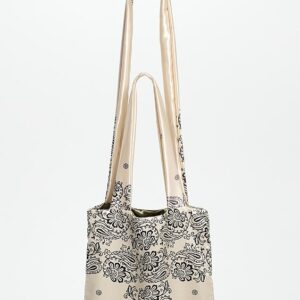
Winter

Choose floral prints on darker backgrounds and layer them with long coats, fitted sweaters and boots. Velvet and heavier fabrics can give florals a richer seasonal appearance.

Common Floral Styling Mistakes

Soft florals are versatile, but a few styling choices can make an outfit feel overly complicated.

  • Matching every accessory to every colour in the print
  • Combining too many romantic details at once
  • Wearing several large patterns together
  • Choosing accessories that compete with the floral design
  • Hiding the body beneath too many flowing layers
  • Using too many pastel shades without a grounding neutral
  • Ignoring the proportions of the outfit

The most stylish floral outfits usually include one focal point, one supporting colour and a small amount of contrast.

Romantic florals look most beautiful when they are allowed to remain soft, expressive and uncluttered.

Final Thoughts

Romantic soft florals can bring colour, movement and femininity to almost any wardrobe. They can look relaxed with denim, polished with tailoring, modern with leather and elegant with delicate accessories.

Use the floral print as the foundation of the outfit, then repeat one of its colours through your shoes, jacket, handbag or jewellery. Add neutral pieces to create balance and structured items to provide shape.

The aim is not to make every element match perfectly. The most successful outfits feel coordinated while still appearing natural and effortless. With the right balance of colour, texture and proportion, romantic florals can remain stylish throughout every season.

Wearing Casual Clothing to the Office: How to Look Relaxed and Professional

Office dress codes have changed considerably in recent years. Many workplaces have moved away from formal suits and rigid corporate clothing in favour of a more relaxed approach. Casual office wear can be comfortable, modern and stylish, but it still needs to look appropriate for a professional environment.

The challenge is finding the right balance. Clothing that feels perfect for the weekend may appear too relaxed for a meeting, while an outfit that is overly formal can feel out of place in a casual workplace. The best office outfits combine comfort with structure, polish and good judgement.

What Does Casual Office Wear Mean?

Casual office wear is more relaxed than traditional business clothing, but it is not the same as dressing for home, the beach or the gym. It usually includes comfortable wardrobe staples styled in a clean and professional way.

Depending on the workplace, casual office clothing may include:

  • Tailored trousers
  • Dark or neat jeans
  • Midi skirts
  • Shirt dresses
  • Knitted tops
  • Blouses and button-up shirts
  • Smart cardigans
  • Blazers
  • Loafers, ankle boots or clean sneakers

The exact dress code will depend on your industry, position and company culture. A creative studio may allow much more freedom than a legal office, financial company or client-facing workplace.

Understand Your Workplace Dress Code

Before introducing more casual pieces into your office wardrobe, observe what other employees wear. Pay particular attention to managers, senior staff and people who hold positions similar to yours.

Some workplaces use terms such as business casual, smart casual or relaxed professional. These descriptions can be interpreted differently, so it is important to understand what they mean within your organisation.

Even in a relaxed workplace, expectations may change depending on the day. A casual outfit may be suitable for routine office work but not for a presentation, client appointment or important meeting.

Start with Polished Basics

A successful casual office wardrobe begins with simple, versatile clothing that fits well. Well-chosen basics can be mixed and matched to create a wide range of outfits without requiring an enormous wardrobe.

Useful office basics include:

  • Black, navy or neutral trousers
  • Dark straight-leg jeans
  • Plain fitted T-shirts
  • Fine-knit sweaters
  • White or soft-coloured shirts
  • Midi skirts
  • Simple dresses
  • A structured blazer
  • A smart cardigan
  • Comfortable closed-toe shoes

Neutral colours are easy to coordinate, but they do not need to make your wardrobe boring. Add personality with prints, colour, jewellery, scarves or textured fabrics.

Choose Jeans Carefully

Jeans are acceptable in many modern offices, but the style and condition of the denim are important.

Dark-wash, black and clean mid-blue jeans usually look more professional than heavily faded, distressed or ripped styles. Straight-leg, slim, bootcut and wide-leg jeans can all work when they fit properly and are styled with polished pieces.

Pair jeans with a blouse, knit top, button-up shirt or blazer. Add loafers, ankle boots or sleek sneakers to complete the outfit.

Avoid jeans with large holes, excessive distressing, very low waistlines or a fit that appears too tight or overly casual.

Wear T-Shirts in a Refined Way

A simple T-shirt can work well in a casual office, particularly when it is made from good-quality fabric and styled thoughtfully.

Choose T-shirts that are opaque, well fitted and free from wrinkles. Plain colours, subtle stripes and understated designs are generally the most professional choices.

Wear a T-shirt with tailored trousers and a blazer, or tuck it into a midi skirt and add a belt. The contrast between a relaxed top and structured clothing creates a balanced modern outfit.

Graphic T-shirts may be suitable in some creative workplaces, but slogans, controversial messages and oversized logos are best avoided.

Add Structure to Casual Clothing

One of the easiest ways to make casual clothing appropriate for work is to add a structured piece.

A blazer can instantly elevate jeans, a T-shirt or a simple dress. A fitted cardigan, tailored coat or structured handbag can have a similar effect.

Structure creates clean lines and gives the outfit a more deliberate appearance. Even a very relaxed base outfit can look office-ready when combined with one polished outer layer.

Choose Dresses with the Right Balance

Dresses are an easy option for casual office dressing because they require little coordination while still looking complete.

Shirt dresses, wrap dresses, knitted dresses and midi dresses are especially suitable. They offer comfort while maintaining a neat silhouette.

Look for dresses with secure necklines, appropriate lengths and fabrics that are not overly thin or clingy. Add a belt for definition, a cardigan for warmth or a blazer for a more formal finish.

Very short dresses, sheer fabrics, deep cut-outs and extremely body-hugging styles may be better reserved for social occasions.

Style Casual Trousers for Work

Tailored trousers are one of the most versatile pieces in a professional wardrobe. They can be worn with formal shirts, casual knits, T-shirts and even sneakers.

Wide-leg trousers can look sophisticated with a fitted top, while cropped trousers work well with loafers or ankle boots. Relaxed pull-on trousers may also be appropriate when they are made from a quality fabric and have a clean shape.

Avoid trousers that resemble sleepwear, tracksuit pants or gym clothing unless your workplace specifically allows activewear.

Use Knitwear to Create Comfortable Outfits

Knitwear is ideal for casual office dressing because it is comfortable, practical and easy to layer.

Fine-knit sweaters, knitted polo tops, cardigans and fitted turtlenecks can be paired with trousers, skirts or jeans. Choose knits that hold their shape and do not appear stretched, pilled or overly oversized.

A tucked or partially tucked sweater can create a more defined silhouette. Adding a necklace, belt or structured bag can also make a simple knit outfit feel more polished.

Can You Wear Sneakers to the Office?

Clean sneakers are accepted in many casual workplaces, particularly when they have a simple, streamlined design.

White leather sneakers, neutral low-profile styles and minimalist trainers usually look more professional than brightly coloured athletic shoes.

Wear sneakers with tailored trousers, midi dresses, skirts or dark jeans. The rest of the outfit should be neat enough to balance the casual footwear.

Running shoes, worn-out trainers and shoes designed specifically for sport may appear too informal unless your workplace has a very relaxed dress code.

Select Office-Appropriate Footwear

Footwear has a major influence on whether a casual outfit looks professional. Even a simple outfit can appear polished when paired with the right shoes.

Suitable options include:

  • Loafers
  • Ballet flats
  • Ankle boots
  • Low block heels
  • Leather sneakers
  • Pointed flats
  • Polished sandals in warm weather

Choose shoes that are clean, comfortable and in good condition. Very worn footwear, beach thongs and overly casual slides are generally unsuitable for the office.

Pay Attention to Fabric

Fabric quality can determine whether a garment appears polished or overly casual.

Linen, cotton, denim, wool blends, crepe and structured knit fabrics can all work well. Thin jersey, transparent materials and fabric that wrinkles excessively may look less professional.

You do not need to buy expensive clothing, but garments should maintain their shape, sit properly on the body and look neat throughout the day.

Fit Is More Important Than Price

Casual office clothing looks most professional when it fits correctly. Clothing that is too tight, too loose or awkwardly proportioned can appear untidy, regardless of how much it cost.

Trousers should sit comfortably at the waist, shirts should not pull across the buttons and sleeves should not overwhelm the hands. Jeans should hold their shape without appearing restrictive.

Simple alterations can make an affordable garment look more refined. Adjusting a hem, waist or sleeve length can dramatically improve the overall appearance of an outfit.

Keep Your Clothing in Good Condition

Casual clothing still needs to be clean and well maintained. Wrinkles, stains, loose threads, fading and pilling can make an otherwise suitable outfit look careless.

Check your clothing before leaving for work. Steam or iron wrinkled garments, clean your shoes and replace damaged buttons when necessary.

Professional style is often less about the type of clothing you wear and more about how well you care for it.

Use Accessories to Complete the Outfit

Accessories can make casual clothing feel more intentional and office-appropriate.

A leather belt, structured handbag, watch, scarf or simple jewellery can add polish without making the outfit overly formal.

Choose accessories that complement the outfit rather than dominate it. In most workplaces, one or two distinctive details are enough.

A bold necklace can elevate a plain knit, while a quality belt can give shape to a loose dress or oversized shirt.

Casual Office Outfit Ideas

Jeans and a Blazer

Wear dark straight-leg jeans with a plain T-shirt, tailored blazer and loafers. This is one of the easiest ways to combine comfort with professionalism.

Midi Skirt and Knit Top

Pair a flowing or pleated midi skirt with a fitted knit top and ankle boots. Add a belt if you want to define the waist.

Tailored Trousers and Sneakers

Combine wide-leg or cropped trousers with a tucked-in shirt and clean leather sneakers. This creates a modern outfit that remains polished.

Shirt Dress and Flats

A shirt dress worn with ballet flats, loafers or low boots is comfortable and suitable for a wide range of workplaces.

Cardigan and Dark Denim

Style a fitted cardigan as a top with dark jeans and pointed flats. Add a structured bag for a refined finish.

Simple Dress and Blazer

Wear a plain midi dress with a blazer and ankle boots. The dress provides comfort, while the blazer adds authority and structure.

Casual Clothing for Meetings and Client Appointments

Even in a relaxed office, it is wise to dress slightly more formally when meeting clients, giving presentations or attending important discussions.

You do not necessarily need a full suit. A blazer, smart dress, tailored trousers or polished shoes may be enough to elevate your normal office style.

Consider how you want to be perceived. Your clothing should support your credibility and allow the focus to remain on your work.

What to Avoid in a Casual Office

Every workplace is different, but some items are commonly considered too casual or distracting for professional environments.

  • Clothing that is stained, torn or heavily wrinkled
  • Beachwear and swimwear
  • Pyjama-style clothing
  • Very revealing tops or dresses
  • Extremely short skirts or shorts
  • Transparent fabrics without suitable layering
  • Clothing with offensive slogans or images
  • Gym wear and compression clothing
  • Dirty or badly worn shoes
  • Excessively distressed denim

The aim is not to remove individuality from office dressing. It is to make sure your clothing does not distract from your professionalism or create discomfort for others.

Casual Friday Without Looking Too Casual

Casual Friday is an opportunity to dress more comfortably, but it is still a working day.

Jeans, sneakers and relaxed tops may be acceptable, but they should remain clean, coordinated and appropriate for the office. A neat knit, dark denim and polished sneakers will usually look better than an old T-shirt and worn jeans.

It is also important to remember that unexpected meetings can occur. Dressing slightly better than the minimum requirement helps you remain prepared.

Expressing Personal Style at Work

Casual dress codes provide more freedom to express your personality. You can introduce favourite colours, prints, accessories and silhouettes while still maintaining a professional image.

A colourful blouse, patterned skirt, distinctive pair of shoes or statement earrings can make a simple outfit feel personal.

Choose one focal point and keep the rest of the outfit balanced. This allows your individuality to be visible without making the overall look feel distracting.

The best casual office outfits feel comfortable enough for a full working day while still looking polished enough for an unexpected meeting.

Final Thoughts

Wearing casual clothing to the office does not mean abandoning professional standards. The most successful outfits combine relaxed garments with clean lines, good fit and thoughtful styling.

Start with polished basics, choose quality fabrics and use structured pieces to elevate casual clothing. Keep your footwear clean, your accessories considered and your garments in good condition.

When done well, casual office dressing can help you feel comfortable, confident and authentic without reducing your professional credibility. The goal is to look relaxed, but never careless.

How to Wear Bohemian Clothing with Style

Bohemian fashion is relaxed, expressive and full of personality. Inspired by art, travel, music and nature, it combines flowing silhouettes, textured fabrics, earthy colours and distinctive accessories to create an effortlessly individual look.

However, wearing bohemian clothing with style is not simply about layering every patterned garment in your wardrobe. The most successful boho outfits feel natural, balanced and thoughtfully put together. The goal is to look creative and free-spirited without appearing overly busy or costume-like.

What Is Bohemian Fashion?

Bohemian fashion, often called boho style, is influenced by the unconventional lifestyles of artists, travellers and musicians. It became particularly prominent during the 1960s and 1970s, when flowing dresses, embroidered blouses, flared trousers and handcrafted accessories became symbols of individuality and freedom.

Modern bohemian style takes inspiration from these eras but gives them a more polished and wearable finish. Today, boho fashion may include:

  • Flowing maxi dresses and skirts
  • Peasant blouses and embroidered tops
  • Crochet, lace and macramé details
  • Wide-leg trousers and flared jeans
  • Fringed jackets, bags and accessories
  • Suede, denim, linen and natural fabrics
  • Earthy colours and botanical prints
  • Layered jewellery and handcrafted pieces

Start with One Bohemian Statement Piece

One of the easiest ways to wear bohemian clothing stylishly is to begin with a single statement piece. This could be a printed maxi dress, an embroidered blouse, a fringed suede jacket or a flowing kimono.

Allow that piece to become the focus of the outfit and keep the remaining clothing relatively simple. For example, pair an embroidered blouse with straight-leg jeans and leather sandals, or wear a colourful boho maxi skirt with a plain fitted top.

This approach creates balance and prevents the outfit from becoming overwhelmed by too many patterns, textures and accessories.

Choose Flowing Silhouettes Carefully

Loose and flowing shapes are central to bohemian fashion, but too many oversized pieces worn together can hide your shape and make an outfit look shapeless.

Balance a flowing garment with something more fitted. Wear a loose peasant blouse with slim jeans, or combine a voluminous maxi skirt with a fitted tank top or cropped knit.

A belt can also bring structure to a loose dress or oversized tunic. Cinching the waist creates definition while maintaining the relaxed quality associated with bohemian style.

Work with Earthy and Natural Colours

Bohemian wardrobes often feature colours inspired by nature. Warm browns, rust, terracotta, cream, olive, mustard and deep burgundy all work beautifully within a boho outfit.

These colours can be mixed easily because they share a warm, organic quality. A rust-coloured skirt might be paired with a cream blouse, tan boots and a brown leather bag.

Brighter shades such as turquoise, coral and violet can be introduced through prints, jewellery or accessories. Using vivid colours as accents keeps the outfit lively without making it feel chaotic.

Mix Prints Without Losing Balance

Bohemian fashion embraces pattern, but print mixing requires restraint. Floral, paisley, geometric and ethnic-inspired patterns can work together when they share a similar colour palette.

When combining two prints, make one noticeably larger or bolder than the other. A large floral skirt can work with a subtly striped blouse, while a patterned kimono can be worn over a simple dress.

If you are new to print mixing, begin by wearing one patterned garment with neutral pieces. This still creates a strong bohemian feel while remaining polished and easy to wear.

Use Texture to Add Interest

Texture is one of the most important elements of bohemian dressing. Crochet, lace, embroidery, suede, velvet, denim and woven fabrics all add visual depth to an outfit.

A white lace blouse can be styled with faded jeans, while a crochet vest can transform a simple maxi dress. A suede jacket adds warmth and structure, and a woven bag introduces an artisanal finish.

Try combining two or three textures rather than using too many at once. The outfit should look layered and interesting, not overloaded.

Layer with Purpose

Layering helps create the relaxed, collected-over-time appearance associated with boho fashion. Long cardigans, kimonos, waistcoats, jackets and scarves can all add personality.

Good bohemian layering still needs proportion. A long kimono looks elegant over a fitted top and straight-leg jeans. A cropped jacket works well over a maxi dress because it helps define the waist.

Consider the length and weight of each layer. Lightweight garments are ideal for creating movement, while heavier items such as suede jackets or knitted cardigans can anchor the outfit.

Choose the Right Bohemian Dresses

Bohemian dresses are among the easiest pieces to style because they create an entire outfit with minimal effort.

Popular options include:

  • Printed maxi dresses: Ideal for relaxed weekends, holidays and summer events.
  • Embroidered mini dresses: Easy to wear with boots, sandals or a denim jacket.
  • Tiered midi dresses: Feminine and versatile without appearing overly dramatic.
  • Peasant dresses: Recognisable by their loose fit, gathered necklines and billowing sleeves.
  • Wrap dresses: A flattering option that adds shape to flowing bohemian fabrics.

For a refined look, choose a dress with a defined neckline, waist or sleeve detail. Add simple footwear and allow the dress to remain the main attraction.

Style Bohemian Tops with Modern Basics

Boho tops often feature embroidery, tassels, balloon sleeves, crochet panels or relaxed necklines. Pairing these decorative pieces with modern basics helps create a contemporary outfit.

An embroidered blouse looks stylish with high-rise denim, while a crochet top can be worn with tailored shorts or a simple midi skirt. A patterned tunic can be balanced with slim trousers and understated boots.

This combination of decorative and minimalist pieces makes bohemian clothing easier to wear in everyday life.

Add Denim for a Relaxed Finish

Denim works naturally with bohemian fashion because it is casual, practical and easy to layer.

Faded jeans, denim skirts, cutoff shorts and oversized denim jackets can all be combined with printed or embroidered pieces. Flared jeans are particularly effective for creating a subtle 1970s-inspired look.

Wear flared jeans with a tucked-in blouse and platform shoes, or add a denim jacket to a floral maxi dress. Denim helps ground more decorative bohemian garments and makes them feel less formal.

Choose Footwear That Complements the Mood

Bohemian footwear is generally comfortable, textured and slightly rustic. Leather sandals, ankle boots, clogs, espadrilles and platform shoes all complement boho clothing.

During summer, wear flat leather sandals with maxi dresses and flowing skirts. In cooler weather, suede ankle boots work well with printed dresses, jeans and long cardigans.

Western-style boots can also add character, particularly when worn with a feminine floral dress. To keep the look stylish, avoid combining too many strongly themed pieces in one outfit.

Use Accessories to Personalise the Look

Accessories are essential in bohemian fashion, but they should enhance the outfit rather than compete with it.

Popular boho accessories include:

  • Layered necklaces
  • Stacked bangles and rings
  • Large natural-stone earrings
  • Woven and embroidered bags
  • Wide-brimmed hats
  • Leather belts
  • Printed scarves
  • Fringed crossbody bags

Choose one or two accessory areas to emphasise. For example, wear layered necklaces with simple earrings, or choose a statement bag and keep the jewellery understated.

Handcrafted accessories are especially effective because they reinforce the artistic and individual nature of bohemian style.

How to Wear Bohemian Style in a Modern Way

Modern bohemian dressing is cleaner and more restrained than traditional festival-inspired fashion. It combines romantic, natural elements with simple contemporary pieces.

Try pairing a printed maxi skirt with a plain white shirt, or wear an embroidered jacket over an otherwise monochrome outfit. A flowing dress can be modernised with a structured handbag, sleek ankle boots or a tailored blazer.

Mixing boho garments with classic wardrobe staples allows you to enjoy the style without looking as though you are wearing a costume.

Bohemian Style for Work

Bohemian clothing can be suitable for work when the fabrics, patterns and silhouettes are polished.

Choose a printed midi dress with a defined waist, or pair a softly patterned blouse with tailored trousers. A long cardigan can replace a jacket in a relaxed workplace, while leather loafers or ankle boots provide a professional finish.

Avoid excessive fringe, very sheer fabrics and overly dramatic layering in formal environments. Subtle embroidery, warm colours and elegant prints can communicate bohemian style while still looking refined.

Bohemian Style for Special Occasions

For weddings, parties and evening events, choose bohemian garments made from elevated fabrics such as silk, velvet, chiffon or detailed lace.

A flowing floral maxi dress can be styled with metallic sandals and delicate jewellery. A velvet wrap dress creates a richer, more sophisticated boho look, while a lace midi dress works beautifully for daytime celebrations.

Keep accessories coordinated and avoid making every element of the outfit a statement. Elegant bohemian style relies on softness, movement and carefully chosen details.
Bohemian Style Through the Seasons

Spring

Wear floral dresses, lightweight cardigans, embroidered blouses and ankle boots. Soft pastels and botanical colours feel fresh and seasonal.

Summer

Choose linen dresses, crochet tops, flowing skirts and leather sandals. Natural fabrics help maintain the relaxed appearance while remaining comfortable in warm weather.

Autumn

Introduce rust, olive, burgundy and mustard tones. Layer printed dresses with denim jackets, suede boots and textured cardigans.

Winter

Wear maxi skirts with fitted knits, long coats and tall boots. Velvet, heavier crochet and patterned scarves add warmth without losing the bohemian character.

Avoid Overdoing the Bohemian Look

The most common bohemian styling mistake is wearing too many themed elements at once. Fringe, embroidery, florals, crochet, stacked jewellery and oversized layers can become distracting when combined in a single outfit.

Choose a few boho features and balance them with simple clothing. A fringed jacket, for example, may need only a plain top, jeans and boots. A highly patterned dress may require nothing more than sandals and delicate jewellery.

Bohemian style should feel expressive, but it should also feel effortless.

The secret to stylish bohemian dressing is freedom with restraint: mix textures, embrace movement and express your individuality without allowing the clothing to overwhelm you.

Final Thoughts

Bohemian clothing allows you to dress creatively, comfortably and confidently. It celebrates natural fabrics, distinctive craftsmanship, romantic silhouettes and personal expression.

To wear bohemian clothing with style, focus on balance. Combine flowing pieces with fitted shapes, decorative garments with simple basics and statement accessories with understated clothing.

You do not need to follow a strict formula. The beauty of bohemian style is that it can be adapted to your personality, lifestyle and existing wardrobe. Choose the pieces that make you feel relaxed, individual and completely yourself.

What You Wear Defines Who You Are: The Powerful Language of Personal Style

Before you introduce yourself, your clothing has already begun the conversation. The colours you choose, the way you combine different pieces and even the shoes you wear can reveal something about your personality, mood and outlook on life.

Fashion is often dismissed as something superficial, but clothing has always been about more than simply covering the body. It is a form of communication, a source of confidence and one of the most visible ways we express our identity.

Your Clothing Tells a Story

Every outfit communicates a message. A carefully tailored blazer may suggest confidence and professionalism, while a flowing floral dress can create a sense of softness, romance and freedom. Distressed denim, leather jackets and chunky boots may express independence, while colourful prints can reveal an energetic and playful personality.

These messages are not always intentional. Even when you believe you have thrown on the first thing you found, your choice still reflects your priorities at that moment. You may be choosing comfort, practicality, modesty, creativity or convenience.

Your wardrobe gradually becomes a visual record of your life. It can contain the dress you wore to an important celebration, the jacket that travelled with you across the world or the comfortable jumper you reach for whenever you need to feel secure.

Personal Style Is a Form of Self-Expression

Personal style allows you to communicate without speaking. It gives you an opportunity to show the world what interests you, what inspires you and how you see yourself.

Someone who loves vintage clothing may feel connected to the beauty and craftsmanship of previous decades. A person who prefers minimalist fashion may appreciate simplicity, organisation and timeless design. Those drawn to bold colours, dramatic silhouettes and statement accessories may enjoy being noticed and expressing their creativity.

There is no single correct way to dress. Personal style is valuable precisely because it is personal. Two people can wear the same dress and create completely different impressions through their choice of shoes, accessories, hairstyle and attitude.

Clothing Can Influence How You Feel

What you wear does not only affect how other people see you. It can also influence how you see yourself.

Putting on an outfit that fits well and reflects your personality can immediately improve your posture and confidence. You may walk differently, speak more clearly and feel more prepared to face the day. This is why certain outfits become our favourites. They do more than look attractive; they make us feel capable, comfortable and authentic.

A structured suit can help you feel powerful before an important meeting. Activewear may encourage you to become more energetic. A glamorous evening dress can make an ordinary night feel memorable. Even wearing a bright colour on a difficult day can provide a welcome emotional lift.

Style is not simply about being noticed. It is about feeling recognised as the person you believe yourself to be.

Fashion Reflects the Different Sides of Your Personality

Most people cannot be defined by one fashion category. You may enjoy elegant dresses for special occasions, relaxed jeans on weekends and practical clothing while travelling. Each style represents a different part of your personality and lifestyle.

Your wardrobe may reflect your professional ambitions, creative interests, family responsibilities and social life. It can change according to where you are going, who you are meeting and how you want to feel.

This does not make your style inconsistent. It makes it human. Personal identity is complex, and clothing gives you the freedom to express its many different dimensions.

Your Style Changes as You Change

The clothing that once made you feel confident may no longer suit the person you have become. Changes in age, career, relationships, body shape and lifestyle can all influence your wardrobe.

This evolution should be welcomed rather than feared. You are not required to dress the same way throughout your life. Fashion can grow with you.

Updating your style does not mean following every new trend. It may simply mean choosing better fabrics, experimenting with a new silhouette or letting go of clothing that no longer feels authentic. A changing wardrobe can be evidence of personal growth.

Trends Should Inspire You, Not Control You

Fashion trends provide fresh ideas, but they should never erase your individuality. A trend is most successful when it becomes part of your existing style rather than replacing it completely.

You might adopt a fashionable colour while keeping your favourite classic silhouette. You could add a statement accessory to an otherwise simple outfit or combine a new-season piece with clothing you have loved for years.

The goal is not to look exactly like everyone else. The goal is to discover which elements of fashion help you express yourself more clearly.

Clothes Can Connect You to Culture and Community

Fashion is also shaped by culture, tradition and belonging. Clothing can represent a person’s heritage, profession, beliefs, music preferences or membership within a particular community.

Traditional garments, handmade textiles and culturally significant patterns can carry generations of meaning. Uniforms create a sense of shared purpose, while fashion movements associated with music and youth culture allow people to recognise others with similar interests.

Through clothing, people can celebrate where they come from while also creating a style that reflects where they are going.

Dress for Yourself, Not for Approval

Although clothing influences how others perceive us, personal style should not become a performance created entirely for other people. Dressing only to gain approval can leave you feeling uncomfortable and disconnected from your true identity.

The most memorable style usually comes from authenticity. It appears when someone wears clothing with confidence because it genuinely suits their personality, body and lifestyle.

You do not need to follow every fashion rule. You do not need to wear uncomfortable clothing to appear stylish, and you do not need to avoid bold pieces simply because someone else might not understand them.

Wear the colours that make you happy. Choose the silhouettes that make you feel confident. Keep the pieces that carry special memories. Your wardrobe should support your life rather than restrict it.

How to Develop a Style That Reflects Who You Are

Creating an authentic personal style begins with paying attention to the clothing that makes you feel your best.

  • Identify your favourite outfits: Consider what these looks have in common, such as particular colours, fabrics or silhouettes.
  • Dress for your real lifestyle: Build a wardrobe around the activities you regularly enjoy rather than an imaginary version of your life.
  • Choose clothing that fits properly: A well-fitting affordable garment often looks better than an expensive piece with a poor fit.
  • Experiment gradually: Try new colours, prints and accessories without feeling pressured to transform your entire wardrobe.
  • Invest in versatile favourites: Select pieces that can be styled in several ways and worn across different occasions.
  • Ignore unnecessary rules: Age, body shape and trends should not prevent you from wearing something that makes you feel wonderful.

Style Is About More Than Appearance

What you wear can reveal your confidence, creativity, history and aspirations. It can connect you to other people, help you step into a new role or remind you of who you have always been.

Clothing does not define every part of your character, but it provides visible clues about how you wish to move through the world. The most powerful wardrobes are not necessarily the largest or most expensive. They are the ones filled with garments that feel meaningful, comfortable and true to the person wearing them.

Ultimately, fashion is not about becoming someone else. It is about giving the person you already are a visible voice.

Christina Lace-Up Back Dresses: Romantic Detail With a Flattering Fit

Christina lace-up back dresses combine feminine styling with one of fashion’s most eye-catching details: a beautifully laced back. Elegant from the front and striking from behind, these dresses create interest from every angle while offering a fit that can often be adjusted to suit the wearer.

The lace-up feature draws inspiration from traditional corsetry, but modern versions feel lighter, softer and easier to wear. Depending on the fabric and silhouette, a Christina lace-up back dress can look romantic, glamorous, playful or sophisticated. It is a versatile choice for parties, weddings, date nights, formal celebrations and special summer occasions.

What Makes a Lace-Up Back Dress Special?

A lace-up back immediately gives a dress a distinctive finish. Ribbons, cords or fabric ties cross through loops or eyelets, creating a decorative pattern that becomes part of the design. Unlike a standard zip closure, the lacing can also provide some flexibility through the bodice.

This adjustable element can help define the waist and create a more personalised fit. Tightening the laces produces a sculpted silhouette, while loosening them slightly can provide additional comfort. The result is a dress that feels structured without necessarily being restrictive.

The open sections around the lacing also reveal a subtle amount of skin, making the design alluring without relying on a low neckline or a very short hem.

A Flattering Silhouette From Every Angle

Christina lace-up back dresses are designed to make an impact when entering and leaving a room. From the front, the dress may appear sleek and refined, while the back introduces a more dramatic and unexpected feature.

The lacing naturally draws attention towards the centre of the body, helping to emphasise the waist. When paired with a fitted bodice and a flowing skirt, it can create a balanced hourglass effect. On a bodycon dress, the lace-up detail enhances the close-fitting silhouette and gives the outfit a confident evening feel.

A-line and skater versions are particularly flattering because they combine a defined upper body with a skirt that moves freely over the hips. Maxi dresses with lace-up backs create a longer, more graceful line, while mini versions feel youthful and party-ready.

Romantic Styling for Weddings and Special Occasions

A Christina lace-up back dress is an excellent choice for a wedding guest, engagement party, anniversary dinner or garden celebration. The corset-inspired detail adds romance, especially when combined with satin, lace, chiffon or floral fabric.

For a wedding, consider soft shades such as blush pink, sage green, powder blue, champagne or lavender. Pair the dress with delicate heels, a small clutch and fine jewellery. Drop earrings or a slim bracelet can add polish without drawing attention away from the back.

Because the lace-up design is already decorative, necklaces are often unnecessary, particularly when the dress has a detailed neckline. A neat updo, low bun or side-swept hairstyle will keep the back visible and allow the lacing to become the focal point.

How to Style a Lace-Up Back Dress for a Party

For parties and evening events, deeper colours and shimmering fabrics can give the Christina dress a more glamorous personality. Black, burgundy, emerald green, navy and rich chocolate tones look sophisticated, while red, silver or metallic finishes create a bolder entrance.

Style a fitted mini dress with strappy heels, statement earrings and a compact shoulder bag. A satin lace-up dress can be paired with metallic accessories, while a velvet version looks especially elegant with crystal jewellery and pointed pumps.

For a more contemporary outfit, add platform heels, sculptural earrings and a sleek clutch. Keep the accessories controlled rather than overly ornate, as too many decorative elements can compete with the lacing.

Casual Ways to Wear the Christina Dress

Not every lace-up back dress needs to be reserved for a formal occasion. Cotton, linen and lightweight printed styles can be worn for brunches, holidays, daytime dates and summer gatherings.

Pair a floral Christina dress with flat sandals, a woven handbag and delicate gold jewellery for an easy warm-weather outfit. A short cotton style can be worn with white sneakers and a cropped denim jacket for a relaxed look.

For a coastal or resort-inspired outfit, choose a flowing maxi dress with a softly laced back. Add espadrilles, natural-textured accessories and oversized sunglasses. The result feels romantic without becoming excessively formal.

Choosing the Right Bra and Undergarments

The open back is the defining feature of the dress, so standard bra straps may be visible. The best undergarment will depend on the amount of coverage provided by the bodice.

A dress with padded cups, supportive seaming or a corset-style structure may be comfortable without a separate bra. Other options include adhesive cups, a backless bra or a low-back converter. Fashion tape can also help secure the neckline and sides of the bodice.

Before wearing the dress to an event, try it on with the intended undergarments and move around naturally. Sit, walk and raise your arms to confirm that the bodice remains secure and comfortable.

How to Tie the Lace-Up Back

For a neat finish, loosen the lacing before putting on the dress rather than attempting to pull it over the body while tightly fastened. Once the dress is in position, tighten the laces gradually from the top or bottom, depending on the design.

Adjust each section evenly so that the bodice feels supported without creating excessive pressure. Finish with a secure bow, allowing the ends to hang neatly. The bow may sit at the upper back, waist or lower back according to the construction of the dress.

Having another person assist with the lacing can make it easier to achieve an even fit. Avoid pulling too tightly, as this may cause the fabric to bunch or the loops to strain.

Footwear That Complements the Dress

Strappy sandals are a natural partner for a lace-up back dress because their delicate lines echo the crossing detail at the back. Nude heels help lengthen the appearance of the legs, while metallic shoes add a polished evening finish.

Pointed pumps work well with midi and formal maxi dresses. Platform heels suit shorter party styles, and block heels provide greater stability for outdoor weddings or garden events.

For a casual Christina dress, consider espadrilles, flat sandals, ballet flats or clean sneakers. The footwear should reflect the fabric and occasion rather than the lace-up detail alone.

Accessories and Jewellery

The most effective accessories support the dress rather than distract from it. Because the back already contains visual detail, choose one or two polished additions instead of layering multiple statement pieces.

Drop earrings are ideal when the hair is worn up. A delicate bracelet, small rings or a simple cuff can add sparkle without overcrowding the outfit. For a modern finish, select geometric earrings or a structured mini bag.

A clutch or compact shoulder bag usually works better than a large handbag. Satin, metallic and beaded bags suit formal dresses, while woven or softly textured bags complement relaxed cotton and linen styles.

Hairstyles That Show Off the Lace-Up Detail

The back deserves to be seen, making hairstyle selection an important part of the outfit. An elegant bun, ponytail, braided updo or side-swept style will keep the lacing visible.

Long hair can also be worn in loose waves gathered over one shoulder. This creates a romantic look while leaving most of the back uncovered. For a softer finish, allow a few face-framing strands to fall naturally.

Layering Without Hiding the Design

For cooler weather, select an outer layer that can be removed once indoors. A cropped blazer, tailored coat, fine shawl or faux-fur jacket can provide warmth without permanently concealing the dress.

A short jacket works particularly well because it maintains the defined waist. For formal occasions, a lightweight wrap can be draped around the arms rather than across the back, allowing the lacing to remain visible.

Finding the Right Christina Lace-Up Back Dress

Consider the occasion, fabric and level of support when choosing a dress. Satin and velvet produce a luxurious evening look, while chiffon and lace feel soft and romantic. Cotton and linen are more suitable for daytime wear and warm climates.

Check whether the dress includes adjustable straps, padded cups, lining or boning. These features can affect both comfort and support. It is also important to review the length of the laces and the amount of open space at the back, particularly when deciding which undergarments to wear.

A Dress Designed to Be Remembered

Christina lace-up back dresses offer more than a decorative feature. The lacing shapes the entire character of the outfit, combining adjustable structure with feminine detail. It can transform a simple silhouette into something more distinctive while keeping the overall look elegant and wearable.

Whether styled with heels for a wedding, statement accessories for a party or sandals for a summer occasion, a Christina lace-up back dress creates a confident look from every angle. It is romantic, flattering and designed to make the back of the dress every bit as memorable as the front.

Velvet Dresses: How to Style This Rich and Luxurious Fashion Favourite

Few fabrics create a sense of occasion quite like velvet. Soft to the touch and rich in colour, a velvet dress catches the light in a way that makes even a simple silhouette feel distinctive. It can look romantic, dramatic, glamorous or modern, depending on the cut of the dress and the accessories worn with it.

Velvet is often associated with winter parties and evening events, but it is more versatile than it first appears. A fitted velvet mini dress can feel playful and contemporary, while a long velvet gown offers traditional evening elegance. Relaxed midi dresses, wrap styles and velvet slip dresses can also be styled for dinners, weddings, cocktail events and smart seasonal gatherings.

Why Velvet Dresses Stand Out

Velvet has a dense, softly raised surface that reflects light differently as the fabric moves. This gives the colour greater depth and creates subtle highlights across the dress. Jewel tones such as emerald green, ruby red, sapphire blue and deep purple work particularly well in velvet, although black, chocolate brown, navy and burgundy are equally sophisticated.

Because the fabric already has visual richness, a velvet dress does not usually need complicated embellishment. A clean neckline, a flattering waist and a well-balanced silhouette are often enough to create a strong outfit.

Choosing the Right Velvet Dress

The best velvet dress is one that balances the weight and texture of the fabric with a flattering shape. Stretch velvet can work well for body-skimming dresses because it moves more comfortably and tends to feel less restrictive. Structured velvet is better suited to corset bodices, tailored dresses and formal gowns.

A wrap dress is a practical choice for many body shapes because it defines the waist and allows the neckline to be adjusted. An A-line velvet dress creates a softer, more romantic outline, while a fitted column dress produces a sleek evening look. Velvet mini dresses feel youthful and party-ready, especially when paired with sheer tights or tall boots.

How to Style a Black Velvet Dress

A black velvet dress is one of the most versatile evening pieces. The texture prevents black from looking flat, while the neutral colour leaves plenty of room for creative accessories.

For a classic outfit, wear a black velvet midi dress with pointed heels, a structured clutch and delicate gold or silver jewellery. A red lip can add a polished finishing touch without competing with the fabric.

For a more modern look, choose sculptural earrings, a metallic mini bag and sleek ankle boots. A black velvet mini dress can also be worn with sheer tights, platform heels and a cropped jacket for an outfit that feels confident rather than overly formal.

Styling Jewel-Toned Velvet Dresses

Jewel-toned velvet creates an especially rich effect because the fabric intensifies deep colours. Emerald green works beautifully with gold jewellery, warm nude shoes and a cream or champagne-coloured bag. Burgundy pairs well with black, blush, chocolate brown and antique gold. Navy velvet looks elegant with silver, crystal accessories or soft grey.

When wearing a strongly coloured velvet dress, allow the dress to remain the focus. Accessories can repeat one of the undertones in the fabric rather than introducing several competing colours.

Velvet Dresses for Weddings

Velvet is an excellent choice for autumn and winter weddings because it feels warm, formal and seasonally appropriate. A velvet midi dress with long sleeves offers coverage without looking conservative, while an off-the-shoulder or one-shoulder design adds evening drama.

For a wedding guest outfit, pair the dress with refined heels, a compact clutch and understated jewellery. Avoid accessories that are excessively ornate if the dress already features ruching, draping, lace or embellishment.

Dark floral prints, forest green, wine red, midnight blue and plum are particularly effective for cooler-season weddings. For daytime ceremonies, softer colours such as dusty rose, muted teal or warm bronze can make velvet appear lighter and less theatrical.

How to Make Velvet Look Modern

The easiest way to modernise velvet is to contrast its traditional richness with clean, contemporary pieces. Choose a dress with an asymmetric neckline, a simple slip silhouette, a thigh split or minimal tailoring. Pair it with streamlined footwear rather than heavily decorated shoes.

Minimal jewellery also helps. One bold cuff, a pair of geometric earrings or a fine chain necklace can look more current than several ornate accessories worn together.

For a fashionable high-low combination, style a velvet slip dress with a fitted knit underneath, an oversized blazer or a cropped leather jacket. The contrast between textures gives the outfit a more relaxed and individual feel.

Footwear Ideas for Velvet Dresses

Heels are a natural partner for velvet, but they are not the only option. Pointed pumps create a traditional evening look, while strappy sandals keep the outfit lighter. Platform heels work well with mini dresses and retro-inspired styles.

Ankle boots can make a velvet dress feel more contemporary, especially for dinners, concerts and less formal parties. Knee-high boots are effective with short velvet dresses during cooler weather. For a relaxed daytime interpretation, a simple velvet dress can even be paired with polished loafers or clean leather sneakers.

Jewellery and Accessories

Velvet works particularly well with jewellery because its soft surface contrasts with polished metal and sparkling stones. Gold creates warmth against green, red, brown and burgundy velvet, while silver and crystal accessories complement navy, black, grey and cool purple tones.

Pearls can give velvet a vintage-inspired elegance, although the rest of the outfit should remain simple to prevent the look from feeling costume-like. For a modern finish, choose one strong accessory rather than several statement pieces.

Structured bags are usually more effective than oversized casual styles. A small top-handle bag, metallic clutch, satin pouch or compact shoulder bag will complement the formality of the fabric.

Layering a Velvet Dress

Velvet is naturally suited to cooler weather. A tailored wool coat creates an elegant outer layer, while a cropped faux-fur jacket adds glamour for evening events. A fitted blazer can make a velvet dress feel sharper and more sophisticated.

For a casual contrast, try a leather jacket or a longline cardigan. The key is to avoid adding too many heavy textures at once. Velvet already has depth, so the outer layer should provide a clear shape rather than overwhelming the dress.

Can Velvet Be Worn During Warmer Weather?

Velvet is most comfortable in autumn and winter, although lightweight or sleeveless velvet dresses can work during mild evenings. Choose shorter hemlines, open necklines and minimal layers. Strappy sandals and delicate accessories will help the outfit feel lighter.

In very hot or humid conditions, velvet may feel too warm, particularly if the dress is lined or closely fitted. A velvet accessory or velvet-trimmed design may be a more practical way to include the texture.

Keeping the Outfit Balanced

The most successful velvet outfits allow the fabric to provide the drama. When the dress has a bold colour, fitted silhouette or detailed neckline, keep the shoes and accessories relatively restrained. When the dress is simple and minimal, there is more room for statement earrings, metallic footwear or an embellished bag.

It is also worth considering how velvet changes under different lighting. A dress may appear darker in daylight and more luminous under evening lights. Checking the complete outfit in both bright and low light can help ensure that the colours and accessories work together.

A Dress That Returns Every Season

Velvet dresses regularly return to fashion because they combine texture, colour and elegance without requiring excessive detail. They can feel vintage or contemporary, understated or glamorous, depending on how they are styled.

A well-chosen velvet dress is especially valuable during the party and wedding seasons. With thoughtful footwear, simple jewellery and the right outer layer, it can become one of the most striking and dependable pieces in an evening wardrobe.

Corset Dress Styles: How to Wear This Structured Fashion Favourite

Corset dresses combine the sculpted shape of traditional corsetry with the ease of a complete outfit. They are designed to define the waist, support the bodice and create a strong, feminine silhouette. Depending on the fabric and cut, a corset dress can look romantic, glamorous, edgy, vintage-inspired or modern.

While corset dresses are often associated with formal occasions and evening wear, there are now styles suitable for parties, weddings, holidays, daytime events and casual outfits. Soft cotton corset sundresses feel relaxed and wearable, while satin, lace and embellished designs create a more dramatic look.

The key to choosing the right corset dress is understanding the level of structure, support and coverage it provides. Some styles contain genuine boning and fitted cups, while others simply use decorative seams to create a corset-inspired appearance.

What Is a Corset Dress?

A corset dress is a dress with a structured or fitted bodice inspired by traditional corsetry. The bodice may include boning, moulded cups, lace-up details, hook-and-eye closures, panelled seams or a sharply defined waist.

Modern corset dresses vary greatly in construction. Some are highly structured and designed to shape the torso, while others use flexible seams and stretch fabrics for a softer, more comfortable fit.

Common features include:

  • Vertical boning through the bodice
  • Defined or dropped waistlines
  • Structured cups
  • Sweetheart or square necklines
  • Lace-up backs
  • Hook-and-eye fastenings
  • Panelled seams
  • Waist-cinching construction
  • Exposed corset details
  • Soft corset-inspired shaping

Popular Corset Dress Styles

Corset Mini Dresses

Corset mini dresses create a bold, youthful and party-ready look. The fitted bodice balances the short hemline by adding structure and shape.

These dresses are popular for birthdays, nightclubs, cocktail parties, concerts and special dinners. They may feature a fitted bodycon skirt, a flared skater shape or a gathered satin finish.

For an elegant outfit, pair a corset mini dress with simple heels and a small clutch. For an edgier look, add ankle boots and an oversized leather jacket.

Corset Midi Dresses

Corset midi dresses combine a structured upper body with a more refined hemline. They are suitable for weddings, cocktail events, formal lunches, engagement parties and evening occasions.

A fitted corset midi dress creates a sleek, sculpted silhouette, while an A-line or flowing skirt offers more movement. Satin, crepe and mesh styles are especially popular for formal wear.

Corset Maxi Dresses

Corset maxi dresses can create a dramatic and elegant evening look. The structured bodice defines the waist, while the longer skirt adds balance and sophistication.

They are well suited to black-tie events, formal weddings, galas, proms and milestone celebrations. Look for styles with flowing chiffon, satin skirts, thigh-high splits or softly gathered draping.

Strapless Corset Dresses

Strapless corset dresses highlight the shoulders, collarbones and neckline. They often include internal boning, non-slip edging and fitted cups to help the bodice stay in place.

This style works particularly well for formal events and evening occasions. Pair it with statement earrings or a delicate necklace, depending on the neckline.

Sweetheart-Neck Corset Dresses

A sweetheart neckline curves over the bust, creating a romantic shape. It is one of the most recognisable corset dress styles and works beautifully with satin, lace and tulle.

Sweetheart corset dresses are popular for weddings, formal parties and date nights. They can be worn with fine jewellery and a soft updo for a feminine finish.

Square-Neck Corset Dresses

Square-neck corset dresses have a structured, slightly vintage-inspired appearance. The straight neckline frames the collarbones and creates a clean, balanced shape.

This style works well with puff sleeves, wide straps or a fitted sleeveless bodice. It can feel romantic in floral cotton or modern in smooth black satin.

Off-the-Shoulder Corset Dresses

Off-the-shoulder corset dresses combine a defined waist with an open neckline. They can feel romantic and glamorous, especially when designed with draped sleeves, lace or soft satin.

Because the neckline already creates visual interest, accessories should usually remain understated. Drop earrings or a simple bracelet may be enough.

Long-Sleeve Corset Dresses

Long-sleeve corset dresses balance a fitted bodice with greater coverage. They can work well for cooler weather, evening events and occasions where a more refined silhouette is preferred.

Popular versions include sheer mesh sleeves, lace sleeves, fitted jersey sleeves and dramatic puff sleeves.

Puff-Sleeve Corset Dresses

Puff sleeves soften the fitted shape of a corset bodice and create a romantic, vintage-inspired silhouette. This style is often seen in floral dresses, milkmaid dresses and cottage-inspired fashion.

Pair a puff-sleeve corset dress with block heels, ballet flats or ankle boots, depending on the occasion.

Halter Corset Dresses

Halter corset dresses frame the shoulders while maintaining a structured waist. They can feel sleek, modern and slightly dramatic.

This style works especially well for evening events, parties and summer celebrations. An updo or ponytail helps keep the neckline visible.

One-Shoulder Corset Dresses

One-shoulder corset dresses combine asymmetry with structured shaping. The uneven neckline creates a modern statement and can make a simple dress feel more distinctive.

Keep jewellery minimal and avoid adding a necklace that competes with the neckline.

Lace Corset Dresses

Lace corset dresses combine delicate texture with structured shaping. They can feel romantic, gothic, vintage-inspired or bridal depending on the colour and design.

White and ivory lace styles are often associated with bridal events, while black lace creates a darker and more dramatic mood. Soft colours such as blush, blue and lavender suit garden parties and daytime celebrations.

Satin Corset Dresses

Satin corset dresses have a smooth, luxurious finish that suits formal and evening wear. The reflective surface highlights the panelled construction of the bodice and creates a polished appearance.

Satin styles work well in black, champagne, red, navy, emerald and chocolate brown. Pair them with simple metallic or neutral accessories.

Mesh Corset Dresses

Mesh corset dresses often include sheer panels, visible boning or illusion details. They can create a bold, contemporary look for parties and nightlife.
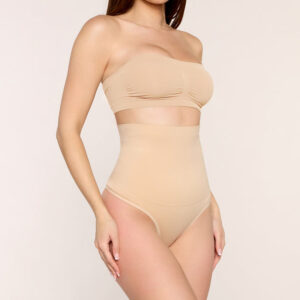
Check the lining and placement of sheer sections carefully to ensure the dress provides the level of coverage you prefer.

Denim Corset Dresses

Denim corset dresses offer a more casual interpretation of the trend. They may feature visible seams, fitted waist panels, front buttons or lace-up backs.

Style a denim corset mini dress with sneakers or ankle boots for daytime. Add heels and a leather jacket for an evening outfit.

Floral Corset Dresses

Floral corset dresses feel romantic and feminine. They are particularly popular for spring, summer, garden parties, holidays and daytime weddings.

Small floral prints create a soft, vintage mood, while larger prints feel bolder and more contemporary. Pair with sandals, block heels or espadrilles.

Milkmaid Corset Dresses

Milkmaid dresses often combine a fitted corset-inspired bodice with a sweetheart neckline, puff sleeves and a flowing skirt. They create a soft, romantic silhouette.

These dresses work well for brunches, holidays, garden events and casual celebrations. Style them with woven bags, delicate jewellery and simple sandals.
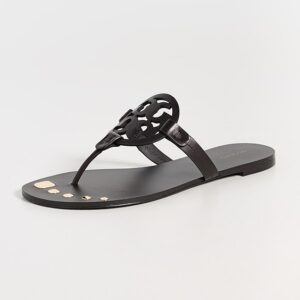
Victorian-Inspired Corset Dresses

Victorian-inspired corset dresses may feature high necklines, lace, dramatic sleeves, button details and longer skirts. They often have a theatrical or gothic quality.
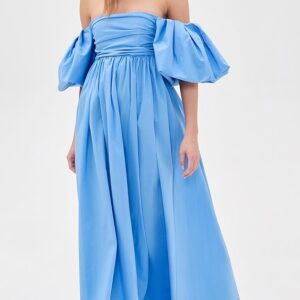
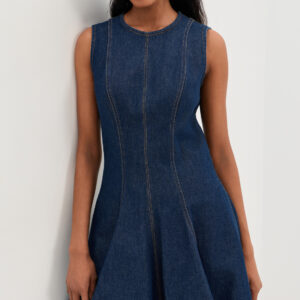
Black, burgundy, cream and deep green are common colours. Boots, structured handbags and vintage-inspired jewellery complement the style.

Gothic Corset Dresses

Gothic corset dresses often use black lace, velvet, satin, mesh and metal hardware. They may include lace-up fronts, dramatic sleeves or asymmetric hems.

Style them with platform boots, dark jewellery and a leather jacket for a bold evening look.

Blazer Corset Dresses

Blazer corset dresses combine tailoring with a sculpted waist. They may feature lapels, structured shoulders and a fitted or lace-up bodice.

This style can look polished and fashion-forward for cocktail events, dinners and parties. Pair it with pointed heels and a compact handbag.

Cut-Out Corset Dresses

Cut-out corset dresses use strategically placed openings around the waist, back or sides. The structured bodice helps keep the overall silhouette defined.

Because cut-outs already create a strong focal point, keep footwear and jewellery relatively simple.

How to Style a Corset Mini Dress

A corset mini dress is naturally bold, so the best styling approach is usually clean and balanced.

For a classic night-out outfit, wear a black corset mini dress with strappy heels, a small shoulder bag and fine earrings. Add a tailored blazer for extra coverage.

For a softer daytime look, choose a floral or cotton corset mini dress with sandals, a woven bag and understated jewellery.

For an edgier outfit, add chunky boots, sheer tights and a leather jacket.

How to Style a Corset Midi Dress

A corset midi dress can look elegant with minimal effort. Pair a fitted satin style with pointed heels and a structured clutch for a formal event.

For a wedding guest outfit, choose a softer colour such as sage, rose, navy or blue. Add block heels, delicate earrings and a lightweight wrap.

A cotton or floral corset midi dress can be dressed down with flat sandals, a crossbody bag and a cardigan.

How to Style a Corset Maxi Dress

A corset maxi dress already creates a strong silhouette, so accessories should support rather than compete with it.

Choose heels that provide enough height to prevent the hem from dragging. Keep jewellery refined and use a small evening bag.

For dramatic evening styling, add long earrings and a sleek hairstyle. For a softer look, choose loose waves and delicate accessories.

What Shoes Work with Corset Dresses?

Strappy Heels

Strappy heels are a natural match for satin, lace and formal corset dresses. They create a light, elegant finish without distracting from the bodice.

Pointed Pumps

Pointed pumps make corset dresses feel more polished. They work particularly well with midi dresses, blazer dresses and structured evening styles.

Block Heels

Block heels provide support and stability, making them suitable for outdoor events, weddings and long celebrations.

Ankle Boots

Ankle boots add contrast to romantic or feminine corset dresses. They work especially well with mini dresses, denim styles and darker colours.

Knee-High Boots

Knee-high boots create a striking autumn or winter outfit. Pair them with a corset mini dress, tights and a long coat.

White Sneakers

Clean sneakers can make cotton, denim or casual corset dresses feel more relaxed. This works best with simpler fabrics and less formal silhouettes.

Flat Sandals

Flat sandals suit floral, linen and cotton corset dresses. They are ideal for holidays, warm-weather outings and casual daytime events.

What Jacket Goes with a Corset Dress?

Tailored Blazer

A blazer adds structure and sophistication. Wear it open so the corset details remain visible.

Leather Jacket

A leather or faux leather jacket creates a stronger, edgier contrast with satin, lace and floral corset dresses.

Denim Jacket

A denim jacket helps dress down a cotton, floral or casual mini dress. Light denim works particularly well in spring and summer.

Cropped Cardigan

A cropped cardigan complements the defined waist without covering the shape of the dress. It is a good option for romantic and vintage-inspired styles.

Long Coat

A streamlined long coat adds warmth while preserving the elegance of the outfit. Camel, black, cream and grey are versatile choices.

Bolero or Shrug

A fitted bolero or shrug can provide light coverage without hiding the corset bodice. This works well for formal events and cooler evenings.

How to Accessorise a Corset Dress

The structured bodice should remain the main feature, so accessories are usually most effective when kept simple.

Suitable options include:

Open necklines can work with a delicate necklace, while high, asymmetric or heavily detailed necklines usually look better without one.

How to Style a Black Corset Dress

A black corset dress is versatile, dramatic and easy to accessorise. It can suit cocktail parties, formal dinners, birthdays and nights out.

For a sleek monochrome look, pair it with black heels, a black bag and silver or gold jewellery.

For added texture, introduce a satin clutch, crystal earrings or a leather jacket. Red shoes or a metallic handbag can create a bold contrast.

How to Style a White Corset Dress

A white corset dress creates a fresh, romantic look. It works well for bridal events, holidays, engagement celebrations and summer parties.

Pair it with nude sandals, gold jewellery and a woven or cream handbag for daytime. For evening, choose metallic heels and pearl or crystal earrings.

Avoid wearing a white corset dress to a wedding unless the dress code specifically allows white.

How to Style a Red Corset Dress

A red corset dress already makes a strong statement. Black, nude or metallic accessories are usually the easiest choices.

For a classic evening outfit, add black heels and a black clutch. For a softer result, choose nude shoes and fine gold jewellery.

Keep makeup balanced. A red lip can work, but neutral eyes and clean skin help prevent the outfit from feeling overdone.

How to Style a Pink Corset Dress

Soft pink corset dresses feel romantic and feminine, while hot pink versions create a bolder party look.

Pair blush and rose tones with nude, cream or metallic accessories. Bright pink works well with white, silver or black.

How to Style a Blue Corset Dress

Pale blue corset dresses suit spring events and daytime celebrations. Navy and royal blue feel more formal and work well for evening occasions.

Silver jewellery and cool-toned shoes complement blue, while nude accessories create a softer finish.

How to Style an Emerald Corset Dress

Emerald green corset dresses have a rich, elegant appearance. Pair them with gold jewellery, black heels or metallic sandals.

This colour is especially effective in satin, velvet and structured evening fabrics.

Corset Dress Ideas for Weddings

A corset dress can be suitable for a wedding guest outfit when the design matches the dress code and does not appear bridal.

Choose refined colours such as navy, sage, burgundy, blue, rose or emerald. Midi and maxi lengths are usually the easiest options for formal ceremonies.

Avoid white, ivory and pale champagne unless the couple has requested these colours. Also consider the level of exposure. Very short, sheer or extremely low-cut corset dresses may be better suited to parties than traditional ceremonies.

Corset Dresses for Cocktail Parties

Corset mini and midi dresses are ideal for cocktail events. Satin, lace, velvet and mesh can all work, depending on the season and venue.

Pair the dress with heels, a small clutch and one refined statement accessory. A sleek blazer can make the outfit feel more sophisticated.

Corset Dresses for Formal Events

For formal occasions, choose a midi or maxi dress with a structured bodice and polished fabric. Satin, crepe, velvet and embellished mesh are popular choices.

Keep the colour palette elegant and the accessories restrained. Long earrings, a compact clutch and refined heels are often enough.

Corset Dresses for Casual Daytime Wear

Not every corset dress needs to feel formal. Cotton, denim and floral styles can be worn during the day with simple accessories.

Pair a casual corset dress with sandals, sneakers or ankle boots. Add a denim jacket, cardigan or oversized shirt for a relaxed layered look.

What Bra Should You Wear with a Corset Dress?

Many corset dresses are designed to provide support through built-in cups and structured boning. However, the amount of support varies between garments.

Possible options include:

  • No bra, when the dress provides enough support
  • A strapless bra
  • Adhesive cups
  • A plunge bra
  • A convertible bra
  • Nipple covers
  • A sewn-in padded insert

Always try the dress with the intended undergarments before the event. Check that bra cups, straps and edges remain hidden.

What to Wear Under a Corset Dress

Seamless underwear helps create a smooth finish beneath fitted skirts. Nude tones are often less visible beneath pale fabrics.

Shapewear is optional. It may be useful beneath bodycon satin or jersey styles, but it should not interfere with the boning or compress the dress in an uncomfortable way.

For sheer corset dresses, consider a slip, bodysuit or matching underlayer. Make sure the lining remains smooth and does not bunch beneath the fitted bodice.

How Should a Corset Dress Fit?

A corset dress should feel secure and supportive without restricting breathing or movement. The bodice should sit close to the body, but it should not cause pain, numbness or excessive pressure.

Check that:

  • The cups sit correctly over the bust
  • The boning does not dig into the ribs
  • The neckline stays in place
  • The waist feels firm but comfortable
  • The back closure lies flat
  • You can sit, walk and breathe normally
  • The skirt does not pull or twist

If the dress has a lace-up back, adjust it gradually and evenly. It should shape the waist without being pulled so tightly that movement becomes uncomfortable.

Do Corset Dresses Suit Different Body Shapes?

Corset dresses can suit many body shapes because they are available in a wide range of bodice constructions, necklines and skirt silhouettes.

A fit-and-flare dress defines the waist and provides room through the skirt. A straight or bodycon style creates a more streamlined shape. A structured cup may offer support, while a soft corset bodice provides greater flexibility.

Wider straps and square necklines can provide extra support and coverage. Strapless and plunging styles create a bolder look. The most flattering option is the one that fits securely through the bust, waist and back.

Common Corset Dress Styling Mistakes

  • Choosing a dress that is too tight: A corset should shape the body without restricting breathing or movement.
  • Wearing the wrong cup size: Poorly fitted cups can gape, flatten or create visible lines.
  • Adding too many statement accessories: The structured bodice already creates a focal point.
  • Ignoring the dress length: Sit, bend and walk to make sure the hem remains comfortable.
  • Using unsuitable shapewear: Bulky shapewear can interfere with the bodice and create uneven pressure.
  • Overtightening a lace-up back: This can distort the dress and cause discomfort.
  • Choosing the wrong jacket shape: A bulky jacket can hide the waist and overwhelm the silhouette.
  • Forgetting to test movement: Raise your arms, sit down and walk before wearing the dress to an event.

How to Care for a Corset Dress

Corset dresses often contain boning, padding, lining and delicate fabric, so they require careful handling.

Always follow the care label. Many structured corset dresses should be dry cleaned, particularly when made from satin, lace, velvet or embellished fabric.

If hand washing is permitted, use cool water and a mild detergent. Do not twist or wring the bodice, as this may bend the boning or distort the cups.

Store the dress flat or on a supportive hanger. Avoid folding rigid boning sharply. A breathable garment bag can help protect delicate fabric from dust and snagging.

Use a steamer carefully on the skirt, but avoid applying high heat directly to boning, cups, lace or synthetic satin.

Final Thoughts

Corset dresses remain popular because they create shape, structure and visual impact in a single piece. They can be romantic in lace, glamorous in satin, casual in denim or dramatic in velvet and mesh.

The best corset dress is one that provides the right balance of support, comfort and style. Choose a neckline, skirt shape and level of structure that suit the occasion and allow you to move confidently.

With simple accessories and thoughtful styling, a corset dress can work for weddings, parties, formal events, holidays, dinners and casual daytime outfits.

Frequently Asked Questions About Corset Dresses

Are corset dresses still fashionable?

Yes. Corset-inspired shaping remains popular in mini, midi and maxi dresses. Modern versions range from romantic floral sundresses to structured evening gowns.

Can you wear a bra with a corset dress?

Yes, although many corset dresses include built-in support. Strapless, adhesive, plunge and convertible bras may work depending on the neckline and back.

Should a corset dress feel tight?

It should feel fitted and secure, but not painful or restrictive. You should be able to breathe, sit and move comfortably.

Can corset dresses be worn casually?

Yes. Choose cotton, denim or floral styles and pair them with sneakers, sandals, a cardigan or a denim jacket.

What jacket works best with a corset dress?

Tailored blazers, leather jackets, denim jackets, cropped cardigans and long coats can all work. Choose a shape that does not completely hide the defined waist.

What shoes look best with a corset dress?

Strappy heels, pumps, block heels, ankle boots, knee-high boots, sandals and sneakers can all suit corset dresses, depending on the fabric and occasion.

Can you wear a corset dress to a wedding?

Yes, provided the colour, length and level of exposure suit the dress code. Midi and maxi styles are usually the safest choices for formal weddings.

How do you keep a strapless corset dress in place?

Choose the correct size and look for internal boning, fitted cups and non-slip edging. Fashion tape can provide extra security when used carefully.

Do corset dresses work for larger busts?

They can, particularly when designed with wider straps, structured cups, strong boning and adjustable backs. Accurate sizing and proper bust support are important.

What jewellery should you wear with a corset dress?

Choose jewellery according to the neckline. Delicate necklaces work with open necklines, while statement earrings suit strapless, high-neck and asymmetric designs.