Your belt, handbag and footwear do not need to be made from exactly the same material. In fact, modern styling often looks more natural and sophisticated when accessories coordinate without matching perfectly.
A leather belt, suede handbag and polished ankle boots can work beautifully together when they share a similar colour, level of formality or overall mood. The aim is to create harmony rather than an identical set.
Worth a look
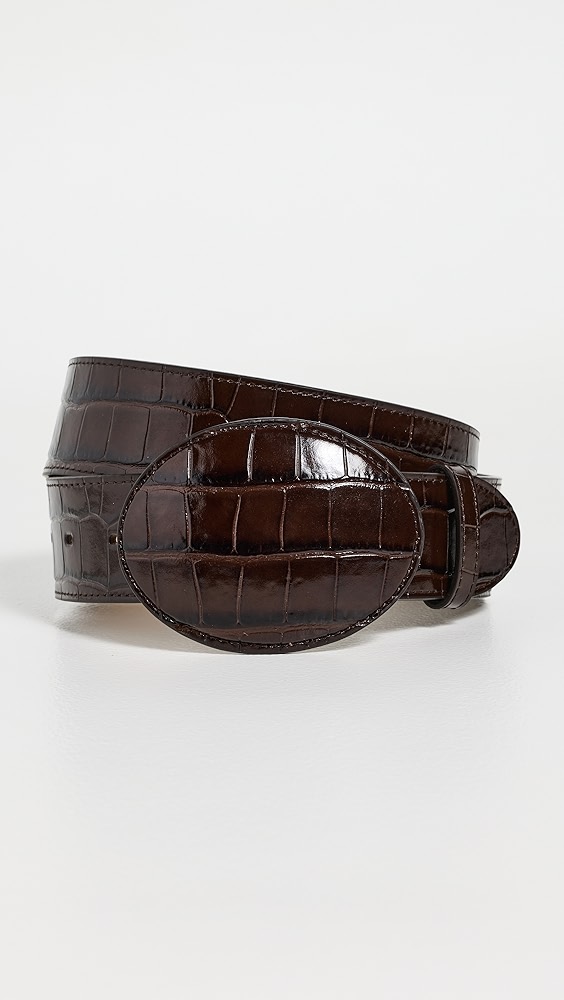
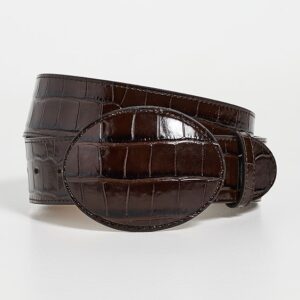
B-Low The Belt Mabel Belt B-Low The Belt Mabel Belt: Leather; Leather construction; Croc-embossed finish.
Writeups and reviews are our personal opinions. Follow through to the merchants site for more details.
Matching every accessory exactly can still look elegant, particularly for formal occasions, but it is no longer an essential fashion rule.
Matching Is Different from Coordinating
Matching means choosing accessories that are almost identical in colour, texture and material. Coordinating means selecting pieces that complement one another without being exactly the same.
For example, you might wear:
A tan leather belt
A darker brown suede handbag
Cognac leather loafers
Although these pieces do not match perfectly, they belong to the same warm colour family and create a cohesive outfit.
Coordination often looks more relaxed and contemporary because the accessories appear thoughtfully collected rather than purchased as a rigid set.
When Exact Matching Works Well
Exact matching can look polished in formal, professional and traditional settings.
A black leather belt, black leather handbag and black leather shoes can create a refined finish with a tailored suit, formal dress or conservative office outfit.
Matching accessories may be especially effective for:
Business meetings
Formal work environments
Weddings
Funerals
Traditional evening events
Classic monochrome outfits
Minimalist wardrobes
The result is clean and dependable, although it can sometimes appear overly controlled if every accessory is identical in colour, finish and design.
Why Mixing Materials Can Improve an Outfit
Mixing materials adds depth and visual interest. An outfit made entirely from one texture can appear flat, while contrasting leather, suede, woven fibres and fabric can make it feel more considered.
For example, a smooth leather belt can add structure to a soft knit dress, while a suede handbag introduces warmth and texture. Polished leather boots can then give the outfit a sharper finish.
The materials are different, but each accessory performs a separate styling role.
How to Mix Leather and Suede
Leather and suede are natural partners because they share a similar quality while offering different textures.
Try pairing:
A leather belt with a suede handbag
Suede ankle boots with a smooth leather crossbody bag
A suede belt with polished leather loafers
Leather shoes with a suede clutch
Keep the colours related if you want a subtle result. Tan, camel, chocolate brown, black and burgundy are easy to combine across leather and suede.
If the colours are very different, repeat one of them elsewhere in the outfit to make the combination feel intentional.
Can You Mix Matte and Glossy Leather?
Matte and glossy leather can be worn together, but the contrast should suit the occasion.
A matte leather belt can look elegant with polished loafers and a smooth handbag. Patent shoes can also work with a softer leather bag, particularly for evening wear.
Avoid combining too many highly reflective finishes at once. Patent shoes, a glossy belt and a metallic handbag may compete for attention unless the outfit is deliberately dramatic.
Does the Colour Need to Match?
The colours do not need to be identical. They simply need to work together.
You can coordinate accessories by choosing:
Different shades of the same colour
Warm neutrals together
Cool neutrals together
One neutral with one statement colour
Colours already present in the clothing
For example, dark brown shoes can be worn with a tan belt and cream handbag. Black shoes can work with a burgundy bag and black belt. White sneakers may be paired with almost any casual handbag.
Worth a look
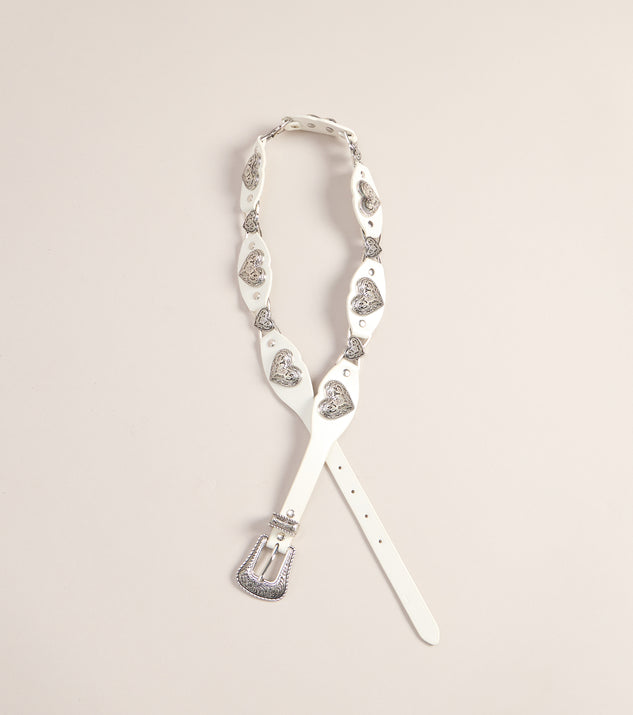
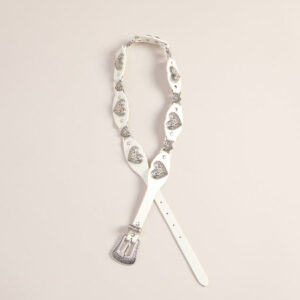
Windsor Wild Hearts Faux Leather Belt Western romance, but make it bold. This faux leather belt cinches the look with engraved heart concho accents, studded detailing, and an adjustable fit.
Writeups and reviews are our personal opinions. Follow through to the merchants site for more details.
Warm and Cool Colours
Accessories often look more cohesive when their colour undertones are compatible.
Warm colours include tan, camel, rust, cognac, olive and cream. Cool colours include charcoal, blue-grey, silver, navy and some shades of black.
A warm tan belt may feel disconnected from icy grey shoes and a silver handbag unless the clothing successfully brings those shades together.
However, mixing warm and cool tones can still work when one colour is repeated elsewhere in the outfit.
Should Your Belt Match Your Shoes?
Your belt and shoes do not have to match exactly, although this remains a useful guideline for formal dressing.
In a traditional business outfit, black shoes often look most polished with a black belt, while brown shoes usually work best with a brown belt.
For casual clothing, the rules are much more flexible. White sneakers can be worn with a tan belt, and brown ankle boots can work with a black belt when the outfit includes both colours.
The belt should feel connected to the shoes or clothing, but it does not need to be an exact replica.
Should Your Handbag Match Your Shoes?
Your handbag and shoes do not need to match. This old styling rule is now optional rather than compulsory.
A black handbag can be worn with tan shoes, while metallic heels can be paired with a cream, black or coloured clutch.
Instead of matching exactly, look for a relationship between the pieces. They may share:
A similar level of formality
Related colour tones
Comparable hardware
A repeated texture
A similar style mood
For example, casual woven sandals will usually work better with a relaxed leather or raffia bag than with a rigid patent-leather briefcase.
Should Your Belt Match Your Handbag?
A belt and handbag can coordinate without matching.
A black belt can be worn with a tan bag when black appears elsewhere in the outfit. A cream belt can work with a chocolate-brown handbag, while a woven belt can complement a leather tote.
Because the belt sits close to the clothing, it is often more important that it works with the trousers, skirt or dress than with the handbag.
Match the Level of Formality
The materials do not need to be identical, but their level of formality should usually feel compatible.
A polished leather belt, satin evening bag and refined heels can work together because all three pieces are elegant.
By contrast, a heavily worn canvas belt may look disconnected from patent pumps and a jewelled clutch.
Consider whether each accessory feels casual, smart-casual, professional or formal.
Matching Accessories for Formal Outfits
Formal clothing often benefits from more consistent accessories.
A cocktail dress may look polished with metallic heels, a metallic clutch and a narrow leather or satin belt in a related shade.
A tailored suit can be paired with a smooth leather belt, structured handbag and polished shoes. These pieces may differ slightly in texture, but they should all look refined.
Formal outfits generally require cleaner finishes and fewer competing materials.
Matching Accessories for Casual Outfits
Casual outfits offer much more freedom to mix colour and texture.
Jeans, a knit top and ankle boots can be styled with a leather belt and canvas tote. A summer dress may be paired with a woven belt, leather sandals and raffia handbag.
The relaxed nature of the clothing allows accessories to look collected rather than perfectly matched.
Matching Accessories for Work
For work, choose accessories that appear polished and practical.
A leather belt, suede loafers and structured leather-look tote can work together if the colours and formality are compatible.
In conservative workplaces, matching the belt and shoes creates a traditional professional finish. The handbag can then be in a coordinating neutral such as navy, burgundy, taupe or tan.
Avoid mixing accessories that are very casual, heavily distressed or visually distracting in formal office settings.
Matching Accessories with Dresses
Dresses often allow greater flexibility because the accessories do not need to coordinate with separate tops and trousers.
A floral dress can be worn with:
A tan leather belt
Cream sandals
A woven handbag
The materials are different, but the warm, natural colours create harmony.
A black knit dress may be styled with a suede belt, leather ankle boots and structured handbag. The variation in texture prevents the monochrome outfit from feeling flat.
Matching Accessories with Jeans
Jeans are one of the easiest garments to style with mixed accessories.
Try dark jeans with a brown leather belt, burgundy loafers and tan handbag. Alternatively, wear faded denim with white sneakers, a black belt and coloured crossbody bag.
Denim acts as a neutral background, allowing different materials and colours to work together more easily.
Matching Accessories with Bohemian Clothing
Bohemian outfits often look better when accessories are not perfectly matched.
Suede, woven fibres, leather, embroidery and natural textures can all be mixed successfully.
A flowing maxi dress might be styled with a braided leather belt, suede boots and embroidered handbag.
Keep the colour palette connected so the combination feels creative rather than chaotic.
Matching Accessories with Minimalist Clothing
Minimalist outfits often benefit from either exact matching or controlled contrast.
A black dress with black shoes, black belt and black bag creates a sleek monochrome effect. Alternatively, add one contrasting accessory, such as a cream bag or red shoes.
Because minimalist clothing has few decorative elements, the quality, texture and finish of accessories become more noticeable.
Matching Accessories with Romantic Clothing
Romantic outfits can combine delicate materials and soft colours.
A floral dress might be paired with a slim leather belt, suede shoes and a satin or quilted handbag.
Blush, cream, soft grey, nude and metallic shades work well together even when the materials differ.
Keeping the accessories light and refined helps preserve the feminine mood of the outfit.
Using Metallic Accessories
Metallic accessories do not need to match one another exactly.
Gold shoes can be worn with a champagne handbag and tan leather belt. Silver sandals may work with a grey bag and black belt.
Metallics often act like neutrals, particularly for evening wear. One or two metallic elements are usually enough.
If your jewellery is prominent, coordinating the handbag hardware with the jewellery can help bring the outfit together.
Worth a look
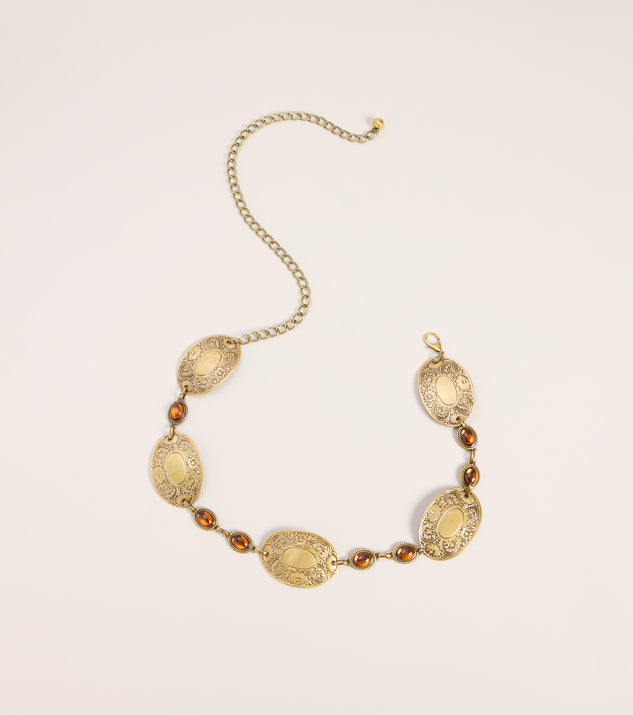
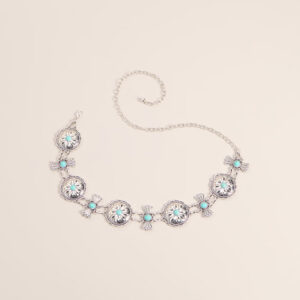
Windsor Vintage Finish Stone Concho Chain Belt The outfit needed one more detail, and this chain belt delivered. Floral-engraved concho accents and polished stone embellishments bring a vintage-inspired finish to scarves, denim, and fitted dresses.
Writeups and reviews are our personal opinions. Follow through to the merchants site for more details.
Mixing Hardware Colours
Handbags and belts often include gold, silver, bronze or black hardware. These metal finishes do not always need to match your jewellery or footwear details.
However, repeating one metal tone can make the outfit appear more polished.
For example, a handbag with gold hardware can be paired with gold earrings, while a belt with a silver buckle can connect with silver shoe details.
Mixed metals can also work when they appear deliberately repeated rather than accidental.
How Many Different Materials Can You Wear?
There is no strict limit, but two or three accessory textures are usually enough for a balanced outfit.
You might combine leather shoes, a suede belt and woven handbag. Adding patent leather, sequins, metallic chains and embroidery as well could make the outfit too busy.
If the clothing is simple, you can use more texture. If the clothing is already patterned or heavily detailed, keep the accessories restrained.
Use One Accessory as the Focal Point
When one accessory is bold, the others should usually be quieter.
A bright red handbag can be worn with a simple black belt and black shoes. Decorative boots may look best with a plain leather bag and understated belt.
This prevents the accessories from competing with one another.
Consider the Texture of Your Clothing
Your accessories should also work with the texture of the clothing.
Chunky knitwear looks attractive with smooth leather or suede. Linen clothing suits woven leather, raffia and natural finishes. Satin and silk work well with smooth leather, metallics and refined evening fabrics.
A heavily textured outfit may need simple accessories, while smooth minimalist clothing can support more decorative materials.
Monochrome Outfits and Mixed Materials
Mixing materials is particularly effective in a monochrome outfit.
An all-black outfit can include a matte leather belt, suede handbag and polished ankle boots. The different textures add depth while the shared colour keeps the look cohesive.
The same technique works with cream, brown, navy and grey outfits.
Can You Mix Black and Brown Accessories?
Black and brown can be worn together. The combination looks most successful when both colours appear elsewhere in the outfit.
Dark chocolate brown is especially easy to combine with black because both colours have a rich, neutral quality.
Can You Mix Different Shades of Brown?
Different shades of brown often look more interesting than an exact match.
Tan, cognac, camel and chocolate can be layered successfully because they belong to the same warm colour family.
A tan belt, cognac boots and dark brown handbag can create a sophisticated tonal look.
Try to maintain some contrast so the accessories do not appear as though they were intended to match but narrowly missed.
Common Accessory Matching Mistakes
Believing every accessory must be identical
Combining too many competing textures
Mixing casual and formal materials without intention
Choosing three different statement accessories
Ignoring the colours already present in the clothing
Using warm and cool shades that feel disconnected
Matching accessories so perfectly that the outfit appears dated
Wearing damaged or badly worn accessories with polished clothing
Forcing a belt into an outfit simply to match the shoes
Choosing appearance over comfort and practicality
Easy Accessory Combinations
Classic Professional Combination
Wear a black leather belt with black leather shoes and a structured burgundy handbag.
Warm Neutral Combination
Pair a tan leather belt with cognac boots and a chocolate-brown suede bag.
Casual Weekend Combination
Wear white sneakers with a brown belt and canvas or leather crossbody bag.
Summer Combination
Combine a woven belt, tan leather sandals and raffia handbag.
Romantic Combination
Pair nude shoes with a blush handbag and a slim cream belt.
Bohemian Combination
Wear suede boots with a braided leather belt and embroidered shoulder bag.
Evening Combination
Combine metallic heels with a satin clutch and narrow leather belt in a coordinating neutral.
Monochrome Combination
Wear black suede boots, a black leather belt and a black quilted handbag.
A Simple Rule for Coordinating Accessories
When deciding whether a belt, bag and shoes work together, consider three questions:
Do the colours complement one another?
Do the pieces have a similar level of formality?
Is one accessory clearly the focal point?
If the answer to these questions is yes, the materials do not need to match.
Your belt, handbag and shoes should look as though they belong in the same outfit, but they do not need to come from the same matching set.
Final Thoughts
It is not necessary for your belt, handbag and footwear to be made from the same material. Exact matching can look elegant, but coordinating different textures often creates a more modern and interesting outfit.
Use colour, formality and overall style to connect the accessories. Leather, suede, woven fibres, fabric and metallic finishes can all work together when the combination feels balanced.
Match more closely for formal or traditional occasions, and allow greater contrast for casual, bohemian and contemporary outfits.
The most important principle is harmony rather than perfection. When the accessories support the clothing and do not compete for attention, mixed materials can look polished, confident and completely intentional.
B-Low The Belt Mabel Belt B-Low The Belt Mabel Belt: Leather; Leather construction; Croc-embossed finish.
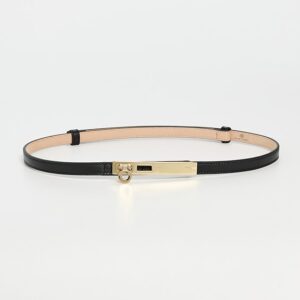
B-Low The Belt Neila Belt – Versatile Everyday Accessory B-Low The Belt Neila Belt – Versatile Everyday Accessory features Accessory silhouette, Colour and design as shown in the merchant listing. See the Shopbop listing for current sizing, availability, materials and product specifications.
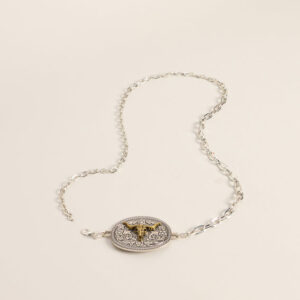
Windsor Wild West Longhorn Chain Belt A little western, a little unexpected, and exactly what your outfit was missing. This longhorn chain belt brings statement-making detail to denim, dresses, and layered looks with its engraved medallion and standout chain-link design.
Windsor Wild Hearts Faux Leather Belt Western romance, but make it bold. This faux leather belt cinches the look with engraved heart concho accents, studded detailing, and an adjustable fit.
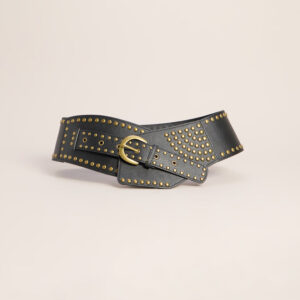
Windsor Waist Rules Studded Wide Belt Your outfit just found its finishing move. This wide, studded belt cinches the waist with bold hardware and an angled silhouette that makes dresses, skirts, and oversized layers look edgy.
Writeups and reviews are our personal opinions. Follow through to the merchants site for more details.
B-Low The Belt Mabel Belt B-Low The Belt Mabel Belt: Leather; Leather construction; Croc-embossed finish.
B-Low The Belt Neila Belt – Versatile Everyday Accessory B-Low The Belt Neila Belt – Versatile Everyday Accessory features Accessory silhouette, Colour and design as shown in the merchant listing. See the Shopbop listing for current sizing, availability, materials and product specifications.
Windsor Wild West Longhorn Chain Belt A little western, a little unexpected, and exactly what your outfit was missing. This longhorn chain belt brings statement-making detail to denim, dresses, and layered looks with its engraved medallion and standout chain-link design.
Windsor Wild Hearts Faux Leather Belt Western romance, but make it bold. This faux leather belt cinches the look with engraved heart concho accents, studded detailing, and an adjustable fit.
Windsor Waist Rules Studded Wide Belt Your outfit just found its finishing move. This wide, studded belt cinches the waist with bold hardware and an angled silhouette that makes dresses, skirts, and oversized layers look edgy.
Writeups and reviews are our personal opinions. Follow through to the merchants site for more details.
Popular Styles
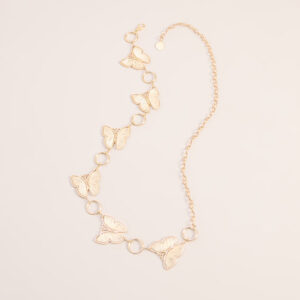
Windsor Trendy Charm Butterfly Chain-Link Belt Basic waistlines just got a plot twist. This butterfly chain-link belt mixes trendy accents with O-ring details for an adjustable finish that styles up denim, mini skirts, and sleek dresses.
Windsor Statement Swirl Concho Chain Belt The details understood the assignment. This swirl concho chain belt brings sculptural texture to denim, dresses, and skirts with an adjustable fit that keeps styling options open.
Windsor Statement Styling Stone Concho Chain Belt Statement styling starts here. This stone concho chain belt mixes bold round accents, sculpted bow details, and textured metalwork for a trendy finish over denim, dresses, and festival looks.
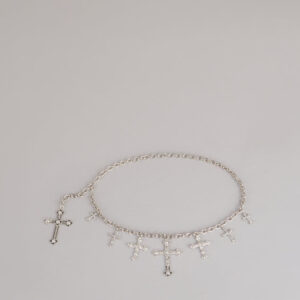
Windsor Sleek Edge Cross Charm Chain Belt A little edge, a little attitude—this cross charm chain belt does both without trying. Lightweight with just enough movement, it’s the kind of piece that pulls your whole look together in seconds.
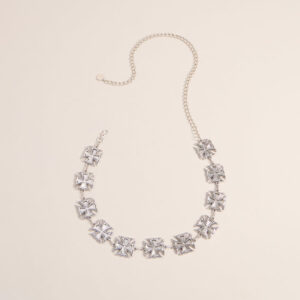
Windsor Silver Lining Iron Cross Belt The finishing touch that turns a good outfit into the one everyone remembers. Featuring bold iron cross charms and a statement chain design, this belt brings instant edge to every look.
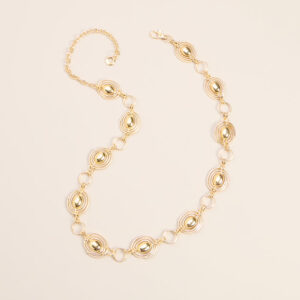
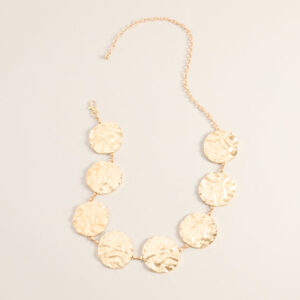
Windsor Sculpted Shine Disc Chain Belt Your outfit called, it wants more texture. This disc chain belt brings sculpted shine, an adjustable fit, and an easy statement finish that makes dresses, denim, and skirts feel instantly styled.
Writeups and reviews are our personal opinions. Follow through to the merchants site for more details.