Minimalist fashion is often described as simple, clean and uncluttered, but it is more than wearing plain clothes or limiting your wardrobe to black, white and beige.
At its best, minimalist fashion is a thoughtful approach to dressing. It focuses on well-chosen garments, useful colours, flattering shapes and clothing that can be worn repeatedly in different combinations.
Worth a look
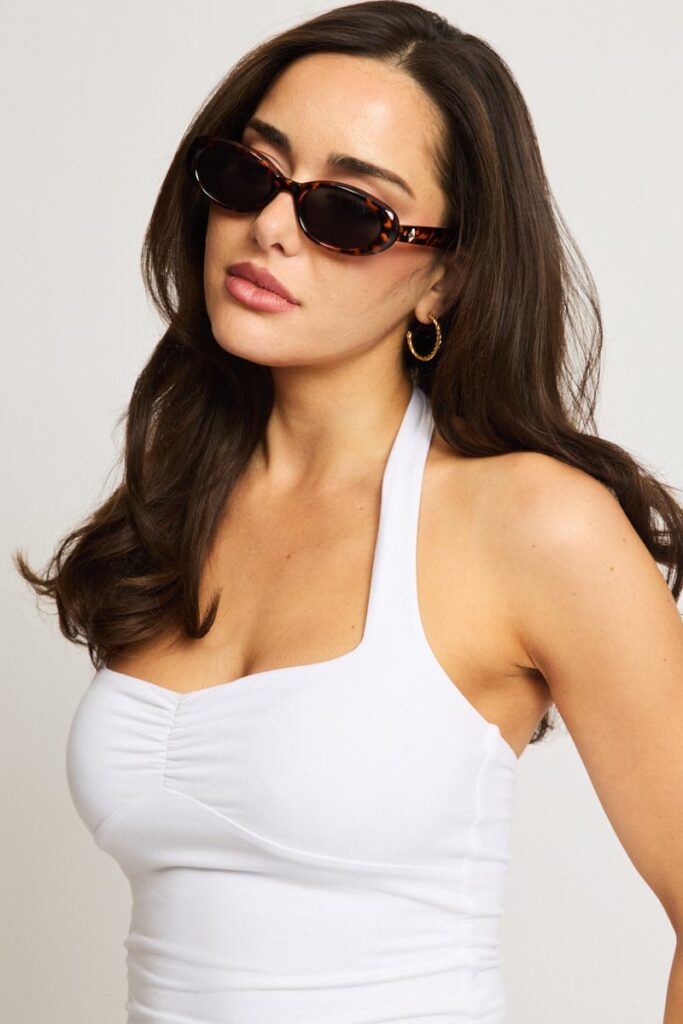
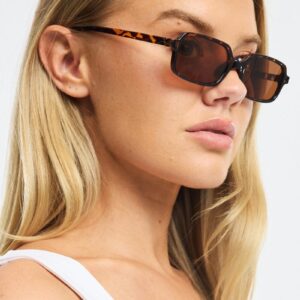
Ally Fashion Brown Animal Print Fashion Sunglasses Now on sale Ally Fashion Brown Animal Print Fashion Sunglasses. Found on the secure and trusted website allyfashion.com. Brown animal print fashion sunglasses feature a bold, textured frame pattern designed for shoppers seeking standout eyewear that adds instant personality to any outfit. Built as a reliable daily accessory, this versatile pair transitions smoothly from casual weekends to relaxed social gatherings.…
Writeups and reviews are our personal opinions. Follow through to the merchants site for more details.
The aim is not to remove personality from your wardrobe. It is to reduce unnecessary excess and give greater importance to fit, fabric, proportion and versatility.
What Is Minimalist Fashion?
Minimalist fashion is a style built around simplicity, quality and intentional choice.
A minimalist wardrobe usually contains clothing with:
Clean lines
Simple silhouettes
Limited decoration
Coordinated colours
Versatile shapes
Good-quality fabrics
Practical styling options
Minimalist clothing is often easy to combine. A plain shirt may work with jeans, tailored trousers, a skirt or layered beneath a blazer. A simple dress may be styled with sneakers during the day and heels for an evening event.
The focus is not on owning the fewest garments possible. It is on owning clothing that earns its place in your wardrobe.
Minimalist Fashion Is Not the Same as Boring Fashion
Minimalist fashion is sometimes misunderstood as dull, colourless or lacking imagination. In reality, a simple outfit can be visually strong when the proportions, texture and fit are right.
A crisp white shirt with black wide-leg trousers can look dramatic because of its shape and contrast. A monochrome cream outfit can feel luxurious when it combines knitwear, leather and structured tailoring.
Minimalism removes distraction, which means every detail becomes more noticeable. The cut of a jacket, the drape of a dress and the shape of a shoe all become important.
Where Did Minimalist Fashion Come From?
Minimalist fashion has been influenced by modern art, architecture and design movements that valued simplicity and function.
In clothing, designers began creating garments with fewer decorative elements and stronger emphasis on construction, shape and fabric.
Minimalism has appeared in many different forms over the decades. It can be sharp and architectural, soft and neutral, relaxed and practical or elegant and monochromatic.
Although trends change, the central idea remains the same: remove what is unnecessary and allow the quality of the design to speak for itself.
What Does a Minimalist Outfit Look Like?
A minimalist outfit usually contains a small number of clearly defined elements.
For example:
A plain T-shirt, straight-leg jeans and leather sneakers
The outfit may be simple, but it should still look deliberate. The clothes should fit properly, the colours should work together and the accessories should support the overall line.
The Importance of Clean Lines
Clean lines are one of the main features of minimalist fashion.
This usually means avoiding unnecessary ruffles, excessive embroidery, oversized logos and complicated layering. Garments are often shaped through tailoring, seams and proportion rather than decoration.
Examples of clean-lined clothing include:
Straight-leg trousers
Column dresses
Simple blazers
Structured coats
Plain button-up shirts
Unembellished knitwear
A-line skirts
Clean lines help create a polished appearance and make clothing easier to combine.
Minimalist Fashion and Colour
Neutral colours are strongly associated with minimalist fashion because they are versatile and easy to coordinate.
However, minimalist fashion does not require a colourless wardrobe. Red, cobalt blue, emerald green, burgundy and other strong colours can also be worn minimally.
The difference is often in how the colour is used. Instead of combining many competing shades, a minimalist outfit may feature one strong colour against a simple neutral background.
Can Prints Be Minimalist?
Prints can be part of minimalist fashion when they are restrained and easy to coordinate.
Simple stripes, checks, geometric patterns and low-contrast prints can work well. The print should not overpower the shape of the clothing.
A striped shirt with plain trousers, for example, can still feel minimalist. A black-and-white geometric dress with simple accessories may also fit the style.
Highly detailed floral prints, mixed patterns and heavily decorated fabrics are less typical, although they can still be included if the rest of the outfit is kept simple.
Why Fabric Matters So Much
When an outfit contains few decorative details, the fabric becomes more important.
Minimalist clothing often relies on texture and drape to create interest. Wool, cotton, linen, silk, denim, cashmere and quality knitwear can all add depth without requiring embellishment.
The colours may be similar, but the different textures prevent the outfit from looking flat.
Fit Is Essential
Minimalist fashion depends heavily on fit because there are fewer details to distract from poor proportions.
Clothing does not need to be tight. It should simply look intentional.
An oversized shirt can still be minimalist if the shoulders, sleeve length and overall shape are balanced. Wide-leg trousers can work beautifully when the waist fits well and the hem is the correct length.
Small alterations can make a major difference. Adjusting a sleeve, waist or hem may make a simple garment look far more expensive.
Minimalism Does Not Mean Everything Must Be Fitted
Minimalist fashion can include fitted, relaxed and oversized shapes.
The key is controlled proportion.
If the trousers are wide, the top may be fitted, tucked or cropped. If the shirt is oversized, the lower half may be straighter or more structured.
Two loose garments can still work together, but the fabric and line should appear deliberate rather than shapeless.
What Is a Minimalist Wardrobe?
A minimalist wardrobe contains clothing that works together easily and suits the wearer’s real lifestyle.
The exact pieces will vary. Someone working in a corporate office will need a different minimalist wardrobe from someone who works from home or lives in a warm climate.
Minimalism should support your life rather than force you into a standard list of clothing.
What Is a Capsule Wardrobe?
A capsule wardrobe is closely connected to minimalist fashion, but the terms are not identical.
A capsule wardrobe is a carefully selected collection of garments that can be mixed and matched. It may be organised by season, lifestyle or colour palette.
Minimalist fashion is a broader style and philosophy. You can dress minimally without having a strict capsule wardrobe, and you can create a colourful capsule wardrobe that is not visually minimalist.
Both approaches encourage thoughtful purchases and more useful clothing combinations.
Minimalist Fashion and Quality
Minimalist fashion often places more value on quality than quantity, but quality does not always mean expensive designer clothing.
A quality garment should:
Fit well
Hold its shape
Feel comfortable
Suit your lifestyle
Work with other pieces
Withstand regular wear
A moderately priced cotton shirt worn repeatedly may be more valuable than an expensive statement blouse that is difficult to style.
The goal is to buy more carefully, not necessarily to spend more.
Does Minimalist Fashion Mean Owning Very Few Clothes?
Not necessarily. Some people interpret minimalism as owning a very small number of garments, but that is only one version of the idea.
You can own a larger wardrobe and still dress minimally if your clothing is coordinated, useful and chosen with intention.
The important question is whether the clothes are worn and whether they support your lifestyle.
A minimalist wardrobe is not a competition to see who can own the least.
Worth a look
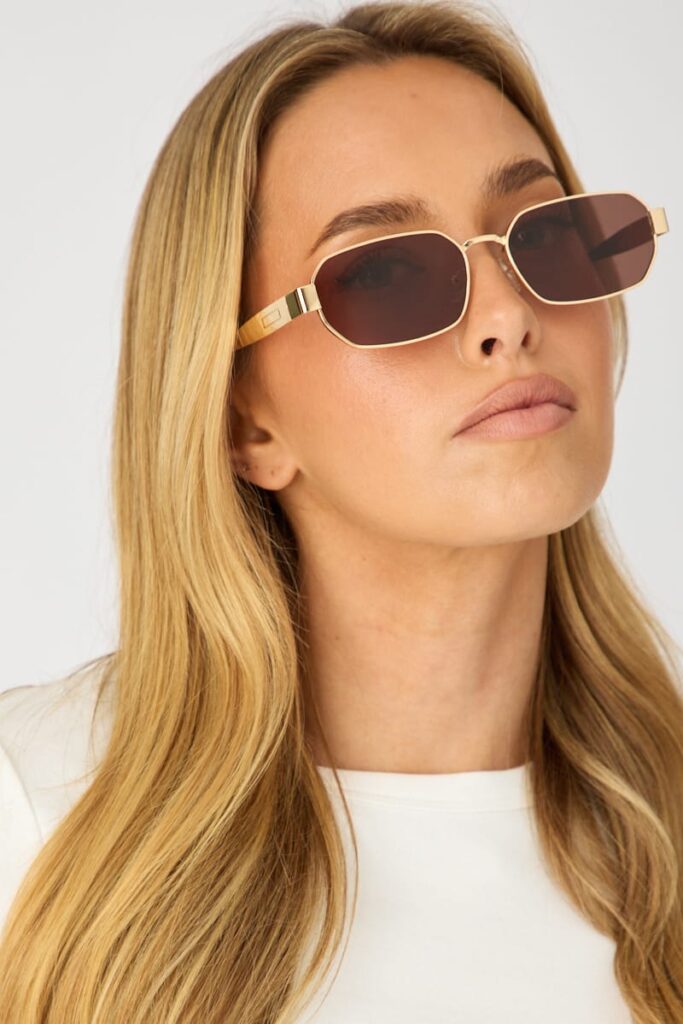
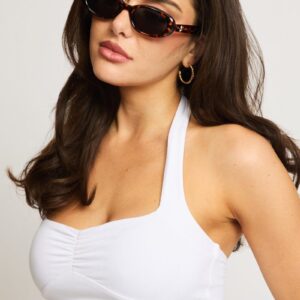
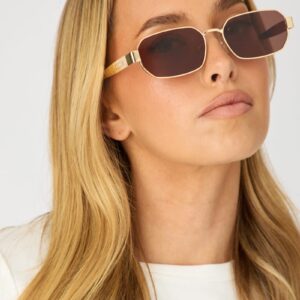
Brown Geometric Fashion Sunglasses | Ally Fashion Brown Geometric Fashion Sunglasses | Ally Fashion features Brown-tinted lenses, Thin gold-tone rims, Gold-tone bridge and temples. A practical choice for everyday styling and occasions where a finishing accessory can sharpen the overall look; check the merchant page for current sizing, availability and product details.
Writeups and reviews are our personal opinions. Follow through to the merchants site for more details.
Minimalist Fashion and Sustainability
Minimalist fashion can encourage more sustainable habits because it often involves buying fewer unnecessary garments and wearing existing clothing more often.
Choosing versatile pieces, repairing garments and avoiding impulsive trend purchases can reduce waste.
However, simply wearing neutral colours does not automatically make a wardrobe sustainable. The durability, production, care and frequency of wear all matter.
A wardrobe becomes more responsible when clothing is valued and used for as long as possible.
How to Begin Dressing More Minimally
You do not need to replace your entire wardrobe. Begin by identifying the clothing you already wear most frequently.
Ask yourself:
Which colours do I feel best in?
Which garments are easiest to combine?
Which outfits suit my daily life?
Which clothes fit me properly?
Which pieces do I repeatedly avoid?
Your answers will help reveal your personal version of minimalism.
Choose a Practical Colour Palette
A coordinated colour palette makes dressing easier.
Start with two or three base colours such as black, navy, cream, beige, grey or brown. Then add a few supporting colours that suit your complexion and personality.
For example, a wardrobe might use:
Navy
White
Camel
Soft blue
Burgundy
Because these shades work together, more outfit combinations become possible.
Use Monochrome Dressing
Monochrome dressing means wearing one colour or several shades of the same colour.
This is one of the easiest ways to create a minimalist outfit.
An all-black outfit can look sleek and dramatic. Cream and beige create a soft, luxurious effect, while navy and blue can feel calm and polished.
Mixing textures is important when wearing one colour. Combine knitwear, leather, denim, silk or tailoring to create depth.
Build Outfits Around Simple Foundations
Minimalist outfits often begin with uncomplicated basics.
Examples include:
Jeans and a plain T-shirt
Tailored trousers and a knit top
A simple dress
A white shirt and midi skirt
Black trousers and a sleeveless top
From there, add one structured layer, one polished accessory or one strong colour.
Minimalist Casual Style
Minimalist casual clothing is comfortable without looking careless.
Black leggings with a long shirt and structured coat
A knit dress with ankle boots
Keep the garments clean, well fitted and coordinated.
Minimalist Office Style
Minimalist fashion works particularly well in professional settings.
Tailored trousers, blazers, shirts, fine knitwear and simple dresses create a polished wardrobe without requiring excessive decoration.
Use neutral colours for versatility, then introduce personality through one accessory, a strong colour or an interesting shape.
A minimalist office outfit might include charcoal trousers, a cream blouse, black loafers and a structured leather bag.
Minimalist Evening Style
Minimalist evening dressing relies on silhouette, fabric and accessories.
A plain black dress can look striking with sculptural jewellery and elegant heels. Satin trousers with a simple fitted top can create a refined alternative to a dress.
Choose one focal point, such as:
A statement necklace
A strong shoulder line
A bold handbag
A dramatic shoe
A rich colour
The rest of the outfit should remain controlled.
Minimalist Summer Style
In summer, minimalist clothing may include linen dresses, cotton shirts, tailored shorts and simple sandals.
White, cream, tan, navy and soft earthy colours work especially well in warm weather.
Look for breathable fabrics and shapes that allow movement without excessive volume.
A sleeveless linen dress with flat leather sandals and a woven handbag is a simple but polished summer outfit.
Minimalist Winter Style
Winter minimalism is built around layering, texture and outerwear.
Try combining:
A turtleneck
Tailored trousers
A long wool coat
Leather ankle boots
A structured handbag
Use similar shades to create a long visual line, or introduce one contrasting piece such as a camel coat over black clothing.
Minimalist Accessories
Minimalist accessories usually have clean shapes and limited decoration.
Common choices include:
Simple hoop earrings
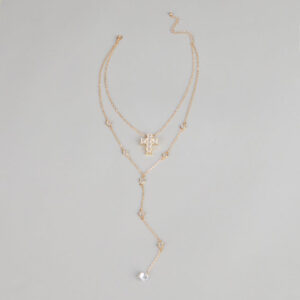
A fine necklace
A structured handbag
A classic watch
A plain leather belt
Clean sneakers
Loafers
Sleek ankle boots
However, minimalist clothing can also support one statement accessory. A bold ring, colourful bag or sculptural necklace can become the focal point against simple clothing.
Minimalist Handbags
A minimalist handbag usually has a simple shape, subtle hardware and limited branding.
Structured totes, clean crossbody bags, geometric shoulder bags and top-handle styles all work well.
Black, tan, cream, brown and burgundy are versatile, but a bright handbag can also be used as the only strong colour in the outfit.
Minimalist Footwear
Minimalist footwear tends to have clean lines and restrained detailing.
Useful options include:
White leather sneakers
Black loafers
Simple ankle boots
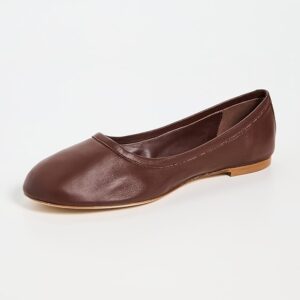
Plain ballet flats
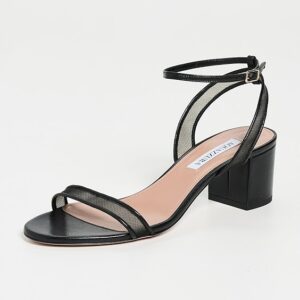
Minimal strappy sandals
Classic pumps
The shoes should complement the outfit without introducing unnecessary visual clutter.
Can Jewellery Be Minimalist?
Minimalist jewellery often includes fine chains, simple rings, small hoops and understated metalwork.
It is usually easy to layer and wear every day.
However, a minimalist outfit does not require delicate jewellery. A single large cuff or sculptural necklace can work beautifully when the clothing remains simple.
Minimalist Fashion for Different Body Shapes
Minimalist style is not limited to one body type.
The important principle is choosing shapes that flatter your proportions and feel comfortable.
For example:
Use belts or shaped tailoring to define the waist.
Choose vertical lines to create length.
Balance wide trousers with a more defined top.
Use structured jackets to create shape.
Select fabrics that skim rather than cling.
Minimalism should adapt to the wearer, not force everyone into the same silhouette.
Minimalist Fashion at Any Age
Minimalist fashion can be worn at any age because it is based on fit, quality and personal style rather than youth-focused trends.
Simple tailoring, good knitwear, elegant dresses and polished footwear can look modern and sophisticated throughout life.
There is no need to avoid colour, fitted clothing or fashionable shapes. Choose versions that suit your comfort and lifestyle.
Minimalism Versus Quiet Luxury
Minimalism and quiet luxury are related but not identical.
Minimalism focuses on simplicity and reduced visual clutter. Quiet luxury places greater emphasis on refined fabrics, subtle design and understated quality.
A minimalist outfit can be affordable and practical. Quiet luxury often imitates the look of expensive, discreet clothing.
Both styles favour clean lines and limited branding, but minimalist fashion does not require luxury materials or high prices.
Minimalism Versus Basic Dressing
Basic dressing means relying on simple everyday garments. Minimalist dressing is more deliberate.
A plain T-shirt and jeans may be basic, but they become minimalist when the fit, proportions, colours and accessories are carefully considered.
Minimalism is not simply the absence of detail. It is the presence of intention.
Common Minimalist Fashion Mistakes
Assuming minimalism means wearing only black
Buying bland clothing that does not suit your personality
Ignoring fit because the garment is simple
Choosing poor-quality fabric that quickly loses shape
Removing so much colour that the wardrobe feels lifeless
Owning too few practical garments for your lifestyle
Following capsule wardrobe lists that do not suit you
Confusing minimalism with never wearing accessories
Buying expensive basics without considering how often they will be worn
Keeping uncomfortable clothing simply because it looks minimalist
Minimalist Outfit Ideas
Casual Outfit
Wear straight-leg jeans with a white T-shirt, black blazer and leather sneakers.
Office Outfit
Pair navy tailored trousers with a cream knit, loafers and a structured handbag.
Weekend Outfit
Wear wide-leg linen trousers with a fitted tank top, flat sandals and a simple tote.
Winter Outfit
Combine a black turtleneck, charcoal trousers, long camel coat and ankle boots.
Summer Outfit
Style a plain linen midi dress with minimal sandals and a woven handbag.
Evening Outfit
Wear a simple black dress with sculptural earrings, heeled sandals and a small clutch.
Monochrome Outfit
Combine cream trousers, an ivory knit, beige coat and tan accessories.
Travel Outfit
Wear comfortable trousers, a plain T-shirt, cardigan, supportive sneakers and a secure crossbody bag.
How to Add Personality to Minimalist Fashion
Minimalism should never erase your individuality.
You can add personality through:
A favourite colour
An unusual handbag
A statement ring
A bold shoe
A strong coat
An interesting neckline
A distinctive pair of glasses
A signature scarf
Worth a look
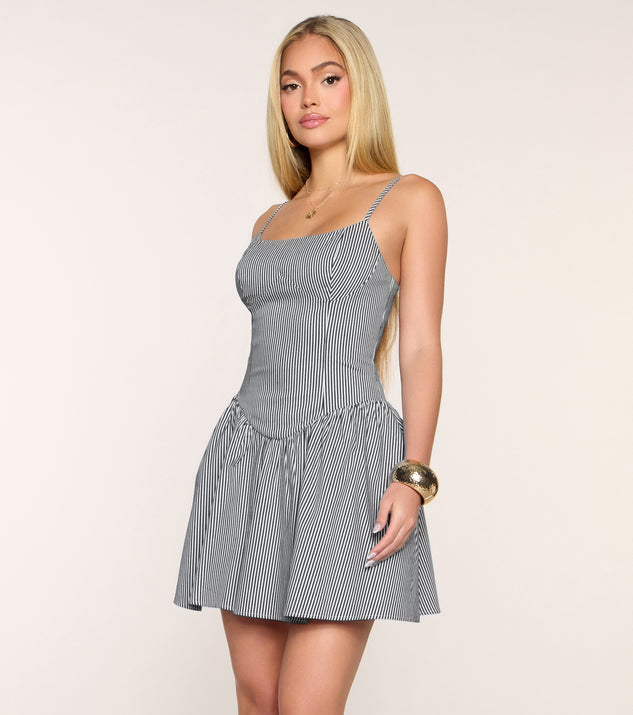
Windsor Polished But Fun Skater Mini Dress Windsor Polished But Fun Skater Mini Dress: Striped pattern, linen-like woven fabric; Square neckline, spaghetti straps; Hidden side pockets.
Writeups and reviews are our personal opinions. Follow through to the merchants site for more details.
The difference is that these details are used selectively rather than all at once.
A Simple Minimalist Styling Formula
Use this easy approach:
Choose one simple base outfit.
Use no more than two or three main colours.
Make sure the clothing fits properly.
Add one structured or polished element.
Choose one focal accessory if desired.
Remove anything that feels unnecessary.
Minimalist fashion is not about having less personality. It is about allowing the most important parts of your style to be seen more clearly.
Final Thoughts
Minimalist fashion is a thoughtful way of dressing that values simplicity, versatility and quality. It focuses on clothing that fits well, works together and suits the wearer’s real life.
It does not require an all-black wardrobe, expensive designer basics or a strict limit on how many garments you can own.
You can wear colour, prints, statement jewellery and fashionable silhouettes while still dressing minimally. The key is restraint, balance and intention.
Ultimately, minimalist fashion is about removing distraction and choosing clothing that feels useful, flattering and genuinely connected to your personal style.
Worth a look
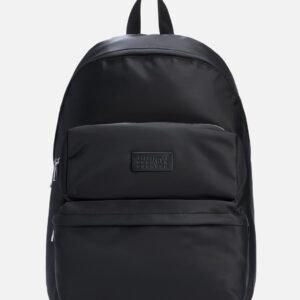
MM6 Maison Margiela Numeric Backpack minimalist nylon MM6 Maison Margiela Numeric Backpack minimalist nylon: Branding: logo leather patch on the front pocket; Straps: adjustable padded backpack straps; Closure: dual zip closure on the main compartment.
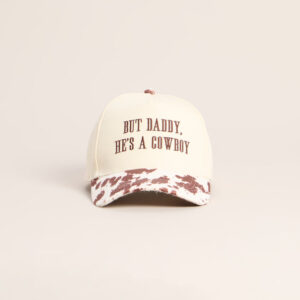
Windsor But Daddy, He's A Cowboy Trucker Hat This cheeky trucker hat pairs bold embroidered text with a cow print brim for concerts, country weekends, and every denim outfit in between.
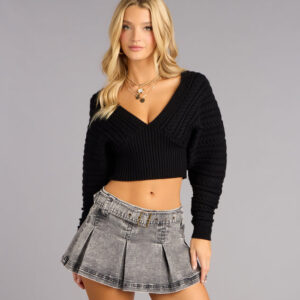
Windsor Off Duty But Polished Cable Knit Sweater Windsor Off Duty But Polished Cable Knit Sweater: V-neckline with ribbed trim; Long sleeves with relaxed volume; Soft knit fabric with cable texture.
Writeups and reviews are our personal opinions. Follow through to the merchants site for more details.
MM6 Maison Margiela Numeric Backpack minimalist nylon MM6 Maison Margiela Numeric Backpack minimalist nylon: Branding: logo leather patch on the front pocket; Straps: adjustable padded backpack straps; Closure: dual zip closure on the main compartment.
Windsor But Daddy, He's A Cowboy Trucker Hat This cheeky trucker hat pairs bold embroidered text with a cow print brim for concerts, country weekends, and every denim outfit in between.
Windsor Off Duty But Polished Cable Knit Sweater Windsor Off Duty But Polished Cable Knit Sweater: V-neckline with ribbed trim; Long sleeves with relaxed volume; Soft knit fabric with cable texture.
Writeups and reviews are our personal opinions. Follow through to the merchants site for more details.
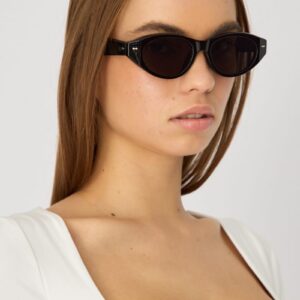
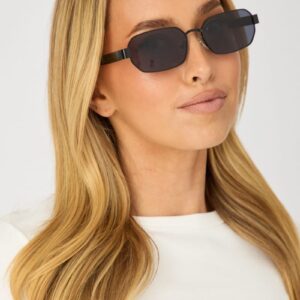
Ally Fashion Black Fashion Sunglasses – Fashion Eyewear Ally Fashion Black Fashion Sunglasses from Ally Fashion: a accessories style with practical fit, styling and buying notes. Check the merchant page for current details.
Ally Fashion Brown Animal Print Fashion Sunglasses Now on sale Ally Fashion Brown Animal Print Fashion Sunglasses. Found on the secure and trusted website allyfashion.com. Brown animal print fashion sunglasses feature a bold, textured frame pattern designed for shoppers seeking standout eyewear that adds instant personality to any outfit. Built as a reliable daily accessory, this versatile pair transitions smoothly from casual weekends to relaxed social gatherings.…
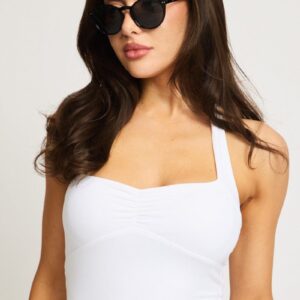
Ally Fashion Black Fashion Sunglasses Ally Fashion Black Fashion Sunglasses features Black colourway. A practical choice for everyday styling and occasions where a finishing accessory can sharpen the overall look; check the merchant page for current sizing, availability and product details.
Ally Fashion Black Fashion Sunglasses Ally Fashion Black Fashion Sunglasses features Black colourway. A practical choice for everyday styling and occasions where a finishing accessory can sharpen the overall look; check the merchant page for current sizing, availability and product details.
Brown Geometric Fashion Sunglasses | Ally Fashion Brown Geometric Fashion Sunglasses | Ally Fashion features Brown-tinted lenses, Thin gold-tone rims, Gold-tone bridge and temples. A practical choice for everyday styling and occasions where a finishing accessory can sharpen the overall look; check the merchant page for current sizing, availability and product details.
Writeups and reviews are our personal opinions. Follow through to the merchants site for more details.