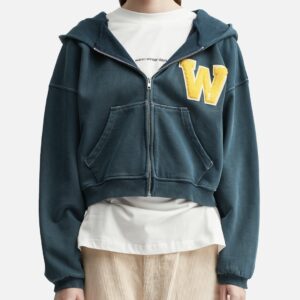
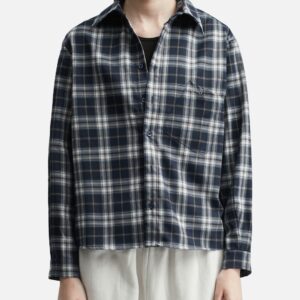
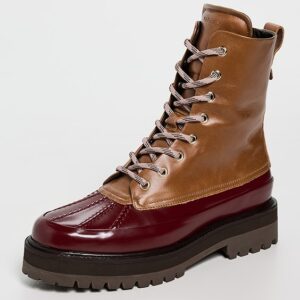
Dresses do not need to disappear from your wardrobe when the temperature drops. With suitable fabrics, thoughtful layers and weather-appropriate footwear, dresses can remain practical throughout winter.
A lightweight dress can be worn over a fine thermal top, a sleeveless style can be layered beneath a cardigan and coat, and a midi dress can be paired with tights and knee-high boots. Even summer dresses can work when they are combined with warmer textures and sufficient protection from wind and rain.
Worth a look
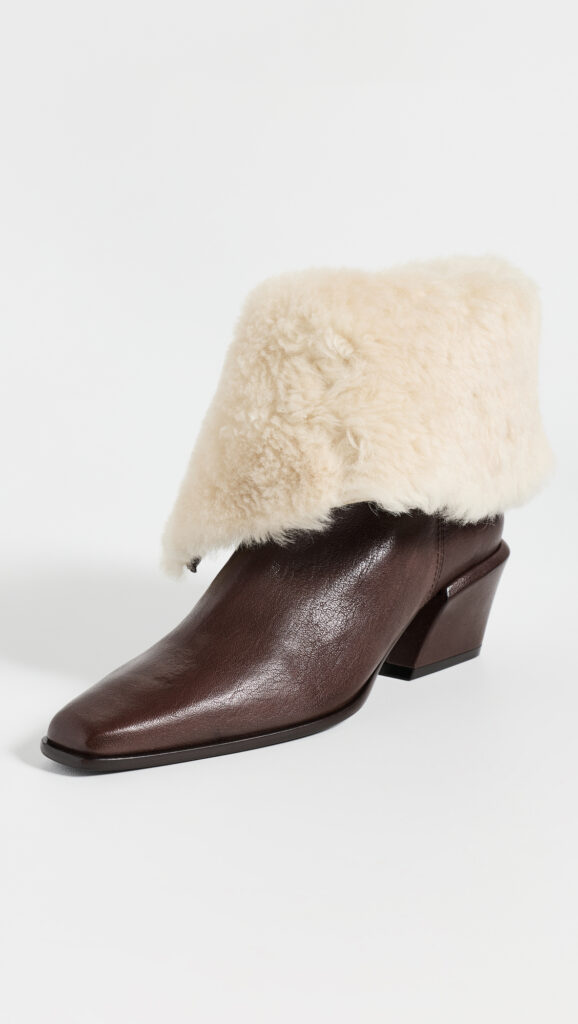
The key is to create warmth without overwhelming the dress. Rather than covering it beneath several bulky garments, use fitted base layers, suitable hosiery, insulating footwear and outerwear that complements the dress’s length and shape.
Can You Wear Dresses in Winter?
Dresses can be worn comfortably in winter when the outfit protects the areas most affected by cold.
This usually means adding:
- A warm base layer
- Tights or leggings
- Appropriate boots
- A cardigan, knit or jacket
- A coat suited to the conditions
- Winter accessories when needed
The level of insulation should reflect the climate, wind, rain and amount of time you will spend outdoors.
A winter outfit for a short journey between heated buildings will be different from one intended for prolonged outdoor activity.
Begin with the Right Dress
Some dresses are naturally easier to wear in cold weather than others.
Useful winter styles include:
- Knit dresses
- Long-sleeved dresses
- Midi dresses
- Maxi dresses
- Shirt dresses
- Wrap dresses
- Velvet dresses
- Denim dresses
- Jersey dresses
- Layer-friendly slip dresses
However, nearly any dress can be adapted if it has enough room for layering and works with winter footwear.
Choose Winter-Friendly Fabrics
Fabric has a strong influence on warmth, comfort and appearance.
Suitable winter dress fabrics include:
- Wool and wool blends
- Merino knit
- Dense jersey
- Ponte
- Velvet
- Corduroy
- Denim
- Heavy crepe
- Brushed cotton
- Thicker ribbed knit
A fabric does not need to be extremely heavy. A medium-weight dress combined with a thermal layer may be warmer and easier to style than one very bulky garment.
Lightweight Dresses Can Still Work
Chiffon, satin, viscose and lightweight cotton dresses can be worn in winter when layered correctly.
Use:
- A fitted thermal top underneath
- A warm cardigan or knit over the dress
- Opaque tights
- Knee-high boots
- A long coat
The contrast between a light dress and heavier winter textures can create a more interesting outfit than using only thick fabrics.
Use Thermal Base Layers
Thermal tops and leggings provide warmth without adding excessive visible bulk.
Wear a fitted thermal top beneath:
- Sleeveless dresses
- Slip dresses
- Short-sleeved dresses
- Shirt dresses
- Pinafore dresses
Choose a neckline that remains hidden or deliberately complements the dress.
A black thermal turtleneck beneath a sleeveless floral or slip dress can look like an intentional part of the outfit.
Choose Base Layers That Fit Smoothly
A base layer should sit close to the body without bunching around the shoulders, waist or sleeves.
Useful options include:
- Fine merino tops
- Stretch thermal tops
- Fitted long-sleeved T-shirts
- Lightweight turtlenecks
- Seamless bodysuits
A bulky base may distort the dress, especially around fitted sleeves or a close waistline.
Wear Tights for Warmth
Tights are one of the easiest ways to make dresses practical in winter.
Options include:
- Sheer tights
- Opaque tights
- Thermal tights
- Fleece-lined tights
- Wool-blend tights
- Textured tights
- Coloured tights
Choose the weight according to the temperature and formality of the outfit.
Black Tights Are Versatile
Black tights work with most winter dresses and footwear.
They pair particularly well with:
- Floral dresses
- Mini dresses
- Velvet dresses
- Black boots
- Loafers
- Pointed heels
Matching black tights with black shoes or boots can create a long, uninterrupted leg line.
Try Coloured or Textured Tights
Tights can become a deliberate styling feature rather than purely practical insulation.
Consider:
- Burgundy tights with a navy dress
- Charcoal tights with a grey outfit
- Chocolate tights with cream or camel
- Patterned tights with a simple black dress
- Ribbed tights with a knit mini dress
Keep the dress and accessories relatively simple when the hosiery is highly decorative.
Can You Wear Leggings Under a Dress?
Leggings can provide more warmth than ordinary tights, especially with casual dresses.
They work well beneath:
- Shirt dresses
- Sweater dresses
- Tunic dresses
- Casual mini dresses
- Denim dresses
Choose opaque leggings with a smooth waistband and pair them with boots or supportive sneakers.
For formal outfits, tights usually create a more polished finish.
Add a Slip for Extra Warmth
A slip creates an additional layer between the dress and skin.
It can also:
- Reduce static
- Prevent fabric from clinging to tights
- Improve coverage
- Help the dress fall smoothly
- Protect delicate fabric from perspiration
Choose a lightweight slip that remains hidden beneath the neckline and hem.
Layer a Turtleneck Under a Dress
A fine turtleneck is one of the most effective winter layering pieces.
Wear one under:
- A slip dress
- A sleeveless midi
- A pinafore dress
- A short-sleeved dress
- A square-neck dress
Black creates a strong graphic contrast, while cream, grey, burgundy and navy can produce a softer effect.
Layer a Shirt Under a Dress
A collared shirt can add warmth and structure beneath a sleeveless dress.
This works particularly well with:
- Pinafore dresses
- Simple A-line dresses
- Shift dresses
- Knitted sleeveless dresses
Choose a fitted shirt so the sleeves and torso do not bunch beneath the dress.
Layer Knitwear Over a Dress
Wearing a sweater over a dress can make the lower section appear like a skirt.
This works well with:
- Slip dresses
- Floral midis
- Satin dresses
- Tiered dresses
- Shirt dresses
Choose a cropped sweater or create a shorter shape by folding the hem inward.
Use a Cropped Sweater
A cropped sweater allows the waistline of the dress to remain visible.
It works especially well over:
- Fit-and-flare dresses
- Wrap dresses
- High-waisted skirt sections
- Slip dresses
The shorter knit helps preserve leg length and prevents the outfit from appearing overly layered.
Wear an Oversized Sweater Over a Dress
An oversized sweater can create a relaxed winter outfit, particularly when worn over a fitted or flowing midi dress.
Balance the volume with:
- Streamlined boots
- A defined hemline
- A small or structured bag
- Pushed-up sleeves
- A visible neckline
Avoid adding an equally bulky coat unless the weather requires it.
Layer a Cardigan Over a Dress
Cardigans provide warmth without completely hiding the dress.
Useful styles include:
- Cropped cardigans
- Fine fitted cardigans
- Long open cardigans
- Belted cardigans
- Chunky buttoned cardigans
A cropped cardigan suits dresses with defined waists, while a long open cardigan creates vertical lines over straighter silhouettes.
Button a Cardigan Over the Dress
A buttoned cardigan can function as part of the dress rather than simply an outer layer.
Choose a cardigan ending close to the natural waist or upper hip.
Add a belt if the combined outfit needs more definition.
Use a Belt Over Knitwear
A belt can restore shape when a cardigan or sweater is worn over a dress.
Choose:
- A slim leather belt
- A medium-width waist belt
- A tonal belt
- A simple buckle
A very wide belt may cause thick knitwear to bunch around the waist.
Wear a Blazer with a Winter Dress
A blazer adds structure and works well for offices, dinners and smart-casual events.
Wear one over:
- A knit midi dress
- A floral dress
- A slip dress
- A fitted mini dress
- A shirt dress
An oversized blazer creates contrast with a fitted dress, while a tailored blazer works well with flowing or softly shaped styles.
Wear a Leather Jacket with a Dress
A leather or leather-look jacket adds warmth and gives feminine dresses a stronger finish.
Try:
- A floral midi with a black biker jacket
- A knit dress with a cropped leather jacket
- A lace dress with ankle boots
- A satin dress with a moto jacket
Black creates the strongest contrast, while tan, burgundy or cream feels softer.
Wear a Denim Jacket in Mild Winter Weather
A denim jacket may be sufficient in mild climates or during warmer winter afternoons.
Layer it over knitwear or a thermal base when more warmth is needed.
A cropped denim jacket works well with fit-and-flare dresses, while an oversized version suits fitted and slip dresses.
Choose the Right Winter Coat
The coat should provide adequate warmth while working with the dress’s length and silhouette.
Useful options include:
- A long tailored coat
- A belted wrap coat
- A wool-blend coat
- A trench with warm layers underneath
- A puffer coat
- A faux-fur coat
- A structured pea coat
Long Coats with Dresses
A long coat provides excellent coverage and works particularly well with midi and maxi dresses.
Choose a coat that:
- Ends near or below the dress hem
- Closes comfortably over layers
- Allows free movement
- Has sufficient sleeve room
- Provides protection from wind
A coat ending close to the dress length creates a clean, cohesive line.
Short Coats with Dresses
Shorter coats work well with mini dresses and high-waisted silhouettes.
Try:
- A cropped puffer with a knit mini
- A pea coat with a shirt dress
- A short faux-fur jacket with an evening dress
- A leather jacket with a floral midi
Make sure the jacket does not end at an awkward point where it interrupts the dress’s shape.
Can You Wear a Puffer Coat with a Dress?
A puffer coat can be worn with dresses, particularly when warmth and weather protection are priorities.
Choose:
- A longline puffer over midi and maxi dresses
- A cropped puffer over mini or fitted dresses
- A belted puffer for greater waist definition
- A streamlined design for polished outfits
Keep the boots and handbag relatively clean in shape if the coat is very voluminous.
Choose Winter Boots Carefully
Boots provide warmth, grip and visual balance for winter dresses.
Useful options include:
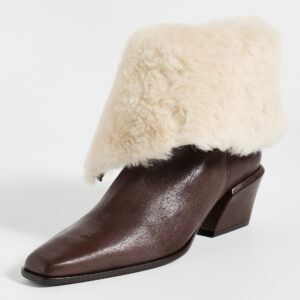
- Ankle boots
- Knee-high boots
- Over-the-knee boots
- Chelsea boots
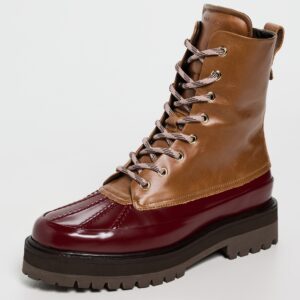
- Combat boots
- Heeled boots
- Weather-resistant boots
Ankle Boots with Dresses
Ankle boots work with mini, midi and maxi dresses.
Choose a streamlined boot for polished outfits or a chunkier design for casual and edgy looks.
A small gap between a midi hem and ankle boot can interrupt the leg line. This can be reduced by wearing tights in a similar colour to the boots.
Knee-High Boots with Dresses
Knee-high boots provide additional warmth and work particularly well with:
- Mini dresses
- Midi dresses
- Knit dresses
- Shirt dresses
- Wrap dresses
With midi dresses, the boot shaft can disappear beneath the hem, reducing exposed skin and creating a continuous line.
Over-the-Knee Boots with Dresses
Over-the-knee boots add warmth and drama to short dresses.
Pair them with:
- A knit mini dress
- A sweater dress
- A shirt dress
- An A-line mini
- An oversized blazer dress
Balance fitted boots with a slightly looser or more covered upper half.
Combat Boots with Dresses
Combat boots create a strong contrast with romantic and feminine dresses.
Try them with:
- Floral dresses
- Lace dresses
- Tiered midis
- Slip dresses
- Knit minis
Add a leather jacket, oversized blazer or long coat depending on the weather.
Can You Wear Sneakers with Winter Dresses?
Sneakers can work during dry, mild winter weather or for indoor-focused days.
Choose leather or coated sneakers rather than thin canvas when rain is likely.
Wear them with:
- Knit midi dresses
- Shirt dresses
- Casual maxis
- Sweater dresses
Add warm socks, tights and a long coat.
Wear Loafers with Tights
Loafers can be worn with winter dresses when temperatures are moderate.
Pair them with opaque tights, ribbed socks or thermal hosiery.
This combination works particularly well with:
- Shirt dresses
- Pinafore dresses
- Mini dresses
- Knitted A-line dresses
How to Wear a Knit Dress in Winter
Knit dresses are natural winter staples because they provide warmth while creating a complete outfit.
Style them with:
- Knee-high boots
- Ankle boots
- A long coat
- A structured blazer
- A belt
- Opaque tights
Choose a knit weight that provides warmth without clinging or losing shape.
Fitted Knit Dresses
A fitted knit dress creates a streamlined foundation for oversized or structured outerwear.
Add:
- An oversized blazer
- A long open coat
- Knee-high boots
- A structured handbag
- A long scarf
Choose seamless undergarments if the ribbing reveals lines.
Relaxed Knit Dresses
A loose sweater dress can be worn as a simple column or shaped with a belt.
Pair it with fitted boots and a structured coat to balance the relaxed silhouette.
How to Wear a Mini Dress in Winter
A mini dress can remain practical when the legs and upper body are adequately protected.
Add:
- Opaque or thermal tights
- Knee-high or over-the-knee boots
- A long coat
- A fitted turtleneck underneath
- A cardigan or blazer
The contrast between a short dress and long outerwear can create a balanced silhouette.
How to Wear a Midi Dress in Winter
Midi dresses are particularly versatile because they provide coverage without dragging near wet ground.
Wear them with:
- Knee-high boots beneath the hem
- Ankle boots and matching tights
- A fitted thermal underneath
- A long tailored coat
- A cardigan or cropped knit
A side split may require thicker tights or taller boots during very cold weather.
How to Wear a Maxi Dress in Winter
A maxi dress can provide substantial coverage but needs a practical hem.
Choose a length that remains clear of:
- Wet pavements
- Mud
- Snow
- Boot heels
- Stairs
Wear it with a fitted base layer, boots and a long coat.
Avoid very full, absorbent hems during persistent rain.
How to Wear a Shirt Dress in Winter
A shirt dress can be layered in several ways.
Try:
- A turtleneck underneath
- A fine cardigan over the top
- A knit vest
- A blazer
- Leggings and boots
- A belt and long coat
Choose a fabric with enough weight to sit smoothly over base layers.
How to Wear a Wrap Dress in Winter
A wrap dress offers adjustable waist definition and works well with tights and boots.
Add:
- A thermal camisole
- A fitted turtleneck underneath
- A cardigan
- A long coat
- Knee-high boots
Use a camisole or fashion tape where appropriate if the neckline opens in wind.
How to Wear a Slip Dress in Winter
A slip dress is one of the most adaptable pieces for winter layering.
Wear it:
- Over a fitted turtleneck
- Over a long-sleeved T-shirt
- Under a chunky sweater
- With an oversized blazer
- With a leather jacket
- With tights and boots
Satin creates an attractive contrast with knitwear, wool-like coats and leather.
How to Wear Floral Dresses in Winter
Floral prints can brighten winter wardrobes and create contrast with heavier textures.
Style a floral dress with:
- A leather jacket
- A dark cardigan
- Black tights
- Knee-high boots
- A camel or black coat
- A fitted turtleneck underneath
Dark-background florals naturally suit winter, but pale florals can also work with darker layers.
How to Wear Summer Dresses in Winter
Summer dresses can remain useful if their cut allows layers.
Add:
- A thermal top underneath
- A sweater over the dress
- Opaque tights
- Boots
- A cardigan
- A substantial coat
Thin straps, low backs and open sides may require additional base layers or a cardigan that remains in place.
How to Wear a Sleeveless Dress in Winter
A sleeveless dress can be layered over a:
- Turtleneck
- Fitted shirt
- Fine crew-neck top
- Thermal bodysuit
- Long-sleeved blouse
Alternatively, wear a cardigan, blazer or jacket over the dress and keep it on indoors if needed.
How to Wear Short-Sleeved Dresses in Winter
Short-sleeved dresses can be layered over a fitted long-sleeved top or worn beneath a cardigan and coat.
Make sure the underlayer’s sleeves fit smoothly and the neckline looks intentional.
How to Wear Velvet Dresses in Winter
Velvet is naturally suited to winter because of its rich texture and visual warmth.
Wear velvet dresses with:
- Sheer or opaque tights
- Pointed ankle boots
- Heeled knee-high boots
- A tailored coat
- Metallic jewellery
- A compact evening bag
Burgundy, navy, emerald, plum and black are particularly effective winter colours.
How to Wear Denim Dresses in Winter
Denim dresses provide structure and work well with fitted layers.
Try:
- A turtleneck beneath a denim pinafore
- A shirt dress with leggings
- A denim mini with tights and boots
- A cardigan over a belted denim dress
Dark denim usually creates a more polished winter appearance than heavily faded styles.
Winter Dresses for Work
Professional winter dress outfits should provide warmth without looking excessively layered.
Try:
- A knit midi dress with a blazer and knee-high boots
- A shirt dress with opaque tights and loafers
- A wrap dress with a cardigan and long coat
- A sleeveless dress over a fine turtleneck
- A ponte dress with ankle boots
Keep a blazer, cardigan or wrap at work if indoor heating varies.
Winter Dresses for Casual Days
For casual outfits, focus on washable fabrics and comfortable footwear.
Useful combinations include:
- A sweater dress with leggings and boots
- A floral midi with a denim jacket and ankle boots
- A shirt dress with sneakers and a puffer coat
- A knit mini with tights and combat boots
- A maxi dress with a cardigan and Chelsea boots
Winter Dresses for Date Nights
A winter date outfit should feel attractive without leaving you uncomfortable in the cold.
Try:
- A fitted knit midi with knee-high boots
- A velvet wrap dress with heeled ankle boots
- A satin slip dress over a turtleneck
- A mini dress with thermal tights and a long coat
- An off-the-shoulder knit dress with a warm outer layer
Choose footwear suitable for the route and weather conditions.
Winter Dresses for Parties
Winter parties allow richer fabrics, deeper colours and more dramatic accessories.
Consider:
- A velvet mini dress
- A long-sleeved sequin dress
- A satin midi with a faux-fur jacket
- A fitted knit dress with metallic accessories
- A black lace dress with opaque tights
Wear weather-appropriate shoes during the journey and change indoors if necessary.
Winter Wedding Guest Dresses
For winter weddings, choose fabrics and layers that look formal while providing adequate warmth.
Suitable options include:
- Velvet midi or maxi dresses
- Long-sleeved satin dresses
- Heavy crepe wrap dresses
- Jewel-toned gowns
- Floral dresses with dark backgrounds
- Structured long-sleeved midis
Add a tailored coat, elegant wrap or faux-fur jacket.
Avoid white, ivory and bridal-looking pale shades unless the dress code permits them.
Winter Evening Dresses
Evening dresses can be winterised through refined outerwear and hosiery.
Try:
- A long coat over a satin dress
- A velvet dress with sheer tights
- A slip dress with an evening jacket
- A long-sleeved gown with closed-toe heels
- A midi dress with heeled boots
A compact clutch and statement earrings can provide glamour without requiring several accessories.
Winter Travel Dresses
Dresses can be practical for winter travel when they are comfortable, layerable and easy to wear with supportive footwear.
Choose:
- Knit midi dresses
- Jersey dresses
- Shirt dresses
- Relaxed sweater dresses
- Wrinkle-resistant wrap dresses
Add leggings, a cardigan, boots and a packable coat.
Winter Dresses in Mild Climates
In mild winters, heavy coats and thermal tights may be unnecessary.
Use:
- Light knitwear
- Denim or leather jackets
- Sheer tights
- Ankle boots
- Loafers
- Trench coats
Layers should be easy to remove when afternoons become warmer.
Winter Dresses in Very Cold Climates
Severe cold requires practical insulation rather than purely decorative layers.
Use:
- Thermal tops and leggings
- Wool-blend or fleece-lined tights
- Insulated boots
- A long weatherproof coat
- Warm socks
- Gloves, scarves and hats
Choose dresses that allow enough room for these layers without restricting movement.
Winter Dresses in Rainy Weather
Rain requires additional attention to fabric, hem length and footwear.
Choose:
- Midi or shorter hems
- Water-resistant boots
- A raincoat or waterproof outer layer
- A secure handbag
- Quick-drying tights
Avoid long absorbent hems, delicate suede and shoes with slippery soles.
Winter Dresses in Snow
For snow, prioritise insulation and grip.
Wear:
- A warm base layer
- Thermal tights or leggings
- Insulated waterproof boots
- A long puffer or weatherproof coat
- Warm socks
- A scarf, gloves and hat
A shorter or midi dress is generally easier to manage than a floor-length hem.
Use Winter Colours
Winter dresses often look effective in rich, deep shades.
Consider:
- Burgundy
- Emerald
- Navy
- Charcoal
- Chocolate brown
- Plum
- Black
- Rust
- Deep red
These colours work naturally with boots, coats and textured accessories.
Light Colours Can Work in Winter
Winter dressing does not require a completely dark wardrobe.
Try:
- A cream knit dress with tan boots
- A pale blue dress with a grey coat
- A blush dress with burgundy accessories
- A white shirt dress with black tights
- A soft floral dress with a dark leather jacket
Use deeper footwear or outerwear to ground very light dresses.
Monochrome Winter Dress Outfits
A monochrome outfit can make multiple winter layers feel streamlined.
Try:
- A black dress, tights, boots and coat
- A cream knit dress with ivory outerwear
- A burgundy dress with plum accessories
- A grey dress with charcoal boots and coat
- A chocolate dress with brown leather accessories
Mix textures to prevent the outfit from appearing flat.
Use Scarves Without Overwhelming the Dress
A scarf provides warmth and can connect the coat to the dress.
Choose:
- A fine wool scarf
- A cashmere-like wrap
- A lightweight printed scarf
- A narrow knitted scarf
- A large blanket scarf for outdoor use
If the dress has a high or detailed neckline, keep the scarf simple or remove it indoors.
Choose the Right Winter Handbag
A structured or weather-resistant bag can add polish to layered dress outfits.
Useful options include:
- A leather shoulder bag
- A structured tote
- A compact crossbody
- A top-handle bag
- A secure nylon bag for rain
Very small bags may be impractical if you need to carry gloves, a scarf or spare hosiery.
Choose Jewellery That Works with Layers
Winter necklines and coats can hide delicate jewellery, so consider pieces with enough presence to remain visible.
Try:
- Statement earrings
- A pendant over a plain knit dress
- A sculptural ring
- A brooch on a coat or blazer
- A simple cuff
Avoid necklaces that become tangled in scarves or textured knitwear.
How to Keep Winter Dress Outfits from Looking Bulky
Use several thin, effective layers rather than stacking several oversized pieces.
Helpful techniques include:
- Choosing fitted thermal layers
- Using one main area of volume
- Wearing streamlined boots
- Keeping the waist visible where appropriate
- Using long vertical lines
- Selecting a coat with enough room
- Limiting bulky scarves and bags
How to Prevent Static
Dry winter air, synthetic linings and tights can cause dresses to cling.
Reduce static by:
- Wearing a slip
- Using suitable anti-static spray
- Moisturising dry skin
- Choosing breathable linings
- Using a humidifier at home
- Avoiding excessive synthetic layering
Always test products on an inconspicuous area of the fabric first.
How to Keep Feet Warm in Boots
Cold feet can make an otherwise suitable outfit uncomfortable.
Choose:
- Wool-blend socks
- Thermal socks
- Insulating insoles
- Boots with sufficient toe room
- Weatherproof footwear
Do not wear socks so thick that they restrict circulation or make the boots painfully tight.
How to Make Summer Dresses Look More Wintery
Add visual weight through:
- Dark tights
- Leather boots
- Chunky knitwear
- A long coat
- Deeper-coloured accessories
- A fitted turtleneck
One or two winter elements may be sufficient. The dress does not need to be hidden completely.
How to Keep Winter Dresses Looking Modern
Use contemporary proportions and restrained accessories.
Try:
- An oversized blazer with a fitted dress
- Combat boots with a floral midi
- A long puffer over a knit dress
- White boots with a dark mini dress
- A structured handbag with relaxed knitwear
Avoid combining every traditional winter accessory in one outfit unless the conditions require it.
Winter Dress Styling at Any Age
Dresses can be worn in winter at every age.
There is no age at which you must stop wearing:
- Mini dresses
- Knee-high boots
- Bright colours
- Fitted knit dresses
- Floral prints
- Leather jackets
- Statement tights
Choose warmth, fit and coverage according to your comfort rather than restrictive age rules.
Winter Dresses for Petite Figures
Petite wearers may prefer controlled layering and precise coat lengths.
Useful approaches include:
- Cropped jackets
- High waistlines
- Monochrome tights and boots
- Shorter sweaters
- Midi dresses with vertical lines
- Coats ending near the dress hem
Oversized outerwear can still work when the shoulders, sleeves and overall length are proportioned carefully.
Winter Dresses for Curvy Figures
Choose dresses and layers that fit comfortably through the bust, waist and hips.
Useful options include:
- Wrap dresses
- Ribbed knit dresses
- A-line midis
- Open coats
- V-neck knitwear
- Boots with adjustable calf widths
Avoid base layers that create pulling or restrict movement.
Winter Dresses for Pear-Shaped Figures
Defined shoulders, open necklines and cropped jackets can create balance.
A-line and fit-and-flare dresses work naturally with tights and boots.
Winter Dresses for Apple-Shaped Figures
Open coats, V-neck dresses and long vertical layers can create structure.
Choose soft waist definition rather than restrictive belts when comfort is the priority.
Winter Dresses for Straight Figures
Belts, ribbing, layered textures and cropped jackets can add dimension.
You can also embrace a long column silhouette through a knit midi and open coat.
Common Winter Dress Styling Mistakes
- Wearing a thin dress without an insulating base
- Using several bulky layers at once
- Choosing a coat that is too tight over knitwear
- Wearing boots with poor grip in wet conditions
- Allowing maxi hems to drag through rain or snow
- Choosing tights that are too light for the temperature
- Ignoring static and fabric cling
- Wearing thick socks that make boots too tight
- Leaving large gaps of exposed skin in severe cold
- Using a bulky sweater that hides the dress completely
- Choosing impractical evening shoes for the journey
- Assuming summer dresses cannot be layered
Winter Dress Outfit Ideas
Casual Winter Outfit
Wear a relaxed knit midi dress with opaque tights, Chelsea boots, a long coat and a crossbody bag.
Polished Work Outfit
Pair a ribbed dress with a blazer, knee-high boots and a structured tote.
Romantic Winter Outfit
Style a floral midi dress with a cream cardigan, black tights, ankle boots and a camel coat.
Edgy Winter Outfit
Wear a satin slip dress over a black turtleneck with combat boots, a leather jacket and silver jewellery.
Minimalist Winter Outfit
Choose a black column dress with black tights, streamlined boots and a long charcoal coat.
Bohemian Winter Outfit
Wear a printed maxi dress with a fitted thermal underneath, ankle boots, a suede-look jacket and a long coat.
Winter Date Outfit
Style a fitted burgundy knit dress with knee-high boots, a tailored coat and statement earrings.
Winter Party Outfit
Wear a velvet mini dress with sheer tights, heeled ankle boots and a faux-fur jacket.
Rainy Winter Outfit
Choose a jersey midi dress with thermal tights, waterproof Chelsea boots and a long raincoat.
Very Cold Winter Outfit
Layer a thermal top and leggings beneath a wool-blend dress, then add insulated boots, a long puffer, scarf and gloves.
A Simple Winter Dress Styling Formula
Use this method to create a warm and balanced outfit:
- Choose a dress suitable for layering.
- Add a fitted thermal base if needed.
- Select tights or leggings appropriate for the temperature.
- Wear boots or closed shoes with sufficient grip.
- Add one cardigan, knit, blazer or jacket.
- Finish with a coat suited to the weather.
- Use a scarf, gloves and hat when necessary.
- Make sure each layer allows comfortable movement.
Winter dress styling works best when warmth is built from fitted, practical layers rather than hiding the dress beneath excessive bulk.
Worth a look
Final Thoughts
Wearing dresses in winter is entirely practical when the outfit is adapted to the temperature and weather conditions.
Begin with a suitable dress or add warmth to a lighter style using fitted thermal tops, slips, tights and leggings. Knitwear, blazers, leather jackets and cardigans can create additional insulation without overwhelming the silhouette.
Choose boots that provide warmth and grip, and select a coat that closes comfortably over every layer. Long coats work particularly well with midi and maxi dresses, while cropped jackets can complement shorter hems and high waistlines.
Do not limit yourself to dark knit dresses. Floral prints, slip dresses, shirt dresses, velvet styles and summer dresses can all become part of a winter wardrobe through thoughtful layering.
The best winter dress outfit should look intentional while keeping you genuinely comfortable. When fabric, hosiery, footwear and outerwear work together, dresses can remain some of the most versatile pieces in your wardrobe throughout the coldest months.
Worth a look