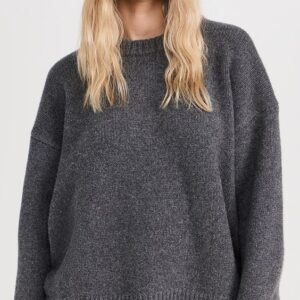
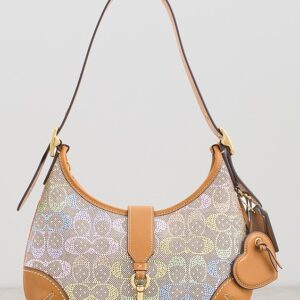
Your signature style is the recognisable combination of colours, silhouettes, fabrics and accessories that makes an outfit feel unmistakably yours. It is not a uniform that must be worn every day, and it does not require you to avoid trends or experimentation.
Instead, signature style provides a reliable foundation. It helps you understand which clothes make you feel confident, which purchases are genuinely useful and how to create outfits without beginning from nothing each morning.
Worth a look
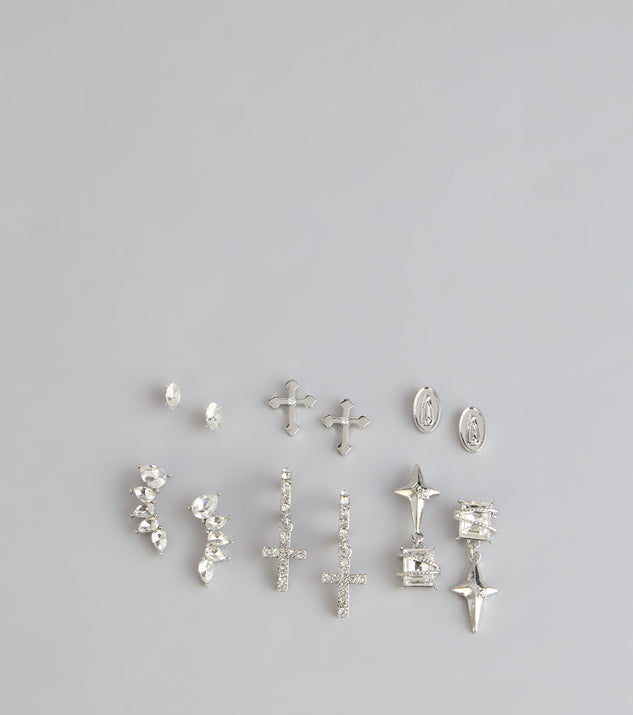
Windsor Switch Up Your Vibe Rhinestone Earrings Set Windsor Switch Up Your Vibe Rhinestone Earrings Set: Post-back closures; Six-pack earrings set mixed stud, drop, and hoop earring styles; Rhinestone embellishments, delicate charms.
Writeups and reviews are our personal opinions. Follow through to the merchants site for more details.
Some people are known for sharp tailoring, monochrome clothing or bold jewellery. Others repeatedly wear floral dresses, relaxed linen, colourful sneakers or structured handbags. Your signature may be subtle or dramatic, but it should reflect your personality, lifestyle and practical needs.
What Is a Signature Style?
A signature style is a collection of repeated fashion choices that create a consistent personal image.
It may include:
A preferred silhouette
A recognisable colour palette
A favourite type of footwear
A repeated accessory
A particular fabric or texture
A dependable outfit formula
A consistent level of formality
A distinctive mix of classic and fashionable pieces
For example, someone might regularly wear straight-leg jeans, crisp shirts, blazers and loafers. Another person may favour flowing midi dresses, ankle boots and statement earrings.
Both have a signature style because their choices create a recognisable pattern.
Why a Signature Style Is Useful
Developing a signature style can make dressing easier and more enjoyable.
It can help you:
Make quicker outfit decisions
Avoid unsuitable impulse purchases
Build a more coordinated wardrobe
Feel more confident in your clothing
Recognise which trends suit you
Spend money more carefully
Repeat successful outfits
Express your personality clearly
A signature style does not remove choice. It gives your choices direction.
Signature Style Is Not the Same as Wearing a Uniform
A uniform repeats almost the same garments every day. A signature style repeats certain ideas while allowing variety.
You might wear:
Tailored trousers one day and a blazer dress the next
White sneakers with jeans, skirts and dresses
Gold jewellery with many different outfits
Different shades within the same colour family
Several dress shapes that all define the waist
The clothing changes, but the overall mood remains recognisable.
Begin with Your Real Lifestyle
Your signature style should suit the life you actually live rather than an imagined version of it.
Consider how much time you spend:
At work
At home
Socialising
Travelling
Exercising
Attending formal events
Walking or commuting
Living in hot, cold or changing weather
If most of your week is casual, a wardrobe dominated by cocktail dresses and high heels will not be practical, even if you admire them.
You can still include glamorous pieces, but your signature style needs enough comfortable everyday clothing to support your routine.
Examine the Clothes You Already Wear
Your wardrobe probably already contains clues.
Look at the clothing you wear most often and ask:
Which pieces make me feel confident?
Which outfits receive the most compliments?
Which garments are comfortable all day?
Which colours do I repeatedly choose?
Which items are easiest to coordinate?
Which clothes do I miss when they are being washed?
Do not focus only on your most expensive or fashionable garments. The clothes you repeatedly choose often reveal your true preferences more accurately.
Identify Your Wardrobe Favourites
Select approximately ten pieces you genuinely enjoy wearing.
They might include:
A favourite blazer
Well-fitting jeans
A flattering dress
A comfortable pair of boots
A trusted handbag
A soft knit
A statement skirt
A crisp shirt
A favourite necklace
A practical coat
Place them together and look for similarities.
You may notice repeated colours, necklines, waistlines, fabrics or levels of structure. These details form the beginning of your signature style.
Study the Outfits You Avoid
The clothes you do not wear are equally informative.
Ask why certain garments remain untouched.
Common reasons include:
The fit is uncomfortable.
The colour does not feel flattering.
The fabric requires too much care.
The garment is difficult to coordinate.
The style feels too formal or too casual.
The neckline requires inconvenient underwear.
The shoes are painful.
The clothing does not suit your personality.
Understanding what does not work will help prevent similar purchases.
Choose Three Style Words
One useful way to define your style is to choose three words that describe how you want your clothing to look and feel.
Examples include:
Polished
Relaxed
Romantic
Modern
Playful
Minimalist
Bold
Classic
Edgy
Bohemian
Elegant
Practical
Your words should work together but do not need to be identical in mood.
For example:
Relaxed, polished and modern
Romantic, playful and feminine
Classic, practical and elegant
Bold, structured and artistic
Minimalist, comfortable and refined
Use these words when considering new clothing. A garment should usually connect with at least two of them.
Create a Personal Style Mood Board
A mood board can help turn vague preferences into a clear visual direction.
Collect images of:
Outfits you would realistically wear
Colours you repeatedly enjoy
Favourite shoe shapes
Interesting fabrics and textures
Handbags and jewellery
Hair and makeup ideas
Street style that feels achievable
You can use a digital board, saved photographs or printed images.
After collecting enough examples, look for repetition. If most images feature long coats, neutral trousers and sneakers, that pattern is more useful than one dramatic outfit you saved only because it looked impressive.
Separate Inspiration from Fantasy
It is normal to admire clothing that does not suit your lifestyle.
You may love dramatic ball gowns, theatrical boots or highly structured runway fashion without wanting to wear them regularly.
Ask:
Would I wear this in my ordinary week?
Would I feel comfortable leaving home in it?
Does it suit my climate?
Can I walk, sit and move in it?
Does it work with clothing I already own?
Inspiration becomes useful when it can be translated into realistic outfits.
A dramatic red gown may inspire you to add a red blouse, handbag or pair of shoes rather than buying formalwear you rarely use.
Find Your Best Silhouettes
Silhouette is the overall shape created by your clothing.
Try several proportions and notice which ones feel most natural.
You do not need to choose only one silhouette, but having two or three dependable shapes makes outfit building much easier.
Understand What Good Fit Means for You
Signature style depends on fit more than trends.
A garment should support the look you want without creating constant discomfort.
Check:
Shoulder placement
Sleeve length
Waist position
Rise and crotch fit
Trouser and dress hems
Neckline security
Movement while sitting and walking
Some people prefer clothing that follows the body, while others feel best in relaxed shapes. Neither is more stylish. The fit should look intentional and feel right for you.
Choose a Core Colour Palette
A consistent colour palette helps clothing work together, but it should not remove colours you enjoy.
Begin with a few dependable base colours, such as:
Then add signature colours that give the wardrobe personality.
These may include:
Red
Emerald
Cobalt blue
Burgundy
Pink
Lavender
Mustard
Turquoise
Your colours should make you feel energised and work with your existing clothing.
Your Signature Colour Does Not Need to Be Neutral
Some people are immediately associated with a bright colour. A red coat, green handbag or cobalt blouse can become part of a recognisable style.
A signature colour can appear in:
Outerwear
Footwear
Handbags
Jewellery
Prints
Scarves
Nail colour
Glasses frames
You do not need to wear it every day. Repeating it often enough creates continuity.
Decide How Much Print You Enjoy
Print can be central to a signature style or almost completely absent.
You may prefer:
Stripes
Florals
Checks
Polka dots
Animal prints
Abstract patterns
Geometric designs
If you enjoy prints, identify the ones you repeatedly choose. A wardrobe full of unrelated patterns may be difficult to coordinate, while recurring florals, stripes or leopard accents can become recognisable.
Use Texture to Create Identity
Texture can be as important as colour.
Repeated materials may include:
Velvet
Denim
Linen
Leather
Satin
Lace
Knitwear
Suede
Metallic fabric
A person who regularly combines denim, leather and cotton will create a different impression from someone who favours satin, lace and fine knits.
Texture adds personality even when the colour palette is simple.
Find Your Favourite Necklines
Necklines influence comfort, jewellery and the overall mood of an outfit.
You may repeatedly prefer:
V-necks
Square necklines
High necks
Off-the-shoulder styles
Sweetheart necklines
Halter necks
Cowl necklines
Classic shirt collars
Knowing which necklines feel secure and flattering will make shopping easier and reduce purchases that require difficult undergarments or constant adjustment.
Choose a Signature Accessory
An accessory is one of the easiest ways to make your style recognisable.
Tailored trousers, bodysuit and structured handbag
Outfit formulas remove much of the guesswork from dressing while still allowing colour, texture and accessories to change.
Photograph Successful Outfits
Photographs provide a more objective view than a quick glance in the mirror.
When an outfit works, take a photograph and record:
The garments worn
The footwear
The accessories
The occasion
How comfortable it felt
What you would change next time
After several weeks, patterns will become visible.
You may notice that your favourite outfits share similar waistlines, jacket lengths or colour combinations.
Keep a Style Diary
A simple style diary can help you understand your preferences more quickly.
Record which outfits made you feel:
Confident
Comfortable
Overdressed
Underprepared
Too restricted
More like yourself
This is especially useful when experimenting with new styles.
Repeat Outfits Without Apology
Repeating outfits is one of the fastest ways to develop a recognisable style.
Personal style is built through consistency, not constant novelty.
You can change a familiar outfit by switching:
The shoes
The handbag
The jacket
The jewellery
The belt
The colour combination
A reliable outfit deserves to be worn again.
Develop a Signature Style Without Buying More
You do not need an entirely new wardrobe.
Begin by reorganising what you already own.
Try:
Combining familiar pieces in new ways
Changing the proportions
Adding or removing a belt
Layering dresses over tops
Wearing dressy pieces casually
Repeating one accessory
Creating tonal outfits
Having useful garments altered
Clarity often comes from styling rather than shopping.
Shop with a Clear Purpose
Once you understand your style, shopping becomes more selective.
Before buying, ask:
Does this suit my lifestyle?
Does it work with at least three things I own?
Does it reflect my style words?
Is the fit correct?
Can I wear the required underwear and shoes comfortably?
Would I still like it without the trend surrounding it?
Will I realistically wear it within the next month?
A beautiful garment can still be the wrong purchase if it does not connect with your wardrobe.
Distinguish Between a Gap and a Distraction
A wardrobe gap is something practical that would improve several outfits. A distraction is a tempting item that creates no useful combinations.
A neutral blazer that completes multiple outfits may fill a gap. A dramatic top requiring special underwear, shoes and trousers may become a distraction.
This does not mean you should avoid statement pieces. It means they should be chosen intentionally.
Allow Trends to Support Your Style
You do not need to reject trends to maintain a signature style.
Select trends that already connect with your preferences.
For example:
If you love tailoring, try a new blazer shape.
If you wear sneakers, experiment with a retro style.
If you favour florals, choose a fashionable colour palette.
If you enjoy metallic clothing, add a current skirt silhouette.
If you wear denim often, try a new leg shape.
The trend should enter your style rather than replace it.
Do Not Copy Another Person Completely
Style inspiration is useful, but direct copying can feel unnatural.
A celebrity, friend or online creator may have a different lifestyle, climate, budget and body proportions.
Instead of copying the entire outfit, identify what attracts you.
It may be:
The colour combination
The layering
The accessories
The balance of fitted and loose pieces
The mixture of formal and casual clothing
Translate the idea into garments that suit you.
Use Alterations to Strengthen Your Style
Small tailoring adjustments can turn ordinary clothing into signature pieces.
Useful alterations include:
Shortening sleeves
Adjusting trouser hems
Taking in a waist
Changing buttons
Improving shoulder fit
Shortening straps
Removing unnecessary decoration
Well-fitting clothing creates a more consistent image than garments chosen only because they are fashionable.
Create a Recognisable Outerwear Style
Outerwear is often the first part of an outfit people see.
You may develop a signature through:
Long tailored coats
Leather jackets
Oversized blazers
Trench coats
Denim jackets
Colourful coats
Short cropped jackets
A distinctive coat or jacket can connect many different outfits.
Develop a Consistent Jewellery Approach
You might prefer delicate jewellery, strong sculptural pieces or layered combinations.
Consider whether you repeatedly choose:
Gold or silver
Mixed metals
Minimal chains
Statement earrings
Large rings
Pearls
Colourful stones
Consistency in scale and metal tone can make different outfits feel connected.
Consider Hair and Makeup
Signature style is not limited to clothing.
A repeated hairstyle, lipstick colour, glasses frame or nail colour can become part of your overall image.
This does not mean your appearance must remain unchanged. These details simply create continuity.
Signature Style for a Minimalist Wardrobe
Minimalist signature style often relies on fit, fabric and proportion.
Possible elements include:
Monochrome outfits
Clean tailoring
Simple leather sneakers
Structured handbags
Limited jewellery
Neutral colours
Strong outerwear
One unusual accessory or signature colour can prevent the wardrobe from feeling impersonal.
Signature Style for a Romantic Wardrobe
A romantic signature style may include:
Lace
Soft florals
Defined waists
Flowing skirts
Delicate jewellery
Pastel or jewel-toned colours
Sweetheart or square necklines
Modern accessories such as ankle boots, structured bags or blazers can prevent the look from becoming overly sweet.
Signature Style for a Classic Wardrobe
Classic style may be built around:
Tailored trousers
Blazers
White shirts
Trench coats
Loafers
Simple dresses
Leather handbags
Personalise the look through colour, jewellery, prints or an unexpected shoe.
Signature Style for a Bold Wardrobe
Bold style may use:
Bright colour combinations
Metallic fabrics
Animal prints
Statement jewellery
Strong shoulders
Platform footwear
Unusual handbags
Choose one or two repeated themes so bold pieces feel connected rather than random.
Signature Style for a Casual Wardrobe
Casual style can still be distinctive.
Your signature might include:
Straight-leg jeans
Graphic T-shirts
White sneakers
Oversized shirts
Denim jackets
Crossbody bags
Simple hoop earrings
Fit, colour and accessories prevent casual clothing from looking careless.
Signature Style for a Bohemian Wardrobe
A bohemian style may use:
Flowing dresses
Earthy colours
Embroidery
Suede boots
Natural jewellery
Woven handbags
Layered textures
Choose a few recurring elements rather than wearing every bohemian detail at once.
Signature Style at Any Age
Your style can continue developing throughout life.
There is no age at which you must stop wearing:
Bright colours
Mini skirts
Sneakers
Metallic clothing
Statement jewellery
Leather jackets
Fashionable silhouettes
Fit, comfort and personal relevance matter more than age-based rules.
Your signature style may become clearer with experience because you understand your preferences more confidently.
Allow Your Style to Change
A signature style should not trap you in the past.
Your lifestyle, body, work, climate and interests may change. Your clothing should be allowed to change with them.
Review your style when:
You begin a new job
You move to a different climate
Your daily routine changes
Your body changes
Your old clothes no longer feel comfortable
Your preferences begin to shift
Evolution does not mean you never had a signature style. It means your style remains relevant.
Common Mistakes When Developing a Signature Style
Buying an entirely new wardrobe too quickly
Copying someone else’s style exactly
Choosing style words that do not suit your lifestyle
Forcing yourself into one narrow fashion category
Ignoring comfort
Keeping clothing that no longer fits
Confusing expensive clothing with personal style
Following every trend
Avoiding outfit repetition
Choosing a signature accessory you do not enjoy wearing
Focusing only on appearance and ignoring practicality
Refusing to let your style evolve
Questions to Ask Before Buying Clothing
Does this feel like me?
Would I wear it next week?
Can I create at least three outfits with it?
Does it suit my preferred silhouette?
Does the colour work with my wardrobe?
Is it comfortable while sitting and moving?
Does it support my style words?
Am I buying it because I love it or because it is fashionable?
Signature Style Outfit Examples
Polished Casual
Wear straight-leg jeans with a fitted T-shirt, blazer, clean sneakers and a structured handbag.
Romantic Modern
Pair a floral midi dress with ankle boots, a leather jacket and delicate earrings.
Minimalist Evening
Wear a black column dress with sculptural jewellery, pointed heels and a simple clutch.
Bold Daywear
Style colourful trousers with a plain knit, metallic sneakers and a statement ring.
Pair tailored trousers with a white shirt, loafers, a trench coat and a leather tote.
Edgy Feminine
Wear a lace or tiered mini dress with chunky boots, an oversized blazer and a structured handbag.
Signature Metallic Look
Pair a metallic maxi skirt with a fitted black top, ankle boots and one bold ring.
A Simple Seven-Step Method
Use this process to begin defining your signature style:
List the activities that make up your real week.
Select ten favourite wardrobe pieces.
Choose three words that describe your ideal style.
Identify your best colours and silhouettes.
Create two or three repeatable outfit formulas.
Choose one signature accessory or footwear category.
Photograph your successful outfits and adjust over time.
Your signature style is not created by wearing the same outfit every day. It develops when your clothing repeatedly reflects your personality, priorities and way of life.
Worth a look
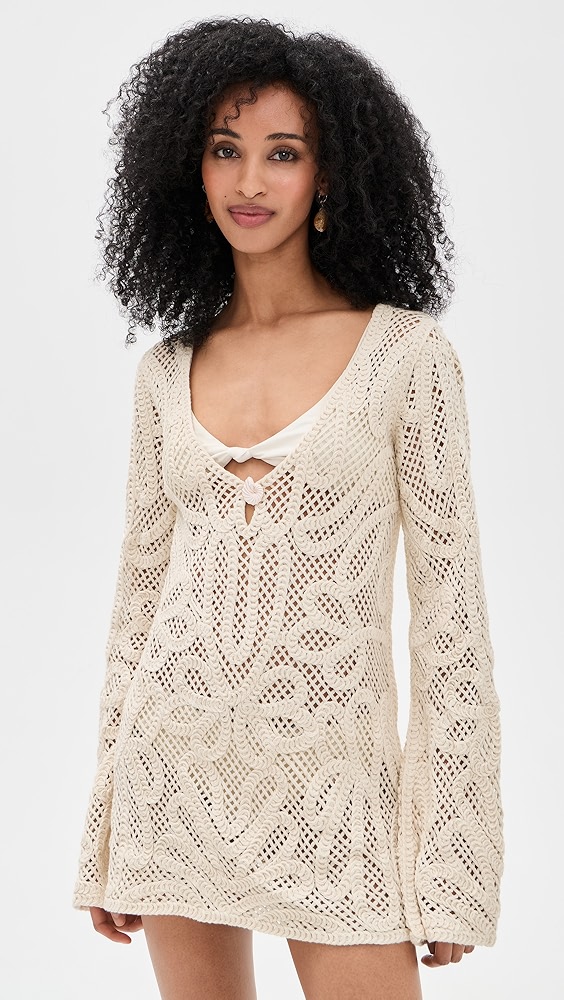
Show Me Your Mumu Anywhere Mini Dress Show Me Your Mumu Anywhere Mini Dress: Fabric: Mid-weight stretch crochet; Shell: 100% cotton; Faux shell pendant with enamel trim at front.
Writeups and reviews are our personal opinions. Follow through to the merchants site for more details.
Final Thoughts
Finding your signature style is a process of observation rather than reinvention. Begin with the clothes you already enjoy, the colours you repeatedly choose and the outfits that make you feel most confident.
Define a few guiding style words, identify your strongest silhouettes and create outfit formulas that suit your real routine.
Use trends selectively, repeat successful outfits and allow accessories, footwear and colour to create a recognisable personal image.
Your signature style does not need to fit perfectly into a label such as minimalist, classic or bohemian. It can combine several influences in a way that feels natural to you.
The goal is not to make every outfit identical. It is to create enough consistency that getting dressed feels easier and your clothing feels genuinely connected to who you are.
Worth a look
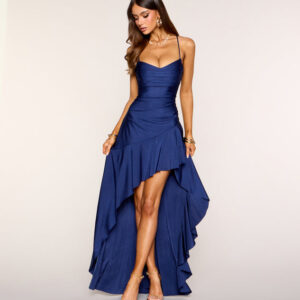
Windsor Find Me Dancing Ruffle High Low Dress This dress knows exactly where to add the drama. A strappy cross-back and draped neckline keep the top sleek, while the ruffled high-low hem brings more movement through the skirt. Perfect for homecoming, wedding guest looks, and any…
Windsor Signature Vibe Square Sunglasses Windsor Signature Vibe Square Sunglasses: Adjustable rubber nose pads for customized comfort; Rectangular metal frame; Sleek, slim silhouette.
Windsor Find Me Dancing Ruffle High Low Dress This dress knows exactly where to add the drama. A strappy cross-back and draped neckline keep the top sleek, while the ruffled high-low hem brings more movement through the skirt. Perfect for homecoming, wedding guest looks, and any…
Windsor Signature Vibe Square Sunglasses Windsor Signature Vibe Square Sunglasses: Adjustable rubber nose pads for customized comfort; Rectangular metal frame; Sleek, slim silhouette.