Fashion is full of rules. Some were created to simplify dressing, some came from old social expectations and others were repeated so often that they began to sound permanent.
Many of these rules are no longer useful. Modern style is more flexible, personal and inclusive than it once was, which means clothing choices do not need to follow a rigid formula.
That does not mean every outfit automatically works. Fit, proportion, colour, comfort and occasion still matter. The difference is that these principles can be used creatively rather than treated as restrictions.
The safest fashion rules to break are the ones that prevent you from wearing clothes you enjoy, discourage experimentation or assume that everyone should dress according to the same body type, age, gender or lifestyle.
Why Fashion Rules Exist
Fashion rules often begin as practical advice. A recommendation about proportion, colour or dress codes may help someone create a balanced outfit.
Problems arise when helpful suggestions become inflexible commands.
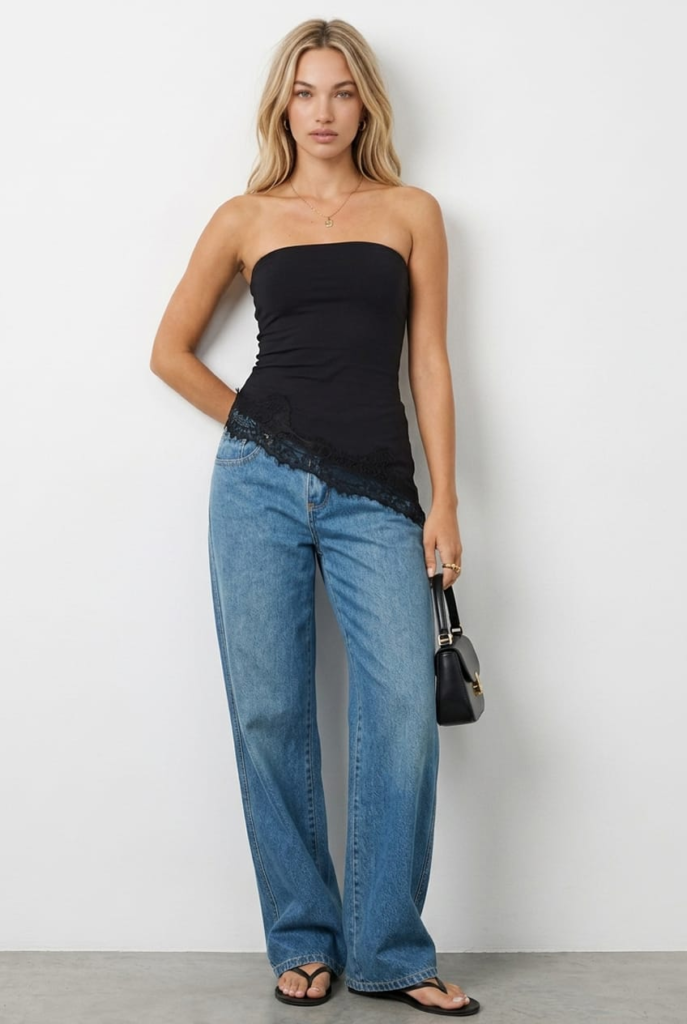
For example, saying that a fitted top can balance wide-leg pants may be useful. Saying that wide-leg pants must never be worn with a loose top is unnecessarily restrictive.
Many traditional rules were also shaped by:
- Older standards of formality
- Limited clothing choices
- Body-shape stereotypes
- Gender expectations
- Class-based dress codes
- Seasonal retail traditions
- Fear of standing out
Modern fashion allows far more room for personal interpretation.
Rule: Never Mix Black and Navy
Black and navy were once considered too similar to be worn together. The concern was that the outfit might look as though two colours had been matched incorrectly.
In reality, black and navy can create a sophisticated, understated combination.
The best way to wear them together is to make the contrast look deliberate.
Try:
- Navy trousers with a black knit
- A navy dress with black ankle boots
- Black jeans with a navy blazer
- A black coat over a navy outfit
- Navy tailoring with a black handbag
Use clear blocks of colour rather than nearly identical small details. Texture also helps. Black leather, navy wool and satin create enough variation to make the combination look intentional.
Rule: Brown and Black Should Never Be Worn Together
Brown and black can work beautifully, especially when the brown is rich and clearly distinct.
Chocolate, camel, tan and cognac all complement black. The combination often feels warm, modern and polished.
Good examples include:
- Black trousers with a camel coat
- A black dress with tan boots
- Chocolate-brown pants with a black top
- A black suit with a brown leather bag
- Black denim with a cognac belt
Repeat the brown tone more than once if you want stronger coordination, but exact matching is unnecessary.
Rule: Your Shoes and Handbag Must Match
Matching shoes and handbags can still look elegant, but it is no longer essential.
A more modern approach is to make sure the accessories belong to the same outfit without being identical.
They may share:
- A similar colour temperature
- The same level of formality
- Related textures
- Matching hardware
- A repeated accent colour
For example, black shoes can be worn with a burgundy bag, while tan boots may work with a cream handbag.
The accessories should feel connected, not copied.
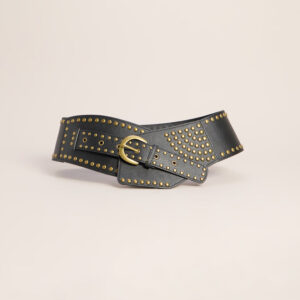
Rule: Your Belt Must Match Your Shoes
This rule still appears in traditional tailoring, but it is not necessary for most everyday outfits.
A belt can match the trousers, top, handbag or jewellery instead.
A black belt with white sneakers, a tan belt with burgundy boots or a metallic belt with neutral shoes can all work.
The belt should support the outfit’s colour palette and proportion. Exact repetition is optional.
Rule: Never Mix Metals
Gold and silver jewellery can be worn together successfully.
Mixed metals often look more natural because watches, handbag hardware, rings and clothing details may already contain different tones.
To make mixed metals feel deliberate:
- Repeat each metal at least once.
- Use one piece that already combines metals.
- Keep the jewellery style consistent.
- Choose one dominant metal and one supporting tone.
- Distribute the metals across the outfit.
A silver watch, gold earrings and a mixed-metal ring can look cohesive when the shapes and scale are balanced.
Rule: Do Not Wear White After Summer
White can be worn throughout the year.
The fabric and styling determine whether it feels seasonally appropriate.
Summer white may appear in linen, cotton and lightweight dresses. Winter white works beautifully in:
- Wool coats
- Cream knitwear
- White denim
- Ivory trousers
- Leather boots
- Structured blazers
Combine white with camel, grey, navy, black or chocolate brown for a colder-weather outfit.
Rule: Do Not Wear Black in Summer
Black can work in warm weather when the fabric is breathable and the silhouette is suitable.
A black linen dress, cotton tank, lightweight skirt or sleeveless jumpsuit can look elegant during summer.
Pair black with:
- White accessories
- Tan sandals
- Woven bags
- Gold jewellery
- Lightweight fabrics
- Open footwear
Very heavy black fabric may feel too warm, but the colour itself is not the problem.
Rule: Never Mix Prints
Print mixing can create one of the most interesting parts of an outfit.
The easiest approach is to connect the patterns through colour.
For example:
- Black-and-white stripes with black-and-white florals
- A leopard belt with a striped shirt
- A small floral blouse with a larger checked skirt
- Polka dots with a geometric print in similar colours
Use different print scales so the patterns do not compete equally. One print should usually feel more dominant.
Rule: Leopard Print Cannot Be a Neutral
Leopard print can function almost like a neutral because it usually contains black, tan, cream and brown.
It works with denim, black, white, red, olive, navy and camel.
Try leopard-print shoes with jeans, a printed belt with a black dress or a leopard skirt with a simple knit.
The print adds interest while still coordinating with many common wardrobe colours.
Rule: Horizontal Stripes Make Everyone Look Wider
Horizontal stripes do not automatically create an unflattering shape.
The overall effect depends on:
- The width of the stripes
- The garment fit
- The placement of the pattern
- The fabric
- The neckline
- The rest of the outfit
A well-fitted striped top may look cleaner than a poorly fitted plain one.
Use vertical elements such as an open blazer, necklace or long coat if you want to create additional length.
Rule: Curvy People Should Avoid Prints
Prints are not reserved for particular body shapes.
A print can add personality, direct attention and create visual balance.
Choose a pattern you enjoy and consider its scale in relation to the garment. Larger prints feel bolder, while smaller patterns may appear softer.
The fit of the clothing matters more than avoiding print altogether.
Rule: Petite People Cannot Wear Maxi Dresses
Petite people can wear maxi dresses very successfully.
The key is proportion.
Look for:
- A defined or raised waist
- A hem that does not drag
- Controlled skirt volume
- Vertical seams or prints
- A neckline that creates length
- Footwear suited to the hem
A monochrome maxi dress can create one long visual line and may appear especially lengthening.
Rule: Petite People Should Avoid Wide-Leg Pants
Wide-leg pants can look excellent on shorter frames when the waist and hem are correct.
Choose a high-rise style, tuck in the top and avoid excess fabric pooling around the shoes.
Heels are optional. Platform sneakers, pointed flats and properly hemmed trousers can also work.
Rule: Tall People Should Avoid Heels
Height should not determine whether someone is allowed to wear heels.
Heels can be chosen for shape, style and confidence rather than the need to appear taller.
Tall wearers may enjoy:
- Stilettos
- Platforms
- Block heels
- Kitten heels
- Heeled boots
The practical question is whether the footwear is comfortable and suitable for the occasion.
Rule: You Must Dress for Your Body Type
Body-shape guidance can help explain proportion, but it should never become a list of restrictions.
You do not have to dress to appear taller, slimmer or more hourglass-shaped.
You may choose clothing because it feels:
- Comfortable
- Powerful
- Playful
- Dramatic
- Relaxed
- Creative
Use body-shape advice as a tool, not a command.
Rule: Loose Clothing Must Always Be Balanced with Something Fitted
Balancing loose and fitted pieces is useful, but full-volume outfits can also look stylish.
Wide-leg trousers with an oversized shirt, a flowing dress with a long coat or a relaxed suit can all work.
To keep the outfit intentional, use:
- Clear shoulder lines
- Structured fabric
- A visible wrist or ankle
- A coordinated colour palette
- Defined footwear
- A carefully chosen bag
Volume can be the entire point of the outfit.
Rule: Oversized Clothing Is Unflattering
Oversized clothing can create ease, drama and modern proportion.
The garment should look deliberately oversized rather than simply too large.
Look for:
- Correct shoulder placement
- Purposeful sleeve length
- Good fabric drape
- A controlled hem
- Enough structure to hold the shape
An oversized blazer, shirt or coat can transform a simple outfit.
Rule: Leggings Are Not Real Pants
Leggings can function as trousers when the fabric is opaque, supportive and suitable for the setting.
They can be worn with:
- Oversized shirts
- Blazers
- Long knits
- Structured jackets
- Sportswear
- Casual dresses
For a polished look, choose substantial fabric and avoid styles that become transparent when stretched.
Rule: Sneakers Cannot Be Worn with Dresses
Sneakers work with mini, midi and maxi dresses.
They can make a formal or feminine dress feel more relaxed and practical.
Good combinations include:
- White sneakers with a floral midi dress
- Retro sneakers with a knit dress
- Platform sneakers with a mini dress
- Minimal leather sneakers with a shirt dress
- Chunky sneakers with a fitted dress
The shape and visual weight of the shoe should suit the dress.
Rule: Sneakers Cannot Be Worn with Tailoring
Sneakers and suits have become a dependable smart-casual combination.
Minimal leather sneakers work especially well with tailored trousers, blazers and modern suits.
Keep the sneakers clean and choose a style suited to the formality of the setting.
Running shoes may look too athletic for some offices, but streamlined sneakers can feel contemporary and polished.
Rule: Formal Clothes Must Be Worn with Heels
Formal flats, loafers, boots and even minimalist sneakers can work with dressy outfits depending on the event.
Elegant flats may include:
- Pointed ballet flats
- Embellished flats
- Satin shoes
- Metallic loafers
- Refined ankle boots
Comfortable footwear can be just as intentional as heels.
Rule: Sequins Are Only for Evening
Sequins can be worn during the day when they are balanced with casual clothing.
Try:
- A sequin skirt with a T-shirt
- A sequined top beneath a blazer
- Sequin trousers with sneakers
- A sequin dress with a denim jacket
- A sparkling bag with a casual outfit
The contrast between shine and ordinary fabric creates a modern result.
Rule: Metallic Clothing Is Only for Parties
Metallic skirts, shoes and handbags can work during the day.
Pair a metallic maxi skirt with a plain knit, a silver mini with a white shirt or metallic sneakers with denim.
Use the metallic piece as the focal point and keep the remaining clothing simple.
Rule: Velvet Is Only for Winter
Velvet is associated with cooler weather, but lightweight velvet can be worn beyond winter.
A sleeveless velvet dress, short skirt or slip style can work during spring evenings or in air-conditioned venues.
The weight and construction of the fabric matter more than the calendar.
Rule: Leather Is Only for Cold Weather
Lightweight leather and leather-look clothing can be worn during transitional seasons and evenings.
Leather shorts, skirts, sleeveless tops and cropped jackets can work outside winter when styled with lighter fabrics.
Rule: Denim Should Not Be Mixed with Denim
Double denim can look stylish when there is enough contrast or clear coordination.
Try:
- A light denim shirt with dark jeans
- A denim jacket with a black denim skirt
- Matching denim separates with a simple top
- A chambray shirt with white jeans
Break up the denim with a belt, T-shirt, jacket or contrasting shoe if needed.
Rule: You Cannot Wear Denim to Dressy Events
Dark, clean denim can work for some smart-casual dinners, parties and creative events.
Choose jeans without distressing and pair them with:
- A silk blouse
- A velvet blazer
- Pointed heels
- A structured handbag
- Statement jewellery
The dress code still matters, but denim does not always mean careless.
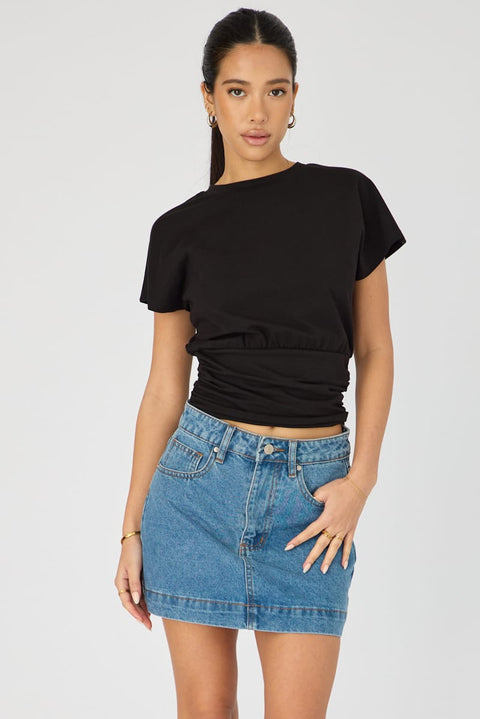
Rule: Mini Skirts Are Only for Young People
Mini skirts can be worn at any age.
The most important considerations are comfort, fit and occasion.
A mini skirt can be balanced with:
- Long sleeves
- Opaque tights
- Knee-high boots
- A blazer
- A long coat
- A simple knit
Age should not automatically remove shorter hemlines from the wardrobe.
Rule: Women Over a Certain Age Should Avoid Bright Colours
Bright colours can look energetic, polished and flattering at any age.
Red, cobalt, emerald, pink and yellow can be worn as full garments or accents.
Choose shades that suit your complexion and personality rather than fading into colours you do not enjoy.
Rule: Certain Trends Are Too Young for Older People
Trends are not automatically limited by age.
The styling can be adjusted through fabric, fit and proportion.
For example:
- Wear a crop top with high-waisted trousers.
- Choose a refined metallic skirt.
- Style chunky sneakers with tailoring.
- Wear a mini dress with boots and a blazer.
- Choose subtle cut-outs rather than avoiding them completely.
The important question is whether the trend suits your style and lifestyle.
Rule: Crop Tops Require a Flat Stomach
Crop tops can be worn by anyone.
They do not need to expose the entire waist.
Pair them with:
- High-waisted pants
- Midi skirts
- High-rise jeans
- A blazer
- A shirt worn open
- Matching sets
A shorter top can simply create a better proportion with high-waisted clothing.
Rule: You Should Hide Your Arms
There is no requirement to cover your arms because of age, shape or skin texture.
Sleeveless clothing can be comfortable and elegant.
Wear the sleeve length that suits the weather, occasion and your own preference.
Rule: White Makes You Look Larger
White does not automatically make someone appear larger.
Fit, fabric, seams and silhouette have a greater effect.
A well-cut white outfit can look cleaner and more streamlined than poorly fitting black clothing.
Use structured fabric and proper undergarments to create a polished result.
Rule: Black Is Always Slimming
Black can create a continuous visual line, but it cannot correct poor fit.
A tight black garment with pulling seams may be less flattering than a well-fitted piece in a brighter colour.
Use colour confidently and focus on proportion rather than relying on black as the only flattering option.
Rule: Monochrome Outfits Must Be Exactly the Same Shade
Monochrome dressing works beautifully with different shades of one colour.
A cream blouse, beige trousers and camel coat can create a tonal outfit without exact matching.
Different textures make tonal dressing more interesting.
Rule: Bright Colours Cannot Be Worn Together
Colour blocking can create a confident, modern outfit.
Successful combinations include:
- Pink and red
- Blue and green
- Purple and orange
- Yellow and cobalt
- Emerald and fuchsia
Keep the silhouettes relatively simple and allow the colours to provide the impact.
Rule: Red and Pink Clash
Red and pink can look energetic, romantic and deliberate.
Use one as the dominant colour and the other as an accent, or wear clear blocks of both.
Warm red with hot pink creates a bold effect, while burgundy with blush feels softer.
Rule: You Should Never Wear More Than Three Colours
A limited colour palette is easy to coordinate, but more than three colours can work when they are repeated and balanced.
Printed clothing often contains several colours naturally.
Use one dominant colour, one or two supporting shades and smaller accents to keep the outfit coherent.
Rule: Statement Jewellery Must Be Worn Alone
Statement pieces can be combined when they share a visual connection.
A bold necklace and ring may work together if:
- They use similar metals.
- One is clearly more dominant.
- The clothing is simple.
- The shapes feel related.
- The scale is balanced.
The aim is coordination rather than strict minimalism.
Rule: You Must Remove One Accessory Before Leaving Home
This advice can help when an outfit feels overloaded, but maximalist style can be deliberate and effective.
Layered jewellery, colourful bags and strong shoes can work together when the outfit has a clear theme.
The better question is whether every accessory contributes to the look.
Rule: Socks Should Be Hidden
Visible socks can become part of the outfit.
Try:
- White crew socks with retro sneakers
- Sheer socks with loafers
- Coloured socks with cropped trousers
- Ribbed socks with ankle boots
- Patterned socks with simple shoes
The socks should look intentional rather than accidentally exposed.
Rule: Sandals Should Never Be Worn with Socks
Socks and sandals can work in fashion-forward, streetwear and casual outfits.
Choose clean socks and sandals with enough structure to support the combination.
Simple colours and controlled proportions make the look easier to wear.
Rule: Dresses Must Be Worn as Dresses
Dresses can be layered over trousers, leggings, shirts and fitted tops.
A slip dress over a T-shirt, a mini dress over wide-leg pants or a sleeveless dress over a turtleneck can create a completely different outfit.
Rule: Nightwear-Inspired Clothing Belongs at Home
Slip dresses, satin camisoles and pyjama-style shirts can be worn outside the home.
Add structure through:
- Tailored trousers
- A blazer
- Leather shoes
- A structured handbag
- Simple jewellery
The outfit should look styled rather than unfinished.
Rule: Sportswear Is Only for Exercise
Sportswear can be incorporated into everyday outfits.
Leggings, track jackets, hoodies and sneakers can be combined with tailored or structured clothing.
A blazer over a hoodie, leggings with a long coat or track pants with heels can create modern contrast.
Rule: Formal and Casual Pieces Should Not Be Mixed
Mixing formal and casual clothing is one of the foundations of modern style.
Examples include:
- A sequin skirt with a T-shirt
- A blazer with jeans
- Sneakers with a suit
- A satin dress with a denim jacket
- A ball skirt with a knit
- A hoodie beneath a tailored coat
The contrast makes the outfit feel current and personal.
Rule: You Should Dress for the Season Rather Than the Weather
Practical comfort should take priority over traditional seasonal expectations.
If the weather is warm, wear breathable clothing even if the calendar suggests autumn. If the day is cold, wear layers even during spring.
Seasonal colours and fabrics are optional rather than compulsory.
Rule: Pastels Are Only for Spring
Pastels can be worn throughout the year.
In winter, combine soft pink, lavender or pale blue with charcoal, black, navy or chocolate brown.
Heavier fabrics such as wool and knitwear make pastel colours feel appropriate for cooler weather.
Rule: Florals Are Only for Warm Weather
Dark florals work beautifully in autumn and winter.
Choose prints with black, burgundy, navy, plum or forest-green backgrounds.
Add boots, tights, knitwear and structured coats.
Rule: Boots Are Only for Winter
Ankle boots, cowboy boots and lightweight knee-high boots can be worn during spring and cooler summer evenings.
Pair boots with mini dresses, shorts, skirts and lightweight fabrics.
Very heavy insulated boots may feel impractical in warm weather, but the category itself is not seasonal.
Rule: Sandals Are Only for Summer
Sandals can work during mild transitional weather and indoor events.
Wear them with trousers, dresses and evening outfits when the weather and venue allow.
Rule: You Should Not Repeat Outfits
Repeating outfits is practical, sustainable and stylish.
A successful outfit deserves to be worn again.
You can change its appearance through:
- Different shoes
- A new handbag
- Alternative jewellery
- A jacket
- A belt
- A scarf
- A different hairstyle
Personal style is often built through repeated combinations rather than constant novelty.
Rule: Every Occasion Requires a New Outfit
There is no need to buy new clothing for every event.
A versatile dress, suit, skirt or jumpsuit can be restyled many times.
Choose adaptable clothing and invest more attention in fit and accessories.
Rule: Designer Labels Automatically Create Better Style
Price and branding do not guarantee good style.
An affordable garment that fits well and suits the wearer can look better than an expensive piece chosen for status.
Focus on:
- Fit
- Fabric
- Construction
- Versatility
- Comfort
- Personal relevance
Rule: Basics Must Be Neutral
A wardrobe basic is simply a piece you wear often.
Your basics may include:
- A red blazer
- Green trousers
- A printed shirt
- A metallic skirt
- Colourful sneakers
- A leopard-print bag
Frequently worn clothing does not need to be beige, black or white.
Rule: Statement Pieces Cannot Be Worn Often
A statement piece can become part of a signature style.
Wear the same bold coat, necklace, boots or printed dress in different combinations.
Repetition can make a distinctive item feel more personal rather than less special.
Rule: Comfort and Style Are Opposites
Comfortable clothing can still be polished and fashionable.
Stretch tailoring, ponte pants, knit dresses, sneakers, loafers and soft fabrics can all look stylish.
Comfort becomes a problem only when the outfit looks careless or unsuitable for the occasion.
Rule: Fashion Must Be Flattering
Not every outfit needs to make the body look smaller, taller or more traditionally proportioned.
Fashion can also be:
- Interesting
- Dramatic
- Playful
- Conceptual
- Comforting
- Expressive
- Unexpected
Sometimes the shape, colour or idea matters more than conventional flattery.
When Fashion Rules Are Still Useful
Breaking rules does not mean ignoring context.
Some guidelines remain useful when they concern:
- Safety
- Workplace requirements
- Religious settings
- Formal dress codes
- Weather conditions
- Practical movement
- Respect for wedding traditions
- Protective clothing
A fashion rule is worth following when it protects comfort, function or respect for the occasion.
How to Break Fashion Rules Successfully
The easiest way to break a style rule is to make the choice look deliberate.
- Repeat a colour or texture.
- Use clear proportions.
- Choose clothing that fits properly.
- Keep one element dominant.
- Consider the occasion.
- Use accessories to connect contrasting pieces.
- Make sure the outfit feels comfortable.
- Commit to the idea instead of wearing it hesitantly.
Common Mistakes When Breaking Fashion Rules
- Ignoring fit in the name of creativity
- Combining too many unrelated ideas
- Wearing uncomfortable clothing to prove a point
- Forgetting the dress code
- Using contrast without any connecting detail
- Following a trend that does not suit your lifestyle
- Confusing intentional oversized clothing with poor sizing
- Adding accessories without considering proportion
- Breaking rules only because an outfit is popular online
- Assuming confidence can correct every practical problem
Outfit Ideas That Break Traditional Fashion Rules
Black and Navy Outfit
Wear navy tailored trousers with a black turtleneck, black loafers and a navy coat.
Brown and Black Outfit
Pair black jeans with a chocolate-brown knit, tan boots and a black handbag.
Mixed-Print Outfit
Wear a striped shirt with a floral midi skirt in a shared black-and-white palette.
Daytime Sequin Outfit
Pair a sequin skirt with a plain T-shirt, denim jacket and sneakers.
Sneakers with Tailoring
Wear a relaxed suit with a fitted T-shirt, clean leather sneakers and a structured bag.
Double-Denim Outfit
Style a light denim shirt with dark jeans, a tan belt and loafers.
Mini Skirt at Any Age
Wear a black mini skirt with opaque tights, knee-high boots, a fine knit and a long coat.
Bright Colour Combination
Pair a red blouse with pink trousers, neutral shoes and a simple handbag.
Metallic Daywear Outfit
Wear a silver pleated skirt with a grey knit, white sneakers and a black crossbody bag.
Formal and Casual Mix
Style a satin slip dress with a leather jacket, ankle boots and a casual shoulder bag.
A Simple Rule-Breaking Formula
Use this approach when trying a fashion combination that once felt forbidden:
- Choose one rule to break.
- Keep the rest of the outfit relatively clear.
- Repeat one colour, texture or shape.
- Check the fit and proportion.
- Make sure the outfit suits the occasion.
- Wear it with confidence and comfort.
The best fashion rules are the ones that help you understand clothing. The safest ones to break are the ones that stop you from expressing your own style.
Final Thoughts
Many traditional fashion rules are no longer relevant. Black can be worn with navy, prints can be mixed, sneakers can be worn with dresses and bright colours can be combined confidently.
You do not need to dress according to age-based restrictions, body-shape rules or the expectation that every accessory must match.
Useful styling principles still exist. Fit, balance, comfort and occasion can help an outfit feel intentional. However, these principles should guide rather than control you.
Fashion becomes more enjoyable when rules are treated as options. Learn why a rule exists, decide whether it is useful and break it when a better choice reflects your style.
The most successful outfit is not always the one that follows every convention. It is the one that looks considered, feels comfortable and represents the person wearing it.