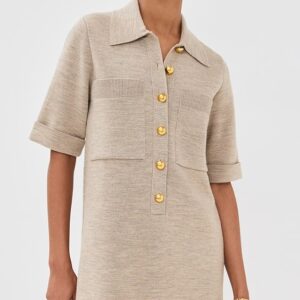
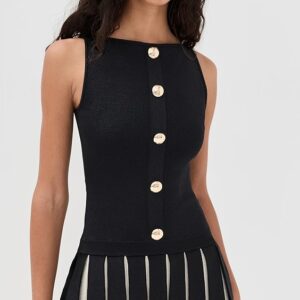
Knitwear is comfortable, practical and easy to layer, but it can sometimes make an outfit feel heavier than intended. Thick yarns, oversized cuts, high necklines and multiple layers may add visual volume, especially when they are combined without considering proportion.
The solution is not to avoid chunky sweaters, cardigans or knitted dresses. Well-styled knitwear can look polished, modern and flattering. The key is balancing volume, choosing the right fit and creating enough definition elsewhere in the outfit.
Worth a look
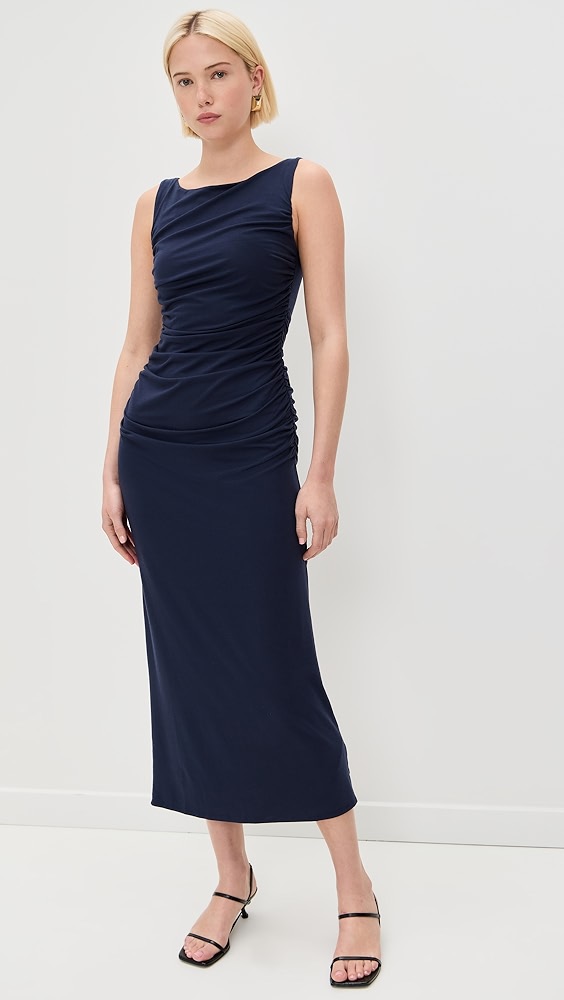
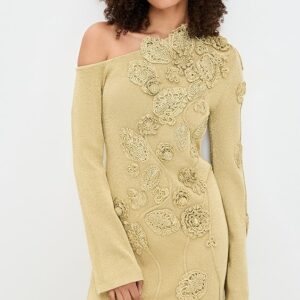
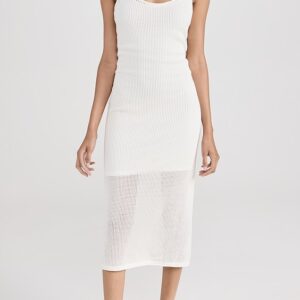
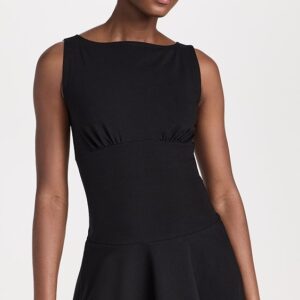
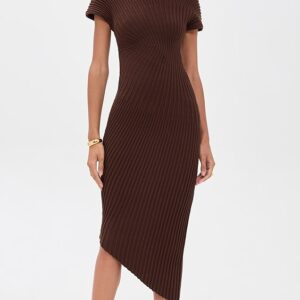
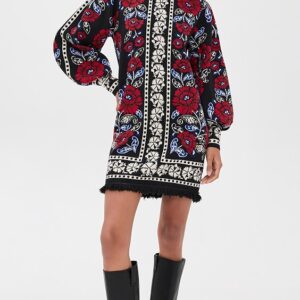
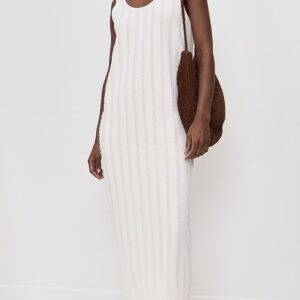
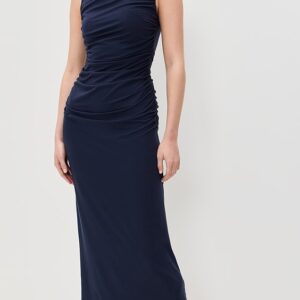
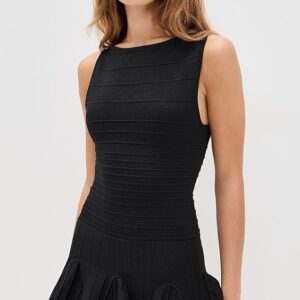
Knit Dress | Black, White, Midi Knit Dresses | Ally Fashion Knit Dress | Black, White, Midi Knit Dresses | Ally Fashion with merchant-derived product information and direct retailer access for current specifications, sizing and availability.
Writeups and reviews are our personal opinions. Follow through to the merchants site for more details.
A relaxed sweater can be paired with straight trousers, a cropped cardigan can define the waist and a long knit dress can be shaped with a jacket or strategic accessories. Small details such as sleeve length, neckline, fabric drape and trouser rise can make a significant difference.
Why Knitwear Can Look Bulky
Knitwear may create excess visual volume because of its texture, construction or fit.
Common causes include:
Thick, rigid yarn
Oversized shoulders
Long sleeves gathering at the wrists
High necklines
Heavy cable-knit patterns
Several loose layers worn together
Long sweaters covering the waist and hips
Bulky garments tucked into narrow waistbands
Thick knits worn beneath fitted coats
None of these details is automatically unflattering. Problems arise when every part of the outfit adds volume in the same area.
Begin with Proportion
Proportion is the relationship between the shapes and lengths of the garments in an outfit.
If the knitwear is loose or thick, balance it with a cleaner shape elsewhere.
For example:
Wear an oversized sweater with straight-leg jeans.
An open long cardigan creates vertical lines and can visually lengthen the body.
Wear it over a fitted or streamlined base, such as:
A tank and trousers
A fitted dress
A T-shirt and straight jeans
A bodysuit and skirt
Avoid wearing a long cardigan over several other loose layers.
Choose Shorter Cardigans for Waist Definition
Cropped and waist-length cardigans work well with high-rise bottoms and dresses.
They prevent fabric from gathering around the hips and help maintain leg length.
How to Style Knitted Vests
Knitted vests add texture without covering the arms, making them useful for layering without too much bulk.
Wear them over:
A fitted shirt
A long-sleeved T-shirt
A simple dress
A lightweight blouse
Choose a vest with open sides or a shorter hem if you want a lighter silhouette.
How to Style Knit Dresses
Knit dresses can follow the body, skim it softly or create a relaxed column.
To reduce bulk:
Choose vertical ribbing.
Add a structured jacket.
Use a narrow belt if desired.
Wear pointed boots or shoes.
Select a neckline that opens the upper body.
Keep outer layers smooth and streamlined.
How to Style a Fitted Knit Dress
A fitted knit dress already creates a clear silhouette, so avoid overly tight outerwear that causes bunching.
Add:
An oversized blazer
A long open coat
A leather jacket
Knee-high boots
A structured bag
How to Style a Relaxed Knit Dress
A loose knit dress can be worn as a simple column or given shape with a belt.
Keep the legs and footwear streamlined and avoid adding a very bulky coat unless the weather requires it.
Layer Knitwear Without Adding Too Much Volume
Successful layering depends on keeping the inner layers light.
Use:
Fitted camisoles
Fine T-shirts
Lightweight shirts
Thin turtlenecks
Soft slips
Avoid placing a chunky sweater over another thick top unless the outer garment has enough room to fall properly.
Layer a Shirt Beneath a Sweater
A shirt collar and cuffs can add structure to knitwear, but excess fabric may create bunching.
Choose a lightweight, fitted shirt and smooth it carefully beneath the sweater.
Allow only a small amount of hem or cuff to show.
Layer a Turtleneck Beneath Knitwear
A fine turtleneck can add warmth beneath a cardigan, vest or V-neck sweater.
Keep the outer knit relatively relaxed so the layers do not pull against each other.
Layer Knitwear Beneath a Blazer
Fine knits work best beneath blazers because they do not distort the shoulders or sleeves.
Choose:
A fitted turtleneck
A fine crew neck
A ribbed top
A lightweight cardigan
A thick sweater beneath a fitted blazer may create pulling and restricted movement.
Choose the Right Coat
Outerwear should accommodate the knitwear beneath it.
Good options include:
A relaxed wool-like coat
An oversized blazer
A cocoon coat
A trench with generous sleeves
A sleeveless long vest
A coat that is too tight across the shoulders can compress the sweater and create visible bulges.
Use Monochrome Dressing
Wearing knitwear and bottoms in similar colours can create a long, uninterrupted line.
Try:
Cream knitwear with ivory trousers
Black knitwear with black jeans
Grey knitwear with charcoal pants
Navy knitwear with dark denim
Chocolate knitwear with brown skirts
Use different textures to keep the outfit interesting.
Use Tonal Colour Combinations
Tonal dressing combines related shades rather than exact matches.
For example:
Camel with cream and chocolate
Grey with silver and charcoal
Navy with pale blue and denim
Burgundy with blush and plum
This creates cohesion without making the outfit appear flat.
Use Darker Colours Strategically
Darker colours can make heavy knitwear feel visually lighter, but black is not the only option.
Try:
Navy
Charcoal
Chocolate brown
Burgundy
Deep green
Plum
Combine dark knitwear with lighter trousers or skirts when you want contrast.
Light Knitwear Can Still Look Streamlined
Cream, white and pastel knitwear may appear larger because light colours reflect more light, but fit and proportion matter more than colour alone.
Choose:
Fine or mid-weight yarn
Clean shoulder lines
Vertical ribbing
Simple necklines
Defined hems
Pair light knitwear with tonal bottoms for an elegant, lengthened effect.
Use Prints in Moderation
Patterned knitwear can add personality, but large motifs and horizontal stripes may increase visual width.
This does not mean they should be avoided.
Balance patterned knitwear with:
Plain trousers
Simple skirts
Minimal accessories
Clean footwear
Vertical, diagonal and smaller-scale patterns often create a lighter effect.
Choose Accessories That Add Structure
Structured accessories help balance soft knitwear.
Useful choices include:
A clean leather handbag
A geometric shoulder bag
A simple belt
Pointed footwear
Sculptural jewellery
A polished watch
A soft, oversized sweater with a slouchy bag and heavy scarf may create more volume than necessary.
Use Long Necklaces to Create Length
A long pendant necklace creates a vertical line over plain knitwear.
This works especially well with:
Crew-neck sweaters
Simple turtlenecks
Fine-knit dresses
Long cardigans
Avoid long necklaces over highly textured cable knits, where they may become caught or visually lost.
Keep Scarves Proportional
A thick scarf over chunky knitwear can create excess volume around the neck and chest.
Choose:
A lightweight scarf
A silk scarf
A narrow knitted scarf
A scarf worn beneath the coat rather than over the sweater
If the sweater already has a high or dramatic neckline, a scarf may be unnecessary.
Choose Streamlined Footwear
Footwear affects the overall weight of the outfit.
Streamlined options include:
Pointed ankle boots
Loafers
Minimal sneakers
Knee-high boots with a close-fitting shaft
Pointed flats
Low block heels
Chunky boots can still work, especially with fitted bottoms or shorter hems, but they create a heavier overall look.
How to Wear Chunky Boots with Knitwear
If both the boots and sweater are chunky, add balance through:
A mini skirt
Straight-leg jeans
Leggings
A fitted knit dress
Exposed ankles or legs
Avoid adding a very bulky coat and oversized bag unless the deliberately oversized look is the goal.
Warm-Weather Knitwear Styling
Lightweight knitwear can be worn in warmer weather without feeling heavy.
Choose:
Open-weave knits
Sleeveless knitted tops
Fine cardigans
Short-sleeved knits
Lightweight knit dresses
Pair them with shorts, skirts, linen trousers and sandals.
Cold-Weather Knitwear Styling
In cold weather, warmth is essential, but layers can still remain streamlined.
Use:
A thin thermal base
One substantial knit
A coat with adequate room
Warm but fitted trousers
Streamlined boots
Several thin layers often create less bulk than two very thick sweaters.
How to Wear Knitwear to Work
For work, choose fine or mid-weight knitwear with clean construction.
Useful combinations include:
A fine turtleneck with tailored trousers
A fitted cardigan with an A-line skirt
A crew-neck knit beneath a blazer
A ribbed top with wide-leg pants
A knit dress with a structured coat
Keep pilling, stretched cuffs and loose threads under control, as condition strongly affects how polished knitwear appears.
How to Wear Knitwear Casually
Casual knitwear can remain stylish when the outfit has one or two structured details.
Try:
An oversized sweater with straight jeans
A cardigan with a fitted tank and trousers
A knit vest over a shirt
A ribbed dress with sneakers
A chunky knit with a satin skirt
How to Wear Knitwear for Evening
For evening, choose refined texture, a clear silhouette and polished accessories.
Try:
A fitted off-the-shoulder knit with tailored trousers
A fine turtleneck with a metallic skirt
A knit dress with heeled boots
A cropped cardigan with a satin skirt
A ribbed top with a leather-look midi
Add statement earrings or a structured clutch rather than several heavy accessories.
How to Wear Knitwear on a Date
Knitwear can look soft, relaxed and attractive without appearing casual or shapeless.
Good options include:
An off-the-shoulder sweater with jeans
A fitted ribbed dress with boots
A cropped cardigan with a midi skirt
A fine knit with leather-look trousers
A soft V-neck sweater with tailored pants
How to Wear Knitwear with Romantic Style
Romantic knitwear may include soft colours, pearl buttons, puff sleeves and delicate textures.
Pair it with:
Floral skirts
Satin midis
Wide-leg trousers
Simple jeans
Ankle boots
Limit the number of ruffles, bows and decorative features so the outfit remains balanced.
How to Wear Knitwear with Edgy Style
Give soft knitwear more edge through:
Leather-look trousers
Chunky boots
A structured black bag
Silver jewellery
Dark denim
A mini skirt
A soft oversized sweater with leather trousers creates a strong contrast between texture and structure.
How to Wear Knitwear with Minimalist Style
Minimalist knitwear relies on clear shapes, restrained colours and good fit.
Choose:
Fine crew-neck sweaters
Simple ribbed tops
Monochrome combinations
Clean cardigans
Column knit dresses
Use texture rather than excessive decoration to create interest.
How to Wear Knitwear with Bohemian Style
Bohemian knitwear may include crochet, open weaves, fringe and earthy colours.
Pair one textured knit with simple jeans, a flowing skirt or a plain dress.
Avoid combining heavy crochet, fringe, layered jewellery and multiple prints at once.
Knitwear for Petite Figures
Petite wearers may prefer knitwear that does not overwhelm the frame.
Useful options include:
Cropped sweaters
Waist-length cardigans
Fine ribbing
Three-quarter sleeves
High-waisted bottoms
Monochrome outfits
Oversized knitwear can still work when the sleeves and hem are controlled.
Knitwear for Curvy Figures
Choose knitwear that follows the body without pulling or clinging excessively.
Useful features include:
V-necklines
Open cardigans
Soft drape
Vertical ribbing
Defined hems
Stretch that recovers well
Avoid sizing up so far that the shoulders and sleeves lose all shape unless you deliberately want an oversized silhouette.
Knitwear for Pear-Shaped Figures
Interesting necklines, structured shoulders and lighter colours on top can create balance.
Pair sweaters with trousers and skirts that fit smoothly through the waist and hips.
Knitwear for Apple-Shaped Figures
Open cardigans, V-necks and long vertical lines can create structure.
Choose knitwear that skims rather than clings and avoid heavy bunching around the waist.
Knitwear for Straight Figures
Cropped cardigans, belts, puff sleeves and ribbed textures can create shape and dimension.
You can also embrace a long, straight silhouette through a column knit dress or open long cardigan.
Knitwear Styling at Any Age
Knitwear can be styled confidently at any age.
There is no age at which you must stop wearing:
Cropped cardigans
Off-the-shoulder sweaters
Bright colours
Chunky knits
Fitted knit dresses
Oversized sweaters
Choose the cut, neckline and level of coverage that suit your comfort and personal style.
How to Make Knitwear Look More Expensive
Remove pilling regularly.
Steam or reshape garments carefully.
Keep cuffs and necklines clean.
Replace loose buttons.
Choose a controlled colour palette.
Pair knitwear with structured accessories.
Avoid stretched hems.
Store garments correctly.
Make sure the fit looks intentional.
How to Care for Knitwear
Proper care helps knitwear retain its shape and prevents it from looking tired or bulky.
Follow the care label and consider these practices:
Fold heavy knits rather than hanging them.
Use a fabric comb or suitable shaver for pilling.
Wash delicate knits in cool water when permitted.
Dry knitwear flat.
Avoid wringing or twisting.
Store clean garments away from pests.
Reshape necklines, cuffs and hems while damp.
Hanging a heavy sweater may stretch the shoulders and lengthen the body unevenly.
Common Knitwear Styling Mistakes
Wearing several oversized layers together
Tucking a very thick sweater fully into trousers
Choosing sleeves that gather heavily at the wrists
Wearing a fitted coat over chunky knitwear
Combining thick knitwear with bulky trousers and heavy boots
Ignoring stretched cuffs or hems
Using a thick scarf over a high-neck sweater
Choosing a sweater that ends at an awkward point on the hips
Wearing ribbing that is stretched too tightly
Allowing trousers to bunch around boots
Using too many textured pieces in one outfit
Assuming oversized automatically means shapeless
Stylish Knitwear Outfit Ideas
Polished Casual Outfit
Wear a cream V-neck sweater with straight-leg jeans, loafers and a structured tan handbag.
Work Outfit
Pair a fine black turtleneck with wide-leg grey trousers, a blazer and pointed flats.
Romantic Outfit
Style a cropped cardigan with a floral midi skirt, ankle boots and delicate earrings.
Edgy Outfit
Wear an oversized grey sweater with leather-look trousers, chunky boots and silver jewellery.
Minimalist Outfit
Pair a fine navy knit with matching tailored trousers, clean sneakers and a simple shoulder bag.
Evening Outfit
Wear a fitted off-the-shoulder knit with a satin skirt, heeled boots and statement earrings.
Weekend Outfit
Style a relaxed cardigan over a fitted tank with cropped jeans and sneakers.
Winter Outfit
Wear a ribbed turtleneck with straight trousers, a long open coat and streamlined ankle boots.
Transitional Outfit
Pair a sleeveless knit with wide-leg trousers, loafers and a lightweight blazer.
Chunky Knit Outfit
Wear a cable-knit sweater with a straight satin midi skirt, ankle boots and a structured crossbody bag.
A Simple Knitwear Styling Formula
Use this method to keep knitwear balanced and polished:
Choose one main area of volume.
Balance it with a cleaner silhouette elsewhere.
Show the waist, wrist, ankle or neckline where appropriate.
Use smooth fabrics to contrast heavy texture.
Select a sweater length that supports your proportions.
Keep outerwear roomy enough for the knit beneath it.
Add structured footwear or accessories.
Check for pilling, stretching and excess bunching.
Knitwear does not look bulky simply because it is thick or oversized. It looks bulky when volume, length and texture are not balanced across the rest of the outfit.
Writeups and reviews are our personal opinions. Follow through to the merchants site for more details.
Final Thoughts
Styling knitwear without looking bulky begins with proportion. A thick or oversized knit can look polished when it is balanced by a defined waist, streamlined trousers, a smooth skirt or structured accessories.
Choose fabrics with good drape, pay attention to shoulder and sleeve placement and use necklines that suit the overall silhouette. Fine knits are ideal for tucking and layering, while chunky knits need more space and simpler surrounding pieces.
Use techniques such as a partial tuck, open cardigan, cropped hem or monochrome palette to create shape and vertical lines. Showing the wrist, ankle or neckline can also make heavy knitwear feel lighter.
Knitwear should provide comfort without forcing you into shapeless outfits. Whether you prefer fitted ribbed tops, relaxed cardigans, chunky sweaters or knitted dresses, thoughtful styling can make every option feel balanced, modern and intentional.
Worth a look
Knit Dress | Black, White, Midi Knit Dresses | Ally Fashion Knit Dress | Black, White, Midi Knit Dresses | Ally Fashion with merchant-derived product information and direct retailer access for current specifications, sizing and availability.