Transitional dressing is the art of creating outfits for the weeks when one season is ending and another has not fully arrived. Mornings may be cold, afternoons may become warm and sudden rain or wind can make the weather difficult to predict.
The best transitional outfits are flexible. They use lightweight layers, adaptable footwear and fabrics that remain comfortable across changing temperatures. Instead of dressing entirely for summer or winter, the outfit combines elements from both seasons.
Worth a look
Festival Sets | Rave Co-Ords & Matching Outfits Festival Sets | Rave Co-Ords & Matching Outfits: Multiple styles, colours and silhouettes may be represented; Curated Beginning Boutique fashion collection; Individual materials, fit and sizing vary by product within the collection.
Writeups and reviews are our personal opinions. Follow through to the merchants site for more details.
A floral dress can be worn with ankle boots and a light jacket. Tailored trousers can be paired with a sleeveless top and cardigan. A blazer, trench coat or fine knit can be added or removed as the temperature changes.
Transitional style is less about buying a separate wardrobe and more about extending the use of clothing you already own.
What Is Transitional Dressing?
Transitional dressing refers to outfits designed for the period between two main seasons.
This may include:
Late summer moving into autumn
Winter moving into spring
Cool mornings followed by warm afternoons
Periods of changing rain, wind and humidity
Travel between different climates
The aim is to remain comfortable without carrying an unnecessarily heavy coat or feeling underdressed when temperatures fall.
Why Transitional Weather Is Difficult to Dress For
Changing weather often creates several styling problems at once.
You may need to manage:
Cold early mornings
Warm midday temperatures
Sudden rain
Strong wind
Cool indoor air conditioning
Unexpected evening temperature drops
An outfit that feels comfortable at breakfast may become too warm by lunchtime. A light summer dress may work during the day but feel inadequate after sunset.
Flexible layers solve these problems more effectively than one heavy garment.
Check the Full-Day Forecast
Do not look only at the temperature when you leave home. Check the predicted high, low, rain, wind and humidity for the entire day.
Consider:
The lowest morning temperature
The warmest afternoon temperature
The time of any expected rain
Wind strength
How long you will be outdoors
Whether you will return home before evening
This helps you choose layers that can be removed, carried and added again later.
Begin with a Comfortable Base Layer
The base layer should feel appropriate during the warmest part of the day.
Useful options include:
A plain T-shirt
A fitted tank
A lightweight blouse
A sleeveless knit
A cotton shirt
A simple dress
A long-sleeved jersey top
Add warmth through outer layers rather than beginning with clothing that is already too heavy.
Use Three-Part Layering
A practical transitional outfit often contains three elements:
A breathable base
A light middle layer
A protective outer layer
For example, wear a T-shirt beneath a cardigan and trench coat. As the temperature rises, remove the trench and later the cardigan.
The layers should work independently so the outfit still looks complete when one or two pieces are removed.
Choose Lightweight Layers
Transitional layers should provide warmth without excessive bulk.
Useful options include:
Fine cardigans
Lightweight blazers
Denim jackets
Leather jackets
Utility jackets
Overshirts
Thin trench coats
Lightweight knitwear
Choose pieces that are easy to carry, fold or place over the shoulders when they are not needed.
The Transitional Blazer
A blazer is one of the most useful pieces for changing seasons because it adds warmth, structure and polish without the weight of a winter coat.
Wide-leg trousers, fitted T-shirt and structured jacket
A shirt dress with a cardigan and pointed flats
Keep a light layer at work if air conditioning makes indoor temperatures cooler than outside.
Transitional Casual Outfits
Casual outfits can be built around simple layers.
Examples include:
Jeans, T-shirt, cardigan and sneakers
A floral dress with a denim jacket and ankle boots
Leggings, oversized shirt and trench coat
Cropped trousers, a knit vest and loafers
A satin skirt, T-shirt and leather jacket
Transitional Weekend Outfits
Weekend outfits should be comfortable enough for changing plans and temperatures.
Try:
White jeans, striped top, blazer and sneakers
Denim shorts, lightweight knit and ankle boots
A midi dress with a utility jacket
Wide-leg trousers with a tank and cardigan
Carry a crossbody bag and a lightweight layer that is easy to remove.
Transitional Date-Night Outfits
For a date, choose one elegant foundation and add a practical layer.
Try:
A slip dress with a blazer and ankle boots
Dark jeans with a satin blouse and leather jacket
A floral midi with heeled boots and a trench
Tailored trousers with a fitted top and long coat
A mini dress with knee-high boots and a cardigan
Transitional Evening Outfits
Evening temperatures often drop quickly, so bring an extra layer even when the day feels warm.
Suitable options include:
A satin dress with a tailored blazer
A jumpsuit with a trench coat
A velvet top with lightweight trousers
A midi skirt with a fine knit and heels
A simple dress with a leather jacket
Transitional Wedding Guest Outfits
Choose an outfit that can accommodate changing weather without losing formality.
Useful options include:
A floral midi dress with a blazer
A satin dress with a tailored coat
A jumpsuit with a lightweight wrap
A long-sleeved dress with block heels
A trouser suit with a silk-like camisole
Bring a compact umbrella or suitable coat for outdoor ceremonies.
Transitional Travel Outfits
Travel often involves moving between air-conditioned interiors, warm streets and cooler destinations.
A practical travel outfit may include:
Comfortable trousers
A breathable T-shirt
A fine cardigan
A lightweight jacket
Supportive sneakers
A scarf
Choose layers that pack easily and work with several other outfits.
Transitional Outfits for Warm Climates
In warm climates, transitional dressing may involve subtle temperature changes rather than true cold weather.
Useful pieces include:
Lightweight cardigans
Linen blazers
Fine knitwear
Breathable trousers
Light rain jackets
Closed-toe shoes
Avoid heavy coats and thick layers that are unlikely to be worn.
Transitional Outfits for Cold Climates
In colder regions, the transition between seasons may still require substantial warmth.
Use:
Thermal base layers
Fine knits
Light wool coats
Water-resistant boots
Tights
Scarves
Remove one heavy winter element at a time rather than switching immediately to summer clothing.
Spring Transitional Outfits
Spring outfits should feel lighter while remaining prepared for cool or wet weather.
Try:
Light denim with a colourful knit and trench
A floral dress with ankle boots and a cardigan
White trousers with a striped shirt and blazer
A midi skirt with a fine knit and loafers
A shirt dress with sneakers and a denim jacket
Autumn Transitional Outfits
Autumn styling introduces richer colours and stronger textures without relying immediately on heavy winter clothing.
Try:
A summer dress with a leather jacket and boots
Jeans with a lightweight turtleneck and blazer
A satin skirt with an oversized knit
Tailored shorts with tights and loafers
A floral midi with a trench and ankle boots
How to Transition a Summer Wardrobe into Autumn
Begin by adding one cooler-weather element at a time.
For example:
Replace sandals with ankle boots.
Add a blazer over a summer dress.
Wear a fine knit with shorts.
Add tights beneath skirts.
Use darker handbags and belts.
Layer shirts beneath sleeveless dresses.
This extends the use of summer clothing without making the outfit feel forced.
How to Transition a Winter Wardrobe into Spring
Remove the heaviest elements gradually.
Try:
Replacing a heavy coat with a trench
Changing boots to loafers or sneakers
Wearing lighter knitwear
Replacing opaque tights with sheer tights
Adding pastel or bright colours
Showing the ankle or wrist
The outfit will feel lighter without becoming impractical.
Use Proportion to Balance Layers
Several layers can create bulk, so consider how the lengths and shapes work together.
Try:
A cropped jacket with high-waisted trousers
A long coat over a shorter dress
An oversized blazer with fitted bottoms
A slim cardigan with a full skirt
A fitted knit beneath wide-leg trousers
Not every layer needs to be fitted, but the overall silhouette should look deliberate.
Do Not Wear Every Layer at Full Volume
An oversized shirt, wide-leg trousers, bulky cardigan and long coat can create more volume than necessary.
Balance relaxed pieces with something cleaner or closer to the body.
For example, wear wide trousers with a fitted top and streamlined blazer.
Keep Layers Easy to Remove
Choose jackets, cardigans and scarves that can be removed without disturbing the entire outfit.
A complicated layer involving multiple belts, buttons or tight sleeves may become inconvenient when temperatures change frequently.
Make Sure Each Layer Looks Complete
The outfit should still look intentional when the outer layer is removed.
A beautiful coat cannot compensate for an unfinished combination underneath.
Check that the base outfit has suitable proportions, coverage and accessories on its own.
Carry Layers Without Looking Untidy
When a jacket or cardigan is removed, you can:
Drape it over the shoulders
Fold it neatly over the arm
Tie a lightweight knit around the shoulders
Place it in a large tote
Avoid tying heavy jackets around the waist if they become bulky or distort the outfit.
Transitional Style at Any Age
Transitional dressing works at every age because it is based on flexibility and comfort.
You can continue wearing:
Mini skirts
Bright colours
Sneakers
Leather jackets
Floral dresses
Modern boots
Statement jewellery
Choose layers and footwear that suit your personal comfort rather than following age-based rules.
Transitional Style for Petite Figures
Petite wearers may prefer layers that do not overwhelm the frame.
Useful approaches include:
Cropped jackets
High-waisted trousers
Shorter cardigans
Monochrome foundations
Precise coat lengths
Oversized layers can still work when the sleeves, shoulders and hems are proportioned carefully.
Transitional Style for Curvy Figures
Choose layers that fit comfortably through the bust, waist and hips without pulling.
Useful options include:
Open blazers
Wrap dresses
Soft trench coats
Wide-leg trousers
Fine V-neck knits
Structured jackets with stretch
Avoid layering several tight garments if they restrict movement.
Transitional Style for Pear-Shaped Figures
Structured shoulders, open necklines and shorter jackets can create balance.
Choose trousers and skirts that fit smoothly through the waist and hips.
Transitional Style for Apple-Shaped Figures
Open layers, V-necklines and long vertical lines can create structure without requiring tight waist definition.
Choose lightweight fabrics that skim rather than cling.
Transitional Style for Straight Figures
Belts, cropped jackets, layered textures and pleated skirts can create shape.
You can also embrace long, straight silhouettes through column dresses and open coats.
Build a Small Transitional Wardrobe
A practical transitional wardrobe may include:
Two lightweight jackets
One blazer
One trench coat
Two fine knits
Several breathable tops
Jeans and tailored trousers
One or two versatile dresses
A midi skirt
Ankle boots
Loafers or sneakers
The exact number depends on your climate, lifestyle and laundry routine.
Shop Your Existing Wardrobe
Most transitional outfits can be created from seasonal pieces you already own.
Try combining:
A summer dress with a winter jacket
Winter trousers with a sleeveless top
Shorts with a fine knit
A satin skirt with ankle boots
A dark coat with light denim
Experiment before buying new clothing.
Buy Transitional Pieces Carefully
When shopping, choose items that work across several months.
Before buying, ask:
Can I layer it?
Can it be worn open and closed?
Does it work with both boots and lighter shoes?
Is the fabric breathable?
Can I create at least three outfits with it?
Does it suit my climate?
A versatile trench or blazer may be more useful than a highly seasonal statement jacket.
Common Transitional Styling Mistakes
Wearing a heavy winter coat too early
Dressing only for the morning temperature
Choosing layers that are difficult to carry
Wearing several bulky pieces together
Ignoring rain or wind
Using footwear that does not suit changing conditions
Putting away summer clothing too quickly
Wearing long hems during wet weather
Choosing fabrics that trap heat
Failing to make the base outfit look complete
Carrying no extra layer for the evening
Buying a separate wardrobe for a short transitional period
Transitional Outfit Ideas
Classic Transitional Outfit
Wear straight-leg jeans with a white shirt, camel trench, loafers and a structured handbag.
Casual Transitional Outfit
Pair a plain T-shirt with wide-leg trousers, a denim jacket and clean sneakers.
Romantic Transitional Outfit
Style a floral midi dress with ankle boots, a fine cardigan and a leather shoulder bag.
Edgy Transitional Outfit
Wear a satin skirt with a fitted T-shirt, leather jacket, chunky ankle boots and silver jewellery.
Minimalist Transitional Outfit
Pair black cropped trousers with a cream knit, long lightweight coat and streamlined loafers.
Bohemian Transitional Outfit
Wear a printed maxi dress with a suede-look jacket, ankle boots and a simple woven bag.
Work Transitional Outfit
Style tailored navy trousers with a sleeveless blouse, relaxed blazer and pointed flats.
Weekend Transitional Outfit
Wear white jeans with a striped top, lightweight trench, sneakers and a tan crossbody bag.
Warm-to-Cool Day Outfit
Pair a sleeveless dress with a cardigan, trench coat and ankle boots. Remove the outer layers as the day warms.
Cool-to-Warm Day Outfit
Wear cropped trousers with a T-shirt, blazer and loafers. Carry a fine knit for the cooler evening.
A Simple Transitional Styling Formula
Use this method to build an adaptable outfit:
Check the full-day weather forecast.
Choose a base suitable for the warmest temperature.
Add one lightweight middle layer.
Add a windproof or rain-resistant outer layer if needed.
Choose footwear suitable for both temperature and weather.
Make sure every layer works independently.
Use colour or accessories to connect the seasons.
Carry only layers that are easy to remove and transport.
The best transitional outfit is not dressed for one season or the other. It is designed to change with the day while still looking complete at every stage.
Worth a look
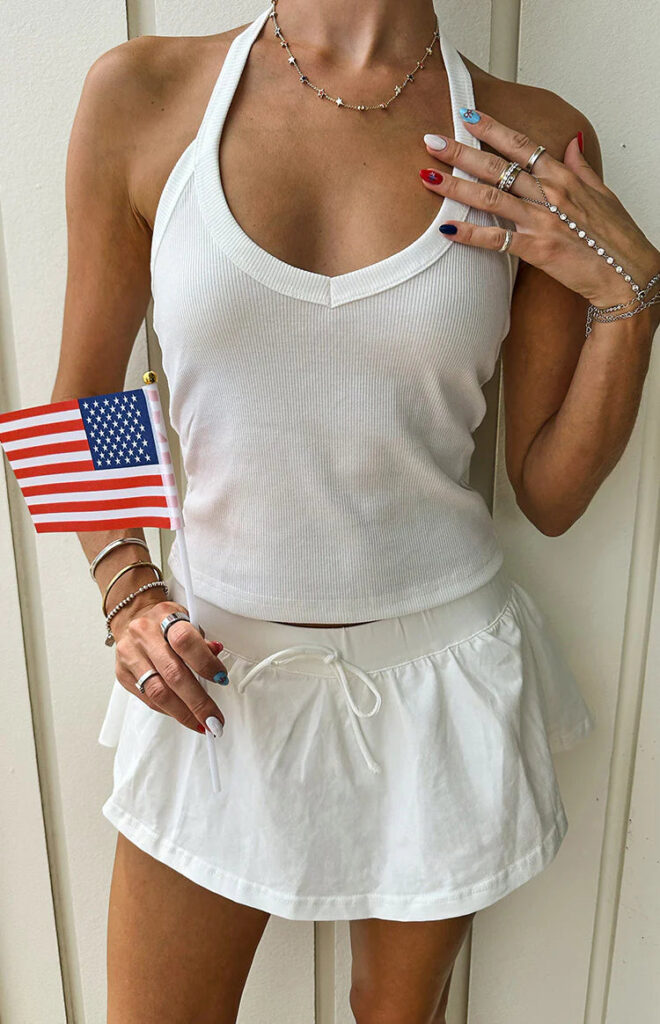
4th of July Outfits 2026 | Beginning Boutique 4th of July Outfits 2026 | Beginning Boutique: Multiple styles, colours and silhouettes may be represented; Curated Beginning Boutique fashion collection; Individual materials, fit and sizing vary by product within the collection.
Writeups and reviews are our personal opinions. Follow through to the merchants site for more details.
Final Thoughts
Transitional outfits are built around flexibility. The weather may change several times during the day, so clothing should be easy to layer, remove and restyle.
Begin with a breathable base and add fine knitwear, blazers, denim jackets, leather jackets or trench coats according to the conditions. Choose footwear that works with both warmer and cooler temperatures.
Extend the life of seasonal clothing by mixing summer dresses with boots, winter trousers with light tops and skirts with adjustable layers. Colour, texture and accessories can help clothing move naturally between seasons.
Avoid buying an entirely separate transitional wardrobe. Most useful combinations can be created by styling existing summer and winter pieces together.
When each layer looks intentional and serves a practical purpose, transitional dressing becomes one of the easiest ways to make your wardrobe more versatile throughout the year.
Worth a look
Festival Sets | Rave Co-Ords & Matching Outfits Festival Sets | Rave Co-Ords & Matching Outfits: Multiple styles, colours and silhouettes may be represented; Curated Beginning Boutique fashion collection; Individual materials, fit and sizing vary by product within the collection.
4th of July Outfits 2026 | Beginning Boutique 4th of July Outfits 2026 | Beginning Boutique: Multiple styles, colours and silhouettes may be represented; Curated Beginning Boutique fashion collection; Individual materials, fit and sizing vary by product within the collection.
Rush Week Outfits | Shop Now Rush Week Outfits | Shop Now: Multiple styles, colours and silhouettes may be represented; Curated Beginning Boutique fashion collection; Individual materials, fit and sizing vary by product within the collection.
Writeups and reviews are our personal opinions. Follow through to the merchants site for more details.
Festival Sets | Rave Co-Ords & Matching Outfits Festival Sets | Rave Co-Ords & Matching Outfits: Multiple styles, colours and silhouettes may be represented; Curated Beginning Boutique fashion collection; Individual materials, fit and sizing vary by product within the collection.
4th of July Outfits 2026 | Beginning Boutique 4th of July Outfits 2026 | Beginning Boutique: Multiple styles, colours and silhouettes may be represented; Curated Beginning Boutique fashion collection; Individual materials, fit and sizing vary by product within the collection.
Rush Week Outfits | Shop Now Rush Week Outfits | Shop Now: Multiple styles, colours and silhouettes may be represented; Curated Beginning Boutique fashion collection; Individual materials, fit and sizing vary by product within the collection.
Writeups and reviews are our personal opinions. Follow through to the merchants site for more details.