Mixing feminine and edgy clothing creates outfits that feel soft without being overly sweet and bold without becoming too severe. The contrast between delicate fabrics and stronger pieces can make even familiar clothing look more modern, expressive and individual.
A lace dress becomes less traditional when worn with chunky boots. A leather jacket feels softer over a floral midi. A satin skirt looks more contemporary with a graphic T-shirt, while a fitted black bodysuit can give a romantic tiered skirt a sharper finish.
Writeups and reviews are our personal opinions. Follow through to the merchants site for more details.
The secret is balance. You do not need equal amounts of femininity and edge in every outfit. One style can dominate while the other appears through a jacket, shoe, accessory or fabric choice.
What Is Feminine Fashion?
Feminine fashion usually includes soft silhouettes, delicate details, flowing fabrics and clothing that emphasises movement, shape or romantic texture.
Common feminine elements include:
Floral prints
Lace
Ruffles
Satin
Chiffon
Puff sleeves
Sweetheart necklines
Defined waists
Fit-and-flare dresses
Pastel colours
Delicate jewellery
Ballet flats and strappy heels
Feminine clothing does not have to be pink, fitted or revealing. A flowing black dress, a cream blouse or an emerald satin skirt can all feel feminine through movement, fabric and construction.
Edgy style does not require head-to-toe black or heavily distressed clothing. A structured blazer, silver hardware or a pair of strong ankle boots may provide enough contrast.
Why Feminine and Edgy Pieces Work Together
The two styles create visual tension. Feminine clothing brings softness, movement and romance, while edgy pieces add structure, weight and attitude.
This contrast can make an outfit feel more deliberate because no single theme becomes too predictable.
Examples include:
Lace with leather
Florals with combat boots
Satin with distressed denim
Ruffles with sharp tailoring
Pastels with black accessories
Tulle with a graphic T-shirt
Pearls with metal hardware
The result can be romantic, modern, confident and highly personal.
Start with One Dominant Style
The easiest way to create balance is to choose one main direction.
If the outfit is mostly feminine, add one or two edgy elements. For example, wear a floral dress with a leather jacket and ankle boots.
If the outfit is mostly edgy, soften it with one feminine feature. A black suit can be worn with a lace camisole, pearl earrings or a satin blouse.
This approach creates contrast without making the outfit feel confused.
Use a 70–30 Balance
A useful starting point is to let one style make up approximately seventy per cent of the outfit and the other thirty per cent.
For example:
A romantic midi dress, leather jacket and chunky boots
Black jeans, oversized blazer and lace blouse
Satin skirt, fitted knit and biker jacket
Floral mini dress, structured bag and platform shoes
This is not a strict rule, but it helps prevent every item from competing equally.
Begin with a Feminine Dress
A dress is one of the easiest foundations because it creates the soft side of the outfit immediately.
Suitable styles include:
Floral midi dresses
Lace mini dresses
Satin slip dresses
Tiered dresses
Fit-and-flare dresses
Ruffled wrap dresses
Puff-sleeve dresses
Add edge through outerwear, footwear or accessories rather than changing the entire outfit.
Wear a Floral Dress with a Leather Jacket
A leather jacket is one of the most reliable ways to toughen a floral dress.
The soft print and flowing fabric contrast with the structured surface of leather.
The dress can be worn alone or layered over a fitted T-shirt, mesh top or fine knit.
Wear a Romantic Mini Dress with Knee-High Boots
Knee-high boots balance the shorter hem and reduce the overly sweet effect of puff sleeves, florals or ruffles.
Black boots create the strongest contrast, while brown or burgundy styles feel softer.
Add a long coat, oversized blazer or leather jacket depending on the season.
Mix Tulle with Casual or Edgy Pieces
Tulle can feel formal or theatrical, but it becomes easier to wear when combined with casual and structured clothing.
Try a tulle skirt with:
A graphic T-shirt
A fitted black tank
A leather jacket
An oversized knit
Chunky boots
Platform sneakers
Keep the colour palette controlled so the texture remains the focus.
Style a Satin Skirt with a Graphic T-Shirt
A satin skirt creates movement and shine, while a graphic T-shirt adds a casual, slightly rebellious element.
Tuck the shirt into the waistband or knot it carefully at the waist.
Add:
Ankle boots
Sneakers
A biker jacket
A chain-strap bag
Silver jewellery
This outfit works for casual dinners, concerts, parties and relaxed weekend events.
Pair a Feminine Blouse with Leather-Look Trousers
A lace, ruffled or puff-sleeve blouse looks striking with leather-look pants.
The blouse provides softness, while the trousers add shine and structure.
Choose:
A white blouse with black trousers
A blush blouse with burgundy leather-look pants
A floral blouse with dark fitted trousers
A satin blouse with straight-leg leather pants
Finish with pointed heels, ankle boots or loafers.
Wear a Corset Top with Relaxed Tailoring
A corset-inspired top can feel both feminine and edgy. Pairing it with oversized trousers or a relaxed suit keeps the outfit balanced.
Add a blazer, structured bag and simple shoes.
Avoid combining an extremely fitted corset with several other revealing or heavily detailed pieces unless you deliberately want a dramatic night-time look.
Pair a Delicate Camisole with an Oversized Blazer
A satin or lace-trim camisole creates softness beneath a strong tailored layer.
A fitted dress with a leather belt and tailored coat
Avoid excessive transparency, very short hems, heavy studs and nightclub-style cut-outs unless they suit the workplace.
How to Wear the Look on a Date
A feminine-edgy date outfit should feel attractive, confident and comfortable.
Try:
A satin slip dress with a leather jacket
A lace top with black jeans and heeled boots
A floral mini with knee-high boots
A velvet dress with silver jewellery
A corset top with wide-leg trousers
Choose footwear suited to the venue and bring a jacket if the outfit is very open or lightweight.
How to Wear the Look to a Party
Parties allow more shine, texture and drama.
Consider:
A sequin skirt with a fitted black top and boots
A satin mini dress with a moto jacket
A lace bodycon dress with platform heels
A metallic skirt with a romantic blouse
A velvet romper with a chain-strap bag
Keep one main element dominant so the outfit does not become overloaded.
How to Wear the Look for Clubbing
For clubbing, choose pieces that remain secure while moving.
Good options include:
A lace-trim mini dress with combat boots
A corset top with leather-look pants
A satin skirt with a fitted bodysuit
A blazer dress with platform heels
A mesh top with a feminine skirt
Use a compact shoulder or crossbody bag and test the outfit while sitting and dancing.
How to Wear the Look to a Wedding
A feminine-edgy wedding guest outfit should still respect the formality and mood of the event.
Choose a floral, satin, lace or chiffon dress and add edge through restrained accessories such as:
A structured dark handbag
Pointed ankle boots for a suitable venue
Sculptural jewellery
A sharply tailored blazer
A deep-coloured coat
Avoid excessively distressed pieces, heavy clubwear details and white or bridal-looking shades.
How to Wear the Look for Formal Events
For formal settings, keep the edgy element refined.
A satin gown may be worn with sculptural silver jewellery and a structured clutch. A lace midi can be paired with pointed black heels and a sharply tailored coat.
Choose polished leather, clean hardware and strong shapes rather than distressed or heavily casual pieces.
Keep outerwear light and choose breathable fabrics.
Feminine and Edgy Winter Outfits
Winter makes it easy to combine soft fabrics with heavier layers.
Try:
A floral midi with knee-high boots and a leather jacket
A velvet dress with tights and chunky boots
A satin skirt with a heavy knit
A lace blouse beneath a dark blazer
A romantic mini with a long tailored coat
Feminine and Edgy Spring Outfits
Pair floral prints, light dresses and pastel colours with denim, boots and structured jackets.
A lavender dress with a black blazer or a floral skirt with a leather jacket creates seasonal balance.
Feminine and Edgy Autumn Outfits
Use burgundy, black, olive, rust and plum with lace, satin and florals.
Add ankle boots, leather jackets and heavier knitwear.
How to Keep the Outfit Balanced
Choose one dominant style.
Use one or two contrasting elements.
Keep the colour palette connected.
Balance light fabrics with structured pieces.
Avoid too many metal details at once.
Let one garment remain the focal point.
Consider the occasion.
Make sure the outfit remains comfortable.
How to Prevent the Look from Feeling Too Sweet
If the outfit feels too delicate, add:
Black footwear
A leather or denim jacket
A structured handbag
Silver jewellery
A graphic T-shirt
A darker colour
A sharp blazer
Often one strong element is enough.
How to Prevent the Look from Feeling Too Harsh
If the outfit feels too dark or heavy, add:
A satin blouse
A floral print
Pearl earrings
A soft cardigan
A lighter handbag
A pastel colour
A flowing skirt
Texture can soften an outfit without changing the colour palette.
How to Make the Combination Look Expensive
Choose one high-impact texture.
Keep hardware consistent.
Avoid excessive synthetic shine.
Make sure leather-look fabrics appear smooth and substantial.
Choose lace with clean edges.
Use a controlled colour palette.
Keep footwear clean.
Steam or press garments properly.
Make sure the fit is precise.
Feminine and Edgy Style at Any Age
This combination can be worn at any age.
You may prefer subtle contrast through a lace blouse and tailored trousers, or a stronger look involving a mini dress and chunky boots.
There is no age at which you must stop wearing:
Leather jackets
Mini skirts
Florals
Platform shoes
Lace
Statement jewellery
Distressed denim
Fit, comfort and occasion matter more than age-based restrictions.
Feminine and Edgy Style for Petite Figures
Petite wearers may prefer controlled volume and clear waist placement.
Try:
A fitted floral mini with ankle boots
A cropped leather jacket over a dress
A satin skirt with a tucked top
Platform shoes with a streamlined outfit
Avoid allowing both the jacket and skirt to become excessively oversized unless that is the intended silhouette.
Feminine and Edgy Style for Curvy Figures
Wrap dresses, fitted jackets, high-waisted trousers and structured fabrics can create a strong foundation.
Use lace, satin or florals where you want softness and leather, denim or tailoring where you want structure.
The clothing should skim the body without pulling or losing shape.
Feminine and Edgy Style for Pear-Shaped Figures
Use puff sleeves, statement earrings or structured shoulders to draw attention upward.
A-line skirts and dresses can be paired with strong boots, belts or jackets.
Feminine and Edgy Style for Apple-Shaped Figures
Open jackets, V-necklines and long vertical lines can create structure.
A flowing dress with a leather jacket or a lace blouse with straight trousers can feel balanced and comfortable.
Feminine and Edgy Style for Straight Figures
Ruffles, corset details, belts and flared skirts can create shape, while oversized jackets and strong trousers add contrast.
You can also embrace a straight, long silhouette through a slip dress and structured coat.
Common Styling Mistakes
Using too many studs, chains, zips and buckles
Combining several highly romantic details at once
Wearing leather on every part of the outfit
Choosing footwear that overpowers the clothing
Mixing too many unrelated colours
Ignoring the event dress code
Wearing uncomfortable boots or platforms
Choosing poor-quality lace or synthetic leather
Adding an edgy jacket without considering proportion
Using heavy jewellery with highly detailed clothing
Confusing edgy style with looking deliberately untidy
Assuming feminine style must always be pale or delicate
Feminine and Edgy Outfit Ideas
Casual Day Outfit
Wear a floral midi dress with a denim jacket, chunky sneakers and a structured crossbody bag.
Romantic Edgy Outfit
Style a lace mini dress with combat boots, a leather jacket and simple hoop earrings.
Smart-Casual Outfit
Pair a satin camisole with wide-leg trousers, an oversized blazer and pointed ankle boots.
Date-Night Outfit
Wear a black slip dress with a biker jacket, strappy heels and a chain-strap bag.
Work Outfit
Pair a ruffled blouse with tailored black trousers, loafers and a structured leather tote.
Party Outfit
Wear a metallic skirt with a fitted romantic blouse, platform heels and a compact clutch.
Winter Outfit
Style a burgundy velvet dress with sheer tights, knee-high boots and a long black coat.
Summer Outfit
Wear a white lace dress with black flat sandals, a minimal shoulder bag and silver jewellery.
Minimalist Feminine-Edgy Outfit
Pair a satin black midi skirt with a plain white top, pointed boots and one sculptural ring.
Bold Feminine-Edgy Outfit
Wear a red floral mini with a cropped leather jacket, platform boots and a structured black bag.
A Simple Feminine-and-Edgy Styling Formula
Use this method to build a balanced outfit:
Choose one feminine focal piece.
Add one structured or edgy layer.
Select either strong footwear or strong jewellery.
Keep the colour palette controlled.
Carry a bag that supports the overall mood.
Use one main texture contrast.
Remove any detail that makes the outfit feel overloaded.
Check that the clothing suits the occasion and allows comfortable movement.
The strongest feminine-and-edgy outfits do not force two styles to compete. They allow softness and strength to make each other more noticeable.
Worth a look
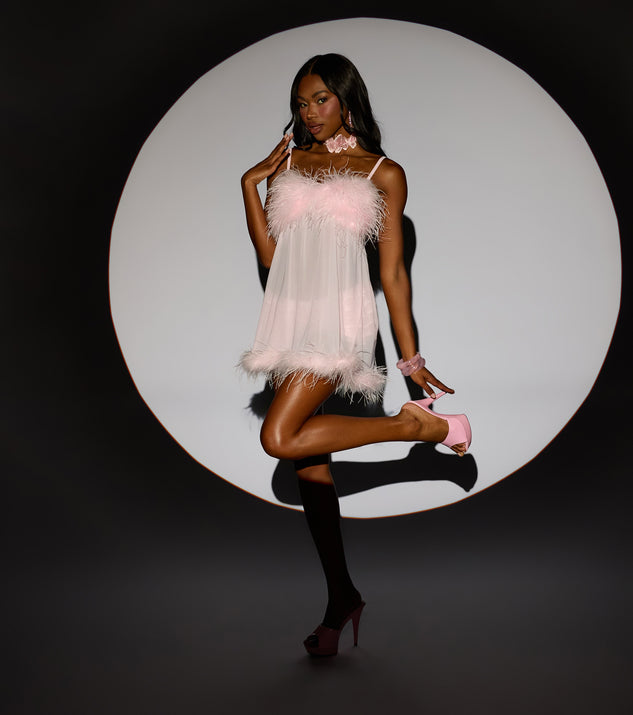
Windsor Feminine Flirt Feather Trim Babydoll Dress Give your robot costume a softer spin with a playful, futuristic edge. The babydoll dress combines a sheer look with feather trim and a flirty pink finish that keeps the costume direction on theme and commands attention.
Writeups and reviews are our personal opinions. Follow through to the merchants site for more details.
Final Thoughts
Mixing feminine and edgy clothing is about creating contrast between softness and structure.
Use lace, florals, satin, ruffles and flowing silhouettes for the feminine side. Add leather, denim, tailoring, hardware, strong footwear or darker colours for edge.
Begin with one dominant style and introduce the other through a jacket, shoe, bag or accessory. A floral dress with boots, a lace blouse with leather-look trousers or a satin skirt with a graphic T-shirt can all create the right balance.
Avoid adding every romantic and rebellious detail at once. One strong contrast often has more impact than a heavily themed outfit.
When the proportions, colours and textures work together, feminine and edgy clothing can create a look that feels confident, modern and completely individual.
Windsor Feminine Flirt Feather Trim Babydoll Dress Give your robot costume a softer spin with a playful, futuristic edge. The babydoll dress combines a sheer look with feather trim and a flirty pink finish that keeps the costume direction on theme and commands attention.
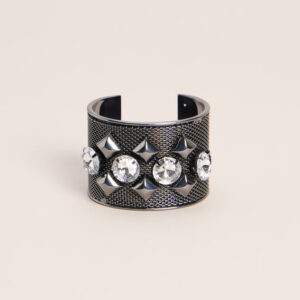
Windsor Edgy Sparkle Cuff Bracelet Adorn your wrist with this cuff bracelet for some edgy sparkle. With statement rhinestones and studded embellishments, this bracelet will finish your look for concerts or night-out plans.
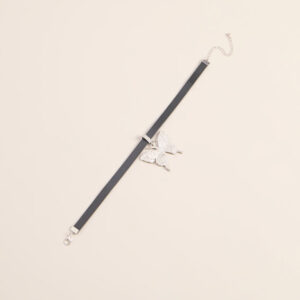
Windsor Edgy Shine Rhinestone Butterfly Choker Necklace A little edge, a lot of shine. This rhinestone butterfly choker necklace balances a sleek faux leather band with a sparkling charm for the kind of detail that pulls the whole look together.
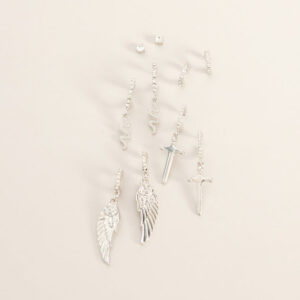
Windsor Edgy Babe Five-Pack Earrings Set Your jewelry stack just found its favorite plus one. This five-pack earrings set mixes crosses, wings, snake, and sparkling rhinestone details for endless styling combos that feel equal parts edgy and elevated.
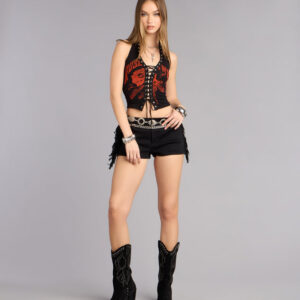
Windsor Edgy Attitude Rose Graphic Tank Top Windsor Edgy Attitude Rose Graphic Tank Top: Sleeveless V-neckline; Grommet trim, lace-up front design with tie closure; Halter strap, partially open back.
Writeups and reviews are our personal opinions. Follow through to the merchants site for more details.
Romantic fashion is soft, expressive and feminine, but it does not have to look overly sweet, old-fashioned or costume-like. It draws inspiration from delicate fabrics, flowing silhouettes, floral prints, lace, ruffles, soft colours and graceful details.
The style can be subtle or dramatic. A romantic outfit might be as simple as a floral blouse with jeans, or as elaborate as a lace-trimmed maxi dress with delicate jewellery and elegant heels.
Worth a look
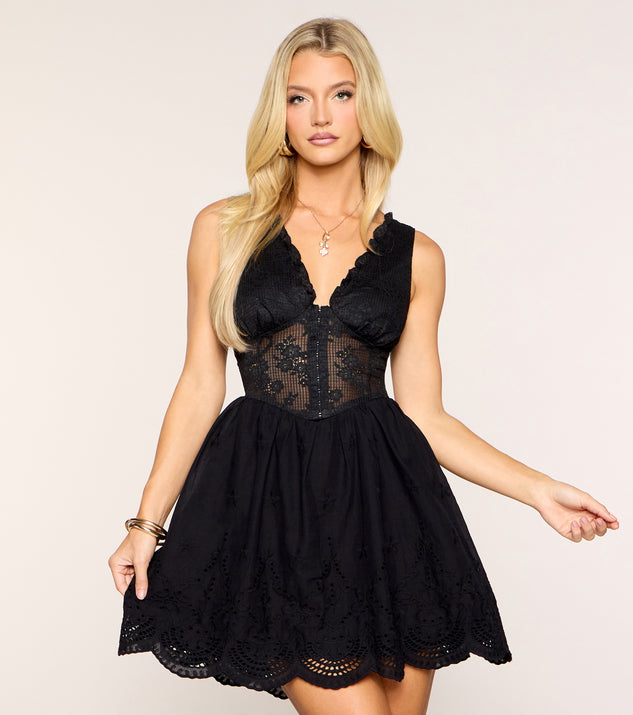
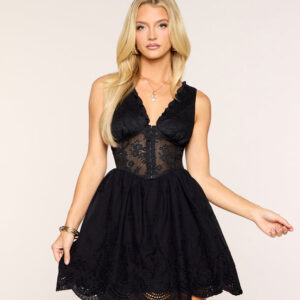
Windsor Romantic Eyelet Lace Skater Mini Dress Romantic details make this dress feel polished. The lace bodice and embroidered eyelet skirt create rich texture, while the scalloped hem adds a delicate finish. It’s an easy pick for brunches, showers, and daytime celebrations.
Writeups and reviews are our personal opinions. Follow through to the merchants site for more details.
The key to wearing romantic fashion well is balance. Soft pieces often look most modern when combined with clean tailoring, simple accessories or stronger textures such as denim and leather.
What Is Romantic Fashion?
Romantic fashion is a style based on softness, movement and decorative detail.
Common romantic elements include:
Floral prints
Lace
Ruffles
Chiffon
Satin
Velvet
Sheer sleeves
Puff sleeves
Sweetheart necklines
Flowing skirts
Defined waists
Delicate jewellery
Pastel and jewel-toned colours
Romantic style often highlights the neckline, waist, shoulders or movement of the skirt rather than relying on a very tight or revealing silhouette.
Romantic Style Does Not Have to Be Overly Feminine
Romantic fashion can be interpreted in many ways. It does not require pink dresses, bows or head-to-toe lace.
A black velvet dress, a burgundy satin blouse or a dark floral skirt can all feel romantic.
Wear a plain satin midi dress with simple heels, a clean handbag and one statement ring.
Bohemian Romantic Outfit
Style a flowing floral maxi dress with ankle boots, a suede bag and restrained jewellery.
Classic Romantic Outfit
Wear an A-line dress with pointed pumps, pearl earrings and a structured top-handle bag.
A Simple Romantic Styling Formula
Use this method to create a balanced romantic outfit:
Choose one romantic focal piece.
Add a simple or structured second piece.
Use two or three coordinated colours.
Select practical footwear for the occasion.
Carry a compact handbag.
Choose one main jewellery feature.
Add denim, leather or tailoring if the outfit feels too sweet.
Check the fit, lining and comfort before leaving home.
Romantic fashion looks most modern when softness is balanced with confidence, structure and a clear sense of personal style.
Worth a look
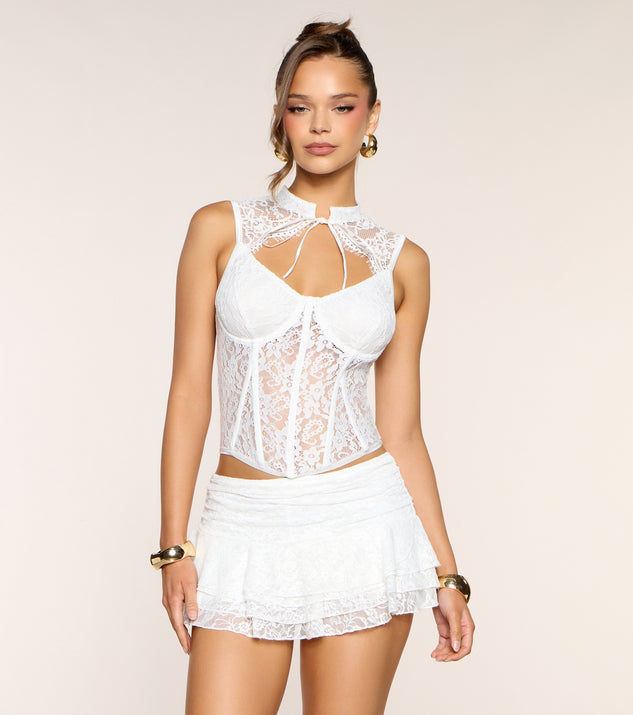
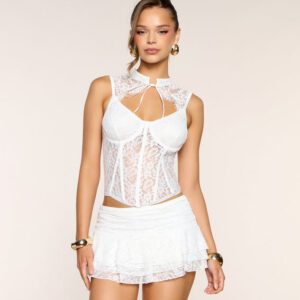
Windsor Romantic Keyhole Lace Bustier Top Windsor Romantic Keyhole Lace Bustier Top: Keyhole neckline with tie-neck detail; Sheer floral lace fabric, bust lining; Defined cups.
Writeups and reviews are our personal opinions. Follow through to the merchants site for more details.
Final Thoughts
Romantic fashion is built around softness, movement, texture and expressive detail. It may include floral prints, lace, satin, puff sleeves, defined waists and flowing skirts.
The style can be delicate, dramatic, dark, modern or casual. It does not need to rely on pastel colours or highly feminine accessories.
Choose one or two romantic elements and balance them with simple clothing, clean footwear or structured accessories. Denim, leather, tailoring and minimal jewellery can make romantic pieces easier to wear every day.
Whether you prefer a floral blouse, velvet dress, satin skirt or lace-trimmed top, the most successful romantic outfit is one that feels graceful without becoming impractical or costume-like.
Romantic fashion should express warmth, confidence and individuality rather than a fixed idea of femininity.
Worth a look
Windsor Romantic Eyelet Lace Skater Mini Dress Romantic details make this dress feel polished. The lace bodice and embroidered eyelet skirt create rich texture, while the scalloped hem adds a delicate finish. It’s an easy pick for brunches, showers, and daytime celebrations.
Windsor Romantic Keyhole Lace Bustier Top Windsor Romantic Keyhole Lace Bustier Top: Keyhole neckline with tie-neck detail; Sheer floral lace fabric, bust lining; Defined cups.
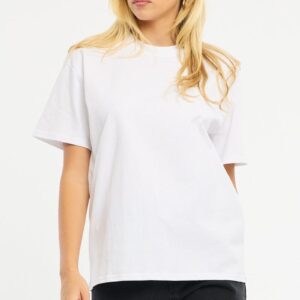
Ally Fashion White Oversized Short Sleeve T-Shirt: A… Ally Fashion White Oversized Short Sleeve T-Shirt: A Relaxed Basic You Will Wear on Repeat: cotton jersey; White Oversized Short Sleeve T-Shirt; crew neck neckline.
Writeups and reviews are our personal opinions. Follow through to the merchants site for more details.
Bohemian clothing is known for flowing silhouettes, earthy colours, natural fabrics, embroidery, layered jewellery and an effortless sense of individuality. At its best, bohemian style looks relaxed, creative and personal.
However, when too many traditional bohemian elements are worn together, the result can begin to look theatrical. Fringed bags, embroidered maxi dresses, floppy hats, stacked bangles, suede boots and layered necklaces may all be attractive individually, but wearing every detail at once can make the outfit feel more like a costume than everyday fashion.
Writeups and reviews are our personal opinions. Follow through to the merchants site for more details.
The most stylish approach is to treat bohemian fashion as an influence rather than a complete uniform. Choose one or two distinctive elements, then balance them with clean, modern clothing and practical accessories.
What Is Bohemian Fashion?
Bohemian fashion is a relaxed style influenced by artistic, folk, vintage and travel-inspired clothing. It often combines soft silhouettes, handcrafted details and natural textures.
Common bohemian elements include:
Flowing maxi dresses
Loose blouses
Wide-leg trousers
Embroidery
Crochet and lace
Fringe
Suede and leather
Earthy colours
Floral and paisley prints
Natural jewellery
Woven bags
Layered clothing
Bohemian style is usually informal and expressive. It values comfort, movement and individuality rather than strict tailoring or matching sets.
Why Bohemian Outfits Can Look Costume-Like
A bohemian outfit begins to look costume-like when every garment and accessory communicates the same theme too strongly.
For example, a paisley maxi dress worn with a fringed vest, wide-brimmed hat, suede boots, feather earrings and a tasselled bag may look as though it was assembled to represent a character rather than to suit an ordinary day.
Other reasons include:
Too many decorative details
Overly literal 1960s or 1970s styling
Several strong prints worn together
Excessive layering
Accessories that all feature fringe, beads or feathers
Loose clothing without any structure
Vintage hair and makeup combined with period clothing
The solution is not to remove every bohemian element. It is to create contrast.
Use Bohemian Style as an Accent
The easiest way to wear bohemian clothing naturally is to choose one statement piece.
Combine that piece with simple modern clothing. An embroidered blouse looks fresh with straight-leg jeans. A printed maxi skirt becomes more contemporary with a fitted T-shirt and clean leather sandals.
Follow the One-Statement-Piece Principle
When a bohemian item is highly detailed, let it dominate the outfit.
If you wear a colourful embroidered dress, choose plain shoes, simple jewellery and a clean handbag. If you carry a fringed suede bag, wear it with uncomplicated denim and knitwear.
This principle creates enough visual interest without allowing every part of the outfit to compete.
Mix Bohemian Pieces with Modern Basics
Modern basics provide structure and prevent bohemian clothing from appearing overly themed.
Useful pieces include:
Straight-leg jeans
Plain T-shirts
Tailored trousers
Minimal sneakers
Structured blazers
Simple knitwear
Leather ankle boots
Clean shoulder bags
Try pairing a romantic peasant blouse with black trousers, or wearing a long printed kimono over jeans and a fitted tank.
Choose Clean, Contemporary Footwear
Footwear can immediately modernise bohemian clothing.
Instead of always choosing fringed boots or highly decorated sandals, try:
White leather sneakers
Minimal ankle boots
Simple loafers
Plain strappy sandals
Pointed flats
Clean platform shoes
A flowing floral dress with modern sneakers feels relaxed and current. The same dress with heavily fringed boots, a floppy hat and multiple tassels may feel too literal.
Use Structured Accessories
Bohemian clothing is often soft and flowing, so a structured accessory can create useful contrast.
Consider adding:
A geometric handbag
A tailored blazer
A leather belt
A clean watch
Sculptural earrings
A polished coat
A structured handbag can make a loose maxi dress look more refined, while a blazer can give an embroidered blouse enough shape for smart-casual wear.
Balance Flowing Silhouettes
Bohemian clothing often uses loose shapes, but wearing several oversized pieces together can hide the body and remove definition.
Balance a loose top with:
Straight-leg jeans
Fitted trousers
A slim skirt
Tailored shorts
Balance a full skirt or wide-leg trousers with:
A fitted tank
A tucked blouse
A cropped knit
A structured bodysuit
You can also define a loose dress with a belt, although some designs look best when left flowing.
Use Waist Definition Carefully
A belt can prevent layered or voluminous clothing from overwhelming the figure.
Good options include:
A slim leather belt
A woven belt
A soft tie belt
A simple western-style belt
Avoid combining a very ornate belt with an already heavily embroidered or printed outfit. Choose one main decorative feature.
Choose a Controlled Colour Palette
Bohemian fashion often includes earthy and jewel-toned colours, but too many can make the outfit feel busy.
Build around two or three main shades.
Useful combinations include:
Cream, tan and olive
Rust, black and denim blue
Burgundy, blush and brown
White, camel and turquoise
Navy, mustard and cream
Chocolate, ivory and gold
If the main garment contains a colourful print, select accessories from colours already present in the pattern.
Bohemian Style Does Not Need to Be Brown
Bohemian fashion is often associated with rust, tan, olive and brown, but it can also include black, white, jewel tones and bright colours.
A black embroidered dress can look elegant and modern. A white cotton blouse with blue stitching can feel fresh rather than rustic.
Choose colours that suit your complexion and wardrobe instead of forcing an earthy palette that does not feel natural.
Be Selective with Prints
Prints are central to bohemian fashion, especially florals, paisley, geometric folk patterns and abstract designs.
To keep the look polished:
Use one strong print.
Pair prints with solid colours.
Choose modern print scales.
Avoid matching several folk-inspired patterns.
Repeat one print colour elsewhere in the outfit.
A printed maxi skirt looks balanced with a plain shirt. A paisley blouse works with denim or neutral trousers.
Can You Mix Bohemian Prints?
Print mixing can work, but it creates a stronger maximalist effect.
Use a shared colour palette and vary the size of the patterns. A small floral blouse may work with a larger striped skirt if the colours connect.
For everyday bohemian style, one print is usually easier and more refined.
Use Embroidery in Moderation
Embroidery adds handcrafted detail and is one of the most recognisable bohemian features.
Wear embroidered pieces with simple clothing such as:
Dark denim
White trousers
Plain skirts
Neutral shorts
Minimal jackets
If the embroidery is colourful or covers most of the garment, avoid adding embroidered shoes, bags and jewellery as well.
How to Wear Crochet Without Looking Like Festival Costume
Crochet can feel relaxed and summery, but full crochet outfits may appear overly themed.
Try:
A crochet top with tailored trousers
A crochet cardigan over a plain dress
A crochet skirt with a simple tank
A crochet bag with minimalist clothing
Choose quality-looking crochet with good structure and lining where necessary.
How to Wear Fringe
Fringe creates movement and can add personality to jackets, bags, boots and skirts.
Use one fringed item at a time.
A fringed suede bag can transform jeans and a plain knit. A fringed jacket may look stylish over a simple dress or monochrome outfit.
Wearing fringe on the jacket, boots and bag at once may look more like a western costume.
How to Wear Lace
Lace can contribute to a romantic bohemian look, particularly in blouses, dresses and trim details.
Modernise lace with:
Denim
Leather jackets
Tailored trousers
Simple boots
Structured handbags
A lace blouse with straight jeans feels more current than a full lace outfit with ornate accessories.
How to Wear Suede
Suede naturally complements bohemian clothing, but it should be used selectively.
Writeups and reviews are our personal opinions. Follow through to the merchants site for more details.
Final Thoughts
Bohemian clothing can look relaxed, stylish and individual without becoming costume-like. The key is to use bohemian details selectively and balance them with modern shapes, structured accessories and practical footwear.
Choose one statement piece, such as an embroidered blouse, flowing dress, suede jacket or printed skirt. Keep the remaining clothing relatively simple and connect the outfit through colour and proportion.
Avoid wearing every expected bohemian element at once. Fringe, crochet, folk prints, wide-brimmed hats and layered jewellery are most effective when they are given space.
Bohemian style should feel personal rather than prescribed. Whether your wardrobe is classic, minimalist, romantic or edgy, selected bohemian details can add movement, texture and individuality without making the outfit look like a costume.
A classic personal style is polished, dependable and designed to last beyond a single fashion season. It is built around well-fitting clothing, balanced proportions, versatile colours and garments that can be worn repeatedly in different combinations.
Classic style does not mean dressing conservatively, wearing only neutral colours or avoiding modern fashion. It means choosing pieces with lasting appeal and styling them in a way that feels refined, practical and recognisably yours.
Writeups and reviews are our personal opinions. Follow through to the merchants site for more details.
The most successful classic wardrobes are not copied directly from a list of supposed essentials. They reflect the wearer’s lifestyle, climate, body proportions and personality. A classic wardrobe for someone working in an office will look different from one designed for travel, retirement, creative work or a warm coastal climate.
What Is Classic Personal Style?
Classic personal style focuses on clothing that remains useful and attractive even when trends change.
It often includes:
Clean silhouettes
Balanced proportions
Quality-looking fabrics
Simple tailoring
Coordinated colours
Limited embellishment
Practical footwear
Refined accessories
A classic outfit may be as simple as straight-leg jeans, a white shirt, loafers and a blazer. It may also include a wrap dress, tailored trousers, a trench coat or a structured handbag.
The pieces themselves are often straightforward, but the fit, fabric and styling make the outfit look intentional.
Classic Style Is Not the Same as Old-Fashioned Style
Classic clothing can appear traditional, but it should not look trapped in another era.
The difference usually comes from proportion and styling. A navy blazer may be timeless, but the cut of the shoulders, sleeve length and trouser shape can make it look either current or dated.
Classic dressers can update their wardrobes through:
The foundation remains dependable while selected details keep the outfit relevant.
Classic Style Is Not the Same as Minimalism
Classic and minimalist fashion share several qualities, including clean lines, versatility and restrained decoration. However, they are not identical.
Minimalist style often reduces clothing to its simplest form. Classic style may include more traditional elements such as:
Pearls
Striped shirts
Trench coats
Tailored jackets
Loafers
Structured dresses
Timeless prints
A classic wardrobe can also include colour, pattern and decorative details, provided they remain balanced and easy to wear.
Begin with Your Real Lifestyle
A classic personal style should work for your daily life rather than an imaginary version of it.
Consider how much time you spend:
At work
At home
Socialising
Travelling
Walking or commuting
Attending formal events
Living in hot, cold or changing weather
If most of your week is casual, you may need more polished jeans, knitwear, sneakers and relaxed jackets than formal suits.
If you regularly attend professional or social events, dresses, tailored trousers and refined footwear may deserve more space in your wardrobe.
Choose Three Classic Style Words
Choose three words that describe how you want your classic style to feel.
Possible words include:
Polished
Relaxed
Elegant
Modern
Feminine
Practical
Refined
Confident
Soft
Structured
Examples might include:
Classic, relaxed and modern
Elegant, feminine and practical
Polished, comfortable and understated
Structured, confident and contemporary
These words help prevent classic style from becoming generic. They also provide direction when shopping or creating outfits.
Build Around Reliable Silhouettes
Classic style becomes easier when you identify the shapes that consistently suit you.
Dependable silhouettes may include:
Straight-leg trousers with a fitted knit
Wide-leg pants with a tucked shirt
A wrap dress with a defined waist
A blazer over jeans and a T-shirt
An A-line skirt with a blouse
A column dress with simple accessories
A trench coat over a monochrome outfit
You do not need to wear the same shape every day. Two or three dependable silhouettes will give the wardrobe consistency while allowing variety.
Fit Is More Important Than Brand or Price
Classic clothing relies heavily on fit because the garments are often simple. There are fewer patterns, ruffles or embellishments to distract from poor proportions.
Check:
Shoulder placement
Sleeve length
Waist position
Trouser rise
Hem length
Button placement
Neckline security
Movement while sitting and walking
An affordable blazer that fits well will usually look better than an expensive one with incorrect shoulders or sleeves.
Professional alterations can make a major difference to trousers, jackets, skirts and dresses.
Choose a Practical Colour Palette
A classic wardrobe usually contains a group of colours that work together easily.
The jacket should sit properly across the shoulders and allow comfortable movement.
Wear it with jeans, dresses, trousers, skirts or shorts. A slightly relaxed blazer often feels more modern than a very stiff corporate shape.
Find Dependable Trousers
Classic trousers should be comfortable, well fitted and easy to coordinate.
Useful shapes include:
Straight-leg trousers
Wide-leg pants
Cigarette pants
Ponte flare pants
Bootcut trousers
Cropped tailored pants
Choose the shape that works best with your proportions and preferred footwear.
Black, navy, camel, grey and brown are versatile, but coloured trousers can also become a signature piece.
Choose Jeans with a Clean Shape
Denim can be part of a classic wardrobe when the wash, fit and styling are carefully considered.
Dependable options include:
Straight-leg jeans
Dark-wash jeans
Bootcut jeans
Wide-leg denim
Clean white jeans
Heavy distressing and extreme washes may feel more trend-driven, although they can still be included if they suit your style.
Wear jeans with shirts, blazers, knitwear, loafers, boots or clean sneakers.
Classic Dresses
Dresses can simplify classic dressing because they create a complete outfit with one garment.
Useful silhouettes include:
Wrap dresses
Shirt dresses
A-line dresses
Fit-and-flare dresses
Column dresses
Knit dresses
Simple midi dresses
A classic dress should feel secure, move comfortably and work with several footwear options.
Choose solid colours, restrained prints or fabrics with lasting appeal.
The Little Black Dress
A black dress remains useful because it can be adapted for work, dinners, parties and formal occasions.
However, it does not need to be your only occasion dress.
Navy, burgundy, emerald, chocolate or deep plum can serve the same purpose.
Choose a shape that suits your lifestyle. A black wrap dress may be more useful than a fitted cocktail mini, while a simple knit midi may work across several seasons.
Classic Skirts
Useful classic skirt shapes include:
A-line skirts
Pencil skirts
Pleated midis
Satin midi skirts
Denim skirts
Straight maxi skirts
Pair them with tucked shirts, fine knits, T-shirts and blazers.
The hem length should feel comfortable and work with your regular footwear.
Classic Knitwear
Knitwear adds softness, warmth and texture to a classic wardrobe.
Useful pieces include:
Crew-neck sweaters
V-neck knits
Turtlenecks
Fine-knit cardigans
Ribbed tops
Lightweight polo knits
Choose fabric that holds its shape and does not pill excessively.
Fine knits work well beneath blazers, while heavier sweaters pair naturally with jeans and tailored trousers.
Choose Classic Outerwear
Outerwear has a strong influence on personal style because it is often the first part of an outfit people see.
Choose fabrics that resist excessive wrinkling and allow comfortable movement throughout the day.
Classic Evening Style
Classic evening outfits rely on elegant fabric, strong silhouettes and restrained accessories.
Try:
A black or jewel-toned midi dress
A satin skirt with a fitted knit
Wide-leg trousers with a silk blouse
A velvet dress with simple heels
A tailored jumpsuit with statement earrings
Carry a compact bag and choose one main jewellery feature.
Classic Summer Style
Warm-weather classic dressing should be light, breathable and practical.
Useful pieces include:
Linen shirts
Tailored shorts
Lightweight trousers
Shirt dresses
Cotton skirts
Simple sandals
Woven handbags
White, navy, tan, pale blue and soft earthy colours create an easy summer palette.
Classic Winter Style
Winter classic style relies on layering and texture.
Combine:
A turtleneck
Tailored trousers
A long coat
Leather boots
A structured handbag
Use wool, leather, velvet, denim and knitwear to create depth.
Classic Style at Any Age
Classic style works at every age because it focuses on fit, quality and proportion rather than youth-specific trends.
There is no need to stop wearing:
Bright colours
Mini skirts
Sneakers
Statement jewellery
Leather jackets
Modern silhouettes
Adjust the styling according to your comfort, lifestyle and occasion rather than following rigid age rules.
Classic Style for Petite Figures
Petite figures may benefit from controlled proportions and precise hemming.
Useful options include:
High-waisted trousers
Cropped jackets
Monochrome outfits
Defined waists
Pointed footwear
Smaller-scale accessories
These are tools rather than rules. A well-fitted oversized blazer or maxi dress can also work beautifully.
Classic Style for Curvy Figures
Wrap dresses, tailored jackets, defined waists and structured fabrics can complement curves.
Choose clothing that skims rather than pulls and pay particular attention to bust, waist and hip fit.
Avoid hiding the body beneath oversized clothing unless that is the silhouette you genuinely enjoy.
Classic Style for Pear-Shaped Figures
A-line skirts, wide-leg trousers and structured shoulders can create balance.
Interesting necklines, scarves and jewellery can draw attention upward.
The most important consideration is a smooth fit through the waist and hips.
Classic Style for Apple-Shaped Figures
V-necklines, open jackets, straight trousers and softly shaped dresses can create long vertical lines.
Choose waist definition only where it feels comfortable. Classic style does not require a tightly belted silhouette.
Classic Style for Straight Figures
Belts, pleats, shaped jackets and fit-and-flare dresses can add definition and movement.
Strong tailoring and monochrome outfits can also complement a straighter frame.
Mix Classic and Modern Pieces
A classic wardrobe should not consist only of traditional clothing.
Modernise it with:
Chunky loafers
Retro sneakers
A relaxed blazer
Wide-leg jeans
A metallic skirt
Sculptural jewellery
A contemporary handbag
Choose one modern element and combine it with dependable classic pieces.
Mix Classic and Vintage Clothing
Vintage clothing can add character to a classic wardrobe.
Try:
A vintage brooch on a blazer
A silk scarf with a modern trench
An old leather handbag with tailored trousers
A vintage blouse with straight-leg jeans
A retro coat over monochrome clothing
Use modern footwear and simple styling to prevent the outfit from feeling costume-like.
Use Trends Selectively
A classic dresser can still enjoy trends.
Choose trends that connect naturally with your existing style.
For example:
Try a new trouser shape in a familiar colour.
Add a fashionable handbag silhouette.
Wear a metallic skirt with a classic knit.
Experiment with updated sneakers.
Choose a modern sleeve or neckline.
The trend should support your wardrobe rather than require an entirely new one.
Quality Does Not Always Mean Expensive
Quality should be judged by how the garment performs, not only by the label or price.
Look for:
Secure seams
Even stitching
Fabric that holds its shape
Functional buttons and zips
Comfortable lining
Good drape
Practical care requirements
An affordable piece worn frequently may be more valuable than an expensive garment that is difficult to style.
Choose Fabrics That Suit Your Life
Classic style often benefits from fabrics that look polished and wear well.
Useful options include:
Cotton
Linen
Wool
Denim
Leather
Silk
Crepe
Ponte
Quality knit blends
Consider care requirements before buying. A wardrobe full of dry-clean-only clothing may be impractical.
Take Care of Your Clothing
Classic style depends on condition as much as design.
Maintain your wardrobe by:
Removing lint
Replacing missing buttons
Repairing hems
Polishing leather shoes
Storing knitwear correctly
Following care labels
Using padded hangers where needed
Rotating footwear
A well-maintained older garment often looks better than a newer piece that has been neglected.
Repeat Outfits
Classic personal style becomes recognisable through repetition.
Do not feel pressured to create a completely different outfit every day.
Repeat dependable combinations and change:
The shoes
The handbag
The jewellery
The outer layer
The colour palette
The scarf or belt
Consistency is one of the foundations of personal style.
Photograph Successful Outfits
Take photographs of outfits that feel comfortable and polished.
Review them to identify:
Your best jacket lengths
Preferred trouser shapes
Useful colour combinations
Successful shoe choices
Accessories you repeatedly enjoy
This creates a personal reference library and makes future dressing easier.
Shop More Selectively
Before buying a garment, ask:
Does it fit properly?
Does it suit my lifestyle?
Can I wear it with at least three existing pieces?
Does it match my style words?
Will I wear it within the next month?
Does the fabric suit my climate?
Is it comfortable while sitting and moving?
A classic wardrobe grows slowly through useful purchases rather than large, rushed shopping trips.
Avoid Buying an Entire “Classic Essentials” List
Many style guides recommend the same pieces for everyone, but no universal list can suit every lifestyle.
You may not need:
A trench coat
High heels
A pencil skirt
A white shirt
A black dress
A formal suit
Choose the version of classic style that supports your actual routine.
How to Add Personality to Classic Style
Without personal details, classic clothing can sometimes feel predictable.
Add individuality through:
A signature colour
Animal-print accessories
Bold jewellery
Metallic shoes
An unusual handbag
Vintage pieces
Bright glasses frames
Distinctive outerwear
One memorable detail can make a simple outfit feel unmistakably yours.
How to Prevent Classic Style from Looking Dull
Use contrast and texture.
Try combining:
Silk with denim
Leather with knitwear
Velvet with tailoring
A metallic skirt with a plain shirt
Sneakers with a suit
A vintage brooch with a modern blazer
A classic wardrobe should feel stable, not lifeless.
Common Classic Style Mistakes
Buying a standard essentials list without considering lifestyle
Assuming classic style requires only neutral colours
Wearing outdated proportions without updating them
Ignoring fit because the garment is expensive
Choosing stiff clothing that feels uncomfortable
Wearing every accessory in a traditional matching set
Avoiding trends completely
Confusing classic with conservative
Keeping worn or damaged basics
Buying formal clothing that is rarely used
Removing all personality from the wardrobe
Following restrictive age rules
Classic Personal Style Outfit Ideas
Polished Casual Outfit
Wear straight-leg jeans with a white or cream shirt, navy blazer, loafers and a structured handbag.
Modern Classic Outfit
Pair wide-leg trousers with a fitted knit, clean leather sneakers and a relaxed blazer.
Classic Office Outfit
Wear tailored trousers with a silk blouse, low block heels and a leather tote.
Classic Dress Outfit
Style a wrap midi dress with pointed flats, a simple pendant and a compact shoulder bag.
Classic Summer Outfit
Pair linen trousers with a sleeveless top, leather sandals and a woven handbag.
Classic Winter Outfit
Wear a turtleneck with dark trousers, ankle boots, a long coat and structured leather bag.
Classic Evening Outfit
Choose a black, navy or burgundy midi dress with elegant heels, statement earrings and a clutch.
Classic Weekend Outfit
Wear white jeans with a striped knit, sneakers and a tan crossbody bag.
Classic with a Bold Accent
Pair black trousers and a cream blouse with a red handbag or leopard-print shoes.
Classic with a Modern Edge
Wear a tailored blazer over a satin slip dress with ankle boots and sculptural jewellery.
A Simple Classic Style Formula
Use this method to build an easy, polished outfit:
Choose one dependable foundation piece.
Add a second garment with a clean silhouette.
Use two or three coordinated colours.
Add one structured element.
Select comfortable, polished footwear.
Carry a practical handbag.
Add one personal accessory.
Check the fit and condition of every piece.
Classic personal style is not created by copying a list of timeless clothes. It develops when dependable pieces, good fit and personal details work together consistently.
Worth a look
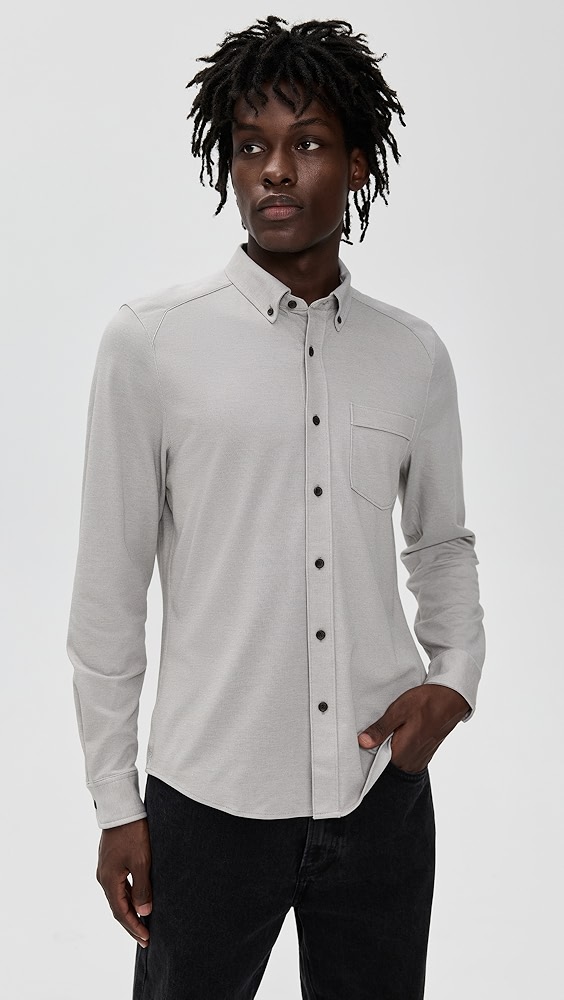
Rhone Effortless Oxford Button-Down Shirt – Classic Smart-Casual Style Rhone Effortless Oxford Button-Down Shirt – Classic Smart-Casual Style features Easy smart casual: Wear with chinos or dark jeans and clean leather sneakers, Relaxed layer: Leave it open over a plain tee with straight-leg trousers, Sharper finish: Tuck it into tailored trousers and add a belt with loafers...
Writeups and reviews are our personal opinions. Follow through to the merchants site for more details.
Final Thoughts
Creating a classic personal style begins with understanding your real lifestyle, preferred silhouettes and most useful colours.
Build around dependable clothing such as well-fitting trousers, shirts, knitwear, dresses, jackets and practical footwear. Choose pieces that can be worn repeatedly and combined easily.
Keep the wardrobe current through modern proportions, updated accessories and carefully selected trends. Add personality through colour, jewellery, vintage details, prints or a signature handbag.
Classic style should never feel like a costume or a strict uniform. It should make dressing easier while still allowing you to look distinctive and contemporary.
The strongest classic wardrobe is not the one with the most traditional pieces. It is the one that feels polished, comfortable and consistently connected to the person wearing it.
Worth a look
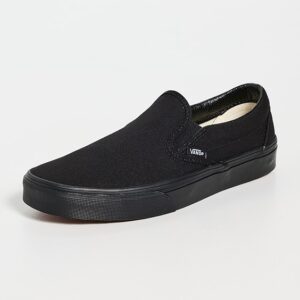
Vans Classic Slip On Sneakers – Classic Everyday Footwear Vans Classic Slip On Sneakers – Classic Everyday Footwear features Clear style identity: The easy slip-on sneaker profile gives an outfit a defined direction without requiring complicated layering, Flexible outfit balance: It can either support simple basics or provide contrast against smarter trousers...
Vans Classic Slip On Sneakers – Classic Everyday Footwear Vans Classic Slip On Sneakers – Classic Everyday Footwear features Clear style identity: The easy slip-on sneaker profile gives an outfit a defined direction without requiring complicated layering, Flexible outfit balance: It can either support simple basics or provide contrast against smarter trousers...
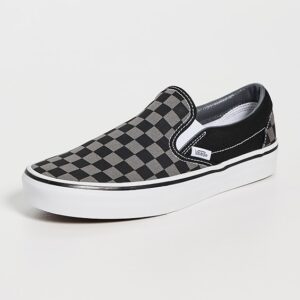
Vans Classic Slip On Unisex Sneakers – Classic… Vans Classic Slip On Unisex Sneakers – Classic Everyday Footwear features Everyday casual: Pair with straight-leg jeans, a quality tee and a lightweight jacket, Sport-inspired: Wear with relaxed track pants or shorts and a clean sweatshirt, Smart-casual contrast: Use tailored trousers and a knit polo or...
Vans Classic Slip On Unisex Sneakers – Classic… Vans Classic Slip On Unisex Sneakers – Classic Everyday Footwear features Everyday casual: Pair with straight-leg jeans, a quality tee and a lightweight jacket, Sport-inspired: Wear with relaxed track pants or shorts and a clean sweatshirt, Smart-casual contrast: Use tailored trousers and a knit polo or...
Combining vintage and modern clothing is one of the most effective ways to create a wardrobe that feels personal, distinctive and difficult to copy. Vintage pieces bring history, craftsmanship and character, while modern clothing adds comfort, practicality and a current silhouette.
The aim is not to dress as though you are wearing a costume from another decade. The most successful outfits take selected elements from the past and place them within a contemporary setting.
Writeups and reviews are our personal opinions. Follow through to the merchants site for more details.
A vintage blouse can look fresh with straight-leg jeans. A retro floral dress can be modernised with clean sneakers and a leather jacket. An old tailored blazer may become the strongest piece in an outfit when worn with a fitted T-shirt and contemporary trousers.
The secret is balance. Let one or two vintage pieces provide personality, then use modern clothing, footwear and accessories to keep the outfit relevant to the present.
What Is Vintage Clothing?
Vintage clothing generally refers to garments from an earlier period rather than newly manufactured clothing inspired by the past.
True vintage pieces may include:
Dresses
Blouses
Tailored jackets
Coats
Handbags
Jewellery
Scarves
Skirts
Denim
Footwear
Vintage clothing is valued for its design, fabric, construction, rarity or connection to a particular era.
The term is sometimes used loosely, so it is useful to distinguish between vintage, antique and vintage-inspired clothing.
Vintage, Antique and Vintage-Inspired Clothing
Vintage Clothing
Vintage clothing comes from a previous era and is old enough to have historical or stylistic significance.
Antique Clothing
Antique garments are considerably older and may be too delicate or valuable for ordinary wear.
Vintage-Inspired Clothing
Vintage-inspired clothing is newly made but uses details associated with an earlier period, such as 1950s waists, 1970s prints or 1980s shoulders.
Vintage-inspired garments can be easier to size, wash and wear, but they do not have the history of genuine vintage pieces.
Why Mix Vintage and Modern Clothing?
Wearing only current clothing can sometimes make an outfit feel predictable. Wearing only vintage pieces can create a costume-like effect if every detail belongs to the same era.
Combining the two provides contrast.
Benefits include:
Creating a more individual wardrobe
Making older garments easier to wear
Adding character to simple modern outfits
Reducing dependence on short-lived trends
Reusing well-made clothing
Experimenting with unusual fabrics and shapes
Developing a recognisable personal style
A modern foundation gives vintage clothing a practical setting, while the vintage piece prevents the outfit from feeling generic.
Start with One Vintage Statement Piece
The easiest way to combine eras is to choose one vintage garment or accessory as the focal point.
Keep the rest of the outfit relatively current and simple.
For example, wear a vintage embroidered blouse with modern jeans, ankle boots and a structured shoulder bag. The blouse provides the story, while the newer pieces keep the outfit grounded.
Avoid Recreating an Entire Decade
Wearing a vintage dress, matching hat, period handbag, retro shoes and era-specific hairstyle can make the outfit appear theatrical.
There is nothing wrong with historical dressing when that is the intention, but everyday vintage styling usually works better when different periods are mixed.
The contrast shows that the vintage element has been chosen rather than copied directly from the past.
Build the Outfit Around a Modern Base
Simple modern basics provide the easiest foundation for vintage clothing.
Useful pieces include:
Straight-leg jeans
Plain T-shirts
Tailored trousers
Simple knitwear
Clean sneakers
Minimal ankle boots
Slip dresses
Structured handbags
Modern blazers
Once the foundation is established, add one vintage feature.
A plain black top and tailored trousers can support a vintage necklace. Jeans and a white shirt can be transformed by an old leather bag or patterned scarf.
Choose a Shared Colour Palette
Colour is one of the easiest ways to make clothing from different periods feel connected.
Choose one or two colours from the vintage piece and repeat them in the modern clothing or accessories.
Tucking the blouse into a defined waistband helps control volume and gives the outfit a current shape.
If the blouse is highly decorated, keep jewellery and accessories minimal.
How to Style a Vintage Blazer
A well-made vintage blazer can become one of the most useful pieces in a modern wardrobe.
Wear it with:
A plain T-shirt and jeans
A fitted bodysuit and trousers
A slip dress
A mini skirt and boots
Shorts and loafers
A monochrome outfit
Oversized 1980s blazers can look especially current when worn with streamlined clothing underneath.
If the shoulders feel excessively wide or the sleeves are too long, professional alterations may improve the proportions.
How to Style Vintage Skirts
Vintage skirts may include full 1950s shapes, 1970s maxis, pleated midis or shorter tailored designs.
Balance them with modern tops.
Try:
A full vintage skirt with a fitted T-shirt
A pleated midi with a cropped knit
A retro mini with an oversized blazer
A printed maxi with a plain tank
A pencil skirt with a relaxed modern shirt
Sneakers, contemporary boots and simple sandals help bring the skirt into the present.
How to Style Vintage Trousers
High-waisted, wide-leg and flared vintage trousers can work beautifully in modern outfits.
Pair them with:
A fitted knit top
A bodysuit
A plain cropped shirt
A modern blazer
A simple tank
Hem length is important. Old trousers may have been designed for different footwear or proportions, so alterations can make them much more wearable.
How to Style Vintage Denim
Vintage denim often has a strong shape, substantial fabric and natural wear that can be difficult to reproduce.
Wear vintage jeans with:
A modern fitted top
A crisp white shirt
A cropped blazer
A sleek bodysuit
Contemporary sneakers
Pointed ankle boots
A vintage denim jacket can be worn over satin dresses, tailored trousers, knitwear or modern activewear.
How to Style Vintage Coats
Vintage outerwear can make even the simplest modern outfit look distinctive.
A tailored wool coat, trench, cape or faux-fur jacket can be worn over:
Jeans and a knit
A modern suit
A minimalist dress
Leather-look trousers
A monochrome outfit
A sweatshirt and sneakers
Check the lining, buttons, pockets and shoulder fit before buying. Old outerwear may require repairs, cleaning or minor alterations.
Use Vintage Accessories as an Entry Point
If you are uncertain about vintage clothing, begin with an accessory.
Easy options include:
A silk scarf
A brooch
A leather handbag
A belt
A pair of earrings
A pendant
A watch
Sunglasses
A vintage accessory can add history and individuality without changing the overall silhouette of the outfit.
How to Wear Vintage Jewellery
Vintage jewellery can provide detail and personality to simple modern clothing.
Try:
A brooch on an oversized blazer
Old clip-on earrings with a plain dress
A vintage pendant over a modern knit
A bold cocktail ring with minimalist tailoring
A pearl necklace with a T-shirt and jeans
Do not assume vintage jewellery must be worn formally. The contrast with casual clothing often makes it look more interesting.
How to Wear Vintage Scarves
A vintage scarf can be worn in many ways.
Tie it around the neck.
Attach it to a handbag.
Wear it as a headscarf.
Use it as a narrow belt.
Wrap it around a ponytail.
Layer it beneath a blazer collar.
A scarf is an easy way to introduce colour and print without committing to a full vintage garment.
Mix Old Fabrics with Modern Textures
Texture helps clothing from different periods work together.
Useful combinations include:
Vintage lace with modern leather
Old silk with contemporary denim
Velvet with clean tailoring
Tweed with sneakers
Beading with a plain knit
Suede with a modern cotton shirt
Contrast prevents the outfit from appearing too historically accurate.
Use Tailoring to Improve Vintage Fit
Vintage sizing can differ significantly from modern sizing. The number on the label may not correspond to current measurements.
Focus on the garment’s actual measurements and how it fits your body.
Useful alterations include:
Shortening sleeves
Adjusting hems
Taking in the waist
Replacing buttons
Repairing zips
Reshaping shoulders
Adding lining
Removing damaged embellishment
A modestly priced vintage garment with good alterations may look more impressive than an expensive piece that fits poorly.
Know Which Alterations Are Difficult
Some garments are harder to alter successfully.
Be cautious with:
Heavily beaded fabric
Complex lace
Structured corsetry
Fragile silk
Garments with unusual seam placement
Very small armholes
Shoulders that are much too narrow
Buy for the largest or most difficult area first. Waists and hems are often easier to change than shoulders and armholes.
Check Vintage Clothing Carefully Before Buying
Inspect the garment in good lighting.
Look for:
Stains
Fading
Moth damage
Loose seams
Missing buttons
Broken zips
Dry or cracked leather
Weak elastic
Damaged lining
Persistent odours
Some problems are easy to repair. Others may make the garment impractical or expensive to restore.
Consider Fabric Condition
Age alone does not determine quality. Some old fabrics remain strong, while others become fragile and tear easily.
Gently examine stress points such as:
Underarms
Waistbands
Side seams
Seat seams
Buttonholes
Shoulders
Hems
A beautiful garment is not useful if it cannot withstand ordinary wear.
Cleaning Vintage Clothing
Do not automatically wash vintage clothing in the same way as modern garments.
Old dyes, fibres and embellishments may react badly to water, heat or strong detergent.
Before cleaning:
Read any surviving care labels.
Identify the fabric if possible.
Test colourfastness in a hidden area.
Avoid harsh stain treatments.
Consult a specialist for valuable or delicate pieces.
Silk, velvet, beading, structured jackets and antique lace often require professional care.
How to Keep Vintage Outfits from Looking Like Costumes
Use these principles:
Wear only one or two strongly vintage pieces.
Add current footwear.
Choose modern hair and makeup.
Use a contemporary handbag.
Mix clothing from different decades.
Keep the colour palette controlled.
Avoid recreating every detail of one period.
Make sure the fit feels current.
A vintage garment should appear integrated into your wardrobe rather than separated from it.
Update Vintage Clothing with Modern Hair and Makeup
Hair and makeup can strongly influence whether an outfit looks contemporary or theatrical.
A vintage dress with a historically accurate hairstyle and makeup may appear costume-like. The same dress with natural makeup and a simple modern hairstyle can feel fresh.
Modern options include:
A sleek ponytail
Loose natural waves
A simple bun
Minimal makeup
A contemporary bold lip
Clean, understated nails
Mix Vintage with Minimalist Fashion
Minimalist clothing provides an ideal background for a strong vintage piece.
Try:
A vintage brooch on a plain black blazer
An old printed skirt with a white T-shirt
A beaded handbag with a simple column dress
A vintage coat over monochrome clothing
Retro earrings with a clean suit
The simplicity of the modern outfit allows the craftsmanship of the older piece to stand out.
Mix Vintage with Streetwear
Streetwear creates an unexpected contrast with traditional vintage garments.
Wear a retro floral dress with a leather jacket, chunky boots and a geometric shoulder bag.
Minimalist Outfit
Add a vintage brooch and old leather handbag to a monochrome modern suit.
Weekend Outfit
Pair vintage jeans with a fitted T-shirt, oversized modern blazer and platform sneakers.
Evening Outfit
Wear a vintage beaded top with contemporary wide-leg trousers, minimal heels and a simple clutch.
Summer Outfit
Style a vintage cotton dress with flat leather sandals, a modern woven bag and small hoop earrings.
Winter Outfit
Wear a vintage wool coat over a fitted knit, modern jeans and sleek ankle boots.
Wedding Guest Outfit
Pair a vintage midi dress with contemporary block heels, a clean clutch and understated jewellery.
A Simple Vintage-and-Modern Styling Formula
Use this method to create a balanced outfit:
Choose one vintage focal piece.
Add a simple modern foundation.
Connect the pieces through colour.
Use contemporary shoes or a handbag.
Keep hair and makeup current.
Check the fit and condition carefully.
Avoid recreating one decade from head to toe.
Make sure the outfit suits the occasion.
The best vintage outfits do not look trapped in the past. They use history to give modern clothing more personality, depth and individuality.
Worth a look
Shopbop - Designer Clothing, Shoes & Accessories Shopbop - Designer Clothing, Shoes & Accessories with merchant-derived product information and direct retailer access for current specifications, sizing and availability.
Writeups and reviews are our personal opinions. Follow through to the merchants site for more details.
Final Thoughts
Combining vintage and modern clothing allows you to create outfits that feel personal, expressive and less dependent on temporary trends.
Begin with one vintage garment or accessory and surround it with simple contemporary pieces. Modern footwear, current tailoring and clean accessories will help older clothing feel relevant.
Pay close attention to fit, fabric condition and care. Vintage sizing is inconsistent, and delicate garments may require repairs, alterations or specialist cleaning.
Avoid copying one historical period too precisely unless costume dressing is your intention. Mixing decades, textures and silhouettes creates a more natural and individual result.
Whether you wear a vintage blouse with jeans, an old blazer over a slip dress or a retro handbag with modern tailoring, the strongest outfits respect the past without allowing it to control the present.
Shopbop - Designer Clothing, Shoes & Accessories Now on sale Shopbop - Designer Clothing, Shoes & Accessories. Found on the secure and trusted website shopbop.com. Discover the latest apparel, activewear, shoes & accessories from established and emerging designers. Enjoy free two-day shipping and free returns.
Shopbop - Designer Clothing, Shoes & Accessories Now on sale Shopbop - Designer Clothing, Shoes & Accessories. Found on the secure and trusted website shopbop.com. Discover the latest apparel, activewear, shoes & accessories from established and emerging designers. Enjoy free two-day shipping and free returns.
Shopbop - Designer Clothing, Shoes & Accessories Now on sale Shopbop - Designer Clothing, Shoes & Accessories. Found on the secure and trusted website shopbop.com. Discover the latest apparel, activewear, shoes & accessories from established and emerging designers. Enjoy free two-day shipping and free returns.
Shopbop - Designer Clothing, Shoes & Accessories Now on sale Shopbop - Designer Clothing, Shoes & Accessories. Found on the secure and trusted website shopbop.com. Discover the latest apparel, activewear, shoes & accessories from established and emerging designers. Enjoy free two-day shipping and free returns.
Shopbop - Designer Clothing, Shoes & Accessories Now on sale Shopbop - Designer Clothing, Shoes & Accessories. Found on the secure and trusted website shopbop.com. Discover the latest apparel, activewear, shoes & accessories from established and emerging designers. Enjoy free two-day shipping and free returns.
Writeups and reviews are our personal opinions. Follow through to the merchants site for more details.
Your signature style is the recognisable combination of colours, silhouettes, fabrics and accessories that makes an outfit feel unmistakably yours. It is not a uniform that must be worn every day, and it does not require you to avoid trends or experimentation.
Instead, signature style provides a reliable foundation. It helps you understand which clothes make you feel confident, which purchases are genuinely useful and how to create outfits without beginning from nothing each morning.
Worth a look
Show Me Your Mumu Romey Top Show Me Your Mumu Romey Top: Fabric: Lightweight, non-stretch weave; Shell: 74% cotton/26% linen; Lining: 100% cotton.
Writeups and reviews are our personal opinions. Follow through to the merchants site for more details.
Some people are known for sharp tailoring, monochrome clothing or bold jewellery. Others repeatedly wear floral dresses, relaxed linen, colourful sneakers or structured handbags. Your signature may be subtle or dramatic, but it should reflect your personality, lifestyle and practical needs.
What Is a Signature Style?
A signature style is a collection of repeated fashion choices that create a consistent personal image.
It may include:
A preferred silhouette
A recognisable colour palette
A favourite type of footwear
A repeated accessory
A particular fabric or texture
A dependable outfit formula
A consistent level of formality
A distinctive mix of classic and fashionable pieces
For example, someone might regularly wear straight-leg jeans, crisp shirts, blazers and loafers. Another person may favour flowing midi dresses, ankle boots and statement earrings.
Both have a signature style because their choices create a recognisable pattern.
Why a Signature Style Is Useful
Developing a signature style can make dressing easier and more enjoyable.
It can help you:
Make quicker outfit decisions
Avoid unsuitable impulse purchases
Build a more coordinated wardrobe
Feel more confident in your clothing
Recognise which trends suit you
Spend money more carefully
Repeat successful outfits
Express your personality clearly
A signature style does not remove choice. It gives your choices direction.
Signature Style Is Not the Same as Wearing a Uniform
A uniform repeats almost the same garments every day. A signature style repeats certain ideas while allowing variety.
You might wear:
Tailored trousers one day and a blazer dress the next
White sneakers with jeans, skirts and dresses
Gold jewellery with many different outfits
Different shades within the same colour family
Several dress shapes that all define the waist
The clothing changes, but the overall mood remains recognisable.
Begin with Your Real Lifestyle
Your signature style should suit the life you actually live rather than an imagined version of it.
Consider how much time you spend:
At work
At home
Socialising
Travelling
Exercising
Attending formal events
Walking or commuting
Living in hot, cold or changing weather
If most of your week is casual, a wardrobe dominated by cocktail dresses and high heels will not be practical, even if you admire them.
You can still include glamorous pieces, but your signature style needs enough comfortable everyday clothing to support your routine.
Examine the Clothes You Already Wear
Your wardrobe probably already contains clues.
Look at the clothing you wear most often and ask:
Which pieces make me feel confident?
Which outfits receive the most compliments?
Which garments are comfortable all day?
Which colours do I repeatedly choose?
Which items are easiest to coordinate?
Which clothes do I miss when they are being washed?
Do not focus only on your most expensive or fashionable garments. The clothes you repeatedly choose often reveal your true preferences more accurately.
Identify Your Wardrobe Favourites
Select approximately ten pieces you genuinely enjoy wearing.
They might include:
A favourite blazer
Well-fitting jeans
A flattering dress
A comfortable pair of boots
A trusted handbag
A soft knit
A statement skirt
A crisp shirt
A favourite necklace
A practical coat
Place them together and look for similarities.
You may notice repeated colours, necklines, waistlines, fabrics or levels of structure. These details form the beginning of your signature style.
Study the Outfits You Avoid
The clothes you do not wear are equally informative.
Ask why certain garments remain untouched.
Common reasons include:
The fit is uncomfortable.
The colour does not feel flattering.
The fabric requires too much care.
The garment is difficult to coordinate.
The style feels too formal or too casual.
The neckline requires inconvenient underwear.
The shoes are painful.
The clothing does not suit your personality.
Understanding what does not work will help prevent similar purchases.
Choose Three Style Words
One useful way to define your style is to choose three words that describe how you want your clothing to look and feel.
Examples include:
Polished
Relaxed
Romantic
Modern
Playful
Minimalist
Bold
Classic
Edgy
Bohemian
Elegant
Practical
Your words should work together but do not need to be identical in mood.
For example:
Relaxed, polished and modern
Romantic, playful and feminine
Classic, practical and elegant
Bold, structured and artistic
Minimalist, comfortable and refined
Use these words when considering new clothing. A garment should usually connect with at least two of them.
Create a Personal Style Mood Board
A mood board can help turn vague preferences into a clear visual direction.
Collect images of:
Outfits you would realistically wear
Colours you repeatedly enjoy
Favourite shoe shapes
Interesting fabrics and textures
Handbags and jewellery
Hair and makeup ideas
Street style that feels achievable
You can use a digital board, saved photographs or printed images.
After collecting enough examples, look for repetition. If most images feature long coats, neutral trousers and sneakers, that pattern is more useful than one dramatic outfit you saved only because it looked impressive.
Separate Inspiration from Fantasy
It is normal to admire clothing that does not suit your lifestyle.
You may love dramatic ball gowns, theatrical boots or highly structured runway fashion without wanting to wear them regularly.
Ask:
Would I wear this in my ordinary week?
Would I feel comfortable leaving home in it?
Does it suit my climate?
Can I walk, sit and move in it?
Does it work with clothing I already own?
Inspiration becomes useful when it can be translated into realistic outfits.
A dramatic red gown may inspire you to add a red blouse, handbag or pair of shoes rather than buying formalwear you rarely use.
Find Your Best Silhouettes
Silhouette is the overall shape created by your clothing.
Try several proportions and notice which ones feel most natural.
You do not need to choose only one silhouette, but having two or three dependable shapes makes outfit building much easier.
Understand What Good Fit Means for You
Signature style depends on fit more than trends.
A garment should support the look you want without creating constant discomfort.
Check:
Shoulder placement
Sleeve length
Waist position
Rise and crotch fit
Trouser and dress hems
Neckline security
Movement while sitting and walking
Some people prefer clothing that follows the body, while others feel best in relaxed shapes. Neither is more stylish. The fit should look intentional and feel right for you.
Choose a Core Colour Palette
A consistent colour palette helps clothing work together, but it should not remove colours you enjoy.
Begin with a few dependable base colours, such as:
Then add signature colours that give the wardrobe personality.
These may include:
Red
Emerald
Cobalt blue
Burgundy
Pink
Lavender
Mustard
Turquoise
Your colours should make you feel energised and work with your existing clothing.
Your Signature Colour Does Not Need to Be Neutral
Some people are immediately associated with a bright colour. A red coat, green handbag or cobalt blouse can become part of a recognisable style.
A signature colour can appear in:
Outerwear
Footwear
Handbags
Jewellery
Prints
Scarves
Nail colour
Glasses frames
You do not need to wear it every day. Repeating it often enough creates continuity.
Decide How Much Print You Enjoy
Print can be central to a signature style or almost completely absent.
You may prefer:
Stripes
Florals
Checks
Polka dots
Animal prints
Abstract patterns
Geometric designs
If you enjoy prints, identify the ones you repeatedly choose. A wardrobe full of unrelated patterns may be difficult to coordinate, while recurring florals, stripes or leopard accents can become recognisable.
Use Texture to Create Identity
Texture can be as important as colour.
Repeated materials may include:
Velvet
Denim
Linen
Leather
Satin
Lace
Knitwear
Suede
Metallic fabric
A person who regularly combines denim, leather and cotton will create a different impression from someone who favours satin, lace and fine knits.
Texture adds personality even when the colour palette is simple.
Find Your Favourite Necklines
Necklines influence comfort, jewellery and the overall mood of an outfit.
You may repeatedly prefer:
V-necks
Square necklines
High necks
Off-the-shoulder styles
Sweetheart necklines
Halter necks
Cowl necklines
Classic shirt collars
Knowing which necklines feel secure and flattering will make shopping easier and reduce purchases that require difficult undergarments or constant adjustment.
Choose a Signature Accessory
An accessory is one of the easiest ways to make your style recognisable.
Possible signature accessories include:
Hoop earrings
A statement ring
A silk scarf
A structured handbag
A wide belt
Bold glasses
A watch
Layered necklaces
A brooch
A distinctive hat
The accessory should be something you genuinely enjoy wearing rather than an item chosen only to appear distinctive.
Choose Signature Footwear
Footwear strongly influences the personality of an outfit.
Tailored trousers, bodysuit and structured handbag
Outfit formulas remove much of the guesswork from dressing while still allowing colour, texture and accessories to change.
Photograph Successful Outfits
Photographs provide a more objective view than a quick glance in the mirror.
When an outfit works, take a photograph and record:
The garments worn
The footwear
The accessories
The occasion
How comfortable it felt
What you would change next time
After several weeks, patterns will become visible.
You may notice that your favourite outfits share similar waistlines, jacket lengths or colour combinations.
Keep a Style Diary
A simple style diary can help you understand your preferences more quickly.
Record which outfits made you feel:
Confident
Comfortable
Overdressed
Underprepared
Too restricted
More like yourself
This is especially useful when experimenting with new styles.
Repeat Outfits Without Apology
Repeating outfits is one of the fastest ways to develop a recognisable style.
Personal style is built through consistency, not constant novelty.
You can change a familiar outfit by switching:
The shoes
The handbag
The jacket
The jewellery
The belt
The colour combination
A reliable outfit deserves to be worn again.
Develop a Signature Style Without Buying More
You do not need an entirely new wardrobe.
Begin by reorganising what you already own.
Try:
Combining familiar pieces in new ways
Changing the proportions
Adding or removing a belt
Layering dresses over tops
Wearing dressy pieces casually
Repeating one accessory
Creating tonal outfits
Having useful garments altered
Clarity often comes from styling rather than shopping.
Shop with a Clear Purpose
Once you understand your style, shopping becomes more selective.
Before buying, ask:
Does this suit my lifestyle?
Does it work with at least three things I own?
Does it reflect my style words?
Is the fit correct?
Can I wear the required underwear and shoes comfortably?
Would I still like it without the trend surrounding it?
Will I realistically wear it within the next month?
A beautiful garment can still be the wrong purchase if it does not connect with your wardrobe.
Distinguish Between a Gap and a Distraction
A wardrobe gap is something practical that would improve several outfits. A distraction is a tempting item that creates no useful combinations.
A neutral blazer that completes multiple outfits may fill a gap. A dramatic top requiring special underwear, shoes and trousers may become a distraction.
This does not mean you should avoid statement pieces. It means they should be chosen intentionally.
Allow Trends to Support Your Style
You do not need to reject trends to maintain a signature style.
Select trends that already connect with your preferences.
For example:
If you love tailoring, try a new blazer shape.
If you wear sneakers, experiment with a retro style.
If you favour florals, choose a fashionable colour palette.
If you enjoy metallic clothing, add a current skirt silhouette.
If you wear denim often, try a new leg shape.
The trend should enter your style rather than replace it.
Do Not Copy Another Person Completely
Style inspiration is useful, but direct copying can feel unnatural.
A celebrity, friend or online creator may have a different lifestyle, climate, budget and body proportions.
Instead of copying the entire outfit, identify what attracts you.
It may be:
The colour combination
The layering
The accessories
The balance of fitted and loose pieces
The mixture of formal and casual clothing
Translate the idea into garments that suit you.
Use Alterations to Strengthen Your Style
Small tailoring adjustments can turn ordinary clothing into signature pieces.
Useful alterations include:
Shortening sleeves
Adjusting trouser hems
Taking in a waist
Changing buttons
Improving shoulder fit
Shortening straps
Removing unnecessary decoration
Well-fitting clothing creates a more consistent image than garments chosen only because they are fashionable.
Create a Recognisable Outerwear Style
Outerwear is often the first part of an outfit people see.
You may develop a signature through:
Long tailored coats
Leather jackets
Oversized blazers
Trench coats
Denim jackets
Colourful coats
Short cropped jackets
A distinctive coat or jacket can connect many different outfits.
Develop a Consistent Jewellery Approach
You might prefer delicate jewellery, strong sculptural pieces or layered combinations.
Consider whether you repeatedly choose:
Gold or silver
Mixed metals
Minimal chains
Statement earrings
Large rings
Pearls
Colourful stones
Consistency in scale and metal tone can make different outfits feel connected.
Consider Hair and Makeup
Signature style is not limited to clothing.
A repeated hairstyle, lipstick colour, glasses frame or nail colour can become part of your overall image.
This does not mean your appearance must remain unchanged. These details simply create continuity.
Signature Style for a Minimalist Wardrobe
Minimalist signature style often relies on fit, fabric and proportion.
Possible elements include:
Monochrome outfits
Clean tailoring
Simple leather sneakers
Structured handbags
Limited jewellery
Neutral colours
Strong outerwear
One unusual accessory or signature colour can prevent the wardrobe from feeling impersonal.
Signature Style for a Romantic Wardrobe
A romantic signature style may include:
Lace
Soft florals
Defined waists
Flowing skirts
Delicate jewellery
Pastel or jewel-toned colours
Sweetheart or square necklines
Modern accessories such as ankle boots, structured bags or blazers can prevent the look from becoming overly sweet.
Signature Style for a Classic Wardrobe
Classic style may be built around:
Tailored trousers
Blazers
White shirts
Trench coats
Loafers
Simple dresses
Leather handbags
Personalise the look through colour, jewellery, prints or an unexpected shoe.
Signature Style for a Bold Wardrobe
Bold style may use:
Bright colour combinations
Metallic fabrics
Animal prints
Statement jewellery
Strong shoulders
Platform footwear
Unusual handbags
Choose one or two repeated themes so bold pieces feel connected rather than random.
Signature Style for a Casual Wardrobe
Casual style can still be distinctive.
Your signature might include:
Straight-leg jeans
Graphic T-shirts
White sneakers
Oversized shirts
Denim jackets
Crossbody bags
Simple hoop earrings
Fit, colour and accessories prevent casual clothing from looking careless.
Signature Style for a Bohemian Wardrobe
A bohemian style may use:
Flowing dresses
Earthy colours
Embroidery
Suede boots
Natural jewellery
Woven handbags
Layered textures
Choose a few recurring elements rather than wearing every bohemian detail at once.
Signature Style at Any Age
Your style can continue developing throughout life.
There is no age at which you must stop wearing:
Bright colours
Mini skirts
Sneakers
Metallic clothing
Statement jewellery
Leather jackets
Fashionable silhouettes
Fit, comfort and personal relevance matter more than age-based rules.
Your signature style may become clearer with experience because you understand your preferences more confidently.
Allow Your Style to Change
A signature style should not trap you in the past.
Your lifestyle, body, work, climate and interests may change. Your clothing should be allowed to change with them.
Review your style when:
You begin a new job
You move to a different climate
Your daily routine changes
Your body changes
Your old clothes no longer feel comfortable
Your preferences begin to shift
Evolution does not mean you never had a signature style. It means your style remains relevant.
Common Mistakes When Developing a Signature Style
Buying an entirely new wardrobe too quickly
Copying someone else’s style exactly
Choosing style words that do not suit your lifestyle
Forcing yourself into one narrow fashion category
Ignoring comfort
Keeping clothing that no longer fits
Confusing expensive clothing with personal style
Following every trend
Avoiding outfit repetition
Choosing a signature accessory you do not enjoy wearing
Focusing only on appearance and ignoring practicality
Refusing to let your style evolve
Questions to Ask Before Buying Clothing
Does this feel like me?
Would I wear it next week?
Can I create at least three outfits with it?
Does it suit my preferred silhouette?
Does the colour work with my wardrobe?
Is it comfortable while sitting and moving?
Does it support my style words?
Am I buying it because I love it or because it is fashionable?
Signature Style Outfit Examples
Polished Casual
Wear straight-leg jeans with a fitted T-shirt, blazer, clean sneakers and a structured handbag.
Romantic Modern
Pair a floral midi dress with ankle boots, a leather jacket and delicate earrings.
Minimalist Evening
Wear a black column dress with sculptural jewellery, pointed heels and a simple clutch.
Bold Daywear
Style colourful trousers with a plain knit, metallic sneakers and a statement ring.
Pair tailored trousers with a white shirt, loafers, a trench coat and a leather tote.
Edgy Feminine
Wear a lace or tiered mini dress with chunky boots, an oversized blazer and a structured handbag.
Signature Metallic Look
Pair a metallic maxi skirt with a fitted black top, ankle boots and one bold ring.
A Simple Seven-Step Method
Use this process to begin defining your signature style:
List the activities that make up your real week.
Select ten favourite wardrobe pieces.
Choose three words that describe your ideal style.
Identify your best colours and silhouettes.
Create two or three repeatable outfit formulas.
Choose one signature accessory or footwear category.
Photograph your successful outfits and adjust over time.
Your signature style is not created by wearing the same outfit every day. It develops when your clothing repeatedly reflects your personality, priorities and way of life.
Writeups and reviews are our personal opinions. Follow through to the merchants site for more details.
Final Thoughts
Finding your signature style is a process of observation rather than reinvention. Begin with the clothes you already enjoy, the colours you repeatedly choose and the outfits that make you feel most confident.
Define a few guiding style words, identify your strongest silhouettes and create outfit formulas that suit your real routine.
Use trends selectively, repeat successful outfits and allow accessories, footwear and colour to create a recognisable personal image.
Your signature style does not need to fit perfectly into a label such as minimalist, classic or bohemian. It can combine several influences in a way that feels natural to you.
The goal is not to make every outfit identical. It is to create enough consistency that getting dressed feels easier and your clothing feels genuinely connected to who you are.
Worth a look
Windsor Signature Vibe Square Sunglasses Windsor Signature Vibe Square Sunglasses: Adjustable rubber nose pads for customized comfort; Rectangular metal frame; Sleek, slim silhouette.