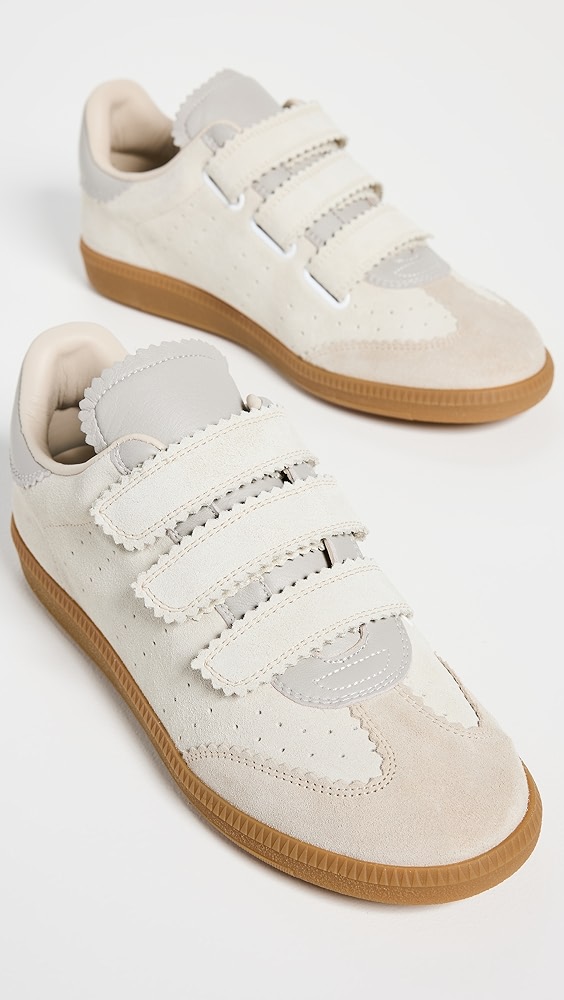
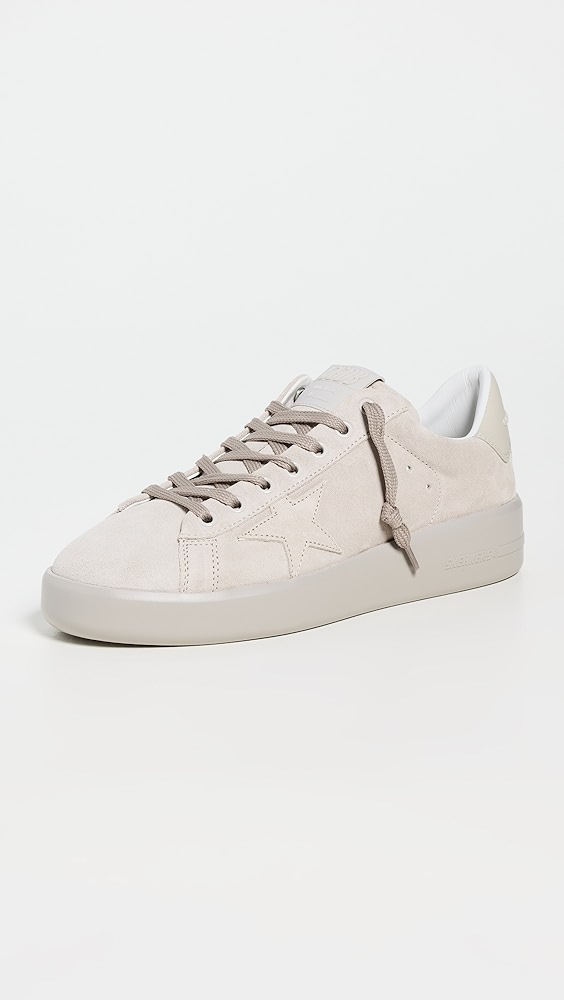
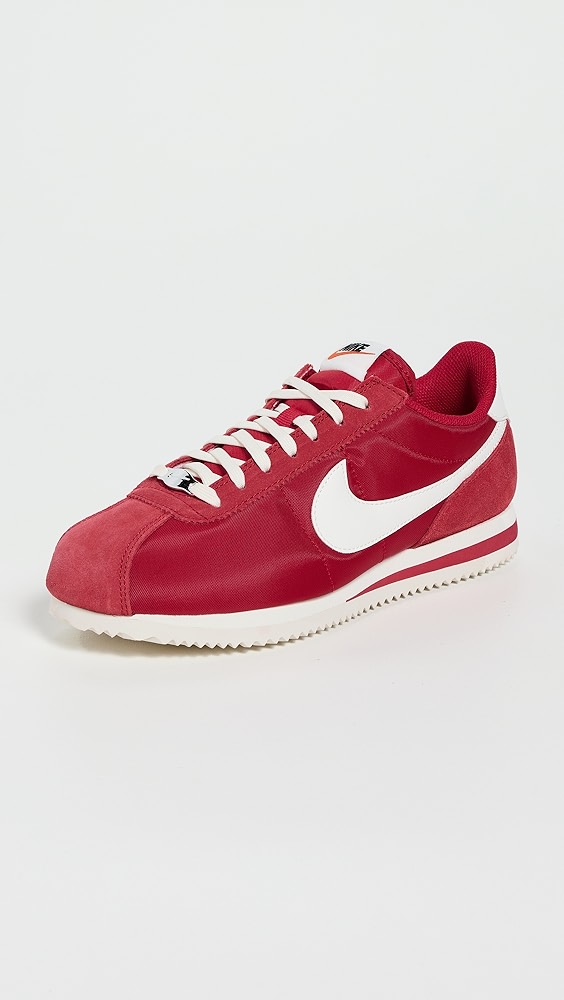
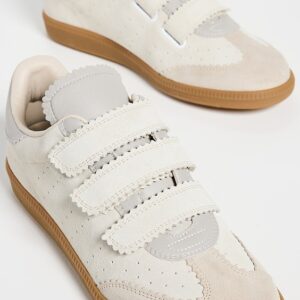
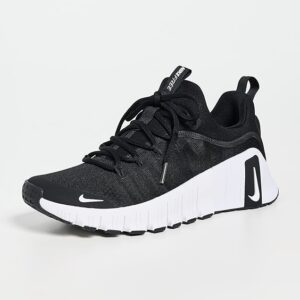
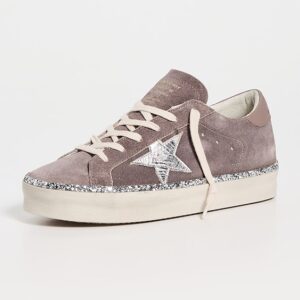
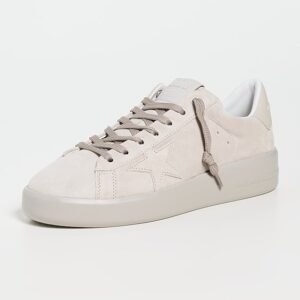
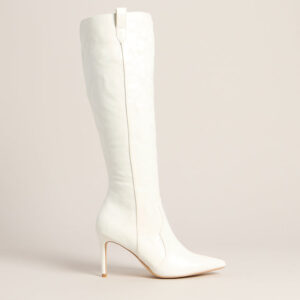
Sneakers are no longer reserved for exercise, sport or very casual weekends. They have become one of the most versatile footwear choices in modern fashion and are now worn with dresses, tailoring, skirts, denim and even polished office clothing.
The popularity of sneakers comes from their ability to combine comfort with style. A clean, well-chosen pair can make formal clothing feel more relaxed, give feminine pieces a modern edge and make everyday outfits practical without appearing careless.
Writeups and reviews are our personal opinions. Follow through to the merchants site for more details.
The key is selecting clothing that suits the shape, colour and weight of the sneakers. Slim, minimal sneakers create a different effect from chunky trainers, retro court shoes or athletic running styles.
Why Sneakers Work with So Many Clothing Styles
Sneakers provide contrast. They can soften tailored clothing, modernise traditional dresses and make fashionable outfits easier to wear throughout the day.
They also create a more relaxed mood without necessarily making the outfit look untidy. A tailored suit with sneakers still looks structured, while a floral dress with sneakers feels less formal and more practical.
The best sneaker outfits usually combine comfort with one or two polished elements, such as a blazer, structured handbag, neat hemline or quality fabric.
Jeans and Sneakers
Jeans are one of the easiest clothing items to wear with sneakers. Almost every denim shape can work, provided the hem and shoe proportions are balanced.
Straight-Leg Jeans
Straight-leg jeans look particularly good with low-profile leather sneakers, retro trainers and classic canvas styles.
The hem can sit just above the shoe or lightly touch the top. Avoid excessive bunching around the ankle, as this can make the outfit appear untidy.
Add a T-shirt, knit, blouse or blazer depending on how polished you want the outfit to look.
Skinny Jeans
Skinny jeans work well with both sleek and chunky sneakers. Because the jeans sit close to the leg, they allow the footwear to remain visible.
Balance the narrow silhouette with an oversized shirt, relaxed knit, trench coat or longer blazer.
Wide-Leg Jeans
Wide-leg jeans look modern with platform sneakers, chunky trainers and substantial retro styles.
The sneakers need enough visual weight to balance the wider trouser leg. Make sure the hem does not drag beneath the sole.
Wear a fitted or tucked top to define the waist and maintain proportion.
Cropped Jeans
Cropped jeans naturally draw attention to sneakers. They work well with low-top styles, slip-ons and clean leather trainers.
The hem should finish deliberately above the shoe rather than at an awkward point that makes the jeans look too short.
Bootcut Jeans
Bootcut jeans can also be worn with sneakers, particularly platform or slightly raised styles.
The hem should skim the top of the shoe without dragging. A fitted knit, blouse or simple jacket completes the outfit.
Trousers and Sneakers
Sneakers can make tailored and casual trousers feel more contemporary.
Tailored Trousers
Tailored trousers and sneakers create a polished smart-casual combination. Choose clean leather or minimalist sneakers rather than heavily athletic styles.
Wear them with a blouse, fitted knit, shirt or blazer. Cropped and ankle-length trousers are especially effective because they allow the footwear to remain visible.
Wide-Leg Trousers
Wide-leg trousers work well with platform, chunky and retro sneakers. The added sole height can help the fabric fall correctly.
Pair them with a tucked T-shirt, cropped knit, fitted blouse or structured jacket.
Cropped Trousers
Cropped trousers are ideal with sneakers because they create a clear visual break between the hem and footwear.
Choose a streamlined sneaker if you want a refined look or a chunkier style for stronger contrast.
Linen Trousers
Linen trousers and sneakers create a relaxed summer outfit. White, cream, beige and pale-grey sneakers complement the light texture of linen.
Add a fitted tank, linen shirt, lightweight knit or simple T-shirt.
Cargo Pants
Cargo pants naturally complement sneakers because both pieces have a practical, casual character.
Wear them with retro trainers, chunky sneakers or simple canvas shoes. Keep the top relatively fitted or structured to balance the pockets and volume.
Leggings and Sneakers
Leggings and sneakers are a natural pairing, but the rest of the outfit determines whether the result looks sporty, casual or polished.
For an active look, wear leggings with a fitted top, sweatshirt or lightweight jacket.
For everyday wear, add an oversized shirt, long knit, blazer or trench coat. A structured handbag can also make the outfit feel more intentional.
Running shoes suit exercise clothing, while minimalist leather sneakers usually look better with dressier layers.
Dresses and Sneakers
Sneakers can make dresses more comfortable, modern and suitable for daytime wear.
Midi Dresses
Midi dresses are among the easiest styles to wear with sneakers. Floral, knit, shirt and wrap dresses all work well.
Low-profile sneakers create a clean line, while chunky sneakers add a stronger fashion contrast.
Add a denim jacket, blazer, cardigan or crossbody bag to complete the look.
Maxi Dresses
Maxi dresses can be worn with sneakers when the hem allows enough room for walking.
Platform sneakers can provide extra height and prevent the fabric from dragging. Sleek white sneakers create a lighter, more understated effect.
A fitted jacket or belt can add structure to a flowing dress.
Mini Dresses
Mini dresses look youthful and relaxed with sneakers. Low-top, platform and retro styles all work well.
Choose a denim jacket, blazer or long coat to balance the shorter hemline.
Shirt Dresses
Shirt dresses naturally suit sneakers because they combine structure with ease.
Wear a belted shirt dress with leather sneakers for a polished look, or choose canvas sneakers for a more casual outfit.
Knit Dresses
Knit dresses and sneakers create a comfortable, streamlined outfit.
Fitted ribbed dresses look good with clean, minimal sneakers, while relaxed sweater dresses can support chunkier styles.
Add a crossbody bag, blazer, denim jacket or long coat depending on the season.
Floral Dresses
Sneakers prevent floral dresses from looking too formal or overly sweet.
White sneakers are especially useful because they brighten the outfit without competing with the print.
For a stronger contrast, wear a romantic floral dress with chunky or retro sneakers.
Slip Dresses
A satin slip dress can be made suitable for daytime with sneakers.
Add a T-shirt underneath, an oversized shirt, a denim jacket or a relaxed blazer. Minimal leather sneakers usually create the most balanced result.
Skirts and Sneakers
Sneakers work with almost every skirt length, from casual denim minis to flowing maxi styles.
Midi Skirts
Midi skirts and sneakers create a modern, practical outfit. Pleated, satin, floral and A-line skirts all work well.
Pair the skirt with a tucked T-shirt, fitted knit, blouse or cropped jacket.
Low-profile sneakers create a refined look, while chunky styles give the outfit more attitude.
Mini Skirts
Mini skirts look casual and youthful with sneakers.
Wear denim, pleated or A-line minis with canvas shoes, retro trainers or platform sneakers. Add a knit, shirt or blazer for balance.
Maxi Skirts
Maxi skirts pair well with sneakers when the hem does not catch beneath the sole.
Flowing skirts look attractive with simple leather or canvas sneakers, while denim and cargo-style maxi skirts can support chunkier footwear.
Denim Skirts
Denim skirts naturally complement sneakers. Mini, midi and maxi lengths can all work.
Wear them with a T-shirt, blouse, knit or oversized shirt. White, black and retro sneakers are especially easy to coordinate.
Satin Skirts
Satin skirts and sneakers create an appealing contrast between elegance and practicality.
Add a plain T-shirt, fitted knit or casual jacket. Keep the sneakers clean and streamlined so the outfit still looks polished.
Shorts and Sneakers
Shorts and sneakers are a practical warm-weather combination.
Denim Shorts
Denim shorts work with canvas shoes, low-top sneakers, platform styles and retro trainers.
Add a relaxed shirt, fitted tank, T-shirt or lightweight blazer.
Tailored Shorts
Tailored shorts can look polished with minimalist leather sneakers.
Wear them with a tucked blouse, button-up shirt or coordinated blazer for a modern summer outfit.
Bermuda Shorts
Bermuda shorts work well with sleek sneakers, loafers and retro trainers.
A fitted top or tucked shirt helps balance the longer, more structured shape.
Bike Shorts
Bike shorts naturally suit sporty sneakers, but they can also be styled with oversized shirts, blazers and leather trainers for a fashion-forward look.
Suits and Sneakers
Sneakers can make a suit feel more relaxed and contemporary without removing its structure.
Choose a clean, minimal pair in white, black, cream or another neutral colour. Avoid heavily worn athletic shoes unless the outfit is deliberately sporty.
Both trouser suits and skirt suits can work. A fitted T-shirt, tank or knit beneath the jacket helps maintain the relaxed mood.
Wide-leg suits may suit platform or substantial sneakers, while slim tailoring usually works best with low-profile styles.
Blazers and Sneakers
A blazer is one of the easiest ways to make sneakers look polished.
Writeups and reviews are our personal opinions. Follow through to the merchants site for more details.
T-Shirts and Sneakers
A T-shirt and sneakers are a natural combination, but the quality and fit of the clothing affect the final result.
Choose a T-shirt that holds its shape and pair it with neat jeans, tailored trousers, a midi skirt or shorts.
Add a blazer, structured handbag or polished outer layer when you want the outfit to appear more refined.
What to Wear with White Sneakers
White sneakers are among the most versatile footwear options. They work with almost every colour and clothing style.
Wear white sneakers with:
Blue or black jeans
Floral dresses
Tailored trousers
Midi skirts
Denim shorts
Neutral suits
Knit dresses
Wide-leg pants
Keep them clean because marks and yellowing are highly visible on white footwear.
What to Wear with Black Sneakers
Black sneakers create a slightly stronger and more practical look than white styles.
They work well with black trousers, dark denim, leggings, monochrome outfits, leather jackets and winter clothing.
Black sneakers can also ground bright prints and colourful dresses.
What to Wear with Colourful Sneakers
Colourful sneakers can become the focal point of an outfit.
Keep the clothing relatively simple, or repeat one shoe colour in the top, bag, jacket or print.
For example, red sneakers can be worn with jeans and a white shirt, while green sneakers can complement cream trousers and an olive jacket.
Avoid introducing too many unrelated bright colours unless you are deliberately creating a bold colour-blocked outfit.
What to Wear with Chunky Sneakers
Chunky sneakers have more visual weight and work best with clothing that balances their size.
Good options include:
Wide-leg jeans
Cargo pants
Oversized blazers
Mini skirts
Relaxed dresses
Leggings
Joggers
Chunky sneakers can look awkward with very delicate clothing unless the contrast is clearly intentional.
What to Wear with Minimalist Sneakers
Minimalist sneakers have simple lines, limited branding and a low-profile shape.
They work particularly well with:
Tailored trousers
Suits
Midi dresses
Shirt dresses
Satin skirts
Dark jeans
Office clothing
They are the best sneaker choice when you want comfort without creating a sporty appearance.
What to Wear with Retro Sneakers
Retro sneakers often feature coloured panels, gum soles or classic court and running silhouettes.
They look good with straight-leg jeans, pleated trousers, denim skirts, casual dresses and vintage-inspired clothing.
Keep the rest of the outfit relatively simple so the footwear can provide colour and character.
Can Sneakers Be Worn to Work?
Sneakers may be suitable for casual and modern workplaces, particularly when they are clean, understated and in good condition.
Wear them with tailored trousers, a blazer, shirt dress, midi skirt or structured knit dress.
Minimal leather styles usually look more professional than running shoes, heavily branded trainers or worn canvas sneakers.
Always consider the workplace dress code and whether you will be meeting clients or attending a formal meeting.
Can Sneakers Be Worn for Evening Outfits?
Sneakers can work for relaxed evening events, dinners and casual social occasions.
Pair clean leather sneakers with a satin skirt, dark jeans, tailored trousers, a slip dress or a modern suit.
Add statement jewellery, a structured handbag or a refined jacket to elevate the outfit.
For highly formal events, traditional heels, elegant flats or dress shoes may still be more appropriate.
Can Sneakers Be Worn with Formal Clothing?
Sneakers can soften formal clothing, but the combination works best when the event allows a modern or relaxed interpretation of the dress code.
A trouser suit, simple midi dress or tailored jumpsuit may work with minimalist sneakers.
Ball gowns, very traditional evening dresses and strict black-tie clothing generally require more formal footwear.
How to Make Sneakers Look More Polished
Keep the sneakers clean.
Replace frayed or dirty laces.
Choose clothing with a neat fit.
Add a blazer, trench coat or structured jacket.
Carry a polished handbag.
Use a coordinated colour palette.
Avoid overly long trouser hems.
Choose sleek sneakers for dressier outfits.
Keep other sporty elements limited.
Make sure the shoes suit the occasion.
Choosing Socks with Sneakers
Socks can affect the overall appearance of a sneaker outfit.
No-show socks create a clean look with cropped trousers, dresses and skirts. Ankle socks suit casual outfits, while visible crew socks can become part of a sporty or retro look.
White socks work well with white and colourful sneakers, while black socks create a continuous line with black footwear.
For a more polished appearance, coordinate the socks with the trousers or sneakers.
Choosing a Handbag with Sneakers
The handbag can help determine whether the outfit feels sporty, casual or polished.
Crossbody bags, backpacks, totes and belt bags suit casual sneaker outfits. Structured shoulder bags and leather totes make sneakers feel more refined.
A small top-handle bag can create an interesting contrast with chunky sneakers and relaxed clothing.
The handbag does not need to match the sneakers exactly, but the colours and level of formality should feel connected.
Common Sneaker Styling Mistakes
Wearing dirty or badly worn sneakers with polished clothing
Allowing trouser hems to drag beneath the shoes
Choosing very bulky sneakers with clothing that cannot balance them
Wearing performance running shoes with formal outfits without intention
Combining too many sporty pieces in one outfit
Ignoring the workplace or event dress code
Wearing socks that distract from an otherwise refined outfit
Choosing sneakers that are uncomfortable for long periods
Assuming white sneakers are suitable when they are visibly stained
Forgetting to coordinate the weight of the footwear with the clothing
Sneaker Outfit Ideas
Casual Weekend Outfit
Wear straight-leg jeans with a plain T-shirt, white sneakers and a crossbody bag.
Smart-Casual Outfit
Pair tailored trousers with a fitted knit, blazer and minimalist leather sneakers.
Feminine Outfit
Wear a floral midi dress with clean white sneakers and a denim jacket.
Modern Office Outfit
Style ankle-length trousers with a blouse, structured blazer and neutral sneakers.
Summer Outfit
Pair linen wide-leg pants with a tank top, woven bag and low-profile sneakers.
Winter Outfit
Wear dark jeans, a fine-knit sweater, long coat and black leather sneakers.
Evening Outfit
Combine a satin midi skirt with a fitted top, blazer and sleek white or black sneakers.
Travel Outfit
Wear comfortable trousers, a T-shirt, cardigan and supportive sneakers with a secure crossbody bag.
Streetwear Outfit
Pair cargo pants with a fitted top, oversized jacket and chunky sneakers.
Writeups and reviews are our personal opinions. Follow through to the merchants site for more details.
Monochrome Outfit
Wear clothing and sneakers in similar shades, such as black, cream, navy or grey, to create a long and coordinated line.
Sneakers complement almost every clothing style when the shape of the shoe, the proportions of the outfit and the level of formality are carefully balanced.
Final Thoughts
Sneakers have become popular because they offer comfort without limiting style. They can be worn with jeans, trousers, skirts, dresses, suits, shorts and knitwear.
For a polished look, choose clean sneakers with simple lines and combine them with structured or well-fitting clothing. For a bolder outfit, use chunky or colourful sneakers as the focal point.
The most successful sneaker outfits do not look as though comfort was the only consideration. They combine practical footwear with thoughtful proportions, coordinated colours and clothing that suits the occasion.
Whether worn with a floral dress, tailored trousers or everyday denim, sneakers can make an outfit feel modern, relaxed and easy to wear.
A statement ring and necklace can transform even the simplest outfit. These bold accessories draw attention, express personality and make everyday clothing feel more deliberate and stylish.
The challenge is wearing both pieces without allowing them to compete. A large ring and distinctive necklace can look beautifully coordinated when they share a colour, material or design mood. However, if both are extremely elaborate, the outfit may appear crowded.
Worth a look
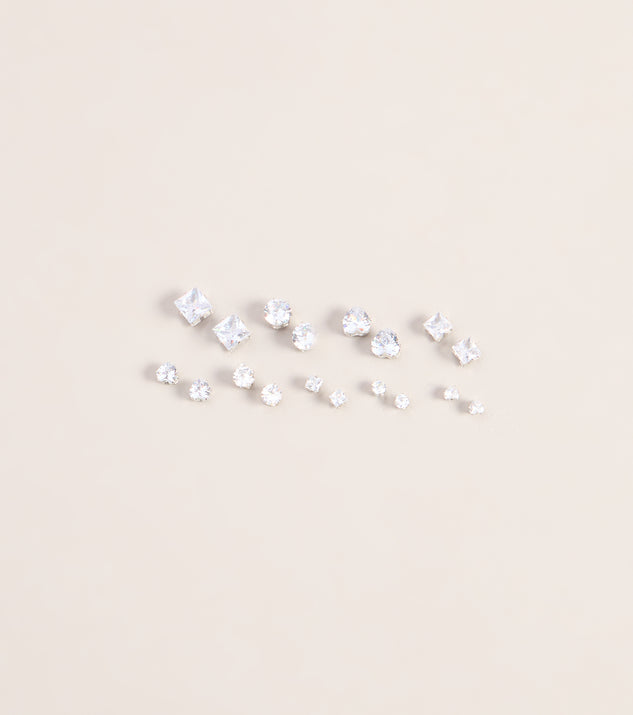
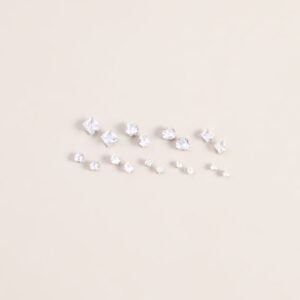
Windsor Nine To Shine Stud Earring Set Your jewelry rotation just got easier. This nine-pair stud earring set features classic round, square, and heart-shaped rhinestones in multiple sizes, so there's always the perfect pair for stacking, styling, or wearing solo.
Writeups and reviews are our personal opinions. Follow through to the merchants site for more details.
The key is balance. Decide which piece will be the main focal point, keep the clothing relatively restrained and use the second accessory to support the overall look.
What Is Statement Jewellery?
Statement jewellery is designed to attract attention. It may be larger, brighter, more detailed or more unusual than everyday jewellery.
A statement necklace might feature:
Large stones or crystals
Multiple chains
Bold geometric shapes
Colourful beads
Pearls in oversized or layered designs
Sculptural metalwork
Decorative pendants
A statement ring may include:
An oversized gemstone
A cocktail-ring design
A wide sculptural band
Multiple stones
Intricate metal detailing
A floral, animal or abstract shape
Statement jewellery does not need to be expensive. The impact comes from its shape, colour and relationship to the outfit.
Can You Wear a Statement Ring and Necklace Together?
A statement ring and necklace can be worn together, but they should feel connected rather than identical.
The easiest combinations share one or more features, such as:
The same metal tone
Related gemstone colours
A similar level of formality
Matching geometric or organic shapes
A shared vintage, modern or bohemian mood
For example, a bold turquoise necklace can work with a large silver ring, while a gold sculptural necklace can be paired with a wide gold cocktail ring.
The pieces do not need to come from the same jewellery set. Coordinated accessories often look more modern than perfectly matching pieces.
Choose One Main Focal Point
When wearing two bold accessories, choose which one will dominate.
If the necklace is large, colourful or highly detailed, select a statement ring with a simpler shape. If the ring features a large gemstone or dramatic sculptural design, wear a necklace with cleaner lines.
This creates visual hierarchy. The eye notices one main feature first, then discovers the supporting detail.
When both pieces demand equal attention, the outfit may feel visually confusing.
Keep the Clothing Simple
Statement jewellery is easiest to style with clothing that provides a clean background.
Plain dresses, simple blouses, fitted knitwear and monochrome outfits allow the accessories to stand out. Neutral colours such as black, white, cream, navy, grey and beige are especially effective.
A black dress can be transformed with a colourful necklace and gemstone ring, while a white shirt can provide a crisp background for gold or silver jewellery.
The clothing does not need to be boring. It simply should not contain so much pattern, texture and decoration that it competes with the jewellery.
Consider the Neckline
The neckline determines how well a statement necklace sits and how clearly it can be seen.
V-Necklines
V-neck tops and dresses work well with necklaces that follow the same downward shape. Pendants, layered chains and tapered designs create a harmonious line.
Crew Necklines
Crew-neck tops suit shorter statement necklaces that sit above or directly over the neckline. Collar necklaces, chunky chains and rounded designs work particularly well.
Scoop Necklines
Scoop necklines provide open space for curved necklaces, large pendants and beaded designs.
Strapless Necklines
Strapless dresses offer an uncluttered background for bold necklaces. A collar, bib or sculptural necklace can become the central feature of the outfit.
Off-the-Shoulder Necklines
Off-the-shoulder clothing works well with shorter necklaces that sit close to the collarbone. The open neckline allows the jewellery to remain visible without interference.
High Necklines
High-neck tops can be worn with longer statement necklaces or bold metal chains that sit over the fabric.
Very detailed necklines with ruffles, bows or heavy embroidery may not need a necklace. In that case, allow the statement ring to become the main accessory.
Coordinate the Metals
Matching metal tones is one of the easiest ways to connect a ring and necklace.
Gold: Warm, rich and especially effective with cream, brown, red, green and earthy colours
Silver: Cool, modern and suitable with black, white, grey, blue and jewel tones
Rose gold: Soft and romantic with blush, beige, mauve and warm neutrals
Bronze: Ideal for bohemian, vintage and autumn-inspired clothing
The metals do not have to match perfectly. Mixed-metal jewellery can look stylish when the combination appears intentional.
If the necklace contains both gold and silver, it can act as the connecting piece between a gold ring and silver accessories.
Use Colour to Create Harmony
Colour can connect statement jewellery to the clothing and to other accessories.
You can repeat the colour of the necklace in the ring, handbag, shoes or clothing print. A green stone necklace may be paired with a ring featuring a smaller green detail, or worn with a green handbag.
Another approach is to use complementary colours. A blue necklace can look striking with warm coral clothing, while purple jewellery can work beautifully with mustard or gold tones.
If the jewellery is very colourful, keep the outfit neutral. If the outfit is bright, choose jewellery in a single metal or restrained colour palette.
Match the Jewellery to the Clothing Style
The ring and necklace should suit the mood of the outfit.
Minimalist Clothing
Choose sculptural metal jewellery, geometric shapes and clean lines. A bold silver necklace and wide architectural ring can add interest without disrupting the simplicity of the outfit.
Romantic Clothing
Pearls, floral shapes, coloured stones and delicate metalwork complement lace, soft florals and flowing fabrics.
Bohemian Clothing
Natural stones, layered beads, silver, turquoise and handcrafted designs work well with embroidered dresses, maxi skirts and textured fabrics.
Classic Clothing
Choose refined gemstone necklaces, pearl designs and elegant cocktail rings. These pieces suit tailored dresses, blouses and structured jackets.
Modern Clothing
Oversized chains, abstract shapes and bold metal finishes suit contemporary tailoring, monochrome clothing and clean silhouettes.
Vintage-Inspired Clothing
Antique-style stones, ornate settings and art-deco designs can complement retro dresses, velvet and traditional tailoring.
Statement Jewellery with a Black Outfit
Black clothing provides an ideal background for statement jewellery because almost every metal and gemstone colour stands out against it.
Wear a black dress with:
A gold collar necklace and gold cocktail ring
A colourful beaded necklace and a ring in one matching shade
A silver sculptural necklace and wide silver band
A pearl statement necklace and oversized pearl ring
Keep the handbag and shoes simple if the jewellery is highly decorative.
Statement Jewellery with a White Shirt
A white shirt is one of the easiest garments to style with bold jewellery.
Wear the shirt slightly open at the collar and add a pendant, chunky chain or gemstone necklace. Pair it with a coordinating ring and simple trousers or jeans.
For a polished look, tuck the shirt into tailored trousers and add loafers or heels. For a more relaxed outfit, wear it with denim and ankle boots.
Statement Jewellery with a Plain Dress
A simple dress can become suitable for dinner, a party or a special event with the addition of bold jewellery.
A solid-coloured midi dress works well with a statement necklace placed clearly within the neckline. Add a ring in the same metal or a related gemstone colour.
If the dress has long sleeves, the ring will remain visible when you hold a handbag or glass, making it an important part of the overall look.
Statement Jewellery with a Floral Dress
Floral clothing already contains visual detail, so select jewellery carefully.
Choose one colour from the floral print and repeat it in the necklace or ring. Alternatively, use simple gold, silver or pearl jewellery.
A floral dress with a heavily detailed necklace and an elaborate multicoloured ring may feel too busy. Keep one of the pieces more restrained.
Statement Jewellery with Casual Clothing
Bold jewellery can make casual clothing feel more stylish and intentional.
Try wearing a chunky necklace and cocktail ring with:
Casual outfits often look best with jewellery that has a slightly relaxed finish, such as hammered metal, coloured resin, natural stones or chunky chains.
Statement Jewellery with Office Clothing
Statement jewellery can be suitable for work when it does not interfere with movement or become distracting.
Choose a necklace with clean lines and a ring that is bold without being excessively large. Pair them with a blouse, knit top, blazer or simple dress.
Neutral metals, pearls and darker gemstones often feel more professional than extremely bright or heavily embellished pieces.
Avoid rings that make typing difficult or necklaces that repeatedly strike the desk.
Statement Jewellery for Evening Wear
Evening outfits can support more dramatic jewellery.
A simple black, navy or jewel-toned dress can be styled with a sparkling necklace and large cocktail ring. Metallic, crystal and gemstone pieces work especially well under evening lighting.
When the jewellery is elaborate, choose a compact handbag and understated shoes. This keeps the focus around the face and hands.
Statement Jewellery for Weddings and Special Events
A statement necklace and ring can add elegance to wedding guest outfits, cocktail dresses and formal separates.
Choose jewellery that complements rather than competes with the clothing. If the dress includes sequins, embroidery or beading, use a simpler necklace and ring.
With a plain dress, more elaborate jewellery can become the defining feature.
Consider comfort, particularly if the event will last several hours. Heavy necklaces and oversized rings may become uncomfortable over time.
How to Wear a Statement Necklace with a Blazer
A blazer creates a strong frame around a necklace.
Wear a shorter necklace above a high-neck top, or place a longer pendant within the open V created by the blazer lapels.
Add a statement ring in a related metal and keep other jewellery minimal.
This combination works well for office outfits, dinners and smart-casual events.
How to Wear a Statement Ring
A statement ring should fit securely and allow comfortable movement.
It is usually worn on the index, middle or ring finger. A large ring on the middle finger creates a balanced, central position, while an index-finger ring can look more fashion-forward.
If the ring is very wide, avoid stacking several additional rings beside it. Allow enough space for the design to remain visible.
Keep the hands and nails neat because the ring naturally draws attention to them. Nail polish is optional, but clean, well-shaped nails provide a polished background.
Which Hand Should Wear the Statement Ring?
A statement ring can be worn on either hand. Choose the hand that feels comfortable and allows the design to remain visible.
If you wear a watch or bracelets, placing the ring on the opposite hand can create balance. Alternatively, wearing the ring and bracelet on the same side can create a deliberate accessory grouping.
Consider practical activities. A very large ring may be easier to wear on the non-dominant hand.
Worth a look
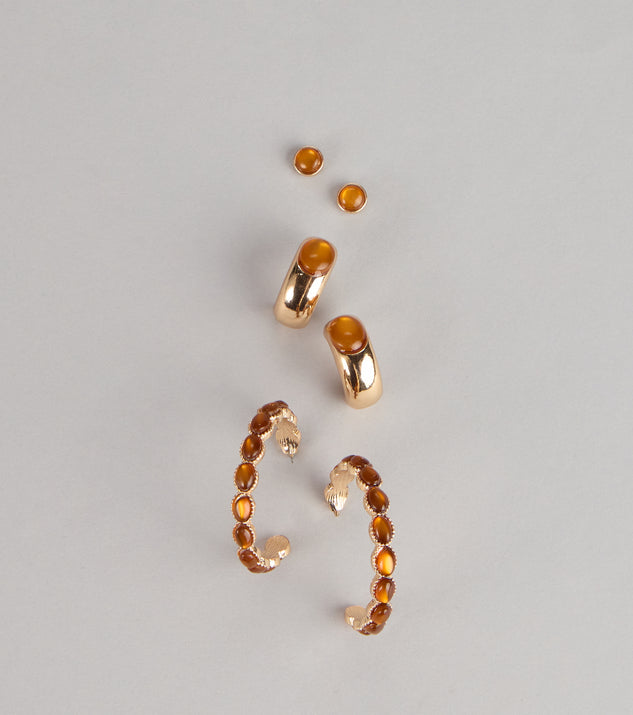
Windsor Finishing Touch Three-Pack Earring Set Windsor Finishing Touch Three-Pack Earring Set: Mix of stud and hoop silhouettes; Secure post-back and hinge closures; Set of three hoop earring pairs with stud accents.
Writeups and reviews are our personal opinions. Follow through to the merchants site for more details.
Should You Wear Earrings as Well?
Earrings can be worn with a statement necklace and ring, but they should generally be understated.
Simple studs, small hoops or delicate drops are usually enough. Large earrings combined with a bold necklace and ring may create too many competing focal points.
If you prefer dramatic earrings, remove the necklace and allow the earrings and ring to become the main pairing.
What About Bracelets?
A bracelet can be added, but it should not compete with the statement ring.
A simple bangle, watch or fine bracelet can create balance. Avoid stacking numerous large bracelets beside an oversized ring unless you are intentionally creating a maximalist look.
Placing the bracelet on the opposite wrist can distribute the visual weight more evenly.
Coordinate with Your Handbag
Your handbag can help connect the ring and necklace to the rest of the outfit.
A bag with similar metal hardware can provide a subtle link. For example, gold jewellery may coordinate with a handbag featuring gold clasps or a chain strap.
If the jewellery is colourful, choose a neutral handbag or repeat one gemstone colour in the bag.
Avoid an excessively embellished handbag when the necklace and ring are already dramatic.
Coordinate with Your Footwear
The shoes do not need to match the jewellery, but they should suit the same level of formality.
Elegant gemstone jewellery works well with heels, loafers, sleek boots and refined sandals. Chunky modern jewellery can complement platforms, sneakers and bold ankle boots.
Metallic shoes can connect with gold or silver jewellery, but using several highly reflective pieces at once may be overwhelming.
Use Statement Jewellery to Add Colour
A colourful necklace and ring can transform a neutral outfit without requiring brightly coloured clothing.
Try:
Turquoise jewellery with white or beige
Emerald green with black or navy
Ruby red with cream or grey
Amber and bronze with olive or brown
Cobalt blue with white or charcoal
Pink stones with black, white or soft grey
This is particularly useful when you want to update familiar clothing without buying a completely new outfit.
Mixing Statement Jewellery Materials
A ring and necklace do not need to be made from exactly the same material.
You can combine:
Gold with pearls
Silver with turquoise
Leather with metal
Resin with gemstones
Wood with bronze
Enamel with gold or silver
The combination should share a common colour, shape or style mood. Mixed materials are especially effective with bohemian, artistic and contemporary clothing.
Mixing Gold and Silver
Gold and silver jewellery can be worn together. The easiest method is to include one piece that already contains both metals.
A mixed-metal necklace can connect a gold ring with silver earrings or handbag hardware.
For a controlled look, allow one metal to dominate and use the other as an accent.
Layered Necklaces and a Statement Ring
Layered necklaces can create a statement effect even when each individual chain is relatively delicate.
Vary the necklace lengths so each layer remains visible. Pair them with one substantial ring rather than several smaller rings.
Keep the neckline simple and avoid heavily detailed clothing around the chest.
Statement Pearls
Pearls do not have to look conservative. Oversized, irregular or layered pearl necklaces can create a strong modern statement.
Pair a pearl necklace with a pearl ring, sculptural gold band or cocktail ring featuring a pale stone.
Wear the jewellery with a black dress, crisp shirt, knitwear or modern tailoring for an elegant contrast.
Statement Gemstones
Gemstone jewellery introduces colour and can make an outfit feel more luxurious.
Choose stones that complement the clothing rather than matching every colour exactly. Emerald, sapphire, amethyst, turquoise and ruby tones can all work as focal points.
If both the ring and necklace contain large stones, keep them within the same colour family or choose one piece with a smaller, supporting stone.
Statement Jewellery at Any Age
Statement jewellery can be stylish at any age. The best choices are pieces that suit your personality, comfort and wardrobe.
Bold necklaces can draw attention toward the face, while statement rings add interest to simple outfits without changing the clothing itself.
There is no requirement to choose only small or conservative jewellery as you get older. Quality, proportion and confidence matter more than age.
How to Avoid Looking Over-Accessorised
Before leaving home, look at the entire outfit rather than judging each accessory separately.
If the necklace, ring, earrings, bracelet, handbag and shoes all demand attention, remove one or two pieces.
A useful approach is to choose no more than two strong focal areas. In this case, the necklace and ring already provide those focal points.
Allow the remaining accessories to play a quieter supporting role.
Common Statement Jewellery Styling Mistakes
Choosing a necklace that clashes with the neckline
Wearing a large necklace, ring, earrings and bracelets at the same time
Combining several unrelated gemstone colours
Wearing highly decorative jewellery with a very busy print
Selecting a ring so large that it restricts hand movement
Allowing the necklace to become caught in collars or embellishments
Using formal jewellery with clothing that is extremely casual and worn
Ignoring the handbag and shoe hardware
Choosing jewellery that is uncomfortable for a long event
Wearing two bold pieces with no shared colour, metal or style connection
Statement Ring and Necklace Outfit Ideas
Elegant Black Dress
Wear a plain black midi dress with a gold statement necklace, wide gold ring, black heels and a simple clutch.
Casual Jeans Outfit
Pair straight-leg jeans and a white T-shirt with a chunky silver necklace, sculptural silver ring and leather crossbody bag.
Worth a look
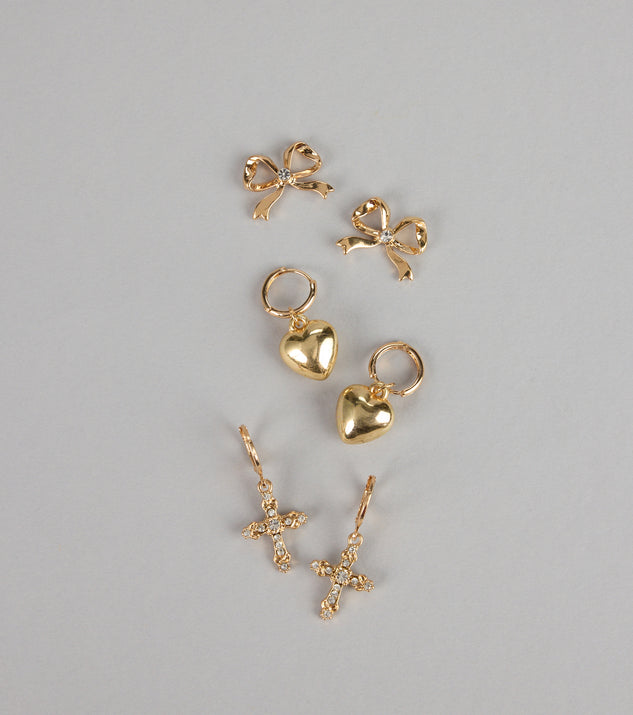
Windsor Sweet Sparkle Trio Earring Set Windsor Sweet Sparkle Trio Earring Set: Post-back closure; Push-back closure; Three-pair earring set bow stud earrings with rhinestone center.
Writeups and reviews are our personal opinions. Follow through to the merchants site for more details.
Romantic Outfit
Style a soft floral dress with a pearl statement necklace, pearl or pale-stone ring and neutral shoes.
Bohemian Outfit
Wear a flowing maxi dress with a turquoise necklace, large silver ring, suede bag and ankle boots.
Office Outfit
Pair tailored trousers and a plain blouse with a geometric necklace, coordinating ring and structured handbag.
Evening Outfit
Wear a jewel-toned dress with a crystal necklace, cocktail ring and metallic clutch.
Minimalist Outfit
Combine monochrome clothing with an abstract metal necklace and bold architectural ring.
Knit Dress Outfit
Add a long pendant-style statement necklace and gemstone ring to a plain knit dress. Finish with ankle boots and a structured handbag.
White Shirt Outfit
Wear a crisp white shirt with dark trousers, a colourful necklace, coordinating cocktail ring and loafers or heels.
A Simple Formula for Wearing Both Pieces
Use this straightforward styling formula:
Choose one dominant statement piece.
Select a second piece with a simpler design.
Repeat one metal, colour or shape.
Wear them with a clean neckline and uncomplicated clothing.
Keep earrings and bracelets understated.
Use the handbag and footwear as supporting elements.
A statement ring and necklace should create a conversation with each other, not compete to speak the loudest.
Final Thoughts
A statement ring and necklace can give an outfit colour, elegance and individuality. They work best when one piece leads and the other provides a visual connection.
Choose jewellery that relates through metal, gemstone, shape or overall style. Keep the neckline clear, allow the clothing to provide a simple background and limit additional bold accessories.
Whether you are styling jeans, office clothing, a knit dress or an evening outfit, statement jewellery can make familiar pieces feel completely new. The goal is not to wear as much jewellery as possible, but to select pieces that bring focus, balance and personality to the outfit.
Worth a look
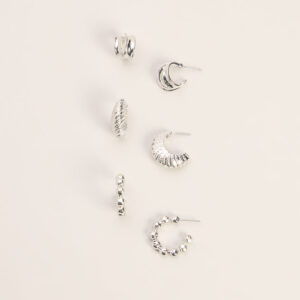
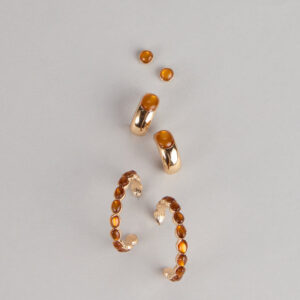
Windsor Triple Take Textured Hoop Earring Pack Three moods, one easy ear stack. This hoop earring three-pack mixes sculpted, ribbed, and beaded textures so you can switch up your look without overthinking it.
Windsor Nine To Shine Stud Earring Set Your jewelry rotation just got easier. This nine-pair stud earring set features classic round, square, and heart-shaped rhinestones in multiple sizes, so there's always the perfect pair for stacking, styling, or wearing solo.
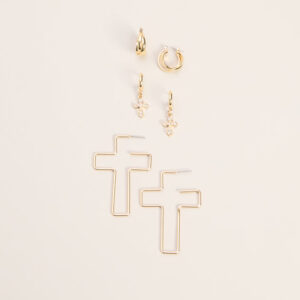
Windsor Cross Check Huggie Earring Three Pack Three pairs, zero overthinking. This earring set mixes sleek huggies with cross-inspired details for an easy stack that works with everything from off-duty basics to going-out looks.
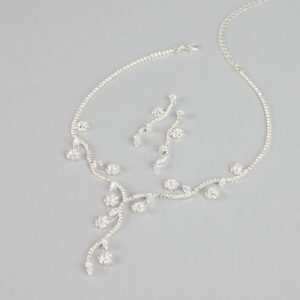
Windsor Crystal Vine Necklace And Earring Set Windsor Crystal Vine Necklace And Earring Set: Cubic zirconia jewelry set Lariat necklace design; lobster clasp closure; Coordinating linear drop earrings, post-back closure.
Windsor Finishing Touch Three-Pack Earring Set Windsor Finishing Touch Three-Pack Earring Set: Mix of stud and hoop silhouettes; Secure post-back and hinge closures; Set of three hoop earring pairs with stud accents.
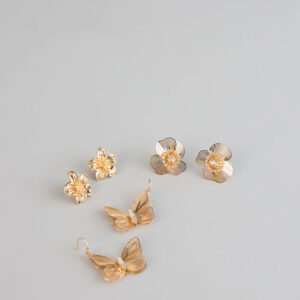
Windsor Garden Party Glow Three Pair Earring Set Windsor Garden Party Glow Three Pair Earring Set: Three pair earring set filigree flower stud silhouettes with post-back closure; Butterfly earrings with hook closure; Earrings are.
Writeups and reviews are our personal opinions. Follow through to the merchants site for more details.
Your belt, handbag and footwear do not need to be made from exactly the same material. In fact, modern styling often looks more natural and sophisticated when accessories coordinate without matching perfectly.
A leather belt, suede handbag and polished ankle boots can work beautifully together when they share a similar colour, level of formality or overall mood. The aim is to create harmony rather than an identical set.
Worth a look
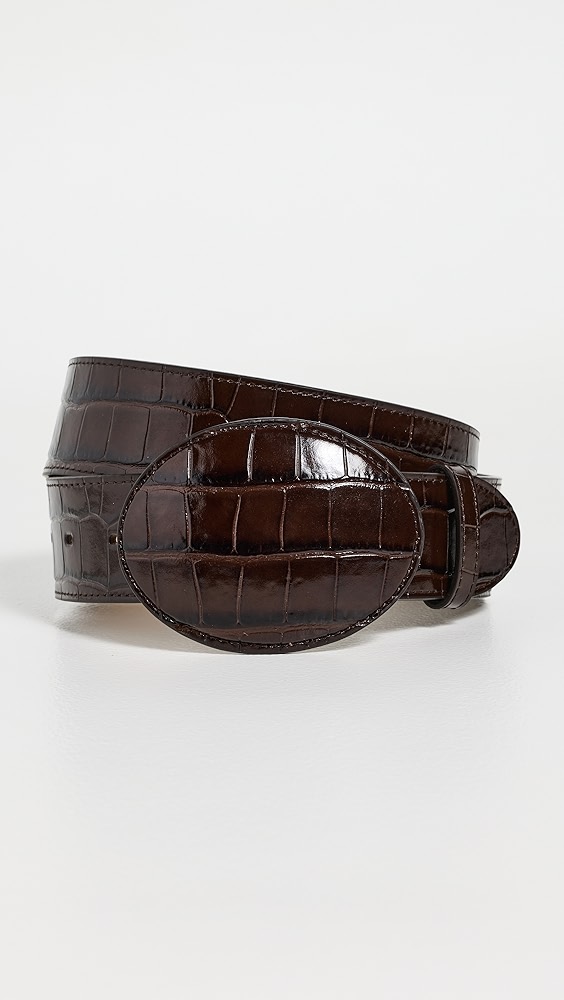
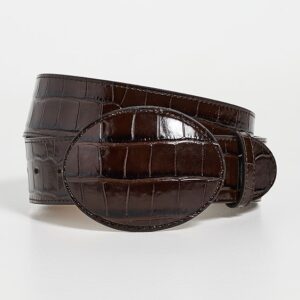
B-Low The Belt Mabel Belt B-Low The Belt Mabel Belt: Leather; Leather construction; Croc-embossed finish.
Writeups and reviews are our personal opinions. Follow through to the merchants site for more details.
Matching every accessory exactly can still look elegant, particularly for formal occasions, but it is no longer an essential fashion rule.
Matching Is Different from Coordinating
Matching means choosing accessories that are almost identical in colour, texture and material. Coordinating means selecting pieces that complement one another without being exactly the same.
For example, you might wear:
A tan leather belt
A darker brown suede handbag
Cognac leather loafers
Although these pieces do not match perfectly, they belong to the same warm colour family and create a cohesive outfit.
Coordination often looks more relaxed and contemporary because the accessories appear thoughtfully collected rather than purchased as a rigid set.
When Exact Matching Works Well
Exact matching can look polished in formal, professional and traditional settings.
A black leather belt, black leather handbag and black leather shoes can create a refined finish with a tailored suit, formal dress or conservative office outfit.
Matching accessories may be especially effective for:
Business meetings
Formal work environments
Weddings
Funerals
Traditional evening events
Classic monochrome outfits
Minimalist wardrobes
The result is clean and dependable, although it can sometimes appear overly controlled if every accessory is identical in colour, finish and design.
Why Mixing Materials Can Improve an Outfit
Mixing materials adds depth and visual interest. An outfit made entirely from one texture can appear flat, while contrasting leather, suede, woven fibres and fabric can make it feel more considered.
For example, a smooth leather belt can add structure to a soft knit dress, while a suede handbag introduces warmth and texture. Polished leather boots can then give the outfit a sharper finish.
The materials are different, but each accessory performs a separate styling role.
How to Mix Leather and Suede
Leather and suede are natural partners because they share a similar quality while offering different textures.
Try pairing:
A leather belt with a suede handbag
Suede ankle boots with a smooth leather crossbody bag
A suede belt with polished leather loafers
Leather shoes with a suede clutch
Keep the colours related if you want a subtle result. Tan, camel, chocolate brown, black and burgundy are easy to combine across leather and suede.
If the colours are very different, repeat one of them elsewhere in the outfit to make the combination feel intentional.
Can You Mix Matte and Glossy Leather?
Matte and glossy leather can be worn together, but the contrast should suit the occasion.
A matte leather belt can look elegant with polished loafers and a smooth handbag. Patent shoes can also work with a softer leather bag, particularly for evening wear.
Avoid combining too many highly reflective finishes at once. Patent shoes, a glossy belt and a metallic handbag may compete for attention unless the outfit is deliberately dramatic.
Does the Colour Need to Match?
The colours do not need to be identical. They simply need to work together.
You can coordinate accessories by choosing:
Different shades of the same colour
Warm neutrals together
Cool neutrals together
One neutral with one statement colour
Colours already present in the clothing
For example, dark brown shoes can be worn with a tan belt and cream handbag. Black shoes can work with a burgundy bag and black belt. White sneakers may be paired with almost any casual handbag.
Worth a look
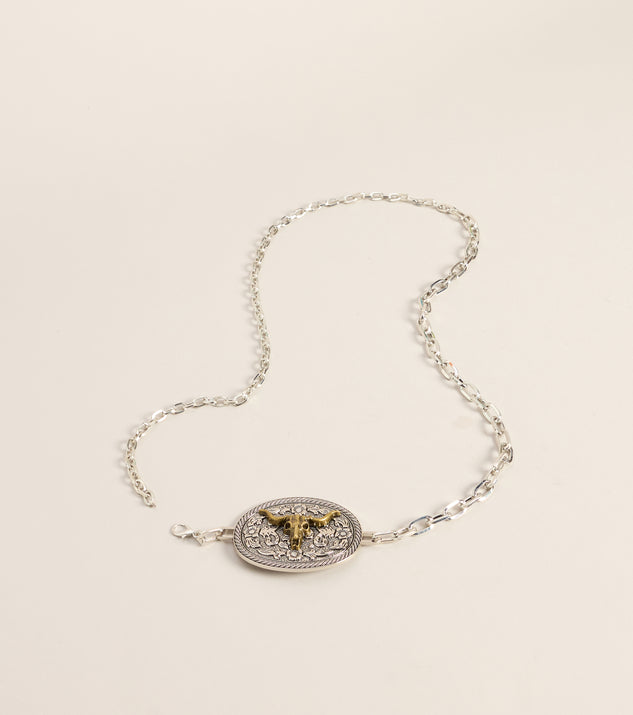
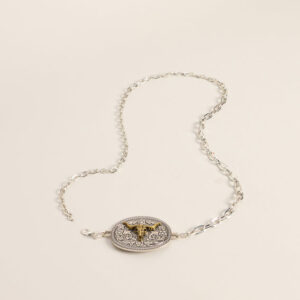
Windsor Wild West Longhorn Chain Belt A little western, a little unexpected, and exactly what your outfit was missing. This longhorn chain belt brings statement-making detail to denim, dresses, and layered looks with its engraved medallion and standout chain-link design.
Writeups and reviews are our personal opinions. Follow through to the merchants site for more details.
Warm and Cool Colours
Accessories often look more cohesive when their colour undertones are compatible.
Warm colours include tan, camel, rust, cognac, olive and cream. Cool colours include charcoal, blue-grey, silver, navy and some shades of black.
A warm tan belt may feel disconnected from icy grey shoes and a silver handbag unless the clothing successfully brings those shades together.
However, mixing warm and cool tones can still work when one colour is repeated elsewhere in the outfit.
Should Your Belt Match Your Shoes?
Your belt and shoes do not have to match exactly, although this remains a useful guideline for formal dressing.
In a traditional business outfit, black shoes often look most polished with a black belt, while brown shoes usually work best with a brown belt.
For casual clothing, the rules are much more flexible. White sneakers can be worn with a tan belt, and brown ankle boots can work with a black belt when the outfit includes both colours.
The belt should feel connected to the shoes or clothing, but it does not need to be an exact replica.
Should Your Handbag Match Your Shoes?
Your handbag and shoes do not need to match. This old styling rule is now optional rather than compulsory.
A black handbag can be worn with tan shoes, while metallic heels can be paired with a cream, black or coloured clutch.
Instead of matching exactly, look for a relationship between the pieces. They may share:
A similar level of formality
Related colour tones
Comparable hardware
A repeated texture
A similar style mood
For example, casual woven sandals will usually work better with a relaxed leather or raffia bag than with a rigid patent-leather briefcase.
Should Your Belt Match Your Handbag?
A belt and handbag can coordinate without matching.
A black belt can be worn with a tan bag when black appears elsewhere in the outfit. A cream belt can work with a chocolate-brown handbag, while a woven belt can complement a leather tote.
Because the belt sits close to the clothing, it is often more important that it works with the trousers, skirt or dress than with the handbag.
Match the Level of Formality
The materials do not need to be identical, but their level of formality should usually feel compatible.
A polished leather belt, satin evening bag and refined heels can work together because all three pieces are elegant.
By contrast, a heavily worn canvas belt may look disconnected from patent pumps and a jewelled clutch.
Consider whether each accessory feels casual, smart-casual, professional or formal.
Matching Accessories for Formal Outfits
Formal clothing often benefits from more consistent accessories.
A cocktail dress may look polished with metallic heels, a metallic clutch and a narrow leather or satin belt in a related shade.
A tailored suit can be paired with a smooth leather belt, structured handbag and polished shoes. These pieces may differ slightly in texture, but they should all look refined.
Formal outfits generally require cleaner finishes and fewer competing materials.
Matching Accessories for Casual Outfits
Casual outfits offer much more freedom to mix colour and texture.
Jeans, a knit top and ankle boots can be styled with a leather belt and canvas tote. A summer dress may be paired with a woven belt, leather sandals and raffia handbag.
The relaxed nature of the clothing allows accessories to look collected rather than perfectly matched.
Matching Accessories for Work
For work, choose accessories that appear polished and practical.
A leather belt, suede loafers and structured leather-look tote can work together if the colours and formality are compatible.
In conservative workplaces, matching the belt and shoes creates a traditional professional finish. The handbag can then be in a coordinating neutral such as navy, burgundy, taupe or tan.
Avoid mixing accessories that are very casual, heavily distressed or visually distracting in formal office settings.
Matching Accessories with Dresses
Dresses often allow greater flexibility because the accessories do not need to coordinate with separate tops and trousers.
A floral dress can be worn with:
A tan leather belt
Cream sandals
A woven handbag
The materials are different, but the warm, natural colours create harmony.
A black knit dress may be styled with a suede belt, leather ankle boots and structured handbag. The variation in texture prevents the monochrome outfit from feeling flat.
Matching Accessories with Jeans
Jeans are one of the easiest garments to style with mixed accessories.
Try dark jeans with a brown leather belt, burgundy loafers and tan handbag. Alternatively, wear faded denim with white sneakers, a black belt and coloured crossbody bag.
Denim acts as a neutral background, allowing different materials and colours to work together more easily.
Matching Accessories with Bohemian Clothing
Bohemian outfits often look better when accessories are not perfectly matched.
Suede, woven fibres, leather, embroidery and natural textures can all be mixed successfully.
A flowing maxi dress might be styled with a braided leather belt, suede boots and embroidered handbag.
Keep the colour palette connected so the combination feels creative rather than chaotic.
Matching Accessories with Minimalist Clothing
Minimalist outfits often benefit from either exact matching or controlled contrast.
A black dress with black shoes, black belt and black bag creates a sleek monochrome effect. Alternatively, add one contrasting accessory, such as a cream bag or red shoes.
Because minimalist clothing has few decorative elements, the quality, texture and finish of accessories become more noticeable.
Matching Accessories with Romantic Clothing
Romantic outfits can combine delicate materials and soft colours.
A floral dress might be paired with a slim leather belt, suede shoes and a satin or quilted handbag.
Blush, cream, soft grey, nude and metallic shades work well together even when the materials differ.
Keeping the accessories light and refined helps preserve the feminine mood of the outfit.
Using Metallic Accessories
Metallic accessories do not need to match one another exactly.
Gold shoes can be worn with a champagne handbag and tan leather belt. Silver sandals may work with a grey bag and black belt.
Metallics often act like neutrals, particularly for evening wear. One or two metallic elements are usually enough.
If your jewellery is prominent, coordinating the handbag hardware with the jewellery can help bring the outfit together.
Worth a look
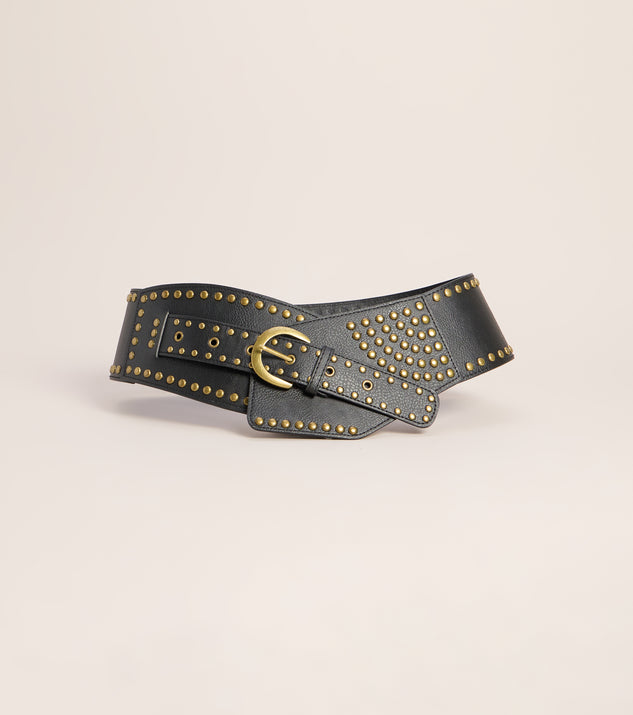
Windsor Waist Rules Studded Wide Belt Your outfit just found its finishing move. This wide, studded belt cinches the waist with bold hardware and an angled silhouette that makes dresses, skirts, and oversized layers look edgy.
Writeups and reviews are our personal opinions. Follow through to the merchants site for more details.
Mixing Hardware Colours
Handbags and belts often include gold, silver, bronze or black hardware. These metal finishes do not always need to match your jewellery or footwear details.
However, repeating one metal tone can make the outfit appear more polished.
For example, a handbag with gold hardware can be paired with gold earrings, while a belt with a silver buckle can connect with silver shoe details.
Mixed metals can also work when they appear deliberately repeated rather than accidental.
How Many Different Materials Can You Wear?
There is no strict limit, but two or three accessory textures are usually enough for a balanced outfit.
You might combine leather shoes, a suede belt and woven handbag. Adding patent leather, sequins, metallic chains and embroidery as well could make the outfit too busy.
If the clothing is simple, you can use more texture. If the clothing is already patterned or heavily detailed, keep the accessories restrained.
Use One Accessory as the Focal Point
When one accessory is bold, the others should usually be quieter.
A bright red handbag can be worn with a simple black belt and black shoes. Decorative boots may look best with a plain leather bag and understated belt.
This prevents the accessories from competing with one another.
Consider the Texture of Your Clothing
Your accessories should also work with the texture of the clothing.
Chunky knitwear looks attractive with smooth leather or suede. Linen clothing suits woven leather, raffia and natural finishes. Satin and silk work well with smooth leather, metallics and refined evening fabrics.
A heavily textured outfit may need simple accessories, while smooth minimalist clothing can support more decorative materials.
Monochrome Outfits and Mixed Materials
Mixing materials is particularly effective in a monochrome outfit.
An all-black outfit can include a matte leather belt, suede handbag and polished ankle boots. The different textures add depth while the shared colour keeps the look cohesive.
The same technique works with cream, brown, navy and grey outfits.
Can You Mix Black and Brown Accessories?
Black and brown can be worn together. The combination looks most successful when both colours appear elsewhere in the outfit.
Dark chocolate brown is especially easy to combine with black because both colours have a rich, neutral quality.
Can You Mix Different Shades of Brown?
Different shades of brown often look more interesting than an exact match.
Tan, cognac, camel and chocolate can be layered successfully because they belong to the same warm colour family.
A tan belt, cognac boots and dark brown handbag can create a sophisticated tonal look.
Try to maintain some contrast so the accessories do not appear as though they were intended to match but narrowly missed.
Common Accessory Matching Mistakes
Believing every accessory must be identical
Combining too many competing textures
Mixing casual and formal materials without intention
Choosing three different statement accessories
Ignoring the colours already present in the clothing
Using warm and cool shades that feel disconnected
Matching accessories so perfectly that the outfit appears dated
Wearing damaged or badly worn accessories with polished clothing
Forcing a belt into an outfit simply to match the shoes
Choosing appearance over comfort and practicality
Easy Accessory Combinations
Classic Professional Combination
Wear a black leather belt with black leather shoes and a structured burgundy handbag.
Warm Neutral Combination
Pair a tan leather belt with cognac boots and a chocolate-brown suede bag.
Casual Weekend Combination
Wear white sneakers with a brown belt and canvas or leather crossbody bag.
Summer Combination
Combine a woven belt, tan leather sandals and raffia handbag.
Romantic Combination
Pair nude shoes with a blush handbag and a slim cream belt.
Bohemian Combination
Wear suede boots with a braided leather belt and embroidered shoulder bag.
Evening Combination
Combine metallic heels with a satin clutch and narrow leather belt in a coordinating neutral.
Monochrome Combination
Wear black suede boots, a black leather belt and a black quilted handbag.
A Simple Rule for Coordinating Accessories
When deciding whether a belt, bag and shoes work together, consider three questions:
Do the colours complement one another?
Do the pieces have a similar level of formality?
Is one accessory clearly the focal point?
If the answer to these questions is yes, the materials do not need to match.
Your belt, handbag and shoes should look as though they belong in the same outfit, but they do not need to come from the same matching set.
Final Thoughts
It is not necessary for your belt, handbag and footwear to be made from the same material. Exact matching can look elegant, but coordinating different textures often creates a more modern and interesting outfit.
Use colour, formality and overall style to connect the accessories. Leather, suede, woven fibres, fabric and metallic finishes can all work together when the combination feels balanced.
Match more closely for formal or traditional occasions, and allow greater contrast for casual, bohemian and contemporary outfits.
The most important principle is harmony rather than perfection. When the accessories support the clothing and do not compete for attention, mixed materials can look polished, confident and completely intentional.
B-Low The Belt Mabel Belt B-Low The Belt Mabel Belt: Leather; Leather construction; Croc-embossed finish.
B-Low The Belt Neila Belt – Versatile Everyday Accessory B-Low The Belt Neila Belt – Versatile Everyday Accessory features Accessory silhouette, Colour and design as shown in the merchant listing. See the Shopbop listing for current sizing, availability, materials and product specifications.
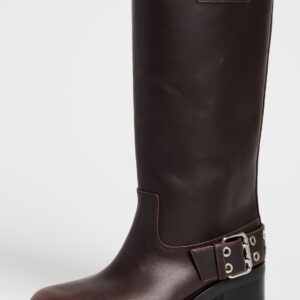
MACH & MACH Buckle Belt Vintage Leather Combat Boots Now on sale MACH & MACH Buckle Belt Vintage Leather Combat Boots. Found on the secure and trusted website shopbop.com. MACH & MACH's Buckle Belt Vintage Leather Combat Boots are made from leather and feature a heel strap with silver-tone buckle and eyelets, a chunky heel, a pull-on design, and a square toe. Made in Italy, these boots showcase the…
Windsor Wild West Longhorn Chain Belt A little western, a little unexpected, and exactly what your outfit was missing. This longhorn chain belt brings statement-making detail to denim, dresses, and layered looks with its engraved medallion and standout chain-link design.
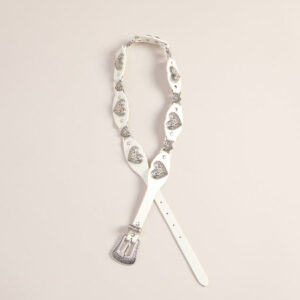
Windsor Wild Hearts Faux Leather Belt Western romance, but make it bold. This faux leather belt cinches the look with engraved heart concho accents, studded detailing, and an adjustable fit.
Writeups and reviews are our personal opinions. Follow through to the merchants site for more details.
A handbag is much more than a practical place to carry your belongings. It is an important part of an outfit and can change the way your clothing looks. The right handbag can make casual clothes appear more polished, add structure to a flowing dress or provide colour and personality to a simple outfit.
Choosing the correct handbag does not mean that your bag must match your shoes perfectly. Modern styling is more flexible. The most successful combination considers the shape, size, colour, material and level of formality of both the handbag and the clothing.
Writeups and reviews are our personal opinions. Follow through to the merchants site for more details.
Whether you are wearing jeans, tailoring, a romantic dress or a relaxed bohemian outfit, there is a handbag that can complement the look without competing with it.
Why the Right Handbag Matters
A handbag occupies a noticeable part of the outfit, particularly when it is carried at the shoulder, waist or hip. Its shape and colour can affect the proportions and overall mood of your clothing.
A structured leather bag can make a casual outfit look more refined. A woven tote can make a summer dress feel relaxed, while a metallic clutch can transform a simple black dress into an evening look.
The wrong bag may feel too formal, too casual, too large or visually disconnected from the clothing. The aim is to choose a handbag that supports the outfit and suits the occasion.
Consider the Level of Formality
The first step is deciding how formal the outfit and occasion are. A large canvas tote may be practical for shopping but will usually look out of place with an evening gown. Similarly, a tiny jewelled clutch is unlikely to be useful with relaxed travel clothing.
Smart-casual outfits: Structured crossbody bags, satchels, leather totes and top-handle bags
Office outfits: Structured totes, medium shoulder bags and polished satchels
Evening outfits: Clutches, mini bags, wristlets and elegant chain-strap bags
Formal occasions: Refined clutches, small top-handle bags and embellished evening bags
The material also affects the formality. Smooth leather, suede, satin and metallic finishes generally appear more refined than canvas, raffia or nylon.
Choose a Bag That Balances the Clothing
Balance is one of the most important principles when matching a handbag to an outfit.
If your clothing is loose, flowing or oversized, a structured bag can add definition. If the outfit is sharply tailored, a softer shoulder bag may prevent it from looking too rigid.
A very detailed outfit often looks best with a simple handbag. Plain clothing, however, can provide the perfect background for a colourful, textured or unusually shaped bag.
You do not always need to match like with like. Contrast can make an outfit more interesting, provided the overall look remains harmonious.
How to Choose the Right Handbag Size
The bag should be large enough for the occasion without overwhelming the outfit or your frame.
Large totes work well for work, travel and busy daytime activities. Medium-sized shoulder and crossbody bags are versatile enough for everyday use. Small bags and clutches are best when you only need a few essentials.
Consider your own proportions as well. An extremely large bag can dominate a petite frame, while a tiny bag may appear out of balance on a taller or broader figure. These are not strict rules, but proportion can help create a more considered appearance.
The bag should also suit the volume of the clothing. A large tote can complement an oversized coat or wide-leg trousers, while a compact bag may be more balanced with a fitted dress or delicate outfit.
Matching a Handbag with Jeans
Jeans can be styled with almost every handbag shape, making them one of the easiest wardrobe pieces to accessorise.
For a relaxed daytime outfit, pair jeans with a crossbody bag, soft hobo bag, canvas tote or backpack. Brown, tan and neutral leather bags work particularly well with blue denim.
To dress up jeans, choose a structured shoulder bag, polished top-handle bag or sleek clutch. Dark denim worn with a blazer and a structured leather bag can create an attractive smart-casual outfit.
A brightly coloured handbag can also bring life to a simple combination of jeans and a plain top.
Matching a Handbag with Casual Clothing
Casual clothing looks best with bags that are practical without appearing careless.
Crossbody bags are an excellent option because they leave the hands free and suit jeans, shorts, casual dresses and relaxed trousers. Tote bags are useful for shopping and everyday errands, while backpacks work well for travel and active days.
Choose materials such as soft leather, canvas, denim, raffia or nylon according to the setting.
A structured bag can elevate a casual outfit when you want to appear more polished. For example, adding a leather satchel to jeans, sneakers and a T-shirt can make the outfit look more deliberate.
Matching a Handbag with a T-Shirt and Jeans
A T-shirt and jeans create a simple foundation that can be styled in many directions.
Use a canvas tote or backpack for a very casual look. Choose a leather crossbody bag for everyday polish, or add a structured top-handle bag to create contrast.
A bright or printed handbag can act as the statement piece when the T-shirt and jeans are neutral.
For an evening version of the outfit, add heels, a blazer and a small shoulder bag with a chain strap.
Matching a Handbag with Wide-Leg Pants
Wide-leg pants create volume and movement, so the handbag should help maintain balanced proportions.
A medium structured shoulder bag, compact crossbody or top-handle bag can provide definition. Small bags are particularly effective when the trousers are very full because they avoid adding more volume to the outfit.
For work, pair tailored wide-leg pants with a structured tote or satchel. For a relaxed summer look, wear linen wide-leg pants with a woven bag or soft leather crossbody.
Avoid allowing a long shoulder bag to become lost within the fabric of extremely wide trousers. Adjust the strap so the bag sits clearly at the waist or upper hip.
Matching a Handbag with Tailored Trousers
Tailored trousers naturally suit bags with clean lines and a polished finish.
Structured totes, top-handle bags, satchels and sleek shoulder bags are all suitable. Choose leather or a quality leather-look material for a professional appearance.
A compact crossbody can make tailored trousers feel more relaxed for weekends, while a clutch or small chain-strap bag can take the same trousers into the evening.
Neutral shades such as black, navy, burgundy, tan and cream are versatile, but a colourful bag can bring personality to a simple trouser outfit.
Matching a Handbag with a Suit
A suit is structured and professional, so the bag should generally have enough polish to complement it.
For work, choose a structured leather tote, satchel or medium top-handle bag. Make sure it is large enough to hold your essentials without becoming overfilled.
For a modern fashion look, carry a compact shoulder bag or clutch with an oversized trouser suit. A soft bag can also contrast attractively with sharp tailoring.
The handbag does not need to match the suit exactly. A camel bag can soften a navy suit, while burgundy or forest green can add restrained colour to grey or black tailoring.
Matching a Handbag with Office Clothing
An office handbag should combine practicality with a professional appearance.
A structured tote is useful if you carry documents, a tablet or a laptop. Look for strong handles, secure closures and organised internal compartments.
Medium satchels and shoulder bags are suitable when you carry fewer items. A bag that keeps its shape usually looks more professional than one that collapses or appears overfilled.
Black, brown, tan, navy, taupe and burgundy are dependable office colours. However, muted green, deep red and soft blue can also work when they coordinate with your wardrobe.
Avoid bags that are heavily damaged, excessively decorated or covered in oversized logos when you want a refined professional image.
Worth a look
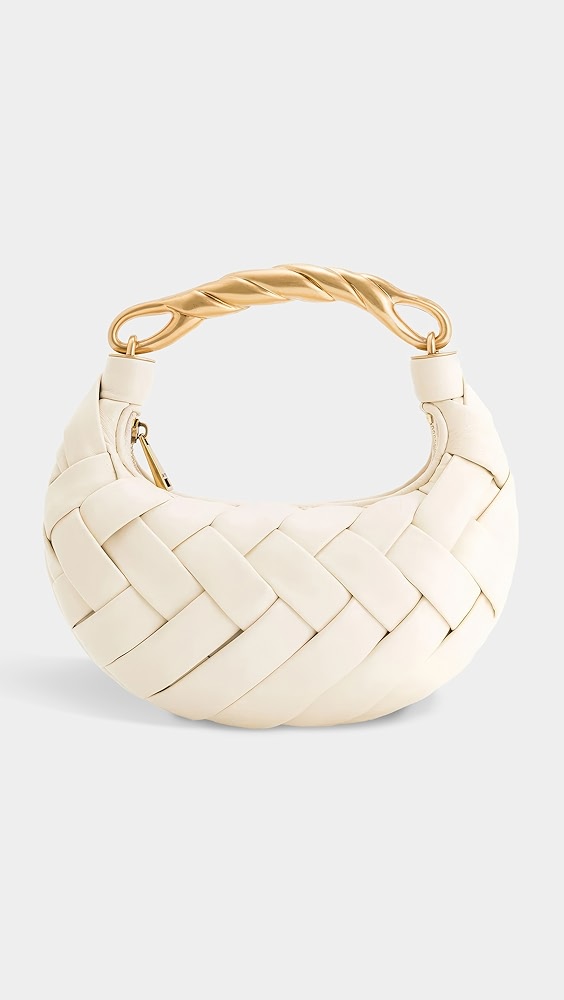
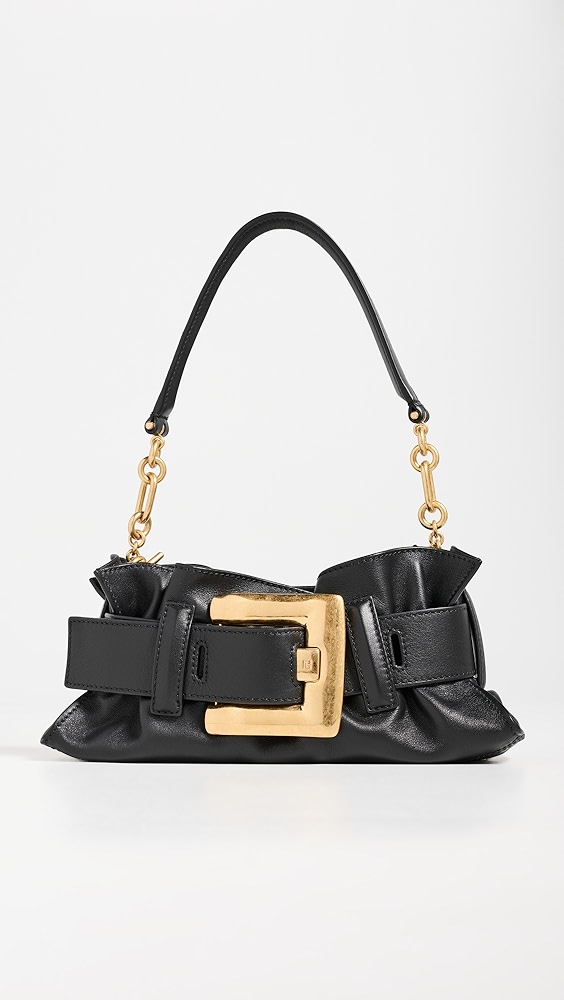
Balmain Anthem Calfskin Mini Handbag Balmain Anthem Calfskin Mini Handbag: Lining: Leather; Lining: Leather Weight: 24oz / 0.68kg; Belt accent with chunky gold-tone buckle.
Writeups and reviews are our personal opinions. Follow through to the merchants site for more details.
Matching a Handbag with a Casual Dress
Casual dresses work well with crossbody bags, bucket bags, woven totes and relaxed shoulder bags.
A shirt dress can be paired with a structured crossbody or leather tote. A cotton sundress looks natural with a woven bag, while a casual knit dress can be worn with a soft shoulder bag or simple satchel.
Consider the fabric of the dress. Lightweight cotton, linen and floral dresses suit softer or more natural handbag materials. Heavier denim and knit dresses can support a more substantial leather bag.
Matching a Handbag with a Floral Dress
A floral dress already contains pattern and colour, so the handbag should usually support rather than compete with it.
Select one colour from the floral print and repeat it in the handbag. Alternatively, choose a neutral shade such as cream, tan, beige or black.
A small structured bag can make a floral dress look polished, while a woven or soft crossbody bag creates a relaxed romantic effect.
If the dress has a delicate print, avoid an overly busy bag with clashing patterns and excessive decoration. A simple bag will allow the floral design to remain the focal point.
Matching a Handbag with a Maxi Dress
Maxi dresses have a long, flowing silhouette and usually work best with bags that do not add unnecessary bulk.
Small crossbody bags, bucket bags, woven handbags and compact shoulder bags are effective choices.
For a bohemian maxi dress, choose suede, fringe, embroidery or woven texture. For an elegant maxi dress, carry a clutch, chain-strap bag or small structured handbag.
A very large bag can compete with the volume and length of a maxi dress, although a relaxed tote can still work for the beach or daytime travel.
Matching a Handbag with a Mini Dress
A mini dress often looks balanced with a compact bag that allows the clean line of the outfit to remain visible.
Choose a small shoulder bag, crossbody, clutch or mini top-handle style. For casual wear, a small backpack or bucket bag can also work.
If the dress is simple, the bag can provide colour or texture. If the dress is heavily embellished or patterned, choose a more understated design.
Matching a Handbag with a Midi Dress
Midi dresses are versatile enough to work with both casual and formal bags.
A structured shoulder bag or top-handle bag gives a midi dress a polished appearance. Crossbody bags and woven styles create a more relaxed look.
For work, combine a tailored midi dress with a medium leather bag. For dinner or a special event, replace it with a clutch or small chain-strap bag.
Make sure the handbag does not sit at the widest point of the dress and create unnecessary bulk. Adjust the strap so it rests at the waist or upper hip.
Matching a Handbag with a Knit Dress
Knit dresses have a soft texture and can be styled casually or elegantly.
A structured leather handbag provides attractive contrast and makes the dress look more polished. A soft shoulder bag can create a relaxed, comfortable outfit.
For a casual knit dress, choose a crossbody bag, tote or bucket bag. For work, carry a structured satchel. For evening, add a compact clutch or chain-strap bag.
Leather, suede and smooth minimal designs work particularly well with knitted fabric.
Matching a Handbag with a Bohemian Outfit
Bohemian clothing suits handbags with texture, natural materials and handcrafted details.
Good options include:
Suede crossbody bags
Fringed shoulder bags
Embroidered handbags
Woven totes
Bucket bags
Tooled leather bags
Macramé and crochet styles
Bohemian outfits often include prints, layers and decorative details, so be careful not to overload the look. If the clothing is already colourful and highly textured, choose a simple tan or brown bag.
If the outfit is relatively plain, a detailed embroidered or fringed bag can become the focal point.
Matching a Handbag with Romantic Clothing
Romantic clothing often features soft florals, lace, flowing fabric, ruffles and delicate colours.
Small top-handle bags, curved shoulder bags, clutches and chain-strap styles complement this feminine mood.
Choose soft shades such as blush, cream, pale blue, lavender or nude. Pearl details, subtle quilting and delicate metallic hardware can enhance the romantic effect.
For contrast, a structured bag in burgundy, black or dark brown can prevent a romantic outfit from appearing overly sweet.
Matching a Handbag with Minimalist Clothing
Minimalist outfits benefit from handbags with clean shapes, limited hardware and high-quality-looking materials.
Structured totes, geometric shoulder bags, simple crossbody bags and sculptural top-handle styles all work well.
Black, white, cream, grey, taupe and tan maintain a restrained palette. A bag in a bold colour can also be used as the only statement element within an otherwise neutral outfit.
Avoid unnecessary decoration if you want to preserve the clean, modern character of the clothing.
Matching a Handbag with Sportswear and Athleisure
Sportswear and athleisure suit practical bags with a streamlined shape.
Backpacks, belt bags, crossbody bags, sling bags and nylon totes all work well with leggings, joggers, sneakers and sporty jackets.
Choose lightweight, durable materials and secure compartments. Black, grey, navy and neutral shades are versatile, while a brightly coloured bag can create a stronger athletic statement.
A formal structured handbag may look disconnected from very sporty clothing unless you are deliberately mixing contrasting styles.
Matching a Handbag with Streetwear
Streetwear often combines oversized clothing, denim, sneakers and strong graphic elements.
Crossbody bags, belt bags, backpacks, mini shoulder bags and utility-style bags complement this look.
A compact bag can balance oversized trousers or jackets, while a larger backpack reinforces the practical urban mood.
Bold logos, metallic details and unusual shapes can work within streetwear because the style often embraces statement accessories.
Matching a Handbag with Vintage-Inspired Clothing
Vintage-inspired clothing looks attractive with handbags that reference the same era without becoming costume-like.
Try a structured top-handle bag with a 1950s-style dress, a small shoulder bag with a 1990s outfit or a suede satchel with 1970s-inspired flared trousers.
Box bags, frame bags and clasp purses can add a traditional touch. Keep the remaining accessories balanced so the outfit still feels current.
Matching a Handbag with Denim Clothing
Denim dresses, skirts, shirts and jackets work well with almost every neutral handbag colour.
Tan and brown leather create a classic combination, while black adds definition. White or cream bags feel fresh, and red or bright colours can provide contrast.
A woven bag makes denim feel summery, while a structured leather bag creates a smarter result.
Be cautious when combining a denim handbag with a denim outfit. Different denim washes can work together, but too much matching denim may make the look feel overly coordinated.
Matching a Handbag with Leather Clothing
Leather clothing already has a strong texture, so the handbag does not always need to be leather as well.
A smooth leather bag can create a sleek coordinated look, while suede, fabric or a softly textured bag can provide contrast.
With a leather jacket and jeans, carry a crossbody, shoulder bag or structured tote. With a leather skirt or dress, choose a simple clutch or compact handbag.
Avoid combining several different glossy leather finishes unless the contrasts appear intentional.
Matching a Handbag with Evening Wear
Evening outfits usually look best with smaller bags that carry only essential items.
Clutches, wristlets, minaudières and small chain-strap bags are traditional choices. Satin, velvet, metallic leather, beads and crystals can add elegance.
The bag does not need to match the dress exactly. Gold, silver, bronze, black and champagne can function as evening neutrals.
If the dress is heavily embellished, choose a simple bag. If the dress is plain, the handbag can provide sparkle, colour or texture.
Matching a Handbag with a Black Dress
A black dress provides a versatile background for almost any handbag colour.
A black clutch creates a sleek monochrome look. Metallic gold or silver adds evening glamour, while red, emerald, cobalt or pink can provide bold contrast.
For daytime, pair a black dress with tan, cream or woven accessories. For work, choose a structured bag in black, burgundy, camel or navy.
Consider the footwear and jewellery so that the bag appears connected to the rest of the outfit.
Matching a Handbag with a Colourful Outfit
When the clothing includes several colours, the safest approach is to choose a neutral handbag or repeat one shade already present in the outfit.
Black, white, tan, cream and metallic bags can calm a colourful look. Repeating a less dominant colour from the print often creates a more interesting result than matching the main colour exactly.
Avoid introducing an unrelated bright colour unless you are confident with bold colour blocking.
Matching a Handbag with Neutral Clothing
Neutral clothing allows greater freedom with handbag choice.
You can continue the restrained palette with a black, cream, tan, grey or brown bag. Alternatively, use the handbag to introduce colour, pattern or texture.
A red bag can enliven beige clothing, while green, cobalt or burgundy can add sophistication to black, white and grey outfits.
Animal prints, woven textures and metallic finishes also work well when the clothing is simple.
Should Your Handbag Match Your Shoes?
Your handbag and shoes do not have to match exactly. In fact, an exact match can sometimes make an outfit appear overly coordinated.
They should, however, feel related. This can be achieved through a similar level of formality, compatible colours or complementary materials.
For example, tan shoes can be worn with a cream, brown or olive handbag. Black heels can work with a metallic clutch, while white sneakers can be paired with almost any casual bag.
Exact matching can still look elegant in formal settings, particularly when using classic neutral colours. It is simply no longer a compulsory fashion rule.
How to Coordinate Handbag Hardware with Jewellery
Handbag hardware includes zips, clasps, chains, buckles and decorative metal details.
Matching gold bag hardware with gold jewellery or silver hardware with silver jewellery can create a polished appearance. However, mixed metals are also acceptable when they are repeated elsewhere in the outfit.
The hardware should not dominate unless the bag is intended to be the statement piece.
Choosing the Right Handbag Colour
A versatile handbag colour should coordinate with a large portion of your wardrobe.
Black: Polished, practical and suitable for work or evening
Tan: Ideal with denim, white, cream and earthy colours
Brown: Warm, classic and easy to wear casually
Cream: Soft, elegant and useful with lighter outfits
Taupe: A versatile neutral that works with warm and cool shades
Navy: A refined alternative to black
Burgundy: Adds colour while remaining sophisticated
Metallic: Useful for evening and special occasions
Red: A strong statement that works with many neutrals
Consider the colours you wear most frequently before investing in an everyday handbag.
Using a Handbag as a Statement Piece
A handbag can become the focal point of an outfit through colour, pattern, texture or shape.
Statement bags work best with clothing that provides a relatively simple background. A bright red handbag can transform a cream outfit, while an animal-print bag can add interest to black clothing.
Unusual shapes, embroidery, beads and bold hardware should generally be balanced with fewer competing accessories.
Crossbody Bags
Crossbody bags are practical, secure and easy to wear with casual and smart-casual clothing.
They suit jeans, dresses, skirts, travel outfits and relaxed tailoring. Adjustable straps allow the position to be changed according to the outfit.
The bag should generally sit around the waist or upper hip. A bag that hangs too low can pull the clothing out of shape and make the outfit appear less balanced.
Shoulder Bags
Shoulder bags are versatile and can move easily between day and evening.
Soft shoulder bags suit relaxed clothing, while structured styles work with office wear and tailored outfits.
Compact shoulder bags have a fashionable, streamlined appearance and pair particularly well with fitted dresses, jeans and evening clothing.
Worth a look
Dolce Vita Bennett Handbag Dolce Vita Bennett Handbag: Faux leather; Raffia at front; Lining: Faux leather.
Writeups and reviews are our personal opinions. Follow through to the merchants site for more details.
Tote Bags
Tote bags are practical for work, shopping and travel. They work best with daytime clothing and outfits that can visually support their larger size.
A structured leather tote is suitable for the office, while canvas and woven totes suit casual and summer outfits.
Avoid overfilling a tote until it loses its shape. An overloaded bag can make even polished clothing look untidy.
Top-Handle Bags
Top-handle bags have a structured, refined appearance. They work beautifully with dresses, suits, tailoring and smart-casual clothing.
Smaller versions can be carried to lunches and special occasions, while medium styles are suitable for work.
A detachable shoulder strap adds practicality without changing the polished character of the bag.
Clutch Bags
Clutches are best suited to evenings, weddings, formal dinners and special events.
Choose a size that holds essential items without becoming bulky. Envelope clutches feel modern, while jewelled or satin styles appear more formal.
A wrist strap or discreet chain can make the bag easier to carry during a long event.
Bucket Bags
Bucket bags have a relaxed but distinctive shape. They pair well with bohemian clothing, denim, knitwear and casual dresses.
Leather versions can look polished enough for smart-casual outfits, while woven and fabric styles suit weekends and holidays.
Because bucket bags have a rounded shape, they provide a useful contrast to sharp tailoring and straight lines.
Backpacks
Backpacks are practical for commuting, travel and active days.
A streamlined leather backpack can look polished with casual office clothing, while canvas and nylon styles are better suited to relaxed or sporty outfits.
Choose a size appropriate for your frame and avoid overfilling it. Clean lines and minimal decoration generally make a backpack easier to coordinate.
Belt Bags and Sling Bags
Belt bags and sling bags suit sporty, casual and streetwear-inspired clothing.
They can be worn around the waist, across the chest or over the shoulder. Their compact shape works particularly well with oversized jackets, activewear and travel outfits.
A simple leather belt bag can also be styled over a blazer or loose dress to create waist definition.
Woven and Raffia Bags
Woven and raffia handbags are ideal for summer, resort wear and relaxed daytime clothing.
They pair naturally with linen, cotton, floral dresses, denim and sandals. Neutral woven materials complement most warm-weather colours.
These bags are usually less suitable for formal offices and evening events unless the design is particularly refined.
How the Bag Strap Affects Your Outfit
The position of the handbag can influence the apparent shape of the body.
A crossbody strap creates a diagonal line, while a shoulder bag adds volume where it rests. A bag that sits at the waist can draw attention to that area, while one at the hip may emphasise the hips.
Adjustable straps are useful because they allow you to position the bag where it feels comfortable and visually balanced.
When wearing delicate fabrics, check that chains, zips and rough straps will not catch or damage the clothing.
Handbags for Petite Figures
Petite people may find small and medium bags easier to balance than very large totes.
Compact crossbody bags, shoulder bags and small top-handle styles can complement a smaller frame without overwhelming it.
This does not mean large bags must be avoided completely. Choose a design with clean lines and avoid carrying it excessively full.
Handbags for Taller or Curvier Figures
Medium and larger handbags can look balanced on taller or curvier figures, but comfort and personal preference remain more important than rigid rules.
A bag with a substantial strap and clear shape may feel more proportional than a very tiny design.
Pay attention to where the bag rests. If you do not want to emphasise the hip, choose a shorter shoulder strap or carry the bag by its handle.
Common Handbag Styling Mistakes
Carrying a bag that is too formal or too casual for the occasion
Choosing a bag so large that it overwhelms the outfit
Overfilling the handbag until it loses its shape
Combining a heavily patterned bag with an equally busy outfit
Allowing a long strap to place the bag at an awkward point on the body
Carrying a damaged, stained or badly worn handbag with polished clothing
Feeling that the bag and shoes must always match exactly
Using an evening bag that is too small for essential belongings
Choosing a delicate bag for an activity that requires durability
Ignoring whether chains or hardware may damage fine clothing
Handbag and Outfit Combinations
Casual Weekend Outfit
Wear straight-leg jeans, a fitted T-shirt and sneakers with a leather crossbody bag.
Smart-Casual Outfit
Pair wide-leg trousers and a knit top with a medium structured shoulder bag.
Office Outfit
Carry a leather tote with tailored trousers, a blouse and loafers.
Romantic Outfit
Style a floral midi dress with a small cream top-handle bag and delicate jewellery.
Bohemian Outfit
Wear a flowing maxi dress with a tan suede or woven crossbody bag.
Minimalist Outfit
Pair monochrome clothing with a clean geometric handbag in black, cream or a single bold colour.
Evening Outfit
Carry a metallic clutch with a plain black dress, heels and simple jewellery.
Summer Outfit
Wear linen trousers and a sleeveless top with a woven tote or raffia shoulder bag.
Winter Outfit
Pair a knit dress, boots and a long coat with a structured leather handbag.
Travel Outfit
Choose a secure crossbody bag or lightweight backpack with comfortable trousers, knitwear and supportive shoes.
Building a Practical Handbag Collection
You do not need a large number of handbags to coordinate with different clothing styles. A small, carefully selected collection can cover most occasions.
A practical handbag wardrobe might include:
A medium everyday crossbody bag
A structured tote for work or busy days
A small shoulder bag for smart-casual outfits
A clutch or mini bag for evening events
A woven or casual tote for summer and holidays
Choose colours that work with your existing clothing and select designs that suit your real lifestyle.
The best handbag does not simply match your clothes. It balances their shape, supports their mood and provides the practicality required for the occasion.
Final Thoughts
Choosing the right handbag is about more than matching colours. The bag should complement the clothing style, suit the setting and provide enough space for what you need to carry.
Use structured bags to polish casual or flowing outfits, and softer bags to relax sharp tailoring. Choose small bags for evenings and larger practical styles for work, travel and daytime activities.
Your handbag and shoes do not need to be identical, and your bag does not have to disappear into the outfit. It can provide contrast, introduce colour or become the focal point.
When the size, shape, colour and material feel connected to the clothing, the handbag becomes the finishing detail that makes the entire outfit look complete.
Worth a look
Windsor Linked Up Slouchy Handbag Your everyday bag just got a little more polished. This slouchy faux leather handbag brings an oversized chain accent, a roomy shape, and an optional crossbody strap for plans that keep moving.
Windsor Handle With Flair Patent Mini Handbag Small bag, polished agenda. This glossy patent mini handbag features a sculptural metal handle and a compact, curved shape that finishes date-night looks and party outfits.
Windsor Handle The Day Croc Embossed Handbag Polished outfits start with the right bag. This croc top handle handbag brings a structured silhouette, statement hardware, and a detachable strap for hands-free styling.
Ankle boots are among the most versatile shoes in any wardrobe. They can be worn with jeans, dresses, skirts, tailored trousers and casual outfits, making them useful through several seasons and for many different occasions.
The key to wearing ankle boots well is choosing the right shaft height, heel shape and toe design for the clothing. A sleek pointed boot can make an outfit feel polished, while a chunky flat boot creates a more relaxed and practical look.
Writeups and reviews are our personal opinions. Follow through to the merchants site for more details.
With the right styling, ankle boots can be worn for work, weekends, travel, dinner, shopping and special occasions.
What Are Ankle Boots?
Ankle boots finish around the ankle or slightly above it. Some sit below the ankle bone, while others rise several centimetres higher toward the lower calf.
Each style creates a different mood, so it is important to match the boot to the outfit and occasion.
When Should You Wear Ankle Boots?
Ankle boots can be worn for much of the year. They are especially useful during autumn, winter and spring, but lighter styles can also work during cooler summer days and evenings.
Autumn
Autumn is one of the best seasons for ankle boots. Wear them with jeans, knit dresses, midi skirts, lightweight coats and layered outfits.
Brown, tan, burgundy, olive and black boots work particularly well with autumn colours.
Winter
During winter, ankle boots can be worn with trousers, tights, long coats and knitwear.
Choose leather or weather-resistant styles with a practical sole. Boots with a slightly higher shaft can provide additional warmth.
Spring
In spring, ankle boots pair beautifully with floral dresses, cropped trousers, denim skirts and light jackets.
Suede, cream, taupe and lighter brown boots can make an outfit feel less heavy.
Summer
Ankle boots can still work in summer when the weather is mild. Choose lighter materials, cut-out designs or lower shafts.
Wear them with short dresses, denim shorts, skirts or lightweight trousers. Avoid very heavy boots during hot weather unless they are required for an event or activity.
What Jeans Look Best with Ankle Boots?
Ankle boots and jeans are a classic combination, but the hem of the jeans should work with the height of the boots.
Straight-Leg Jeans
Straight-leg jeans are one of the easiest styles to wear with ankle boots. The hem can sit just above the boot, lightly cover the shaft or fall over the top.
A small gap between the jeans and boots can create a clean, modern look, especially with cropped straight-leg denim.
Skinny Jeans
Skinny jeans can be tucked into ankle boots, although the result looks best when the boot shaft is wide enough to accommodate the denim without bunching.
They can also be cuffed slightly above the boots. Avoid creating a thick roll, as this can shorten the visual line of the legs.
Bootcut Jeans
Bootcut jeans are designed to sit over boots. The hem should cover most of the shaft while allowing part of the toe and heel to remain visible.
Choose a boot with enough height to prevent the jeans from dragging on the ground.
Wide-Leg Jeans
Wide-leg jeans can be worn over ankle boots. Pointed-toe or heeled boots help lengthen the legs and prevent the outfit from appearing too heavy.
Make sure the jeans are the correct length and do not become trapped beneath the heel.
Cropped Jeans
Cropped jeans naturally show ankle boots. The hem should finish near the top of the boot or slightly above it.
A large gap between the jeans and boot can sometimes make the legs look shorter, so aim for a deliberate and balanced space.
Should You Tuck Jeans into Ankle Boots?
Jeans can be tucked into ankle boots when they are slim enough to fit smoothly inside the shaft.
Do not force bulky or wide jeans into narrow boots, as this creates bunching and discomfort.
Skinny jeans, leggings and close-fitting trousers are the easiest styles to tuck. If the jeans are wider, wear them over the boots or choose a cropped hem.
Can You Wear Ankle Boots with Dresses?
Ankle boots work with almost every dress length. They can make feminine dresses feel more modern and give simple dresses additional character.
Mini Dresses
Mini dresses look good with flat, heeled or chunky ankle boots. The visible leg creates balance and prevents the boots from shortening the silhouette.
Add tights and a long coat in cooler weather.
Midi Dresses
Midi dresses and ankle boots can look elegant, but the proportions matter. A pointed or fitted boot usually creates a cleaner line beneath the longer hem.
If the dress is loose or flowing, a boot with a defined heel can add structure.
Maxi Dresses
Ankle boots can be worn beneath maxi dresses, particularly when the dress has a side split or flowing hem.
Choose boots that are comfortable and secure, as the footwear may be partly hidden while walking.
Floral Dresses
Floral dresses pair particularly well with leather, suede and western-style ankle boots.
Brown or tan boots create a softer appearance, while black boots add contrast and make the outfit feel more contemporary.
Knit Dresses
Knit dresses and ankle boots are an easy combination for autumn and winter.
Wear a fitted knit dress with sleek boots, or pair an oversized sweater dress with chunky or flat ankle boots.
What Skirts Look Best with Ankle Boots?
Ankle boots can be worn with mini, midi and maxi skirts.
Mini Skirts
Mini skirts work well with flat boots, block heels and combat boots. Add tights for warmth or additional coverage.
A fitted knit, blouse or blazer can make the outfit look more polished.
Midi Skirts
Midi skirts can be styled with pointed, heeled or close-fitting ankle boots.
A boot shaft that sits neatly under the skirt creates a continuous line. If there is a noticeable gap between the skirt and boots, make sure it appears deliberate.
Maxi Skirts
Wear maxi skirts with streamlined ankle boots or practical flat styles. A skirt with movement or a split will allow the boots to remain visible.
Avoid boots that catch repeatedly in the skirt hem.
Denim Skirts
Denim skirts pair naturally with ankle boots. Wear a denim mini with western or combat boots, or style a midi denim skirt with sleek heeled boots.
Can You Wear Ankle Boots with Trousers?
Ankle boots can look polished with tailored, cropped and wide-leg trousers.
Cropped Trousers
Cropped trousers are ideal because they allow the boots to remain visible. The trouser hem should finish near the top of the boot or slightly above it.
Pointed or slim boots create a refined finish.
Tailored Trousers
Wear tailored trousers over narrow ankle boots for work or smart-casual occasions.
Black, navy or neutral trousers look polished with leather boots and a blazer.
Avoid heavily distressed, overly chunky or very high-heeled boots in conservative workplaces.
How to Wear Ankle Boots for an Evening Out
For evening wear, choose ankle boots with a pointed toe, refined heel or polished finish.
They can be worn with fitted dresses, satin skirts, tailored trousers, dark denim and elegant tops.
Black leather, patent finishes, metallic details and suede can all look sophisticated after dark.
Add statement jewellery, a small handbag and a tailored jacket to complete the outfit.
Can You Wear Ankle Boots to a Wedding?
Ankle boots can be suitable for some weddings, particularly autumn, winter, outdoor and informal ceremonies.
Choose an elegant pair with a slim or block heel, refined toe and minimal hardware.
Wear them with a midi dress, tailored jumpsuit, long skirt or polished trouser suit.
For very formal weddings, traditional pumps or strappy sandals may be more suitable unless the ankle boots are especially sleek and dressy.
Ankle Boots for Travel
Ankle boots can be useful for travel because they provide more coverage and support than many flats or sandals.
For sightseeing and long walking days, choose flat or low-heeled boots with cushioning, flexibility and a non-slip sole.
Chelsea boots are particularly convenient because they are easy to put on and remove.
Wear them with jeans, travel trousers, leggings, knit dresses and layered outerwear.
Ankle Boots for Outdoor Events
Block-heeled and flat ankle boots are practical for outdoor concerts, markets and events.
A broad heel is less likely to sink into grass than a stiletto. Rubber or textured soles can provide better grip on uneven surfaces.
Consider weather-resistant leather or treated suede if the ground may be damp.
How to Choose the Right Heel
Flat Ankle Boots
Flat boots are practical for walking, errands and casual dressing. Chelsea, combat and riding-inspired styles are common options.
Low-Heeled Boots
A small heel provides subtle height while remaining comfortable. These boots work well for the office, travel and everyday wear.
Block-Heeled Boots
Block heels offer stability and can make casual outfits feel more polished. They suit dresses, skirts, jeans and trousers.
Stiletto Boots
Stiletto ankle boots create a sleek, dressy look. They are best suited to evenings, dinners and occasions with limited walking.
Platform Boots
Platform ankle boots add height and visual weight. They pair well with wide-leg trousers, mini dresses and fashion-forward outfits.
Choosing the Right Toe Shape
Pointed-Toe Boots
Pointed boots can make the legs appear longer and create a refined silhouette. They work well with tailored trousers, midi dresses and evening clothing.
Round-Toe Boots
Round-toe boots are comfortable and relaxed. They suit casual outfits, jeans, knitwear and practical everyday wear.
Square-Toe Boots
Square-toe boots create a modern look and often provide more space across the front of the foot.
Almond-Toe Boots
Almond toes sit between round and pointed shapes, making them versatile and easy to wear.
Choosing the Right Shaft Height
The top of an ankle boot can affect how long or short the legs appear.
Low-cut boots that expose more of the ankle can be flattering with cropped trousers and skirts.
Higher ankle boots provide more coverage and work well beneath straight, bootcut and wide-leg trousers.
If a boot finishes at the widest part of the lower leg, it may create a stronger horizontal line. Wearing tights, trousers or boots in similar colours can create a smoother transition.
How to Make Your Legs Look Longer in Ankle Boots
Several styling techniques can create a longer visual line:
Wear boots and trousers in similar colours.
Choose pointed-toe boots.
Keep the gap between cropped trousers and boots small.
Wear high-waisted jeans, skirts or trousers.
Choose a boot with a fitted shaft.
Pair black boots with black tights.
Avoid thick contrasting straps around the ankle.
Black Ankle Boots
Black ankle boots are polished, versatile and easy to wear.
They work with black, grey, navy, denim, bright colours and prints. A simple black leather boot can move between work, casual and evening outfits.
Pair black boots with black tights for a continuous leg line, or use them to add contrast to a floral or pale-coloured dress.
Writeups and reviews are our personal opinions. Follow through to the merchants site for more details.
Leather Boots
Leather is durable, structured and usually easier to clean. It works well for work, travel, wet weather and smart-casual outfits.
Suede Boots
Suede creates a softer, more relaxed appearance. It pairs beautifully with denim, knitwear, bohemian dresses and autumn colours.
Suede should be treated with a suitable protector and may not be ideal in heavy rain.
Can You Wear Tights with Ankle Boots?
Tights and ankle boots are a practical combination for cooler weather.
Black tights with black boots create a long, continuous line and work well with dresses and skirts.
Opaque tights are easy to style, while sheer tights can create a lighter and more formal look.
Coloured or patterned tights can also work, but keep the rest of the outfit relatively simple.
Can You Wear Socks with Ankle Boots?
Socks can be worn with ankle boots for warmth, comfort and style.
Choose thin or medium-weight socks that do not cause the boots to become too tight.
A small amount of sock visible above a casual boot can look intentional with jeans or leggings. For polished outfits, match the socks closely to the trousers or boots.
Ankle Boots for Petite Women
Ankle boots can be flattering on petite figures when they create a clean vertical line.
Choose boots with a pointed or almond toe, a moderate heel and a shaft that fits closely around the ankle.
Wear them with high-waisted trousers, cropped jeans or matching tights. Avoid excessive bunching at the ankle.
Ankle Boots for Curvy Figures
Ankle boots can balance curvier proportions when the shape has enough substance and stability.
Block heels, almond toes and slightly wider shafts can be comfortable and flattering.
Pair the boots with straight-leg jeans, midi dresses, A-line skirts and trousers that fall smoothly over the shaft.
Ankle Boots at Any Age
Ankle boots can be stylish at any age. The best pair is one that suits your lifestyle, comfort requirements and existing wardrobe.
Flat Chelsea boots, low block heels and polished leather styles are versatile and practical. More dramatic pointed, western or platform boots can be chosen when you want a stronger fashion statement.
Common Ankle Boot Styling Mistakes
Allowing jeans to bunch heavily above the boots
Choosing a trouser hem that catches beneath the heel
Wearing boots that cut painfully into the ankle
Pairing a bulky boot with an equally heavy outfit without balance
Ignoring the gap between cropped trousers and the boot shaft
Wearing worn or damaged heel tips
Choosing suede boots for heavy rain without protection
Wearing a heel height that makes walking difficult
Forcing wide jeans into narrow boots
Choosing a boot shaft that rubs against the ankle bone
Ankle Boot Outfit Ideas
Casual Weekend Outfit
Wear straight-leg jeans with a fitted T-shirt, cardigan and flat Chelsea boots.
Office Outfit
Pair tailored trousers with a blouse, blazer and polished block-heeled ankle boots.
Style a knit dress with black tights, leather ankle boots and a long wool coat.
Evening Outfit
Pair dark jeans or tailored trousers with a silk blouse and pointed heeled boots.
Bohemian Outfit
Wear a flowing maxi skirt with a fitted top, suede ankle boots and a simple leather bag.
Travel Outfit
Choose supportive flat ankle boots with comfortable trousers, a soft knit and a lightweight coat.
Modern Monochrome Outfit
Wear black ankle boots with black trousers, a black knit and a matching coat for a sleek finish.
Ankle boots look best when the boot height and trouser or skirt hem work together. The aim is to create a deliberate, balanced line rather than an awkward gap or excessive bunching.
Final Thoughts
Ankle boots are practical, stylish and suitable for many occasions. They can be worn casually with jeans, professionally with tailored trousers or elegantly with dresses and skirts.
Choose the boot shape according to the outfit. Pointed and heeled styles look refined, while flat, chunky and Chelsea boots create a more relaxed appearance.
Pay attention to the trouser hem, skirt length and boot shaft. When these proportions are balanced, ankle boots can become one of the most dependable and frequently worn pieces in your wardrobe.
Cowboy boots are sometimes treated as costume footwear, something reserved for country concerts, themed parties or western-style events. However, genuine cowboy boots are far more than a novelty item.
They began as practical working footwear and have since become a lasting part of fashion. Their distinctive shape, durable construction and strong personality have allowed them to move easily between ranch wear, street style, festival dressing and sophisticated modern outfits.
Worth a look
Ally Fashion Brown Embroidered Western Cowboy Boots Now on sale Ally Fashion Brown Embroidered Western Cowboy Boots. Found on the secure and trusted website allyfashion.com. Brown Embroidered Western Cowboy Boots are a stylish choice for women seeking authentic Western flair with durable construction for everyday wear. Pattern: Embroidered, Model Details:172cm, size 8 AU, Style Code: ACK04129-51B,
Writeups and reviews are our personal opinions. Follow through to the merchants site for more details.
The difference between stylish cowboy boots and novelty footwear usually depends on the quality of the boots and how they are worn.
Cowboy Boots Were Designed for Practical Use
Traditional cowboy boots were created for riding and agricultural work. Their tall shafts helped protect the lower legs, while the angled heel assisted with keeping the foot secure in a stirrup.
The pointed or tapered toe made it easier to slide the foot into the stirrup, and the sturdy construction offered protection during long days outdoors.
Although many modern cowboy boots are designed primarily for fashion, their original purpose was practical rather than decorative.
Why Do Cowboy Boots Sometimes Look Like a Novelty?
Cowboy boots can appear costume-like when every part of an outfit follows an exaggerated western theme.
A combination of heavily decorated boots, a large cowboy hat, fringed clothing, a western shirt and an oversized belt buckle can look theatrical outside a country or western setting.
The boots themselves are not necessarily the problem. The novelty effect usually comes from wearing too many strongly themed pieces together.
When cowboy boots are combined with modern, simple clothing, they can look fashionable and surprisingly refined.
Are Cowboy Boots Still Fashionable?
Cowboy boots regularly return to fashion because they offer something different from ordinary ankle boots or knee-high styles. They add texture, shape and personality to an outfit without requiring complicated styling.
Modern versions are available in classic brown and black leather, soft suede, metallic finishes, bright colours and decorative embroidery. Some remain traditional, while others have been redesigned with sleeker toes, shorter shafts and more subtle stitching.
Their versatility has helped them remain relevant well beyond their original western associations.
How to Wear Cowboy Boots Without Looking Like You Are in Costume
The easiest way to wear cowboy boots stylishly is to treat them as the statement piece and keep the rest of the outfit relatively simple.
Pair them with modern basics such as:
Straight-leg jeans
Simple midi dresses
Denim skirts
Tailored trousers
Plain knitwear
Oversized shirts
Blazers
Leather jackets
A balanced outfit may include one western-inspired element, but it does not need to reproduce the entire cowboy look.
Cowboy Boots with Jeans
Jeans are one of the most natural partners for cowboy boots.
Straight-leg and bootcut jeans can be worn over the shaft of the boots, creating a subtle look where only the toe and heel remain visible.
Skinny or slim jeans can be tucked into taller boots, although this creates a more obviously western appearance.
Cropped jeans can also work, particularly with shorter cowboy boots. The visible space between the hem and boot helps keep the outfit modern.
For a polished finish, add a plain shirt, fitted knit, blazer or structured coat.
Worth a look
Free People Cat Nap Cowboy Boots Free People Cat Nap Cowboy Boots features Footwear silhouette, Design and colour as shown in the merchant listing. A practical choice for everyday outfits, weekends and seasonal dressing depending on the sole, heel and material; check the merchant page for current sizing, availability and product details.
Writeups and reviews are our personal opinions. Follow through to the merchants site for more details.
Cowboy Boots with Dresses
Cowboy boots can add contrast to soft and feminine dresses. A floral, lace or flowing dress becomes less delicate and more contemporary when paired with structured leather boots.
They work especially well with:
Floral midi dresses
Relaxed shirt dresses
Simple knit dresses
Denim dresses
Bohemian maxi dresses
Plain slip dresses
Avoid overloading the outfit with additional western accessories unless that is the deliberate theme.
A simple handbag, denim jacket or leather belt is usually enough.
Cowboy Boots with Skirts
Mini, midi and maxi skirts can all be worn with cowboy boots.
A denim mini skirt creates a youthful casual outfit, while a flowing midi skirt softens the boots and gives them a more romantic appearance.
Long skirts work best when the fabric has enough movement to reveal part of the boot while walking.
For a modern outfit, pair the skirt with a plain T-shirt, fitted knit or button-up shirt.
Can Cowboy Boots Look Sophisticated?
Cowboy boots can look sophisticated when the design is understated and the rest of the outfit is clean and structured.
Choose boots in black, dark brown, tan or cream with subtle stitching. Pair them with tailored trousers, a fitted midi dress, a long coat or a blazer.
A sleek pointed toe generally appears more refined than a heavily rounded shape, while minimal decoration makes the boots easier to wear in smart-casual settings.
The quality of the leather and condition of the boots also have a major influence on the overall appearance.
Are Cowboy Boots Suitable for Everyday Wear?
Well-made cowboy boots can be practical everyday footwear once they have been broken in properly.
They can be worn for shopping, casual lunches, concerts, travel, weekend outings and relaxed social occasions.
However, traditional cowboy boots may not offer the same cushioning as modern walking shoes. For long periods on hard surfaces, look for a supportive insole and a comfortable heel height.
The boot should fit securely around the instep without crushing the toes or allowing excessive heel movement.
Can You Wear Cowboy Boots to Work?
Cowboy boots may be suitable for workplaces with a casual, creative or rural dress code.
For a professional look, choose a simple pair in a neutral colour and wear them with tailored trousers, dark denim, a midi skirt or a conservative dress.
A blazer or structured coat can help balance the casual character of the boots.
In conservative corporate environments, traditional cowboy boots may appear too informal. A sleek western-inspired ankle boot may be a more appropriate alternative.
Cowboy Boots for Festivals and Concerts
Cowboy boots are particularly popular at music festivals and country concerts because they combine style with more coverage than sandals.
Wear them with denim shorts, relaxed dresses, skirts or lightweight trousers.
Comfort is important. Avoid wearing a brand-new pair for an entire festival day without testing them first.
Consider adding cushioned insoles and wearing suitable socks to reduce rubbing and fatigue.
Short Cowboy Boots Versus Tall Cowboy Boots
Short Cowboy Boots
Short western boots are easier to incorporate into everyday wardrobes. They can be worn beneath jeans, with cropped trousers or with dresses and skirts.
They usually look less dramatic and may be a good choice for someone trying western footwear for the first time.
Traditional Mid-Calf Boots
Traditional cowboy boots usually reach the mid-calf and create a more distinctive western silhouette.
They work well with dresses, tucked jeans and bootcut denim. Because they make a stronger statement, simple clothing often provides the best balance.
Tall Western Boots
Taller western boots can resemble knee-high fashion boots and look striking with shorter dresses, skirts and fitted trousers.
They create a bold look and should usually remain the focal point of the outfit.
Choosing a Colour
The colour of the boots determines how versatile they will be.
Black: Modern, polished and easy to wear with dark denim, dresses and tailoring.
Brown: Traditional and versatile, particularly with denim and earthy colours.
Tan: Relaxed and suitable for lighter casual outfits.
Cream or white: Fashion-forward and effective with neutral or pastel clothing.
Red or bright colours: Best used as a statement against simple clothing.
Metallic: Bold and suitable for concerts, parties and evening styling.
For the greatest versatility, begin with black, brown or tan.
Decoration and Embroidery
Decorative stitching is part of the traditional character of cowboy boots. However, the amount of detail affects how easy they are to style.
Subtle tonal embroidery can add interest while remaining versatile. Contrasting stitching, metallic leather, rhinestones and elaborate patterns create a stronger fashion statement.
If the boots are highly decorated, pair them with plain clothing and limited accessories.
How Should Cowboy Boots Fit?
Cowboy boots fit differently from ordinary fashion boots.
The foot should feel secure across the instep, and there may be a small amount of movement at the heel when the boots are new. This movement often reduces as the sole and leather soften.
The toes should not feel crushed, and the widest part of the foot should sit comfortably within the widest part of the boot.
The shaft should allow enough room for the calf without cutting into the leg.
Because sizing varies between brands and toe shapes, trying the boots on with the socks you plan to wear is important.
Are Cowboy Boots Comfortable?
Cowboy boots can be comfortable when they fit correctly and are suited to the activity.
Leather boots often soften and mould to the shape of the foot over time. However, a boot that is painfully tight is unlikely to become comfortable through wear alone.
For everyday use, look for:
A stable heel
A cushioned insole
Enough toe room
A secure instep
Flexible leather
A non-slip sole
Fashion boots with very high heels or narrow pointed toes may be less practical for extended walking.
Can You Wear Cowboy Boots in Summer?
Cowboy boots can be worn during summer, especially with lightweight dresses, skirts and shorts.
Choose breathable socks and avoid very heavy clothing around the boots.
Lighter colours such as tan, cream and soft brown tend to look more seasonal than very dark, heavy styles.
Because leather boots can become warm, they may be better suited to evenings, indoor events or milder summer days.
Wear black cowboy boots with black jeans, a black knit and a long tailored coat.
Festival Outfit
Combine comfortable cowboy boots with denim shorts, a loose blouse and a crossbody bag.
Smart-Casual Outfit
Style sleek western boots with a knit midi dress, structured handbag and simple jewellery.
Cool-Weather Outfit
Wear cowboy boots beneath bootcut jeans with a turtleneck and wool coat.
Bohemian Outfit
Pair western boots with a flowing maxi skirt, fitted top and simple leather belt.
Cowboy boots only become a novelty when they are treated like part of a costume. Worn with simple, modern clothing, they can be practical, stylish and surprisingly sophisticated.
Final Thoughts
Cowboy boots are not merely a novelty item. They began as functional footwear and have developed into an enduring fashion style with genuine versatility.
They can be worn with jeans, dresses, skirts, tailoring and knitwear. The most successful outfits allow the boots to provide character without surrounding them with too many western references.
Choose a quality pair that fits correctly, suits your lifestyle and coordinates with clothing you already own. When styled with balance and confidence, cowboy boots can become a practical and distinctive part of an everyday wardrobe rather than a once-a-year costume accessory.
Worth a look
Free People Cat Nap Cowboy Boots Now on sale Free People Cat Nap Cowboy Boots. Found on the secure and trusted website shopbop.com. Cat Nap Cowboy Boots
Ally Fashion Brown Embroidered Western Cowboy Boots Now on sale Ally Fashion Brown Embroidered Western Cowboy Boots. Found on the secure and trusted website allyfashion.com. Brown Embroidered Western Cowboy Boots are a stylish choice for women seeking authentic Western flair with durable construction for everyday wear. Pattern: Embroidered, Model Details:172cm, size 8 AU, Style Code: ACK04129-51B,
Windsor How It's Done Stiletto Cowboy Boots These cowboy boots are how the West was won in style. They feature a sleek pointed toe and stiletto heel design that elevates your vibe, while the knee-high fit pairs flawlessly with mini dresses, skirts, and denim.
Free People Cat Nap Cowboy Boots Free People Cat Nap Cowboy Boots features Footwear silhouette, Design and colour as shown in the merchant listing. A practical choice for everyday outfits, weekends and seasonal dressing depending on the sole, heel and material; check the merchant page for current sizing, availability and product details.
Windsor Country Concert Western Cowboy Boots Windsor Country Concert Western Cowboy Boots: Runs true to size; 3” block heel, 6.5” leg opening, 8” shaftPointed-toeWestern-inspired stitch detailing; Pull tabs for easy on/off styling.