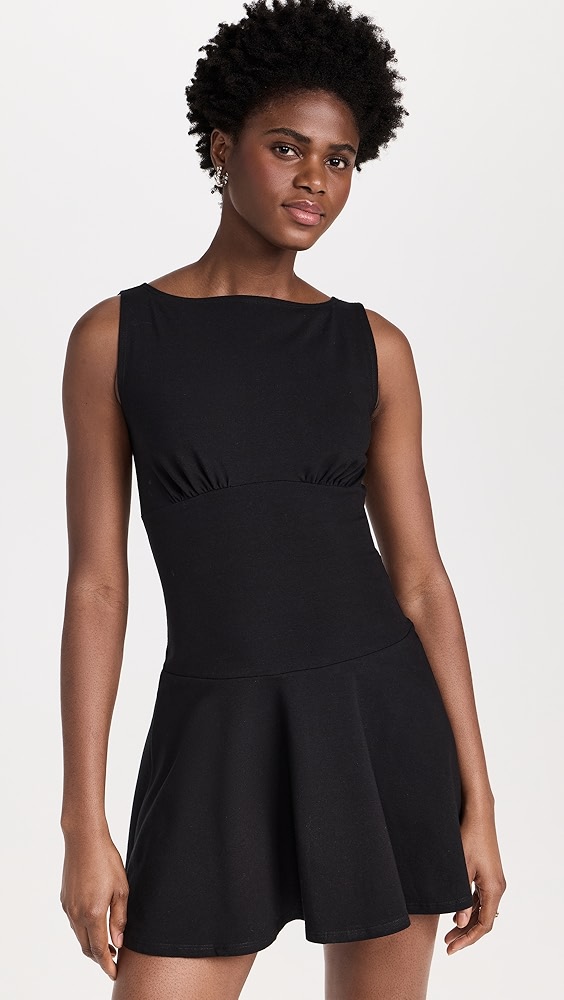
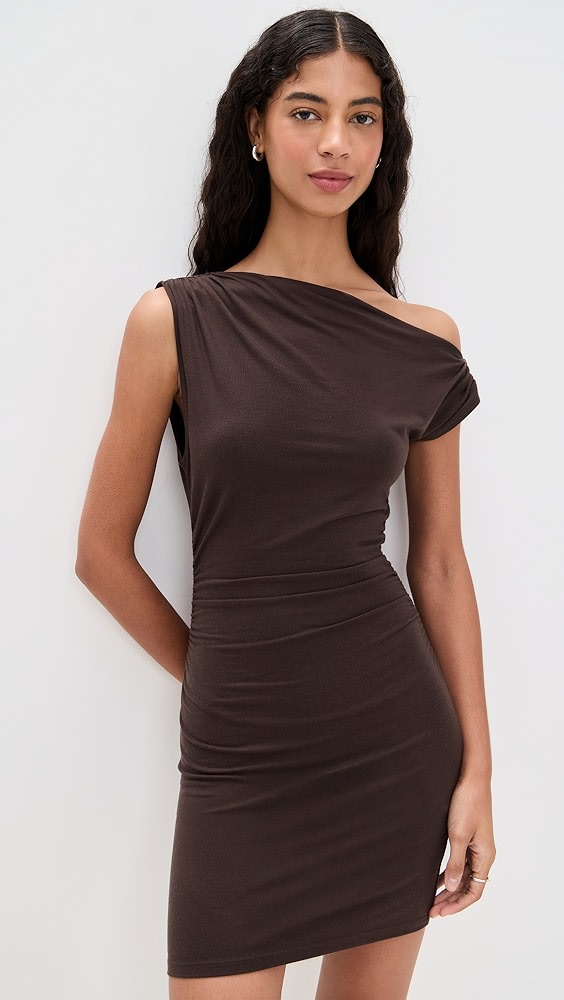
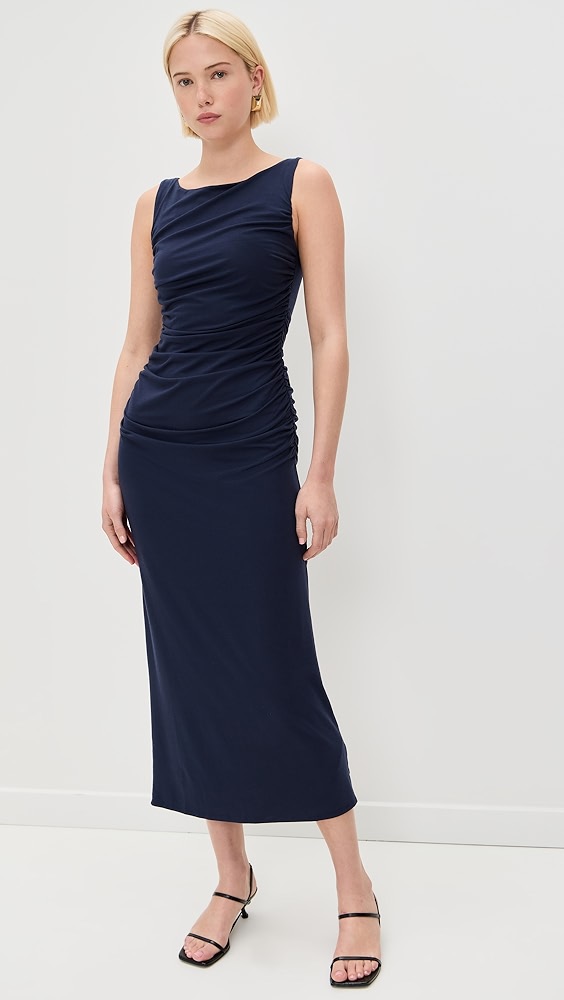
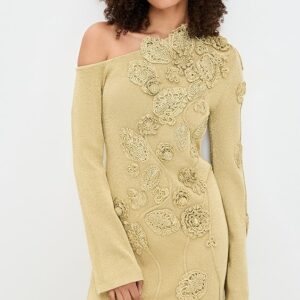
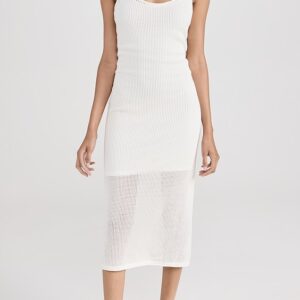
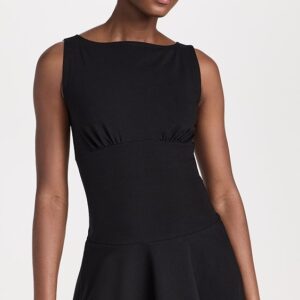
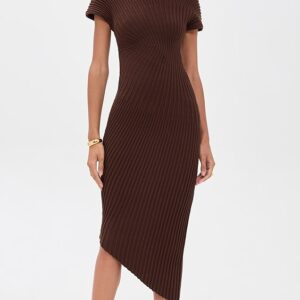
A knit dress is one of the most useful pieces you can own. It combines the comfort of a sweater with the simplicity of a one-piece outfit, making it suitable for casual days, office wear, travel, dinners and many special occasions.
The key to wearing a knit dress well is choosing the right fabric weight, fit, length and accessories for the setting. A fine ribbed midi dress can look polished and sophisticated, while a relaxed chunky-knit style creates a comfortable weekend outfit.
With thoughtful styling, a knit dress can be worn through several seasons and adapted to suit almost any wardrobe.
Writeups and reviews are our personal opinions. Follow through to the merchants site for more details.
What Is a Knit Dress?
A knit dress is made from knitted rather than woven fabric. This usually gives it stretch, softness and a more flexible fit.
Knit dresses are available in many styles, including:
Fitted ribbed dresses
Relaxed sweater dresses
Knitted midi dresses
Bodycon knit dresses
A-line knit dresses
Knitted shirt dresses
Turtleneck dresses
Wrap-style knit dresses
Sleeveless knitted dresses
Chunky cable-knit dresses
The fabric may be made from wool, cotton, cashmere, viscose, acrylic or a blend of fibres. The material and thickness determine when and where the dress is most suitable.
Why Knit Dresses Are So Flattering
Knit fabric naturally follows the shape of the body while allowing movement. A well-made knit dress can skim the figure without feeling restrictive.
Vertical ribbing can create a lengthening effect, while wrap styles and belted knit dresses help define the waist. A-line and softly flared silhouettes provide balance without clinging closely to the hips.
The most flattering knit dress is not necessarily the tightest. A dress that gently follows the body often looks more polished than one that pulls, stretches or reveals every line underneath.
How Should a Knit Dress Fit?
A knit dress should feel comfortable and sit smoothly across the body. The fabric should not pull sharply across the bust, stomach or hips.
Check the dress from the front, side and back. Horizontal stretching, distorted ribbing and raised hems can indicate that the dress is too small.
If you prefer a closer fit, choose a knit with enough thickness and structure to provide support. For a relaxed look, select a sweater dress that falls cleanly without appearing excessively oversized.
The shoulder seams should sit correctly, and the neckline should remain in place as you move.
Choose the Right Underwear
Knit fabric can reveal seams and texture beneath the dress, particularly when it is fine, pale or closely fitted.
Seamless underwear creates the smoothest finish. Choose a bra that sits comfortably beneath the neckline and does not create visible lines.
For fitted dresses, light smoothing shorts or shapewear can be worn if desired, but they are not essential. Comfort should remain the priority.
Nude underwear is usually the best choice beneath cream, white and pale-coloured knit dresses.
Writeups and reviews are our personal opinions. Follow through to the merchants site for more details.
How to Wear a Knit Dress Casually
For an easy everyday outfit, pair a relaxed knit dress with sneakers, flat boots or simple sandals.
A denim jacket, crossbody bag and understated jewellery will keep the look comfortable and informal.
Choose soft colours such as beige, grey, navy, olive or cream for versatility, or add personality with stripes and brighter shades.
A loose midi sweater dress can be worn with low-profile sneakers, while a shorter knit dress works well with ankle boots and a lightweight jacket.
How to Wear a Knit Dress to Work
A knit dress can be an excellent office option when the silhouette and fabric are polished.
Choose a midi or knee-length style with a secure neckline and enough structure to hold its shape. Fine-gauge knitwear generally looks more professional than very chunky or oversized styles.
Add a tailored blazer, structured cardigan or longline coat. Finish the outfit with loafers, ankle boots, pointed flats or low block heels.
A belt can define the waist and make a simple knit dress appear more formal.
Neutral colours such as black, charcoal, navy, camel and burgundy are particularly suitable for work.
How to Wear a Knit Dress for an Evening Out
A fitted or softly draped knit dress can look elegant for dinner, drinks or an evening event.
Choose a style with an interesting neckline, asymmetric hem, open back, side slit or subtle metallic thread.
Pair it with heeled ankle boots, pumps or strappy sandals. Add statement earrings, a small handbag and a tailored coat.
Black, chocolate brown, deep red, emerald and navy can create a sophisticated evening look.
A monochrome outfit can be especially effective. Wear the dress, shoes and outer layer in similar shades for a sleek finish.
How to Wear a Knit Dress to a Special Occasion
Knit dresses are not usually the first choice for very formal occasions, but refined knitted styles can work beautifully for birthdays, dinners, cocktail events and modern weddings.
Look for fine fabrics, elegant draping and a well-defined silhouette. Cashmere blends, soft ribbed knits and dresses with metallic or decorative details can feel more elevated.
Choose polished footwear and refined accessories. Avoid overly casual chunky knits, heavy boots and oversized layers when dressing for a special event.
For weddings, consider the venue and dress code. A sleek knitted midi dress may suit a winter ceremony, restaurant wedding or sophisticated daytime celebration.
Where to Wear a Knit Dress
To the Office
Wear a structured midi knit dress with a blazer, loafers or ankle boots. Choose a dress that does not cling excessively and remains comfortable while sitting.
To Lunch or Brunch
Style a relaxed knit dress with sneakers, sandals or ballet flats. Add a denim jacket or lightweight cardigan.
To Dinner
Select a fitted or draped knit dress with heeled boots or sandals. Add jewellery and a small handbag.
While Travelling
A soft knit dress is comfortable for flights, road trips and sightseeing. Pair it with supportive shoes and a cardigan or jacket.
Choose fabric that resists creasing and is not too heavy.
For Shopping and Everyday Errands
Wear a casual sweater dress with sneakers, flat boots and a practical crossbody bag.
To a Family Gathering
A midi knit dress is comfortable, presentable and easy to wear. Add a belt or simple jewellery for a more polished finish.
To a Winter Event
A long-sleeved knit dress works well with tall boots, a wool coat and a scarf. Choose richer colours and thicker fabric for warmth.
On a Date
A fitted ribbed dress can look elegant without appearing overly formal. Wear it with heeled boots, a leather jacket or a tailored coat.
When to Wear a Knit Dress
Knit dresses are often associated with autumn and winter, but lighter versions can be worn during spring and summer.
Spring
Choose lightweight cotton or viscose knit dresses in soft colours. Add a cropped jacket, cardigan or trench coat.
Wear them with sneakers, loafers or ankle boots.
Summer
Look for sleeveless or short-sleeved knit dresses made from breathable, lightweight fabric.
Cotton and open-knit styles can work well, provided the dress is lined or worn with an appropriate slip.
Pair the dress with flat sandals, espadrilles or minimal strappy heels.
Autumn
Autumn is an ideal season for knit dresses. Wear midi and long-sleeved styles with ankle boots, leather jackets and light coats.
Rust, olive, burgundy, camel and chocolate brown suit the season beautifully.
Winter
Choose thicker wool-blend, cashmere or cable-knit dresses. Layer with tights, tall boots, long coats and scarves.
A fitted thermal layer can be worn underneath for additional warmth without adding excessive bulk.
How to Style a Fitted Knit Dress
A fitted knit dress creates a sleek silhouette and works well for evenings, dinners and smart-casual occasions.
Balance the close fit with a structured or relaxed outer layer, such as a blazer, long coat or leather jacket.
Pointed shoes, heeled boots and simple sandals can lengthen the overall line.
If the dress is very fitted, keep the accessories clean and understated. This prevents the outfit from appearing overworked.
How to Style a Sweater Dress
A sweater dress is relaxed, warm and easy to layer. It may be straight, oversized or softly shaped at the waist.
Add a belt if you want more definition. Wear it with knee-high boots, ankle boots or sneakers.
A long coat creates a streamlined winter outfit, while a denim or leather jacket makes the dress feel more casual.
If the sweater dress is short, opaque tights can provide extra coverage and warmth.
How to Style a Ribbed Knit Dress
Ribbed knit dresses are flattering because the vertical lines can make the body appear longer.
They are often fitted, so check that the fabric is thick enough to sit smoothly.
For daytime, wear a ribbed midi dress with sneakers and a cardigan. For evening, add heels, a structured bag and statement jewellery.
A ribbed dress also looks polished beneath an oversized blazer or long tailored coat.
How to Style a Knitted Midi Dress
The midi length is one of the most versatile options. It works for the office, weekends, travel and evening occasions.
Wear it with ankle boots, loafers or sneakers for daytime. Add heeled boots or strappy sandals for a dressier look.
A cropped jacket helps define the waist, while a long coat creates an elegant uninterrupted line.
How to Style a Short Knit Dress
A short knit dress can look youthful and modern when balanced with appropriate footwear and layers.
Wear it with tall boots, ankle boots or opaque tights in cooler weather. Sneakers can create a casual daytime look.
A longer coat or oversized blazer can provide contrast and additional coverage.
Make sure the dress remains comfortable when sitting, bending and walking.
How to Style a Long Knit Dress
A long knit dress can look elegant and dramatic, especially when the fabric drapes well.
Choose a style that does not drag along the ground. A side slit can improve movement and reveal the footwear.
Wear a long knit dress with boots, platform shoes, sneakers or heels depending on the occasion.
A belt, cropped jacket or fitted coat can prevent the outfit from appearing shapeless.
What Shoes to Wear with a Knit Dress
Sneakers
Sneakers make a knit dress feel casual and contemporary. Clean leather or low-profile styles are the easiest to wear.
Ankle Boots
Ankle boots suit short, midi and long knit dresses. Pointed styles create a polished line, while chunky boots add contrast.
Knee-High Boots
Knee-high boots work beautifully with short and midi knit dresses. They provide warmth and create a sophisticated autumn or winter look.
Loafers
Loafers are ideal for office wear and smart-casual outfits. They look particularly effective with midi and straight-cut knit dresses.
Ballet Flats
Ballet flats create a soft, feminine look and work well with lightweight spring knitwear.
Heels
Pumps, block heels and heeled sandals can transform a simple knit dress into an evening outfit.
Flat Sandals
Flat sandals suit lightweight summer knit dresses. Choose a streamlined design to maintain a polished appearance.
What Jacket to Wear with a Knit Dress
Blazer
A blazer adds structure and makes a knit dress suitable for work, meetings and smart-casual occasions.
Denim Jacket
A denim jacket creates an easy daytime outfit and works well with relaxed or fitted knit dresses.
Leather Jacket
A leather jacket adds contrast and prevents a soft knit dress from appearing too delicate.
Trench Coat
A trench coat is ideal for transitional weather and adds a classic finish.
Writeups and reviews are our personal opinions. Follow through to the merchants site for more details.
Long Wool Coat
A long coat creates warmth and elegance during winter. Choose a coat that complements the dress length and colour.
Cropped Jacket
A cropped jacket defines the waist and works especially well with high-waisted or fitted knit dresses.
Should You Wear a Belt with a Knit Dress?
A belt can add shape to a loose or straight knit dress. It can also make the outfit look more deliberate and polished.
Use a slim belt for a subtle finish or a wider belt for stronger waist definition.
Leather belts add structure, while fabric or tie belts maintain a softer appearance.
Not every knit dress needs a belt. Fitted, wrap and naturally shaped styles may look better without one.
How to Layer a Knit Dress
Layering allows a knit dress to work across different temperatures and settings.
Possible layers include:
A fitted turtleneck beneath a sleeveless knit dress
A button-up shirt under a V-neck dress
A blazer or cardigan over a fitted style
A long coat over a sweater dress
A thermal layer beneath a winter knit dress
A cropped sweater over a fitted dress to create the appearance of a skirt
Keep the layers relatively smooth so they do not create bulk beneath the knit fabric.
How to Accessorise a Knit Dress
Knit dresses often have a simple silhouette, making them easy to personalise with accessories.
Try adding:
A leather belt
A structured handbag
A long necklace
Statement earrings
A silk scarf
A wide-brimmed hat
A crossbody bag
A simple watch
Choose accessories according to the texture of the dress. A chunky knit usually needs stronger, simpler accessories, while a fine knit can be paired with more delicate pieces.
Choosing the Right Colour
Neutral knit dresses are easy to wear and can be styled repeatedly.
Black: Sleek, versatile and suitable for day or evening.
Cream: Soft, elegant and ideal for tonal outfits.
Camel: Warm and sophisticated.
Grey: Modern and easy to combine with black, burgundy or navy.
Navy: A refined alternative to black.
Chocolate brown: Rich and flattering for autumn and winter.
Burgundy: Adds colour while remaining polished.
Green: Works particularly well in olive, forest and emerald shades.
Bright colours can also look stylish when the rest of the outfit is kept simple.
Can You Wear a Knit Dress If You Are Petite?
Knit dresses can be very flattering on petite figures. Choose a style that does not overwhelm your height.
Vertical ribbing, a defined waist and a hem that finishes above the ankle can create length.
Avoid excessive fabric, overly long sleeves and dresses that pool around the feet.
Wearing shoes in a similar colour to the dress can also create a longer visual line.
Can You Wear a Knit Dress with a Curvy Figure?
A knit dress can complement curves when the fabric has enough structure and stretch.
Wrap styles, ribbed midi dresses and designs with a defined waist are often flattering.
Choose fabric that skims rather than clings tightly. Check that the dress does not become transparent when stretched.
A blazer, belt or open coat can create additional vertical lines and provide balance.
Can You Wear a Knit Dress Over 50 or 60?
Knit dresses can look elegant at any age. The most important factors are fit, fabric quality and personal comfort.
Midi lengths, refined necklines and softly structured styles are especially versatile.
Pair the dress with a blazer, long cardigan, polished footwear and understated jewellery.
There is no need to avoid fitted styles completely. A dress that follows the body without pulling can look sophisticated and modern.
Common Knit Dress Styling Mistakes
Choosing fabric that becomes transparent when stretched
Wearing a dress that pulls tightly across the body
Ignoring visible underwear lines
Pairing a chunky dress with too many bulky layers
Choosing the wrong hem length for the footwear
Allowing the dress to lose its shape through poor care
Wearing a very casual sweater dress to a formal occasion
Using too many oversized pieces in one outfit
Failing to check how the dress looks when sitting
Wearing damaged or heavily pilled knitwear
How to Care for a Knit Dress
Knit dresses require careful storage and washing to prevent stretching, shrinking and pilling.
Always check the care label. Some styles can be machine washed on a gentle cycle, while wool and cashmere may require hand washing or dry cleaning.
Avoid hanging heavy knit dresses for long periods, as this can stretch the shoulders and length. Fold them neatly instead.
Use a fabric comb or pilling remover to maintain a smooth surface. Allow the dress to dry flat whenever recommended.
Knit Dress Outfit Ideas
Casual Day Outfit
Wear a relaxed midi knit dress with white sneakers, a denim jacket and a crossbody bag.
Office Outfit
Style a ribbed midi dress with a blazer, loafers and a structured handbag.
Winter Outfit
Pair a long-sleeved sweater dress with knee-high boots, opaque tights and a wool coat.
Evening Outfit
Wear a fitted black knit dress with heeled sandals, statement earrings and a small clutch.
Travel Outfit
Choose a soft, wrinkle-resistant knit dress with supportive sneakers, a cardigan and a practical tote.
Spring Outfit
Wear a lightweight knit dress with ballet flats and a trench coat.
Summer Outfit
Style a sleeveless cotton-knit dress with flat sandals, a woven bag and simple jewellery.
Smart-Casual Outfit
Add a belt, ankle boots and a leather jacket to a simple ribbed dress.
A knit dress looks best when the fabric, fit and styling suit the occasion. Comfort may be its greatest advantage, but thoughtful accessories and layers are what make it look polished.
Final Thoughts
A knit dress can be casual, professional, elegant or glamorous depending on how it is styled. It is one of the few garments that can offer warmth, comfort and a polished appearance at the same time.
Choose a fit that skims the body, fabric that holds its shape and a length that suits your proportions. Match the dress with sneakers and denim for casual wear, loafers and a blazer for work or heels and jewellery for an evening occasion.
Whether worn to the office, while travelling, for lunch or on a night out, a well-chosen knit dress can become one of the most versatile and dependable pieces in your wardrobe.
Worth a look
Knit Dress | Black, White, Midi Knit Dresses | Ally Fashion Knit Dress | Black, White, Midi Knit Dresses | Ally Fashion with merchant-derived product information and direct retailer access for current specifications, sizing and availability.
Dressing casually does not mean looking careless. A relaxed outfit can still appear polished, tasteful and appropriate when the clothing fits properly, is well maintained and has been put together with intention.
The goal is to feel comfortable without looking as though you have made no effort. You do not need expensive labels, formal clothing or an uncomfortable outfit. A few well-chosen basics, clean footwear and thoughtful styling can make even jeans and a T-shirt look respectable.
Worth a look
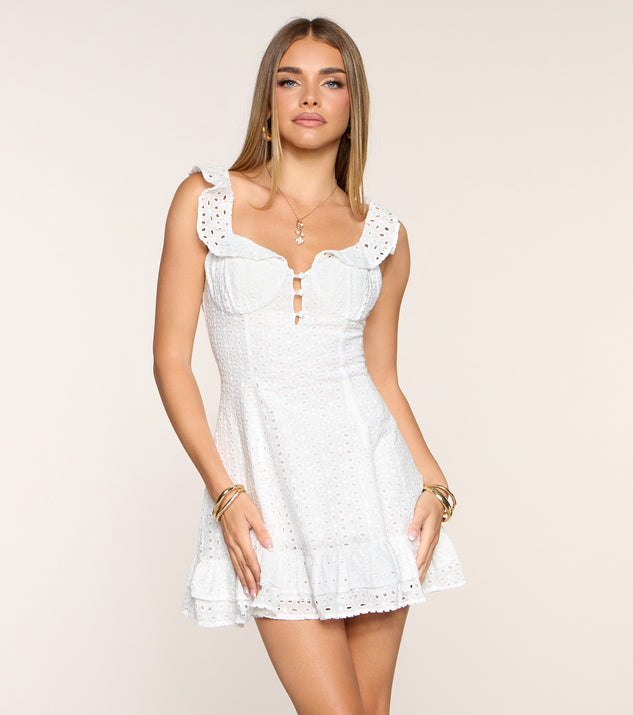
Windsor Flirty Look Eyelet Flutter Sleeve Skater Dress Windsor Flirty Look Eyelet Flutter Sleeve Skater Dress: Sweetheart neckline, button-front closures; Short ruffle flutter sleeves, can be worn off-the-shoulder; Back zipper closure.
Writeups and reviews are our personal opinions. Follow through to the merchants site for more details.
What Does Respectable Casual Style Mean?
Respectable casual style sits between very relaxed clothing and formal dressing. It is comfortable enough for everyday life but polished enough for shopping, casual lunches, appointments, family gatherings and many informal workplaces.
A respectable casual outfit usually includes:
Clean, well-fitting clothing
Simple colours or coordinated prints
Neat shoes in good condition
Appropriate coverage for the occasion
One or two structured or polished elements
Minimal visible wear, stains or excessive creasing
It is less about following strict rules and more about showing care in the way you present yourself.
Start with Clothing That Fits Properly
Fit is one of the biggest differences between looking relaxed and looking untidy. Clothing does not need to be tight, but it should sit well on the body and maintain a clear shape.
Tops should not pull across the chest or hang so loosely that they overwhelm your frame. Trousers should sit comfortably at the waist and fall smoothly through the legs. Sleeves, hems and shoulder seams should appear intentional rather than oversized by accident.
A simple, inexpensive outfit that fits well will usually look more respectable than costly clothing in the wrong size.
Build Your Wardrobe Around Polished Basics
A reliable casual wardrobe begins with versatile pieces that can be worn in several combinations.
Useful basics include:
Dark or clean mid-wash jeans
Tailored or straight-leg trousers
Plain T-shirts in quality fabric
Button-up shirts
Fine-knit sweaters
Simple blouses
Midi skirts
Shirt dresses and wrap dresses
Smart cardigans
Blazers and lightweight jackets
Neutral shades such as navy, cream, beige, white, black, olive and grey are easy to coordinate. Colour and prints can then be introduced through tops, scarves, bags and accessories.
Choose Jeans That Look Neat
Jeans are a natural foundation for respectable casual dressing. The key is choosing a pair that looks clean and fits properly.
Straight-leg, slim, bootcut and wide-leg jeans can all look polished. Dark denim often appears slightly smarter, while clean mid-blue denim creates an easy daytime look.
Pair jeans with a blouse, button-up shirt, fitted knit or quality T-shirt. Add loafers, ankle boots, ballet flats or clean sneakers to complete the outfit.
Heavily ripped, extremely faded or badly stretched jeans may look too casual for situations where you want to make a good impression.
Wear T-Shirts with Intention
A T-shirt can look respectable when the fabric is opaque, the neckline holds its shape and the garment is free from wrinkles, stains and fading.
Plain crew-neck, V-neck and scoop-neck T-shirts are easy to style. A subtle stripe can also look polished.
Tuck the shirt fully or partially into jeans, trousers or a skirt to create shape. Add a blazer, structured cardigan or neat jacket to make the outfit feel more complete.
Avoid very thin T-shirts, stretched necklines and oversized slogans when you want a more refined appearance.
Worth a look
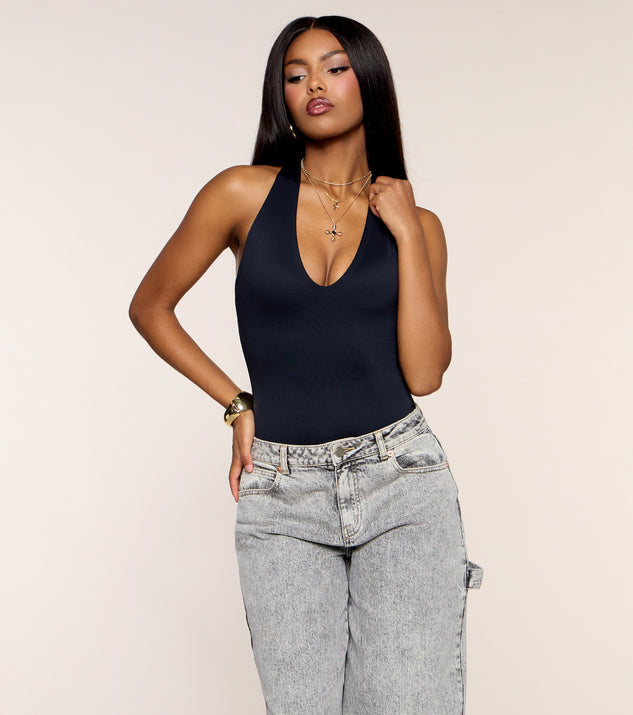
Windsor One More Look Strappy Bodysuit The back deserves its own close-up. This halter bodysuit pairs a plunging V-neckline with strappy open-back detailing for a sleek fit that pairs effortlessly with any bottom.
Writeups and reviews are our personal opinions. Follow through to the merchants site for more details.
Add One Structured Piece
One of the easiest ways to elevate a casual outfit is to add structure.
A blazer can transform jeans and a T-shirt. A fitted denim jacket can give shape to a loose dress, while a structured cardigan can make casual trousers look more polished.
You do not need to wear anything formal. The structured piece simply helps the outfit look deliberate rather than thrown together.
Choose Comfortable but Polished Trousers
Tailored trousers are not only for the office. Relaxed straight-leg, wide-leg and pull-on trousers can be very comfortable while still looking respectable.
Choose fabrics that hold their shape and avoid styles that closely resemble pyjama bottoms or tracksuit pants.
Pair casual trousers with a fitted T-shirt, blouse, knit top or shirt. Add loafers, sandals or clean sneakers depending on the season.
Use Knitwear to Look Relaxed and Refined
Knitwear is ideal for creating a comfortable but presentable outfit. Fine-knit sweaters, cardigans, knitted polo shirts and fitted turtlenecks can all look elegant without feeling formal.
Choose knits that are free from pilling and that maintain their shape. A neat sweater with jeans and loafers is simple, comfortable and respectable.
If the knit is oversized, balance it with straight or slim trousers. If the trousers are wide, choose a more fitted sweater or tuck the front into the waistband.
Try a Simple Dress
A casual dress can create a complete outfit with very little effort. Shirt dresses, wrap dresses, knitted dresses and relaxed midi dresses are especially useful.
Look for a dress with a flattering neckline and enough structure to avoid appearing shapeless. Add a belt if you want more waist definition.
Wear the dress with sneakers, sandals, loafers or ankle boots. A cardigan, denim jacket or blazer can be added when you need another layer.
Wear Skirts in a Relaxed Way
Midi skirts, denim skirts and simple A-line skirts can look polished without feeling overdressed.
Pair a flowing skirt with a fitted T-shirt or knit. Wear a denim skirt with a button-up shirt or blouse. Keeping the top simple allows the skirt to remain the main feature.
Tucking in the top or adding a belt can prevent the outfit from appearing shapeless.
Select Shoes That Look Well Maintained
Footwear can determine whether a casual outfit looks stylish or careless. Your shoes do not need to be formal, but they should be clean and in good condition.
Good casual options include:
Clean leather or canvas sneakers
Loafers
Ballet flats
Ankle boots
Low block heels
Flat leather sandals
Simple espadrilles
Worn-out trainers, dirty shoes and beach thongs can make an otherwise attractive outfit look less polished.
Can Sneakers Still Look Respectable?
Sneakers can look smart when they have a streamlined shape and are kept clean. White, navy, black and neutral leather sneakers are particularly versatile.
Wear them with straight-leg jeans, cropped trousers, midi skirts or casual dresses.
Very bulky running shoes are best kept for exercise unless they are deliberately part of a sporty outfit.
Use Colour in a Coordinated Way
You do not need to wear only neutral colours to appear respectable. Colour can make an outfit more interesting and express your personality.
A simple approach is to combine one stronger colour with two neutral shades. For example, wear an emerald blouse with navy trousers and tan shoes, or a coral sweater with cream jeans and beige loafers.
Repeating one colour in a scarf, handbag or shoe detail can make the outfit feel coordinated.
Be Careful with Oversized Clothing
Oversized clothing can look modern and relaxed, but too much volume can appear untidy.
Balance one loose piece with something more fitted. Wear an oversized shirt with straight-leg jeans, or pair wide-leg trousers with a fitted top.
Rolling the sleeves, tucking in part of the shirt or adding a belt can create shape without losing comfort.
Add a Blazer Without Looking Too Formal
A blazer is one of the easiest ways to make casual clothing look respectable. It does not need to be part of a suit.
Wear a relaxed blazer over a T-shirt and jeans, or combine it with a dress and sneakers. Linen and soft-knit blazers are especially suitable for casual outfits.
Leaving the blazer open keeps the look relaxed while creating a clean vertical line through the body.
Choose Understated Accessories
Accessories can make a basic outfit feel complete. A watch, leather belt, scarf, structured handbag or simple piece of jewellery may be all you need.
Avoid adding too many statement accessories at once. One distinctive element usually looks more refined than several competing pieces.
A plain outfit can be lifted with a colourful scarf, elegant earrings or an attractive handbag.
Carry a Neat Bag
Your handbag contributes to the overall appearance of the outfit. A clean tote, crossbody bag or structured shoulder bag can make casual clothing look more polished.
The bag does not need to match your shoes exactly. It should simply complement the colours and level of formality of your clothing.
Avoid carrying a bag that is damaged, badly overfilled or covered in visible stains when you want to look well presented.
Pay Attention to Fabric Quality
Fabric influences how clothing hangs and how well it maintains its shape. Cotton, linen blends, denim, fine knitwear, crepe and soft tailoring fabrics can all work well for respectable casual outfits.
Very thin fabric, excessive stretching and transparency can make clothing appear less polished. Choose garments that provide appropriate coverage and remain comfortable throughout the day.
Keep Your Clothing Well Maintained
Even the best outfit can look careless if the clothing is stained, creased or damaged.
Before wearing an item, check for:
Wrinkles
Loose threads
Missing buttons
Faded patches
Pilling
Stains
Damaged hems
Steaming a shirt, cleaning your shoes or removing lint can make an immediate difference.
Show Personality Without Looking Overdone
Respectable style does not require you to lose your individuality. You can still wear prints, bold colours, unusual jewellery and fashionable shoes.
The most balanced approach is to choose one main feature. A floral blouse can be paired with plain trousers, while a brightly coloured jacket can be worn over a neutral outfit.
This allows your personal style to stand out without making the outfit feel chaotic.
Dress for the Occasion
A respectable outfit should suit where you are going. Jeans and sneakers may be ideal for shopping or meeting a friend, while trousers, loafers and a blouse may be more suitable for an appointment or casual workplace.
When uncertain, it is usually better to dress slightly more neatly than necessary. You can still remain comfortable while choosing a polished top, structured layer or better pair of shoes.
Worth a look
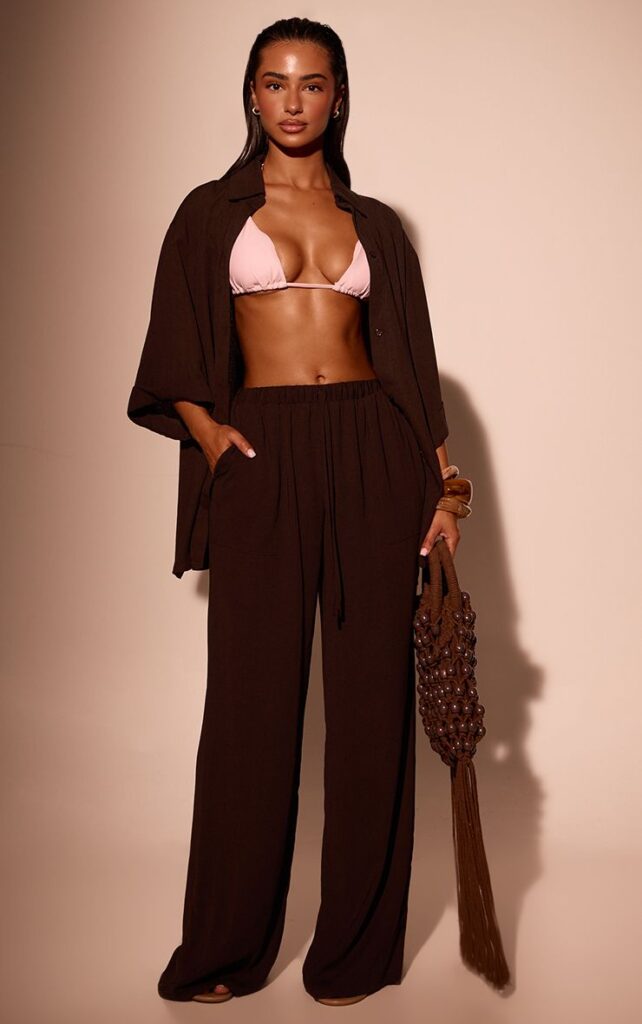
PrettyLittleThing Espresso Linen Look Drawstring Beach Trousers PrettyLittleThing Espresso Linen Look Drawstring Beach Trousers features Linen. A practical choice for everyday dressing, weekends and outfits that can move from casual to smart-casual; check the merchant page for current sizing, availability and product details.
Writeups and reviews are our personal opinions. Follow through to the merchants site for more details.
Respectable Casual Outfit Ideas
Jeans and a Blouse
Wear dark straight-leg jeans with a soft blouse, loafers and a structured handbag.
T-Shirt and Blazer
Pair a plain T-shirt with clean jeans, a relaxed blazer and leather sneakers.
Wide-Leg Trousers and Knit Top
Combine high-waisted wide-leg trousers with a fitted knit and flat shoes. Tuck in the top to define the waist.
Midi Dress and Denim Jacket
Wear a simple midi dress with a fitted denim jacket and ankle boots or sandals.
Midi Skirt and T-Shirt
Pair a flowing midi skirt with a tucked plain T-shirt, a belt and clean sneakers.
Button-Up Shirt and Jeans
Wear a crisp shirt with straight-leg jeans and loafers. Roll the sleeves for a relaxed finish.
Cardigan and Tailored Trousers
Style a neat cardigan as a top with tailored trousers, ballet flats and simple jewellery.
Casual Clothing to Avoid When You Want to Look Polished
There are no universal rules, but some items can make it more difficult to create a respectable appearance.
Clothing with visible stains or damage
Very stretched T-shirts
Badly creased garments
Excessively ripped jeans
Transparent clothing without suitable layering
Sleepwear worn as everyday clothing
Worn-out footwear
Gym clothing outside exercise settings
Clothing that is extremely tight or revealing for the occasion
Too many oversized garments worn together
The aim is not to criticise casual clothing. It is to choose versions that look intentional and appropriate.
Simple Ways to Look More Put Together
Tuck in your top or use a partial tuck.
Add a belt to define your waist.
Wear a blazer, cardigan or structured jacket.
Choose clean shoes that complement the outfit.
Coordinate two or three colours rather than using many unrelated shades.
Steam or iron clothing before wearing it.
Add one polished accessory.
Make sure your clothing fits correctly.
Keep your hair and general grooming neat.
Stand confidently and wear clothing in which you feel comfortable.
Looking respectable while dressing casually is not about wearing formal clothes. It is about choosing comfortable pieces that fit well, look cared for and suit the occasion.
Final Thoughts
You can dress casually and still look polished, confident and respectable. The most important elements are fit, cleanliness, coordination and attention to small details.
Begin with simple basics such as neat jeans, tailored trousers, quality T-shirts, knitwear and comfortable dresses. Add one structured layer, well-maintained shoes and a considered accessory.
Your clothing should allow you to move comfortably and feel like yourself. When casual pieces are chosen thoughtfully and worn with confidence, they can look every bit as stylish and respectable as more formal clothing.
Worth a look
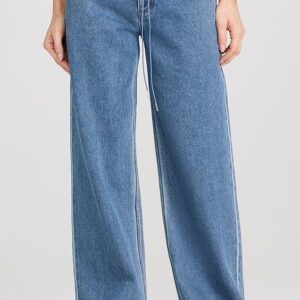
Still Here Low Rise Sport Jeans In Pear Still Here Low Rise Sport Jeans In Pear: Fabric: Mid-weight, non-stretch denim; Shell: 100% cotton; Adjustable elastc drawcords at cuffs.
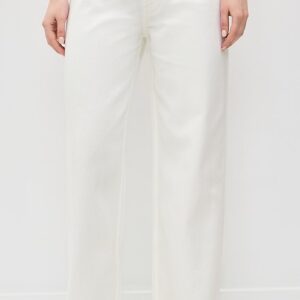
Still Here Sport Jeans in Milk Still Here Sport Jeans in Milk: Fabric: Mid-weight, non-stretch denim; Shell: 100% cotton; Fabric: Mid-weight, non-stretch denim, Hook-and-eye closures at waist, zip fly.
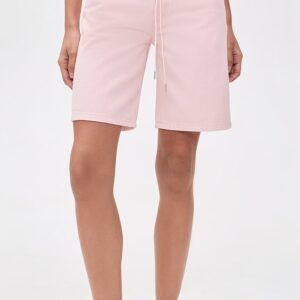
Still Here Cool Twill Shorts Still Here Cool Twill Shorts: Fabric: Lightweight, non-stretch twill; Shell: 100% cotton; Fabric: Lightweight, non-stretch twill, Drawstring waist.
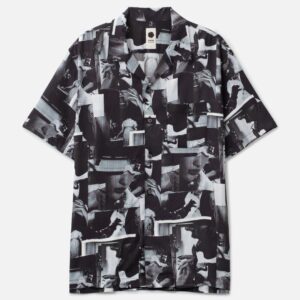
vowels Printed Still Shirt vowels Printed Still Shirt: Open collar; Short sleeve; vowels engraved shell buttons.
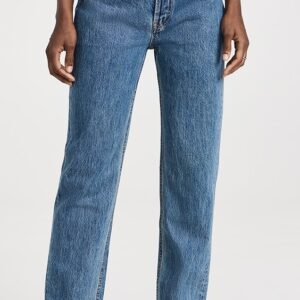
Still Here Childhood Jeans Still Here Childhood Jeans: Fabric: Mid-weight, non-stretch denim; Shell: 100% cotton; Fabric: Mid-weight, non-stretch denim Contrast stitching Ankle length Button fly 5-pocket styling.
Wide-leg pants are one of the most flattering and versatile trouser styles when they are fitted and styled correctly. Their long, flowing shape can create the appearance of longer legs, balance the proportions of the body and provide a polished alternative to tight-fitting trousers.
They are also exceptionally comfortable. Unlike skinny pants, wide-leg styles allow freedom of movement and do not cling to the legs. They can be worn casually with sneakers and a T-shirt, styled professionally with a blouse and blazer or dressed up with heels and an elegant top.
Worth a look
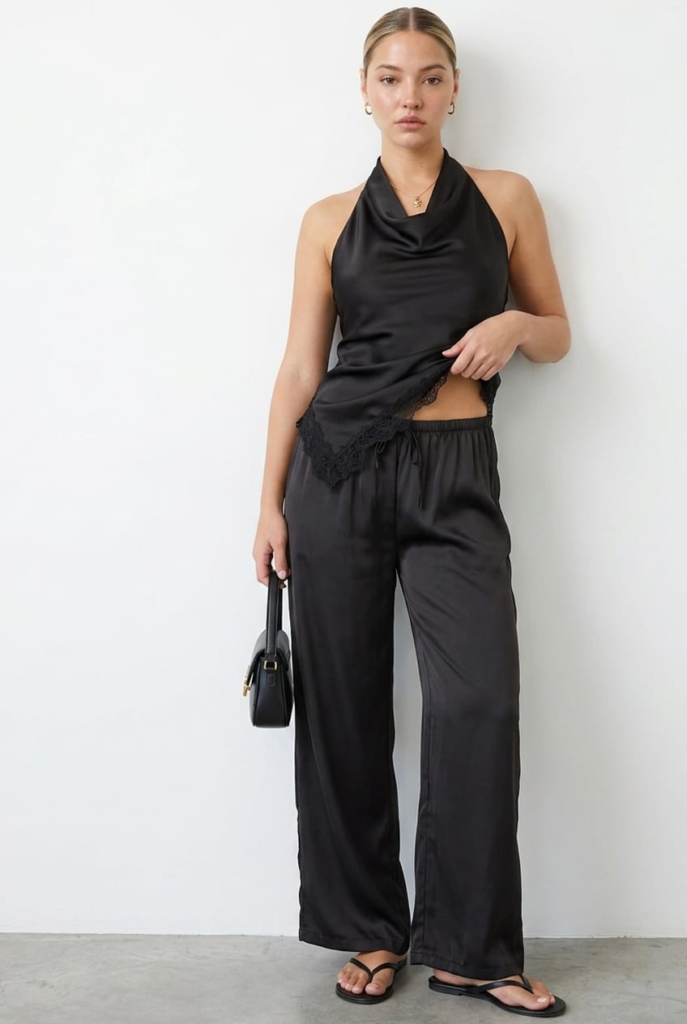
Ally Fashion Black Wide Leg Pants Elasticated Waist Satin Now on sale Ally Fashion Black Wide Leg Pants Elasticated Waist Satin. Found on the secure and trusted website allyfashion.com. Fabric: Slight Stretch Gender: Women Age: Adult Body Length: Regular Season: Summer Style: CASUAL Waistline: Mid Rise Fit: Relaxed Fit Material: Polyester Label: Ally Fashion Material Group: Polyester Sub-Category: BTG Trend Name: Day To Night Wear Style Code: BT5222X-710P
Writeups and reviews are our personal opinions. Follow through to the merchants site for more details.
The secret is proportion. Because wide-leg pants add volume below the waist, the upper half of the outfit usually needs definition, structure or a clearly visible waistline.
Are Wide-Leg Pants Flattering?
Wide-leg pants can flatter almost every body shape. The straight or gently flowing line from the hips to the hem creates a smooth silhouette and can make the legs appear longer.
High-waisted styles are particularly flattering because they visually raise the waist and lengthen the lower half of the body. Pants that skim the hips before falling into a wider leg often provide the most balanced and streamlined result.
However, not every pair of wide-leg pants will fit the same way. Fabric, rise, waistband, pleats and leg width can all influence the final appearance.
Why Wide-Leg Pants Can Make You Look Taller
Wide-leg pants create a strong vertical line, particularly when the fabric falls smoothly from the waist to the floor. This uninterrupted line can make the body appear taller and more elongated.
To maximise this effect, choose pants that nearly cover the top of your shoes without dragging on the ground. Pair them with a tucked-in or cropped top so that the waist remains visible.
Wearing the pants and top in similar colours can also create a longer, more continuous silhouette.
The Most Flattering Waist Height
High-rise wide-leg pants are often the easiest style to wear because they define the waist and lengthen the legs. They work particularly well with tucked-in shirts, fitted tops and cropped jackets.
Mid-rise styles can also be flattering, especially if you prefer less emphasis around the waist. They are suitable for relaxed outfits and can be worn with a partially tucked shirt or a shorter top.
Low-rise wide-leg pants create a more casual, early-2000s-inspired look. However, they can visually shorten the legs and may require more careful styling.
Choose the Right Width
Wide-leg pants range from softly relaxed trousers to dramatic palazzo styles. The most flattering width depends on your height, frame and the occasion.
A moderately wide leg is usually the most versatile. It provides movement without overwhelming the body. Very full palazzo pants create a stronger statement and often look best in lightweight fabrics that drape rather than stand away from the body.
Petite women do not need to avoid wide-leg pants, but an extremely oversized leg may dominate a smaller frame. A cleaner, slightly narrower wide leg can create a more balanced result.
Fabric Makes a Significant Difference
The fabric determines whether wide-leg pants look sleek, structured, relaxed or voluminous.
Crepe and tailored blends: Create a polished silhouette for work and formal occasions.
Linen: Provides a relaxed, breathable look for summer.
Denim: Creates a casual and contemporary appearance.
Satin: Adds movement and elegance for evening wear.
Wool blends: Work well for cooler weather and professional outfits.
Soft jersey: Offers comfort but may require careful styling to avoid looking like loungewear.
If you want a slimming effect, choose fabric that falls smoothly without excessive bulk around the hips or waist.
Should Wide-Leg Pants Have Pleats?
Pleats add shape and movement, but they can also create extra volume around the stomach and hips.
Single pleats or softly pressed pleats can look elegant and tailored. Deep pleats, gathered waistbands and multiple folds may add more fullness than desired.
If you prefer a smoother front, choose flat-front wide-leg pants. They create a cleaner line and are easy to pair with fitted tops, blouses and jackets.
Worth a look
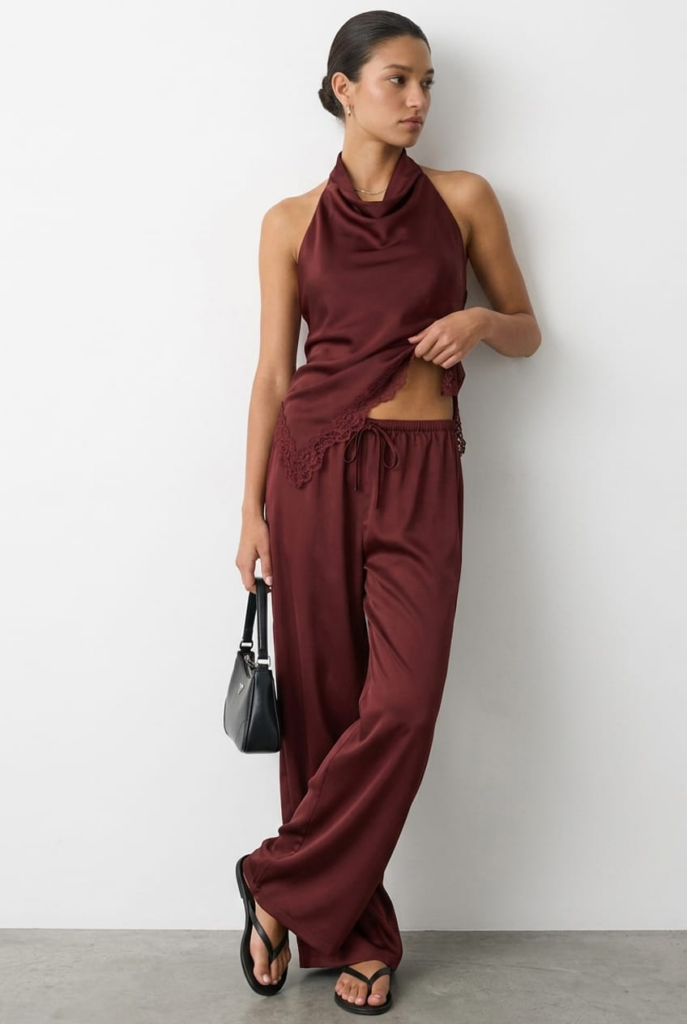
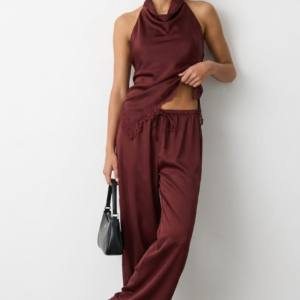
Ally Fashion Burgundy Wide Leg Pants Elasticated Waist Satin Ally Fashion Burgundy Wide Leg Pants Elasticated Waist Satin features Wide Leg, Satin. A practical choice for evening plans, parties, dinners and dressier social occasions; check the merchant page for current sizing, availability and product details.
Writeups and reviews are our personal opinions. Follow through to the merchants site for more details.
How Long Should Wide-Leg Pants Be?
The correct length depends on the type of pants and the shoes you plan to wear.
Full-length wide-leg pants should usually sit close to the floor while leaving enough clearance to walk comfortably. The hem may cover most of the shoe, but it should not drag or bunch excessively.
Cropped wide-leg pants should end at a deliberate point, usually above the ankle or around the lower calf. An awkward length that ends at the widest part of the calf can make the legs appear shorter.
Whenever possible, have wide-leg pants altered to suit the shoes you wear most often.
What Tops Look Best with Wide-Leg Pants?
The best tops usually provide contrast to the volume of the pants. Fitted, tucked, cropped or structured tops help define the waist and prevent the outfit from appearing shapeless.
Fitted T-Shirts
A fitted T-shirt is one of the easiest pieces to wear with wide-leg pants. Tuck it into the waistband to highlight the waist and keep the silhouette balanced.
This combination works particularly well with denim, linen and casual tailored pants. Add sneakers, sandals or loafers depending on the occasion.
Button-Up Shirts
A crisp button-up shirt creates a polished look with wide-leg trousers. Wear it fully tucked for a professional outfit, partially tucked for a relaxed appearance or tied at the waist for casual styling.
Silk, cotton and linen shirts all work well. Avoid leaving an oversized shirt completely untucked unless the outfit is deliberately loose and layered.
Fitted Knitwear
Fine-knit sweaters, ribbed tops and fitted turtlenecks complement the volume of wide-leg pants. They are especially effective during cooler weather.
Tuck the knit into the waistband or choose a style that finishes around the waist. A bulky long sweater can hide the shape of the pants and make the outfit appear heavier.
Cropped Tops
Cropped tops naturally suit high-waisted wide-leg pants because they reveal or meet the waistband without exposing too much skin.
A cropped knit, fitted blouse or structured short jacket can create a modern and balanced silhouette.
Blouses
Soft blouses add elegance to tailored or flowing wide-leg pants. Choose a blouse that can be tucked in or has enough structure to maintain shape.
If the blouse includes puff sleeves, ruffles or a strong print, keep the pants relatively simple.
Tank Tops and Camisoles
Fitted tank tops and camisoles are ideal for warm-weather outfits. They create a clean upper-body line and allow the pants to remain the focal point.
Add a blazer, linen shirt or lightweight cardigan when more coverage is needed.
Can You Wear Oversized Tops with Wide-Leg Pants?
An oversized top can work with wide-leg pants, but the outfit needs some definition. Without it, the combination may hide the body and create excessive volume.
Try tucking part of the top into the waistband, rolling the sleeves or choosing an oversized shirt made from lightweight fabric. A belt can also help restore shape.
Another option is to wear a fitted inner layer beneath an open oversized shirt or jacket. This maintains the relaxed look while preserving a visible vertical line.
What Jackets Look Best?
The length and shape of a jacket can significantly affect the proportions of wide-leg pants.
Cropped Jackets
Cropped jackets work particularly well because they finish near the waist and allow the full length of the pants to remain visible.
Try a cropped denim jacket, short blazer, leather jacket or fitted cardigan.
Tailored Blazers
A structured blazer creates a sophisticated outfit with wide-leg trousers. A blazer that finishes around the hip is generally easy to style.
For a relaxed modern suit, wear a slightly oversized blazer with a fitted top underneath. Leaving the blazer open creates a vertical line through the centre of the body.
Long Coats
Long coats can complement wide-leg pants beautifully, particularly when both pieces have clean, flowing lines.
Choose a coat with some structure and make sure the pants are not so long that they drag beneath it. A fitted knit beneath the coat will help maintain balance.
What Shoes Should You Wear with Wide-Leg Pants?
Wide-leg pants can be worn with many shoe styles. The correct choice depends on the trouser length, fabric and level of formality.
Heels
Heels add height and enhance the leg-lengthening effect of full-length wide-leg pants. Block heels, wedges, pumps and heeled sandals can all work.
The heel does not need to be extremely high. Even a modest heel can improve the way the fabric falls.
Sneakers
Clean sneakers create a modern, casual look. They work particularly well with wide-leg jeans, linen pants and cropped styles.
Make sure the hem does not drag over the shoe. Low-profile sneakers generally create a cleaner line than bulky athletic footwear.
Loafers
Loafers give wide-leg pants a polished and practical finish. They suit work outfits, tailored pants and cropped styles.
Pointed or slightly elongated loafers can help lengthen the appearance of the foot and leg.
Ankle Boots
Ankle boots are ideal for cooler weather. Choose a streamlined style that fits comfortably beneath the pant leg.
Pointed-toe boots can make the legs look longer, while block-heeled boots provide extra stability.
Sandals
Flat leather sandals suit linen and casual wide-leg pants. Heeled strappy sandals work beautifully with satin, crepe and evening styles.
For cropped pants, choose sandals that do not visually cut across the ankle too heavily if you want to maintain a lengthening effect.
Platform Shoes
Platforms can balance the volume of wide-leg pants and provide height with greater stability than narrow heels.
They are especially effective with denim, retro-inspired outfits and full-length trousers.
Worth a look
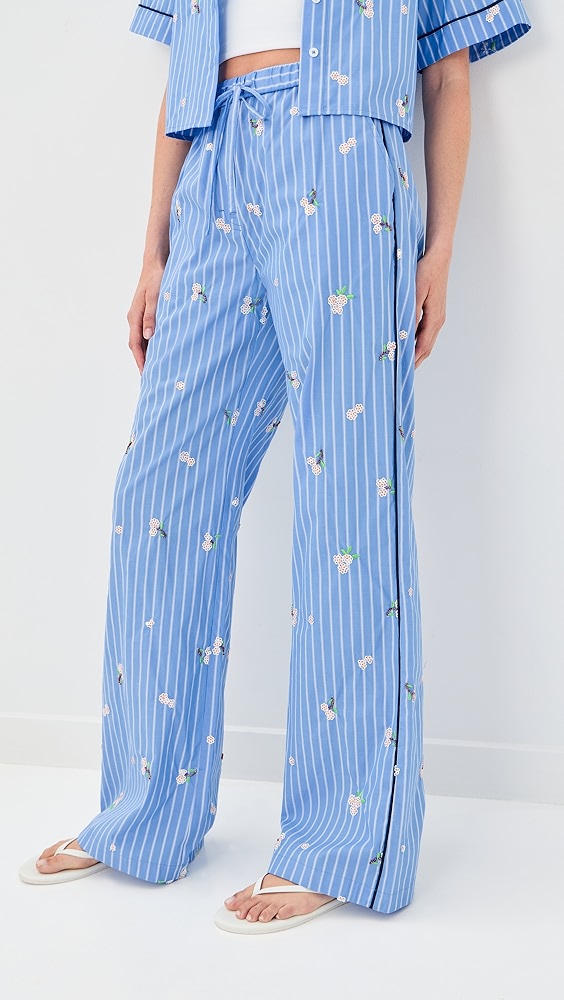
SIMKHAI Jemma Wide Leg Pants SIMKHAI Jemma Wide Leg Pants: Fabric: Lightweight, non-stretch poplin; Shell: 100% cotton; Covered elastic waist with drawstring.
Writeups and reviews are our personal opinions. Follow through to the merchants site for more details.
How to Wear Wide-Leg Pants Casually
For a relaxed everyday outfit, pair wide-leg jeans or linen pants with a fitted T-shirt, tank top or simple knit.
Add sneakers, flat sandals or loafers and complete the look with a crossbody bag or relaxed tote.
A denim jacket, open shirt or lightweight cardigan can be added without making the outfit feel too formal.
How to Wear Wide-Leg Pants to Work
Tailored wide-leg pants are an excellent office option. They provide comfort while maintaining a professional appearance.
Wear them with a tucked-in blouse, fine-knit top or button-up shirt. Add a blazer, loafers, block heels or pointed flats.
Neutral colours such as black, navy, charcoal, camel and cream are easy to coordinate, but deep green, burgundy and soft pastels can also work well.
How to Wear Wide-Leg Pants for Evening
For an evening outfit, choose wide-leg pants in satin, velvet, crepe or another flowing fabric.
Pair them with a silk camisole, fitted bodysuit, off-the-shoulder top or elegant blouse. Add heeled sandals, statement earrings and a small clutch.
A monochrome outfit can look particularly sophisticated. Wearing one colour from top to bottom creates a long, uninterrupted line.
How to Style Wide-Leg Jeans
Wide-leg jeans offer a relaxed alternative to skinny and straight-leg denim. They look particularly stylish with fitted knits, tucked T-shirts, cropped jackets and structured shirts.
Dark denim can be dressed up with a blouse and heels, while faded denim works well with sneakers and casual tops.
Because denim is thicker than many trouser fabrics, avoid excessive gathering or bulky pockets if you want a smoother silhouette around the hips.
How to Style Linen Wide-Leg Pants
Linen wide-leg pants are ideal for warm weather. Their breathable fabric and relaxed shape make them comfortable for holidays, weekends and casual summer occasions.
Wear them with a fitted tank, linen shirt, cropped top or lightweight blouse. Tan sandals, espadrilles and woven accessories complement the natural texture.
Linen creases easily, but this is part of its relaxed character. Choose a linen blend if you prefer a slightly smoother appearance.
How to Style Cropped Wide-Leg Pants
Cropped wide-leg pants can make footwear more visible and are practical in warmer weather.
Pair them with loafers, sandals, sneakers or ankle boots. A tucked top helps prevent the cropped length from shortening the appearance of the legs.
High-waisted cropped pants are generally more lengthening than low-rise styles. Shoes with a low vamp or pointed toe can also help extend the visual line.
Are Wide-Leg Pants Flattering for Petite Women?
Wide-leg pants can be very flattering on petite women. The key is maintaining a long vertical line and avoiding unnecessary bulk.
Choose high-waisted pants with a smooth front and a moderately wide leg. Full-length styles worn with a slight heel can create significant visual length.
Keep the top fitted or tucked and avoid pants that pool excessively around the feet. Monochrome outfits can also make the body appear taller.
Are Wide-Leg Pants Flattering for Curvy Figures?
Wide-leg pants can balance curvier hips and create a smooth line through the legs.
Look for a supportive waistband, fabric with good drape and a style that fits comfortably across the hips before falling straight or wide.
Avoid waistbands that dig into the body or pleats that pull open. Pair the pants with a top that defines the waist and fits properly across the bust.
Are Wide-Leg Pants Flattering for Apple Shapes?
Wide-leg pants can create balance for an apple-shaped figure, particularly when they have a clean waistband and fall smoothly from the hips.
A mid-rise or comfortable high-rise style may work well. Pair the pants with a top that skims the body rather than clinging tightly.
An open blazer, long necklace or V-neckline can create additional vertical lines through the upper body.
Are Wide-Leg Pants Flattering for Pear Shapes?
Wide-leg pants are particularly effective for balancing pear-shaped proportions. A style that fits smoothly through the waist and hips before widening can create a long, even silhouette.
Choose darker colours or simple fabrics for the pants and draw attention upward with an interesting neckline, statement earrings or a brighter top.
Avoid side pockets that gape or add unnecessary volume at the widest point of the hips.
Are Wide-Leg Pants Flattering for Straight Figures?
Wide-leg pants can add movement and shape to a straighter figure. Pleats, belts and defined waistbands can create the appearance of more curves.
Pair them with a fitted top, tucked blouse or cropped jacket to emphasise the waist.
Textured fabrics, bold colours and printed pants can also add visual interest.
Wide-Leg Pants Outfit Ideas
Casual Weekend Outfit
Wear wide-leg jeans with a fitted white T-shirt, sneakers and a cropped denim or leather jacket.
Summer Outfit
Pair cream linen wide-leg pants with a fitted tank top, flat leather sandals and a woven tote.
Office Outfit
Style black tailored wide-leg pants with a tucked blouse, blazer and loafers or block heels.
Evening Outfit
Wear satin wide-leg pants with a fitted camisole, heeled sandals and statement jewellery.
Monochrome Outfit
Combine wide-leg pants with a top in the same or a similar shade. Add contrasting shoes or a handbag for interest.
Cool-Weather Outfit
Pair wool-blend wide-leg pants with a fitted turtleneck, ankle boots and a long tailored coat.
Relaxed Travel Outfit
Wear soft wide-leg pants with a plain T-shirt, cardigan and supportive sneakers. Choose wrinkle-resistant fabric for comfort and practicality.
Common Wide-Leg Pants Styling Mistakes
Choosing pants that are too long and drag on the ground
Wearing an oversized top without defining the waist
Selecting heavy fabric that creates excessive bulk
Choosing pleats that pull open across the stomach
Allowing the pants to fit too tightly across the hips
Wearing cropped pants that end at an unflattering point on the calf
Pairing very wide pants with bulky, shapeless layers
Ignoring the shoes when deciding on the hem length
Choosing a low-rise style when the goal is to lengthen the legs
Wearing underwear that creates visible lines beneath lightweight fabric
How to Make Wide-Leg Pants Look More Polished
Small styling details can make wide-leg pants appear more refined.
Tuck in the top to define the waist.
Add a belt with a clean, simple buckle.
Choose pants with a pressed crease for a longer vertical line.
Wear shoes that suit the exact hem length.
Add a structured blazer or handbag.
Keep the fabric steamed and free from deep wrinkles.
Choose seamless underwear beneath pale or lightweight pants.
Wide-leg pants are most flattering when they create a long, clean line and are balanced by a clearly defined upper body.
Final Thoughts
Wide-leg pants are a flattering choice for many women because they combine comfort, movement and elegant proportions. They can lengthen the legs, balance the hips and create a polished silhouette when the fit is correct.
For the easiest styling, choose a high- or mid-rise pair that fits smoothly around the waist and hips. Pair them with fitted, tucked or cropped tops and select footwear that complements the length of the pants.
Whether worn with sneakers and a T-shirt, a blouse and blazer or a camisole and heels, wide-leg pants can move easily between casual, professional and formal occasions. The right pair can become one of the most useful and flattering pieces in your wardrobe.
Worth a look
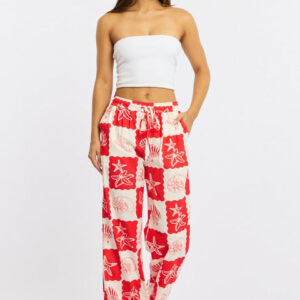
Ally Fashion Red Abstract Wide Leg Pants Elasticated Waist Now on sale Ally Fashion Red Abstract Wide Leg Pants Elasticated Waist. Found on the secure and trusted website allyfashion.com. Fabric: No StretchPattern: AbstractGender: WomenAge: AdultBody Length: Full LengthSeason: SummerStyle: CASUALWaistline: Mid RiseFit: Regular FitMaterial: Linen ViscoseLabel: Ally FashionMaterial Group: LinenSub-Category: BTGStyle Code: BT4084L-137PB
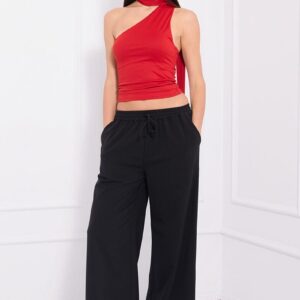
Ally Fashion Black Wide Leg Pants Elasticated Waist Now on sale Ally Fashion Black Wide Leg Pants Elasticated Waist. Found on the secure and trusted website allyfashion.com. Black Wide Leg Pants Elasticated Waist are a versatile, full-length option for women with a comfortable mid-rise silhouette. Body Length: Full Length, Fit: Regular Fit, Model Details:172cm, size 8 AU, Style Code: BT5314-502P,
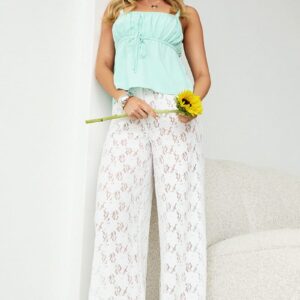
Ally Fashion White Wide Leg Pants Lace Now on sale Ally Fashion White Wide Leg Pants Lace. Found on the secure and trusted website allyfashion.com. These white wide leg pants feature a versatile poly lace design suited for comfortable daily wear. They deliver a regular fit and body length ideal for creating a relaxed, stylish silhouette. Body Length: Regular, Fit: Regular Fit, Material: Poly Lace, Occasion: Casual,…
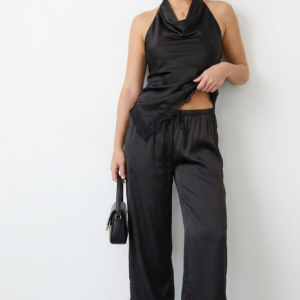
Ally Fashion Black Wide Leg Pants Elasticated Waist Satin Now on sale Ally Fashion Black Wide Leg Pants Elasticated Waist Satin. Found on the secure and trusted website allyfashion.com. Fabric: Slight Stretch Gender: Women Age: Adult Body Length: Regular Season: Summer Style: CASUAL Waistline: Mid Rise Fit: Relaxed Fit Material: Polyester Label: Ally Fashion Material Group: Polyester Sub-Category: BTG Trend Name: Day To Night Wear Style Code: BT5222X-710P
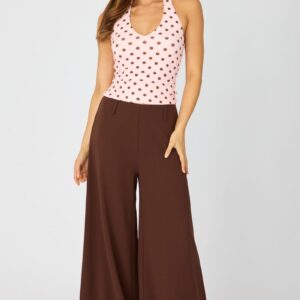
Ally Fashion Brown Wide Leg Pants Now on sale Ally Fashion Brown Wide Leg Pants. Found on the secure and trusted website allyfashion.com. Brown Wide Leg Pants are a versatile casual pant for women. The mid-rise waist and relaxed wide-leg silhouette deliver effortless, all-day style. Body Length: Regular, Fit: Regular Fit, Occasion: Casual, Model Details: 172cm, size 8 AU, Style Code: BT5467-148PB,
Ally Fashion Burgundy Wide Leg Pants Elasticated Waist Satin Ally Fashion Burgundy Wide Leg Pants Elasticated Waist Satin features Wide Leg, Satin. A practical choice for evening plans, parties, dinners and dressier social occasions; check the merchant page for current sizing, availability and product details.
Writeups and reviews are our personal opinions. Follow through to the merchants site for more details.
Strappy sandals are elegant, feminine and surprisingly versatile. They can add a polished finish to an evening dress, make tailored trousers feel lighter or bring effortless style to a relaxed summer outfit.
However, because strappy sandals expose so much of the foot, small details matter. The fit, strap position, heel height and condition of both the shoes and feet can determine whether the result looks refined or uncomfortable.
Worth a look
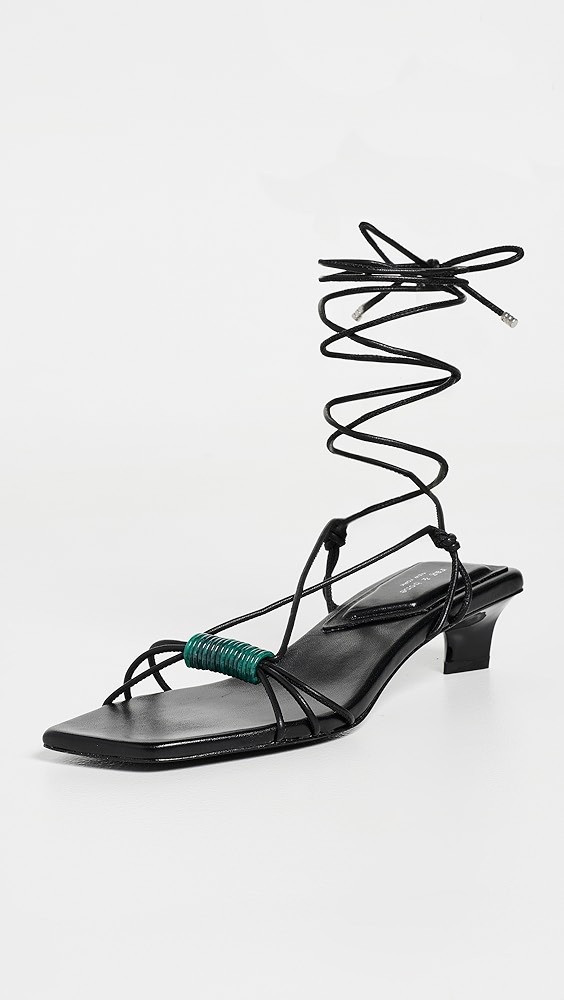
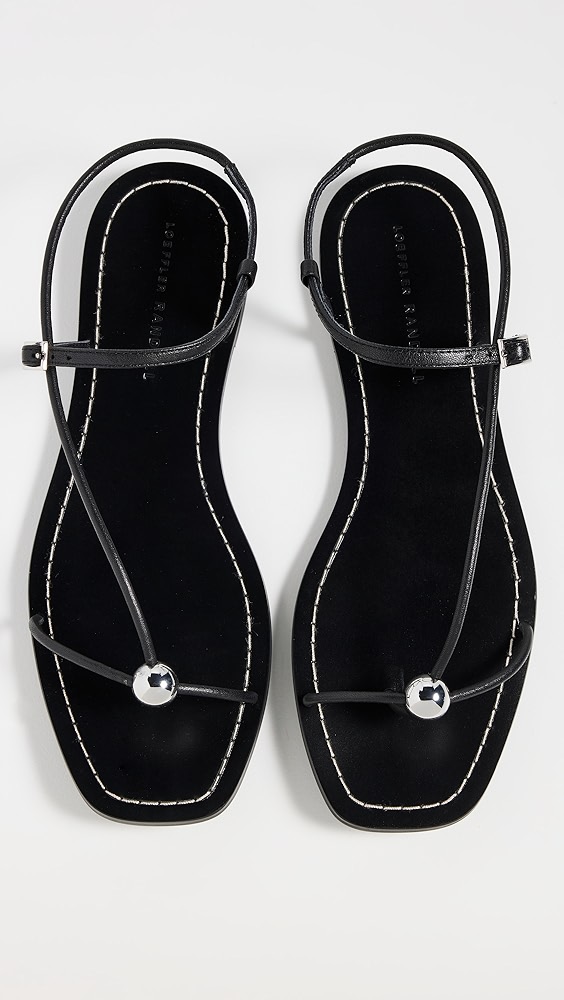
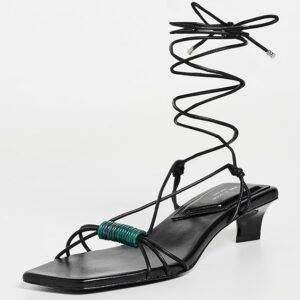
rag & bone Liv Strappy Sandals rag & bone Liv Strappy Sandals: Upper: Leather; Lining: Unlined; 46% recycled Ortholite insole for exceptional support, stability, and comfort.
Writeups and reviews are our personal opinions. Follow through to the merchants site for more details.
Wearing strappy sandals correctly is not about following rigid fashion rules. It is about choosing a pair that fits securely, complements the proportions of your outfit and allows you to walk with confidence.
Choose the Correct Size
Proper fit is the most important part of wearing strappy sandals well. Shoes that are too small can cause the toes or heel to extend beyond the sole, while sandals that are too large may allow the foot to slide forward.
Your heel should sit comfortably within the back edge of the sandal, and your toes should remain completely supported by the front of the sole.
When trying on strappy sandals, stand and walk rather than judging the fit while sitting. Your feet naturally spread when you place weight on them, so a sandal that appears suitable while seated may feel too narrow once you begin moving.
Avoid Toe and Heel Overhang
One of the most common mistakes when wearing open sandals is allowing the toes or heel to hang over the edge of the shoe.
The sole should extend slightly beyond the longest toe without leaving an excessive amount of empty space. At the back, the heel should rest securely on the footbed rather than sitting directly on the edge.
If your foot repeatedly slides forward, the sandal may be too large, too wide or insufficiently supportive. A different strap arrangement or a smaller size may provide a better fit.
Make Sure the Straps Sit Comfortably
Straps should hold the foot securely without digging into the skin. A properly fitted sandal will feel stable but should not leave deep marks, pinch the toes or restrict circulation.
Pay particular attention to straps that cross the widest part of the foot. If the material pulls tightly or creates pressure, the sandal may be too narrow.
Adjustable buckle straps are often the most practical choice because they allow you to customise the fit. Elastic panels can also provide flexibility, especially when the feet swell slightly during warm weather.
Check the Ankle Strap Position
Ankle straps can make sandals feel secure and elegant, but their position can affect both comfort and appearance.
The strap should sit firmly around the ankle without rubbing against the ankle bone. It should be tight enough to prevent the foot from lifting out of the shoe, but loose enough to allow natural movement.
You should normally be able to slide one finger beneath the strap. If the strap leaves painful indentations or causes numbness, loosen it or choose a different style.
Consider the Width of Your Feet
Not all strappy sandals suit every foot shape. A style that looks elegant on a narrow foot may feel restrictive on a wider foot, while widely spaced straps may not provide enough support for a slender foot.
People with wider feet may find sandals with broad, softly curved straps more flattering and comfortable than designs with numerous thin straps.
Those with narrow feet may benefit from adjustable styles, crossed straps or sandals with a secure ankle fastening. The aim is to prevent the foot from sliding sideways or moving excessively within the shoe.
Choose Straps That Flatter Your Legs
The position and colour of sandal straps can influence the apparent length and shape of the legs.
Nude, beige and skin-toned sandals can create a continuous visual line, making the legs appear longer. Fine straps also tend to look lighter and less visually restrictive.
Dark, thick ankle straps create a stronger horizontal line and may make the legs appear shorter. This does not mean they should be avoided, but they are often most flattering when balanced with a shorter hemline, a high waist or a pointed toe shape.
Low-cut straps that sit below the ankle bone can also provide security without visually dividing the leg as strongly.
Match the Sandal to the Occasion
Strappy sandals range from casual flat styles to delicate high-heeled designs. Choosing the correct level of formality is essential.
For Casual Daywear
Flat leather sandals, woven straps and low block heels work well with sundresses, denim, linen trousers and relaxed skirts.
For Work
Choose a polished sandal with a secure fit, moderate heel and relatively simple straps. Closed-back styles or sandals with wider straps may look more professional than extremely delicate evening shoes.
For Weddings and Special Events
Metallic, satin or embellished sandals can complement cocktail dresses, formal gowns and elegant jumpsuits. Choose a heel height that you can comfortably wear for several hours.
For Evening Wear
Minimal high-heeled sandals with fine straps create a refined look with dresses, tailored trousers and sleek skirts.
For the Beach or Resort
Flat sandals, rope details, braided leather and simple slides suit lightweight dresses, swimwear cover-ups and relaxed holiday outfits.
Writeups and reviews are our personal opinions. Follow through to the merchants site for more details.
Wear the Right Heel Height
The correct heel height is the one that allows you to walk naturally and confidently.
Very high heels may look glamorous, but they can quickly become uncomfortable if the sandal offers little support. A lower heel, kitten heel or block heel can provide elegance with greater stability.
Before wearing high strappy sandals to an event, practise walking in them at home. Check whether the foot slides forward, whether the ankle strap remains secure and whether the heel feels stable.
If your steps become short, awkward or uncertain, the heel is probably too high for comfortable wear.
Use Block Heels for Greater Stability
Block-heeled strappy sandals are a practical alternative to stilettos. They distribute weight more evenly and are easier to wear on grass, uneven pavement and outdoor surfaces.
They work particularly well for weddings, garden parties and daytime events where you may be standing for long periods.
A medium block heel can also be worn with office clothing, midi dresses, wide-leg trousers and tailored separates.
Choose Flats with Support
Flat sandals are not automatically comfortable. Extremely thin soles and loose straps can cause fatigue, especially when walking for extended periods.
Look for a cushioned footbed, flexible sole and straps that hold the heel and forefoot securely. A slight raised heel or moulded arch can also improve comfort.
For sightseeing, shopping or long summer days, prioritise supportive construction rather than selecting sandals based only on appearance.
Match Strappy Sandals with Dresses
Strappy sandals and dresses are a natural combination, but the weight and detail of the footwear should complement the dress.
Fine straps work beautifully with satin slip dresses, fitted cocktail dresses and lightweight floral styles. Wider leather straps suit linen dresses, shirt dresses and relaxed cotton designs.
A flowing maxi dress can be paired with flat sandals for a casual look or heeled sandals for an evening event. With shorter dresses, ankle-strap sandals can add definition and visual interest.
If the dress contains elaborate embellishment, choose simple sandals. If the dress is plain, metallic, colourful or jewelled straps can become the focal point.
Wear Strappy Sandals with Trousers
Strappy sandals can make trousers look lighter and more elegant, especially during warmer weather.
Cropped trousers are ideal because they allow the sandal and ankle strap to remain visible. Wide-leg trousers can also work, provided the hem does not drag beneath the heel.
With tailored trousers, choose a sleek sandal with clean straps and a refined heel. With linen or relaxed trousers, flat leather sandals create an effortless finish.
Avoid trouser hems that repeatedly catch beneath the heel or become tangled around the straps.
Style Them with Jeans
Strappy sandals can instantly elevate denim. Wear heeled sandals with straight-leg, slim or cropped jeans for a polished evening look.
Flat sandals work well with relaxed, wide-leg and boyfriend jeans. Rolling or cropping the hem slightly allows the shoe to remain visible and prevents the denim from overwhelming delicate straps.
For a balanced outfit, pair distressed or casual jeans with simple, elegant sandals and a refined top or blazer.
Wear Them with Skirts
Strappy sandals complement almost every skirt length.
With mini skirts, flat or low-heeled sandals can prevent the outfit from looking excessively dressy. Midi skirts pair beautifully with both delicate heels and block-heeled styles.
Maxi skirts work best with sandals that remain secure beneath the longer hem. Avoid loose slides if there is a risk of the fabric catching beneath your foot.
Matching the sandal colour to the skirt, your skin tone or another element of the outfit can create a more cohesive appearance.
Coordinate the Colour Carefully
Neutral sandals are among the most versatile footwear choices. Black, tan, cream, nude and metallic shades can be worn with a wide range of clothing.
Black sandals: Create a sharp, sophisticated finish.
Tan sandals: Work beautifully with denim, linen and earthy colours.
Nude sandals: Lengthen the visual line of the legs.
White sandals: Feel fresh and modern during spring and summer.
Metallic sandals: Add elegance without introducing a strong contrasting colour.
Bright sandals: Can become the statement piece in a neutral outfit.
The sandals do not have to match your handbag exactly. Coordinating the overall mood, level of formality and colour temperature is usually more stylish than creating an exact match.
Use Metallic Sandals as a Neutral
Gold, silver, bronze and rose-gold sandals can function almost like neutral footwear.
Gold and bronze work especially well with warm colours such as cream, coral, rust, olive and chocolate brown. Silver complements cool shades such as blue, grey, lavender and black.
Metallic sandals are particularly useful for weddings and evening events because they add light and polish without competing with a patterned or colourful dress.
Do Not Overload the Outfit
Highly detailed sandals with crystals, bows, studs, feathers or multiple straps can become the focal point of an outfit.
When the shoes are elaborate, keep the clothing and accessories relatively simple. A plain dress, clean trousers or a minimal jumpsuit allows decorative sandals to stand out.
If the outfit already includes sequins, embroidery or a strong print, understated footwear will usually create better balance.
Choose the Right Pedicure
Because strappy sandals leave the toes exposed, neat grooming helps the shoes look their best.
You do not need an elaborate salon pedicure. Clean nails, moisturised skin and neatly trimmed toenails are sufficient for a polished appearance.
Neutral, red, pink and soft pastel polish can complement many outfits. Bright polish can add personality, particularly when the clothing is simple.
If wearing open-toe sandals, check that chipped polish has been repaired or removed.
Protect Your Feet from Friction
New straps can rub against the skin, particularly around the toes, heel and ankle.
Wear new sandals around the house before committing to a full day or evening in them. This helps identify pressure points and allows the straps to soften slightly.
Gel pads, cushioned inserts and discreet blister patches can reduce friction. Apply them before discomfort begins rather than waiting until the skin has already become irritated.
Writeups and reviews are our personal opinions. Follow through to the merchants site for more details.
Prevent the Foot from Sliding Forward
Feet may slide forward in heeled sandals, especially when the footbed is smooth or the straps are too loose.
A non-slip forefoot pad can improve grip and reduce pressure on the toes. Adjusting the ankle strap may also help hold the foot in position.
Avoid applying heavy moisturiser immediately before wearing the shoes, as this can make the footbed slippery.
Be Careful with Tights and Stockings
Strappy open-toe sandals are generally designed to be worn with bare feet. Traditional tights with visible toe seams can appear awkward beneath delicate straps.
For colder weather or formal styling, choose sheer open-toe hosiery or seamless tights specifically designed for sandals.
Opaque tights can sometimes work with substantial platform or block-heeled sandals, but this creates a stronger fashion statement and requires careful coordination.
Adjust the Straps Throughout the Day
Feet can swell in warm weather, after prolonged standing or during travel. A strap that feels comfortable in the morning may become tight later in the day.
If possible, choose adjustable sandals and check the fit periodically. Loosening an ankle strap by one hole can prevent rubbing and discomfort.
Do not continue wearing sandals that cause numbness, sharp pain or significant pressure. These are signs that the fit is unsuitable.
Keep the Sandals in Good Condition
Because strappy sandals often have a minimal design, scratches, worn heels and damaged straps can be very noticeable.
Clean the footbeds, wipe down the straps and replace worn heel tips when necessary. Store sandals carefully so that fine straps do not become twisted or bent.
Leather sandals may benefit from a suitable conditioner, while satin and embellished styles should be protected from moisture and stored in separate shoe bags.
Common Mistakes to Avoid
Allowing the toes or heel to hang over the sole
Wearing straps so tightly that they cut into the skin
Choosing sandals that allow the foot to slide sideways
Wearing an impractical heel height for the occasion
Combining very elaborate sandals with an equally busy outfit
Ignoring worn heel tips or damaged straps
Wearing new sandals for an entire day without testing them first
Choosing loose sandals for long periods of walking
Allowing long trouser hems to become caught beneath the heel
Sacrificing stability simply because a shoe looks fashionable
Strappy Sandal Outfit Ideas
Relaxed Summer Look
Wear tan flat sandals with a linen midi dress, woven handbag and simple gold jewellery.
Smart Casual Outfit
Pair dark cropped jeans with a blouse, blazer and low block-heeled sandals.
Elegant Evening Look
Style a satin midi dress with fine metallic sandals, delicate earrings and a small clutch.
Modern Work Outfit
Combine tailored trousers with a sleeveless blouse and polished low-heeled sandals, provided open footwear is suitable for your workplace.
Weekend Outfit
Wear flat strappy sandals with denim shorts, a relaxed shirt and a crossbody bag.
Wedding Guest Outfit
Choose a floral dress with stable block-heeled sandals and a coordinating clutch. A block heel is especially useful for outdoor ceremonies.
The correct way to wear strappy sandals is to prioritise fit, balance and confident movement. Beautiful shoes should support the outfit without distracting you through discomfort.
Final Thoughts
Strappy sandals can make an outfit feel lighter, more elegant and more refined. The most important consideration is not the number of straps or the height of the heel, but how securely and comfortably the sandal fits.
Choose a size that fully supports the foot, adjust the straps carefully and match the style to the occasion. Keep proportions in mind when coordinating ankle straps, hemlines and trouser lengths.
When your sandals fit correctly and allow you to walk naturally, they become more than a decorative accessory. They provide the polished finishing touch that brings the entire outfit together.
Worth a look
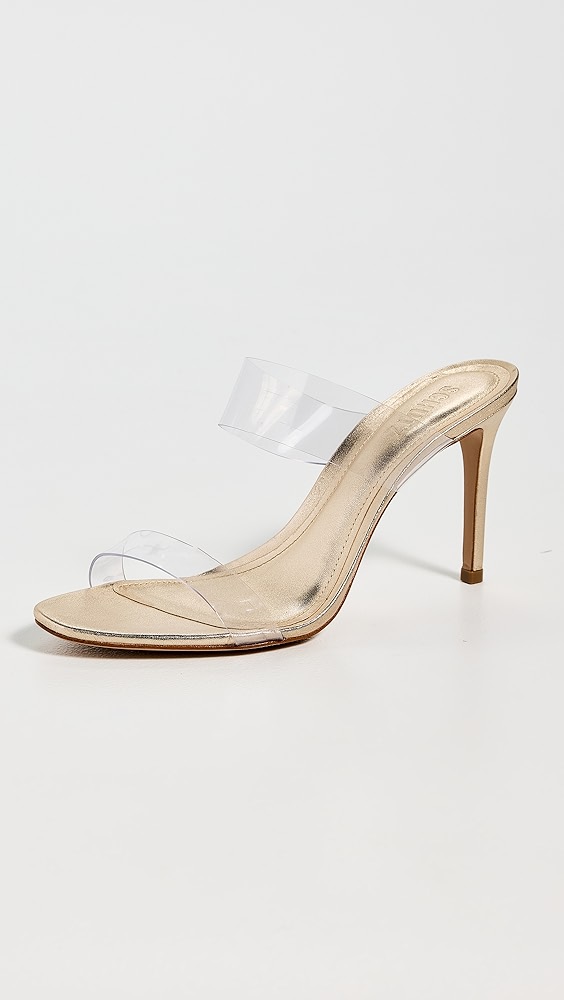
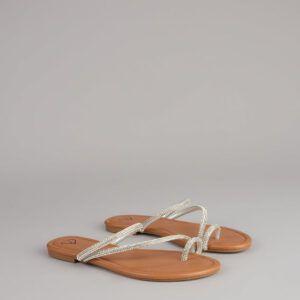
Windsor Twinkle Toes Rhinestone Strappy Sandals Windsor Twinkle Toes Rhinestone Strappy Sandals: Smooth faux leather material; Round toe design; Rhinestone-embellished toe and asymmetrical straps.
rag & bone Liv Strappy Sandals rag & bone Liv Strappy Sandals: Upper: Leather; Lining: Unlined; 46% recycled Ortholite insole for exceptional support, stability, and comfort.
Soft floral prints bring romance, femininity and effortless charm to an outfit. Delicate roses, watercolour blossoms, scattered daisies and muted botanical patterns can make clothing feel graceful without appearing overly formal.
The secret to wearing romantic florals well is balance. Soft prints look most stylish when they are paired with colours, textures and silhouettes that allow the pattern to remain the focus. Whether you prefer floral dresses, blouses, skirts or accessories, thoughtful styling can make these beautiful prints suitable for everyday wear, work, weekends and special occasions.
Worth a look
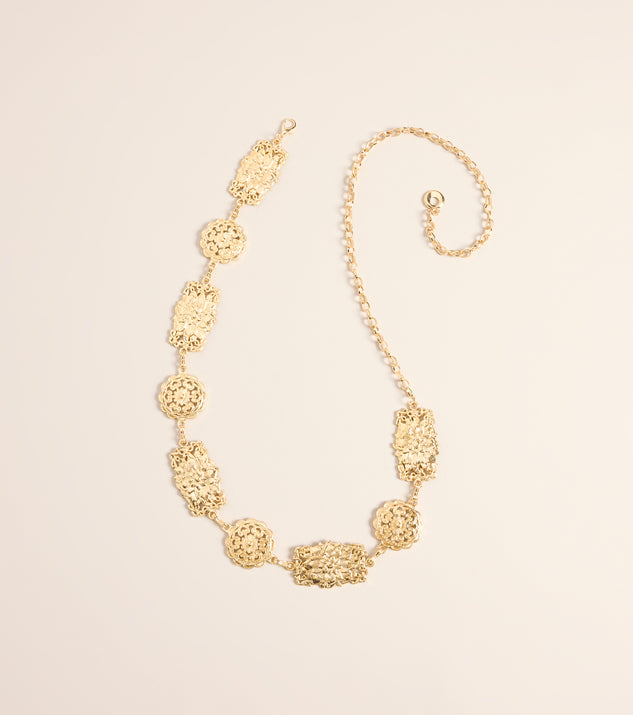
Windsor Vintage Crush Floral Medallion Chain Belt The accessory lineup just got way more interesting. This floral medallion chain belt mixes ornate openwork details with an adjustable chain for an easy statement over dresses, skirts, or low-rise denim.
Writeups and reviews are our personal opinions. Follow through to the merchants site for more details.
What Makes a Floral Print Feel Romantic?
Romantic floral patterns are usually softer and more delicate than bright tropical or graphic botanical prints. They often feature subtle colours, flowing shapes and finely detailed flowers.
Common romantic floral elements include:
Blush pink, cream, lavender and pale blue
Dusty rose and muted mauve
Small scattered flowers
Watercolour-style prints
Vintage-inspired roses
Soft green leaves
Chiffon, lace and flowing fabrics
Gentle, low-contrast colour combinations
These prints create a light, graceful mood and work beautifully with both classic and contemporary clothing.
Let the Floral Print Set the Colour Palette
The easiest way to match a floral garment is to use the colours already present in the print. Look closely at the flowers, leaves and background, then select one shade to repeat elsewhere in the outfit.
For example, a cream dress with pink flowers and sage-green leaves could be styled with a blush cardigan, sage handbag or neutral sandals. Repeating a colour from the print makes the outfit feel coordinated without looking overly matched.
You do not need to repeat every colour. Choosing one supporting shade is usually enough to create a harmonious look.
Pair Soft Florals with Neutral Colours
Neutral colours give romantic florals room to stand out. White, cream, beige, taupe, grey, camel and navy can all calm a detailed pattern and create a more polished outfit.
A floral blouse looks elegant with cream trousers, while a soft floral skirt can be paired with a plain white top. A beige coat or cardigan can soften a colourful dress without competing with it.
Black can also work, but it creates a stronger contrast. For a gentler appearance, choose charcoal, navy or warm brown instead.
Match Florals with Soft Pastels
Pastel colours naturally complement romantic floral prints. Blush pink, powder blue, lilac, mint and pale yellow reinforce the soft mood of the pattern.
Choose a pastel shade that appears in the floral design or sits comfortably beside it. A lilac cardigan can look beautiful over a cream floral dress, while a pale-blue blouse can soften a pink botanical skirt.
To avoid making the outfit look overly sweet, include one grounded element such as tan shoes, a structured handbag or simple denim.
Use Denim to Make Florals Feel More Relaxed
Denim is one of the best ways to make romantic florals feel casual and modern. The sturdy texture of denim contrasts beautifully with soft, feminine prints.
Try wearing a floral blouse with straight-leg jeans, or add a denim jacket to a flowing floral dress. A floral midi skirt can also be paired with a simple denim shirt or fitted chambray top.
Light-wash denim creates a soft daytime look, while dark denim gives the outfit a slightly smarter finish.
Worth a look
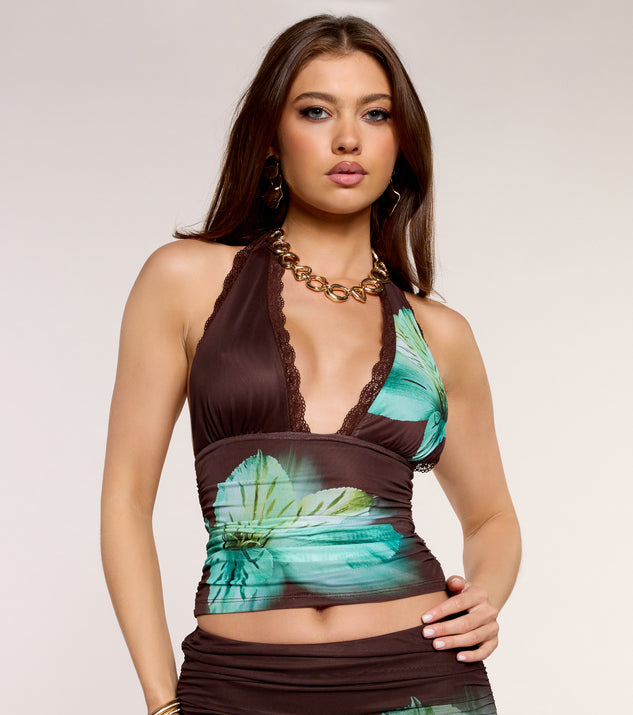
Windsor Vacay-Coded Tropical Floral Print Halter Top Vacation-coded, curve-hugging, and not here to blend in. This tropical floral print halter top brings lace-trimmed drama, a plunging neckline, and ruched shaping that’s ready for rooftop reservations, vacation dinners, and every “where…
Writeups and reviews are our personal opinions. Follow through to the merchants site for more details.
Balance Soft Prints with Structured Pieces
Romantic florals often appear on flowing fabrics, which can create a very delicate look. Adding one structured item gives the outfit definition and prevents it from appearing too fragile or overly vintage.
A tailored blazer, structured handbag, fitted jacket or polished pair of shoes can provide the necessary contrast.
For example, wear a floral chiffon blouse with tailored trousers, or style a flowing floral dress with a cropped blazer. The combination of softness and structure creates a confident, modern outfit.
How to Wear a Romantic Floral Dress
A floral dress is one of the easiest ways to wear this trend because the print already creates a complete look.
The accessories should support the dress rather than compete with it. Neutral footwear, simple jewellery and a plain handbag are often all that is needed.
For a Casual Day
Wear a soft floral midi dress with white sneakers, flat sandals or ankle boots. Add a denim jacket or lightweight cardigan for an easy layered look.
For Work
Choose a floral dress with a defined waist and modest neckline. Add a plain blazer, loafers or low heels and a structured handbag.
For an Evening Occasion
Style a flowing floral maxi dress with delicate jewellery, elegant heels and a small clutch. Metallic accessories can add polish without overwhelming the print.
For Cooler Weather
Wear the dress with a fitted knit, ankle boots and a long coat. A belt can help maintain shape beneath heavier layers.
How to Style a Soft Floral Blouse
A floral blouse can be dressed up or down depending on what you wear with it.
For a relaxed outfit, pair it with jeans, tailored shorts or a denim skirt. For work, tuck it into trousers or a plain midi skirt. A floral blouse can also soften leather trousers, dark denim or a structured suit.
If the blouse includes ruffles, puff sleeves or a bow neckline, keep the rest of the outfit simple. Too many decorative details can make the outfit feel overly busy.
How to Match a Romantic Floral Skirt
Floral skirts work best with plain tops that pick up one of the colours in the print.
A flowing floral midi skirt can be worn with a fitted knit, silk camisole, plain T-shirt or crisp shirt. Tucking in the top helps define the waist and gives the outfit a more polished shape.
For contrast, pair a soft floral skirt with a leather jacket or chunky boots. This creates a modern look while preserving the femininity of the print.
Match the Scale of the Floral Print to the Outfit
The size of the floral pattern influences how the garment should be styled.
Small floral prints tend to look delicate, vintage-inspired and easy to layer. They work well with cardigans, denim jackets and simple accessories.
Larger floral prints create more impact and should usually be treated as the focal point. Pair them with plain clothing and minimal accessories.
If you are combining florals with another pattern, vary the scale. A small floral print may work with a wider stripe, while a large floral pattern can sometimes be paired with a very subtle check.
Mixing Florals with Other Prints
Romantic florals can be mixed with other patterns, but the colours should feel connected.
Stripes are one of the easiest prints to combine with florals. A striped top can work with a floral skirt when both pieces share a similar colour palette.
Polka dots and small checks can also work, particularly when one pattern is subtle. Keep one print dominant and allow the other to act as a supporting detail.
Avoid combining several large, colourful patterns unless you are deliberately creating a bold statement look.
Choose the Right Fabrics
Fabric can change the character of a floral print. Soft, flowing fabrics enhance its romantic quality, while stronger materials create contrast.
Chiffon, silk, satin, lace and lightweight cotton create movement and femininity. Linen gives floral clothing a natural, relaxed feel. Denim, leather and structured wool can be used to make the print feel more contemporary.
Mixing textures is especially effective. A chiffon floral dress with a suede jacket or a silky floral blouse with denim can look more interesting than an outfit made entirely from soft fabrics.
Add Knitwear for a Gentle Layered Look
Knitwear pairs beautifully with romantic floral clothing. Fine cardigans, cropped sweaters and fitted knits can soften the overall look while providing warmth.
Wear a cardigan in a colour taken from the floral print, or choose cream, beige or grey for a versatile option.
A cropped knit works particularly well with a floral dress or high-waisted skirt because it helps define the waist. Longer cardigans can create a relaxed silhouette but should not completely hide the shape of the outfit.
Choose Footwear to Control the Mood
The shoes you choose can make a romantic floral outfit feel casual, elegant, modern or dramatic.
White sneakers: Make florals feel fresh and relaxed.
Ballet flats: Emphasise the feminine quality of the print.
Ankle boots: Add contrast and make florals suitable for cooler weather.
Loafers: Give a floral outfit a polished, practical finish.
Strappy sandals: Work beautifully with summer dresses and skirts.
Block heels: Add height while remaining comfortable.
Metallic heels: Elevate floral clothing for evening occasions.
For a balanced outfit, avoid choosing shoes that contain too many decorative details when the floral print is already elaborate.
Worth a look
Windsor Sweet Escape Abstract Floral Ruffle Skort This skort was made for sunny-day plans and spontaneous photo ops. The layered ruffle design adds dreamy movement, while the mini skort silhouette keeps it effortlessly cute from brunch with the girls to getaway adventures.
Writeups and reviews are our personal opinions. Follow through to the merchants site for more details.
Keep Accessories Delicate and Considered
Romantic floral clothing usually looks best with accessories that are refined rather than overpowering.
Fine necklaces, pearl earrings, small hoops and simple bracelets can complement the softness of the print. A woven bag, structured leather handbag or small clutch can complete the look.
If you enjoy statement jewellery, select one prominent piece rather than several. A bold pair of earrings can work beautifully with a floral dress when the necklace and bracelets are kept minimal.
Add a Belt to Define the Shape
Flowing floral clothing can sometimes hide the body’s natural shape. A belt can create definition and make a loose dress, tunic or cardigan feel more polished.
Choose a slim belt for a delicate look or a wider leather belt for stronger contrast. Tan, beige and brown belts work particularly well with soft floral prints.
Position the belt at the natural waist to create a balanced silhouette.
Use Leather to Add Contrast
Leather can prevent romantic florals from feeling too delicate or old-fashioned. A leather jacket, belt, handbag or pair of boots introduces strength and texture.
A soft floral dress with a black or tan leather jacket creates an attractive contrast between feminine and edgy elements. A floral blouse can also be paired with leather-look trousers for an evening outfit.
Keep the leather piece simple so that it complements rather than competes with the print.
How to Wear Florals Without Looking Too Sweet
If you enjoy floral clothing but prefer a less feminine look, balance it with clean lines, darker colours and practical accessories.
Pair a floral dress with boots and a structured coat. Wear a floral skirt with a plain T-shirt and sneakers. Add a blazer instead of a cardigan, or choose a crossbody bag with a simple shape.
You can also choose floral prints with darker backgrounds, muted colours or larger abstract flowers. These versions feel more modern and less traditionally romantic.
Romantic Floral Outfit Ideas
Weekend Outfit
Wear a floral blouse with straight-leg jeans, white sneakers and a small neutral crossbody bag.
Polished Work Outfit
Pair a floral midi skirt with a cream blouse, tailored blazer and loafers.
Relaxed Summer Outfit
Choose a floral sundress with flat sandals, a woven bag and delicate earrings.
Cool-Weather Outfit
Style a floral dress with ankle boots, a fitted cardigan and a long wool coat.
Evening Outfit
Wear a floral satin dress with metallic heels, a clutch and simple jewellery.
Modern Contrast Outfit
Pair a soft floral blouse with black trousers, a leather jacket and pointed ankle boots.
Romantic Florals Through the Seasons
Spring
Spring is the natural season for soft florals. Choose pastel dresses, floral blouses and lightweight skirts with cardigans or trench coats.
Summer
Wear airy cotton, linen and chiffon floral pieces with sandals, woven bags and light accessories.
Autumn
Select florals with rust, burgundy, olive or navy details. Add ankle boots, denim jackets and warm knitwear.
Winter
Choose floral prints on darker backgrounds and layer them with long coats, fitted sweaters and boots. Velvet and heavier fabrics can give florals a richer seasonal appearance.
Common Floral Styling Mistakes
Soft florals are versatile, but a few styling choices can make an outfit feel overly complicated.
Matching every accessory to every colour in the print
Combining too many romantic details at once
Wearing several large patterns together
Choosing accessories that compete with the floral design
Hiding the body beneath too many flowing layers
Using too many pastel shades without a grounding neutral
Ignoring the proportions of the outfit
The most stylish floral outfits usually include one focal point, one supporting colour and a small amount of contrast.
Romantic florals look most beautiful when they are allowed to remain soft, expressive and uncluttered.
Final Thoughts
Romantic soft florals can bring colour, movement and femininity to almost any wardrobe. They can look relaxed with denim, polished with tailoring, modern with leather and elegant with delicate accessories.
Use the floral print as the foundation of the outfit, then repeat one of its colours through your shoes, jacket, handbag or jewellery. Add neutral pieces to create balance and structured items to provide shape.
The aim is not to make every element match perfectly. The most successful outfits feel coordinated while still appearing natural and effortless. With the right balance of colour, texture and proportion, romantic florals can remain stylish throughout every season.
Worth a look
Ally Fashion Yellow Floral Floral Print Lingerie Set Now on sale Ally Fashion Yellow Floral Floral Print Lingerie Set. Found on the secure and trusted website allyfashion.com. This floral print lingerie set in sunny yellow is designed for women who want a stylish, comfortable foundation under their outfits. The bold floral pattern adds a feminine touch to everyday intimates. Pattern: Floral, Model Details:172cm, size 8 AU, Style Code:…
Office dress codes have changed considerably in recent years. Many workplaces have moved away from formal suits and rigid corporate clothing in favour of a more relaxed approach. Casual office wear can be comfortable, modern and stylish, but it still needs to look appropriate for a professional environment.
The challenge is finding the right balance. Clothing that feels perfect for the weekend may appear too relaxed for a meeting, while an outfit that is overly formal can feel out of place in a casual workplace. The best office outfits combine comfort with structure, polish and good judgement.
Worth a look
NANCHANG HOLLYWIN CLOTHING CO Brown V-neck Short Sleeve Top NANCHANG HOLLYWIN CLOTHING CO Brown V-neck Short Sleeve Top features Beige and cream for soft neutral styling, White for a fresh contrast, Blue denim for casual everyday outfits. A practical choice for everyday dressing, weekends and outfits that can move from casual to smart-casual; check the merchant page for...
Writeups and reviews are our personal opinions. Follow through to the merchants site for more details.
What Does Casual Office Wear Mean?
Casual office wear is more relaxed than traditional business clothing, but it is not the same as dressing for home, the beach or the gym. It usually includes comfortable wardrobe staples styled in a clean and professional way.
Depending on the workplace, casual office clothing may include:
The exact dress code will depend on your industry, position and company culture. A creative studio may allow much more freedom than a legal office, financial company or client-facing workplace.
Understand Your Workplace Dress Code
Before introducing more casual pieces into your office wardrobe, observe what other employees wear. Pay particular attention to managers, senior staff and people who hold positions similar to yours.
Some workplaces use terms such as business casual, smart casual or relaxed professional. These descriptions can be interpreted differently, so it is important to understand what they mean within your organisation.
Even in a relaxed workplace, expectations may change depending on the day. A casual outfit may be suitable for routine office work but not for a presentation, client appointment or important meeting.
Start with Polished Basics
A successful casual office wardrobe begins with simple, versatile clothing that fits well. Well-chosen basics can be mixed and matched to create a wide range of outfits without requiring an enormous wardrobe.
Neutral colours are easy to coordinate, but they do not need to make your wardrobe boring. Add personality with prints, colour, jewellery, scarves or textured fabrics.
Choose Jeans Carefully
Jeans are acceptable in many modern offices, but the style and condition of the denim are important.
Dark-wash, black and clean mid-blue jeans usually look more professional than heavily faded, distressed or ripped styles. Straight-leg, slim, bootcut and wide-leg jeans can all work when they fit properly and are styled with polished pieces.
Pair jeans with a blouse, knit top, button-up shirt or blazer. Add loafers, ankle boots or sleek sneakers to complete the outfit.
Avoid jeans with large holes, excessive distressing, very low waistlines or a fit that appears too tight or overly casual.
Worth a look
Shopbop - Designer Clothing, Shoes & Accessories Shopbop - Designer Clothing, Shoes & Accessories with merchant-derived product information and direct retailer access for current specifications, sizing and availability.
Writeups and reviews are our personal opinions. Follow through to the merchants site for more details.
Wear T-Shirts in a Refined Way
A simple T-shirt can work well in a casual office, particularly when it is made from good-quality fabric and styled thoughtfully.
Choose T-shirts that are opaque, well fitted and free from wrinkles. Plain colours, subtle stripes and understated designs are generally the most professional choices.
Wear a T-shirt with tailored trousers and a blazer, or tuck it into a midi skirt and add a belt. The contrast between a relaxed top and structured clothing creates a balanced modern outfit.
Graphic T-shirts may be suitable in some creative workplaces, but slogans, controversial messages and oversized logos are best avoided.
Add Structure to Casual Clothing
One of the easiest ways to make casual clothing appropriate for work is to add a structured piece.
A blazer can instantly elevate jeans, a T-shirt or a simple dress. A fitted cardigan, tailored coat or structured handbag can have a similar effect.
Structure creates clean lines and gives the outfit a more deliberate appearance. Even a very relaxed base outfit can look office-ready when combined with one polished outer layer.
Choose Dresses with the Right Balance
Dresses are an easy option for casual office dressing because they require little coordination while still looking complete.
Shirt dresses, wrap dresses, knitted dresses and midi dresses are especially suitable. They offer comfort while maintaining a neat silhouette.
Look for dresses with secure necklines, appropriate lengths and fabrics that are not overly thin or clingy. Add a belt for definition, a cardigan for warmth or a blazer for a more formal finish.
Very short dresses, sheer fabrics, deep cut-outs and extremely body-hugging styles may be better reserved for social occasions.
Style Casual Trousers for Work
Tailored trousers are one of the most versatile pieces in a professional wardrobe. They can be worn with formal shirts, casual knits, T-shirts and even sneakers.
Wide-leg trousers can look sophisticated with a fitted top, while cropped trousers work well with loafers or ankle boots. Relaxed pull-on trousers may also be appropriate when they are made from a quality fabric and have a clean shape.
Avoid trousers that resemble sleepwear, tracksuit pants or gym clothing unless your workplace specifically allows activewear.
Use Knitwear to Create Comfortable Outfits
Knitwear is ideal for casual office dressing because it is comfortable, practical and easy to layer.
Fine-knit sweaters, knitted polo tops, cardigans and fitted turtlenecks can be paired with trousers, skirts or jeans. Choose knits that hold their shape and do not appear stretched, pilled or overly oversized.
A tucked or partially tucked sweater can create a more defined silhouette. Adding a necklace, belt or structured bag can also make a simple knit outfit feel more polished.
Can You Wear Sneakers to the Office?
Clean sneakers are accepted in many casual workplaces, particularly when they have a simple, streamlined design.
White leather sneakers, neutral low-profile styles and minimalist trainers usually look more professional than brightly coloured athletic shoes.
Wear sneakers with tailored trousers, midi dresses, skirts or dark jeans. The rest of the outfit should be neat enough to balance the casual footwear.
Running shoes, worn-out trainers and shoes designed specifically for sport may appear too informal unless your workplace has a very relaxed dress code.
Select Office-Appropriate Footwear
Footwear has a major influence on whether a casual outfit looks professional. Even a simple outfit can appear polished when paired with the right shoes.
Suitable options include:
Loafers
Ballet flats
Ankle boots
Low block heels
Leather sneakers
Pointed flats
Polished sandals in warm weather
Choose shoes that are clean, comfortable and in good condition. Very worn footwear, beach thongs and overly casual slides are generally unsuitable for the office.
Pay Attention to Fabric
Fabric quality can determine whether a garment appears polished or overly casual.
Linen, cotton, denim, wool blends, crepe and structured knit fabrics can all work well. Thin jersey, transparent materials and fabric that wrinkles excessively may look less professional.
You do not need to buy expensive clothing, but garments should maintain their shape, sit properly on the body and look neat throughout the day.
Worth a look
NN07 Sonny Relaxed Straight-Leg Jeans 32 – Relaxed Everyday Style NN07 Sonny Relaxed Straight-Leg Jeans 32 – Relaxed Everyday Style features Balanced casual: Pair the roomier leg with a fitted or neatly tucked tee and streamlined sneakers, Workwear-inspired: Add a chore jacket, overshirt or sturdy knit and finish with boots, Refined proportions: Wear with a crisp shirt...
Writeups and reviews are our personal opinions. Follow through to the merchants site for more details.
Fit Is More Important Than Price
Casual office clothing looks most professional when it fits correctly. Clothing that is too tight, too loose or awkwardly proportioned can appear untidy, regardless of how much it cost.
Trousers should sit comfortably at the waist, shirts should not pull across the buttons and sleeves should not overwhelm the hands. Jeans should hold their shape without appearing restrictive.
Simple alterations can make an affordable garment look more refined. Adjusting a hem, waist or sleeve length can dramatically improve the overall appearance of an outfit.
Keep Your Clothing in Good Condition
Casual clothing still needs to be clean and well maintained. Wrinkles, stains, loose threads, fading and pilling can make an otherwise suitable outfit look careless.
Check your clothing before leaving for work. Steam or iron wrinkled garments, clean your shoes and replace damaged buttons when necessary.
Professional style is often less about the type of clothing you wear and more about how well you care for it.
Use Accessories to Complete the Outfit
Accessories can make casual clothing feel more intentional and office-appropriate.
A leather belt, structured handbag, watch, scarf or simple jewellery can add polish without making the outfit overly formal.
Choose accessories that complement the outfit rather than dominate it. In most workplaces, one or two distinctive details are enough.
A bold necklace can elevate a plain knit, while a quality belt can give shape to a loose dress or oversized shirt.
Casual Office Outfit Ideas
Jeans and a Blazer
Wear dark straight-leg jeans with a plain T-shirt, tailored blazer and loafers. This is one of the easiest ways to combine comfort with professionalism.
Midi Skirt and Knit Top
Pair a flowing or pleated midi skirt with a fitted knit top and ankle boots. Add a belt if you want to define the waist.
Tailored Trousers and Sneakers
Combine wide-leg or cropped trousers with a tucked-in shirt and clean leather sneakers. This creates a modern outfit that remains polished.
Shirt Dress and Flats
A shirt dress worn with ballet flats, loafers or low boots is comfortable and suitable for a wide range of workplaces.
Cardigan and Dark Denim
Style a fitted cardigan as a top with dark jeans and pointed flats. Add a structured bag for a refined finish.
Simple Dress and Blazer
Wear a plain midi dress with a blazer and ankle boots. The dress provides comfort, while the blazer adds authority and structure.
Casual Clothing for Meetings and Client Appointments
Even in a relaxed office, it is wise to dress slightly more formally when meeting clients, giving presentations or attending important discussions.
You do not necessarily need a full suit. A blazer, smart dress, tailored trousers or polished shoes may be enough to elevate your normal office style.
Consider how you want to be perceived. Your clothing should support your credibility and allow the focus to remain on your work.
What to Avoid in a Casual Office
Every workplace is different, but some items are commonly considered too casual or distracting for professional environments.
Clothing that is stained, torn or heavily wrinkled
The aim is not to remove individuality from office dressing. It is to make sure your clothing does not distract from your professionalism or create discomfort for others.
Casual Friday Without Looking Too Casual
Casual Friday is an opportunity to dress more comfortably, but it is still a working day.
Jeans, sneakers and relaxed tops may be acceptable, but they should remain clean, coordinated and appropriate for the office. A neat knit, dark denim and polished sneakers will usually look better than an old T-shirt and worn jeans.
It is also important to remember that unexpected meetings can occur. Dressing slightly better than the minimum requirement helps you remain prepared.
Expressing Personal Style at Work
Casual dress codes provide more freedom to express your personality. You can introduce favourite colours, prints, accessories and silhouettes while still maintaining a professional image.
A colourful blouse, patterned skirt, distinctive pair of shoes or statement earrings can make a simple outfit feel personal.
Choose one focal point and keep the rest of the outfit balanced. This allows your individuality to be visible without making the overall look feel distracting.
The best casual office outfits feel comfortable enough for a full working day while still looking polished enough for an unexpected meeting.
Final Thoughts
Wearing casual clothing to the office does not mean abandoning professional standards. The most successful outfits combine relaxed garments with clean lines, good fit and thoughtful styling.
Start with polished basics, choose quality fabrics and use structured pieces to elevate casual clothing. Keep your footwear clean, your accessories considered and your garments in good condition.
When done well, casual office dressing can help you feel comfortable, confident and authentic without reducing your professional credibility. The goal is to look relaxed, but never careless.
Off-White Out of Office Sneakers – Everyday Footwear Off-White Out of Office Sneakers – Everyday Footwear features White colourway, Sneaker silhouette. See the Shopbop listing for current sizing, availability, materials and product specifications.
Off-White Slim Out of Office Sneakers – Everyday Footwear Off-White Slim Out of Office Sneakers – Everyday Footwear features White colourway, Sneaker silhouette. See the Shopbop listing for current sizing, availability, materials and product specifications.
Shopbop - Designer Clothing, Shoes & Accessories Now on sale Shopbop - Designer Clothing, Shoes & Accessories. Found on the secure and trusted website shopbop.com. Discover the latest apparel, activewear, shoes & accessories from established and emerging designers. Enjoy free two-day shipping and free returns.
Writeups and reviews are our personal opinions. Follow through to the merchants site for more details.