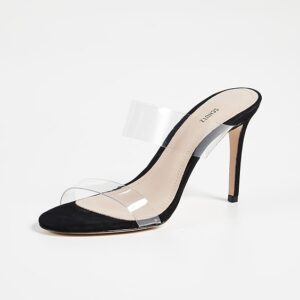
Strappy sandals are elegant, feminine and surprisingly versatile. They can add a polished finish to an evening dress, make tailored trousers feel lighter or bring effortless style to a relaxed summer outfit.
However, because strappy sandals expose so much of the foot, small details matter. The fit, strap position, heel height and condition of both the shoes and feet can determine whether the result looks refined or uncomfortable.
Worth a look
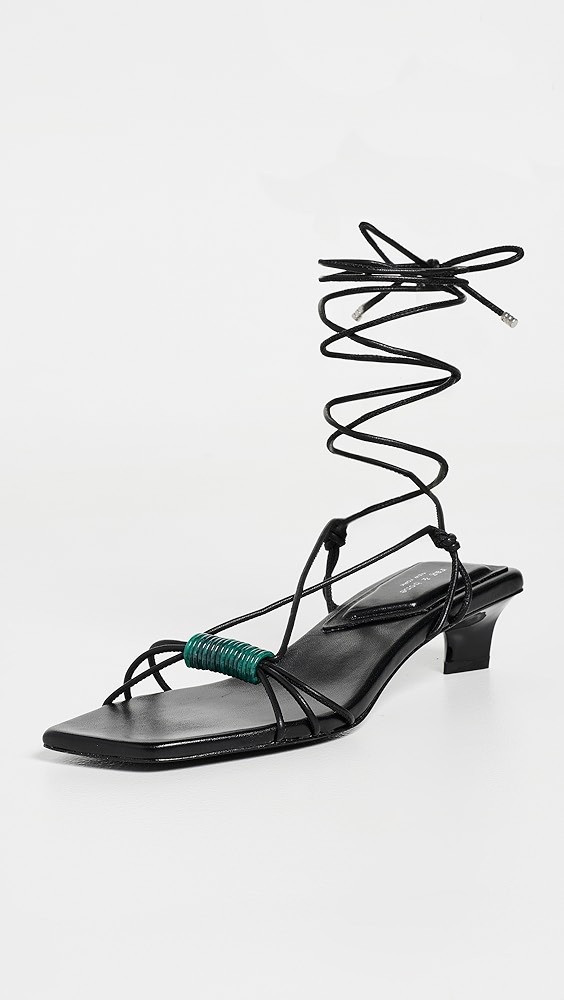
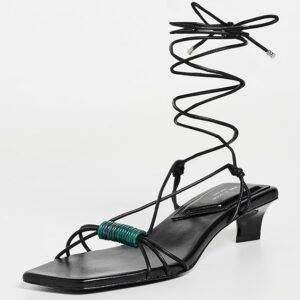
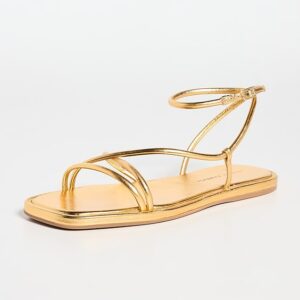
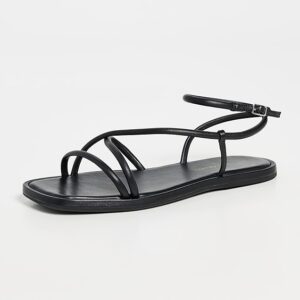
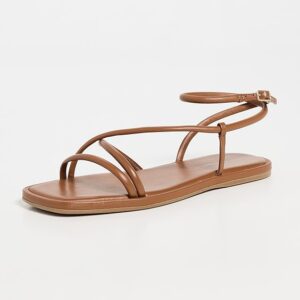
rag & bone Liv Strappy Sandals rag & bone Liv Strappy Sandals: Upper: Leather; Lining: Unlined; 46% recycled Ortholite insole for exceptional support, stability, and comfort.
Writeups and reviews are our personal opinions. Follow through to the merchants site for more details.
Wearing strappy sandals correctly is not about following rigid fashion rules. It is about choosing a pair that fits securely, complements the proportions of your outfit and allows you to walk with confidence.
Choose the Correct Size
Proper fit is the most important part of wearing strappy sandals well. Shoes that are too small can cause the toes or heel to extend beyond the sole, while sandals that are too large may allow the foot to slide forward.
Your heel should sit comfortably within the back edge of the sandal, and your toes should remain completely supported by the front of the sole.
When trying on strappy sandals, stand and walk rather than judging the fit while sitting. Your feet naturally spread when you place weight on them, so a sandal that appears suitable while seated may feel too narrow once you begin moving.
Avoid Toe and Heel Overhang
One of the most common mistakes when wearing open sandals is allowing the toes or heel to hang over the edge of the shoe.
The sole should extend slightly beyond the longest toe without leaving an excessive amount of empty space. At the back, the heel should rest securely on the footbed rather than sitting directly on the edge.
If your foot repeatedly slides forward, the sandal may be too large, too wide or insufficiently supportive. A different strap arrangement or a smaller size may provide a better fit.
Make Sure the Straps Sit Comfortably
Straps should hold the foot securely without digging into the skin. A properly fitted sandal will feel stable but should not leave deep marks, pinch the toes or restrict circulation.
Pay particular attention to straps that cross the widest part of the foot. If the material pulls tightly or creates pressure, the sandal may be too narrow.
Adjustable buckle straps are often the most practical choice because they allow you to customise the fit. Elastic panels can also provide flexibility, especially when the feet swell slightly during warm weather.
Check the Ankle Strap Position
Ankle straps can make sandals feel secure and elegant, but their position can affect both comfort and appearance.
The strap should sit firmly around the ankle without rubbing against the ankle bone. It should be tight enough to prevent the foot from lifting out of the shoe, but loose enough to allow natural movement.
You should normally be able to slide one finger beneath the strap. If the strap leaves painful indentations or causes numbness, loosen it or choose a different style.
Consider the Width of Your Feet
Not all strappy sandals suit every foot shape. A style that looks elegant on a narrow foot may feel restrictive on a wider foot, while widely spaced straps may not provide enough support for a slender foot.
People with wider feet may find sandals with broad, softly curved straps more flattering and comfortable than designs with numerous thin straps.
Those with narrow feet may benefit from adjustable styles, crossed straps or sandals with a secure ankle fastening. The aim is to prevent the foot from sliding sideways or moving excessively within the shoe.
Choose Straps That Flatter Your Legs
The position and colour of sandal straps can influence the apparent length and shape of the legs.
Nude, beige and skin-toned sandals can create a continuous visual line, making the legs appear longer. Fine straps also tend to look lighter and less visually restrictive.
Dark, thick ankle straps create a stronger horizontal line and may make the legs appear shorter. This does not mean they should be avoided, but they are often most flattering when balanced with a shorter hemline, a high waist or a pointed toe shape.
Low-cut straps that sit below the ankle bone can also provide security without visually dividing the leg as strongly.
Match the Sandal to the Occasion
Strappy sandals range from casual flat styles to delicate high-heeled designs. Choosing the correct level of formality is essential.
For Casual Daywear
Flat leather sandals, woven straps and low block heels work well with sundresses, denim, linen trousers and relaxed skirts.
For Work
Choose a polished sandal with a secure fit, moderate heel and relatively simple straps. Closed-back styles or sandals with wider straps may look more professional than extremely delicate evening shoes.
For Weddings and Special Events
Metallic, satin or embellished sandals can complement cocktail dresses, formal gowns and elegant jumpsuits. Choose a heel height that you can comfortably wear for several hours.
For Evening Wear
Minimal high-heeled sandals with fine straps create a refined look with dresses, tailored trousers and sleek skirts.
For the Beach or Resort
Flat sandals, rope details, braided leather and simple slides suit lightweight dresses, swimwear cover-ups and relaxed holiday outfits.
Writeups and reviews are our personal opinions. Follow through to the merchants site for more details.
Wear the Right Heel Height
The correct heel height is the one that allows you to walk naturally and confidently.
Very high heels may look glamorous, but they can quickly become uncomfortable if the sandal offers little support. A lower heel, kitten heel or block heel can provide elegance with greater stability.
Before wearing high strappy sandals to an event, practise walking in them at home. Check whether the foot slides forward, whether the ankle strap remains secure and whether the heel feels stable.
If your steps become short, awkward or uncertain, the heel is probably too high for comfortable wear.
Use Block Heels for Greater Stability
Block-heeled strappy sandals are a practical alternative to stilettos. They distribute weight more evenly and are easier to wear on grass, uneven pavement and outdoor surfaces.
They work particularly well for weddings, garden parties and daytime events where you may be standing for long periods.
A medium block heel can also be worn with office clothing, midi dresses, wide-leg trousers and tailored separates.
Choose Flats with Support
Flat sandals are not automatically comfortable. Extremely thin soles and loose straps can cause fatigue, especially when walking for extended periods.
Look for a cushioned footbed, flexible sole and straps that hold the heel and forefoot securely. A slight raised heel or moulded arch can also improve comfort.
For sightseeing, shopping or long summer days, prioritise supportive construction rather than selecting sandals based only on appearance.
Match Strappy Sandals with Dresses
Strappy sandals and dresses are a natural combination, but the weight and detail of the footwear should complement the dress.
Fine straps work beautifully with satin slip dresses, fitted cocktail dresses and lightweight floral styles. Wider leather straps suit linen dresses, shirt dresses and relaxed cotton designs.
A flowing maxi dress can be paired with flat sandals for a casual look or heeled sandals for an evening event. With shorter dresses, ankle-strap sandals can add definition and visual interest.
If the dress contains elaborate embellishment, choose simple sandals. If the dress is plain, metallic, colourful or jewelled straps can become the focal point.
Wear Strappy Sandals with Trousers
Strappy sandals can make trousers look lighter and more elegant, especially during warmer weather.
Cropped trousers are ideal because they allow the sandal and ankle strap to remain visible. Wide-leg trousers can also work, provided the hem does not drag beneath the heel.
With tailored trousers, choose a sleek sandal with clean straps and a refined heel. With linen or relaxed trousers, flat leather sandals create an effortless finish.
Avoid trouser hems that repeatedly catch beneath the heel or become tangled around the straps.
Style Them with Jeans
Strappy sandals can instantly elevate denim. Wear heeled sandals with straight-leg, slim or cropped jeans for a polished evening look.
Flat sandals work well with relaxed, wide-leg and boyfriend jeans. Rolling or cropping the hem slightly allows the shoe to remain visible and prevents the denim from overwhelming delicate straps.
For a balanced outfit, pair distressed or casual jeans with simple, elegant sandals and a refined top or blazer.
Wear Them with Skirts
Strappy sandals complement almost every skirt length.
With mini skirts, flat or low-heeled sandals can prevent the outfit from looking excessively dressy. Midi skirts pair beautifully with both delicate heels and block-heeled styles.
Maxi skirts work best with sandals that remain secure beneath the longer hem. Avoid loose slides if there is a risk of the fabric catching beneath your foot.
Matching the sandal colour to the skirt, your skin tone or another element of the outfit can create a more cohesive appearance.
Coordinate the Colour Carefully
Neutral sandals are among the most versatile footwear choices. Black, tan, cream, nude and metallic shades can be worn with a wide range of clothing.
Black sandals: Create a sharp, sophisticated finish.
Tan sandals: Work beautifully with denim, linen and earthy colours.
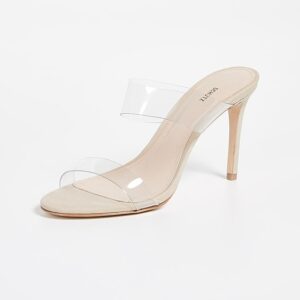
Nude sandals: Lengthen the visual line of the legs.
White sandals: Feel fresh and modern during spring and summer.
Metallic sandals: Add elegance without introducing a strong contrasting colour.
Bright sandals: Can become the statement piece in a neutral outfit.
The sandals do not have to match your handbag exactly. Coordinating the overall mood, level of formality and colour temperature is usually more stylish than creating an exact match.
Use Metallic Sandals as a Neutral
Gold, silver, bronze and rose-gold sandals can function almost like neutral footwear.
Gold and bronze work especially well with warm colours such as cream, coral, rust, olive and chocolate brown. Silver complements cool shades such as blue, grey, lavender and black.
Metallic sandals are particularly useful for weddings and evening events because they add light and polish without competing with a patterned or colourful dress.
Do Not Overload the Outfit
Highly detailed sandals with crystals, bows, studs, feathers or multiple straps can become the focal point of an outfit.
When the shoes are elaborate, keep the clothing and accessories relatively simple. A plain dress, clean trousers or a minimal jumpsuit allows decorative sandals to stand out.
If the outfit already includes sequins, embroidery or a strong print, understated footwear will usually create better balance.
Choose the Right Pedicure
Because strappy sandals leave the toes exposed, neat grooming helps the shoes look their best.
You do not need an elaborate salon pedicure. Clean nails, moisturised skin and neatly trimmed toenails are sufficient for a polished appearance.
Neutral, red, pink and soft pastel polish can complement many outfits. Bright polish can add personality, particularly when the clothing is simple.
If wearing open-toe sandals, check that chipped polish has been repaired or removed.
Protect Your Feet from Friction
New straps can rub against the skin, particularly around the toes, heel and ankle.
Wear new sandals around the house before committing to a full day or evening in them. This helps identify pressure points and allows the straps to soften slightly.
Gel pads, cushioned inserts and discreet blister patches can reduce friction. Apply them before discomfort begins rather than waiting until the skin has already become irritated.
Writeups and reviews are our personal opinions. Follow through to the merchants site for more details.
Prevent the Foot from Sliding Forward
Feet may slide forward in heeled sandals, especially when the footbed is smooth or the straps are too loose.
A non-slip forefoot pad can improve grip and reduce pressure on the toes. Adjusting the ankle strap may also help hold the foot in position.
Avoid applying heavy moisturiser immediately before wearing the shoes, as this can make the footbed slippery.
Be Careful with Tights and Stockings
Strappy open-toe sandals are generally designed to be worn with bare feet. Traditional tights with visible toe seams can appear awkward beneath delicate straps.
For colder weather or formal styling, choose sheer open-toe hosiery or seamless tights specifically designed for sandals.
Opaque tights can sometimes work with substantial platform or block-heeled sandals, but this creates a stronger fashion statement and requires careful coordination.
Adjust the Straps Throughout the Day
Feet can swell in warm weather, after prolonged standing or during travel. A strap that feels comfortable in the morning may become tight later in the day.
If possible, choose adjustable sandals and check the fit periodically. Loosening an ankle strap by one hole can prevent rubbing and discomfort.
Do not continue wearing sandals that cause numbness, sharp pain or significant pressure. These are signs that the fit is unsuitable.
Keep the Sandals in Good Condition
Because strappy sandals often have a minimal design, scratches, worn heels and damaged straps can be very noticeable.
Clean the footbeds, wipe down the straps and replace worn heel tips when necessary. Store sandals carefully so that fine straps do not become twisted or bent.
Leather sandals may benefit from a suitable conditioner, while satin and embellished styles should be protected from moisture and stored in separate shoe bags.
Common Mistakes to Avoid
Allowing the toes or heel to hang over the sole
Wearing straps so tightly that they cut into the skin
Choosing sandals that allow the foot to slide sideways
Wearing an impractical heel height for the occasion
Combining very elaborate sandals with an equally busy outfit
Ignoring worn heel tips or damaged straps
Wearing new sandals for an entire day without testing them first
Choosing loose sandals for long periods of walking
Allowing long trouser hems to become caught beneath the heel
Sacrificing stability simply because a shoe looks fashionable
Strappy Sandal Outfit Ideas
Relaxed Summer Look
Wear tan flat sandals with a linen midi dress, woven handbag and simple gold jewellery.
Smart Casual Outfit
Pair dark cropped jeans with a blouse, blazer and low block-heeled sandals.
Elegant Evening Look
Style a satin midi dress with fine metallic sandals, delicate earrings and a small clutch.
Modern Work Outfit
Combine tailored trousers with a sleeveless blouse and polished low-heeled sandals, provided open footwear is suitable for your workplace.
Weekend Outfit
Wear flat strappy sandals with denim shorts, a relaxed shirt and a crossbody bag.
Wedding Guest Outfit
Choose a floral dress with stable block-heeled sandals and a coordinating clutch. A block heel is especially useful for outdoor ceremonies.
The correct way to wear strappy sandals is to prioritise fit, balance and confident movement. Beautiful shoes should support the outfit without distracting you through discomfort.
Final Thoughts
Strappy sandals can make an outfit feel lighter, more elegant and more refined. The most important consideration is not the number of straps or the height of the heel, but how securely and comfortably the sandal fits.
Choose a size that fully supports the foot, adjust the straps carefully and match the style to the occasion. Keep proportions in mind when coordinating ankle straps, hemlines and trouser lengths.
When your sandals fit correctly and allow you to walk naturally, they become more than a decorative accessory. They provide the polished finishing touch that brings the entire outfit together.
Worth a look
Windsor Twinkle Toes Rhinestone Strappy Sandals Windsor Twinkle Toes Rhinestone Strappy Sandals: Smooth faux leather material; Round toe design; Rhinestone-embellished toe and asymmetrical straps.
rag & bone Liv Strappy Sandals rag & bone Liv Strappy Sandals: Upper: Leather; Lining: Unlined; 46% recycled Ortholite insole for exceptional support, stability, and comfort.
Windsor Twinkle Toes Rhinestone Strappy Sandals Windsor Twinkle Toes Rhinestone Strappy Sandals: Smooth faux leather material; Round toe design; Rhinestone-embellished toe and asymmetrical straps.
rag & bone Liv Strappy Sandals rag & bone Liv Strappy Sandals: Upper: Leather; Lining: Unlined; 46% recycled Ortholite insole for exceptional support, stability, and comfort.