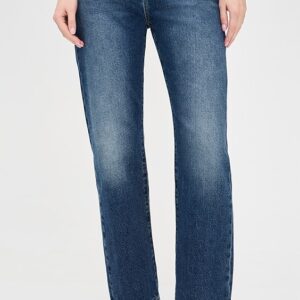
Building an easy everyday wardrobe is not about owning more clothes. It is about owning the right clothes: pieces that fit well, feel comfortable, mix together easily and suit your real lifestyle. When your wardrobe works properly, getting dressed becomes quicker, simpler and far less stressful.
An everyday wardrobe should give you reliable outfit options for casual days, errands, work-from-home moments, lunches, travel, weekends and relaxed evenings out. The goal is to create a collection of clothes that you actually wear, rather than a cupboard full of pieces that looked good online but never quite feel right in real life.
Writeups and reviews are our personal opinions. Follow through to the merchants site for more details.
What Is an Everyday Wardrobe?
An everyday wardrobe is a practical collection of clothing you can reach for again and again. It should include comfortable basics, flattering shapes, useful layers, reliable shoes and a few pieces that make simple outfits feel more polished.
This does not mean your wardrobe has to be boring. A good everyday wardrobe can still include colour, prints, denim, dresses, accessories and trend pieces. The difference is that each item should work with several other pieces, instead of only being wearable in one very specific outfit.
Think of it as your personal outfit toolkit. The better the pieces work together, the easier it is to create outfits without overthinking.
Start with Your Real Lifestyle
Before buying anything new, look honestly at how you spend most of your week. A useful wardrobe should match your actual life, not an imaginary version of it.
Ask yourself:
Do I need clothes for work, home, travel, school runs, walking, social events or relaxed weekends?
Do I prefer dresses, trousers, jeans, skirts or activewear-inspired outfits?
Do I need breathable fabrics for warm weather or easy layers for cooler days?
Do I walk a lot, drive often or need shoes that can handle long days?
Which clothes do I already wear most often?
The answers will help you build a wardrobe around comfort and real use. For example, if you spend most days in casual clothes, you may need better jeans, linen shirts, soft trousers and stylish flats rather than more party dresses. If you work in a smart casual setting, blazers, tailored pants, shirts and simple dresses may be more useful.
The Wardrobe Basics Worth Owning
Wardrobe basics are the pieces that quietly do most of the work. They are easy to style, simple to layer and useful across different seasons. These are the items that help you create outfits quickly.
1. A Good White Shirt
A white button-up shirt is one of the most versatile pieces you can own. Wear it tucked into jeans, open over a tank top, layered under a knit or paired with wide-leg pants. Choose cotton, linen or a cotton-blend fabric depending on your climate and how crisp or relaxed you like your outfits to look.
2. Plain T-Shirts
Good-quality plain t-shirts in white, black, navy, grey or beige can be worn with almost anything. Look for a neckline and sleeve length that suits you. A slightly thicker fabric usually looks more polished than very thin, clingy material.
3. Comfortable Jeans
Jeans are a foundation piece for many everyday wardrobes. Straight-leg, slim-straight, wide-leg or relaxed jeans are often easier to style than very trend-driven cuts. Dark blue, mid-blue, black or white denim can all work well depending on your style.
4. Casual Trousers
A pair of relaxed trousers can make everyday dressing feel more refined. Linen pants, wide-leg trousers, ponte pants, soft tailored pants or pull-on styles can be comfortable without looking too casual.
5. A Simple Knit
A lightweight knit or cardigan is useful for layering. Choose a neutral colour first, such as cream, grey, navy, camel or black. A good knit can be worn with jeans, skirts, dresses and trousers.
6. A Casual Dress
A simple everyday dress is ideal for days when you want an outfit with minimal effort. Shirt dresses, wrap dresses, t-shirt dresses and relaxed midi dresses are practical options. Look for breathable fabrics, easy care and a shape that feels comfortable when sitting, walking and moving.
7. A Useful Jacket
A denim jacket, blazer, trench coat, utility jacket or lightweight quilted jacket can finish an outfit instantly. The right jacket adds structure and makes even a simple t-shirt and jeans look more intentional.
Why Neutral Colours Make Dressing Easier
Neutral colours are helpful because they mix together naturally. A wardrobe built around black, white, navy, grey, beige, camel, cream, denim blue and soft brown gives you more outfit combinations with fewer pieces.
Neutrals are also useful because they make your wardrobe feel calmer and more coordinated. You do not have to wear only neutrals, but using them as your base makes it much easier to add colour, print or seasonal trends.
If you love colour, choose two or three accent shades that work with your neutral base. Soft blue, olive, blush, burgundy, chocolate, red, green or stripes can add interest without making your wardrobe harder to style.
How to Choose Clothes That Mix and Match
The easiest wardrobe is one where most tops work with most bottoms. This gives you more outfit options without needing a huge amount of clothing.
When shopping, ask yourself whether a new item can be worn at least three different ways. If it only works with one thing you own, it may not be the most practical buy.
Simple Outfit Formula Ideas
Jeans + t-shirt + blazer + sneakers: polished but relaxed.
Wide-leg pants + fitted top + sandals: easy for warm weather.
Midi dress + denim jacket + flats: casual and feminine.
To make mixing and matching easier, keep your prints balanced. Stripes, small florals, checks and subtle patterns are often more versatile than loud prints in difficult colours. Statement pieces are fine, but they work best when you already have simple basics to wear with them.
Comfortable Shoes That Still Look Stylish
Shoes can make or break an everyday wardrobe. If your shoes are uncomfortable, you will avoid wearing them no matter how good they look. The best everyday shoes support your lifestyle while still making outfits look finished.
Useful Everyday Shoe Styles
White sneakers: ideal with jeans, dresses, skirts and casual trousers.
Flat sandals: practical for warm weather and holidays.
Loafers: a smart casual option that works with jeans, pants and dresses.
Ankle boots: useful for cooler months and easy layering.
Ballet flats or Mary Janes: feminine, simple and easy to dress up or down.
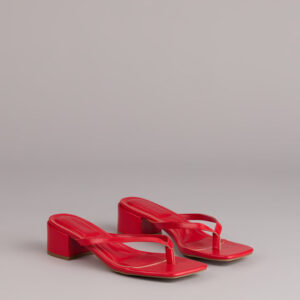
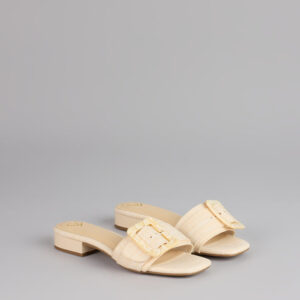
Comfortable slides: good for relaxed summer outfits.
Neutral shoe colours are usually the most versatile. White, tan, black, nude, metallic, chocolate and navy are easy to repeat across outfits. If you walk a lot, pay close attention to cushioning, sole grip, arch support and strap placement.
How to Avoid Buying Clothes You Never Wear
Most wardrobe mistakes happen when you buy for a fantasy lifestyle, a temporary trend or a sale price rather than your actual needs. A bargain is only a bargain if you wear it.
Before You Buy, Ask These Questions
Can I wear this with at least three things I already own?
Does it fit comfortably right now?
Is the fabric suitable for my climate?
Will I need special underwear, shoes or alterations to wear it?
Is it easy to wash or care for?
Am I buying it because I love it, or only because it is on sale?
Does it suit my everyday lifestyle?
Also pay attention to repeat mistakes. If you keep buying dresses that are too formal, shoes that hurt, tops that need ironing or colours you never wear, your wardrobe is giving you clues. Use those clues to shop more carefully next time.
Easy Seasonal Wardrobe Updates
You do not need a completely new wardrobe every season. A few smart updates can make your existing clothes feel fresh again.
Spring Updates
Add a lighter jacket or denim layer.
Bring in fresh colours such as white, blue, blush or soft green.
Swap heavy boots for loafers, sneakers or flats.
Wear shirts open over tanks or t-shirts.
Summer Updates
Choose breathable fabrics like cotton and linen.
Add easy dresses, sandals and lightweight shirts.
Use hats, sunglasses and simple jewellery to finish outfits.
Keep colours light if you want a fresh, relaxed look.
Autumn Updates
Add cardigans, light knits and soft jackets.
Introduce deeper colours such as chocolate, navy, burgundy or olive.
Layer dresses with denim jackets or blazers.
Swap sandals for loafers or ankle boots.
Winter Updates
Invest in warm layers you can wear repeatedly.
Use scarves, coats and boots to change the feel of basic outfits.
Choose knitwear in colours that match your jeans and trousers.
Layer long-sleeve tops under shirts, dresses or knits.
Simple Everyday Wardrobe Checklist
Use this checklist as a starting point. You can adjust it depending on your lifestyle, climate, budget and personal style.
2 to 4 plain t-shirts
1 to 2 button-up shirts
1 pair of comfortable blue jeans
1 pair of black, navy or neutral trousers
1 pair of casual pants such as linen or wide-leg pants
1 everyday dress
1 simple cardigan or knit
1 blazer, denim jacket or utility jacket
1 pair of white or neutral sneakers
1 pair of flats, loafers or sandals
1 practical everyday bag
A few simple accessories such as a belt, sunglasses, scarf or jewellery
Once these pieces are working well, you can add personality with colour, prints, statement earrings, a brighter bag, a patterned skirt, a trend piece or a special jacket. Basics create the foundation; accessories and feature pieces create the style.
Example Everyday Outfits
Casual Weekend Outfit
Wear straight-leg jeans with a white t-shirt, denim jacket and white sneakers. Add sunglasses and a crossbody bag for a simple outfit that feels relaxed but tidy.
Smart Casual Lunch Outfit
Pair wide-leg trousers with a tucked-in shirt, loafers and a neutral bag. Add a light blazer if you want the outfit to look more polished.
Easy Travel Outfit
Choose soft trousers, a breathable t-shirt, a cardigan and comfortable sneakers. Keep the colours neutral so each piece can be worn again with other items during the trip.
Warm Weather Outfit
Wear a linen shirt with relaxed shorts or linen pants. Add flat sandals, a woven bag and simple jewellery for an easy summer look.
Cool Weather Outfit
Style a knit with dark jeans, ankle boots and a coat or trench. Add a scarf for warmth and texture.
Final Tips for Building an Everyday Wardrobe
The best everyday wardrobe is not the biggest one. It is the one that makes your life easier. Start with reliable basics, choose colours that work together, invest in comfortable shoes and be honest about what you actually wear.
When your clothes fit your lifestyle, your body and your personal taste, getting dressed becomes simple. You will spend less time wondering what to wear and more time feeling comfortable, confident and put together.
Everyday Wardrobe FAQs
How many clothes do I need for an everyday wardrobe?
You do not need a fixed number, but most people can create many outfits with a small collection of useful basics. Start with good jeans, a few tops, casual trousers, a dress, a jacket, knitwear and comfortable shoes. Add more only when you notice a genuine gap.
What colours are best for an easy wardrobe?
Neutral colours such as black, white, navy, grey, beige, cream, camel and denim blue are the easiest to mix and match. You can then add accent colours that suit your skin tone and personal style.
How do I make casual outfits look more stylish?
Focus on fit, shoes and finishing details. A tucked shirt, clean sneakers, a belt, simple jewellery, a structured jacket or a good bag can make a basic outfit look much more polished.
What should I stop buying if I want a better wardrobe?
Avoid buying clothes that do not fit properly, uncomfortable shoes, difficult colours, hard-to-care-for fabrics and pieces that only work for one rare occasion. Also be careful with sale items that you would not buy at full price.
How often should I update my wardrobe?
A small seasonal update is usually enough. You might add a lighter shirt in summer, a new knit in winter, fresh shoes, or one trend piece that works with your existing basics. You do not need to replace everything each season.
Worth a look
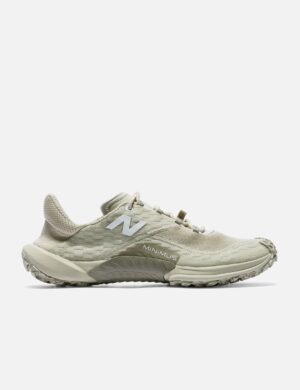
New Balance Minimus Trail: A Lightweight Trail Shoe… New Balance Minimus Trail: A Lightweight Trail Shoe with a Clean Look and Grip-Focused Build: lace-up closure; FuelCell midsole; AT Tread outsole for traction.
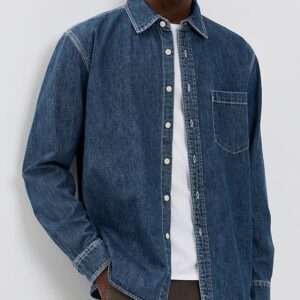
Alex Mill Easy Shirt In Denim – Versatile Everyday Style Alex Mill Easy Shirt In Denim – Versatile Everyday Style features Denim, Shirt silhouette. See the Shopbop listing for current sizing, availability, materials and product specifications.
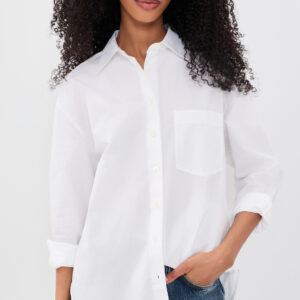
Madewell Washed Poplin Easy Shirt Now on sale Madewell Washed Poplin Easy Shirt. Found on the secure and trusted website shopbop.com. This shirt from Madewell is crafted from 100% cotton and features a collared neck, long sleeves with button cuffs, a button placket, and a patch breast pocket. The relaxed silhouette and classic shirting details make it an easy choice for casual wear.
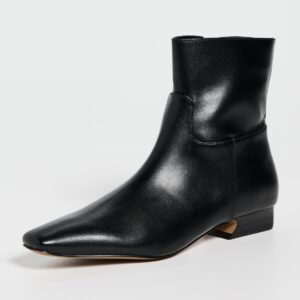
Free People Easy Does It Vegan Boots Now on sale Free People Easy Does It Vegan Boots. Found on the secure and trusted website shopbop.com. These Free People boots are crafted from faux leather and feature a stacked heel, ankle zip, and a square toe. With their clean lines and understated design, these boots offer ease and versatility for casual days.
Writeups and reviews are our personal opinions. Follow through to the merchants site for more details.
New Balance Minimus Trail: A Lightweight Trail Shoe… New Balance Minimus Trail: A Lightweight Trail Shoe with a Clean Look and Grip-Focused Build: lace-up closure; FuelCell midsole; AT Tread outsole for traction.
Alex Mill Easy Shirt In Denim – Versatile Everyday Style Alex Mill Easy Shirt In Denim – Versatile Everyday Style features Denim, Shirt silhouette. See the Shopbop listing for current sizing, availability, materials and product specifications.
Madewell Washed Poplin Easy Shirt Now on sale Madewell Washed Poplin Easy Shirt. Found on the secure and trusted website shopbop.com. This shirt from Madewell is crafted from 100% cotton and features a collared neck, long sleeves with button cuffs, a button placket, and a patch breast pocket. The relaxed silhouette and classic shirting details make it an easy choice for casual wear.
Free People Easy Does It Vegan Boots Now on sale Free People Easy Does It Vegan Boots. Found on the secure and trusted website shopbop.com. These Free People boots are crafted from faux leather and feature a stacked heel, ankle zip, and a square toe. With their clean lines and understated design, these boots offer ease and versatility for casual days.
Writeups and reviews are our personal opinions. Follow through to the merchants site for more details.
Popular Styles
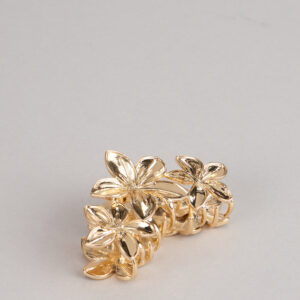
Windsor Easy Blooms Floral Claw Clip Windsor Easy Blooms Floral Claw Clip: Metal construction with sculpted floral design; Claw clip silhouette; Secure hinge closure.
Windsor Easy Days Raffia Buckle Slide Sandals Windsor Easy Days Raffia Buckle Slide Sandals: Single wide strap across the vamp; Decorative buckle detailSlip-on mule silhouetteRaffia-textured upper; Runs true to size.