An off-the-shoulder dress creates a distinctive neckline by leaving the shoulders exposed while the fabric sits across or just below the upper arms. The look can feel romantic, elegant, relaxed or dramatic depending on the fabric, sleeve shape and overall silhouette. Although often associated with summer outfits and special occasions, off-the-shoulder dresses are available in everything from casual cotton minis to structured cocktail dresses and formal gowns.
Worth a look
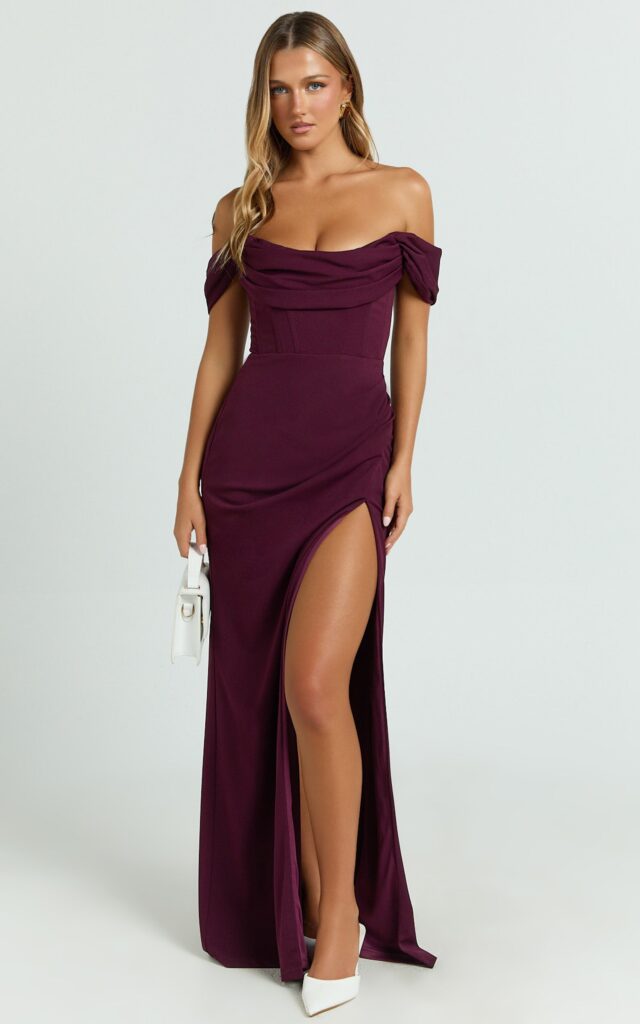
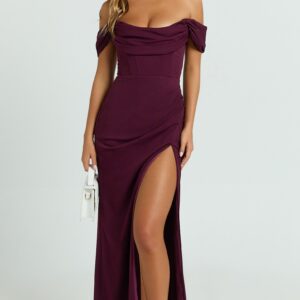
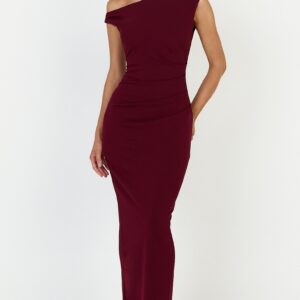
Showpo Marcel Maxi Dress - Off Shoulder Corset High Split Dress in Wine The Marcel Maxi Dress in wine is a fitted formal style built around an off-the-shoulder neckline, structured bodice and dramatic leg split. Features include off-the-shoulder neckline, boned structured bodice, fitted maxi silhouette. See the full description for fabric composition, stretch and sizing details.
Writeups and reviews are our personal opinions. Follow through to the merchants site for more details.
The style can be flattering and expressive, but it also requires careful attention to fit. A neckline that is too tight may restrict arm movement, while one that is too loose may slip or need constant adjustment. Choosing the right support, fabric and construction can make the difference between a dress that looks appealing for a photograph and one that remains comfortable throughout an entire event.
What Is an Off-the-Shoulder Dress?
An off-the-shoulder dress has a neckline designed to sit below the shoulders, exposing the collarbones and upper chest. The sleeves or upper edge of the bodice usually wrap around the upper arms rather than sitting on top of the shoulders.
The style is sometimes called a Bardot neckline, particularly when the neckline forms a wide, relatively straight band across the upper body. The name is associated with mid-twentieth-century fashion, although exposed-shoulder dresses appeared long before that period.
Some off-the-shoulder dresses use elastic around the neckline, allowing the upper edge to stretch over the shoulders. Others have structured bodices, internal grip, boning, fitted sleeves or carefully shaped panels that hold the dress in position.
An off-the-shoulder dress differs from a cold-shoulder dress. A cold-shoulder design has cut-outs at the shoulders while retaining fabric or straps over the top. A strapless dress has no sleeves or fabric around the arms, whereas an off-the-shoulder dress usually includes sleeves, a folded band, ruffles or draped fabric below the shoulder line.
Worth a look
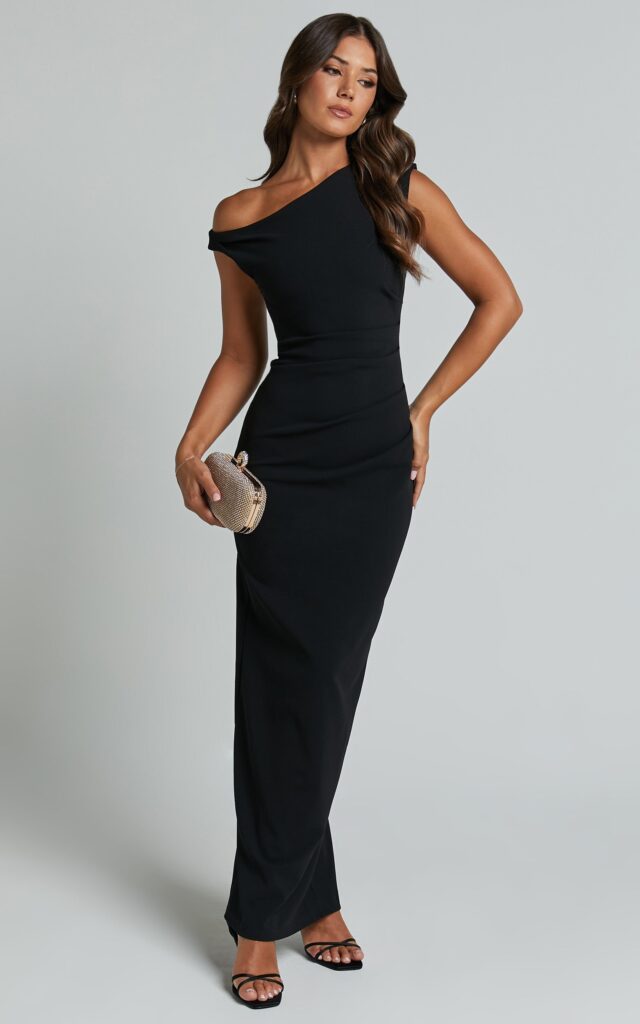
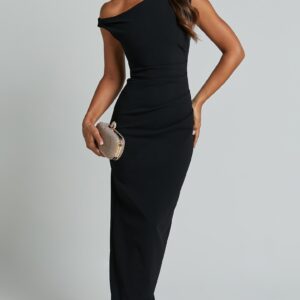
Showpo Genie Maxi Dress - Off The Shoulder Dress in Black Showpo Genie Maxi Dress - Off The Shoulder Dress in Black features Black maxi dress, One-shoulder high neckline, Leg split. A practical choice for formal events, gala nights and wedding guest occasions; check the merchant page for current sizing, availability and product details.
Writeups and reviews are our personal opinions. Follow through to the merchants site for more details.
Why Off-the-Shoulder Dresses Remain Popular
The neckline draws attention to the shoulders, collarbones and face without necessarily creating a deeply cut front. This balance of exposure and coverage allows an off-the-shoulder dress to appear feminine and elegant while offering more arm coverage than many strapless designs.
The style can also adapt to different occasions. A lightweight cotton version may suit a holiday or casual lunch, while a fitted crepe or satin design may work for a cocktail event. Long, flowing off-the-shoulder dresses are often chosen for weddings, evening celebrations and formal occasions.
Another reason for the style’s continuing appeal is that it works with many silhouettes. The neckline may be combined with an A-line skirt, fitted bodycon shape, wrap waist, tiered maxi skirt, corset bodice or relaxed shift.
Because the neckline is already visually distinctive, the dress may require fewer accessories than a simpler crew-neck or scoop-neck design. This can make it relatively straightforward to style once the fit and support have been resolved.
Common Off-the-Shoulder Dress Styles
Bardot Dresses
A Bardot dress typically has a wide neckline that runs across the upper chest and sits below both shoulders. The upper section may be folded, fitted or gently draped. This style often creates a clean, balanced line and can suit cocktail dresses, work functions with an appropriate dress code and evening events.
Elasticated Off-the-Shoulder Dresses
Elasticated necklines are common in casual, bohemian and holiday dresses. The elastic allows the neckline to be pulled over the shoulders and helps keep the fabric in position. Comfort depends on the strength and width of the elastic. A narrow or overly tight band may dig into the arms, while weak elastic may slide upwards or downwards.
Ruffled Off-the-Shoulder Dresses
Ruffles add volume around the neckline and can create a playful, romantic or resort-inspired appearance. A large ruffle can visually broaden the upper body, while a smaller frill creates a softer effect. These dresses often work well for summer outings, holidays and daytime celebrations.
Structured Off-the-Shoulder Dresses
Structured designs may include boning, internal cups, a fitted waist and a concealed zip. They are frequently used for cocktail dresses, formal events and evening wear. The bodice should remain secure without placing excessive pressure on the upper arms.
Off-the-Shoulder Bodycon Dresses
A bodycon version fits closely through the bust, waist and hips. Stretch fabric can improve movement, but the dress should not pull the neckline out of position when walking or sitting. These styles are commonly worn for parties, dinners and nights out.
A-Line and Fit-and-Flare Dresses
An A-line skirt widens gradually from the waist or hips, while a fit-and-flare dress combines a fitted bodice with a fuller skirt. Both silhouettes balance the exposed neckline with movement through the lower half of the dress. They can suit weddings, birthdays, garden parties and daytime events.
Off-the-Shoulder Mini Dresses
Mini dresses combine the open neckline with an above-the-knee hem. Because both the shoulders and legs are exposed, the overall effect can be bold. Long sleeves, a fuller skirt or a structured fabric can provide visual balance.
Off-the-Shoulder Midi Dresses
A midi length creates a more polished and versatile appearance. Depending on the fabric, it may suit cocktail occasions, dinners, weddings and formal daytime events. The longer skirt can make the exposed neckline feel more restrained.
Off-the-Shoulder Maxi Dresses
Maxi versions range from relaxed beach dresses to formal evening gowns. Flowing cotton, linen blends and lightweight rayon create an informal holiday look, while satin, chiffon, lace and structured fabrics can suit formal occasions.
Long-Sleeve Off-the-Shoulder Dresses
Long sleeves contrast with the open neckline and can make the style suitable for cooler weather. Sleeves may be fitted, flared, puffed or sheer. Check that the sleeve construction allows the arms to move without pulling the neckline upwards.
Puff-Sleeve Designs
Puff sleeves add volume and a romantic or vintage-inspired character. The effect may be subtle or dramatic depending on sleeve size. Larger sleeves usually work best when other accessories are kept relatively simple.
Wrap and Faux-Wrap Dresses
Wrap-style dresses cross over the body and may provide an adjustable waist. A faux-wrap design gives the appearance of a wrap but is sewn into a fixed shape. The neckline and skirt overlap should be checked while sitting and moving.
Asymmetric and One-Shoulder Variations
Some dresses combine an off-the-shoulder effect with an asymmetric neckline or one raised shoulder. These designs provide a modern alternative to a symmetrical Bardot neckline and can create a strong evening look.
How Should an Off-the-Shoulder Dress Fit?
The neckline should sit in its intended position without repeatedly sliding onto the shoulders or dropping too low. It should feel secure but not so tight that it restricts circulation or leaves deep marks on the upper arms.
Across the bust, the fabric should lie smoothly without gaping, flattening or pulling. If the dress has shaped cups or boning, the bust should sit within the intended area rather than above or below it.
The waist and hips should follow the design of the dress. A fitted style should sit smoothly, while a relaxed dress should fall without excessive bunching. Horizontal strain lines often indicate that the dress is too tight.
Raise your arms, reach forwards, sit down and walk before deciding whether the fit is practical. Many off-the-shoulder necklines move when the arms are lifted. Some movement is normal, but the dress should not require complete readjustment after every small action.
The neckline may be too loose if it falls away from the chest, exposes undergarments or slides down during normal movement. It may be too tight if it pinches, limits the arms or continually springs back onto the shoulders.
Choosing the Right Sleeve Style
Short sleeves and small ruffles create a light, summery appearance. They are often comfortable in warm weather, although the elastic edge should not be excessively tight.
Fitted sleeves provide a sleek look but may restrict movement if the fabric lacks stretch. Puff sleeves add volume and can make the dress feel more romantic or dramatic. Balloon sleeves create fullness through the arm before narrowing at the cuff.
Long, flowing sleeves suit bohemian and formal styles, while sheer sleeves provide coverage without making the dress appear heavy. Bell sleeves add movement but may be impractical around food, drinks or crowded tables.
When trying on the dress, move your arms forwards as though driving, eating or carrying a handbag. Attractive sleeves are of limited value if they make ordinary activities uncomfortable.
Best Fabrics for an Off-the-Shoulder Dress
Cotton and cotton blends are common in casual summer dresses because they can feel breathable and hold ruffles or gathered shapes. Linen and linen blends provide texture and airflow but may crease noticeably.
Jersey and stretch fabrics allow flexibility and often work well for fitted off-the-shoulder dresses. However, very soft jersey may provide limited support and can reveal underwear lines.
Satin gives the neckline a polished evening appearance but may slip, crease or show pulling. Crepe offers a more matte finish and can provide a structured drape. Chiffon creates lightness and movement but normally requires lining.
Lace adds texture and is frequently used for wedding guest dresses and formal occasions. Velvet suits cooler weather and creates a rich, substantial look, although it can feel warm and may mark when crushed.
The best fabric depends on the intended occasion, climate and construction of the dress. A casual elasticated neckline may work well in cotton, while a formal structured bodice generally needs a more stable fabric and secure internal support.
Off-the-Shoulder Dresses for Different Proportions
An off-the-shoulder neckline creates a horizontal line across the upper body, which may make the shoulders appear broader. Some people enjoy this effect because it visually balances fuller hips or draws attention towards the face.
A narrower folded band produces a cleaner line, while ruffles and puff sleeves add more volume. A V-shaped or sweetheart centre can soften the horizontal effect compared with a completely straight neckline.
Fuller-bust shoppers may prefer a structured bodice, supportive internal cups or a style compatible with a strapless bra. Smaller-bust shoppers may find that ruching, ruffles or shaped cups add definition, although none of these features is compulsory.
Petite shoppers should check that large ruffles or sleeves do not overwhelm the overall silhouette. Taller shoppers may need to assess sleeve length, bodice depth and the practical length of mini styles.
Individual comfort and proportions are more useful than rigid body-shape rules. The most flattering dress is generally one that sits securely and creates the balance the wearer prefers.
What to Wear Under an Off-the-Shoulder Dress
A strapless bra is the most common option. It should fit firmly around the ribcage because most of the support comes from the band rather than the straps. A longline strapless bra may provide additional support beneath a structured dress.
Convertible bras may work when the straps can be repositioned low enough to remain hidden. Adhesive cups or adhesive bras may suit backless or lightly structured designs, although they do not provide the same level of support for everyone.
Nipple covers can provide discreet coverage where significant support is not required. Some formal dresses include built-in cups or boning, but this does not automatically mean that a separate bra is unnecessary.
Seamless underwear is useful beneath fitted fabrics. A lightweight bodysuit or smoothing garment may create a more even line, provided it remains hidden below the neckline and does not feel overly restrictive.
Test undergarments from the front, side and back. Also raise your arms and sit down to make sure neither the bra nor shapewear becomes visible.
How to Style an Off-the-Shoulder Dress
Minimal Evening Outfits
Choose a fitted or softly draped dress with simple heels, a compact handbag and delicate earrings. Leaving the neckline free from a necklace can emphasise the collarbones and keep the outfit uncluttered.
Glamorous Party Looks
Pair a bodycon or structured mini dress with platform heels, statement earrings and a small clutch. Metallic accessories can add impact, but too many reflective details may compete with the neckline.
Romantic Dinner Outfits
A midi dress with soft sleeves works well with kitten heels, a small shoulder bag and understated jewellery. A wrap or cropped jacket can provide coverage when arriving or leaving.
Cocktail Events
Choose a structured midi or knee-length dress with pumps, slingbacks or refined heeled sandals. Add a tailored coat or blazer that can be removed without disturbing the neckline.
Birthday Celebrations
Colour, ruffles, fitted silhouettes and decorative sleeves can all work for birthday outfits. Select shoes that remain comfortable if the event involves standing or dancing.
Holiday and Resort Evenings
Lightweight maxi and midi dresses pair well with flat sandals, woven bags and simple jewellery. Elasticated designs are practical for packing but should be checked for secure fit.
Casual Daytime Outfits
Choose cotton, linen blends or jersey with flat sandals, sneakers or espadrilles. A crossbody bag, denim jacket and simple accessories keep the look relaxed.
Cooler-Weather Styling
Add tights, boots and a long coat. A long-sleeve off-the-shoulder dress in knit, velvet or heavier fabric can work well in mild winter conditions, although the exposed neckline may still require a scarf or coat outdoors.
Best Shoes to Wear with an Off-the-Shoulder Dress
Strappy heels complement the exposed neckline and are a natural choice for evening events. Pumps create a more traditional formal look, while slingbacks offer a lighter appearance.
Kitten heels provide modest height and can be practical for weddings and dinners. Platform heels work well with mini and fitted party dresses, although their visual weight may overpower very delicate fabrics.
Ballet flats and pointed flats can make a midi dress feel polished without adding height. Loafers provide contrast and may suit a structured casual dress.
Ankle boots work well with mini dresses and long sleeves. Knee-high boots can balance a short hemline during cooler weather. Sneakers, espadrilles and flat sandals are suitable for casual, holiday and daytime styling.
Jackets and Outerwear
A tailored blazer can work well over an off-the-shoulder dress, but the shoulder structure may temporarily push the neckline upwards. A blazer worn loosely over the shoulders avoids this problem, although it is less practical when walking or carrying items.
A cropped jacket maintains emphasis on the waist. Leather and faux-leather jackets create contrast with romantic ruffles or flowing fabric. Denim jackets make the dress feel more casual.
Trench coats and long wool coats provide coverage without cutting across the neckline. A cardigan offers a softer option, while a shawl or wrap is particularly useful for weddings and formal evenings.
Consider the sleeve volume before choosing outerwear. Large puff sleeves may not fit comfortably inside a narrow jacket sleeve.
Jewellery and Accessories
The open neckline creates space for jewellery, but a necklace is not always necessary. Statement earrings can frame the face while leaving the collarbones visible.
A short pendant or delicate chain suits a simple neckline. Chokers echo the horizontal line of the dress and can create a strong evening look. Longer necklaces may sit awkwardly against ruffles or folded fabric.
Pearls create a classic effect, while metallic jewellery can appear modern or glamorous. Choose either a prominent necklace or prominent earrings rather than making every accessory compete for attention.
Clutches and mini handbags suit formal events. Shoulder bags are practical, but check that the strap does not crush ruffles or pull the neckline out of place. Hair worn up or swept to one side can make the neckline more visible.
Can an Off-the-Shoulder Dress Be Worn Casually?
Off-the-shoulder dresses can be worn casually when the fabric and construction are relaxed. Cotton, jersey and linen-blend styles work well with sandals, sneakers, espadrilles and casual bags.
A denim jacket, oversized cardigan or lightweight knit can reduce the formal effect. Minimal jewellery and natural textures also make the outfit feel more suitable for daytime.
Highly structured, sequinned, sheer or heavily embellished dresses are harder to adapt for casual wear. A very low neckline may also feel impractical for shopping, travel or active daytime plans.
Wearing an Off-the-Shoulder Dress to a Wedding
An off-the-shoulder dress can be suitable for a wedding, provided it matches the stated dress code. Midi and maxi lengths are usually easier to style for formal or cocktail weddings than very short party dresses.
For a daytime garden wedding, consider a floral or softly coloured dress with block heels or flats suitable for grass. For a beach wedding, choose breathable fabric and practical sandals. An evening wedding may suit satin, crepe, velvet or a more structured design.
Avoid white, ivory, pale champagne or strongly bridal-looking styles unless the couple has approved them. The dress should remain secure while sitting, eating and dancing, and the neckline should not require constant adjustment.
A shawl, wrap or jacket may be useful for religious ceremonies, cooler weather or venues with conservative dress expectations. The couple’s instructions should always take priority over general fashion advice.
Off-the-Shoulder Dresses for Different Seasons
Summer
Lightweight cotton, linen blends, rayon and breathable fabrics suit warm weather. Pair them with sandals, espadrilles and minimal accessories. Sun protection remains important because the shoulders and upper chest are exposed.
Autumn
Add ankle boots, a trench coat or light cardigan. Deeper colours and textured fabrics may feel seasonal, although they are a matter of preference rather than a fixed rule.
Winter
Worth a look
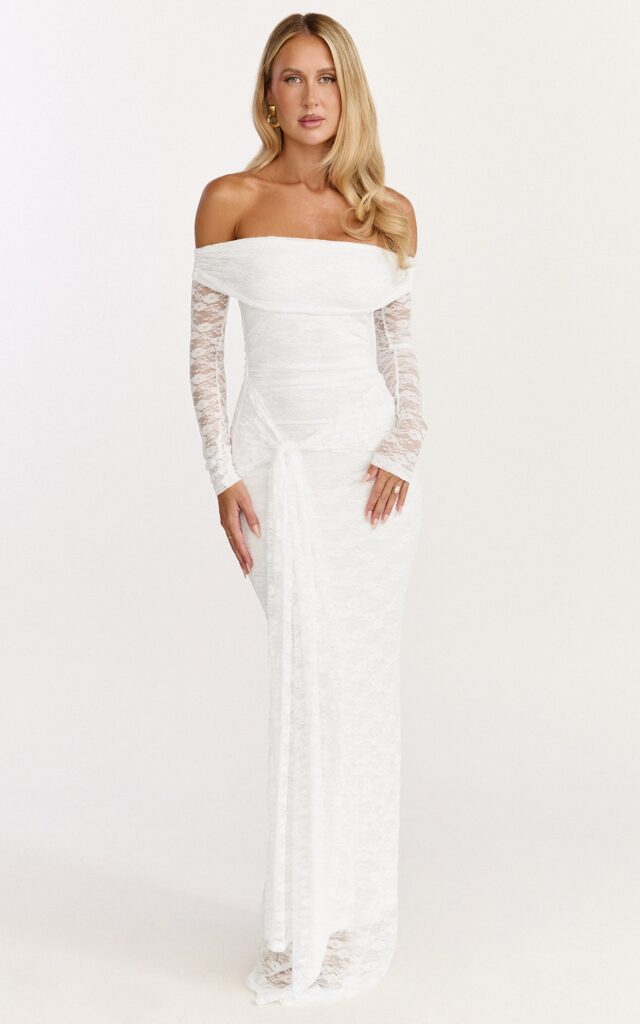
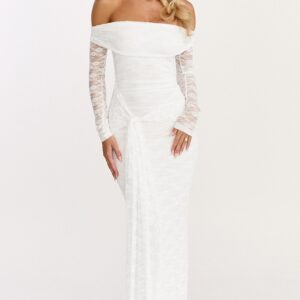
Showpo Melville Maxi Dress - Off Shoulder Long Sleeve Lace Dress in White The Melville Maxi Dress in white is an off-the-shoulder lace style with long sleeves and a fitted bodycon shape. Features include off-the-shoulder neckline, long sleeves, lace finish. See the full description for fabric composition, stretch and sizing details.
Writeups and reviews are our personal opinions. Follow through to the merchants site for more details.
Long sleeves, heavier knits, velvet and structured fabrics provide more warmth. Tights, knee-high boots and a long coat can make the style more practical, but it may not suit very cold outdoor conditions.
Spring
Floral prints, lighter colours and flowing sleeves work well in spring. A blazer, cropped jacket or wrap provides flexibility when temperatures change.
How to Buy an Off-the-Shoulder Dress Online
Read the retailer’s size chart carefully.
Compare bust, waist, hip and garment-length measurements.
Check whether measurements refer to the body or the finished garment.
Look for information about neckline elastic, grip strips or internal boning.
Check whether the fabric stretches.
Study photographs showing the front, back and sleeves.
Watch product video to see whether the neckline moves.
Read model measurements and the size worn without assuming the same fit.
Check whether the bodice is lined or includes built-in cups.
Read reviews for comments about slipping, tight sleeves and bust support.
Confirm the returns policy before purchasing.
Review the care instructions, particularly for formal fabrics.
Quality Details to Look For
Elasticated necklines should have even tension without twisting or visible loose threads. Structured necklines should lie smoothly and include secure seams, grip tape or internal support where necessary.
Check that sleeves are attached evenly and allow reasonable movement. Reinforced stitching is valuable around zips, underarms, hooks and other stress points.
Lining should sit flat without showing above the neckline or below the hem. Boning should remain enclosed and should not bend sharply or push through the fabric.
Look for smooth hems, matching patterns, secure fastenings and minimal puckering. Price does not guarantee quality, so construction should be assessed independently of the label or cost.
Common Off-the-Shoulder Dress Problems and Solutions
The Neckline Keeps Riding Up
This often happens when the neckline is too tight, the sleeves are restrictive or the wearer raises their arms. A different size or more flexible design may be required. Fashion tape can provide limited assistance but cannot correct major fit problems.
The Dress Keeps Slipping Down
Check whether the dress is too large or whether the elastic has weakened. A structured bra, grip tape or professional alterations may help, depending on the construction.
The Upper Arms Feel Restricted
Look for a dress with stretch, wider sleeves or a differently positioned neckline. Tight elastic should not be tolerated for the sake of appearance.
The Bra Is Visible
Try a lower-cut strapless bra, adhesive support or a dress with built-in cups. Test the outfit while moving because a bra that is hidden while standing may become visible when sitting.
The Neckline Gapes
Fashion tape may help with minor gaping. A significant gap usually requires alteration or a different bodice size.
The Dress Limits Arm Movement
Some restriction is inherent in fitted off-the-shoulder designs. For events involving dancing, driving or carrying children, choose stretch fabric, flexible elastic or a less structured neckline.
The Sleeves Fall Down
The sleeve opening may be too loose or the elastic may have weakened. A tailor may be able to adjust it without changing the overall neckline.
How to Wash and Care for an Off-the-Shoulder Dress
Follow the care label because cleaning requirements depend on the fabric, lining, elastic and internal structure. Cotton and jersey dresses may be washable, while lace, satin, velvet and boned designs may require hand washing or dry cleaning.
Where machine washing is permitted, use a gentle cycle and a mesh laundry bag. Fasten hooks and zips before washing to reduce snagging. Avoid hot water, which can damage elastic and cause some fabrics to shrink.
Do not twist or wring the neckline. Reshape it gently after washing and allow the dress to air dry. Hanging a heavy wet dress may stretch the neckline, so some garments are better dried flat.
Use low heat when ironing and protect delicate fabric with a pressing cloth. Steam carefully around elastic, boning and decorative trim.
Store the dress on a suitable hanger or folded loosely. Padded hangers can help protect wide necklines, while hanger loops should be used when provided to prevent stretching.
How to Pack an Off-the-Shoulder Dress for Travel
Fold or roll a casual cotton dress according to how easily the fabric creases. Structured dresses should be folded carefully with tissue paper and placed near the top of the suitcase.
Keep boned bodices, ruffles and puff sleeves away from heavy shoes and toiletries. A garment bag can protect lace, embellishments and delicate fabric from snagging.
Hang the dress after arrival and reshape the neckline and sleeves. A compact steamer can help with creases, but always check the care instructions before applying heat.
Pack the intended bra, fashion tape and accessories with the dress rather than assuming a suitable alternative will be easy to find while travelling.
Is an Off-the-Shoulder Dress Worth Buying?
An off-the-shoulder dress can be worthwhile when the neckline feels secure, the arm movement is acceptable and the style suits more than one occasion. A simple midi, cotton maxi or structured cocktail design may be restyled with different shoes and accessories.
Before buying, consider whether you own a compatible bra, whether the neckline requires fashion tape and whether the dress will remain practical during the intended event.
Also assess care requirements, climate and outerwear. Large sleeves or a very low neckline may make the dress less versatile than a clean Bardot design.
The strongest choice is not necessarily the most dramatic. A dress that stays in position and allows comfortable movement is likely to provide better value than one that looks impressive but requires constant adjustment.
Frequently Asked Questions About Off-the-Shoulder Dresses
What is an off-the-shoulder dress?
It is a dress with a neckline that sits below the shoulders, usually with sleeves or fabric positioned around the upper arms.
Is an off-the-shoulder dress the same as a strapless dress?
No. A strapless dress has no sleeves, while an off-the-shoulder dress usually includes sleeves, a folded band, ruffles or draped fabric around the arms.
What is a Bardot neckline?
A Bardot neckline is a wide neckline that exposes both shoulders and often runs relatively straight across the upper chest.
What bra should be worn with an off-the-shoulder dress?
A well-fitted strapless bra is the most common option. Adhesive cups, convertible bras and built-in support may also work.
How do you keep an off-the-shoulder dress in place?
Choose the correct size and look for secure elastic, grip strips or structured support. Fashion tape can help with minor movement.
Why does an off-the-shoulder dress ride up?
The neckline may be too tight, the sleeves may restrict movement or the design may naturally move when the arms are raised.
Can an off-the-shoulder dress be worn to a wedding?
Yes, when it suits the dress code, venue and level of formality.
Can an off-the-shoulder dress be worn during the day?
Yes. Casual fabrics, flat shoes, denim and understated accessories make the style suitable for daytime.
What necklace suits an off-the-shoulder dress?
A short pendant, delicate chain or choker can work well, although statement earrings without a necklace are also effective.
What jacket can be worn over an off-the-shoulder dress?
Blazers, cropped jackets, denim jackets, leather jackets, trenches, long coats and wraps can all work.
Are off-the-shoulder dresses suitable for fuller busts?
They can be, particularly when the dress includes supportive construction or can be worn with a properly fitted strapless bra.
Do off-the-shoulder dresses make shoulders look wider?
The horizontal neckline may visually broaden the shoulders, especially when combined with large ruffles or puff sleeves.
How can an off-the-shoulder dress be made more modest?
Choose a longer hem, higher centre neckline, fuller sleeves or add a wrap, jacket or shawl.
Can you wear an off-the-shoulder dress in winter?
Yes, particularly in heavier fabric with long sleeves, tights, boots and a warm coat.
How should an off-the-shoulder dress be stored?
Use hanger loops or a padded hanger where suitable, or fold the dress carefully to avoid stretching the neckline.
Are off-the-shoulder dresses comfortable?
They can be comfortable when the neckline is correctly fitted and the sleeves allow enough movement. Highly structured styles may feel more restrictive.
Final Styling Thoughts
The best off-the-shoulder dress is one that stays securely in position, suits the intended occasion and allows enough movement for the wearer’s plans. Fabric, neckline construction, sleeve shape and bust support are more important than appearance alone.
Worth a look
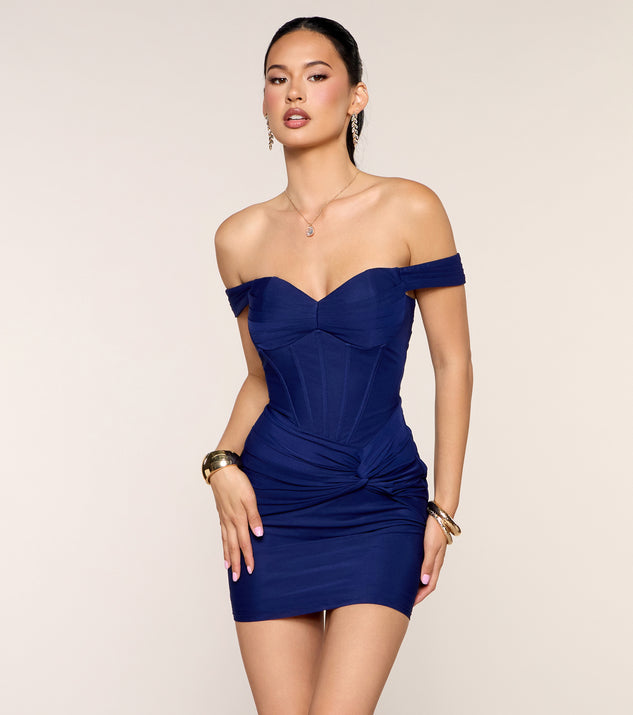
Windsor Kaia Off-Shoulder Corset Mini Dress Special OccasionCorset structure brings the standout detail into focus. This corset mini dress features off-shoulder straps, a sweetheart neckline, and boning for a shaped look with a polished finish. The ruched front detail and lace-up…
Writeups and reviews are our personal opinions. Follow through to the merchants site for more details.
A well-fitting design can be styled for casual days, holidays, dinners, parties and weddings. Choose shoes and accessories that complement the neckline without overcrowding it, and test the full outfit while sitting, walking and raising the arms. Comfort and confidence will usually make the dress look more polished than constant adjustment ever could.
Worth a look
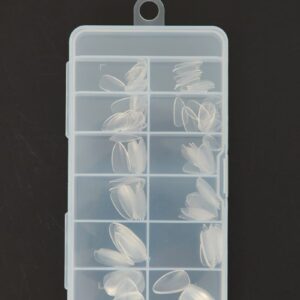
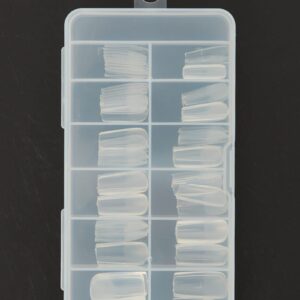
Ally Fashion Metallic 120 Pcs Short Almond Shaped… Ally Fashion Metallic 120 Pcs Short Almond Shaped Half Matte Nail Tips: Beauty-tool or nail-accessory set; Home styling practicality; Compact organised format.
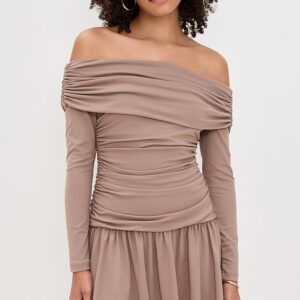
Off The Shoulder Tops | Black Off Shoulder Top |… Off The Shoulder Tops | Black Off Shoulder Top | Ally Fashion with merchant-derived product information and direct retailer access for current specifications, sizing and availability.
Off-White Off Stamp Rib Round Long Dress – Women's… Discover Off-White Off Stamp Rib Round Long Dress, with styling guidance plus direct access to the retailer for current sizing, specifications and availability.
Writeups and reviews are our personal opinions. Follow through to the merchants site for more details.
Off The Shoulder Tops | Black Off Shoulder Top |… Off The Shoulder Tops | Black Off Shoulder Top | Ally Fashion with merchant-derived product information and direct retailer access for current specifications, sizing and availability.
Off-White Off Stamp Rib Round Long Dress – Women's… Discover Off-White Off Stamp Rib Round Long Dress, with styling guidance plus direct access to the retailer for current sizing, specifications and availability.
Writeups and reviews are our personal opinions. Follow through to the merchants site for more details.
Popular Styles
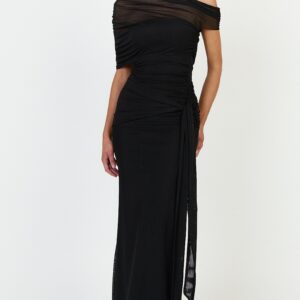
Showpo Nicolette Maxi Dress - Cape Sleeve Off… The Nicolette Maxi Dress in black is a fitted one-shoulder design with a ruched mesh finish and a softly draped look through the body. Features include one-shoulder neckline, short sleeve, fitted maxi silhouette. See the full description for fabric composition, stretch and sizing details.
Showpo Melville Maxi Dress - Off Shoulder Long… The Melville Maxi Dress in white is an off-the-shoulder lace style with long sleeves and a fitted bodycon shape. Features include off-the-shoulder neckline, long sleeves, lace finish. See the full description for fabric composition, stretch and sizing details.
Showpo Marcel Maxi Dress - Off Shoulder Corset High… The Marcel Maxi Dress in wine is a fitted formal style built around an off-the-shoulder neckline, structured bodice and dramatic leg split. Features include off-the-shoulder neckline, boned structured bodice, fitted maxi silhouette. See the full description for fabric composition, stretch and sizing details.
Showpo Genie Maxi Dress - Off The Shoulder Dress in Wine Showpo Genie Maxi Dress - Off The Shoulder Dress in Wine features Wine maxi dress, One-shoulder high neckline, Ruched jersey. A practical choice for weddings and special occasions; check the merchant page for current sizing, availability and product details.
Showpo Genie Maxi Dress - Off The Shoulder Dress in Black Showpo Genie Maxi Dress - Off The Shoulder Dress in Black features Black maxi dress, One-shoulder high neckline, Leg split. A practical choice for formal events, gala nights and wedding guest occasions; check the merchant page for current sizing, availability and product details.
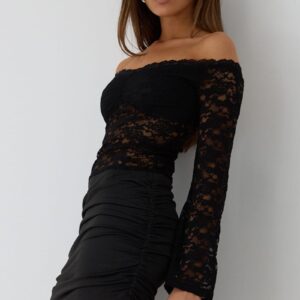
Ally Fashion Black Lace Mini Dress Off Shoulder Long Sleeve Now on sale Ally Fashion Black Lace Mini Dress Off Shoulder Long Sleeve. Found on the secure and trusted website allyfashion.com. The Black Lace Mini Dress Off Shoulder Long Sleeve is a sleek, versatile choice for women seeking a modern romantic look with a long sleeve and off-shoulder neckline. Neckline: Off The Shoulder, Body Length: Mini, Fit: Slim Fit, Sleeve…
Writeups and reviews are our personal opinions. Follow through to the merchants site for more details.