Humid weather can make even a moderate temperature feel uncomfortable. Moisture in the air slows the evaporation of perspiration, leaving skin feeling warmer and clothing feeling damp, sticky or heavy.
The best humid-weather outfits allow air to circulate, minimise unnecessary layers and use fabrics that remain comfortable when exposed to moisture. Loose dresses, lightweight trousers, breathable tops and open footwear can all help, but fabric construction and fit matter as much as the fibre listed on the label.
Writeups and reviews are our personal opinions. Follow through to the merchants site for more details.
Dressing well in humidity does not mean wearing shapeless clothing or abandoning personal style. By choosing breathable materials, controlled silhouettes and practical accessories, you can create outfits that feel cool while still looking polished.
Why Humidity Makes Dressing Difficult
The body cools itself partly through the evaporation of perspiration. When the surrounding air already contains significant moisture, that evaporation becomes slower.
This can make clothing feel:
Sticky against the skin
Heavy after absorbing moisture
Restrictive around the waist and underarms
Slow to dry
More transparent than expected
Likely to crease or lose shape
Humidity can also increase friction, foot swelling and discomfort beneath tight waistbands, fitted sleeves and enclosed shoes.
Begin with Breathable Clothing
Breathable clothing allows heat and moisture to move away from the body more effectively.
Useful features include:
Loose or semi-fitted silhouettes
Open necklines
Short or sleeveless designs
Lightweight fabric
Ventilation through buttons, splits or open weaves
Minimal lining
Room around the underarms and waist
A garment does not need to be oversized to breathe. It simply needs enough space to prevent the fabric from remaining pressed against the skin.
Choose Loose Clothing Without Looking Shapeless
Loose clothing promotes air circulation, but several oversized garments worn together may overwhelm the body.
You can also choose clothing with shape built into its construction, such as an A-line dress, softly tailored trousers or a shirt dress with an optional waist tie.
Avoid Excessively Tight Clothing
Tight clothing can trap heat, restrict airflow and increase rubbing when the skin becomes damp.
Areas that may become particularly uncomfortable include:
Choose clothing that follows the body without gripping it. Stretch can improve comfort, but very tight synthetic garments may still feel hot and restrictive.
Natural Fibres and Humid Weather
Natural fibres are often recommended for warm weather because many are breathable and comfortable. However, each behaves differently when exposed to perspiration and humidity.
Cotton
Cotton is soft, breathable and widely available. It works well for shirts, dresses, tops, underwear and lightweight trousers.
However, cotton can absorb moisture and remain damp for some time. Choose lightweight or loosely woven cotton rather than heavy jersey or thick denim.
Linen
Linen is one of the most useful fabrics for hot, humid weather. It allows airflow and usually dries more quickly than heavy cotton.
It works well for:
Shirts
Wide-leg trousers
Shorts
Dresses
Skirts
Light jackets
Linen creases easily, but the relaxed texture is part of its appearance. Linen blends may wrinkle less while remaining breathable.
Silk
Silk can feel light and breathable, but perspiration may leave visible marks or affect delicate fabric.
Silk is often better for short indoor journeys, evenings or air-conditioned venues than prolonged outdoor activity in severe humidity.
Wool
Fine, lightweight wool can manage moisture surprisingly well, but heavy wool is unsuitable for most humid conditions.
Very fine merino may work in travel garments and lightweight tops, provided the fabric is designed for warm-weather use.
Fabric Blends Can Be Practical
A blended fabric may combine the breathability of a natural fibre with improved durability, stretch or drying time.
Useful blends may include:
Linen and cotton
Linen and viscose
Cotton and modal
Cotton with a small amount of elastane
Viscose and nylon
Lightweight technical blends
Do not judge a garment only by the fibre label. Fabric thickness, weave, lining and fit all affect comfort.
Can Synthetic Fabrics Work in Humidity?
Synthetic fabric is not automatically unsuitable. Some technical materials are designed to move perspiration away from the skin and dry quickly.
Useful options include:
Moisture-wicking activewear fabric
Lightweight nylon
Technical polyester
Quick-drying travel fabric
Breathable mesh panels
Problems are more likely with thick, non-breathable polyester, plastic-like coatings and fabrics that trap heat against the body.
A thin synthetic blouse may still feel uncomfortable if it has a dense weave and full polyester lining.
Look at the Fabric Weave
Fabric construction can be more important than fibre content.
A loosely woven fabric allows more air to pass through than a dense, heavy version of the same material.
Look for:
Open weaves
Lightweight poplin
Gauze
Seersucker
Chambray
Fine jersey
Light crepe
Broderie anglaise with suitable lining
Hold the garment up to the light to assess its thickness and transparency before buying.
Choose Lightweight Lining
A breathable outer fabric may still feel hot if the garment has a heavy synthetic lining.
Check dresses, skirts, blazers and trousers for lining material and coverage.
Better options include:
Partial lining
Lightweight cotton lining
Breathable viscose lining
Unlined construction
Removable slips
Unlined clothing should still provide sufficient coverage and structure for the occasion.
Best Tops for Humid Weather
Tops should allow movement and air circulation around the neck, arms and torso.
Useful choices include:
Loose cotton T-shirts
Linen shirts
Sleeveless blouses
Relaxed tanks
Lightweight camisoles
Short-sleeved button-down shirts
Open-neck tunics
Breathable polo tops
Avoid very tight armholes and thick ribbed fabric if you expect prolonged heat.
Choose Open Necklines
Open necklines expose more skin and can make an outfit feel less enclosed.
Suitable options include:
V-necks
Scoop necks
Square necklines
Open collars
Boat necks
Off-the-shoulder styles
Very high necklines can still work in lightweight sleeveless fabric, but thick collars and close-fitting turtlenecks usually feel uncomfortable in humidity.
Sleeveless Tops in Humid Weather
Sleeveless tops provide ventilation and reduce fabric around the underarms.
Choose armholes that:
Do not cut into the skin
Provide suitable bra coverage
Allow comfortable movement
Do not gape excessively
A sleeveless blouse with wide-leg trousers can look polished enough for work, while a simple tank suits casual outfits and holidays.
Short Sleeves and Flutter Sleeves
Short sleeves provide more coverage than sleeveless styles while remaining practical.
Loose flutter, kimono and relaxed short sleeves allow more airflow than tight cap sleeves.
If you prefer arm coverage, look for soft sleeves that do not grip the upper arm.
Long Sleeves Can Still Work
Long sleeves may be useful for sun protection, insects, air conditioning or professional dress codes.
Choose:
Loose linen shirts
Light cotton blouses
Sheer outer layers
Roll-tab sleeves
Lightweight oversized shirts
Roll the sleeves neatly to the forearm when more ventilation is needed.
Best Trousers for Humid Weather
Humid-weather trousers should provide room through the waist, hips and legs.
Good options include:
Linen wide-leg trousers
Lightweight straight pants
Relaxed pull-on trousers
Cropped cotton pants
Palazzo pants
Loose technical travel trousers
Elastic or drawstring waistbands can be comfortable, but choose a flat-front design if you want a more tailored appearance.
Wide-Leg Trousers
Wide-leg trousers encourage airflow and prevent fabric from clinging to the legs.
Pair them with:
A fitted tank
A sleeveless blouse
A tucked linen shirt
A cropped top
A lightweight bodysuit
Choose a length that remains clear of wet pavements and does not drag beneath sandals.
Cropped Trousers
Cropped trousers expose the ankle and can feel cooler than full-length pants.
Avoid extremely narrow cropped trousers if they grip behind the knees or calves.
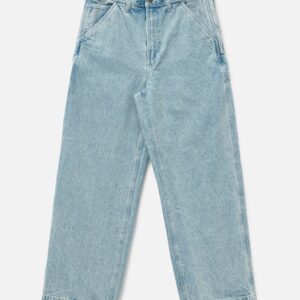
Can You Wear Jeans in Humidity?
Jeans can be uncomfortable when the denim is thick, rigid or heavily fitted.
More suitable options include:
Lightweight denim
Chambray
Loose straight-leg jeans
Cropped jeans
Wide-leg denim
Denim with a small amount of stretch
Dark, heavy skinny jeans may trap heat and become uncomfortable after absorbing perspiration.
For very humid days, lightweight trousers or skirts may be more practical.
Best Shorts for Humid Weather
Shorts provide ventilation and are easy to style casually or neatly.
Useful options include:
Linen shorts
Tailored shorts
Cotton pull-on shorts
Lightweight denim shorts
Flowing culotte shorts
Athletic shorts for active days
Choose a waistband that remains comfortable when sitting and a leg opening that does not cause rubbing.
Tailored Shorts
Tailored shorts can look polished while remaining practical.
Wear them with:
A sleeveless blouse
A linen shirt
A lightweight knit top
A relaxed blazer in air-conditioned settings
Loafers or leather sandals
Pleats can provide more movement, although excessive fabric around the waist may add unwanted bulk.
Best Skirts for Humidity
Skirts allow air circulation and can feel less restrictive than trousers.
Useful choices include:
A-line skirts
Lightweight midi skirts
Flowing maxis
Wrap skirts
Tiered cotton skirts
Simple mini skirts
Choose fabric that does not become excessively transparent or cling to the legs when damp.
Wrap Skirts
Wrap skirts can be adjusted at the waist and often provide a side opening for airflow.
Make sure the overlap remains secure when sitting or walking in wind.
Pair a printed wrap skirt with a simple tank or a plain skirt with a lightweight blouse.
Midi Skirts
A midi skirt offers coverage while keeping the ankles exposed.
Choose:
Lightweight A-line shapes
Soft pleats
Side splits
Breathable linings
Elastic-back waists
Avoid heavy satin or dense synthetic pleating when the humidity is severe.
Maxi Skirts in Humid Weather
A maxi skirt can feel comfortable when the fabric is light and the shape allows movement.
Look for:
Side splits
Light cotton or viscose
Tiered construction
Minimal lining
A hem that clears the ground
Very full synthetic maxis may trap heat around the legs.
Best Dresses for Humid Weather
Dresses are among the easiest humid-weather options because they reduce the number of waistbands and layers required.
Useful styles include:
Shift dresses
Shirt dresses
Wrap dresses
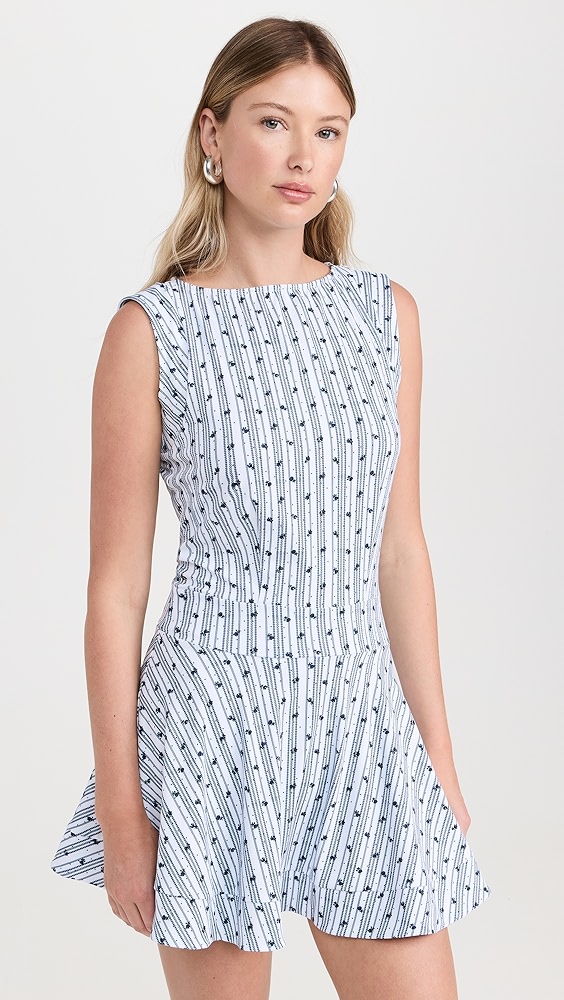
A-line dresses
Tiered cotton dresses
Loose midi dresses
Light sundresses
Smocked dresses with a comfortable fit
The dress should allow air to circulate without requiring constant adjustment.
Shift Dresses
A shift dress falls away from the body and creates a clean, simple silhouette.
It works well for casual wear, work and holidays depending on the fabric and accessories.
Add sandals, a structured bag and simple jewellery for a polished outfit.
Shirt Dresses
Shirt dresses provide adjustable ventilation through the buttons and can be worn loose or belted.
Choose linen, cotton poplin or a lightweight blend.
Roll the sleeves and leave the collar slightly open to make the dress feel less restrictive.
Wrap Dresses
Wrap dresses create waist definition while allowing some adjustability.
Select a breathable fabric and avoid an overly tight wrap, particularly when the body may swell slightly in heat.
Make sure the neckline and skirt overlap remain secure.
Tiered Dresses
Tiered dresses create movement and airflow, but excessive fabric can become heavy.
Choose lightweight cotton, gauze or viscose and keep accessories simple.
A fitted or defined upper section can prevent the dress from appearing shapeless.
Mini Dresses
Mini dresses expose more of the legs and can feel cooler than longer styles.
Useful options include:
Cotton shirt dresses
Loose A-line minis
Tiered dresses
Sleeveless shift dresses
Lightweight wrap styles
Test the dress while sitting and walking, particularly if wind or sudden rain is possible.
Midi Dresses
A breathable midi dress offers an effective balance of coverage and airflow.
Side splits, open necklines and sleeveless designs can make the length feel cooler.
Pair with sandals, sneakers or espadrilles.
Maxi Dresses
Maxi dresses can provide sun coverage while remaining cool if the fabric is light and loose.
Avoid dense lining, heavy synthetic fabric and hems that drag across damp surfaces.
A side or front split can improve movement and ventilation.
Jumpsuits and Rompers
Jumpsuits and rompers can be convenient, but they need enough room through the torso, waist and thighs.
Look for:
Wide-leg silhouettes
Lightweight fabric
Sleeveless or short-sleeved designs
Adjustable straps
Elastic or tie waists
Easy fastenings
Remember that jumpsuits may be inconvenient during frequent bathroom visits, especially while travelling.
Choose Light Colours Carefully
Light colours can reflect sunlight and create a fresh warm-weather appearance.
Useful shades include:
White
Cream
Beige
Pastel blue
Soft pink
Light green
Stone
Pale yellow
However, pale fabrics may become transparent when damp and may show marks more easily. Check the fabric in bright light and wear suitable undergarments.
Dark Colours in Humid Weather
Dark colours can absorb more heat in direct sunlight, but they may conceal perspiration marks more effectively.
Navy, black, burgundy, olive and dark prints can be practical when:
You will spend time indoors
The fabric is lightweight
The garment is loose
You prefer to disguise moisture marks
Fabric weight and fit often affect comfort more than colour alone.
Use Prints to Conceal Perspiration Marks
Prints can disguise damp patches, creases and minor marks better than solid colours.
Useful prints include:
Florals
Abstract patterns
Stripes
Small geometric designs
Dark mixed-colour prints
Very pale solid grey and some bright solid colours may reveal moisture more easily.
Choose Underwear for Humid Weather
Comfortable undergarments are essential because they sit directly against the skin.
Look for:
Breathable cotton gussets
Lightweight seamless underwear
Moisture-wicking fabric
Bras with breathable panels
Soft, non-restrictive waistbands
Proper fit around the band and straps
Very thick padding and tight synthetic shapewear may trap heat.
Shapewear in Humid Conditions
Shapewear is optional and may feel uncomfortable in high humidity.
When needed for a particular garment, choose:
Lightweight construction
Breathable panels
Minimal coverage
The correct size
Moisture-wicking fabric
Shapewear should not restrict breathing, circulation or movement.
Prevent Thigh Chafing
Heat, perspiration and repeated friction can cause painful inner-thigh irritation.
Possible solutions include:
Lightweight anti-chafing shorts
Breathable slip shorts
Anti-chafing balm
Longer shorts
Loose trousers
Moisture-wicking underwear
Choose products that suit your skin and stop wearing anything that causes irritation.
Prevent Waistband Discomfort
The body may feel slightly swollen during hot, humid weather.
Choose:
Elastic-back waistbands
Drawstring trousers
Wrap skirts
Softly tailored pants
Dresses without tight waist seams
A waistband should remain comfortable while standing, walking and sitting.
Best Footwear for Humid Weather
Feet may perspire or swell during humid conditions, so footwear should allow space and airflow.
Useful choices include:
Leather sandals
Supportive walking sandals
Espadrilles
Breathable sneakers
Open-toe block heels
Lightweight loafers
Slides with secure soles
Choose footwear according to the amount of walking and the likelihood of rain.
Sandals
Sandals provide ventilation, but very thin soles may become uncomfortable on hot pavements or during long walks.
Look for:
Supportive footbeds
Adjustable straps
Secure soles
Materials that do not rub when damp
Enough room for mild swelling
Test new sandals before wearing them for a full day.
Breathable Sneakers
Sneakers can work when you need support or closed-toe protection.
Choose:
Mesh panels
Lightweight construction
Moisture-wicking lining
Breathable socks
A roomy toe box
Heavy leather or waterproof sneakers may trap heat unless rain protection is necessary.
Loafers and Flats
Loafers and flats can suit humid workwear, but enclosed designs may become uncomfortable during long outdoor periods.
Choose soft, breathable materials and use lightweight socks or moisture-control insoles where appropriate.
Avoid Heavy Boots
Thick boots, insulated linings and high shafts can trap significant heat.
During mild humidity or evening events, lightweight ankle boots may still work with dresses and cropped trousers.
For severe daytime humidity, sandals or breathable shoes are usually more comfortable.
Wear Breathable Socks
Socks can reduce friction and absorb moisture inside closed shoes.
Choose:
Lightweight cotton blends
Bamboo blends
Technical moisture-wicking fabric
Thin merino designed for warm weather
Low-cut socks
Carry a spare pair if you expect prolonged walking or sudden rain.
Choose Practical Handbags
A humid-weather bag should be lightweight and comfortable against the body.
Useful options include:
Woven handbags
Canvas totes
Nylon crossbody bags
Small leather shoulder bags
Lightweight backpacks
A large leather bag can feel heavy and hot against the body. Carry only what you need.
Crossbody Bags and Perspiration
A crossbody strap may trap heat where it crosses the chest or back.
Choose a narrow, smooth strap and adjust it so it does not rub.
For prolonged outdoor activity, a handheld tote or small backpack may feel more comfortable.
Keep Jewellery Light
Heavy necklaces, stacked bracelets and oversized metal jewellery can feel hot or sticky against damp skin.
Avoid very heavy satin, dense beading, thick shapewear and restrictive sleeves.
Choose block heels, wedges or elegant flats for outdoor venues.
Humid-Weather Party Outfits
For parties, use colour, shape and accessories rather than heavy fabric.
Try:
A lightweight mini dress
A satin-look skirt with a sleeveless top
A tailored romper
A cut-out midi dress
Flowing trousers with a fitted camisole
Make sure the outfit remains secure while sitting, standing and dancing.
Humid-Weather Holiday Outfits
For tropical and coastal holidays, pack clothing that coordinates easily and dries reasonably quickly.
Useful items include:
Two or three breathable dresses
Linen-blend trousers
Loose shorts
Lightweight tops
Sandals
Breathable sneakers
A light evening layer
A practical sun hat
Avoid packing too many garments that require dry cleaning, ironing or special undergarments.
Humid-Weather Travel Outfits
Travel may involve walking outdoors and spending time in heavily air-conditioned vehicles or terminals.
A useful outfit may include:
Relaxed lightweight trousers
A breathable T-shirt
A fine cardigan
Supportive sneakers
A practical crossbody bag
Choose clothing that does not become excessively creased while sitting.
Humid Weather and Rain
Humidity often accompanies showers, storms and wet pavements.
Prepare with:
A compact umbrella
A packable rain jacket
Quick-drying clothing
Footwear with grip
A secure bag
Avoid long hems and delicate suede when rain is likely.
Warm Rain Outfits
During warm rain, heavy waterproof clothing can trap heat.
Choose a lightweight, ventilated rain layer over a breathable base.
Suitable combinations include:
Cropped trousers, a tank and a packable jacket
A short cotton dress with waterproof sandals
Lightweight shorts with a breathable raincoat
A simple midi dress with waterproof sneakers
How to Keep Clothing from Clinging
Perspiration and static can cause clothing to cling to the body.
Reduce this by choosing:
Looser silhouettes
Fabric with some structure
Breathable slips
Anti-static products suitable for the garment
Lightweight underlayers
Very thin synthetic fabric is often more likely to cling than cotton poplin, linen or lightly structured crepe.
How to Manage Perspiration Marks
Perspiration is a normal response to heat. Clothing choices can make visible marks less noticeable.
Consider:
Prints
Black or navy fabric
Loose armholes
Layered sleeveless garments
Quick-drying material
Washable clothing
Very pale grey and some bright solid colours can show moisture clearly.
Choose Clothing That Is Easy to Wash
Humid-weather clothing may need washing more frequently.
Before buying, check:
Care instructions
Drying time
Colourfastness
Whether the garment holds its shape
Whether the fabric requires ironing
A beautiful dry-clean-only blouse may be impractical for regular use in high humidity.
Use an Antiperspirant or Deodorant Carefully
Allow products to dry before dressing to reduce transfer onto clothing.
Test new products carefully if you have sensitive skin and follow the label directions.
Some products may leave marks on dark fabric, so dress only after the skin is dry.
Hair in Humid Weather
Humidity can cause frizz, loss of shape or excess volume.
Practical hairstyles include:
A low bun
A braid
A ponytail
A claw-clip style
Natural curls
A short textured style
Choose a hairstyle that works with your natural texture rather than requiring constant correction.
Makeup in Humid Weather
Heavy makeup may feel uncomfortable or move in humidity.
Consider:
Lightweight skin tint
Water-resistant mascara
Cream or liquid blush
Long-wearing lip colour
Minimal powder where needed
Setting products suitable for your skin
Sun protection should remain part of the routine according to your personal needs and local conditions.
How to Look Polished Without Heavy Layers
Polish can come from fit, coordination and accessories rather than jackets or structured layers.
Try:
A monochrome outfit
A pressed linen shirt
Tailored shorts
A structured lightweight bag
Simple jewellery
Clean sandals
A defined neckline
One strong detail can make a simple outfit appear complete.
Monochrome Outfits for Humid Weather
A monochrome outfit can look refined while using only lightweight garments.
Try:
White linen trousers with an ivory tank
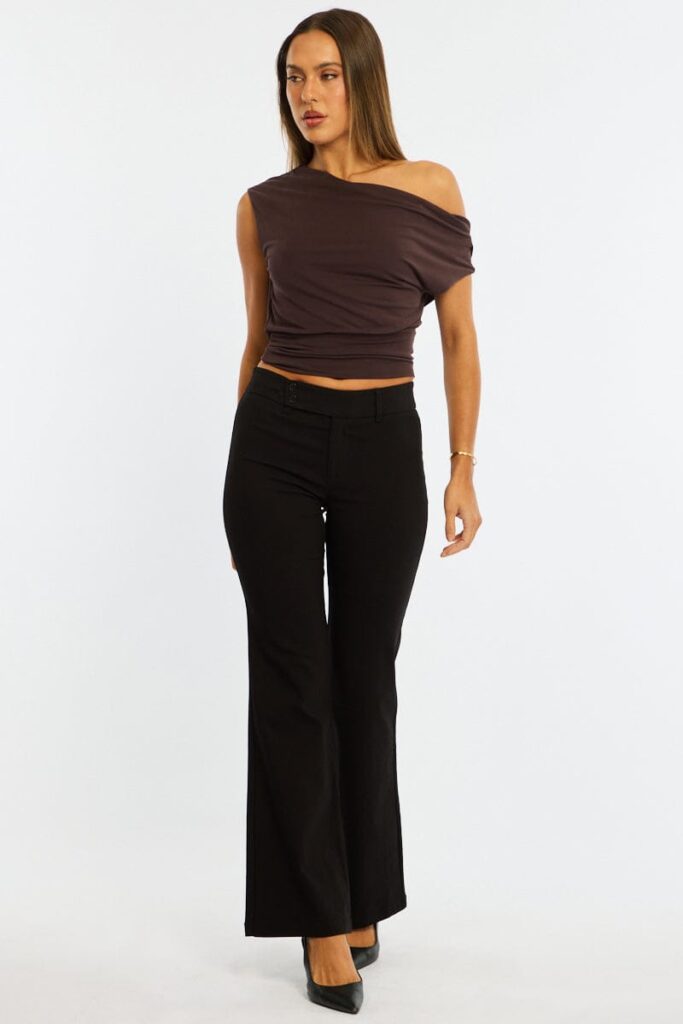
Black wide-leg pants with a black sleeveless top
Navy shorts with a pale blue shirt
Chocolate trousers with a tan camisole
Olive separates with neutral sandals
Mix textures to prevent the outfit from looking flat.
Romantic Style in Humid Weather
Romantic fashion can remain practical when decorative details are lightweight.
Choose:
Floral cotton dresses
Light puff sleeves
Wrap dresses
Flowing skirts
Lace-trim camisoles
Delicate jewellery
Avoid heavy lace, dense tulle and several layers of ruffles.
Bohemian Style in Humid Weather
Bohemian clothing often suits humidity because it uses flowing shapes and breathable fabrics.
Try:
A cotton maxi dress
Wide-leg printed trousers
An embroidered blouse
A tiered skirt
Flat sandals
One woven accessory
Avoid excessive layers, heavy fringe and stacks of jewellery.
Minimalist Style in Humid Weather
Minimalist humid-weather outfits rely on clean shapes and lightweight fabric.
Try:
A linen shift dress
Wide-leg trousers with a fitted tank
A sleeveless jumpsuit
Cropped trousers with a plain shirt
A monochrome skirt and top
Use a structured bag or sculptural earring to add interest.
Edgy Style in Humid Weather
Edgy style does not require heavy leather and boots.
Create edge through:
Black lightweight clothing
Asymmetric necklines
Cut-outs
Metallic jewellery
Structured sandals
Graphic T-shirts
Sharp monochrome combinations
Use leather only in small accessories if the weather is extremely humid.
Classic Style in Humid Weather
Classic outfits can remain polished with lightweight tailoring.
Choose:
A linen-blend shirt dress
Cropped trousers
A sleeveless blouse
Tailored shorts
Loafers or leather sandals
A structured handbag
Keep a light blazer indoors rather than wearing it throughout the hottest part of the day.
Humid-Weather Style at Any Age
Comfortable humid-weather clothing can be stylish at every age.
There is no age at which you must stop wearing:
Sleeveless tops
Shorts
Mini dresses
Bright colours
Open sandals
Cut-out details
Choose the coverage and silhouette that make you feel comfortable rather than following restrictive age rules.
Humid-Weather Clothing for Petite Figures
Petite wearers may prefer lightweight garments that do not create unnecessary volume.
Useful options include:
Cropped trousers
Shorter dresses
High-waisted shorts
Defined shoulders
Monochrome outfits
Smaller-scale prints
Flowing maxi dresses can also work when the length is adjusted correctly.
Humid-Weather Clothing for Curvy Figures
Choose fabric that skims the body without clinging.
Useful options include:
Wrap dresses
Wide-leg trousers
V-neck tops
A-line skirts
Open shirts
Stretch fabric with good recovery
Make sure armholes, waistbands and thigh areas allow comfortable movement.
Humid-Weather Clothing for Pear-Shaped Figures
Choose trousers and skirts that fit smoothly through the waist and hips.
Interesting necklines, light sleeves and jewellery can create balance through the upper body.
Humid-Weather Clothing for Apple-Shaped Figures
Open necklines, loose shirt dresses and straight flowing trousers can create comfortable vertical lines.
Avoid waistbands that feel restrictive when sitting or after prolonged heat exposure.
Humid-Weather Clothing for Straight Figures
Waist ties, wrap shapes, pleats and tiered skirts can add definition and movement.
You can also embrace a loose column silhouette through shift dresses and wide-leg jumpsuits.
What to Carry in Humid Weather
A small comfort kit may include:
A compact umbrella
Tissues
A folding fan
A hair tie
Blotting papers
Spare socks
Anti-chafing product
A lightweight layer for air conditioning
A reusable water bottle where practical
Keep the bag light so carrying it does not add to your discomfort.
Common Humid-Weather Styling Mistakes
Wearing thick, tight denim
Choosing a breathable outer fabric with a heavy synthetic lining
Layering several garments unnecessarily
Wearing tight sleeves and waistbands
Choosing pale fabric without checking transparency
Wearing heavy jewellery against damp skin
Selecting enclosed shoes without breathable socks
Wearing delicate silk for prolonged outdoor activity
Choosing dry-clean-only clothing for everyday wear
Carrying an unnecessarily heavy bag
Assuming every natural fibre will dry quickly
Ignoring the possibility of rain and wet surfaces
Stylish Humid-Weather Outfit Ideas
Casual Day Outfit
Wear linen shorts with a loose cotton T-shirt, supportive sandals and a lightweight crossbody bag.
Polished Casual Outfit
Pair wide-leg linen-blend trousers with a sleeveless blouse, leather sandals and a structured handbag.
Work Outfit
Wear cropped tailored trousers with a lightweight short-sleeved shirt, loafers and a simple tote.
Romantic Outfit
Choose a breathable floral midi dress with flat sandals, delicate earrings and a compact shoulder bag.
Minimalist Outfit
Wear a black sleeveless shift dress with structured sandals, a simple cuff and a clean top-handle bag.
Bohemian Outfit
Style a lightweight printed maxi dress with flat leather sandals and one woven handbag.
Edgy Outfit
Pair black tailored shorts with an asymmetric tank, metallic sandals and silver jewellery.
Summer Evening Outfit
Wear flowing trousers with a satin-look camisole, open-toe block heels and statement earrings.
Travel Outfit
Choose lightweight pull-on trousers, a breathable T-shirt, supportive sneakers and a fine cardigan for air conditioning.
Rainy Humid-Day Outfit
Wear cropped quick-drying trousers with a sleeveless top, ventilated rain jacket and waterproof sandals or sneakers.
A Simple Humid-Weather Styling Formula
Use this method to create a comfortable and polished outfit:
Choose one breathable base garment.
Allow room around the waist, arms and legs.
Use lightweight or quick-drying fabric.
Keep layers to a minimum.
Select supportive, ventilated footwear.
Use prints or darker shades if perspiration marks concern you.
Carry one light layer for air-conditioned interiors.
Keep accessories simple and lightweight.
The best clothing for humid weather does not fight the climate. It allows air to circulate, manages moisture and uses fit, colour and proportion to remain stylish without unnecessary weight.
Writeups and reviews are our personal opinions. Follow through to the merchants site for more details.
Final Thoughts
Dressing for humid weather begins with airflow, fabric and fit. Choose clothing that sits away from the skin, allows easy movement and does not rely on several heavy layers.
Linen, lightweight cotton, breathable viscose blends and suitable technical fabrics can all work. Fabric construction and lining matter as much as fibre content, so examine each garment carefully.
Loose dresses, wide-leg trousers, lightweight skirts, tailored shorts and open-neck tops provide practical foundations. Complete the outfit with supportive sandals, breathable sneakers and lightweight accessories.
Plan for perspiration, possible rain and cold air-conditioned interiors. A compact umbrella and fine cardigan may be more useful than a heavy jacket or oversized bag.
Humid-weather style should feel easy rather than restrictive. When the clothing supports airflow and comfort, it becomes much easier to look polished throughout even the warmest, stickiest days.
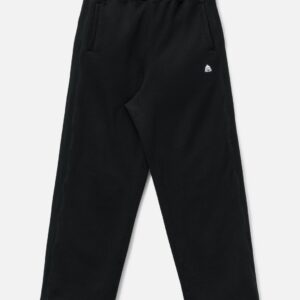
BELL STAMP WEAR New River Wave Sweat Pants BELL STAMP WEAR New River Wave Sweat Pants: Ribbed panels on the sides with wavy design; Double-layered panels; Embroidered bell logo on left front.
BELL STAMP WEAR New River Wave Sweat Pants BELL STAMP WEAR New River Wave Sweat Pants: Ribbed panels on the sides with wavy design; Double-layered panels; Embroidered bell logo on left front.
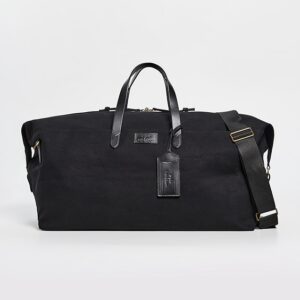
RLX Ralph Lauren Canvas Wear To Work Duffle Bag –… RLX Ralph Lauren Canvas Wear To Work Duffle Bag – Everyday Carry features Defined purpose: As a duffle bag, it has a clear role in a daily or travel wardrobe rather than being a bag you carry without a plan, Outfit versatility: Its effect can be changed through strap position, clothing proportion and the...
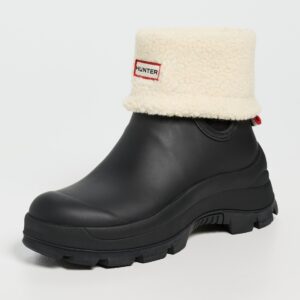
Hunter Boots Esme Boots Cold Weather Footwear Hunter Boots Esme Boots The Hunter Esme Boots offer a contemporary take on practical cold-weather footwear, combining a sturdy black lower with a soft cream fleece cuff for a look that feels both functional and fashion-conscious. The contrast between the rugged sole and plush upper detail gives these boots a distinctive winter-ready character. Available from Shopbop.com, the Esme Boots are…
Writeups and reviews are our personal opinions. Follow through to the merchants site for more details.