Before you introduce yourself, your clothing has already begun the conversation. The colours you choose, the way you combine different pieces and even the shoes you wear can reveal something about your personality, mood and outlook on life.
Fashion is often dismissed as something superficial, but clothing has always been about more than simply covering the body. It is a form of communication, a source of confidence and one of the most visible ways we express our identity.
Writeups and reviews are our personal opinions. Follow through to the merchants site for more details.
Your Clothing Tells a Story
Every outfit communicates a message. A carefully tailored blazer may suggest confidence and professionalism, while a flowing floral dress can create a sense of softness, romance and freedom. Distressed denim, leather jackets and chunky boots may express independence, while colourful prints can reveal an energetic and playful personality.
These messages are not always intentional. Even when you believe you have thrown on the first thing you found, your choice still reflects your priorities at that moment. You may be choosing comfort, practicality, modesty, creativity or convenience.
Your wardrobe gradually becomes a visual record of your life. It can contain the dress you wore to an important celebration, the jacket that travelled with you across the world or the comfortable jumper you reach for whenever you need to feel secure.
Personal Style Is a Form of Self-Expression
Personal style allows you to communicate without speaking. It gives you an opportunity to show the world what interests you, what inspires you and how you see yourself.
Someone who loves vintage clothing may feel connected to the beauty and craftsmanship of previous decades. A person who prefers minimalist fashion may appreciate simplicity, organisation and timeless design. Those drawn to bold colours, dramatic silhouettes and statement accessories may enjoy being noticed and expressing their creativity.
There is no single correct way to dress. Personal style is valuable precisely because it is personal. Two people can wear the same dress and create completely different impressions through their choice of shoes, accessories, hairstyle and attitude.
Clothing Can Influence How You Feel
What you wear does not only affect how other people see you. It can also influence how you see yourself.
Putting on an outfit that fits well and reflects your personality can immediately improve your posture and confidence. You may walk differently, speak more clearly and feel more prepared to face the day. This is why certain outfits become our favourites. They do more than look attractive; they make us feel capable, comfortable and authentic.
A structured suit can help you feel powerful before an important meeting. Activewear may encourage you to become more energetic. A glamorous evening dress can make an ordinary night feel memorable. Even wearing a bright colour on a difficult day can provide a welcome emotional lift.
Style is not simply about being noticed. It is about feeling recognised as the person you believe yourself to be.
Worth a look
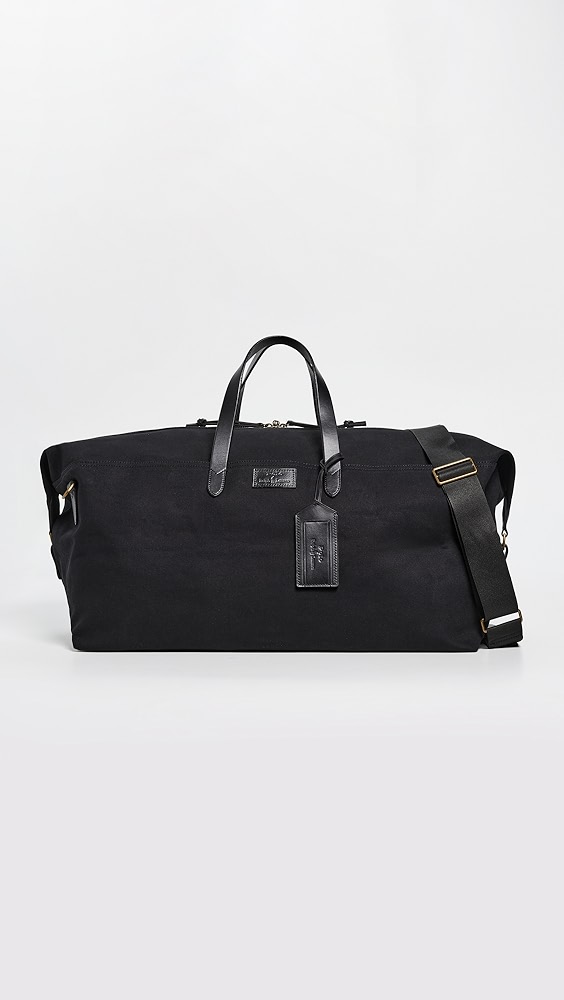
RLX Ralph Lauren Canvas Wear To Work Duffle Bag – Everyday Carry RLX Ralph Lauren Canvas Wear To Work Duffle Bag – Everyday Carry features Defined purpose: As a duffle bag, it has a clear role in a daily or travel wardrobe rather than being a bag you carry without a plan, Outfit versatility: Its effect can be changed through strap position, clothing proportion and the...
Writeups and reviews are our personal opinions. Follow through to the merchants site for more details.
Fashion Reflects the Different Sides of Your Personality
Most people cannot be defined by one fashion category. You may enjoy elegant dresses for special occasions, relaxed jeans on weekends and practical clothing while travelling. Each style represents a different part of your personality and lifestyle.
Your wardrobe may reflect your professional ambitions, creative interests, family responsibilities and social life. It can change according to where you are going, who you are meeting and how you want to feel.
This does not make your style inconsistent. It makes it human. Personal identity is complex, and clothing gives you the freedom to express its many different dimensions.
Your Style Changes as You Change
The clothing that once made you feel confident may no longer suit the person you have become. Changes in age, career, relationships, body shape and lifestyle can all influence your wardrobe.
This evolution should be welcomed rather than feared. You are not required to dress the same way throughout your life. Fashion can grow with you.
Updating your style does not mean following every new trend. It may simply mean choosing better fabrics, experimenting with a new silhouette or letting go of clothing that no longer feels authentic. A changing wardrobe can be evidence of personal growth.
Trends Should Inspire You, Not Control You
Fashion trends provide fresh ideas, but they should never erase your individuality. A trend is most successful when it becomes part of your existing style rather than replacing it completely.
You might adopt a fashionable colour while keeping your favourite classic silhouette. You could add a statement accessory to an otherwise simple outfit or combine a new-season piece with clothing you have loved for years.
The goal is not to look exactly like everyone else. The goal is to discover which elements of fashion help you express yourself more clearly.
Clothes Can Connect You to Culture and Community
Fashion is also shaped by culture, tradition and belonging. Clothing can represent a person’s heritage, profession, beliefs, music preferences or membership within a particular community.
Traditional garments, handmade textiles and culturally significant patterns can carry generations of meaning. Uniforms create a sense of shared purpose, while fashion movements associated with music and youth culture allow people to recognise others with similar interests.
Through clothing, people can celebrate where they come from while also creating a style that reflects where they are going.
Worth a look
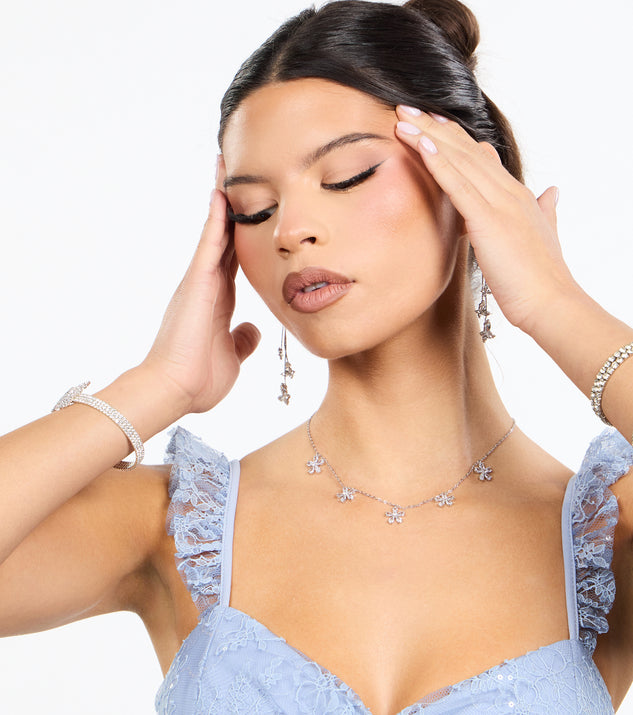
Windsor Picked For You Flower Necklace The kind of necklace that makes every outfit complete. Featuring delicate chains, cubic zirconia accents, and dainty flower charms, it's the perfect everyday sparkle with a playful twist.
Writeups and reviews are our personal opinions. Follow through to the merchants site for more details.
Dress for Yourself, Not for Approval
Although clothing influences how others perceive us, personal style should not become a performance created entirely for other people. Dressing only to gain approval can leave you feeling uncomfortable and disconnected from your true identity.
The most memorable style usually comes from authenticity. It appears when someone wears clothing with confidence because it genuinely suits their personality, body and lifestyle.
You do not need to follow every fashion rule. You do not need to wear uncomfortable clothing to appear stylish, and you do not need to avoid bold pieces simply because someone else might not understand them.
Wear the colours that make you happy. Choose the silhouettes that make you feel confident. Keep the pieces that carry special memories. Your wardrobe should support your life rather than restrict it.
How to Develop a Style That Reflects Who You Are
Creating an authentic personal style begins with paying attention to the clothing that makes you feel your best.
Identify your favourite outfits: Consider what these looks have in common, such as particular colours, fabrics or silhouettes.
Dress for your real lifestyle: Build a wardrobe around the activities you regularly enjoy rather than an imaginary version of your life.
Choose clothing that fits properly: A well-fitting affordable garment often looks better than an expensive piece with a poor fit.
Experiment gradually: Try new colours, prints and accessories without feeling pressured to transform your entire wardrobe.
Invest in versatile favourites: Select pieces that can be styled in several ways and worn across different occasions.
Ignore unnecessary rules: Age, body shape and trends should not prevent you from wearing something that makes you feel wonderful.
Style Is About More Than Appearance
What you wear can reveal your confidence, creativity, history and aspirations. It can connect you to other people, help you step into a new role or remind you of who you have always been.
Clothing does not define every part of your character, but it provides visible clues about how you wish to move through the world. The most powerful wardrobes are not necessarily the largest or most expensive. They are the ones filled with garments that feel meaningful, comfortable and true to the person wearing them.
Ultimately, fashion is not about becoming someone else. It is about giving the person you already are a visible voice.
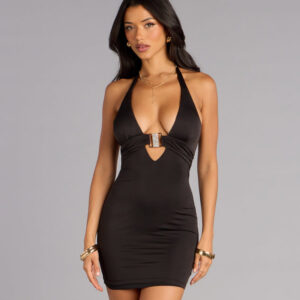
Windsor Shine Language Halter Mini Dress Windsor Shine Language Halter Mini Dress: Halter V-neckline, tie closure, padded bra cups; Cutout with rhinestone hardware insert; Silky smooth knit-lined stretch fabric.
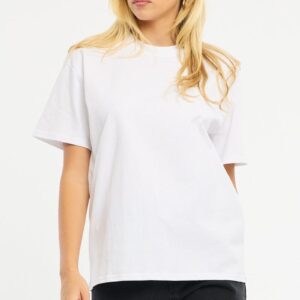
Ally Fashion White Oversized Short Sleeve T-Shirt: A… Ally Fashion White Oversized Short Sleeve T-Shirt: A Relaxed Basic You Will Wear on Repeat: cotton jersey; White Oversized Short Sleeve T-Shirt; crew neck neckline.
Windsor Shine Language Halter Mini Dress Windsor Shine Language Halter Mini Dress: Halter V-neckline, tie closure, padded bra cups; Cutout with rhinestone hardware insert; Silky smooth knit-lined stretch fabric.
Ally Fashion White Oversized Short Sleeve T-Shirt: A… Ally Fashion White Oversized Short Sleeve T-Shirt: A Relaxed Basic You Will Wear on Repeat: cotton jersey; White Oversized Short Sleeve T-Shirt; crew neck neckline.