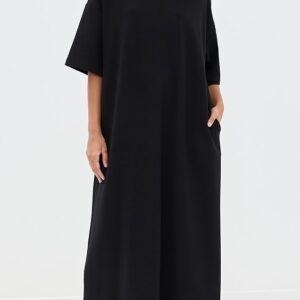
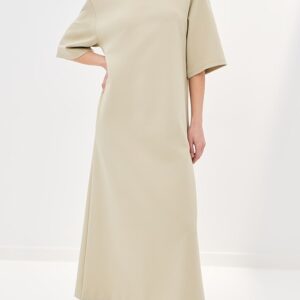
A capsule wardrobe is a carefully chosen collection of clothing that works together easily. Instead of owning many unrelated garments, you build around versatile pieces that suit your lifestyle, fit well and can be combined into multiple outfits.
The goal is not to reduce your wardrobe to the smallest possible number of clothes. It is to make dressing simpler, more practical and more consistent.
Worth a look
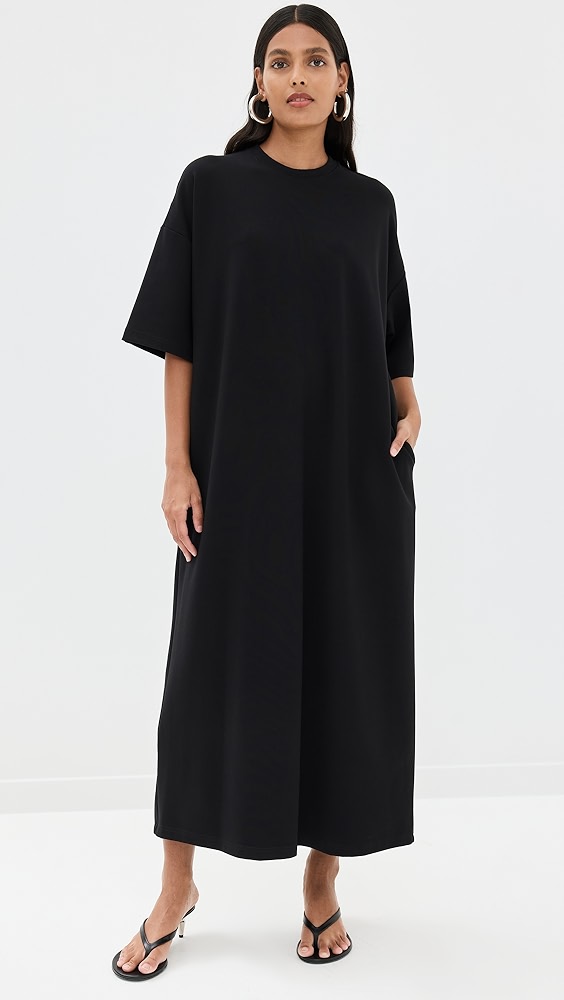
A successful capsule wardrobe should reflect your climate, work, social life, travel habits and personal style. It may contain mostly casual clothing, polished workwear, feminine dresses, relaxed linen or a mixture of several styles.
There is no universal number of garments and no single list of essentials that suits everyone. The best capsule wardrobe is the one that supports the life you actually live.
What Is a Capsule Wardrobe?
A capsule wardrobe is a limited but flexible selection of clothing designed to create many outfits.
It usually includes:
- Reliable tops
- Versatile trousers or jeans
- A few skirts or dresses
- Layering pieces
- Outerwear
- Practical footwear
- Coordinated accessories
The pieces should work together in colour, proportion and level of formality.
A capsule wardrobe does not require every item to match every other item. However, most pieces should work in several combinations.
Why Create a Capsule Wardrobe?
A well-planned capsule wardrobe can make everyday dressing faster and more enjoyable.
It can help you:
- Reduce outfit decision fatigue
- Avoid unsuitable impulse purchases
- Build more outfits from fewer clothes
- Identify genuine wardrobe gaps
- Spend money more carefully
- Pack more easily for travel
- Develop a clearer personal style
- Reduce clutter
- Repeat successful outfits confidently
A capsule also makes it easier to see what you own. Clothing is less useful when it is hidden, forgotten or difficult to coordinate.
A Capsule Wardrobe Is Not a Uniform
A capsule wardrobe should provide structure without making every outfit look identical.
You can still include:
- Bright colours
- Prints
- Statement jewellery
- Metallic pieces
- Romantic dresses
- Edgy footwear
- Vintage clothing
- Seasonal trends
The wardrobe simply needs enough connection between pieces to make them useful.
There Is No Correct Number of Pieces
Some capsule wardrobe plans recommend a fixed number of garments, but this can be misleading.
The right number depends on:
- How often you wash clothing
- Your climate
- Your work requirements
- Your social life
- Your storage space
- How often you exercise
- Whether you travel regularly
- Your preference for outfit repetition
A small travel capsule may contain ten or twelve pieces. A full seasonal wardrobe may contain thirty, forty or more.
The aim is usefulness, not reaching an arbitrary number.
Begin with Your Real Lifestyle
Before removing or buying anything, examine how you spend your week.
Estimate how often you need clothing for:
- Casual days
- Work
- Exercise
- Social occasions
- Formal events
- Travel
- Outdoor activities
- Time at home
If most of your life is casual, your capsule should contain more jeans, comfortable trousers, knitwear and practical shoes than formal dresses.
If you attend several professional or social events, you may need more tailoring, polished dresses and evening footwear.
Consider Your Climate
Climate should influence fabric, layering and footwear.
For a warm climate, useful pieces may include:
- Linen-blend trousers
- Lightweight shirts
- Breathable dresses
- Sandals
- Fine cardigans
- Light blazers
For a cold climate, you may need:
- Knits
- Long coats
- Boots
- Thermal layers
- Warm trousers
- Weather-resistant outerwear
A capsule should be practical for local conditions rather than copied from a generic list created for another climate.
Decide Whether You Need a Seasonal or Year-Round Capsule
A year-round capsule includes garments that can be layered and worn across several seasons.
A seasonal capsule focuses on one period, such as summer or winter.
Seasonal capsules can be easier to manage in places with major temperature changes. Clothes that are not currently needed can be stored separately.
In mild climates, a mostly year-round wardrobe with a few seasonal additions may be more practical.
Define Your Personal Style
A capsule wardrobe is easier to build when you understand the image you want to create.
Choose three words that describe your preferred style.
Examples include:
- Classic
- Relaxed
- Modern
- Romantic
- Polished
- Edgy
- Minimalist
- Bohemian
- Feminine
- Practical
Possible combinations include:
- Classic, relaxed and modern
- Feminine, polished and comfortable
- Minimalist, practical and refined
- Bohemian, soft and casual
- Edgy, structured and confident
Use these words to guide your choices.
Audit Your Existing Wardrobe
Do not begin by shopping. Start with what you already own.
Take clothing out in manageable categories and examine each piece.
Ask:
- Does it fit?
- Is it comfortable?
- Does it suit my current lifestyle?
- Do I wear it regularly?
- Can I style it with at least three other pieces?
- Is it in good condition?
- Does it reflect my personal style?
Separate the clothing into groups such as keep, repair, alter, store and release.
Identify Your Most-Worn Pieces
Your existing favourites reveal what your capsule should contain.
Look for the clothing you wear repeatedly, such as:
- A favourite pair of jeans
- A trusted blazer
- A comfortable dress
- A reliable knit
- A frequently worn shirt
- A practical jacket
- Comfortable shoes
- A favourite handbag
Notice what these items have in common. They may share similar colours, fabrics, necklines or silhouettes.
Study What You Do Not Wear
Unused clothing is equally informative.
Common reasons garments remain unworn include:
- The fit is wrong.
- The fabric is uncomfortable.
- The colour is difficult to coordinate.
- The garment needs special underwear.
- The care requirements are impractical.
- The clothing is too formal or too casual.
- The style no longer feels like you.
- The shoes required are uncomfortable.
Use this information to avoid similar purchases.
Choose a Core Colour Palette
A connected colour palette makes a capsule wardrobe easier to coordinate.
Begin with two or three base colours.
Common base colours include:
- Black
- Navy
- White
- Cream
- Grey
- Camel
- Chocolate brown
- Olive
Then add two or three accent colours that suit your complexion and personality.
Accent colours may include:
- Burgundy
- Emerald
- Red
- Cobalt blue
- Pink
- Lavender
- Mustard
- Turquoise
You do not need a neutral-only wardrobe. Colour can be part of the capsule if it repeats across several pieces.
Use Prints Carefully
Prints can add personality and prevent a capsule from feeling plain.
Choose prints containing colours already in your palette.
Useful options include:
- Stripes
- Checks
- Florals
- Polka dots
- Animal prints
- Geometric patterns
A printed blouse, skirt or dress can create several outfits when the surrounding colours are easy to match.
Choose Your Best Silhouettes
A capsule becomes more coherent when the proportions work together.
Identify two or three silhouettes you enjoy wearing.
Examples include:
- Straight-leg jeans with a blazer
- Wide-leg trousers with a fitted top
- A-line skirts with tucked shirts
- Midi dresses with ankle boots
- Short dresses with long jackets
- Monochrome outfits with clean layers
You do not need every garment to have the same shape, but repeated proportions make styling easier.
Build Around Outfit Formulas
An outfit formula is a dependable combination you can repeat with different garments.
Useful formulas include:
- Jeans, T-shirt, blazer and sneakers
- Tailored trousers, knit top and loafers
- Midi dress, jacket and ankle boots
- Wide-leg pants, tucked shirt and sandals
- Skirt, fitted top and cardigan
- Monochrome outfit with a structured coat
A capsule built around several formulas will feel more useful than one based only on a list of separate garments.
Choose Foundation Tops
Tops should work with several bottoms and layering pieces.
Possible foundation tops include:
- Plain T-shirts
- Fitted tanks
- Button-down shirts
- Fine-knit sweaters
- Long-sleeved tops
- Simple blouses
- Bodysuits
- Lightweight cardigans
Choose necklines and sleeve lengths that suit your climate and preferred jewellery.
Not every top needs to be plain. Include one or two prints or stronger colours if they work with several bottoms.
Choose Reliable Bottoms
Bottoms usually form the practical foundation of a capsule wardrobe.
Useful options include:
- Straight-leg jeans
- Wide-leg trousers
- Black pants
- White or cream trousers
- A denim skirt
- A midi skirt
- Tailored shorts
- Ponte pants
Select shapes that work with your regular shoes and preferred tops.
Correct trouser length is important. A versatile pair should work with at least two footwear options.
Include Dresses That Can Be Restyled
Dresses can make a capsule more efficient because they create a complete outfit.
Useful styles include:
- Wrap dresses
- Shirt dresses
- Knit dresses
- Simple midi dresses
- A-line dresses
- Slip dresses
A versatile dress should work with several layers and shoes.
For example, a midi dress may be worn with sandals, sneakers, boots, a blazer, cardigan or leather jacket.
Choose Flexible Layering Pieces
Layering pieces increase the number of outfits you can create.
Useful options include:
- A blazer
- A denim jacket
- A leather or leather-look jacket
- A cardigan
- A trench coat
- A long coat
- A lightweight overshirt
Choose layers that fit over several tops and dresses.
The sleeve width and shoulder fit should allow enough room beneath them without creating unnecessary bulk.
Choose Outerwear for Function First
Outerwear should suit your weather and daily routine.
You may need:
- A raincoat
- A warm coat
- A light trench
- A casual jacket
- A formal evening layer
Do not buy a classic coat simply because it appears on capsule wardrobe lists. Choose what is genuinely useful.
Limit Footwear to Useful Categories
Shoes take up space and can make a wardrobe difficult to coordinate when every pair serves only one outfit.
A practical capsule may include:
- Clean sneakers
- Loafers or flats
- Ankle boots
- Sandals
- Low block heels
- Knee-high boots
- Formal evening shoes
The exact selection depends on climate and lifestyle.
Choose footwear that works with several trouser lengths, skirts and dresses.
Use Accessories to Create Variety
Accessories allow repeated clothing to look different.
Useful options include:
- Scarves
- Belts
- Statement earrings
- Simple necklaces
- Handbags
- Brooches
- Watches
- Sunglasses
A small number of distinctive accessories can add more variety than several rarely worn garments.
Choose Handbags by Function
A practical capsule may include:
- An everyday crossbody or shoulder bag
- A larger tote
- A compact evening bag
Choose colours that connect with your footwear and clothing, but exact matching is unnecessary.
A structured black, tan, navy, cream or burgundy bag can work across many outfits.
Do Not Forget Underwear and Base Layers
A capsule wardrobe will not work properly if the necessary undergarments are missing.
Consider whether you need:
- A smooth everyday bra
- A strapless bra
- A plunge bra
- Seamless underwear
- Slips
- Camisoles
- Thermal layers
- Tights
Choose clothing that works with the undergarments you are comfortable wearing.
Create a Basic Capsule Wardrobe Example
A simple casual-smart capsule might include:
- Three plain T-shirts
- Two shirts or blouses
- Two lightweight knits
- One cardigan
- Two pairs of jeans
- Two pairs of tailored trousers
- One midi skirt
- Two dresses
- One blazer
- One casual jacket
- One practical coat
- Three or four pairs of shoes
This is only an example. Add or remove categories according to your real needs.
How to Create a Casual Capsule Wardrobe
A casual capsule should focus on comfort, washable fabrics and practical shoes.
Useful pieces include:
- Jeans
- Relaxed trousers
- T-shirts
- Casual shirts
- Knitwear
- Simple dresses
- Sneakers
- Flat sandals
- Denim or utility jackets
Use accessories and outerwear to prevent everyday outfits from feeling repetitive.
How to Create a Work Capsule Wardrobe
A work capsule should reflect the dress code and practical demands of the role.
Useful options include:
- Tailored trousers
- Blouses
- Fine-knit tops
- Blazers
- Midi dresses
- Structured skirts
- Loafers
- Pointed flats
- Low heels
- A professional tote
Choose fabrics that resist excessive wrinkling and remain comfortable through long days.
How to Create a Travel Capsule Wardrobe
A travel capsule should be small, practical and adaptable.
Choose pieces that:
- Coordinate easily
- Layer well
- Dry quickly
- Resist wrinkles
- Suit several activities
- Work with comfortable shoes
A useful travel formula might include:
- Two bottoms
- Four tops
- One dress
- One jacket
- One light knit
- Two pairs of shoes
Wear the bulkiest footwear and outerwear during travel.
How to Create a Summer Capsule
A summer capsule should focus on breathable fabrics and lightweight layers.
Include:
- Linen-blend trousers
- Tailored shorts
- Lightweight shirts
- Sleeveless tops
- Simple dresses
- Flat sandals
- Espadrilles or sneakers
- A light cardigan or blazer
Choose colours that work with tan, white, metallic or neutral footwear.
How to Create a Winter Capsule
A winter capsule needs effective layers and reliable footwear.
Include:
- Warm trousers
- Jeans
- Turtlenecks
- Knitwear
- Long-sleeved dresses
- A coat
- Boots
- Tights
- Scarves
Use texture to add interest through wool-like fabric, leather, denim, velvet and knitwear.
How to Create a Capsule Wardrobe in a Warm Climate
Warm-climate wardrobes should not be overloaded with coats and heavy knitwear.
Focus on:
- Breathable dresses
- Light trousers
- Short-sleeved shirts
- Fine cardigans
- Sandals
- Lightweight blazers
- Natural or blended fabrics
Choose garments that handle humidity and frequent washing.
How to Add Trends to a Capsule Wardrobe
A capsule wardrobe does not need to avoid trends completely.
Add trends through one or two pieces that connect with your existing colours and silhouettes.
Examples include:
- A new jean shape
- A metallic skirt
- Retro sneakers
- A fashionable handbag
- A current sleeve shape
- A bold seasonal colour
The trend should create several outfits rather than requiring an entirely new wardrobe.
How to Include Statement Pieces
Statement clothing can prevent a capsule from feeling too safe.
You might include:
- A printed dress
- A bright blazer
- A metallic skirt
- An animal-print bag
- A dramatic coat
- A bold necklace
A statement piece should still work with several foundation garments.
Use the Three-Outfit Test
Before buying something new, imagine at least three complete outfits using clothing you already own.
If you cannot create three realistic combinations, the garment may not belong in your capsule.
This test is especially useful for:
- Printed tops
- Statement skirts
- Unusual footwear
- Bright outerwear
- Trend-driven pieces
Use the One-In, One-Out Rule Carefully
Some people maintain their capsule by removing one garment whenever they add another.
This can help control clutter, but it should not become unnecessarily rigid.
A better question is whether the new item fills a genuine gap, replaces something worn out or creates useful new combinations.
Shop for Gaps, Not Entertainment
Once your wardrobe is organised, write a short list of genuine gaps.
Examples might include:
- A lightweight jacket
- Comfortable black trousers
- A versatile dress
- Clean everyday sneakers
- A fine knit
Shop for those items rather than browsing without a plan.
A capsule wardrobe is undermined by frequent purchases that do not fit the existing system.
Buy Slowly
A capsule wardrobe does not need to be completed immediately.
Wear the existing pieces for several weeks and notice what is missing.
You may discover that you need:
- More layering tops
- A different trouser shape
- Better casual shoes
- A second everyday bag
- More colour
Slow buying produces a more accurate wardrobe than purchasing an entire capsule at once.
Consider Cost per Wear
Cost per wear measures value based on how often an item is used.
A more expensive blazer worn every week may offer better value than a cheap party top worn once.
Consider:
- How often you will wear the piece
- How many outfits it creates
- How long it is likely to last
- Whether it suits several occasions
- How difficult it is to clean
Use Alterations
Tailoring can transform clothing you already own.
Useful alterations include:
- Shortening sleeves
- Adjusting hems
- Taking in a waist
- Shortening straps
- Replacing buttons
- Improving shoulder fit
A well-fitted garment will usually be worn more often and combine more easily with other pieces.
Repair Before Replacing
Before discarding a useful item, consider whether it can be repaired.
Simple improvements may include:
- Replacing a zip
- Sewing a loose seam
- Removing pilling
- Repairing a hem
- Polishing shoes
- Cleaning a handbag
A capsule depends on reliable pieces, so maintenance is essential.
Organise the Wardrobe Clearly
A capsule wardrobe should be easy to see and access.
Organise by:
- Category
- Colour
- Season
- Level of formality
Store off-season clothing separately if space is limited.
Keep frequently worn accessories visible rather than hidden in overcrowded drawers.
Photograph Successful Outfits
Create a visual record of outfits that work.
Photograph:
- Casual combinations
- Work outfits
- Evening options
- Travel outfits
- Layered seasonal looks
This reduces decision fatigue and helps you identify which garments are most useful.
Repeat Outfits Confidently
Repeating outfits is central to capsule dressing.
You can make the same foundation look different by changing:
- The jacket
- The shoes
- The handbag
- The jewellery
- The belt
- The hairstyle
A successful outfit deserves to be worn again.
Do Not Remove Too Much Too Quickly
It is easy to become overly enthusiastic and remove clothing before understanding whether it is still useful.
Use a temporary storage box for uncertain items.
If you do not miss them after a few months, you may feel more confident releasing them.
Keep Occasion Wear Separate
Formal dresses, evening shoes and specialised clothing do not need to fit into your everyday capsule count.
Keep a small occasion section containing pieces you genuinely need.
This may include:
- A formal dress
- A cocktail outfit
- An evening clutch
- Formal shoes
- A suitable jacket or wrap
Keep Activewear Separate
Exercise clothing serves a specific purpose and may be easier to manage separately.
The amount you need depends on how often you train and wash clothes.
Choose activewear that performs well rather than forcing it to match the rest of the wardrobe.
A Capsule Wardrobe at Any Age
Capsule wardrobes can work at every age because they are based on lifestyle and personal preference.
There is no requirement to remove:
- Bright colours
- Mini skirts
- Sneakers
- Metallic clothing
- Leather jackets
- Statement jewellery
- Modern trends
Choose pieces that feel comfortable, useful and expressive rather than following age-based restrictions.
Capsule Wardrobes for Petite Figures
Petite wearers may benefit from precise hemming and clear proportions.
Useful pieces may include:
- High-waisted trousers
- Cropped jackets
- Shorter knitwear
- Monochrome outfits
- Pointed footwear
These are options rather than rules. The most important factor is fit.
Capsule Wardrobes for Curvy Figures
Choose clothing that fits the bust, waist and hips without pulling.
Useful options may include:
- Wrap dresses
- High-waisted trousers
- Structured jackets
- V-neck tops
- A-line skirts
- Stretch ponte pieces
Do not fill the capsule with oversized clothing simply because it seems easier. Include silhouettes that make you feel confident.
How to Prevent a Capsule Wardrobe from Looking Boring
Add variation through:
- Texture
- Colour
- Jewellery
- Statement shoes
- Layering
- Different proportions
A small wardrobe can still be expressive when each piece contributes something useful.
How to Prevent a Capsule Wardrobe from Feeling Too Minimalist
You do not need to adopt a strict minimalist aesthetic.
Include romantic blouses, bohemian prints, edgy jackets or colourful dresses if they work with the rest of your wardrobe.
A capsule is an organisational method, not a compulsory visual style.
Common Capsule Wardrobe Mistakes
- Buying an entire new wardrobe at once
- Following a universal essentials list
- Choosing only beige, black and white
- Ignoring climate
- Ignoring lifestyle
- Keeping clothes that do not fit
- Removing statement pieces unnecessarily
- Buying too many similar basics
- Choosing uncomfortable shoes
- Using an arbitrary clothing limit
- Forgetting occasion wear
- Refusing to let the capsule evolve
Capsule Wardrobe Outfit Ideas
Casual Day Outfit
Wear straight-leg jeans with a white T-shirt, blazer, sneakers and a crossbody bag.
Polished Casual Outfit
Pair wide-leg trousers with a fitted knit, loafers and a structured handbag.
Work Outfit
Wear tailored black trousers with a pale blue shirt, navy blazer and pointed flats.
Weekend Outfit
Style white jeans with a striped top, denim jacket and tan sandals.
Summer Outfit
Pair linen-blend trousers with a sleeveless top, flat sandals and a woven bag.
Winter Outfit
Wear dark jeans with a turtleneck, long coat, ankle boots and a leather bag.
Evening Outfit
Choose a simple midi dress with heels, statement earrings and a compact clutch.
Travel Outfit
Wear comfortable trousers with a T-shirt, lightweight jacket, sneakers and a crossbody bag.
Romantic Capsule Outfit
Pair a floral midi dress with ankle boots, a cropped cardigan and delicate jewellery.
Edgy Capsule Outfit
Wear black jeans with a satin camisole, leather jacket, pointed boots and a structured bag.
A Simple Capsule Wardrobe Formula
Use this method to build a practical capsule:
- Analyse your real lifestyle.
- Choose three style words.
- Select two or three base colours.
- Add a few accent colours or prints.
- Identify your best silhouettes.
- Create several outfit formulas.
- Keep the most useful existing pieces.
- Buy only genuine wardrobe gaps.
- Photograph successful combinations.
- Review and adjust the capsule regularly.
A capsule wardrobe should not make your clothing choices smaller. It should make every piece more useful and every outfit easier to create.
Worth a look
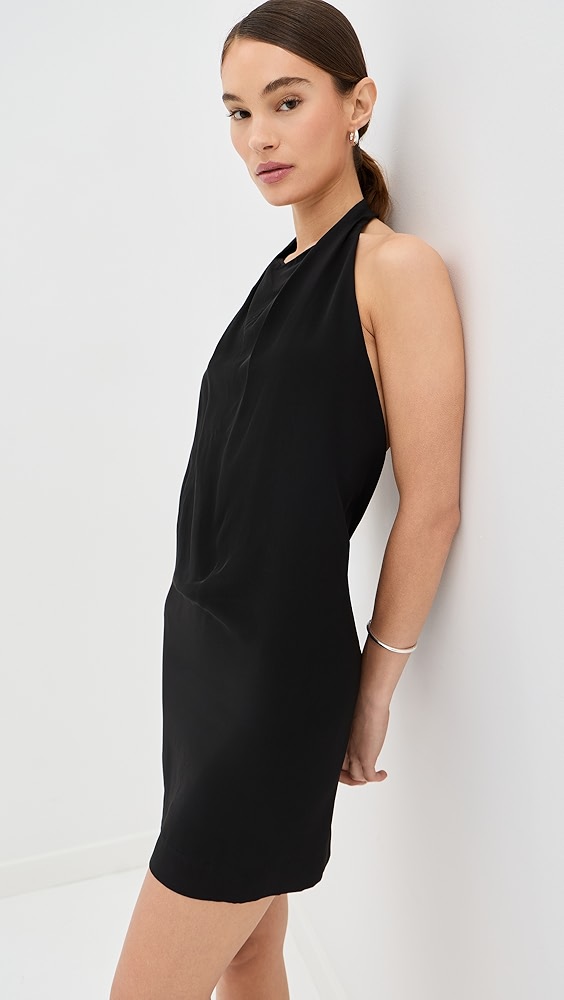
Final Thoughts
Creating a capsule wardrobe begins with understanding your lifestyle, climate and personal style.
Start with the clothing you already own. Identify the pieces you wear regularly, the colours that coordinate easily and the silhouettes that make you feel confident.
Build around versatile tops, reliable bottoms, useful dresses, practical layers and comfortable footwear. Add accessories, prints and statement pieces to keep the wardrobe personal.
Do not rush to reach a specific number of garments. A capsule should evolve as your needs become clearer.
The most successful capsule wardrobe is not necessarily the smallest. It is the one where most garments fit well, work together and support the way you genuinely live.
Worth a look