Minimalist fashion is often reduced to an image of beige clothing, empty wardrobes and people wearing the same black outfit every day. In reality, minimalism is much broader and more personal than that.
At its core, minimalist fashion means dressing with intention. It involves choosing clothing that serves a clear purpose, works with the rest of your wardrobe and reflects your lifestyle without unnecessary clutter or complication.
A minimalist wardrobe can be colourful, feminine, edgy, casual or highly polished. It may contain prints, jewellery and statement pieces. What makes it minimalist is not the absence of personality, but the absence of excess that adds no real value.
Worth a look
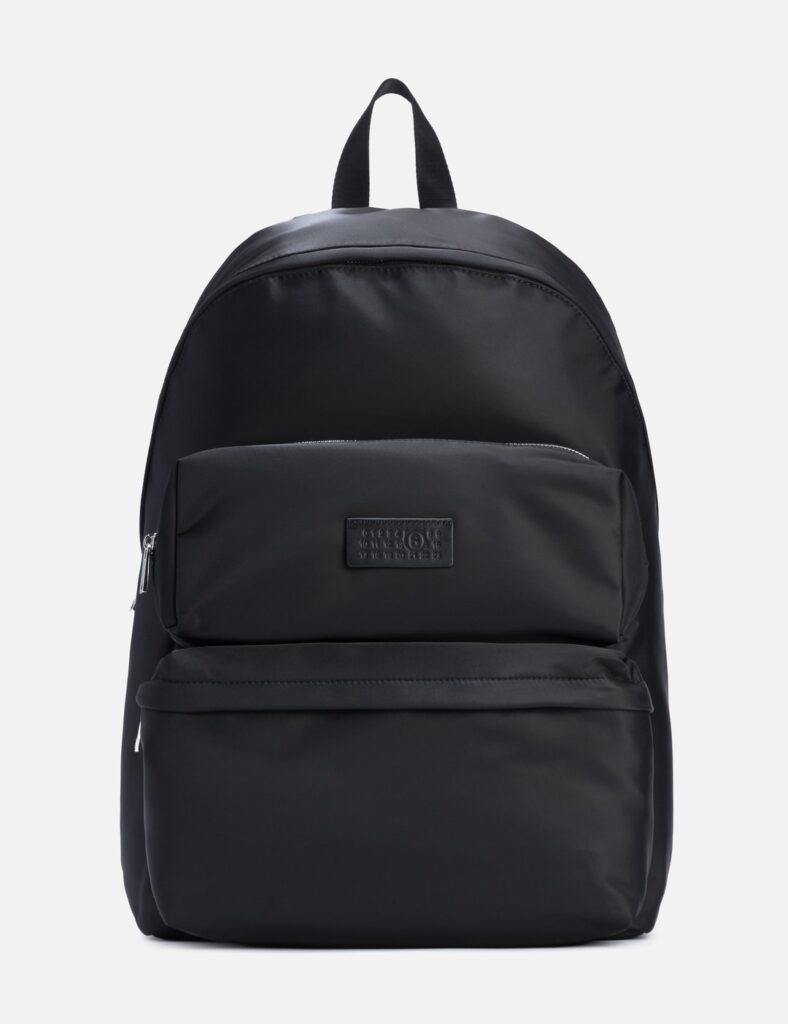
MM6 Maison Margiela Numeric Backpack minimalist nylon MM6 Maison Margiela Numeric Backpack minimalist nylon: Branding: logo leather patch on the front pocket; Straps: adjustable padded backpack straps; Closure: dual zip closure on the main compartment.
Writeups and reviews are our personal opinions. Follow through to the merchants site for more details.
What Is Minimalist Fashion?
Minimalist fashion is an approach to clothing based on simplicity, usefulness and thoughtful selection.
It often includes:
Clean silhouettes
Coordinated colours
Versatile garments
Limited unnecessary decoration
Good fit
Repeatable outfit formulas
Careful shopping
Clothing suited to real life
The goal is not necessarily to own very little. It is to avoid owning large amounts of clothing that do not fit, coordinate or get worn.
Minimalist Fashion Is a Method, Not One Particular Look
Minimalism is often treated as a single visual style, but it is better understood as a way of making wardrobe decisions.
Two people may both dress minimally while looking completely different.
If both wardrobes are carefully chosen, frequently worn and easy to coordinate, both can be minimalist.
Minimalist Fashion Does Not Mean Wearing Only Neutrals
Black, white, grey, cream, navy and camel are common in minimalist wardrobes because they coordinate easily. However, they are not compulsory.
A minimalist colour palette can also include:
Red
Emerald
Cobalt blue
Burgundy
Pink
Olive
Mustard
Purple
The key is choosing colours you genuinely wear and repeating them throughout the wardrobe.
A red blazer can be a minimalist piece if it works with several trousers, skirts and dresses. A beige top is not useful simply because it appears minimalist if you never enjoy wearing it.
Minimalism Does Not Require an Empty Wardrobe
There is no correct number of garments for a minimalist wardrobe.
The amount you need depends on:
Your climate
Your occupation
Your social life
Your laundry routine
Your hobbies
Your travel habits
Your storage space
Your preference for outfit repetition
Someone who works in an office, exercises regularly and attends formal events may need more clothing than someone with a mostly casual routine.
Minimalism is not a competition to own the fewest items.
Minimalism Is Not the Same as a Capsule Wardrobe
The two ideas overlap, but they are not identical.
A capsule wardrobe is a selected collection of clothing designed to work together. Minimalist fashion is a broader philosophy that influences how clothing is chosen, worn and maintained.
You may have a capsule wardrobe without following a minimalist aesthetic. It can include florals, metallic skirts, bold colours and romantic dresses.
You can also dress in a visually minimalist way while owning too many nearly identical pieces.
Minimalist Fashion Is Not the Same as Quiet Luxury
Quiet luxury often uses refined fabrics, understated tailoring and polished neutral clothing. Minimalist fashion may share these qualities, but it does not require an expensive or luxurious appearance.
Minimalism can include:
Affordable basics
Second-hand clothing
Casual denim
Simple activewear
Practical shoes
Colourful garments
The focus is usefulness and intention rather than status.
Minimalism Is Not About Following a Uniform
Some people enjoy wearing similar outfits every day, but minimalism does not require that approach.
You can create variety through:
Different silhouettes
Colour combinations
Layering
Accessories
Texture
Footwear
Seasonal pieces
A wardrobe can remain organised and intentional without making every outfit look identical.
Why Minimalist Fashion Appeals to So Many People
Minimalist fashion can reduce the time and mental energy required to get dressed.
It may help you:
Make faster outfit decisions
Reduce wardrobe clutter
Avoid impulse purchases
Wear more of what you own
Develop a clearer personal style
Pack more efficiently
Repeat outfits confidently
Spend money more carefully
The value comes from clarity, not deprivation.
Minimalist Fashion Begins with Your Lifestyle
A wardrobe cannot be genuinely useful if it is based on an imagined life.
Consider how much time you spend:
At work
At home
Exercising
Travelling
Socialising
Attending formal events
Outdoors
Walking or commuting
Your wardrobe should reflect those proportions.
If most of your week is casual, you may need reliable jeans, trousers, tops, sneakers and lightweight layers. If your life includes many formal or professional occasions, you may need more tailoring and occasion clothing.
Minimalism Begins with Removing Friction
The most useful minimalist wardrobe is one that makes daily dressing easier.
Wardrobe friction may come from:
Clothes that do not fit
Difficult colour combinations
Uncomfortable shoes
Garments requiring special underwear
Excessive dry cleaning
Too many similar items
Missing basics
Clothes suited to an old lifestyle
Removing these problems is often more important than reducing the total number of garments.
Minimalist Fashion Is About Editing
Editing means looking critically at what you own and deciding whether each piece still serves a purpose.
Ask:
Does it fit?
Do I enjoy wearing it?
Does it suit my current life?
Can I style it in several ways?
Is it comfortable?
Is it in good condition?
Would I buy it again today?
Minimalism is not about discarding clothing simply to create empty space. It is about removing what no longer contributes.
Do Not Declutter Too Aggressively
A rushed wardrobe clear-out can create regret and unnecessary replacement shopping.
If uncertain about an item, place it in temporary storage and review it later.
Before removing clothing, consider:
Whether it is seasonal
Whether it needs alteration
Whether it serves a rare but necessary occasion
Whether it can be styled differently
Whether its absence would create a genuine gap
Thoughtful reduction is more useful than dramatic reduction.
Start with the Clothing You Wear Most
Your most-worn pieces reveal the foundation of your minimalist style.
They may include:
A favourite pair of jeans
A simple blazer
A comfortable dress
A reliable knit
A frequently worn shirt
Practical shoes
A useful handbag
Look for repeated colours, shapes and fabrics. These patterns show what genuinely works for you.
Identify Your Preferred Silhouettes
Minimalist dressing becomes easier when you know which proportions consistently feel right.
Add elegant shoes, a compact handbag and one jewellery feature.
Avoid white, ivory and bridal-looking shades unless the dress code allows them.
Minimalist Summer Fashion
Summer minimalism should focus on breathability and uncomplicated layers.
Useful pieces include:
Linen-blend trousers
Cotton shirts
Sleeveless dresses
Tailored shorts
Simple sandals
Lightweight skirts
Woven bags
White, tan, navy and colour can all work.
Minimalist Winter Fashion
Winter minimalist outfits use texture and layering.
Try:
A turtleneck with tailored trousers
A knit dress with boots
Dark jeans with a long coat
A monochrome outfit with contrasting textures
A satin skirt with an oversized knit
Use wool-like fabric, leather, denim, suede and velvet for depth.
Minimalist Fashion in Warm Climates
Minimalist wardrobes in warm climates should not be built around heavy coats and knitwear.
Focus on:
Breathable dresses
Lightweight trousers
Short-sleeved shirts
Simple sandals
Fine cardigans
Light blazers
The wardrobe should suit the weather rather than an imported idea of minimalist fashion.
Minimalist Fashion at Any Age
Minimalist style can be worn at any age because it is based on intention and usefulness rather than restrictive rules.
You can still wear:
Bright colours
Mini skirts
Modern sneakers
Leather jackets
Statement jewellery
Metallic clothing
Current trends
Choose garments that suit your comfort, lifestyle and personality.
Minimalist Fashion for Petite Figures
Petite wearers may benefit from precise hemming and deliberate proportions.
Useful options include:
High-waisted trousers
Cropped jackets
Monochrome outfits
Controlled oversized pieces
Pointed footwear
These are options rather than fixed rules. Fit remains the main priority.
Minimalist Fashion for Curvy Figures
Choose clothing that fits correctly through the bust, waist and hips.
Useful options include:
Wrap dresses
Wide-leg trousers
Structured blazers
V-neck tops
Column skirts
Stretch ponte pieces
Minimalist fashion should not mean hiding the body beneath shapeless clothing.
Minimalist Fashion for Pear-Shaped Figures
Choose trousers and skirts that sit smoothly through the waist and hips.
Structured shoulders, open necklines and simple jewellery can create balance.
Minimalist Fashion for Apple-Shaped Figures
Open jackets, V-necklines and long vertical lines can create structure.
Choose soft fabrics that skim rather than cling if that feels more comfortable.
Minimalist Fashion for Straight Figures
Use belts, seams, pleats and layered textures to add shape if desired.
You can also embrace a long column silhouette without creating an artificial waist.
Wardrobe Maintenance Is Part of Minimalism
A smaller, more intentional wardrobe depends on keeping garments in good condition.
Maintain clothing by:
Removing lint
Repairing loose hems
Replacing missing buttons
Removing pilling
Polishing shoes
Cleaning handbags
Following care labels
Storing clothing correctly
Repairing a useful item is often more consistent with minimalism than replacing it immediately.
Organise Clothing So You Can See It
A wardrobe cannot function efficiently when clothing is hidden or overcrowded.
Organise by:
Category
Colour
Season
Level of formality
Store off-season clothing separately if necessary.
Keep frequently used shoes, bags and accessories visible and accessible.
Minimalism Should Not Become Perfectionism
A wardrobe does not need to be visually perfect or completely coordinated.
Minimalism becomes unhelpful when it creates anxiety about:
Owning the wrong number of garments
Using too many colours
Keeping sentimental clothing
Buying an occasional trend
Repeating a category
Failing to maintain a perfect aesthetic
The system should make life easier, not create another set of rigid rules.
Minimalism Should Not Remove Sentimental Clothing
Clothing can hold emotional value even when it is not worn frequently.
Sentimental garments can be stored separately from the everyday wardrobe.
You do not need to discard a meaningful dress, scarf or jacket simply because it fails a strict cost-per-wear test.
Minimalism Should Not Become Constant Shopping
It is easy to replace ordinary clothing with new items marketed as minimalist essentials.
This can result in more consumption rather than less.
Before buying a supposedly timeless piece, ask whether you already own something that serves the same function.
Common Minimalist Fashion Myths
You must wear only black, white and beige.
You need exactly thirty-three garments.
Prints are not minimalist.
Statement jewellery is forbidden.
Every garment must be expensive.
You must avoid trends completely.
You need to own the same basics as everyone else.
Minimalism requires a tiny wardrobe.
Minimalist outfits cannot be feminine or colourful.
You must discard anything you have not worn recently.
Common Minimalist Fashion Mistakes
Buying an entirely new neutral wardrobe
Removing too much clothing too quickly
Ignoring lifestyle and climate
Keeping too many duplicate basics
Choosing colours you do not enjoy
Buying expensive pieces only because they appear timeless
Removing all personality
Ignoring fit
Choosing uncomfortable shoes
Using a strict item count that does not suit your life
Confusing minimalism with deprivation
Following a trend-driven version of minimalism
Minimalist Outfit Ideas
Casual Day Outfit
Wear straight-leg jeans with a plain T-shirt, clean sneakers and a structured crossbody bag.
Polished Casual Outfit
Pair wide-leg trousers with a fitted knit, loafers and a simple shoulder bag.
Work Outfit
Wear tailored black trousers with a pale blue shirt, navy blazer and pointed flats.
Summer Outfit
Style linen-blend trousers with a sleeveless top, flat sandals and a woven bag.
Winter Outfit
Wear dark jeans with a turtleneck, ankle boots and a long tailored coat.
Evening Outfit
Choose a simple black midi dress with statement earrings, sleek heels and a compact clutch.
Colourful Minimalist Outfit
Pair cobalt trousers with a white shirt, black loafers and a structured black handbag.
Romantic Minimalist Outfit
Wear a plain satin midi dress with delicate jewellery, simple heels and a clean shoulder bag.
Edgy Minimalist Outfit
Style leather-look trousers with a black knit, pointed boots and a sculptural ring.
Bohemian Minimalist Outfit
Wear cream wide-leg trousers with an embroidered blouse, flat sandals and one woven bag.
A Simple Minimalist Fashion Formula
Use this method to create a practical minimalist outfit:
Choose one reliable foundation piece.
Add a second garment with a clean silhouette.
Use a connected colour palette.
Add one layer if needed.
Select comfortable, versatile shoes.
Carry a practical handbag.
Add one personal accessory.
Check the fit and condition of each piece.
Minimalist fashion is not about owning as little as possible. It is about removing what is unnecessary so the clothes you genuinely value become easier to see, wear and enjoy.
Writeups and reviews are our personal opinions. Follow through to the merchants site for more details.
Final Thoughts
Minimalist fashion is often misunderstood as a strict aesthetic based on beige clothing, empty wardrobes and identical outfits. Its real meaning is much more useful.
Minimalism is about intention. It involves choosing clothing that fits, suits your lifestyle, coordinates easily and gets worn regularly.
A minimalist wardrobe can contain colour, prints, statement pieces, feminine dresses, edgy footwear and current trends. It does not need to look like anyone else’s wardrobe.
Focus on reducing friction rather than reaching a particular item count. Repair useful garments, repeat successful outfits and shop only when something genuinely improves the wardrobe.
The best minimalist style is not the one with the fewest clothes. It is the one where your clothing supports your life, reflects your personality and makes getting dressed feel simpler.
Worth a look
MM6 Maison Margiela Numeric Backpack minimalist nylon MM6 Maison Margiela Numeric Backpack minimalist nylon: Branding: logo leather patch on the front pocket; Straps: adjustable padded backpack straps; Closure: dual zip closure on the main compartment.
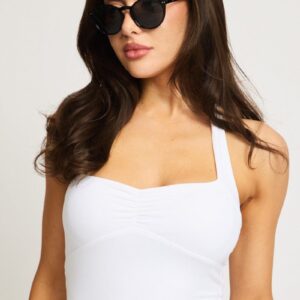
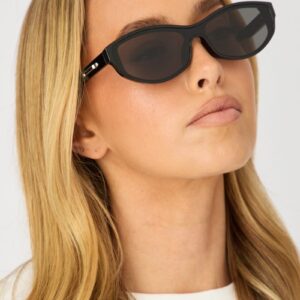
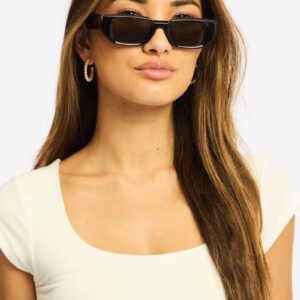
Ally Fashion Black Fashion Sunglasses – Fashion Eyewear Ally Fashion Black Fashion Sunglasses from Ally Fashion: a accessories style with practical fit, styling and buying notes. Check the merchant page for current details.
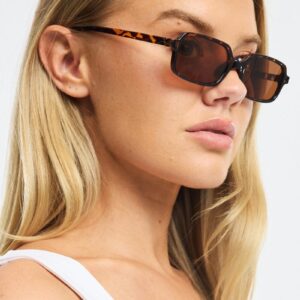
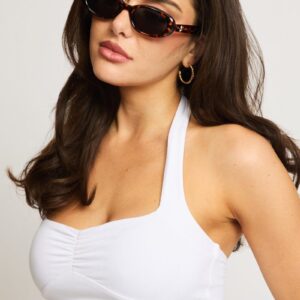
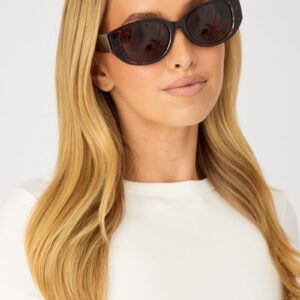
Ally Fashion Brown Animal Print Fashion Sunglasses Now on sale Ally Fashion Brown Animal Print Fashion Sunglasses. Found on the secure and trusted website allyfashion.com. Brown animal print fashion sunglasses feature a bold, textured frame pattern designed for shoppers seeking standout eyewear that adds instant personality to any outfit. Built as a reliable daily accessory, this versatile pair transitions smoothly from casual weekends to relaxed social gatherings.…
Writeups and reviews are our personal opinions. Follow through to the merchants site for more details.
MM6 Maison Margiela Numeric Backpack minimalist nylon MM6 Maison Margiela Numeric Backpack minimalist nylon: Branding: logo leather patch on the front pocket; Straps: adjustable padded backpack straps; Closure: dual zip closure on the main compartment.
Ally Fashion Black Fashion Sunglasses – Fashion Eyewear Ally Fashion Black Fashion Sunglasses from Ally Fashion: a accessories style with practical fit, styling and buying notes. Check the merchant page for current details.
Ally Fashion Brown Animal Print Fashion Sunglasses Now on sale Ally Fashion Brown Animal Print Fashion Sunglasses. Found on the secure and trusted website allyfashion.com. Brown animal print fashion sunglasses feature a bold, textured frame pattern designed for shoppers seeking standout eyewear that adds instant personality to any outfit. Built as a reliable daily accessory, this versatile pair transitions smoothly from casual weekends to relaxed social gatherings.…
Writeups and reviews are our personal opinions. Follow through to the merchants site for more details.
Popular Styles
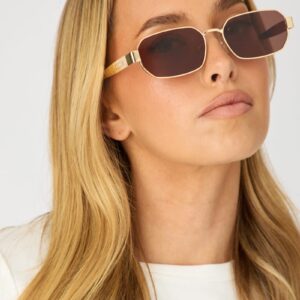
Brown Geometric Fashion Sunglasses | Ally Fashion Brown Geometric Fashion Sunglasses | Ally Fashion features Brown-tinted lenses, Thin gold-tone rims, Gold-tone bridge and temples. A practical choice for everyday styling and occasions where a finishing accessory can sharpen the overall look; check the merchant page for current sizing, availability and product details.
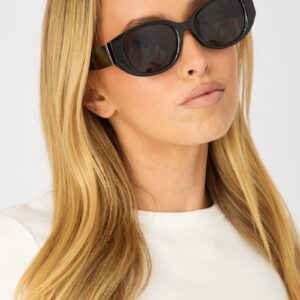
Black Fashion Sunglasses with Dark Lenses | Ally Fashion Black Fashion Sunglasses with Dark Lenses | Ally Fashion features Softly upswept, Rounded cat-eye inspired, Broad fashion frame. A practical choice for everyday styling and occasions where a finishing accessory can sharpen the overall look; check the merchant page for current sizing, availability and product details.
Brown Animal Print Fashion Sunglasses | Ally Fashion Brown Animal Print Fashion Sunglasses | Ally Fashion features White for a clean, bright contrast, Cream and beige for soft neutral styling, Blue denim for casual everyday outfits. A practical choice for everyday styling and occasions where a finishing accessory can sharpen the overall look; check the merchant page...
Ally Fashion Brown Animal Print Fashion Sunglasses Ally Fashion Brown Animal Print Fashion Sunglasses features Brown colourway, Print. A practical choice for everyday styling and occasions where a finishing accessory can sharpen the overall look; check the merchant page for current sizing, availability and product details.
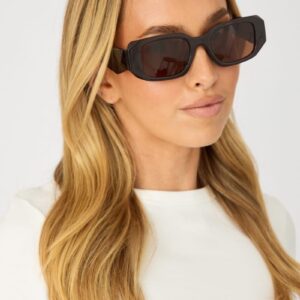
Ally Fashion Black Fashion Sunglasses Ally Fashion Black Fashion Sunglasses features Black colourway. A practical choice for everyday styling and occasions where a finishing accessory can sharpen the overall look; check the merchant page for current sizing, availability and product details.
Ally Fashion Black Fashion Sunglasses Ally Fashion Black Fashion Sunglasses features Black colourway. A practical choice for everyday styling and occasions where a finishing accessory can sharpen the overall look; check the merchant page for current sizing, availability and product details.
Writeups and reviews are our personal opinions. Follow through to the merchants site for more details.